
 Phone: +43 677 628 66 628 |


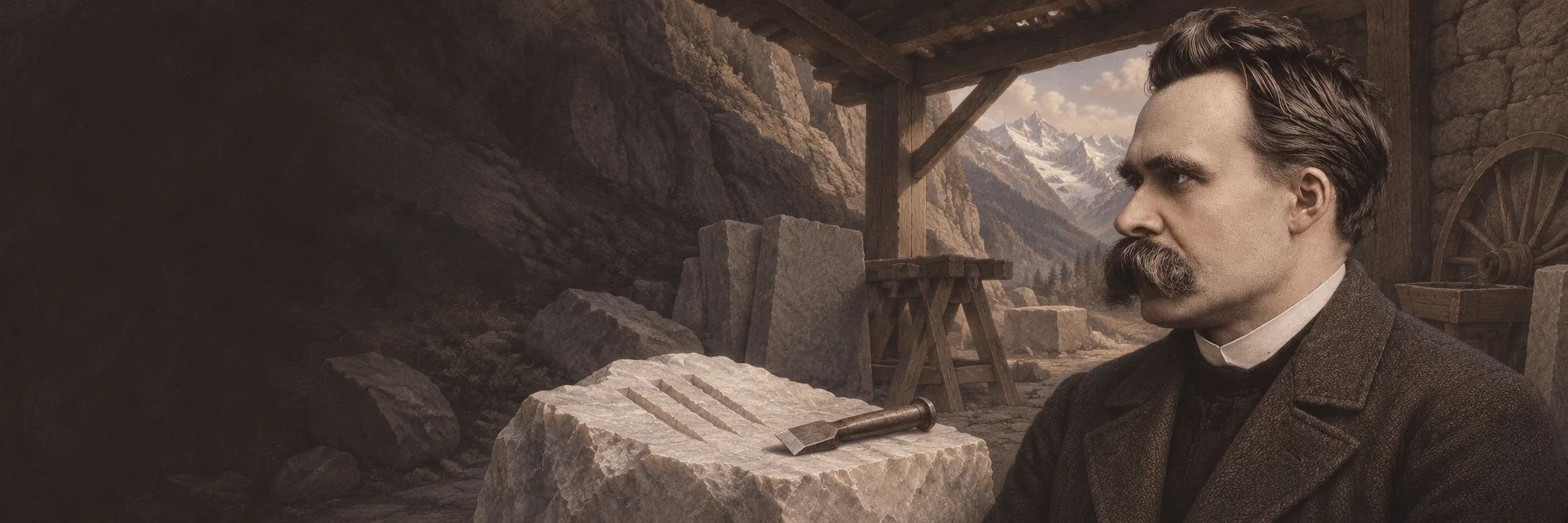
Friedrich Nietzsche
Ah, you human beings, an image lies asleep for me in the stone, the image of my images!
Friedrich Nietzsche (1844–1900)
 Also sprach Zarathustra · 1893 · p. 122
Excerpt. English translation from German.
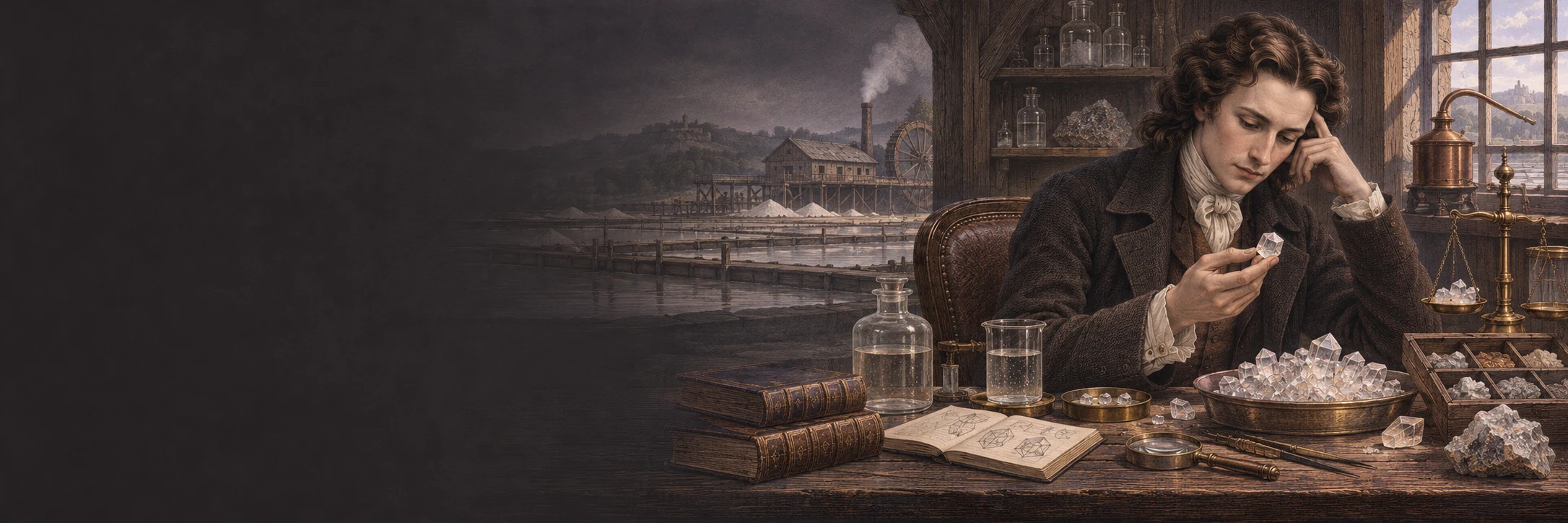
Novalis (1772–1801), the German poet who was born Friedrich von Hardenberg, asks a question in his notes on physiology which might equally occur to someone looking at a crystal. How did this particular body come to have this shape? For a moment two things can be held in mind together, the definite outline in front of us and the many other bodies that the same material might have yielded.
In the section on basic form, Novalis distinguishes several ways in which things grow. A body can increase in volume. Its interior can also acquire divisions and connections that barely register on its surface. Against that background his comparison with a human being takes on a particular force. The eye can follow a person's outline, yet the outline gives little idea of the possibilities with which that person began.
A human being is, as it were, one crystal of the substance from which endlessly many crystals could have formed.
– Novalis, Fragmente I, 1929, Fragments of a medical encyclopaedia, Physiology, Basic form.[1]
The following sentence changes the scale. Novalis imagines that the fully formed crystal might itself consist of countless smaller crystals resembling it. Until now, multiplicity has belonged to all the shapes that could have emerged from one substance. Suddenly there is room for it inside the particular shape that actually emerged.
The comparison suggests an attentive way of looking at a person. One can take seriously the features that have come to distinguish someone while remembering how many other outcomes were once possible. The quiet qualification “as it were” leaves the reader free to follow that thought.
 Search
Ah, you human beings, an image lies asleep for me in the stone, the image of my images!
Friedrich Nietzsche (1844–1900)
Also sprach Zarathustra · 1893 · p. 122
Excerpt. English translation from German.
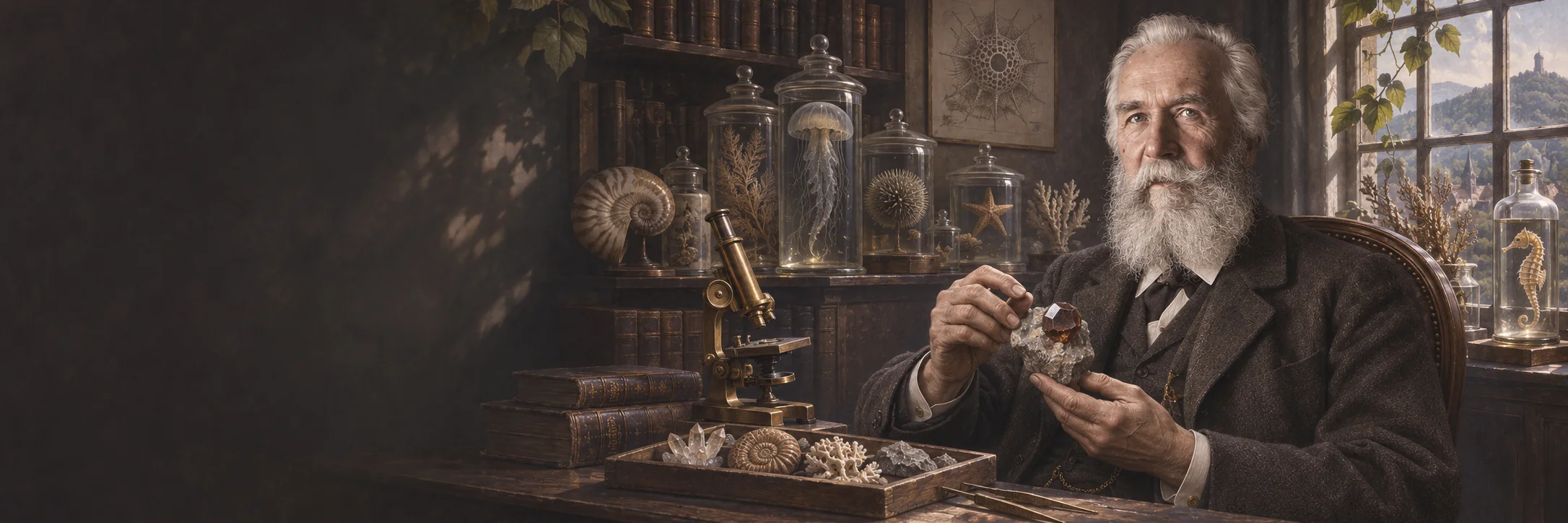
All substance possesses life, inorganic as well as organic; all things are animate, crystals as much as organisms.
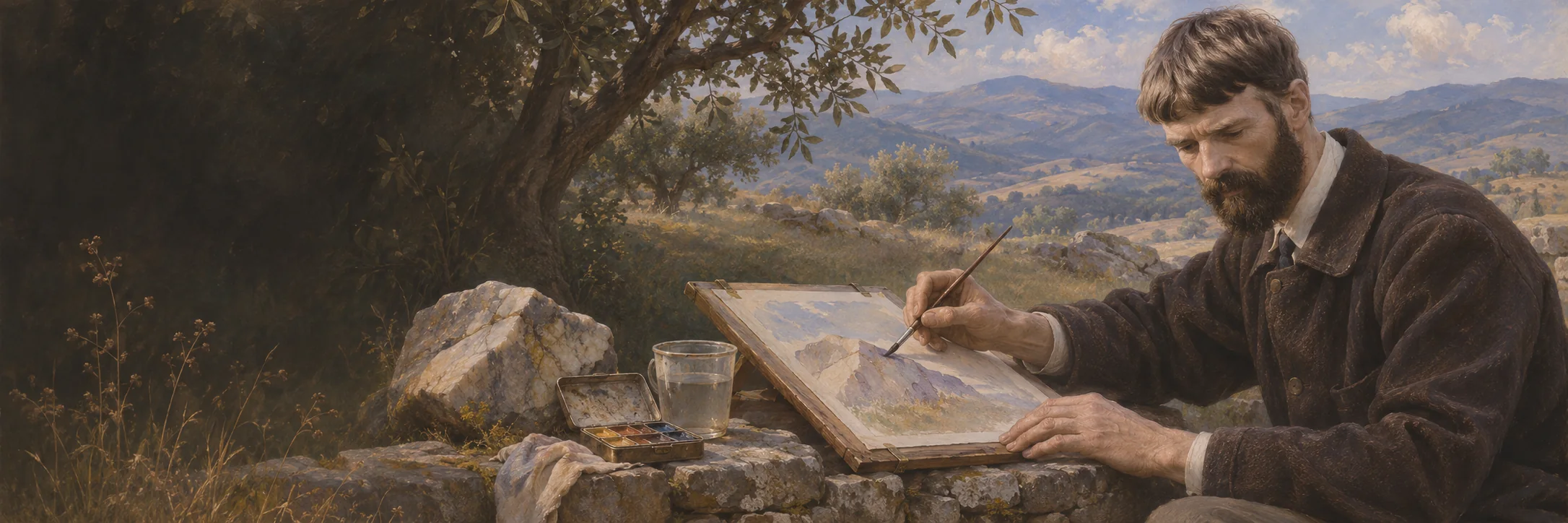
Everything that exists, even a stone, has two sides to its nature. It fiercely maintains its own individuality, its own solidity. And it reaches forth from itself in the subtlest flow of desire.
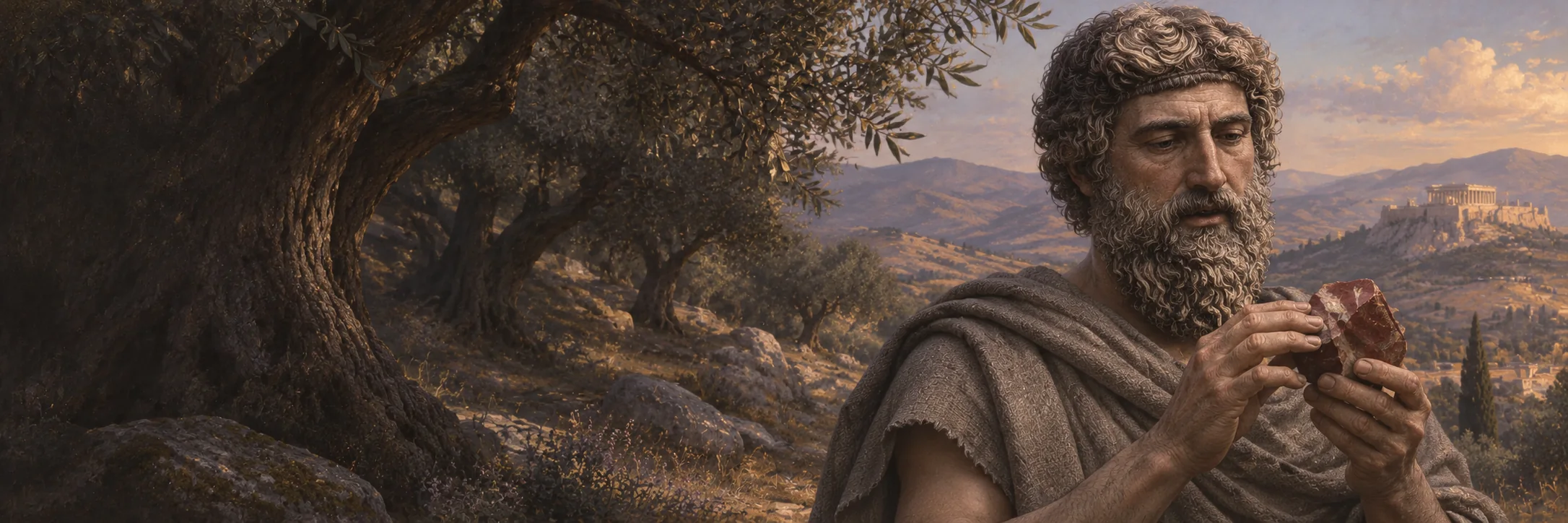
[…] but there all the stones are as our precious stones, and even more beautiful still.
Plato (c. 428/427–348/347 BCE)
Excerpt. English translation by F. J. Church.
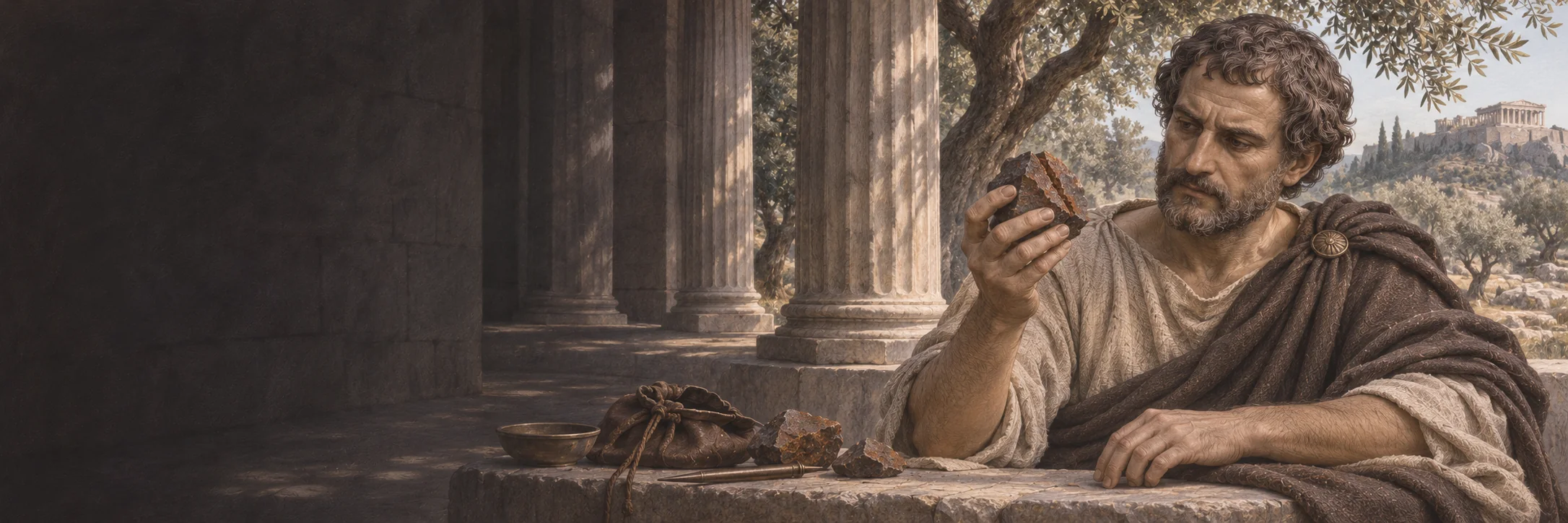
The vapour-like exhalation produces them all when it is trapped, particularly in stones.
Aristotle (384–322 BCE)
Meteorologica · III, 6 (378a) · p. 106
Excerpt. Our translation from the Greek.
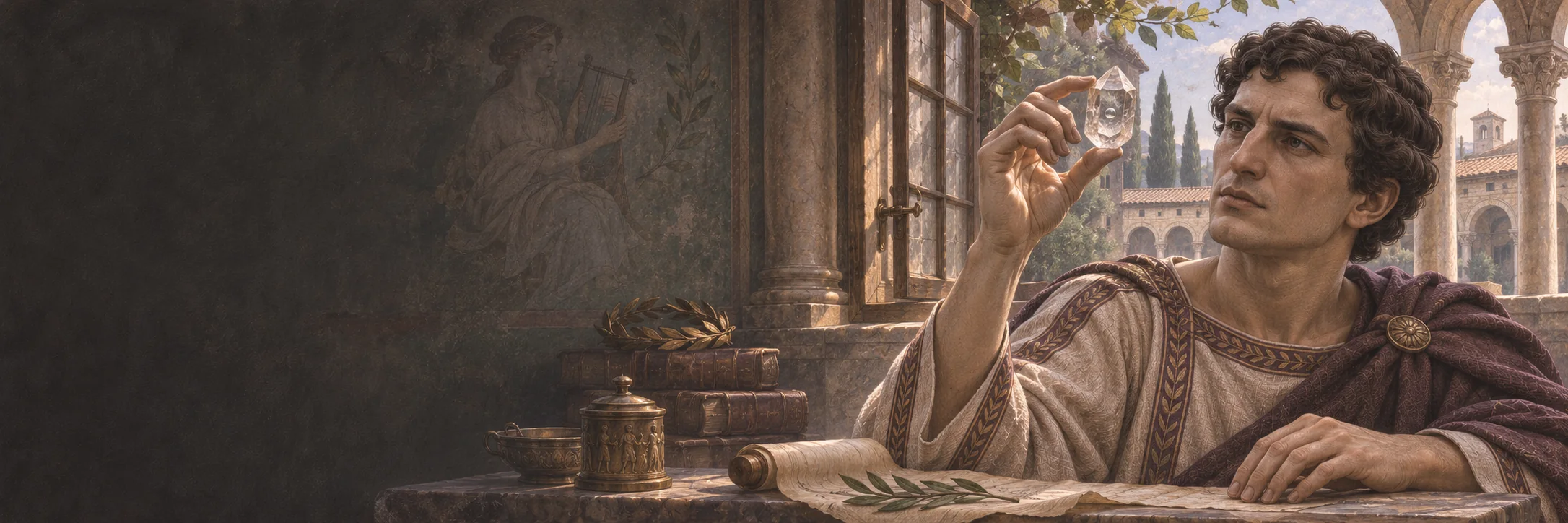
What warmth enclosed within keeps the waters safe? What south wind melted the ice inside?
Claudian (c. 370–c. 404)
Carmina minora · XXXIV (LVII) · p. 250
Lines 5–6. Our translation from the Latin.
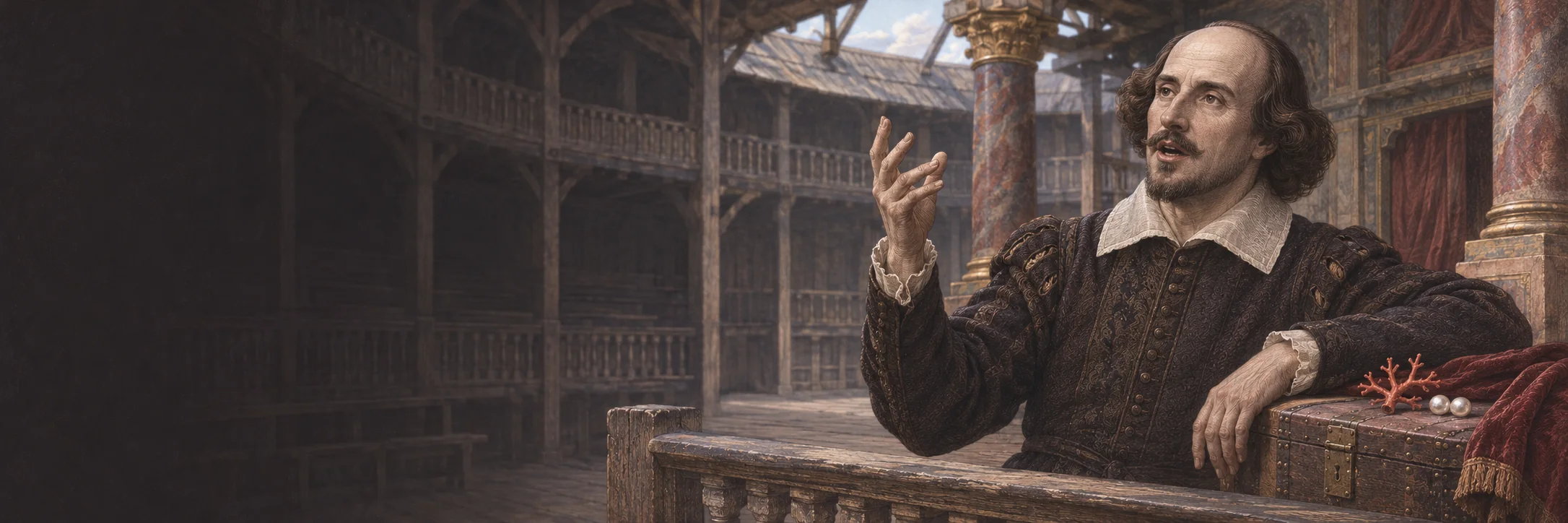
Of his bones are coral made; / Those are pearls that were his eyes:
William Shakespeare (1564–1616)
Excerpt from Ariel’s song in the English original.
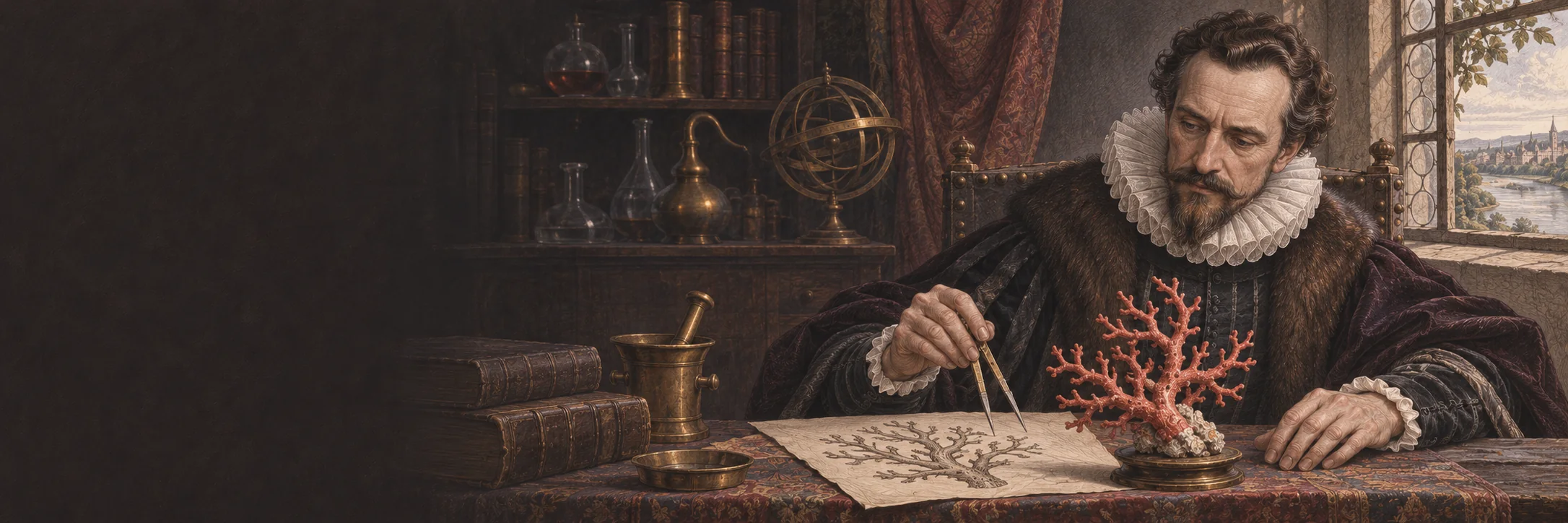
As coral grows under water and hardens in the air, so does the stone.
Michael Maier (1568–1622)
Atalanta fugiens · Emblema XXXII · p. 137
Our translation of the Latin motto.
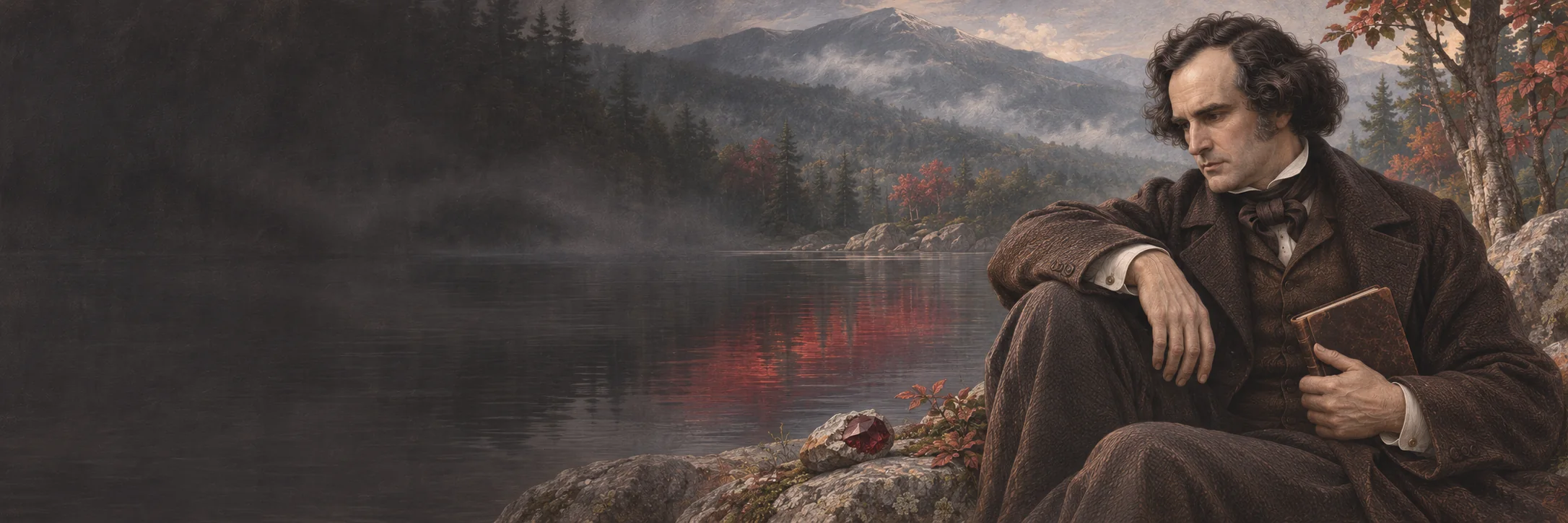
They seemed changed to one another’s eyes, in the red brilliancy that flamed upon their cheeks, while it lent the same fire to the lake, the rocks, and sky, and to the mists which had rolled back before its power.
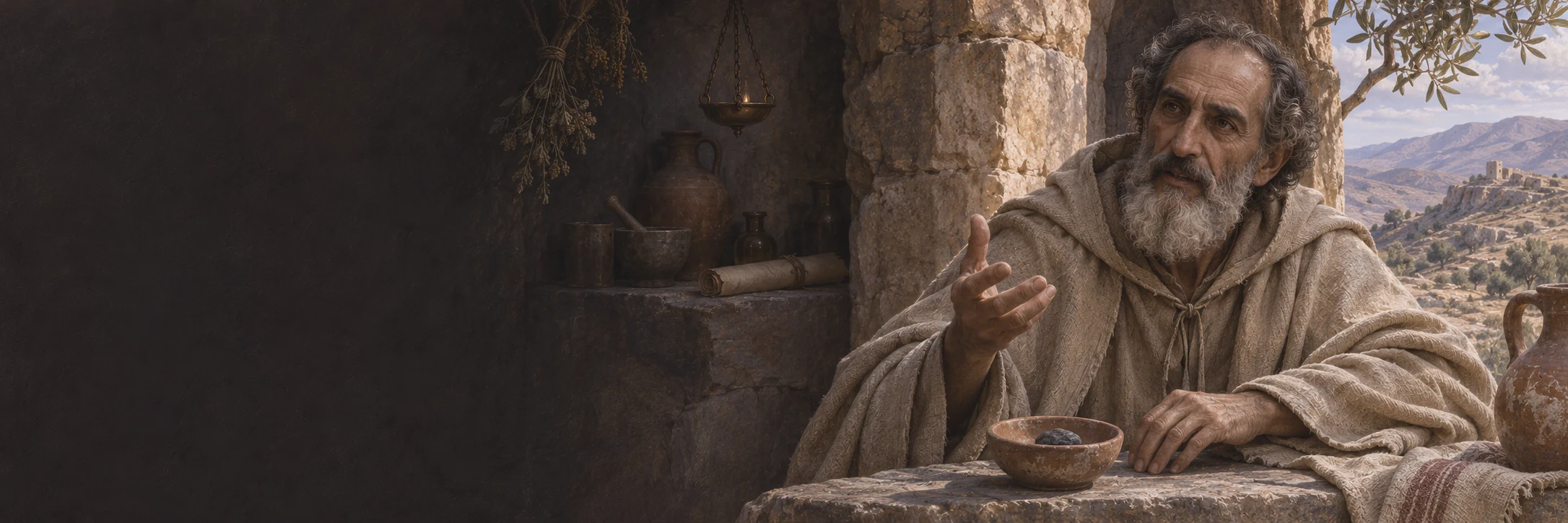
For this stone contains the four elements. It resembles the world and the way the world is put together.
Morienus Romanus (dates unknown)
De transfiguratione metallorum · Dialog mit König Calid · 1559 · fol. 23r
Our translation from Latin
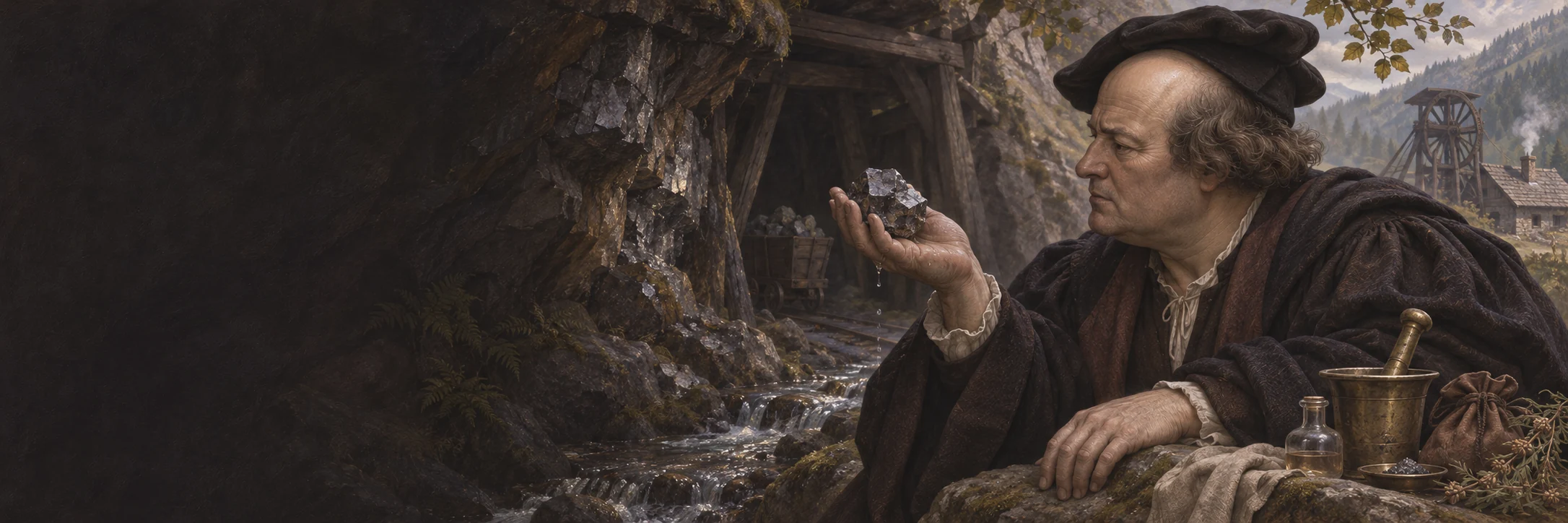
[…] the root of minerals is in the water, as the root of trees and herbs is in the earth.
Paracelsus (1493/94–1541)
A Book about Minerals · 1894 · p. 241
Translation by A. E. Waite · excerpt

We see that fire gives motion to all things. For dense and cold things, such as stones, frozen water, plants and earth, have no motion. But when fire resolves them into smoke and finer vapour, they all move and impart motion to the things to which they attach themselves.
Tommaso Campanella (1568–1639)
Del senso delle cose e della magia · II, 8 · 1925 · p. 53
Our translation from Italian
 Cart