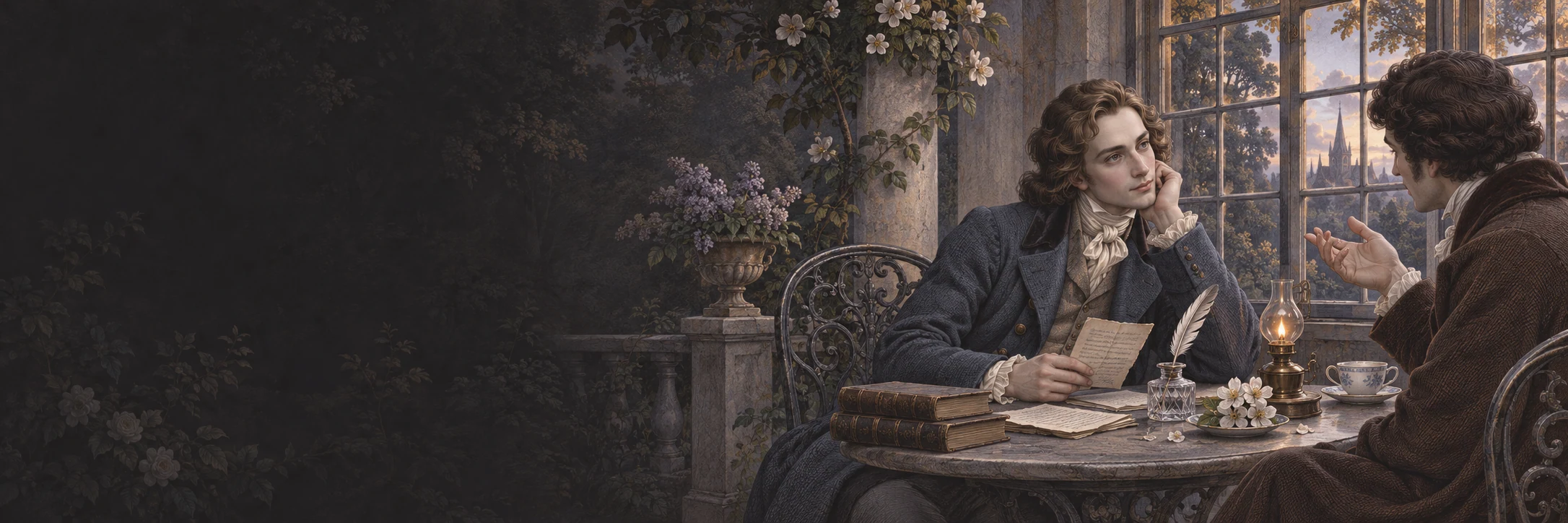
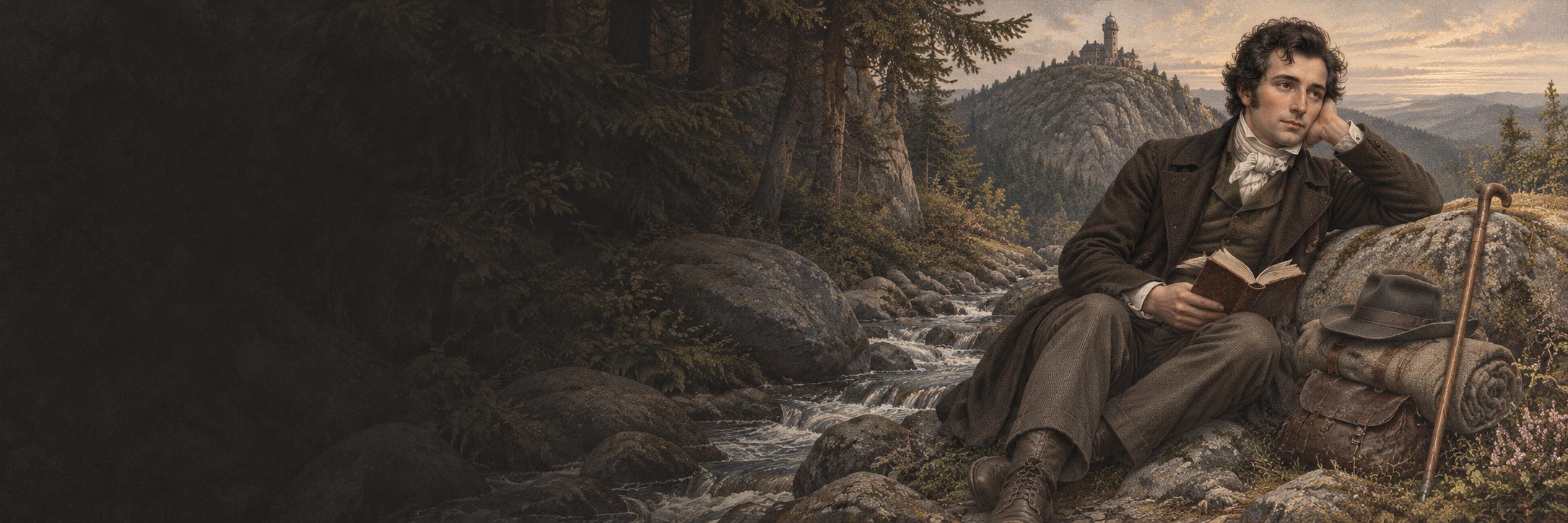
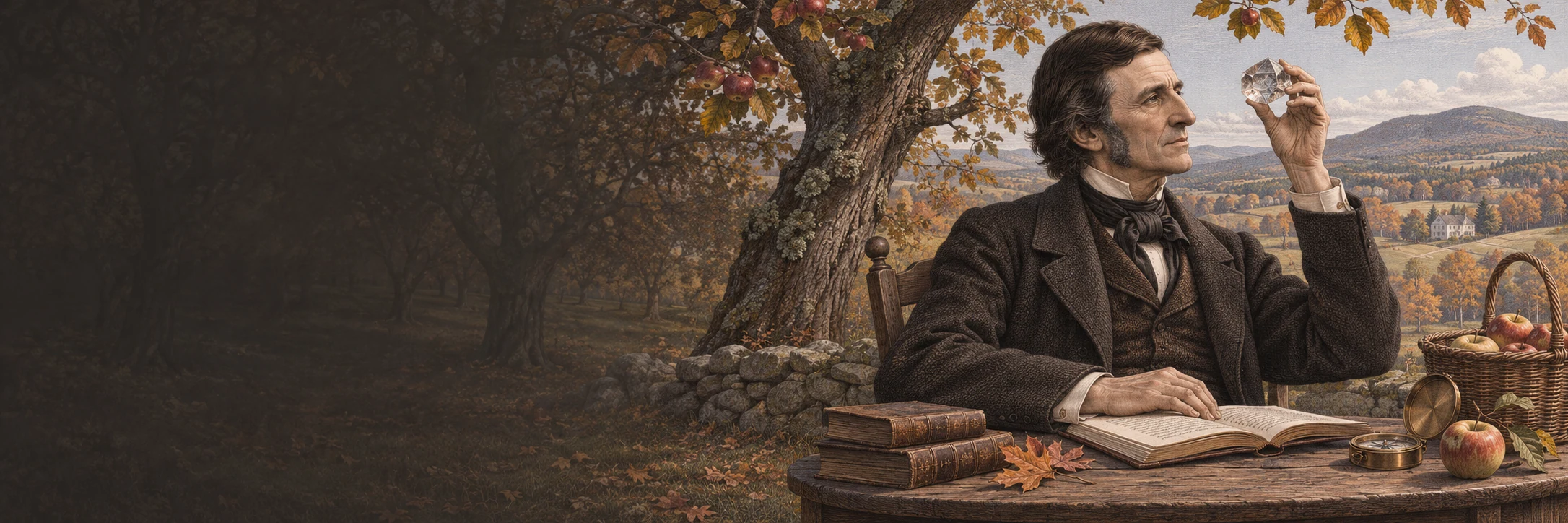
Novalis (1772–1801), the German poet Friedrich von Hardenberg, sends three people up a hill by the river with a breakfast basket in Heinrich von Ofterdingen. They are Mathilde, her father Klingsohr and young Heinrich, who has fallen in love with her. From the hill they all see the same landscape. Yet for Heinrich the presence of his two companions has changed how near even distant things appear. The view opens up like a landscape within himself.
How a colour comes into being
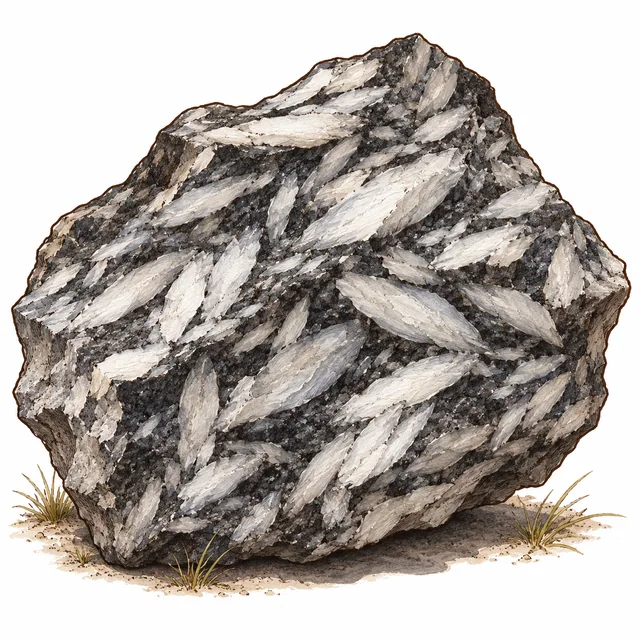
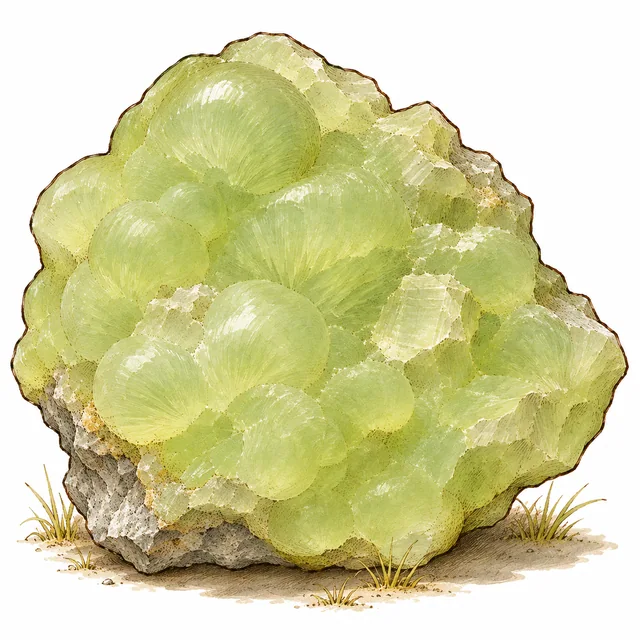
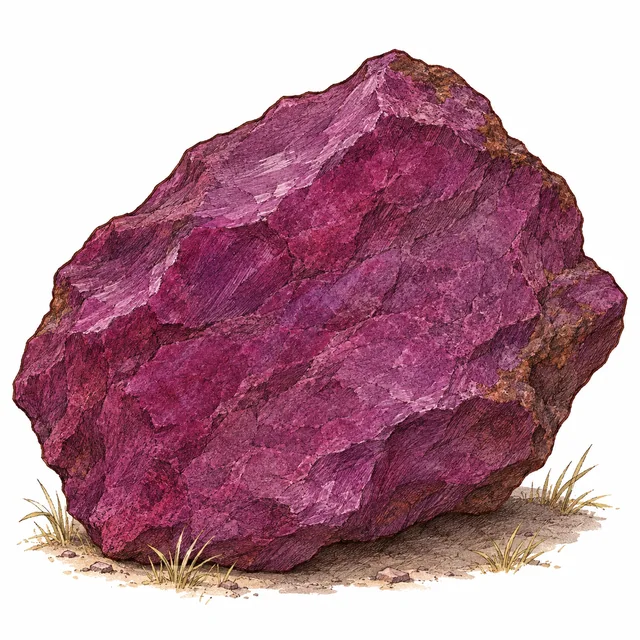
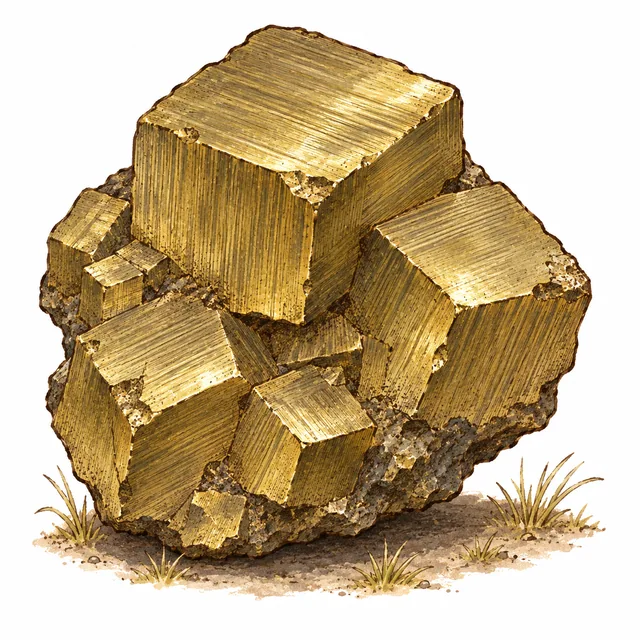
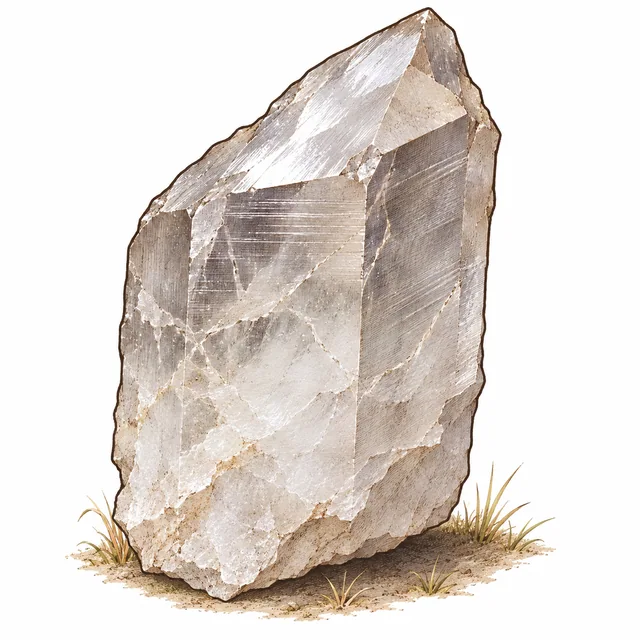
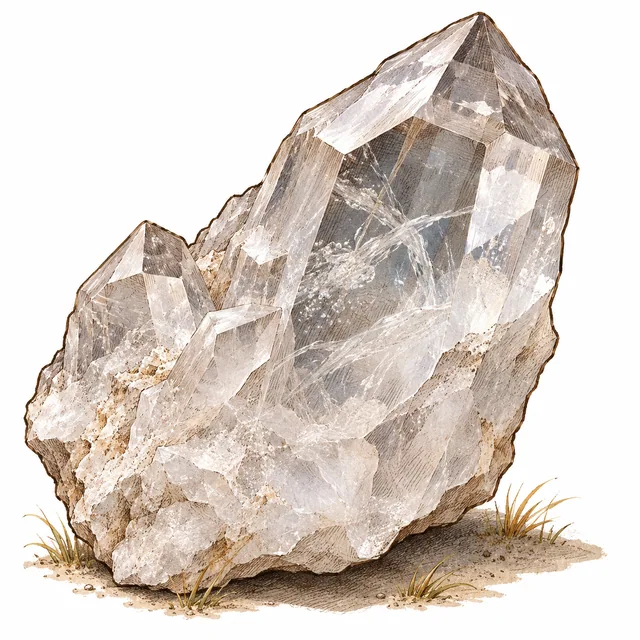
People are crystals for our inner life. They are nature made transparent.
– Novalis, Heinrich von Ofterdingen, 1820, p. 163.[1]
Klingsohr prepares the comparison. A body can obstruct light, break it into colours or even light up other things. What it does depends on its own particular character. Heinrich replies with his two sentences about crystals. Immediately afterwards he calls Mathilde a pure sapphire. There are two things he admires in this stone. One can see through it, and the light it gives off still has a character of its own. It is the gentleness of this light in particular that makes him think of Mathilde.
The weather through another person’s eyes
An example from their walk suggests how far the comparison reaches beyond Heinrich’s love. A farmer whose crops are suffering from adverse weather might see the very same view quite differently. Even his account of it changes what a listener sees. Hence the importance of those last words about people being crystals “for our inner life.” A second person has come between the landscape and its observer. What their joy or anxiety discloses might never have been found by looking at the landscape alone.

 Phone: +43 677 628 66 628 |


 Search

 Meister Eckharts mystische Schriften. In unsere Sprache übertragen von Gustav Landauer · p. 126
 Cart