
 Phone: +43 677 628 66 628 |


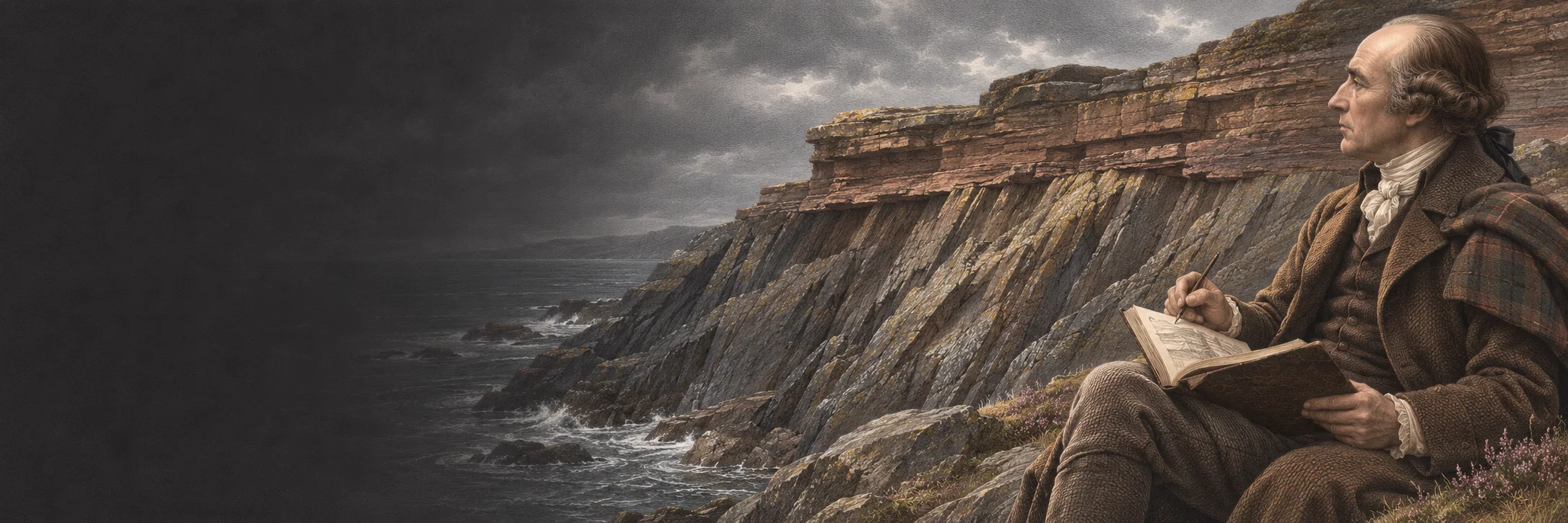
James Hutton
The result, therefore, of our present enquiry is, that we find no vestige of a beginning,—no prospect of an end.
James Hutton (1726–1797)
 Transactions of the Royal Society of Edinburgh, I · p. 304
Original wording
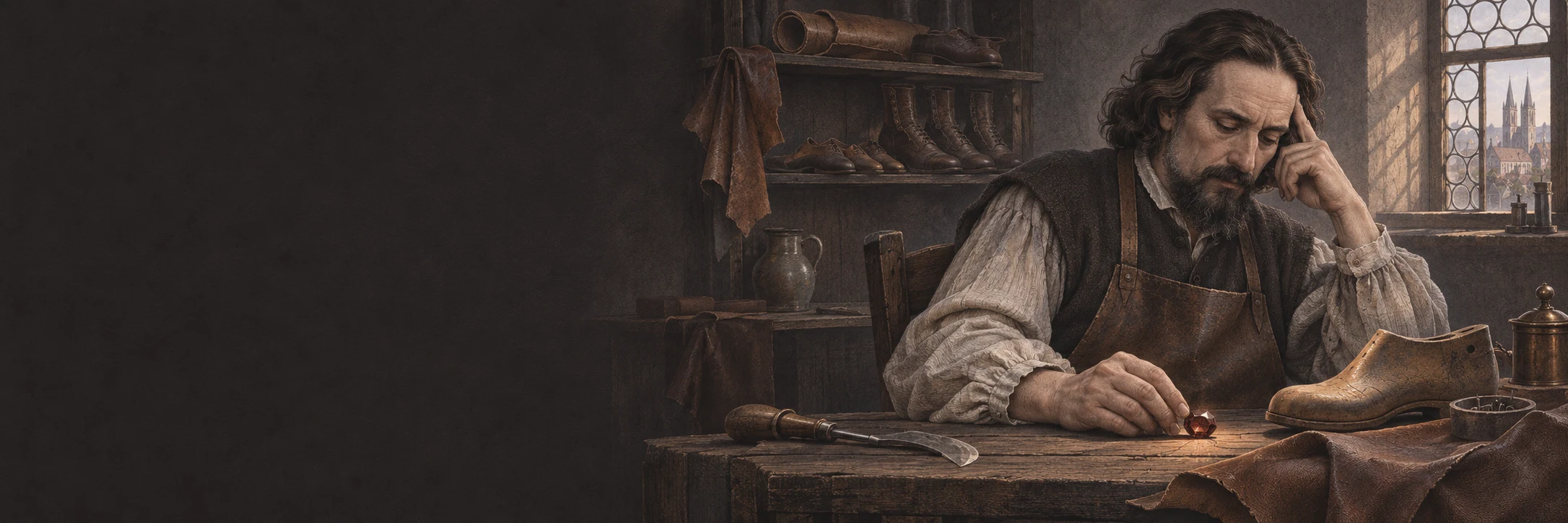
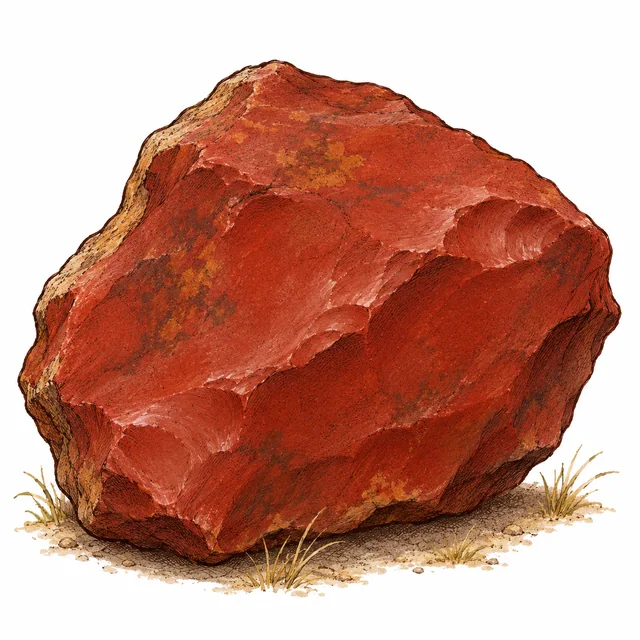
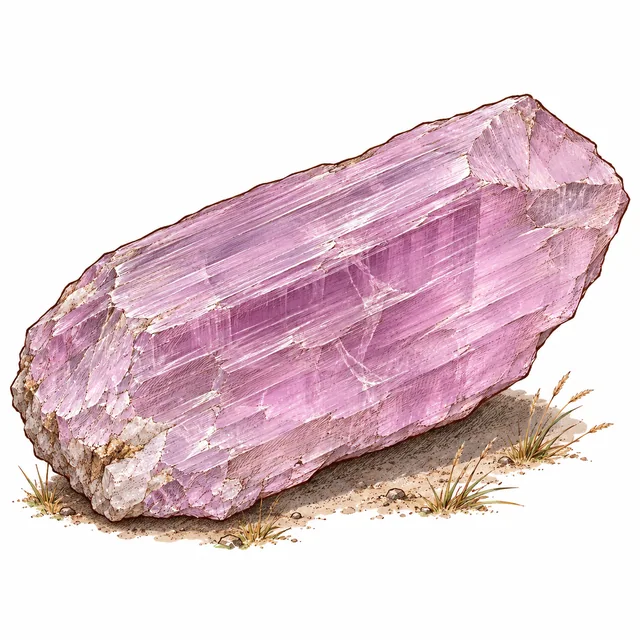
Jakob Böhme (1575–1624), a German shoemaker and religious writer from Upper Lusatia, considers the formation of the earth in his Aurora. He imagines creation as an event whose different forces can still be discerned in things. A rough flint and a clear ruby therefore present him with different questions. How did one come by its spiky outline and the other by a light that seems to shine from within?
As for precious stones such as carbuncle, ruby, emerald, delphin, onyx and the like, the finest of stones, they have their origin where the flash of light arose in love.
– Jakob Böhme, Aurora oder Morgenröthe im Aufgang, 1832, p. 198.[1]
The passage follows a discussion of harsh, bitter and fiery powers. Böhme uses words of this kind both for how something feels and for the process by which he imagines it came into being. His language changes when he reaches the gemstones. What matters to him here is a flash of light, a happening he associates with love. In the following line he speaks of gentleness. A hard substance can therefore bear a sign of gentleness for someone looking at it in his way. Turn a stone until its lustre catches the eye for an instant and it becomes easier to see why he chooses a word for an event.
A little further on Böhme turns to his reader and asks what use gold, silver and gemstones serve in this world and whether people ought to use them. Attention shifts from how a stone came into being to what happens when it changes hands. Seeing a sign of creation in a precious thing gives its owner no special claim to being a good custodian. For Böhme the same stone deserves another look when someone takes it into their possession.
 Search
The result, therefore, of our present enquiry is, that we find no vestige of a beginning,—no prospect of an end.
James Hutton (1726–1797)
Transactions of the Royal Society of Edinburgh, I · p. 304
Original wording
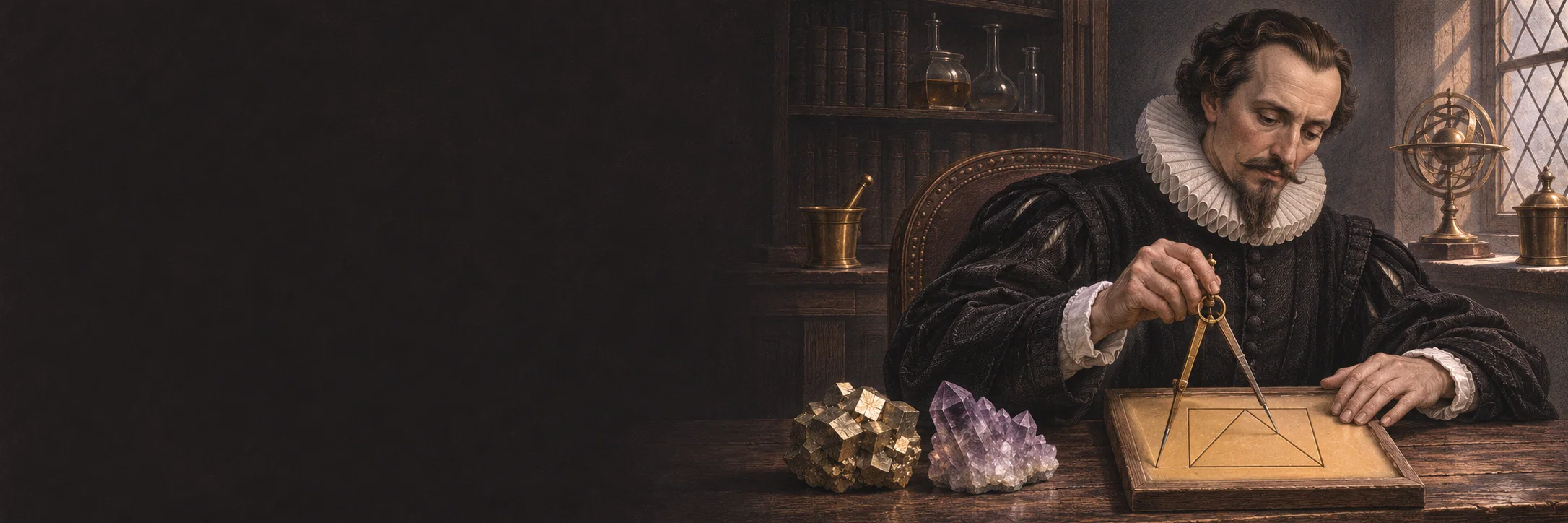
The stone is a triangle in essence and a quadrangle in quality.
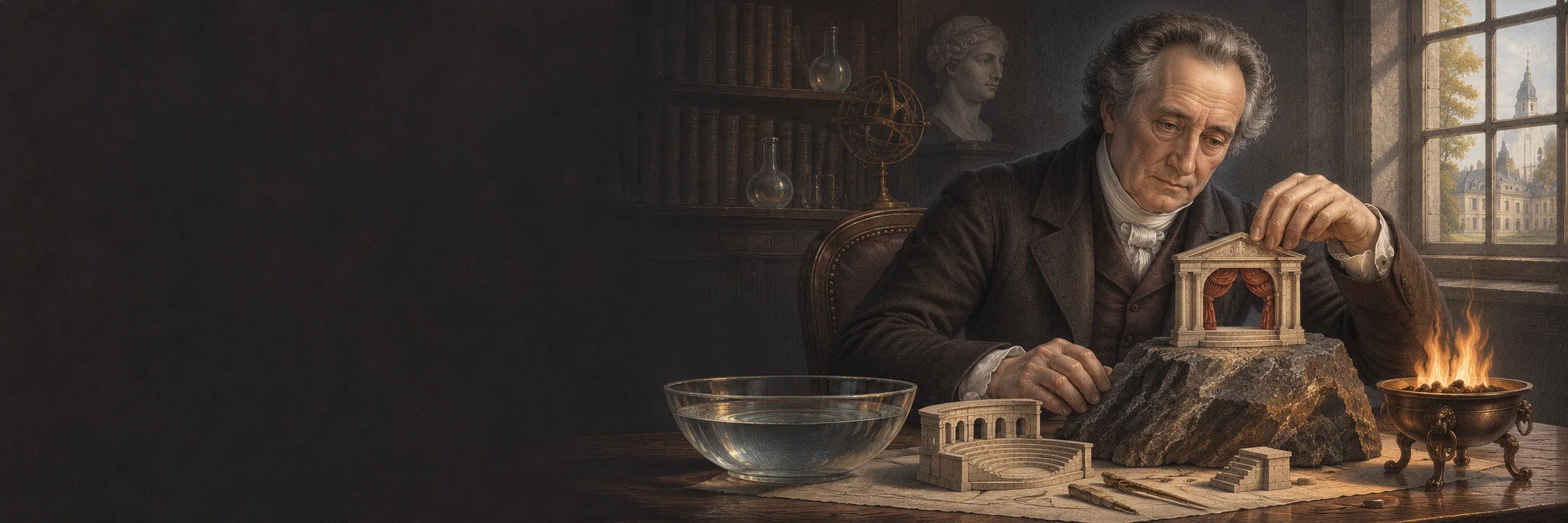
Anaxagoras: Through fiery vapour this rock came to hand. Thales: In moisture living things arose.
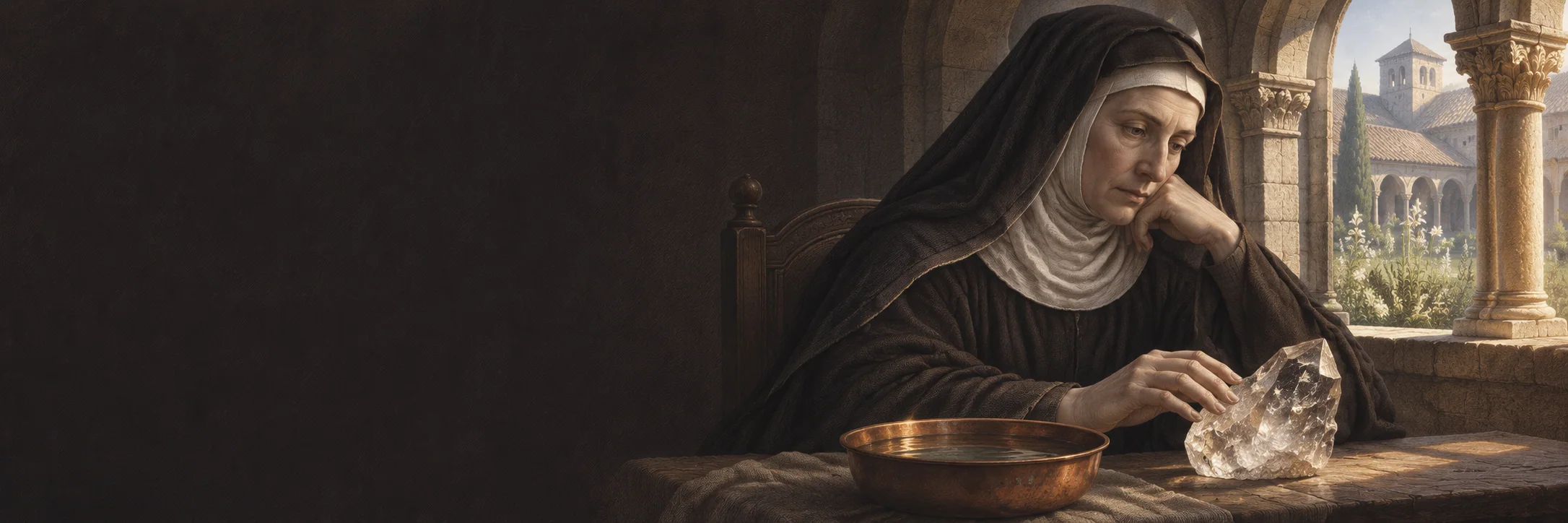
[…] the heart of the water congeals into firmness. […]
Hildegard of Bingen (1098–1179)
Physica, Patrologia Latina 197 · col. 1263
Our translation; unclear opening construed from context · excerpt
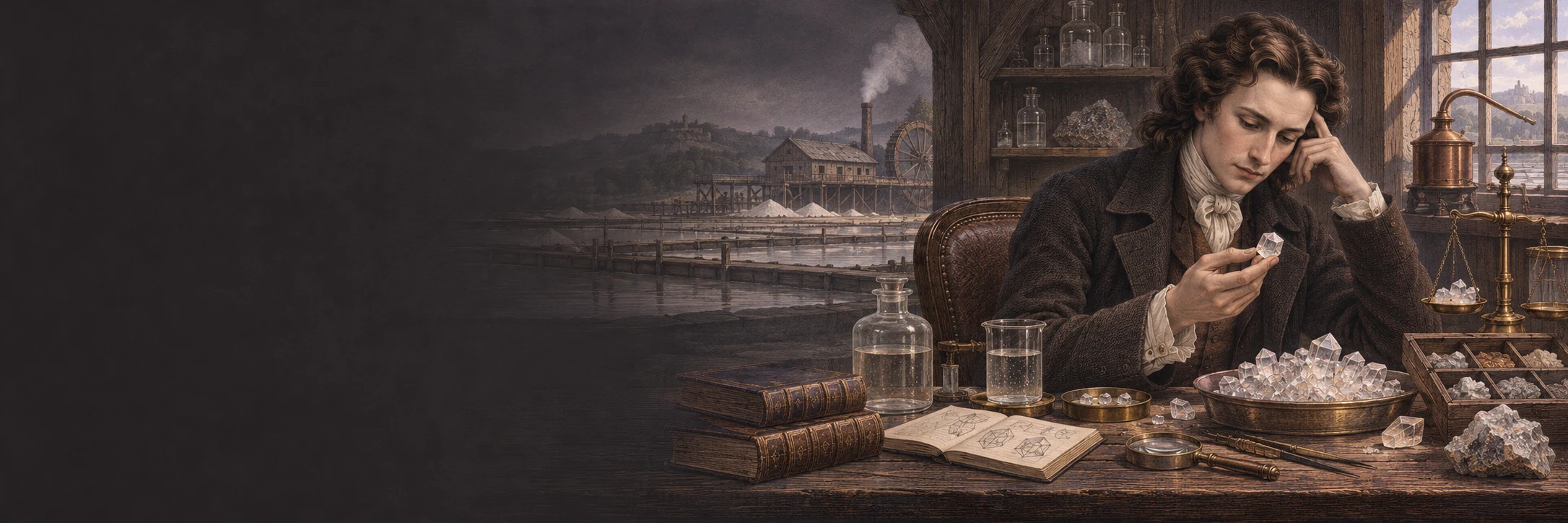
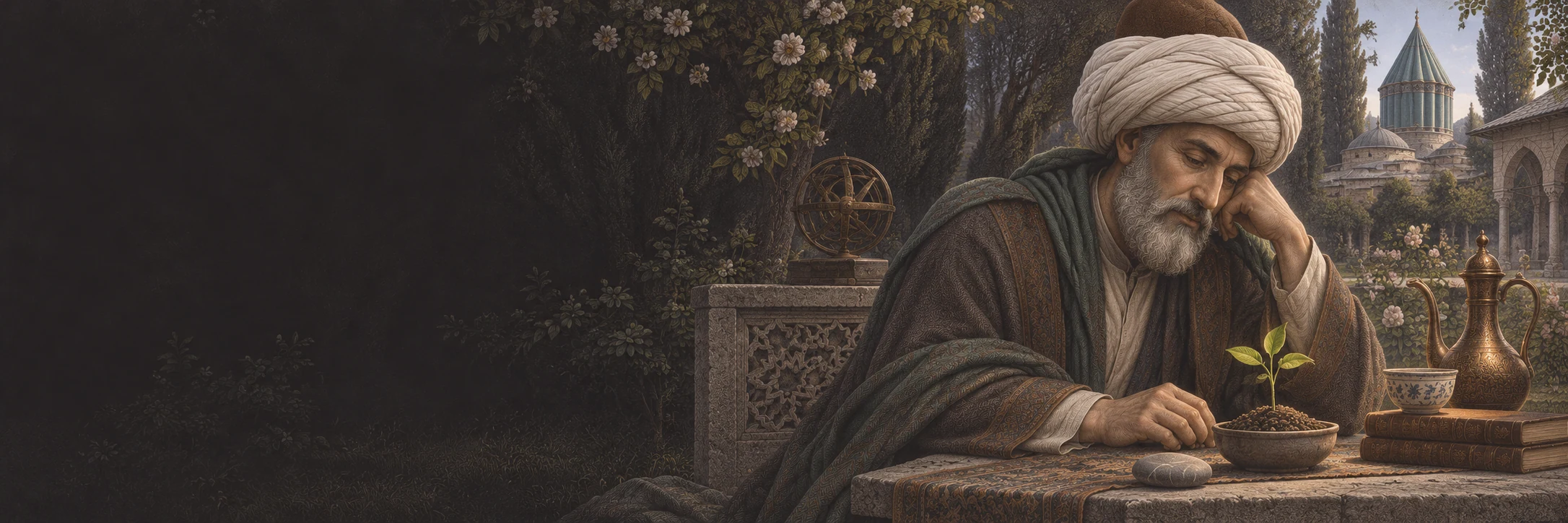
Look! I died as stone and sprang up as a plant
Dschalāl ad-Dīn Rūmī (1207–1273)
Excerpt. Our translation of Friedrich Rückert’s German rendering
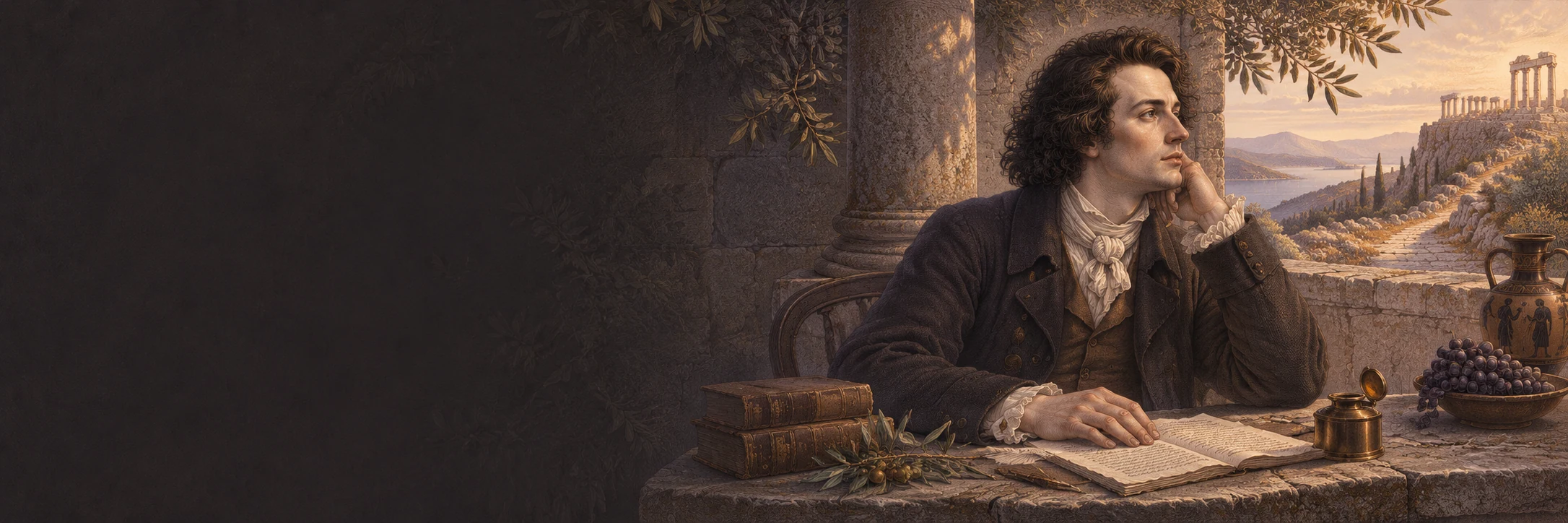

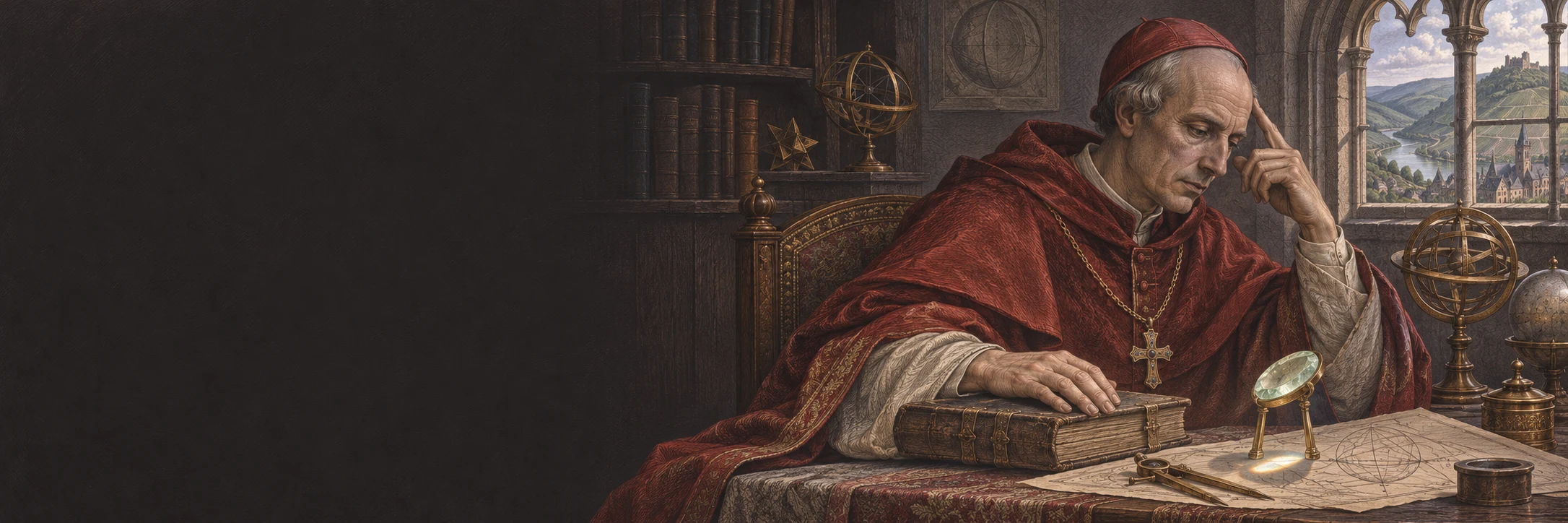
Beryl is a bright, white, transparent stone. It is given a shape both concave and convex, and the person looking through it reaches what was previously invisible.
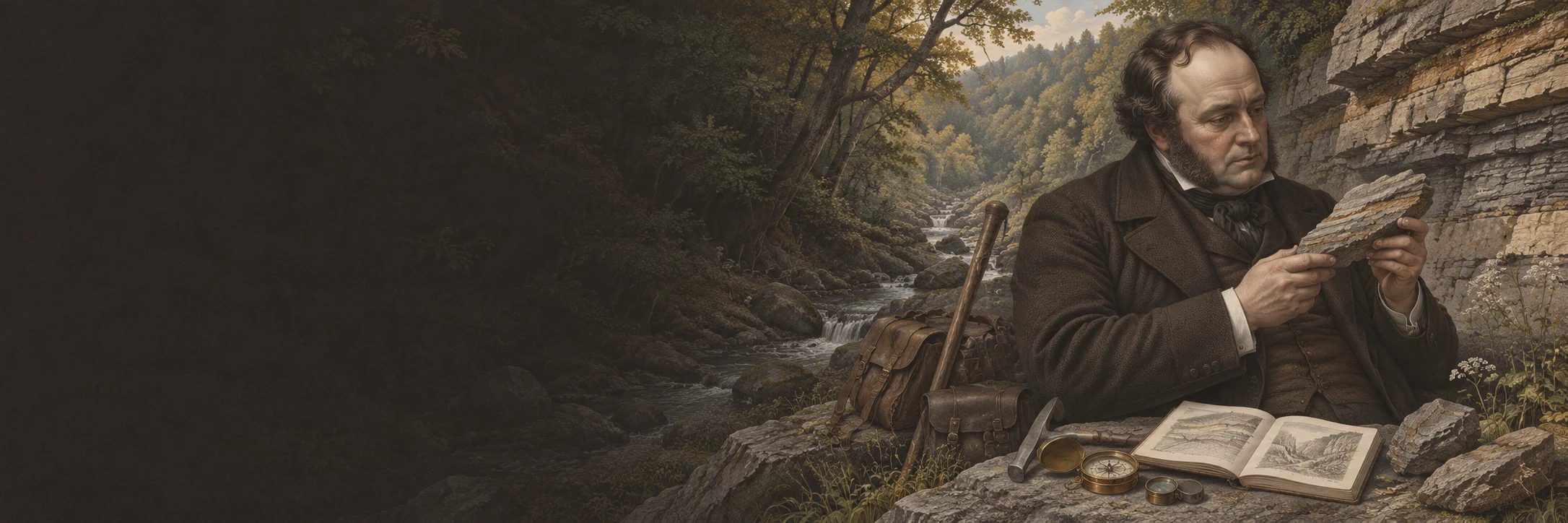
The earth itself keeps the sources for its history within it, as in a vault of records, sources perhaps set down in millions of documents. What matters is that we learn to read them and do not falsify them through zeal and the urge to be right.
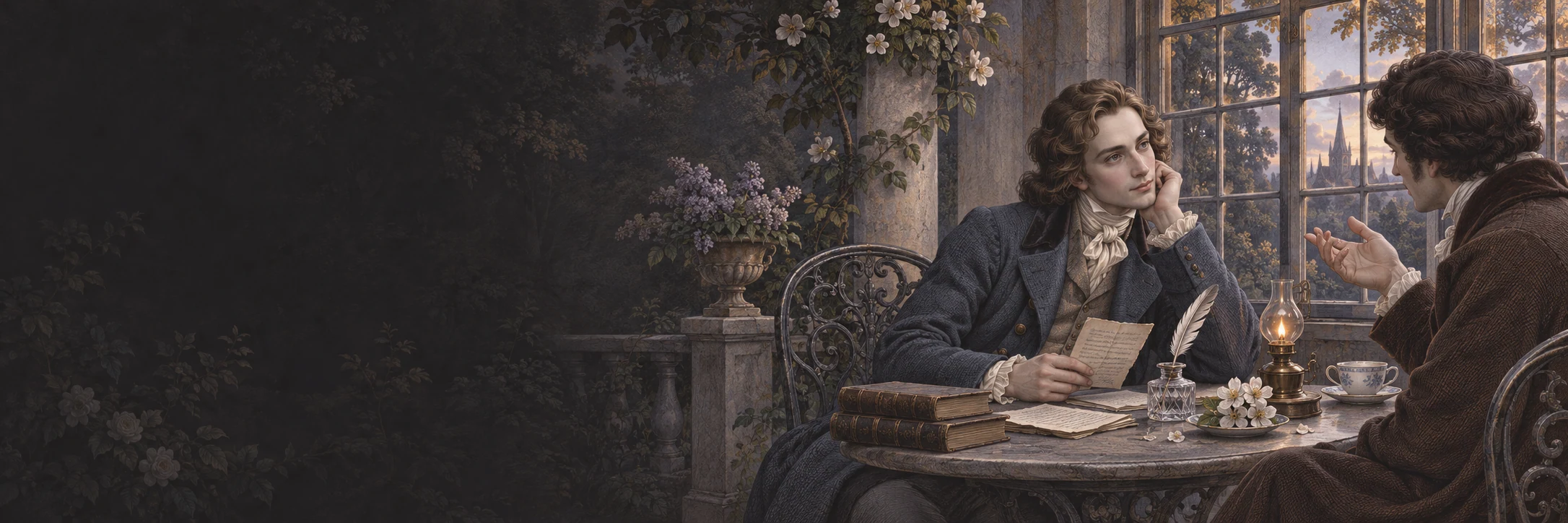
People are crystals for our inner life. They are nature made transparent.
As for precious stones such as carbuncle, ruby, emerald, delphin, onyx and the like, the finest of stones, they have their origin where the flash of light arose in love.
 Cart