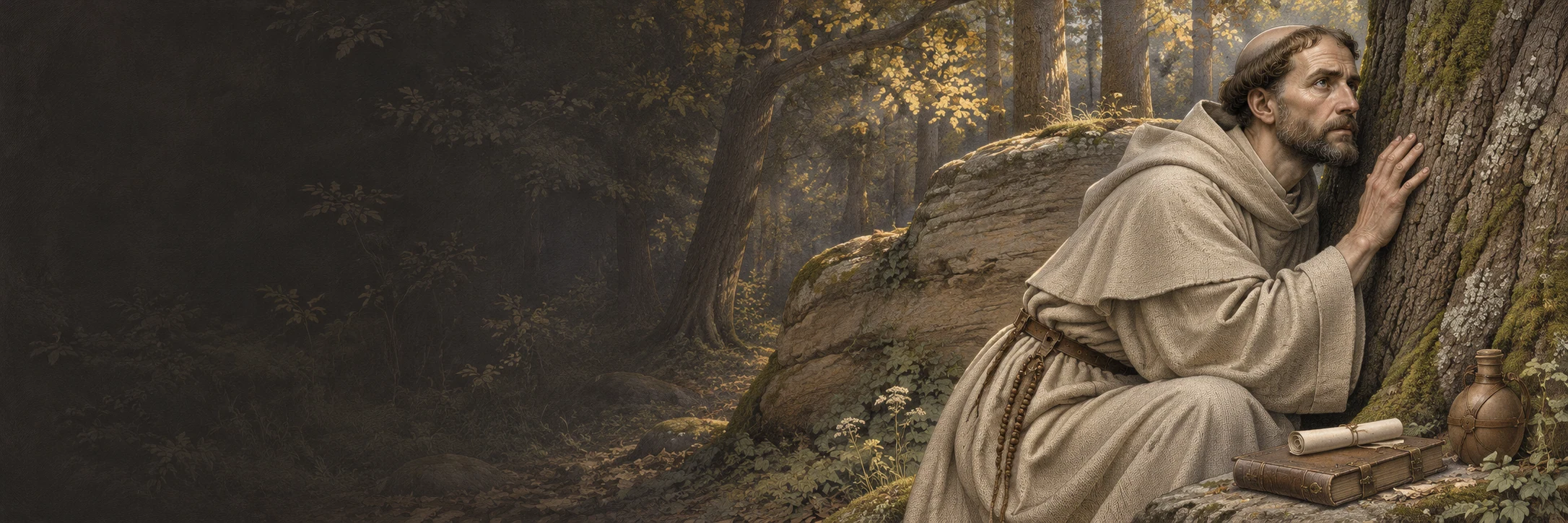
Bernard of Clairvaux (1090/91–1153), a Cistercian abbot from Burgundy, wrote these words to a learned correspondent, Henry Murdach. A reader might expect him to support his advice by citing an especially distinguished authority. Instead he asks Henry to take the word of someone who has tried the thing himself. What he has in mind will require Henry to get up from his accustomed place of study.
Leaving the schoolroom
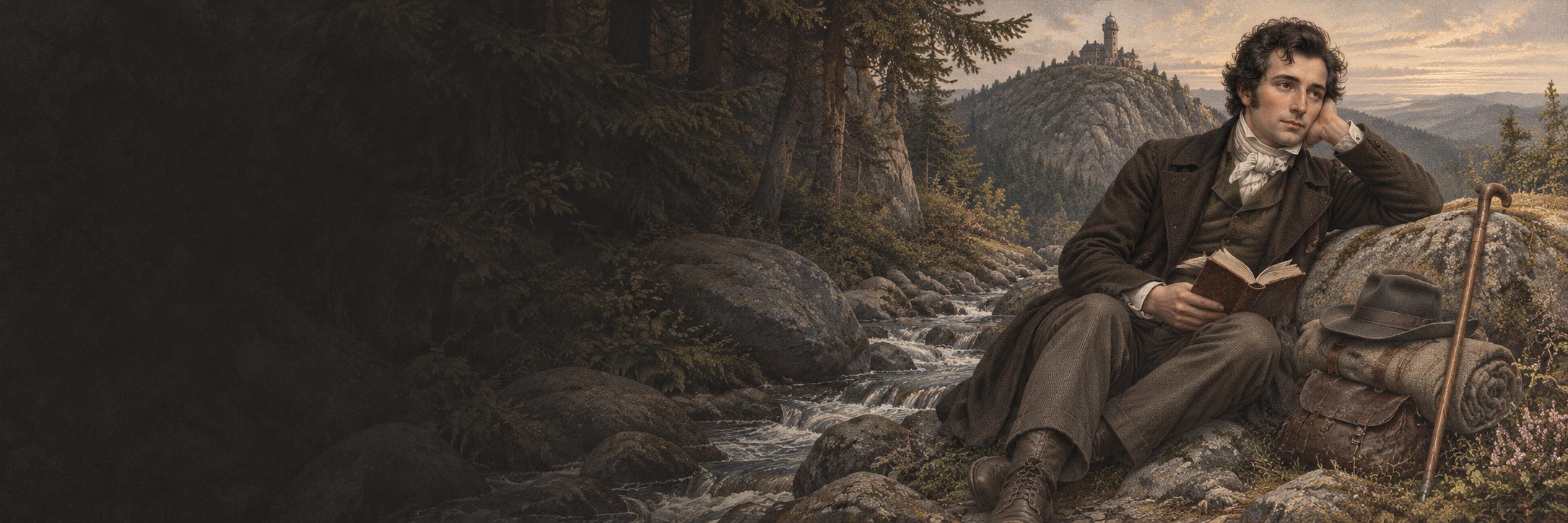
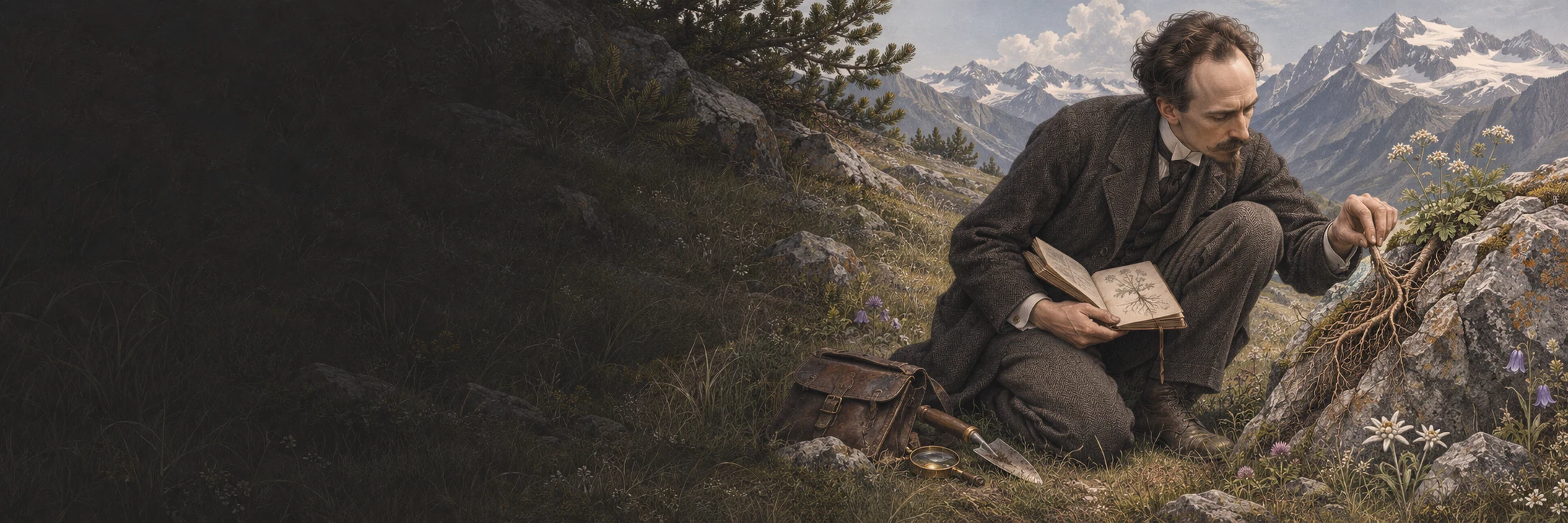
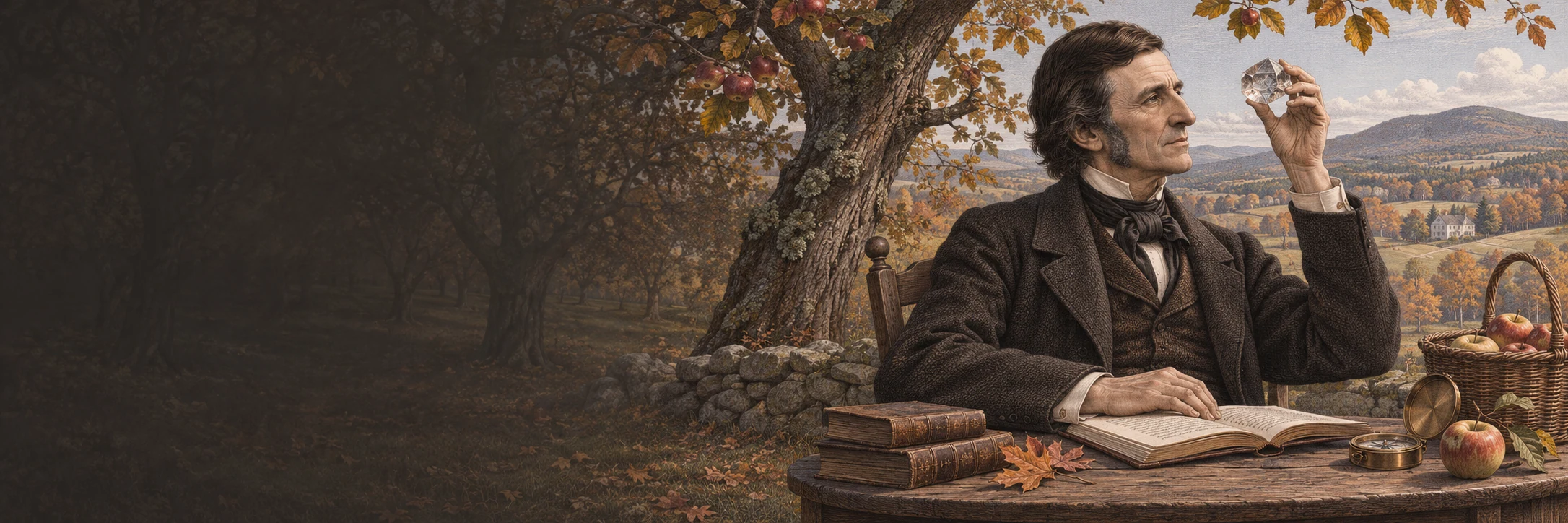
Believe one who has tried: you shall find a fuller satisfaction in the woods than in books. The trees and the rocks will teach you that which you cannot hear from masters.
– Bernhard von Clairvaux, Epistolae, o. J., p. 353.[1]
Bernard sends his reader to teachers from whom he will never hear a single word. A tree cannot explain a difficult passage. A rock will never dictate an answer to a question that has defeated him. How would anyone coming home from such teachers know what he had learned? Bernard sets his friend no exercise whose results he can display at the end of the day. He offers him a different way of spending that day and trusts him to discover the difference for himself.
Something to taste in a rock
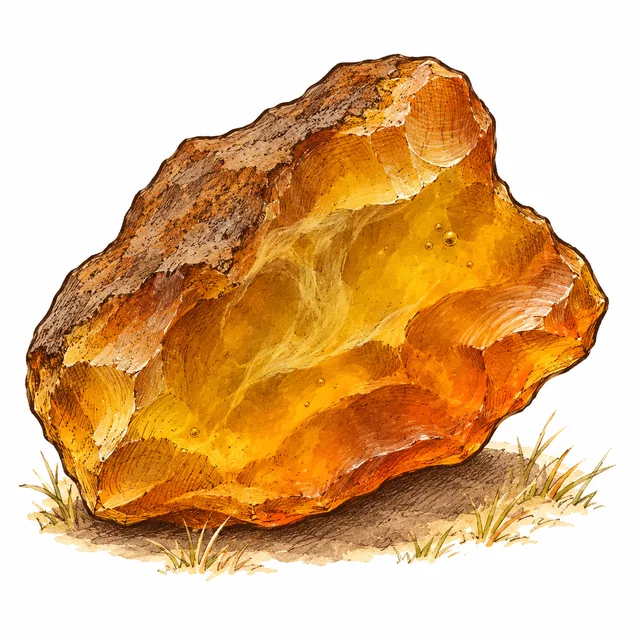
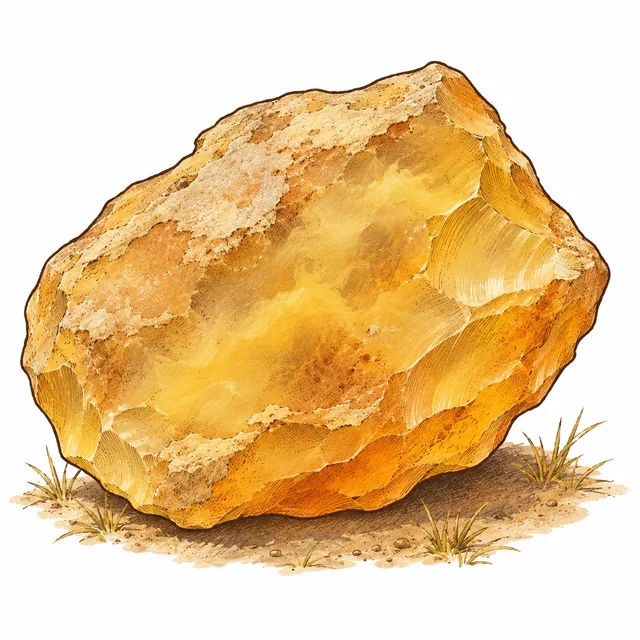
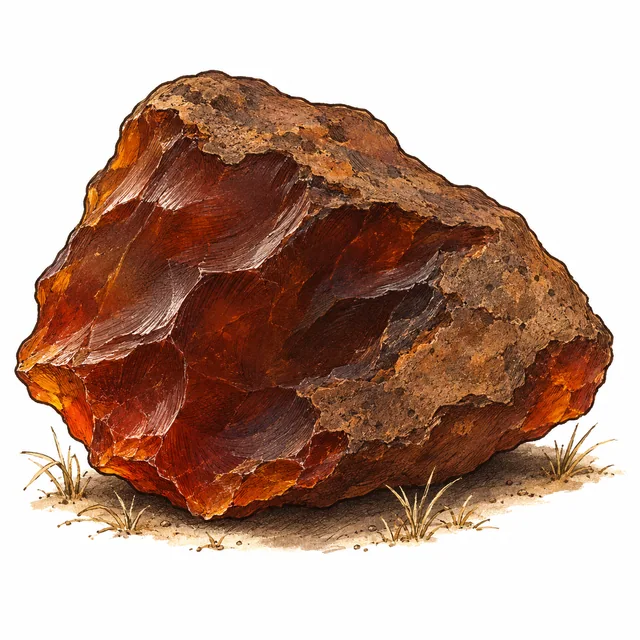
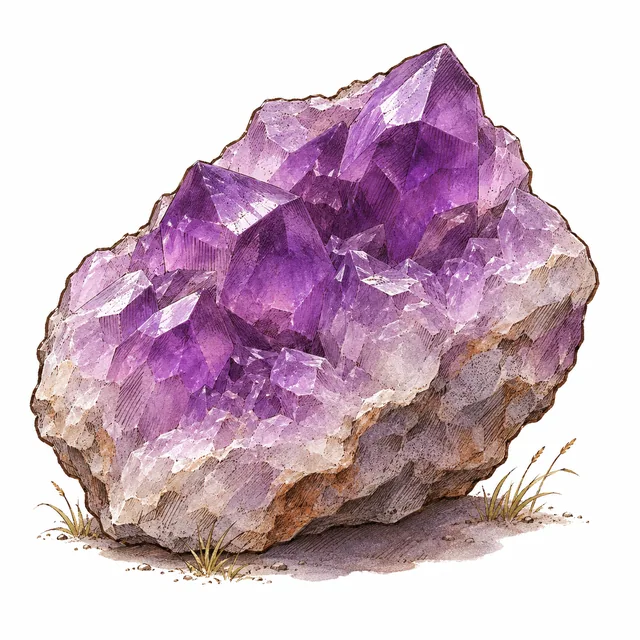
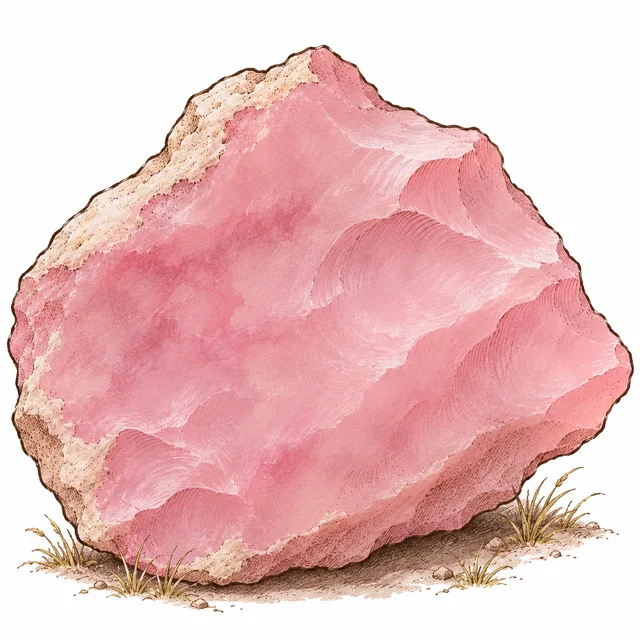
A little further on Bernard asks whether one might suck honey from a rock and draw oil from the hardest stone. These biblical images lead back to the books his reader has just left. Familiar words can take on fresh force out of doors. To the touch the rock is hard and unyielding, yet someone thinking of honey and oil is asked to imagine a gift there. In the letter this confidence belongs to the spiritual life Bernard hopes his friend will choose. The walk into the woods is a personal invitation from one teacher to another.

 Phone: +43 677 628 66 628 |


 Search

 Meister Eckharts mystische Schriften. In unsere Sprache übertragen von Gustav Landauer · p. 126












 Cart