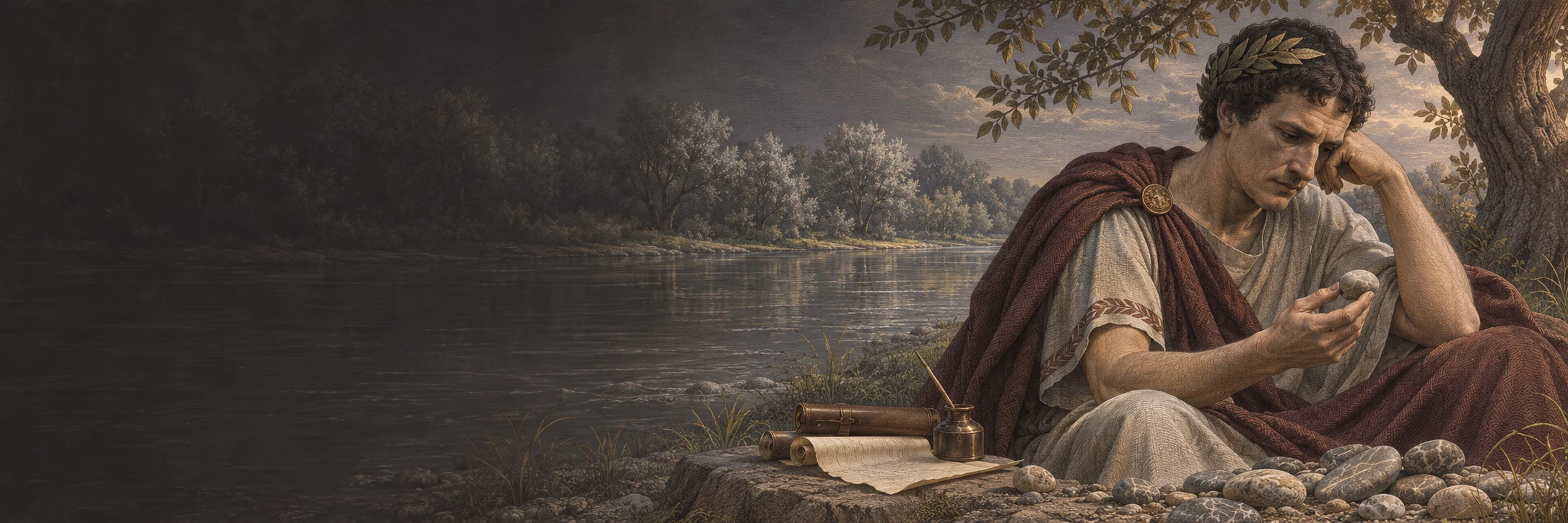
Johann Wilhelm Ritter (1776–1810), a German physicist, asks a question that seldom occurs to someone picking up a stone. If it feels this hard today, what was it like before? Ritter imagines that a person touching a body and feeling its resistance might catch time itself at work. In the 132nd of his posthumously published fragments, he gives the thought two short sentences.
From being solid to becoming solid
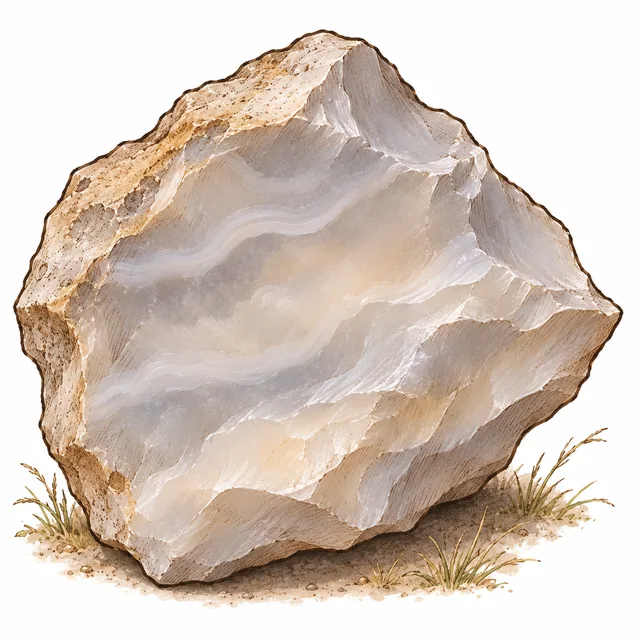
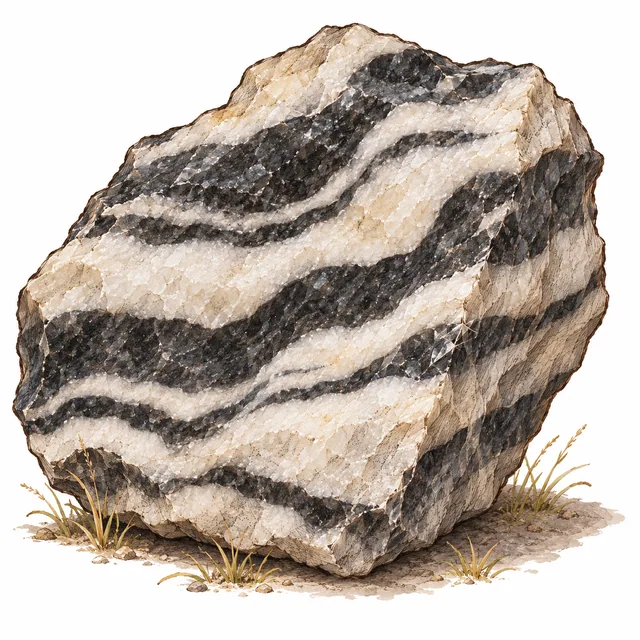
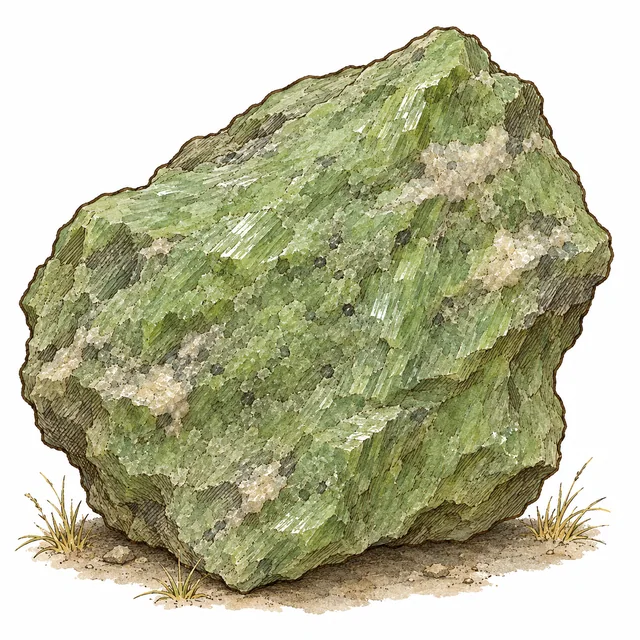
The age of bodies lies in their rigidity. Every act of becoming solid is a process of time, of history.
– Johann Wilhelm Ritter, Fragmente aus dem Nachlasse eines jungen Physikers, 1810, p. 81.[1]
The decisive word in the second sentence is “becoming”. To speak of solidity, one can place two finished stones side by side and compare them. To speak of becoming solid, one must imagine at least two moments with a change between them. Just before the quoted lines, Ritter lets his language enact the change. The fluid becomes solid, then the solid grows more solid still. The second step turns what first appeared to be an end state back into something happening in time.
How time might leave a trace
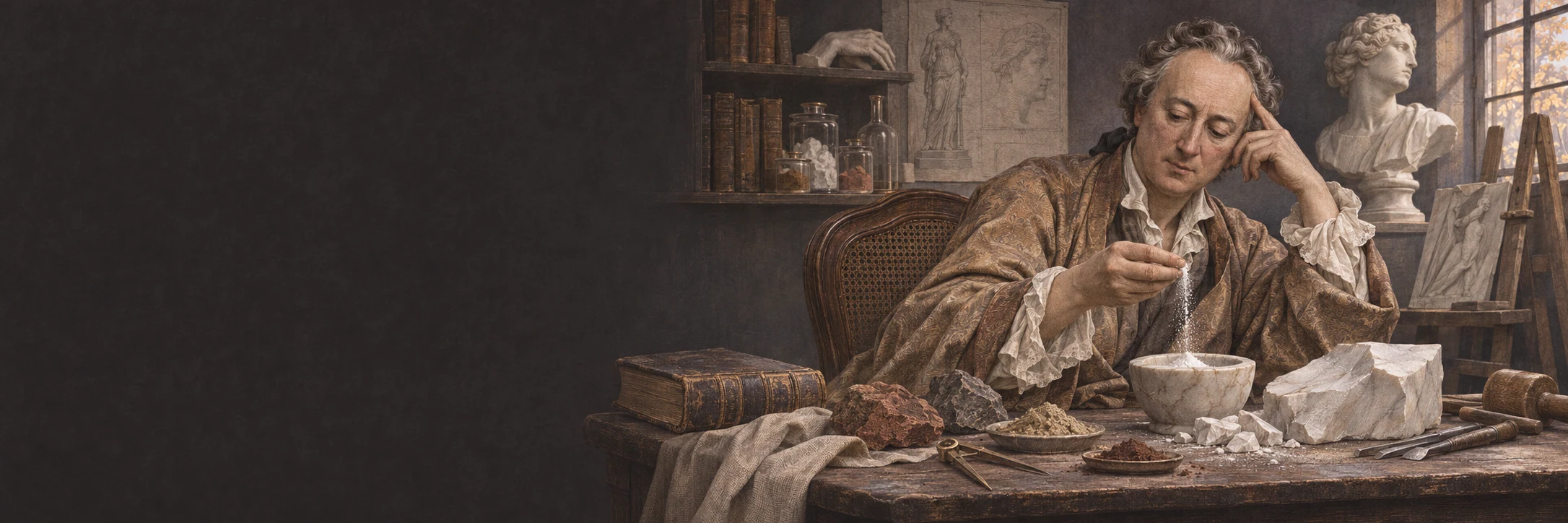
The fragment opens with the suggestion that the oldest stones are also the hardest. Ritter soon shifts into the language of possibility. It is as though time did the hardening and history could be seen in rigidity itself. Then a complication occurs to him. A body can also become fluid again. Such reversals belong to its history just as much as its first hardening does. The hardness of a specimen taken on its own cannot tell us its geological age. Ritter’s fragment leaves someone holding a stone with a different question. What changes has this particular body passed through on the way to becoming the thing I touch today?

 Phone: +43 677 628 66 628 |



 Search

 Meister Eckharts mystische Schriften. In unsere Sprache übertragen von Gustav Landauer · p. 126




 Cart