
 Phone: +43 677 628 66 628 |


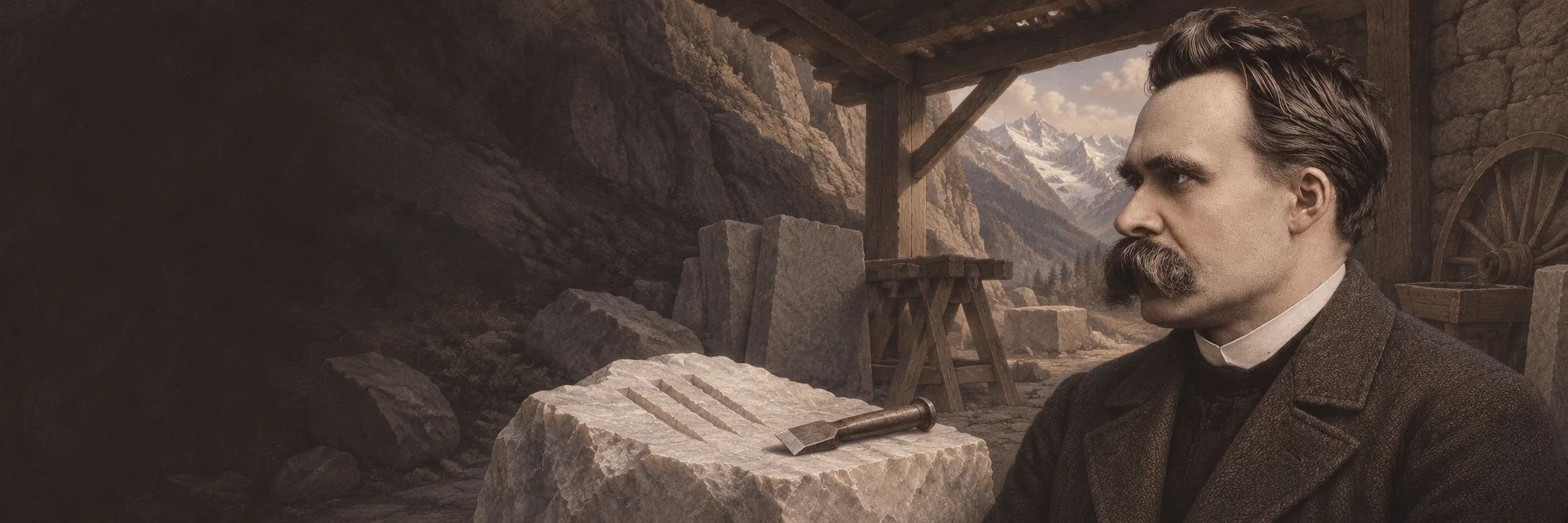
Friedrich Nietzsche
Ah, you human beings, an image lies asleep for me in the stone, the image of my images!
Friedrich Nietzsche (1844–1900)
 Also sprach Zarathustra · 1893 · p. 122
Excerpt. English translation from German.
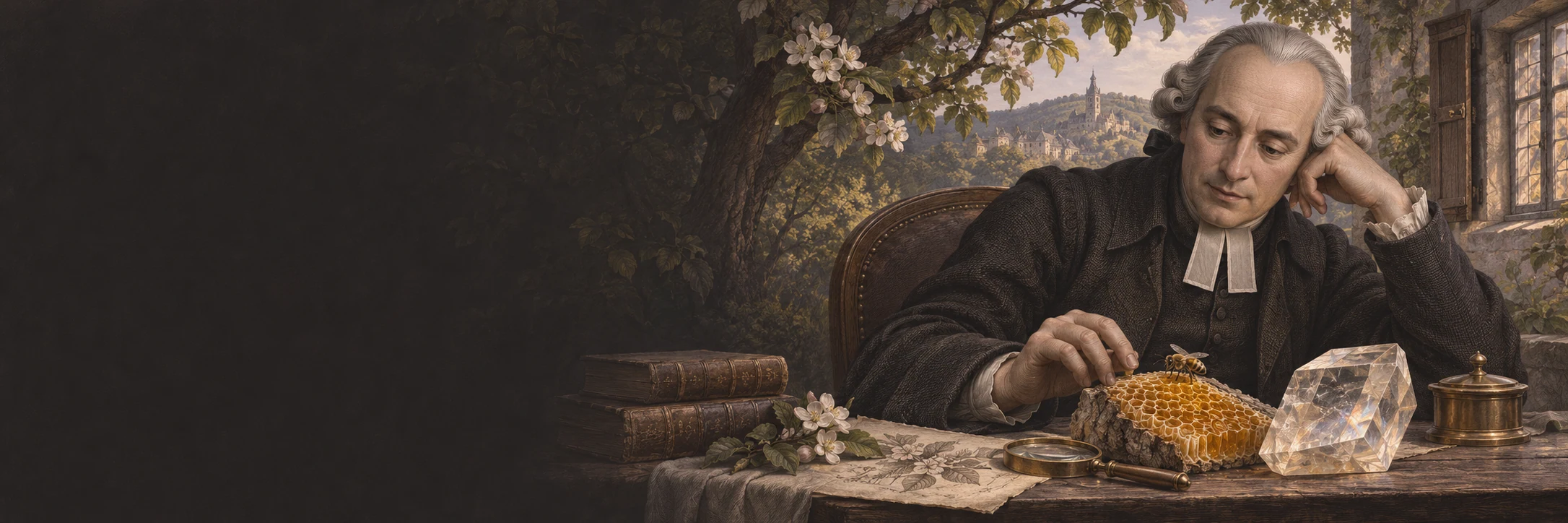
Johann Gottfried Herder (1744–1803) was a German writer and philosopher. In his Ideas for a Philosophy of the History of Mankind, a question about skill brings together three rather different builders. A bee makes comb, a spider spins a web, and a crystal grows. It is the crystal that seems to have the surest touch. What can skill mean here, if the most accomplished builder of the three never has to learn how to build?
Herder has the bee build and the spider weave. Both are words we might use of human work. For the crystal he chooses a different verb, one that suggests parts shooting together as they grow. There is no finished creature reaching out for the materials from which it will make something apart from itself. A honeycomb is the work of a bee. With a crystal, the structure that has come into being and the body doing the growing are one and the same. Once we see that difference, the comparison reads rather less like a simple ranking of skills.
A crystal grows together more deftly and regularly than a bee builds or a spider weaves.
– Johann Gottfried Herder, Ideen zur Philosophie der Geschichte der Menschheit, p. 163.[1]
In the sentences that follow, Herder turns to the tools and limbs an animal uses. They must work together for a particular purpose, and that coordination can be disturbed. A viewer might look at an almost perfectly regular structure and award its maker the highest place. Herder quietly changes the measure. To have a greater range of means is also to have more opportunities to go astray. For the animal, uncertainty is the price of being able to do something. The crystal teaches Herder something about the lives of animals precisely because there is no sense in which a crystal can be clumsy.
 Search
Ah, you human beings, an image lies asleep for me in the stone, the image of my images!
Friedrich Nietzsche (1844–1900)
Also sprach Zarathustra · 1893 · p. 122
Excerpt. English translation from German.
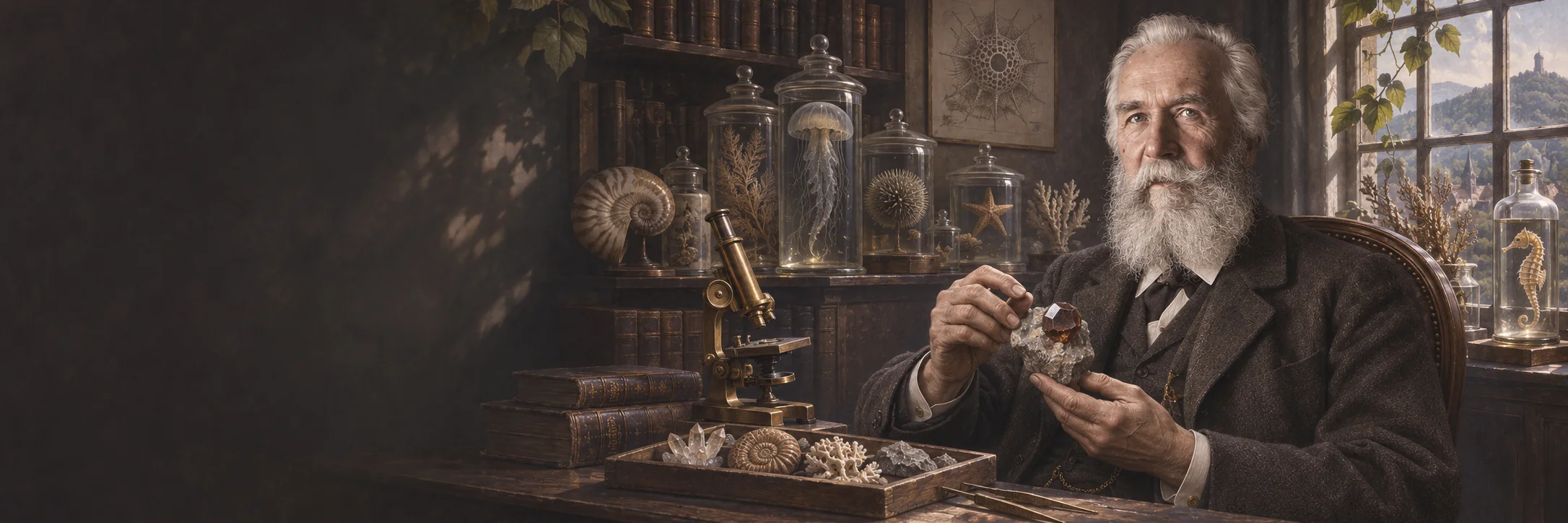
All substance possesses life, inorganic as well as organic; all things are animate, crystals as much as organisms.
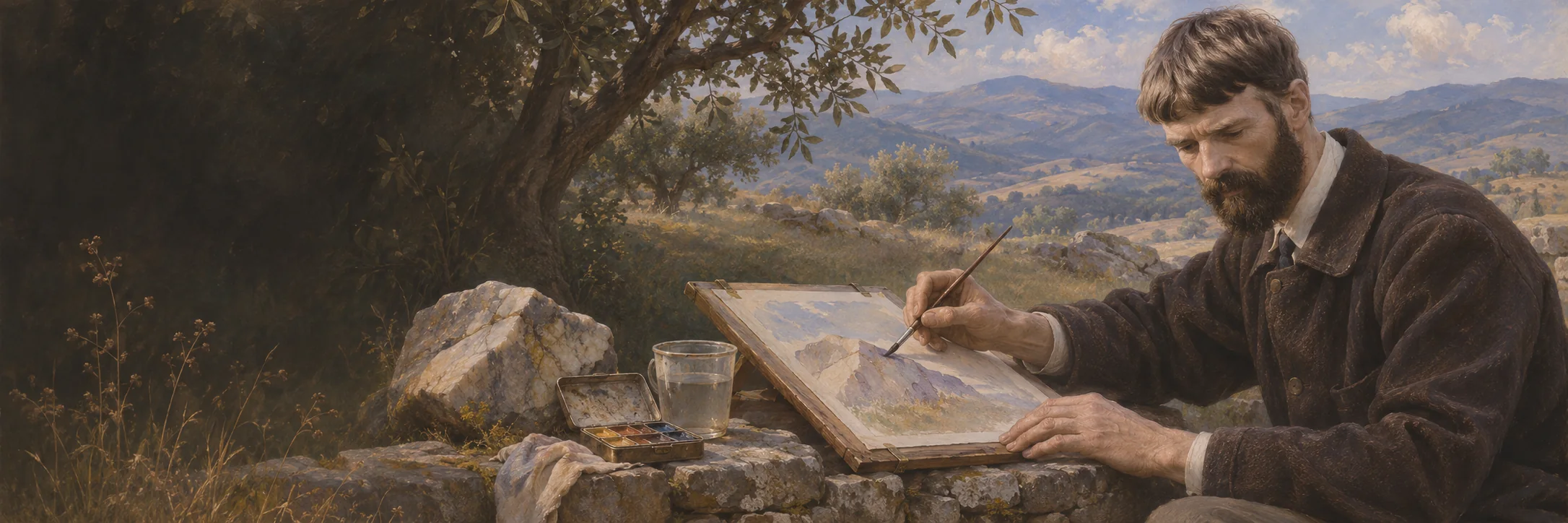
Everything that exists, even a stone, has two sides to its nature. It fiercely maintains its own individuality, its own solidity. And it reaches forth from itself in the subtlest flow of desire.
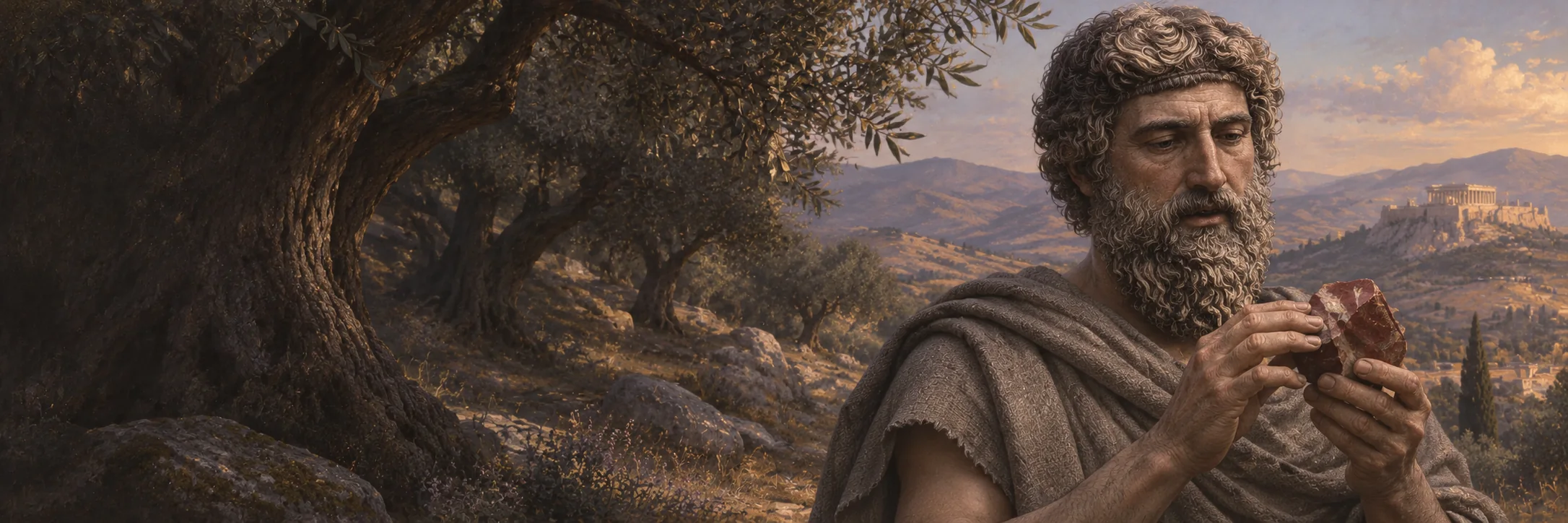
[…] but there all the stones are as our precious stones, and even more beautiful still.
Plato (c. 428/427–348/347 BCE)
Excerpt. English translation by F. J. Church.
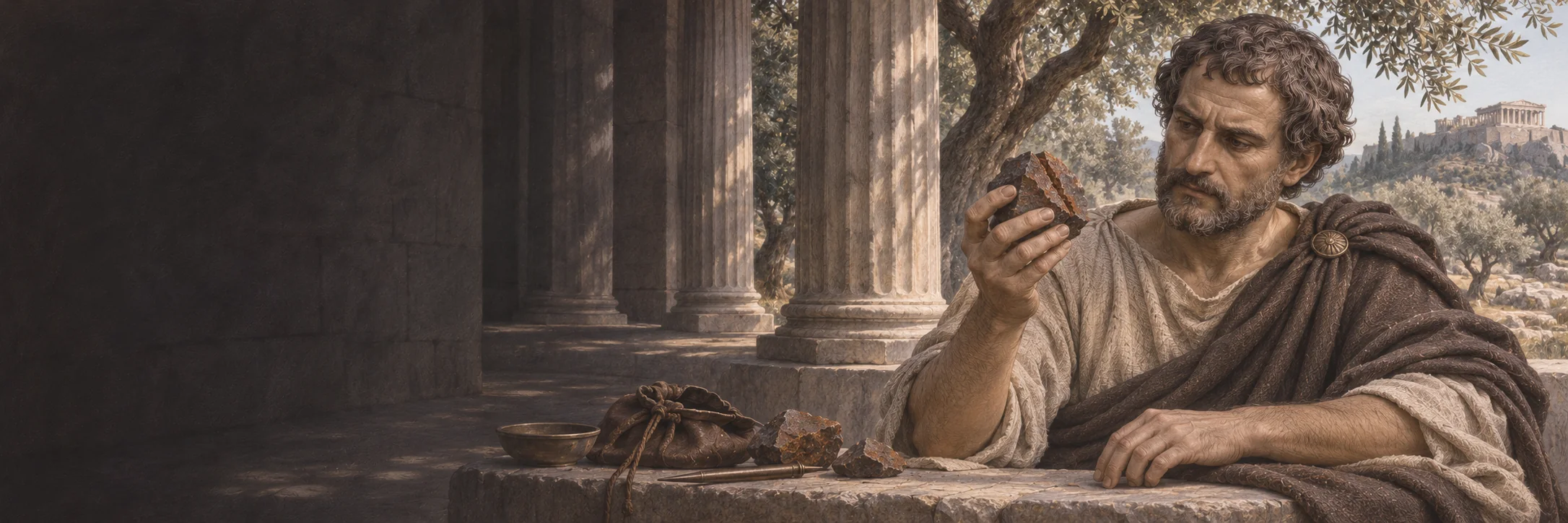
The vapour-like exhalation produces them all when it is trapped, particularly in stones.
Aristotle (384–322 BCE)
Meteorologica · III, 6 (378a) · p. 106
Excerpt. Our translation from the Greek.
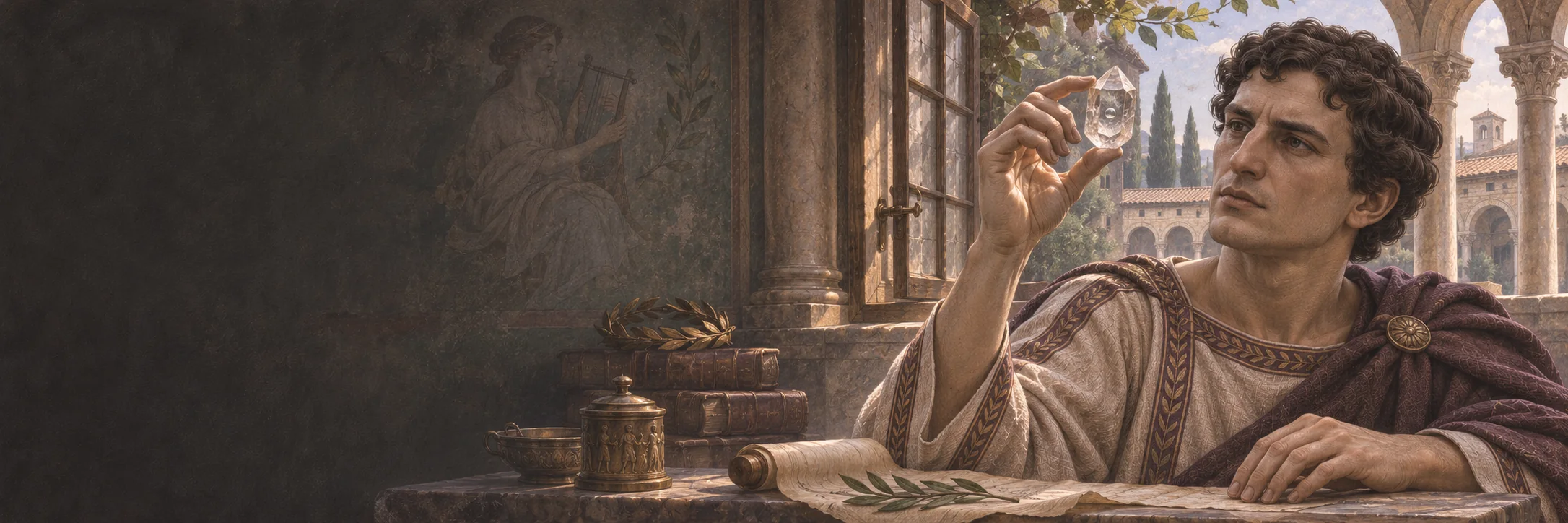
What warmth enclosed within keeps the waters safe? What south wind melted the ice inside?
Claudian (c. 370–c. 404)
Carmina minora · XXXIV (LVII) · p. 250
Lines 5–6. Our translation from the Latin.
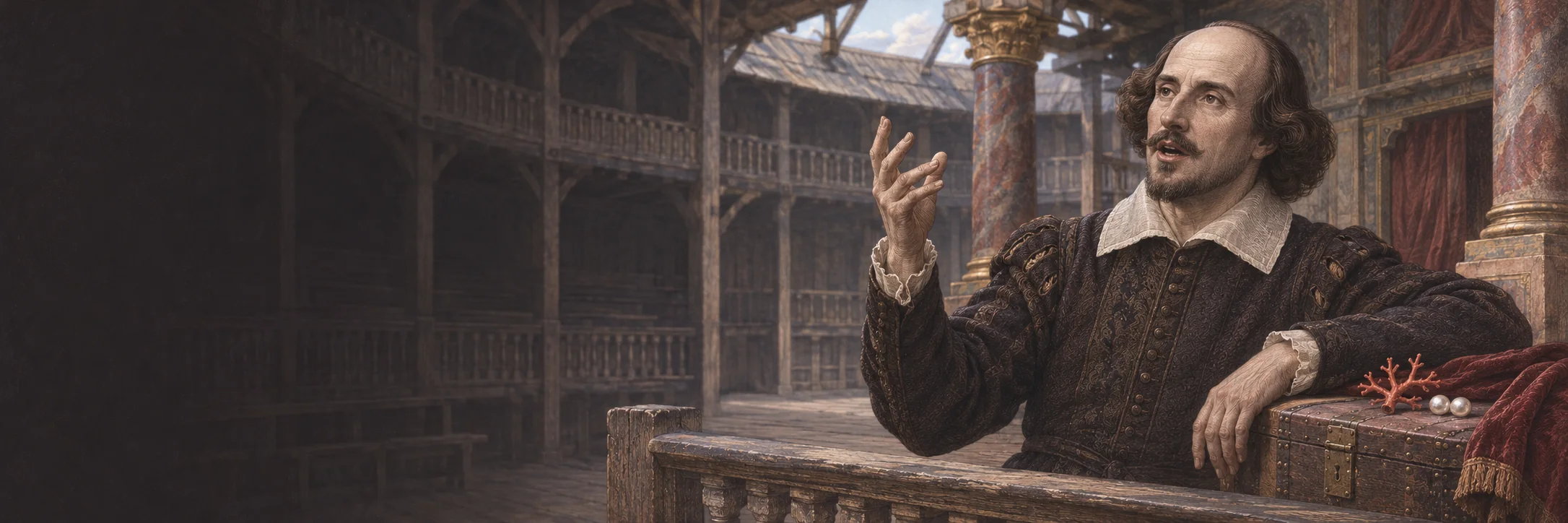
Of his bones are coral made; / Those are pearls that were his eyes:
William Shakespeare (1564–1616)
Excerpt from Ariel’s song in the English original.
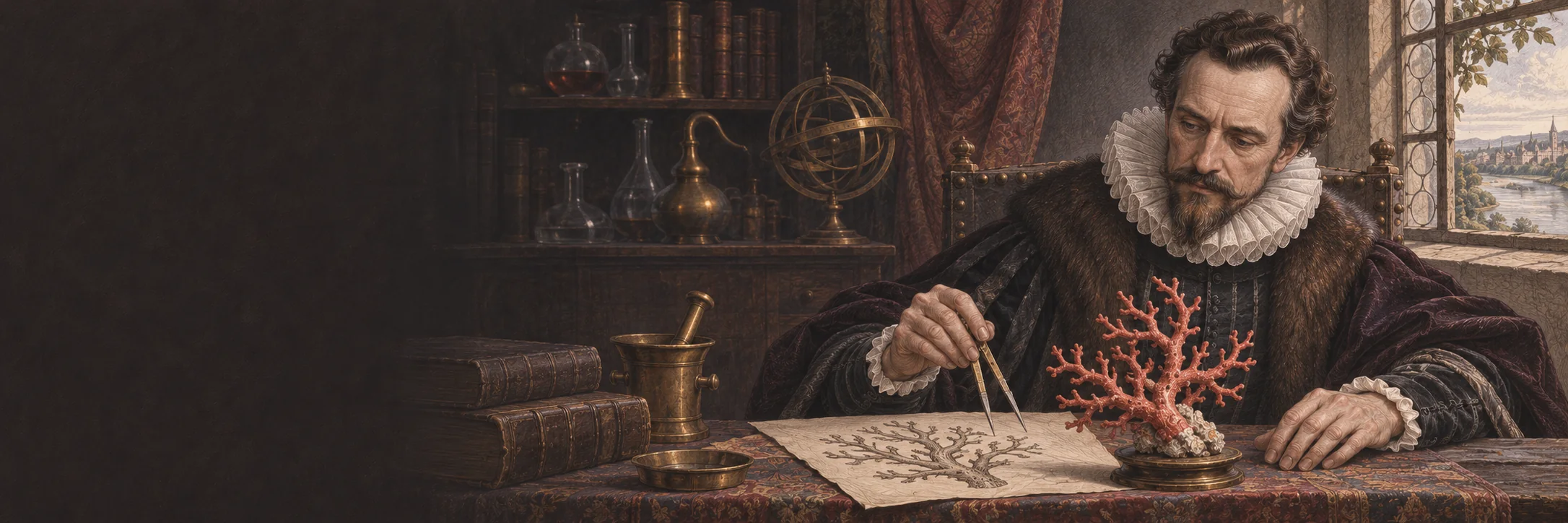
As coral grows under water and hardens in the air, so does the stone.
Michael Maier (1568–1622)
Atalanta fugiens · Emblema XXXII · p. 137
Our translation of the Latin motto.
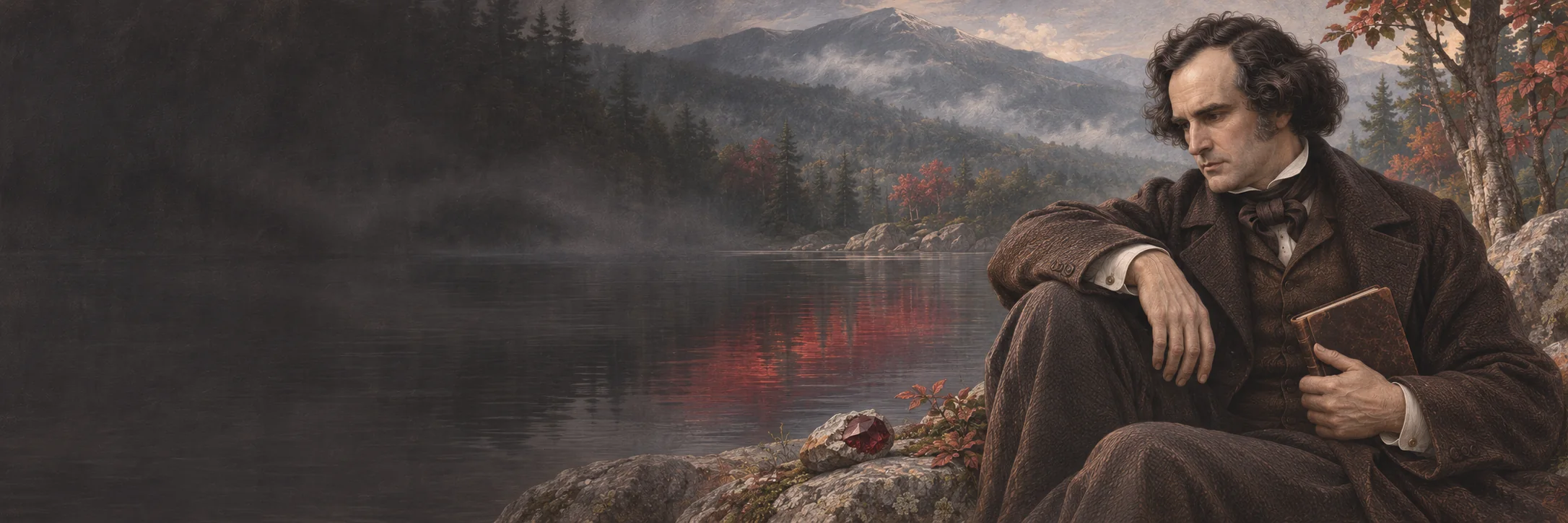
They seemed changed to one another’s eyes, in the red brilliancy that flamed upon their cheeks, while it lent the same fire to the lake, the rocks, and sky, and to the mists which had rolled back before its power.
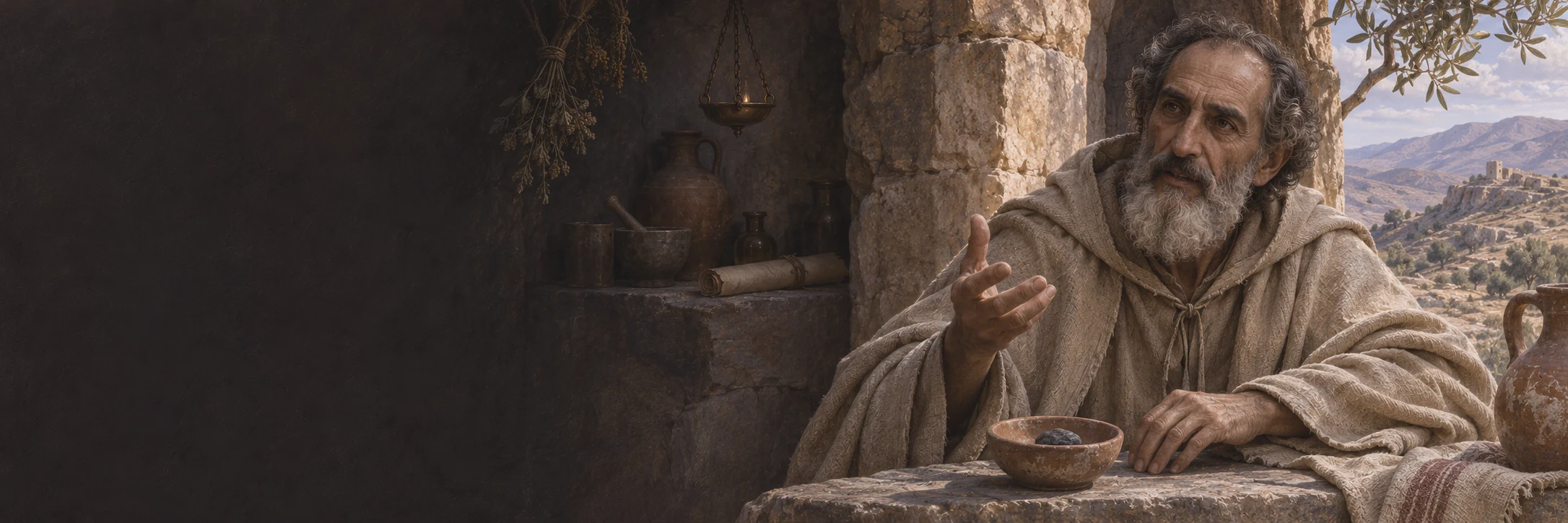
For this stone contains the four elements. It resembles the world and the way the world is put together.
Morienus Romanus (dates unknown)
De transfiguratione metallorum · Dialog mit König Calid · 1559 · fol. 23r
Our translation from Latin
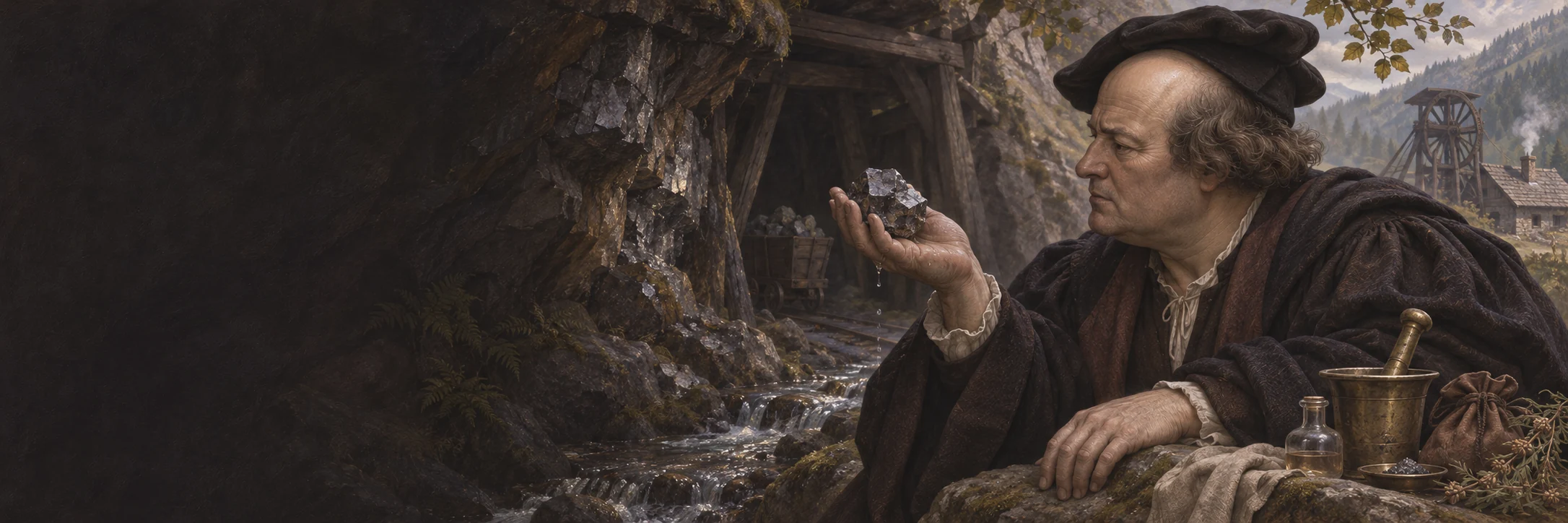
[…] the root of minerals is in the water, as the root of trees and herbs is in the earth.
Paracelsus (1493/94–1541)
A Book about Minerals · 1894 · p. 241
Translation by A. E. Waite · excerpt

We see that fire gives motion to all things. For dense and cold things, such as stones, frozen water, plants and earth, have no motion. But when fire resolves them into smoke and finer vapour, they all move and impart motion to the things to which they attach themselves.
Tommaso Campanella (1568–1639)
Del senso delle cose e della magia · II, 8 · 1925 · p. 53
Our translation from Italian
 Cart