Apatite
The fat burner
If its not about wearing it on your body but about making gemstone water, apatite can probably be called the best weight-loss stone of all. Many experts swear by apatite water made from raw stones in a jug. 0.3 liters before each meal is said to work wonders and help to break down excess fat.
Magnesite
Deacidification is important
Being overweight is often associated with poor nutrition and too much stress. The result is overacidification of the entire body. Magnesite can help here. Whether worn on the skin or consumed as stone water, it can help the body with the necessary deacidification.
Moss Agate
Strengthened by closeness to nature
Moss agate has a regulating effect on water and sugar levels. It also has a positive effect on the intestines and thus an important step in digestion. Mentally, it promotes independence combined with a strong feeling of grounding. As a result, it accompanies you on the path from artificial food to more natural meals. All of this makes it an indispensable companion when it comes to losing weight.
Rock Crystal
It starts in the head
Losing weight, like so many things, starts in the mind. Clarity about the current situation and good self-awareness are the key to this. And this is exactly where rock crystal can help. If you then embark on the long journey of sustainable weight loss, rock crystal will help you never lose sight of your goal. In addition, its detoxifying effect supports the weight loss process.
Verdelite
Weight loss stone no. 1
Green tourmaline (verdelite) is probably one of the most important, if not the most important, stone when it comes to the broad topic of losing weight. It promotes oxygen uptake in the blood and strengthens the entire body. It helps to break rigid thought patterns and thus facilitates the necessary transition to a healthier lifestyle. It also relieves depression and strong emotional fluctuations, one of the main triggers for uncontrolled eating.
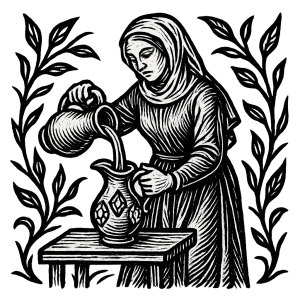
Gemwater can gently support physical and emotional well-being and help promote inner balance. The practice of making gemwater dates back to antiquity and was sometimes extremely complex. Nowadays, two comparatively simple yet practical and effective methods have become established. One is the direct method, in which the stones are placed directly in drinking water. The other is the indirect method, in which the stones rest in a separate container in the water without touching it directly. As not all stones are suitable for direct contact, you should familiarise yourself with their composition and suitability before using them.
 Search

 Phone: +43 677 628 66 628 |


 Cart