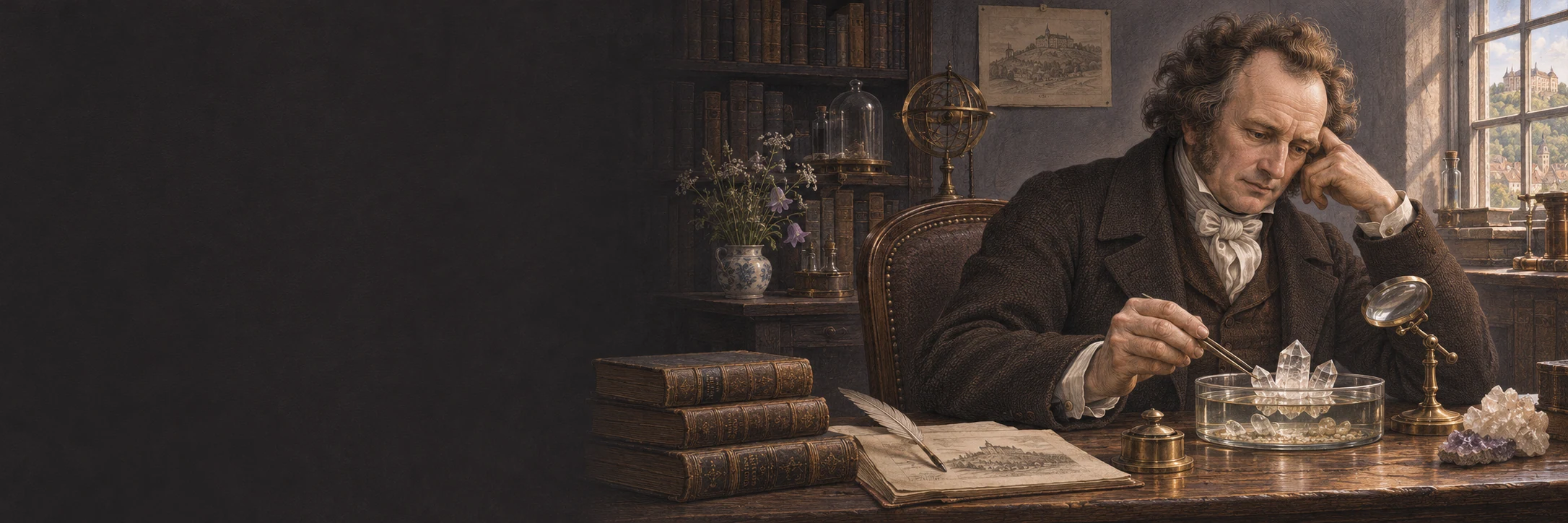
Jean Paul (1763–1825), the German writer Johann Paul Friedrich Richter, asks in Selina what becomes of love for another person if death extinguishes that person’s entire inner life. In the section on belief in annihilation he tries to imagine the consequences all the way to their end. He takes his readers to a place particularly well suited to giving the appearance of abundant life.
A forest in which nothing grows
The water of crystallisation that holds the structure together is the tear of a moment. Once it has dried up, the structure has fallen apart.
– Jean Paul, Selina oder über die Unsterblichkeit, 1827, p. 28.[1]
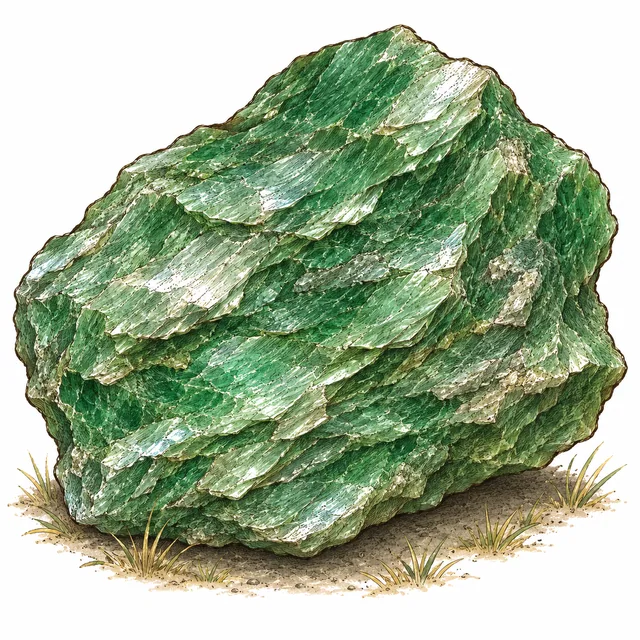
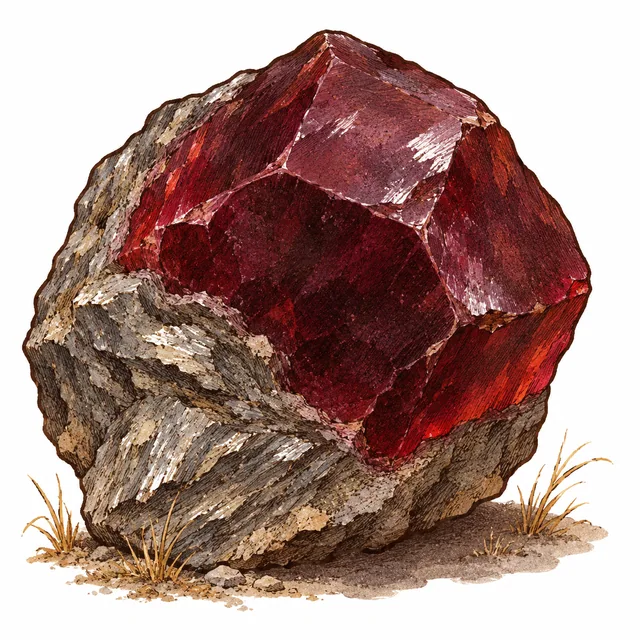
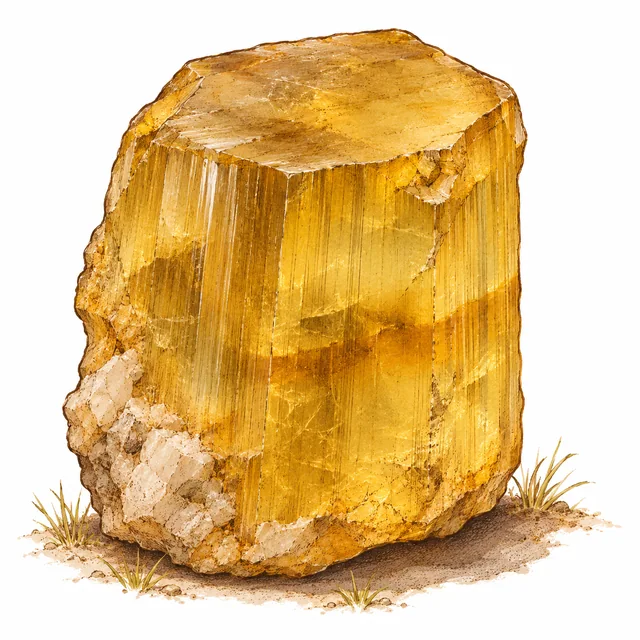
The place resembles the cave of Antiparos. Little woods with trunks of clear crystal rise from the floor. A path winds through the brushwood, and fruit and strings of flowers hang overhead. On a first reading one can almost imagine reaching out to touch them. Then Jean Paul adds two words that alter the whole scene. The fruit hangs stiff and cold. Nothing grows in this abundance, and no branch would yield to a hand. Even visitors to the cave are in danger of stiffening into crystal themselves.
Why the water takes the form of a tear
The water that holds this structure together belongs both to the world of crystals and to the mourner’s eye. Once the tear has dried, the picture loses its power to endure. The speaker has just told a grieving person that neither a lock of hair nor a monument can restore the dead. Now he urges his visitor to leave the cave, look out over the green expanse and breathe freely. The two movements belong together. A reader approaching Jean Paul’s hope of immortality is first invited to feel, with a single breath, how narrow its imagined opposite has become.

 Phone: +43 677 628 66 628 |


 Search

 Meister Eckharts mystische Schriften. In unsere Sprache übertragen von Gustav Landauer · p. 126

 Cart