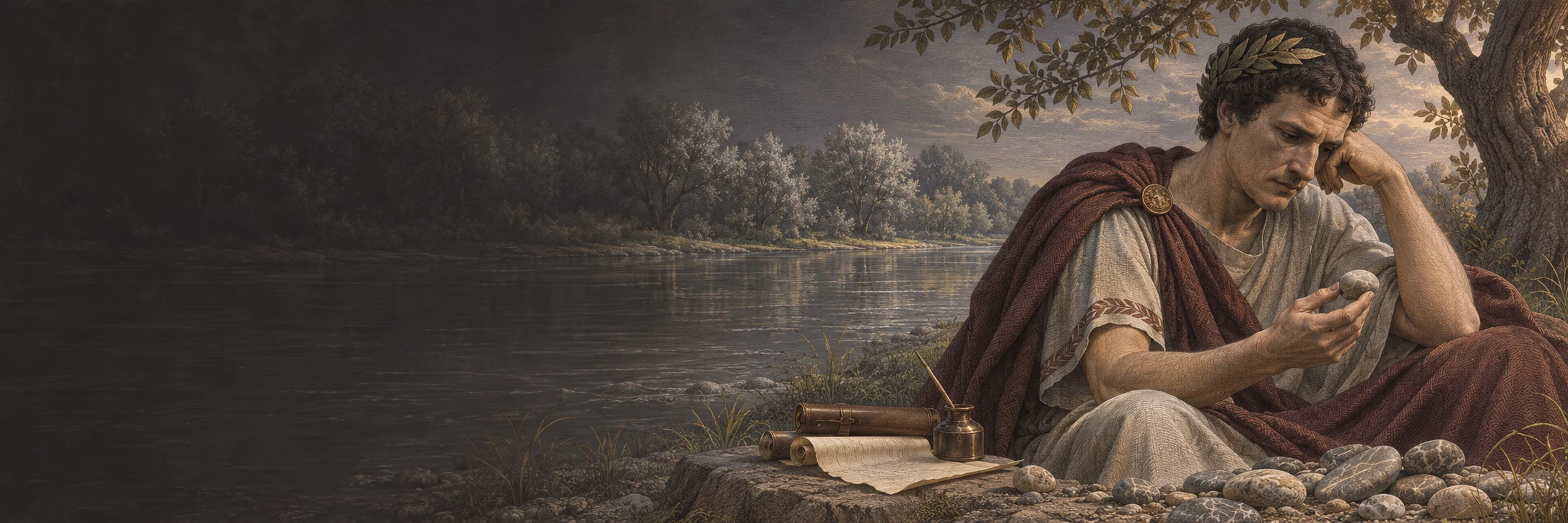
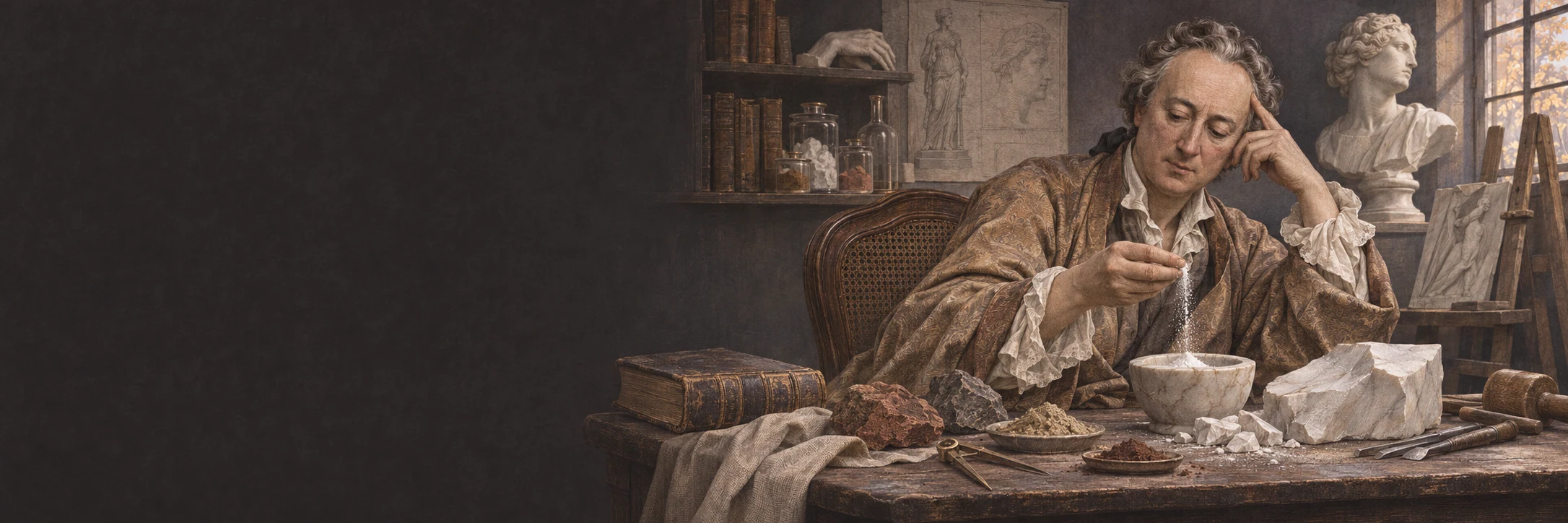
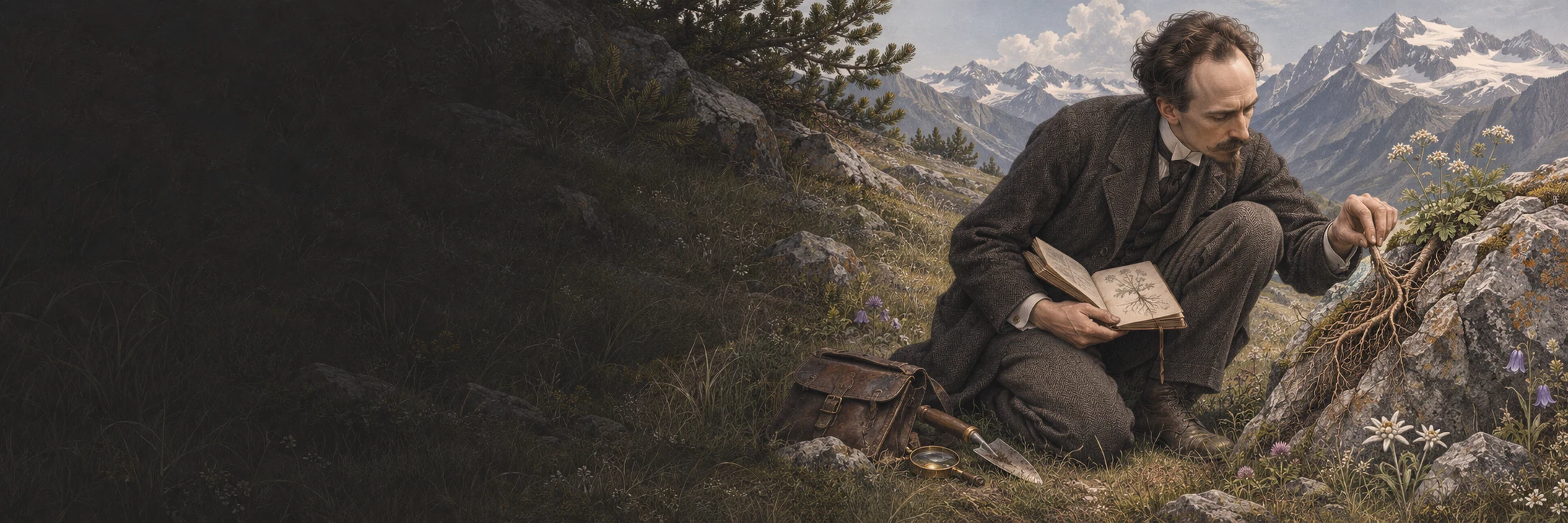
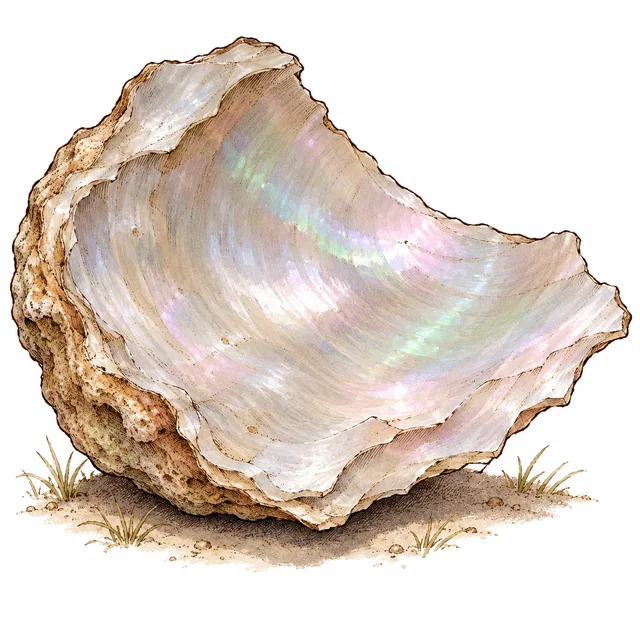
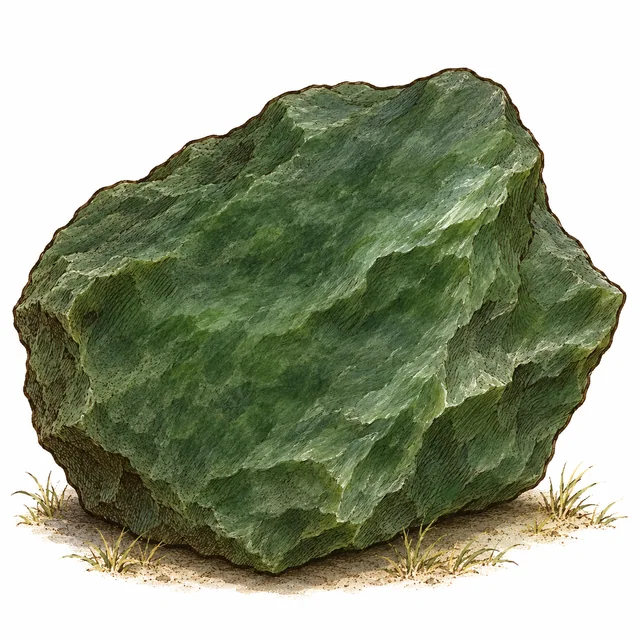
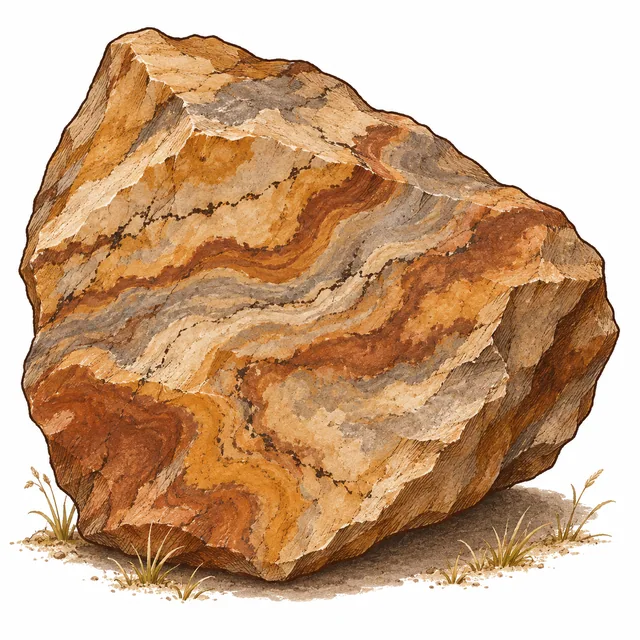
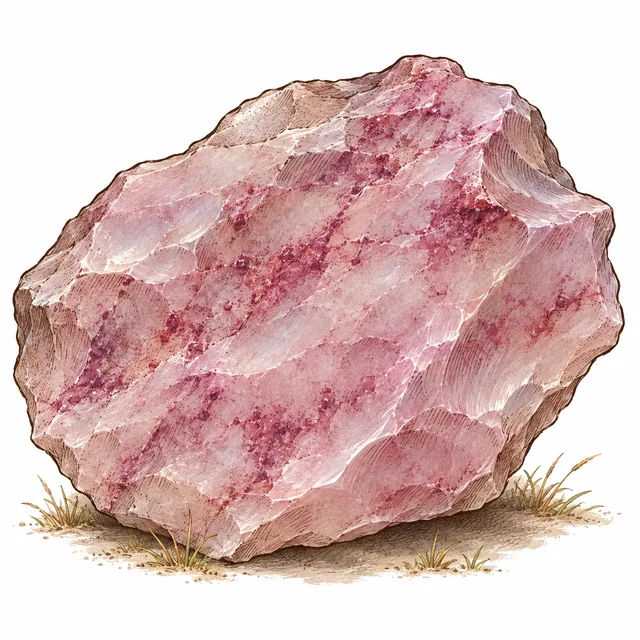
Meister Eckhart (c. 1260–before 1329), a German Dominican friar and theologian, draws on things his listeners could have found just outside their doors. A blade of grass, a piece of wood and a stone would be easy to tell apart, even for someone picking them up with closed eyes. In the sermon called On Nature, Eckhart makes a claim about these familiar things that neither touch nor sight could readily disclose.
Where is “here”?
Here all the little blades of grass and wood and stone and all things are one.
– Meister Eckhart, Mystische Schriften, 1903, p. 126.[1]
The sentence opens as though the listener had been given a place to look. The preceding lines trace a movement inwards, to what Eckhart calls the ground and the very heart of fatherhood. He asks how God the Father brings forth the Son and how the image of the Son abides in him. At this point the blades of grass appear. The smallest creatures are as fully present to the thought of their divine origin as anything grander. The affectionate diminutive in the German gives each little blade a moment of visibility in a sentence about what they all share.
What the eye receives
Later in the sermon Eckhart turns to the senses. The eye can receive colour. However intently an ear might listen, it would never arrive at colour by that route. The example brings a difficulty of the sermon within reach. What can be known depends in part on the person doing the knowing. We can feel the hardness of the stone and the flexibility of the blade. To ask what they hold in common at their source calls for another kind of attention. In the opening word “here”, Eckhart invites his listeners to make that change of standpoint themselves.

 Phone: +43 677 628 66 628 |


 Search

 Meister Eckharts mystische Schriften. In unsere Sprache übertragen von Gustav Landauer · p. 126

 Cart