
 Phone: +43 677 628 66 628 |


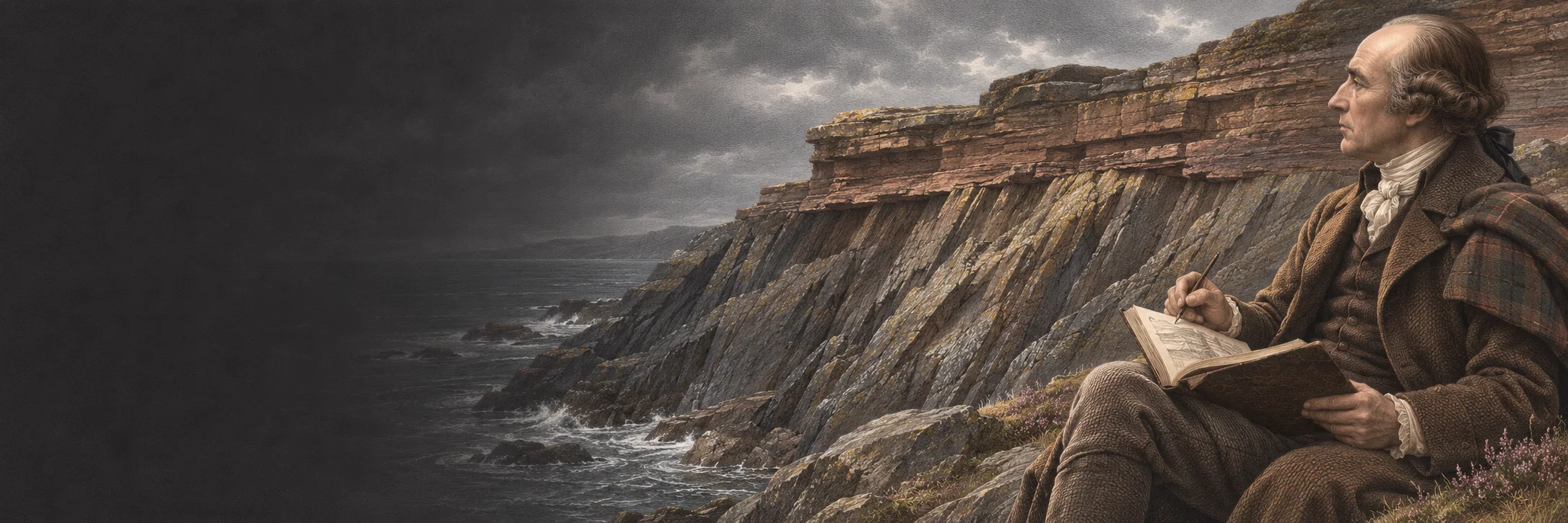
James Hutton
The result, therefore, of our present enquiry is, that we find no vestige of a beginning,—no prospect of an end.
James Hutton (1726–1797)
 Transactions of the Royal Society of Edinburgh, I · p. 304
Original wording
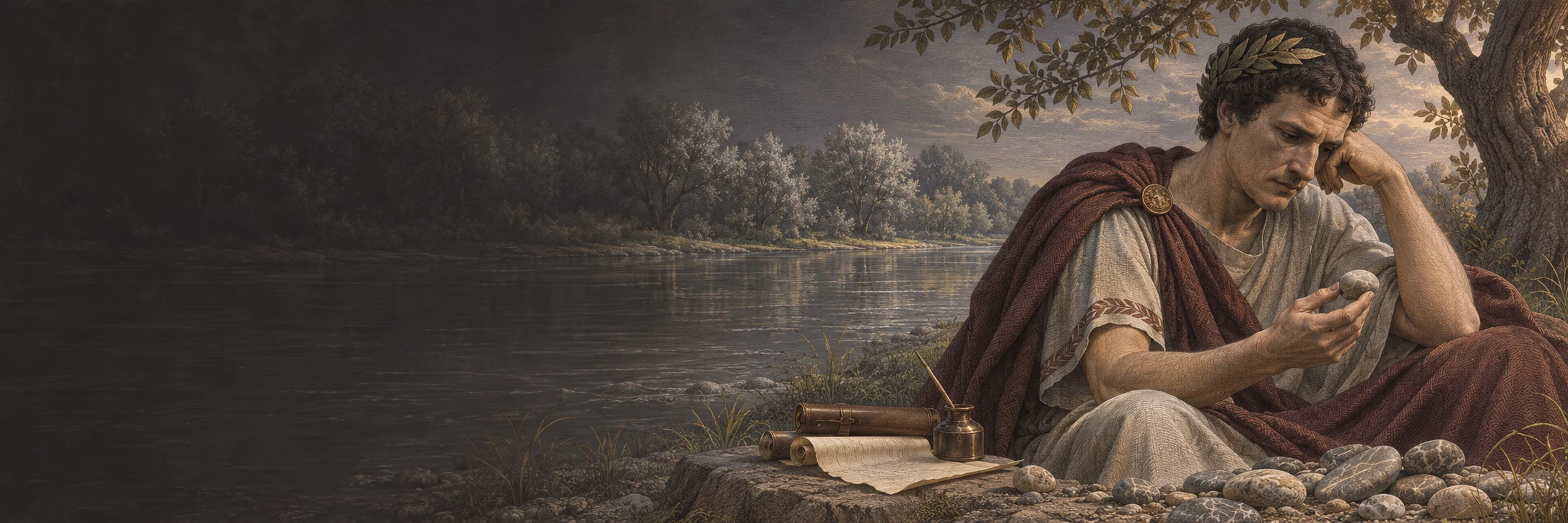
Ovid (43 BC–AD 17/18), a Roman poet from Sulmo, tells in the first book of the Metamorphoses how human beings come to inhabit the earth again after a flood. Deucalion and Pyrrha have survived. When they ask for help they receive a puzzling instruction. They are to throw their great mother’s bones behind their backs. Pyrrha shrinks from doing such a thing to the dead. Her hesitation gives Deucalion a reason to listen to the words again.
The great mother is the earth. The stones in the earth’s body, I think, are what is meant by her bones. These are what we are told to throw behind our backs.
– Publius Ovidius Naso, Metamorphoses, 1951, p. 30–31.[1]
The solution begins with a change of scale. The mother might be the one who carries and nourishes them both. If the earth has a body, something within it might answer to her bones. Deucalion makes no claim to have understood the divine command beyond a doubt. Ovid puts a small qualification in his mouth, “I think.” Only when the two bend down, pick up the stones and cast them behind their backs will they learn whether he has understood.
Ovid allows the discarded stones to become people by degrees. At first their outlines recall figures roughly hewn from marble by a sculptor who has only just begun. The moist and earthy parts turn into flesh, the stiff substance into bones. The poet has an easier time with the veins. A stone has veins and a body has veins, so the word can stay. The story leads from an expression two people have to puzzle out to a word that people and stones already share.
 Search
The result, therefore, of our present enquiry is, that we find no vestige of a beginning,—no prospect of an end.
James Hutton (1726–1797)
Transactions of the Royal Society of Edinburgh, I · p. 304
Original wording
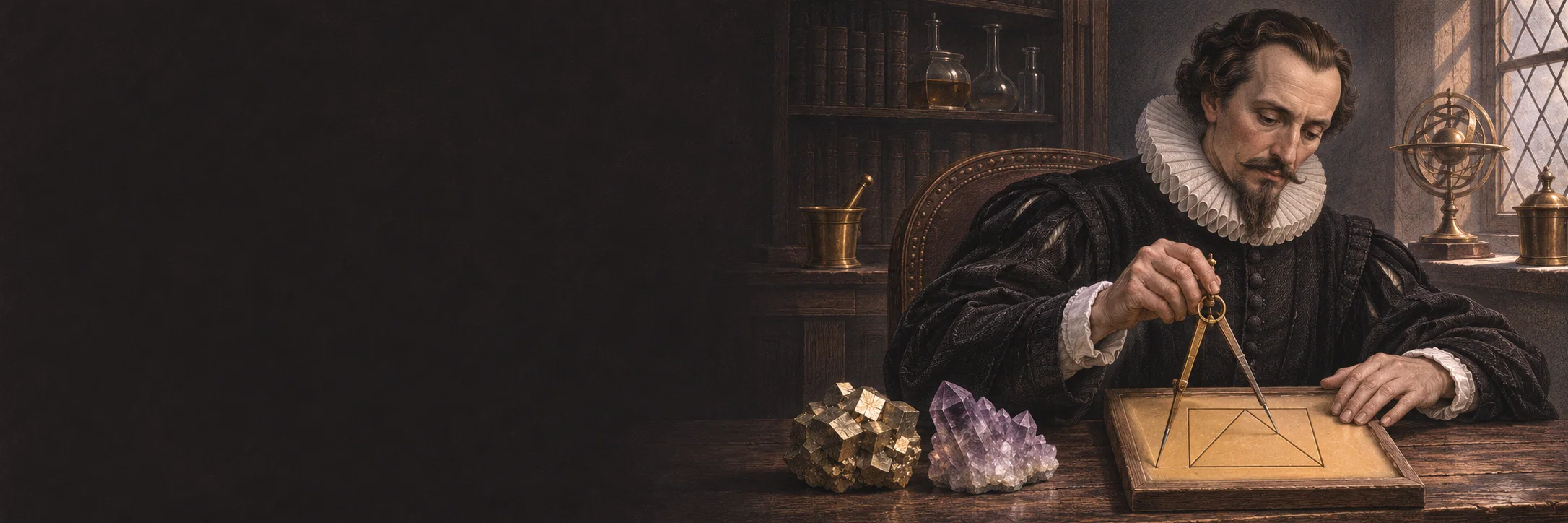
The stone is a triangle in essence and a quadrangle in quality.
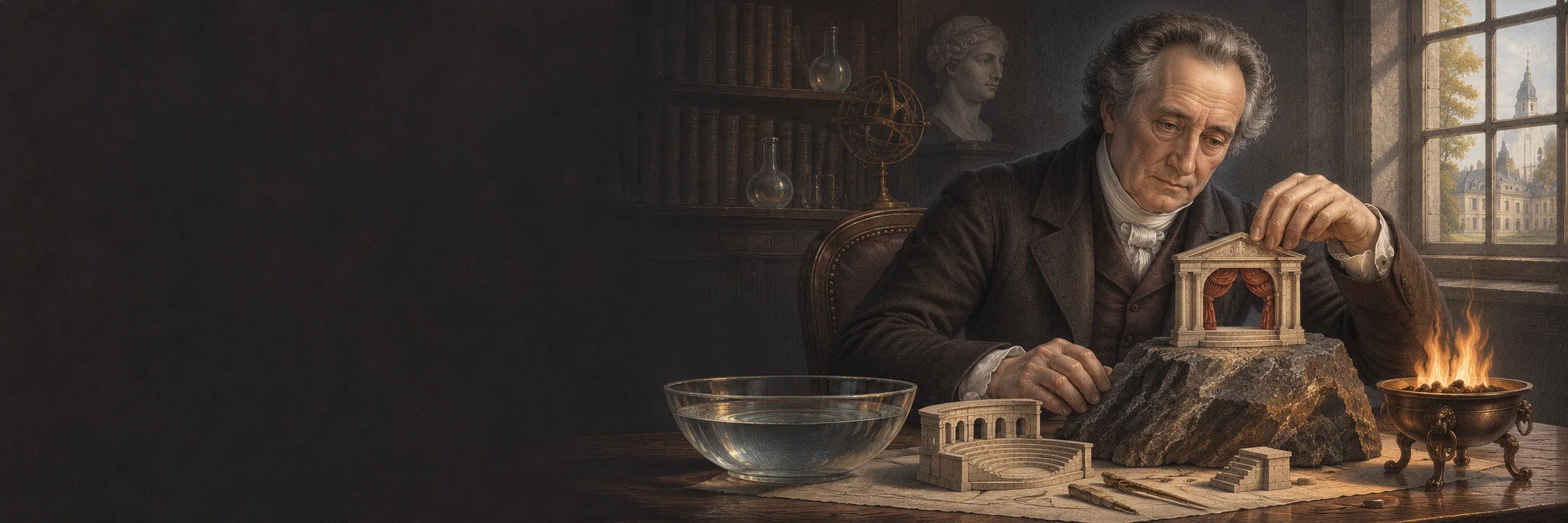
Anaxagoras: Through fiery vapour this rock came to hand. Thales: In moisture living things arose.
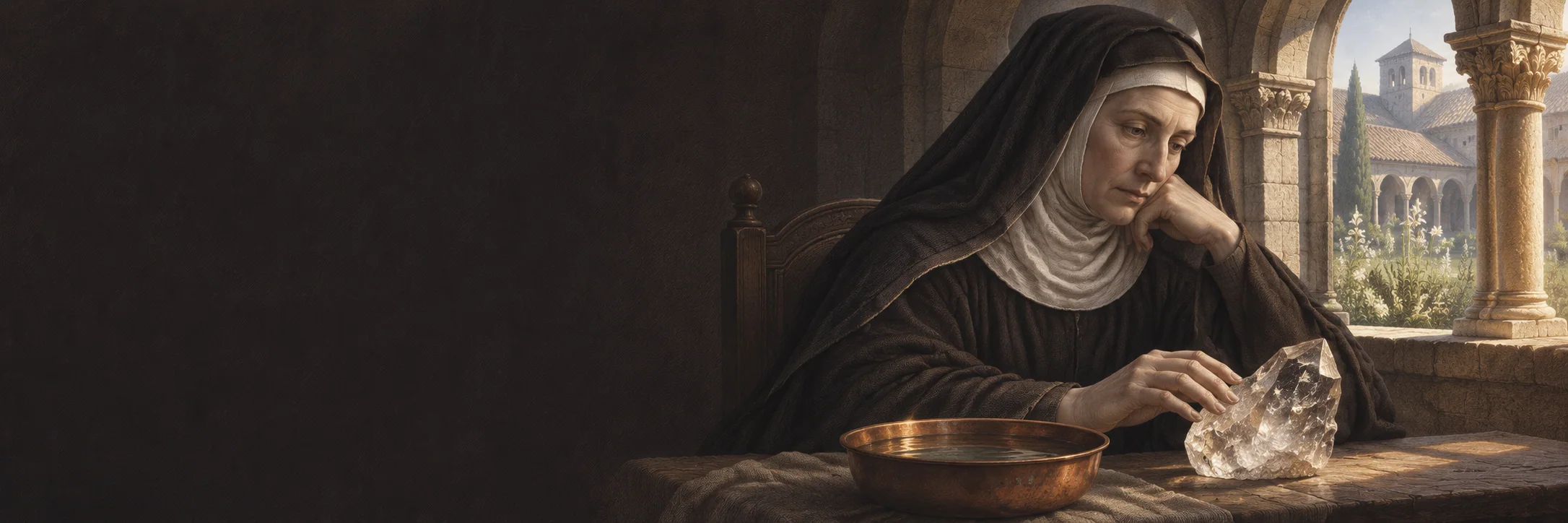
[…] the heart of the water congeals into firmness. […]
Hildegard of Bingen (1098–1179)
Physica, Patrologia Latina 197 · col. 1263
Our translation; unclear opening construed from context · excerpt
Look! I died as stone and sprang up as a plant
Dschalāl ad-Dīn Rūmī (1207–1273)
Excerpt. Our translation of Friedrich Rückert’s German rendering
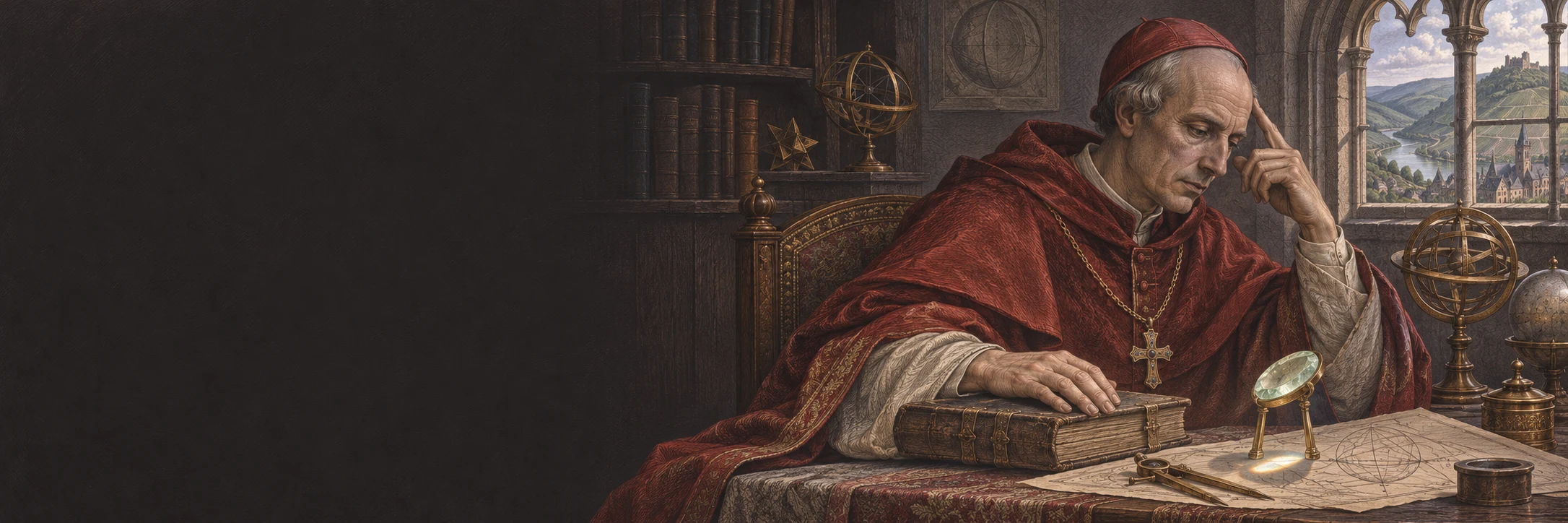
Beryl is a bright, white, transparent stone. It is given a shape both concave and convex, and the person looking through it reaches what was previously invisible.
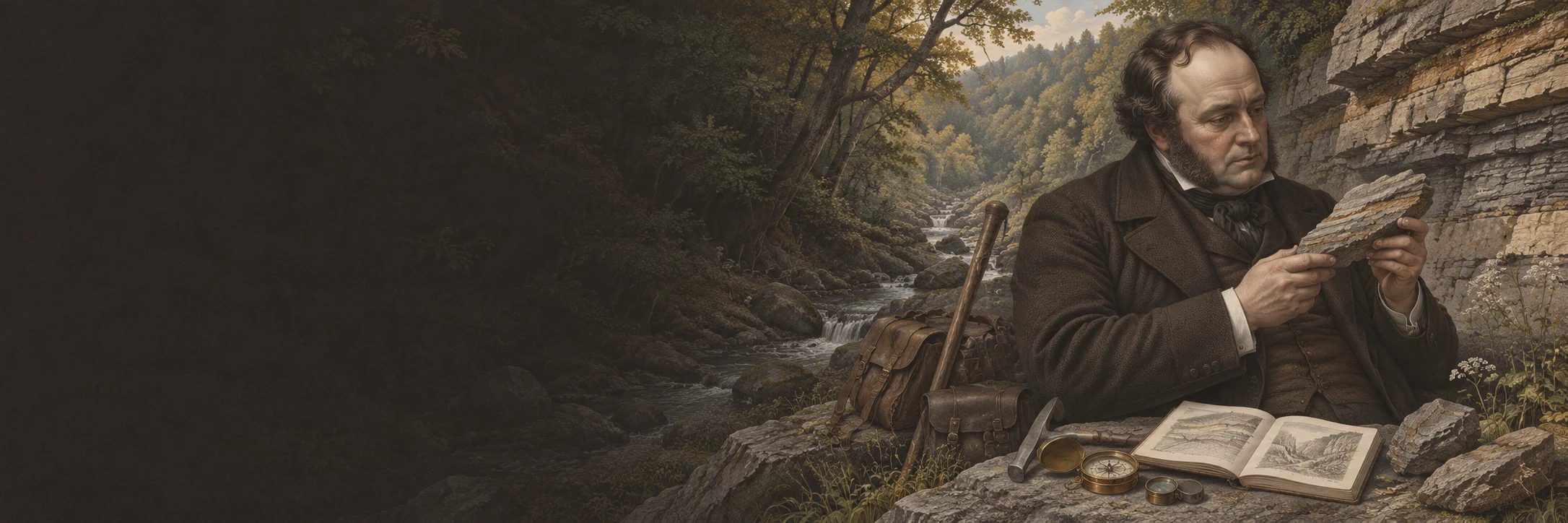
The earth itself keeps the sources for its history within it, as in a vault of records, sources perhaps set down in millions of documents. What matters is that we learn to read them and do not falsify them through zeal and the urge to be right.
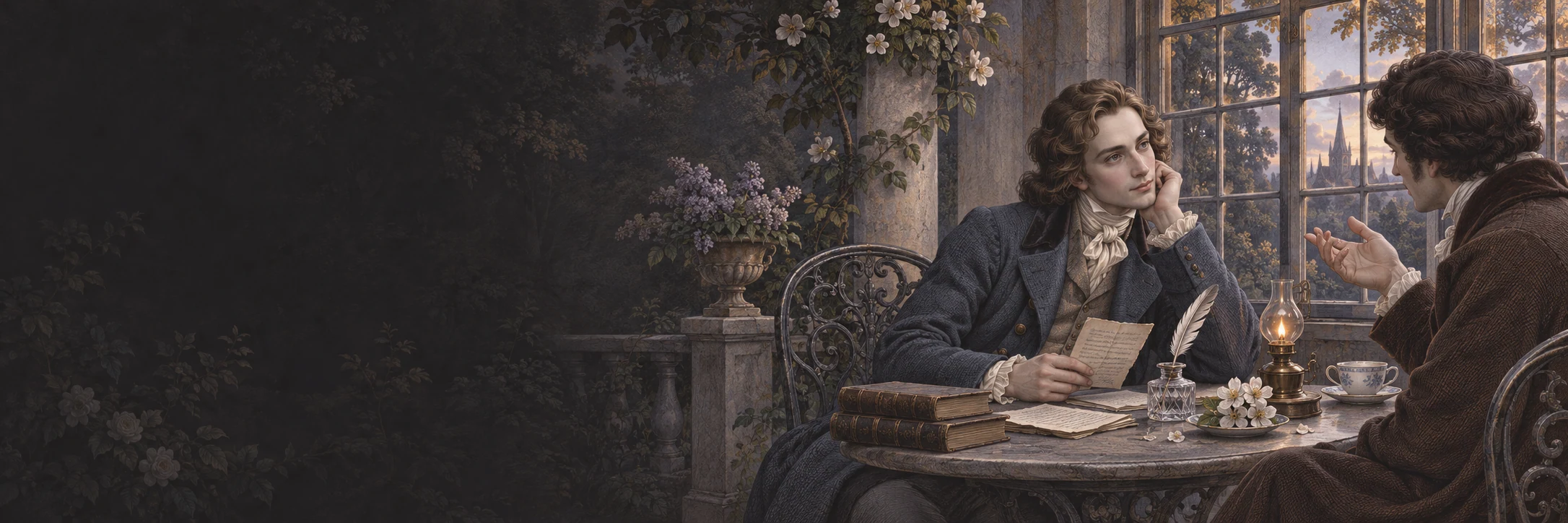
People are crystals for our inner life. They are nature made transparent.
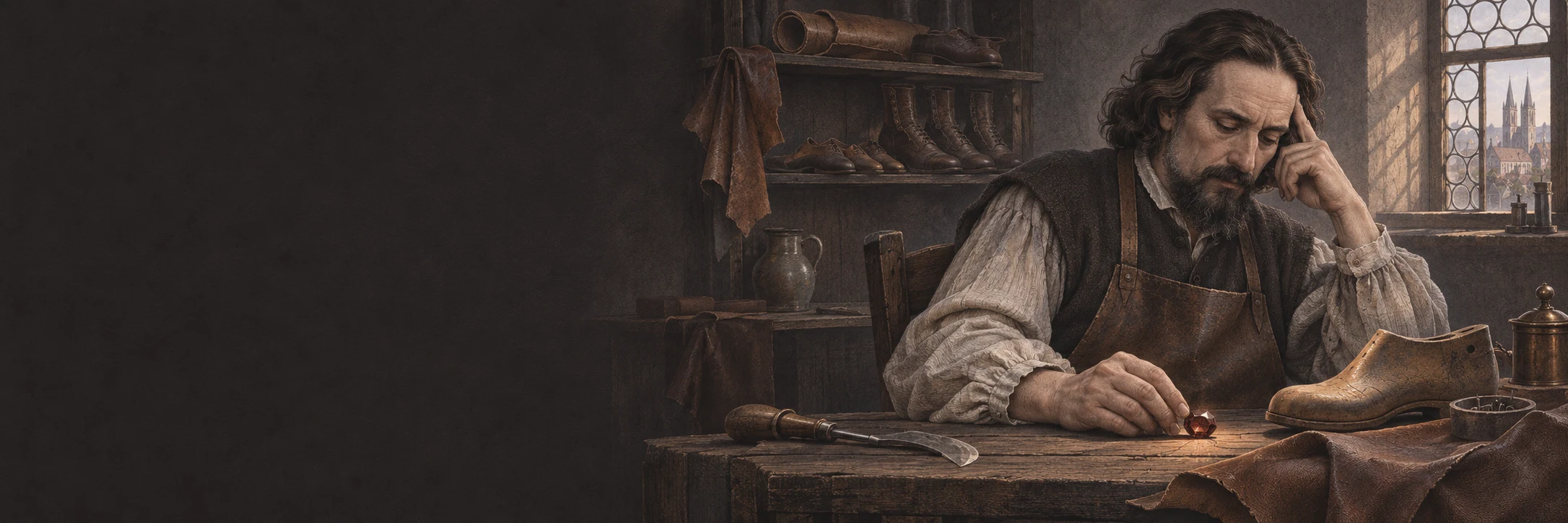
As for precious stones such as carbuncle, ruby, emerald, delphin, onyx and the like, the finest of stones, they have their origin where the flash of light arose in love.
 Cart