
 Phone: +43 677 628 66 628 |


John Muir
The whole wilderness seems to be alive and familiar, full of humanity. The very stones seem talkative, sympathetic, brotherly.
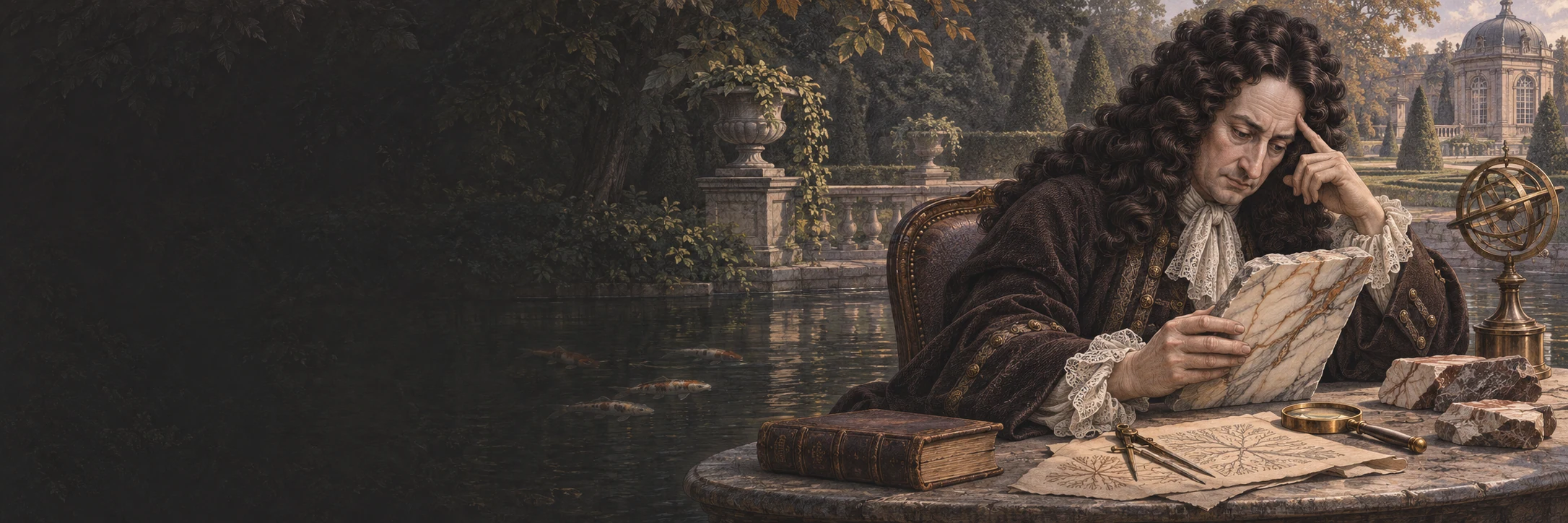
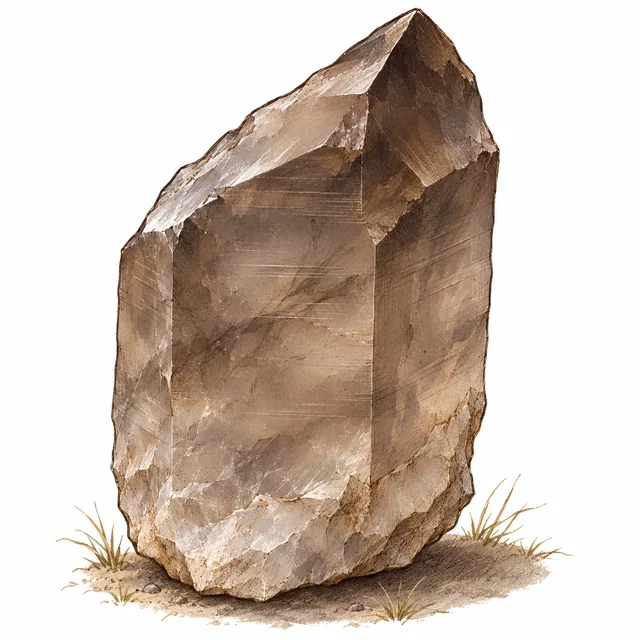
Gottfried Wilhelm Leibniz (1646–1716), a German philosopher and mathematician, wrote to the French scholar Antoine Arnauld about a question that a single object can raise. A block of marble lies before us. It can be lifted, weighed and set down again, and each operation deals with one piece. Is that experience sufficient grounds for calling it a single being in the strict philosophical sense?
Perhaps this block of marble is only a heap of infinitely many living bodies, or like a lake full of fish, although the eye can ordinarily distinguish these animals only in bodies that have partly decayed.
– Gottfried Wilhelm Leibniz, Brief an Antoine Arnauld vom 30. April 1687, 1846, p. 96–97.[1]
Leibniz gives visibility alone very little weight as evidence. A rainbow, too, can be seen perfectly clearly. The fact that marble is also solid and heavy does not settle the question for him. Hence the invitation to picture a lake. Standing on its bank, one can take in the surface at a glance. Beneath it fish are swimming, each with movements of its own. Nobody would suppose that these creatures together make one enormous fish just because the lake has one name.
Leibniz goes on to describe a familiar operation of the mind. We perceive things in their relations and gather them under a name. This makes both reasoning and communication a great deal easier. Yet the very usefulness of the word can make it a misleading witness. “A block of marble” comes so easily to the lips that one might credit its grammatical singular with more than it can establish. Leibniz offers no examination of the rock under a magnifying glass. He needs the fish to bring out a question about unity which the solidity of the block cannot settle by itself.
 Search
The whole wilderness seems to be alive and familiar, full of humanity. The very stones seem talkative, sympathetic, brotherly.
To see a World in a Grain of Sand, And a Heaven in a Wild Flower, Hold Infinity in the palm of your hand, And Eternity in an hour.
To every natural form, rock, fruit or flower, Even the loose stones that cover the high-way, I gave a moral life: I saw them feel […]
William Wordsworth (1770–1850)
 The Prelude, or Growth of a Poet’s Mind · p. 60–61
Original wording · Excerpt
A Heart alone Is such a stone, As nothing but Thy pow’r doth cut.
George Herbert (1593–1633)
The Temple. Sacred Poems and Private Ejaculations · p. 18
Original wording
For I so truly thee bemoane, That I shall weep though I be Stone: Until my Tears, still dropping, wear My breast, themselves engraving there.
The arch-chemic sun, so far from us remote, Produces, with terrestrial humour mixed, Here in the dark so many precious things Of colour glorious and effect so rare?
The dust and stones of the street were as precious as gold: the gates were at first the end of the world.
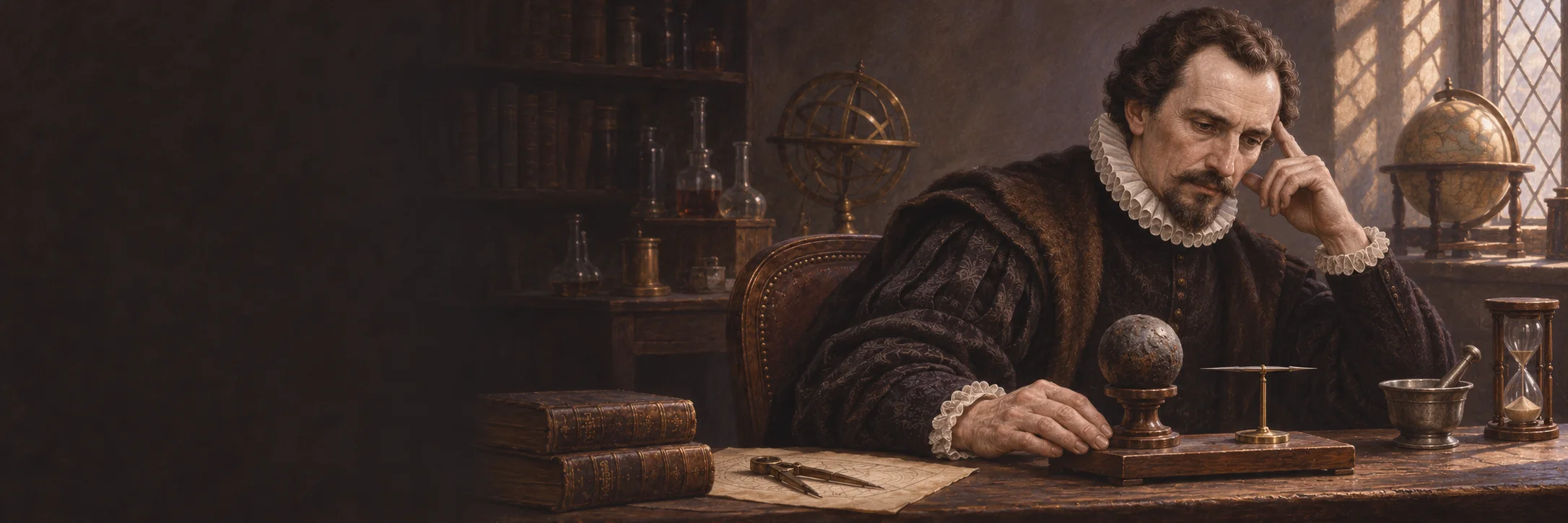
A loadstone is a wonderful thing in very many experiments, and like a living creature.
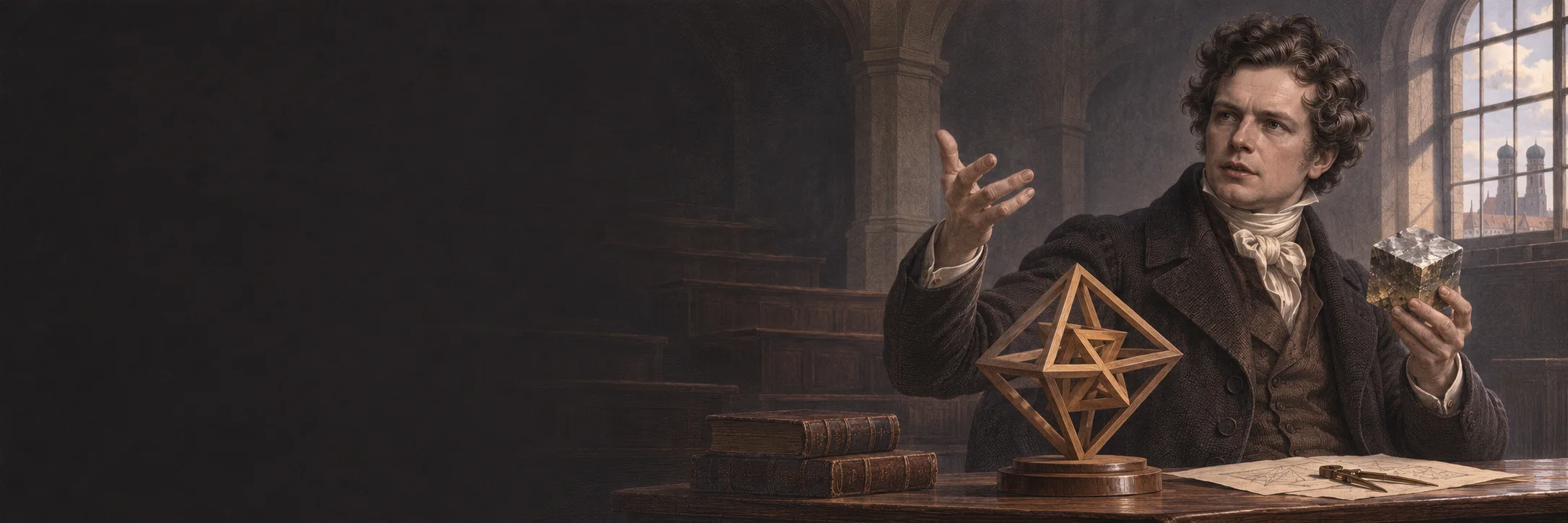
Thus raw matter strives, blindly as it were, for regular shape and unknowingly assumes purely geometrical forms, which surely belong to the realm of concepts and are something of the spirit within the material.
Friedrich Wilhelm Joseph Schelling (1775–1854)
Philosophische Schriften I: Ueber das Verhältniss der bildenden Künste zu der Natur · p. 352
Our translation
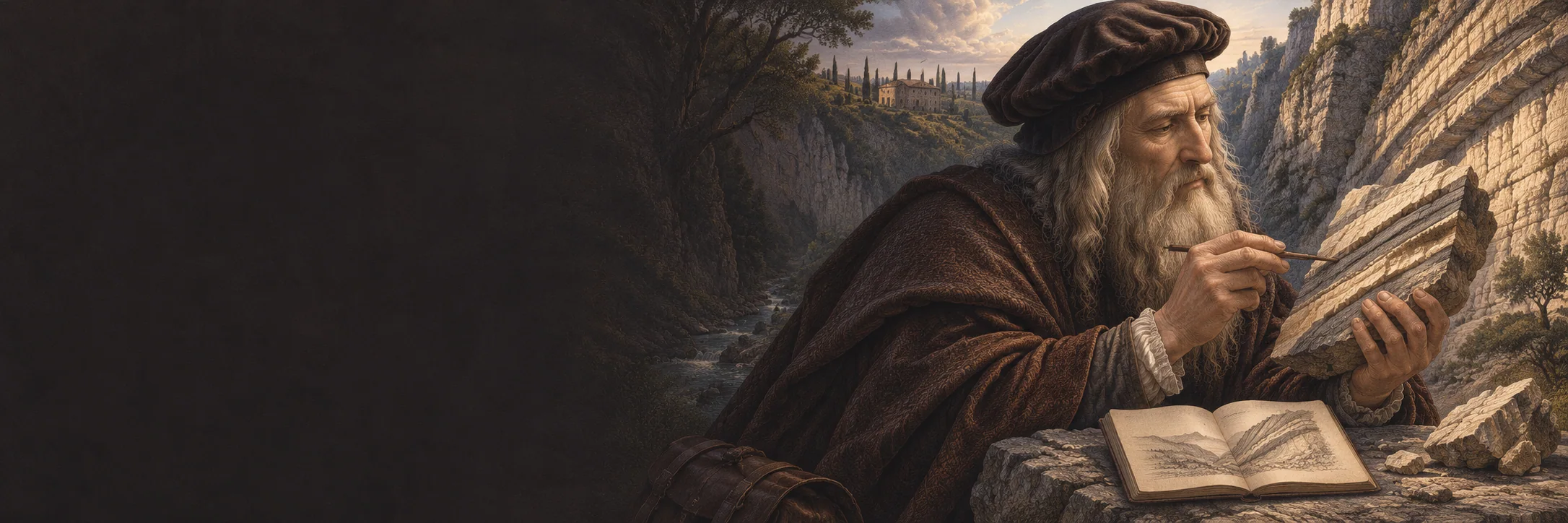
So that we might say that the earth has a spirit of growth; that its flesh is the soil, its bones the arrangement and connection of the rocks of which the mountains are composed, its cartilage the tufa, and its blood the springs of water.
Leonardo da Vinci (1452–1519)
The Literary Works of Leonardo da Vinci, II · p. 220–221
Historical translation by Jean Paul Richter · clause
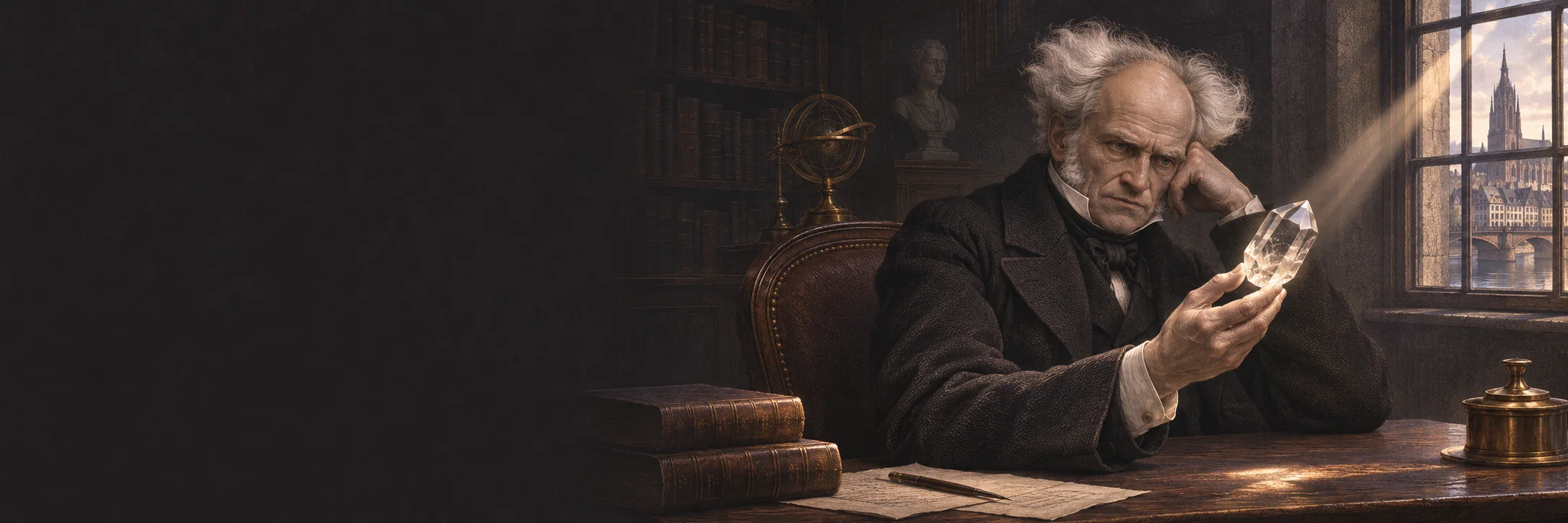
Therefore, rigidity at once seizes that momentary movement, of which only the trace remains as the crystal.
Arthur Schopenhauer (1788–1860)
The World as Will and Idea, III · p. 37
Translated by R. B. Haldane; J. Kemp
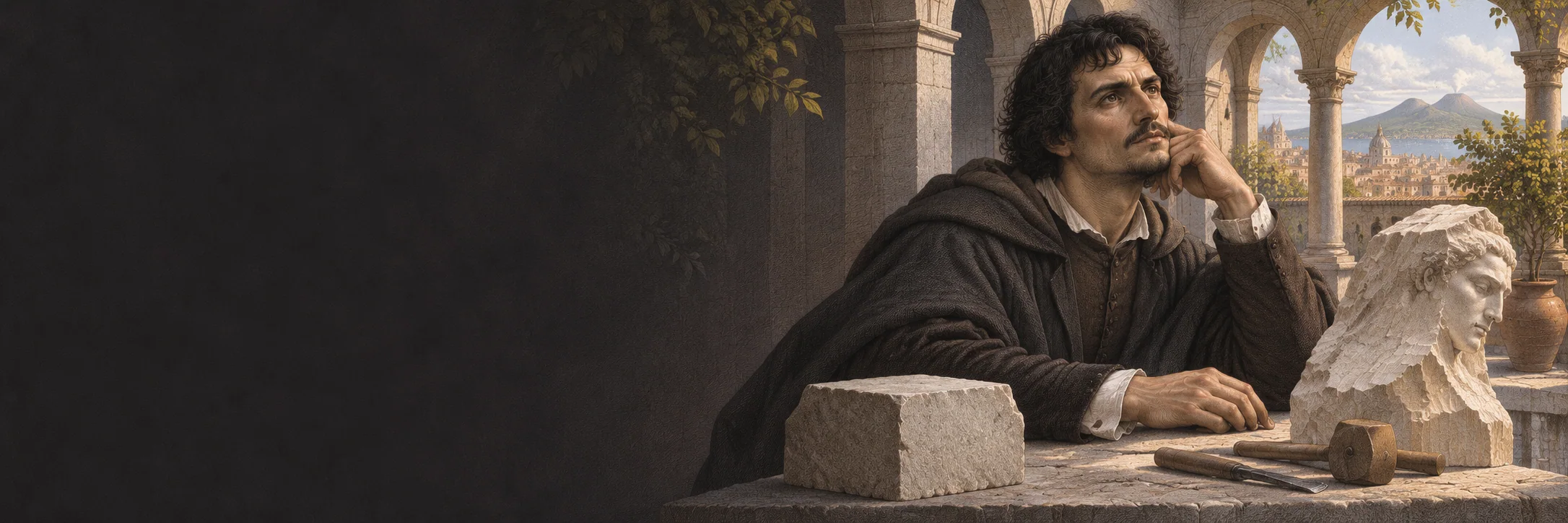
The stone is not everything that it can be; for it is not lime, a vessel, dust or a herb.
Giordano Bruno (1548–1600)
Von der Ursache, dem Princip und dem Einen · p. 67
Our translation from Adolf Lasson’s German edition
 Cart