
 Phone: +43 677 628 66 628 |


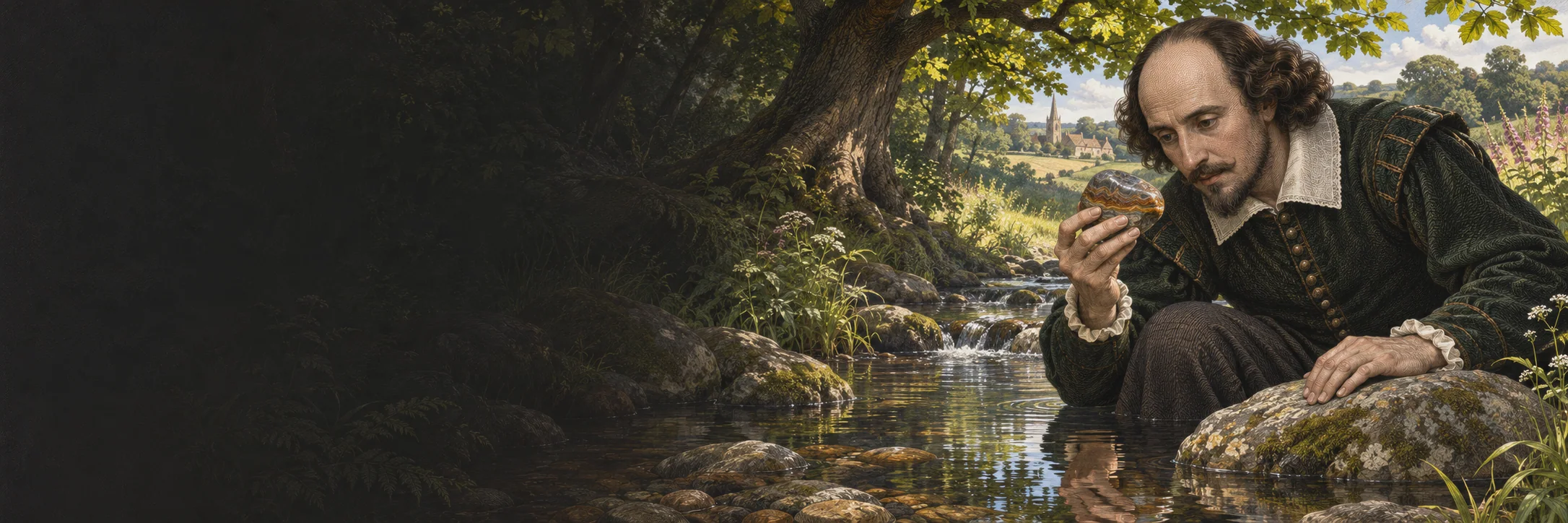
William Shakespeare
And this our life exempt from public haunt Finds tongues in trees, books in the running brooks, Sermons in stones and good in every thing.
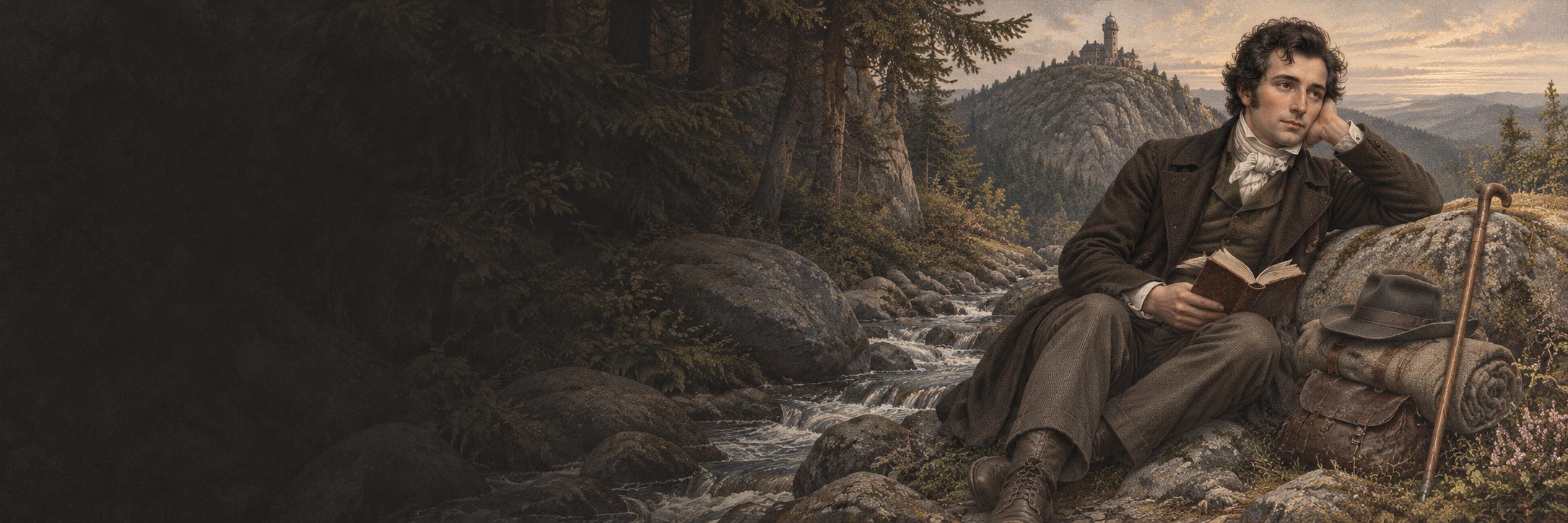
Heinrich Heine (1797–1856), the German poet from Düsseldorf, hears the steady heartbeat of a mountain in Die Harzreise. On the way up the Brocken his traveller has just passed fir trees whose roots cling to enormous stones. Then something catches his eye that he could easily have missed by walking on. Water runs beneath the moss. He can see it washing over the bare roots and the fibres through which a tree keeps its hold on the ground.
It is worth following the movement of his body. At first he has been going uphill on a natural staircase of tree roots. Now he stoops. At this distance the deep moss covering the stones looks soft as a cushion of green velvet. The movement of the water is quiet enough to turn a passing walker into an eavesdropper. A tree grows slowly. A single glance or sound could scarcely reveal the history of its formation. Yet Heine gives his traveller the feeling that for once he is being allowed to listen in as the tree grows.
When you bend down towards all this activity, it is almost as if you could overhear the hidden history of how plants grow and the quiet beating of the mountain’s heart.
– Heinrich Heine, Die Harzreise, 1907, p. 51–52.[1]
The little German word gleichsam, meaning “as if”, lets us catch the moment at which a perception becomes an image. We can still hear the spring and understand why its sound suggests a pulse. A few steps on, the water wells up more strongly and forms small cascades. Soon the trees whisper and the mountain flowers turn their eyes on the traveller. At last his beloved appears and vanishes. All these encounters began with a gesture so small that it might have escaped our notice. On his way up a mountain, a walker found time to bend over a stone.
 Search
And this our life exempt from public haunt Finds tongues in trees, books in the running brooks, Sermons in stones and good in every thing.
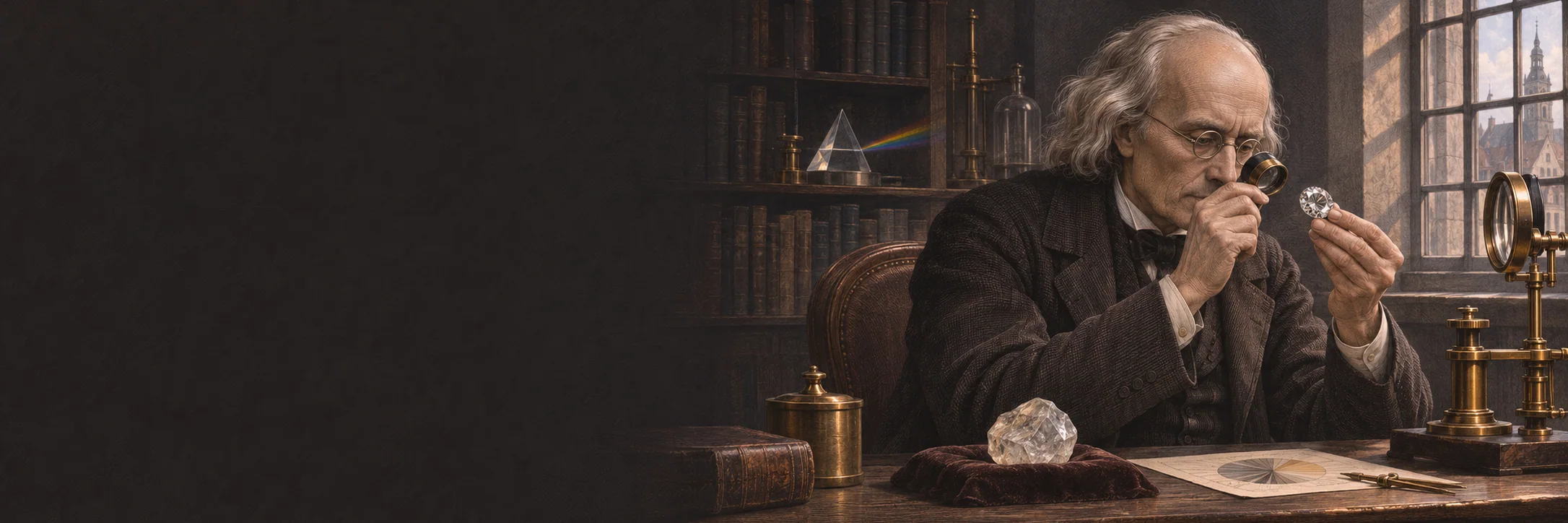
And so the diamond would have the loveliest of all these little souls, the cut diamond even one shaped and ennobled by education; loveliest of all if it is the diamond on the finger of a woman who has a still higher and lovelier soul in the head above it.
Gustav Theodor Fechner (1801–1887)
 Die Tagesansicht gegenüber der Nachtansicht · p. 87
Our translation
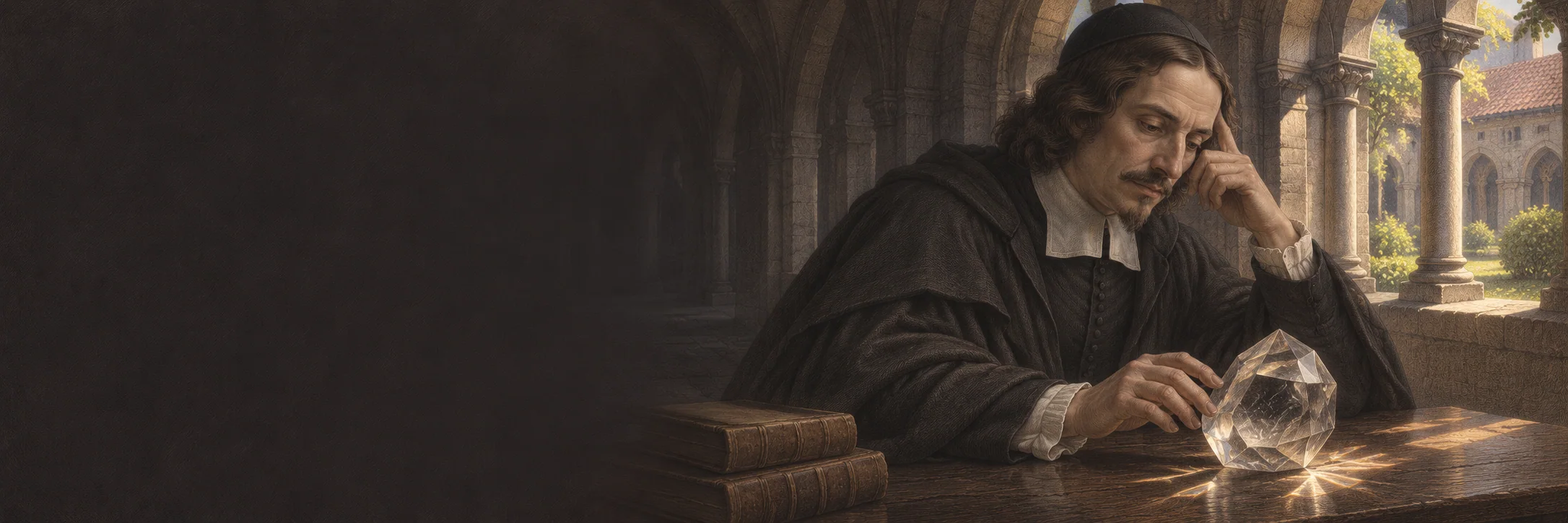
The soul is a crystal, the Godhead is its light: The body in which you live is the shrine of both.
Angelus Silesius (1624–1677)
Des Angelus Silesius Cherubinischer Wandersmann · p. 75
Our translation
My soul now resembles a crystal That no false ray of light has yet struck; […]
[…] I am earth and air in one; part of that blue heaven which you love, and long for, is already in me […]
[…] the curse of all the heart-aches and blasted hopes had made its every stone thirsty and hungry […]
Rabindranath Tagore (1861–1941)
The Hungry Stones and Other Stories · p. 23–24
Historical English translation, 1916 · excerpt
The primordial crystal is the diamond of the earth, in which every eye delights, recognising it as the first-born son of light and gravity.
Georg Wilhelm Friedrich Hegel (1770–1831)
Vorlesungen über die Naturphilosophie · p. 280
Our translation
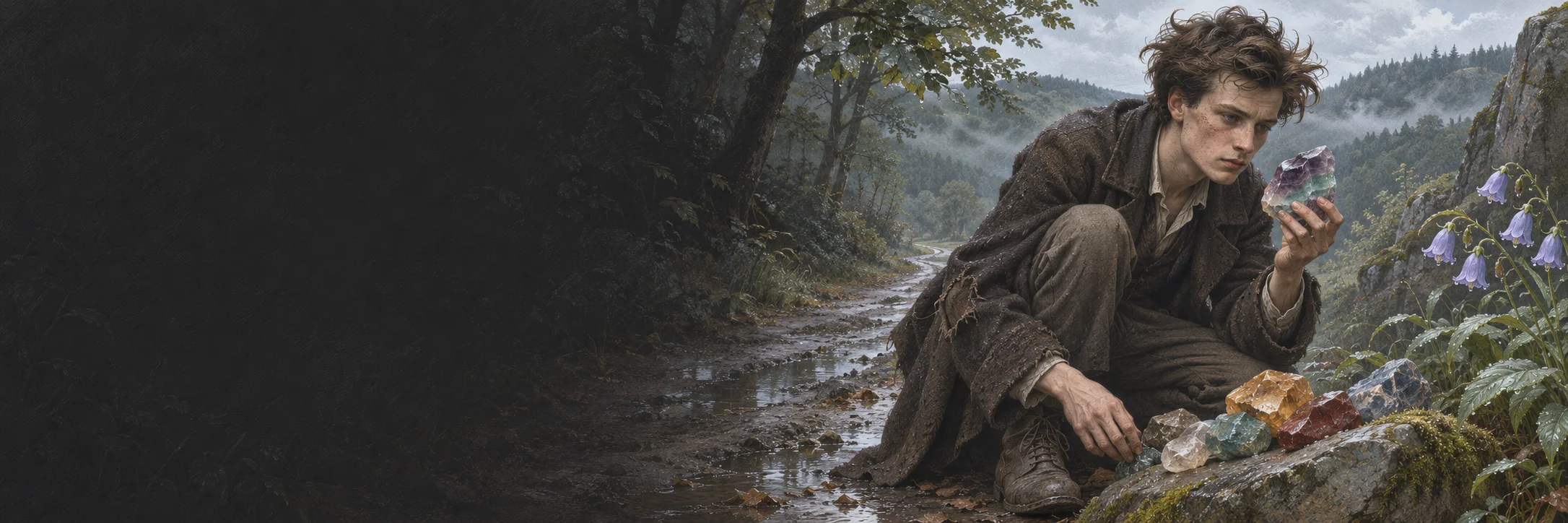
I walked on, waking the living, warm breaths; and the jewels looked, and wings rose without a sound.
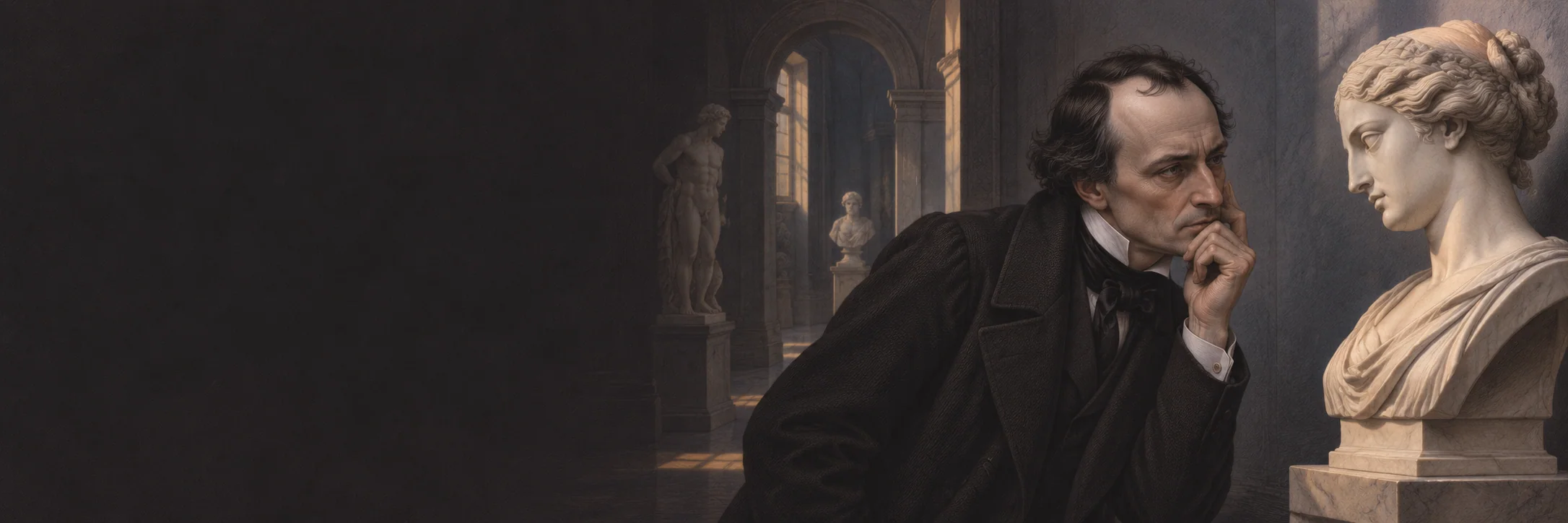
I am beautiful, mortals, like a dream of stone, And my breast, on which each in turn has bruised himself, Is made to inspire in the poet a love As eternal and mute as matter.
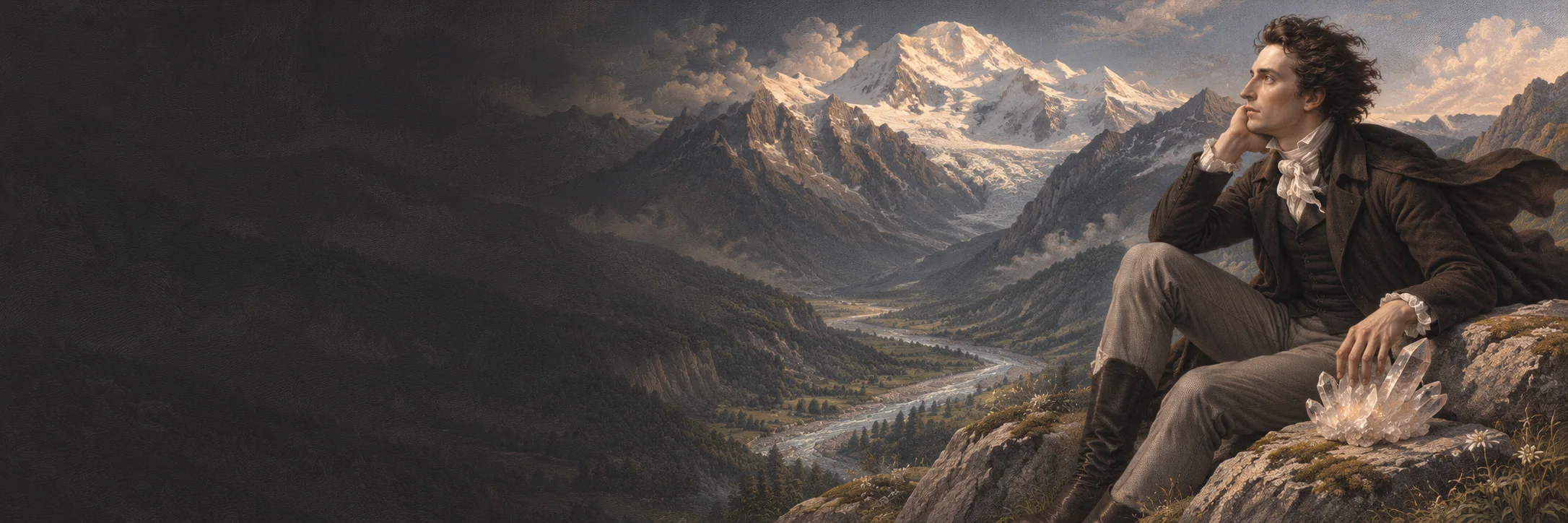
The secret strength of things Which governs thought, and to the infinite dome Of heaven is as a law, inhabits thee!
Percy Bysshe Shelley (1792–1822)
The Poetical Works of Percy Bysshe Shelley, III · p. 33
Original wording
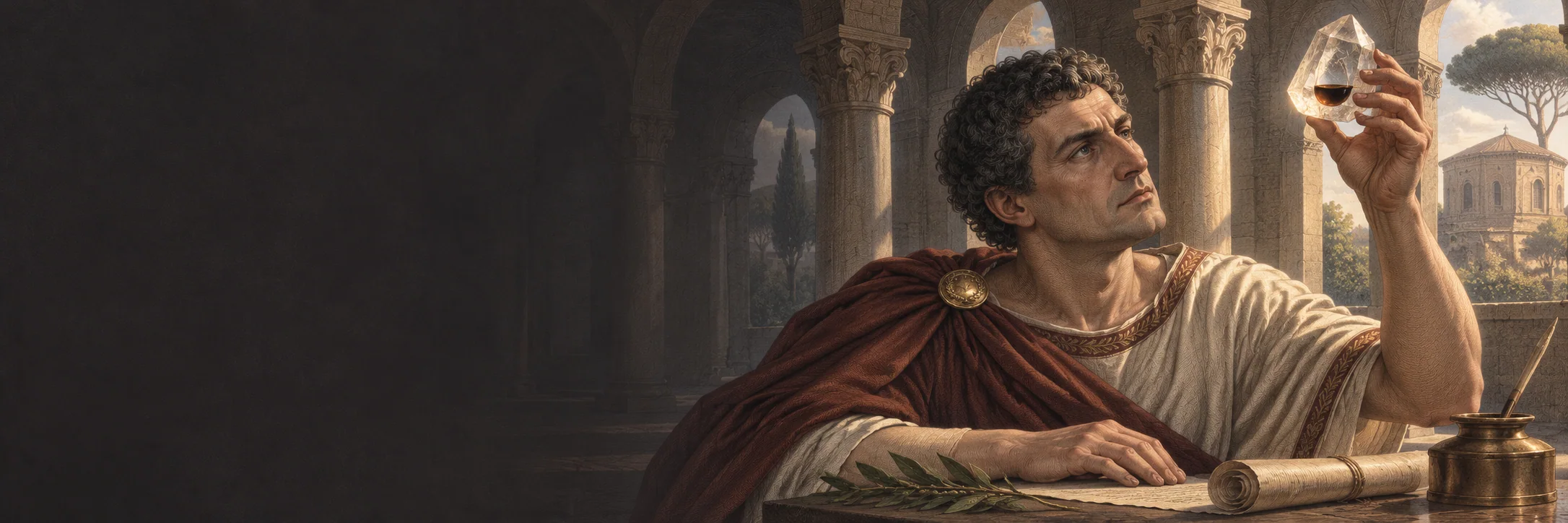
Marvellous stone and marvellous water! With good reason it surpasses rivers and stones, for it flows and is a stone.
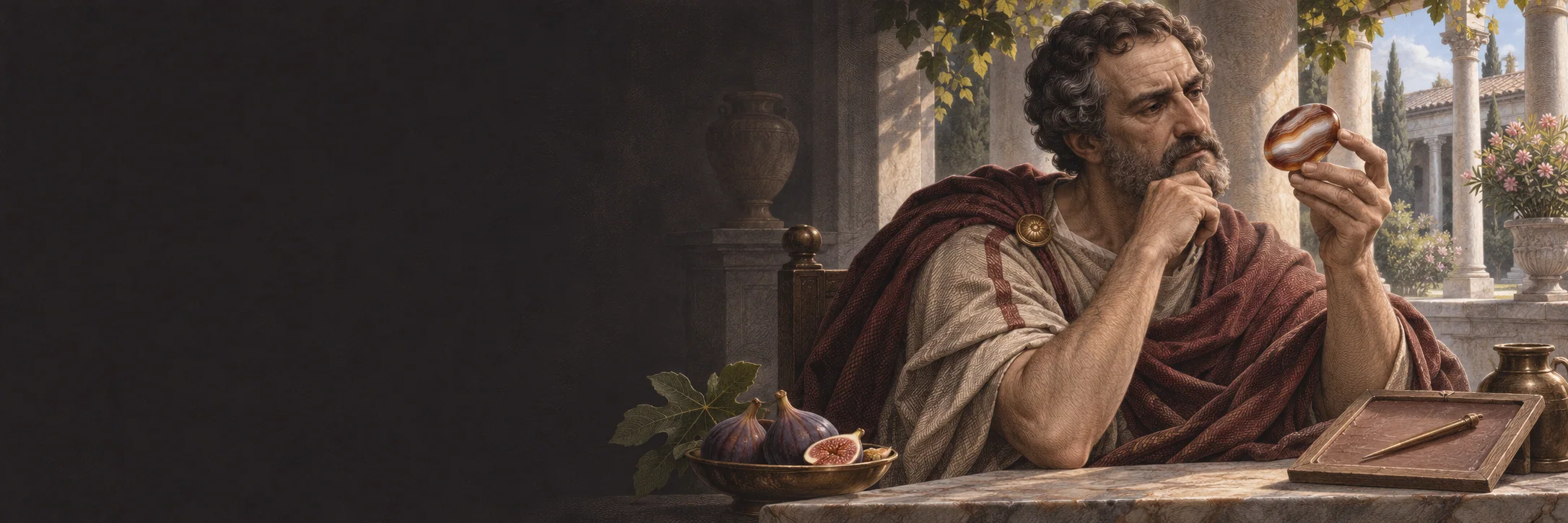
For he is said to have owned an agate in which the nine Muses and Apollo playing the lyre could be seen, not by art but because the markings naturally distinguished themselves so well that even the individual Muses had their own attributes.
Pliny the Elder (23/24–79)
C. Plini Secundi Naturalis historiae libri XXXVII, V · p. 382
Our translation
 Cart