
 Phone: +43 677 628 66 628 |


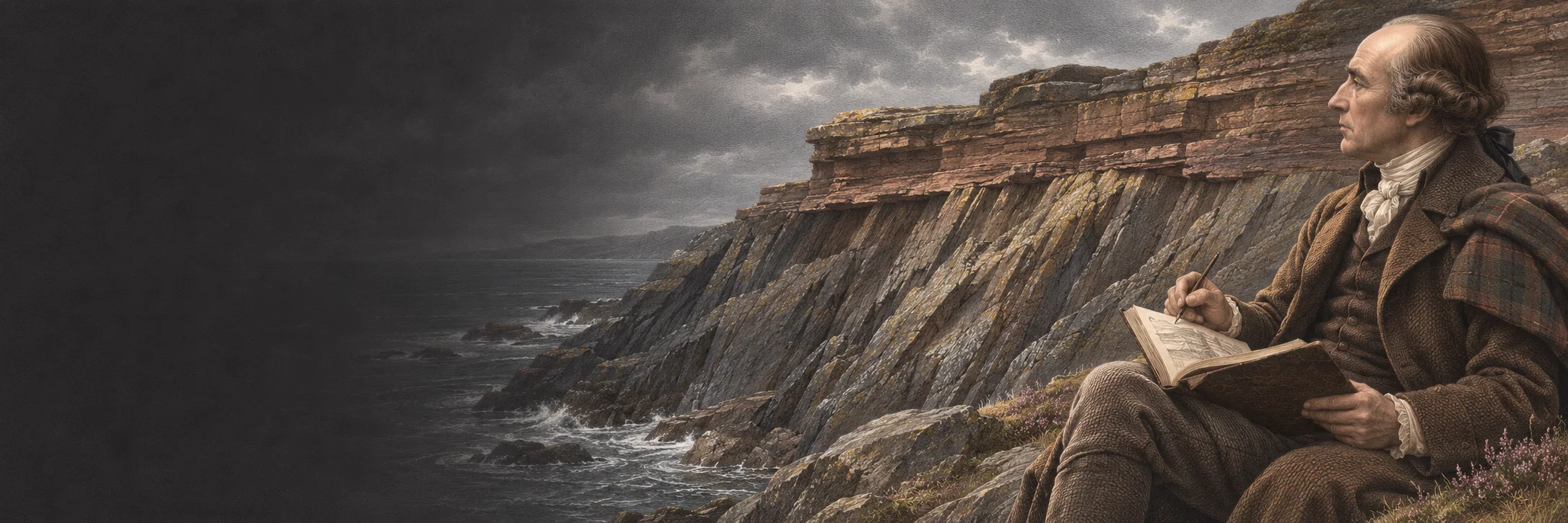
James Hutton
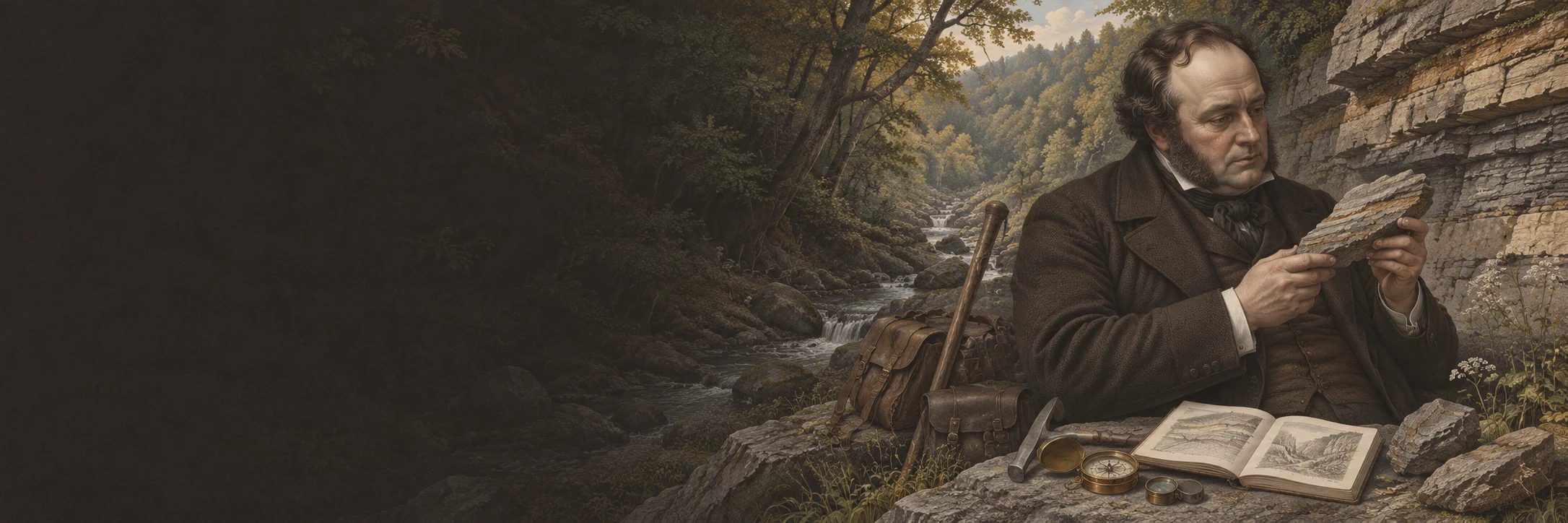
The result, therefore, of our present enquiry is, that we find no vestige of a beginning,—no prospect of an end.
James Hutton (1726–1797)
 Transactions of the Royal Society of Edinburgh, I · p. 304
Original wording
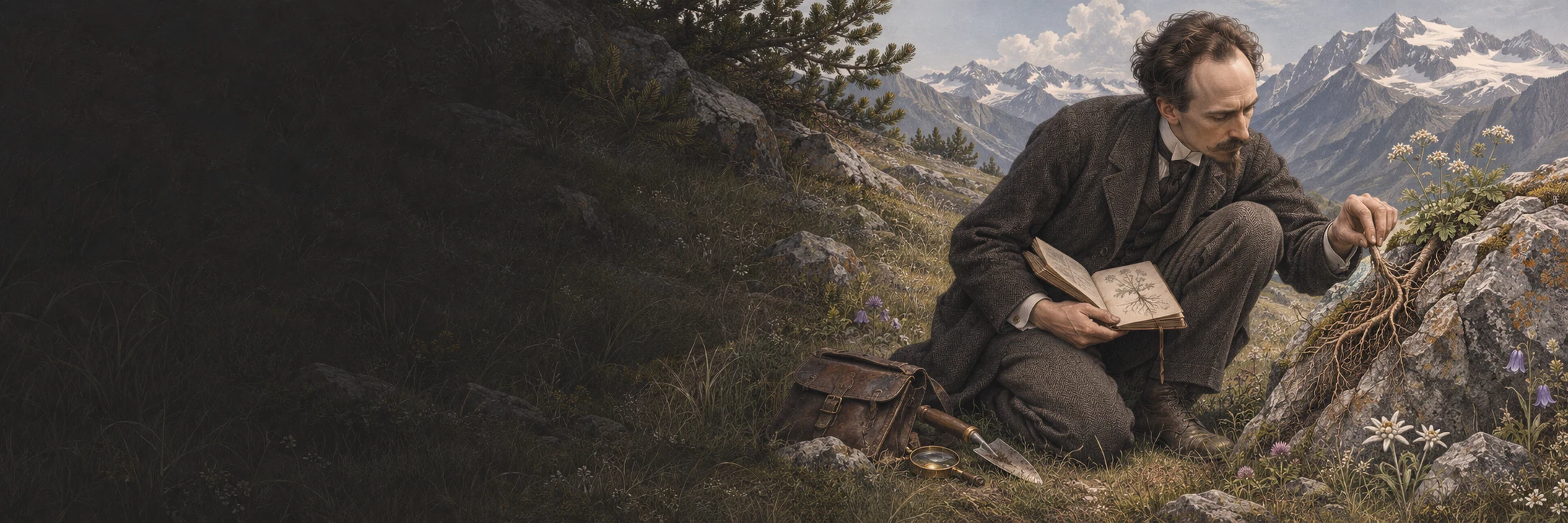
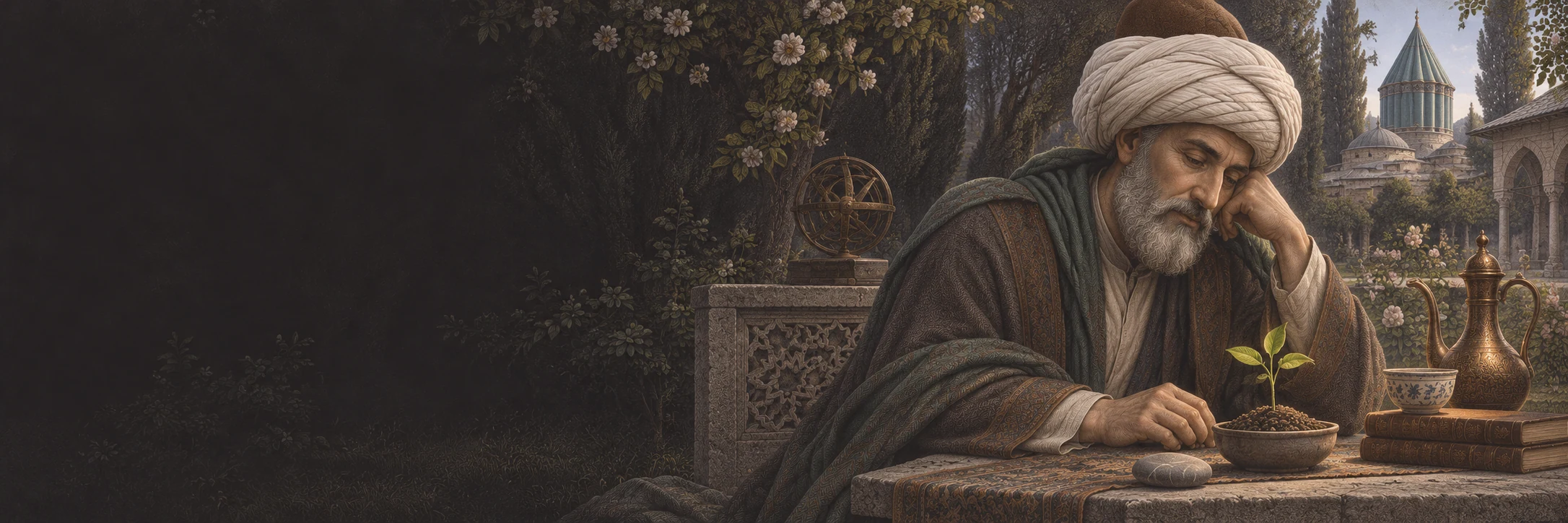
Christian Morgenstern (1871–1914) was a German poet. His poem The Washing of Feet begins by addressing the quietest of companions. A voice speaks to a stone from which it can scarcely expect an answer. Only the last line of the stanza tells us who is speaking: a plant. If we assumed that the “I” in the first two lines belonged to a human being, the third line sends us back to read them again. Bending towards the ground becomes both a gesture of thanks and something one can picture a plant stem doing.
What the plant owes the stone is remarkably precise: its life as a plant. It does not give thanks for a particular present or for anything the stone has gone out of its way to do. It acknowledges that its very way of being depends on something it did not bring into the world itself. The stone needs neither a voice nor goodwill to deserve this thanks. Its silence does not make the address a failed conversation. Even something without intentions is allowed to be the one to whom the speaker turns.
I thank you, silent stone,
and bend down towards you:
I owe you my life as a plant.– Christian Morgenstern, Wir fanden einen Pfad, p. 55.[1]
Animals and human beings enter the later stanzas. Again and again a voice bends towards what came before it. Had the poem stopped there, it might have read like a simple staircase with humanity at the top. But Morgenstern lets a “we” reply. Now those addressed in the earlier stanzas give thanks in turn to the human child. Once gratitude changes direction, the staircase looks different too. Whatever seems to stand above the rest can neither replace nor leave behind what lies below it. The title prepares us for this reversal. To wash another’s feet, one has to bend one’s own body towards them. That small gesture makes a relationship visible before anyone puts it into a doctrine.
 Search
The result, therefore, of our present enquiry is, that we find no vestige of a beginning,—no prospect of an end.
James Hutton (1726–1797)
Transactions of the Royal Society of Edinburgh, I · p. 304
Original wording
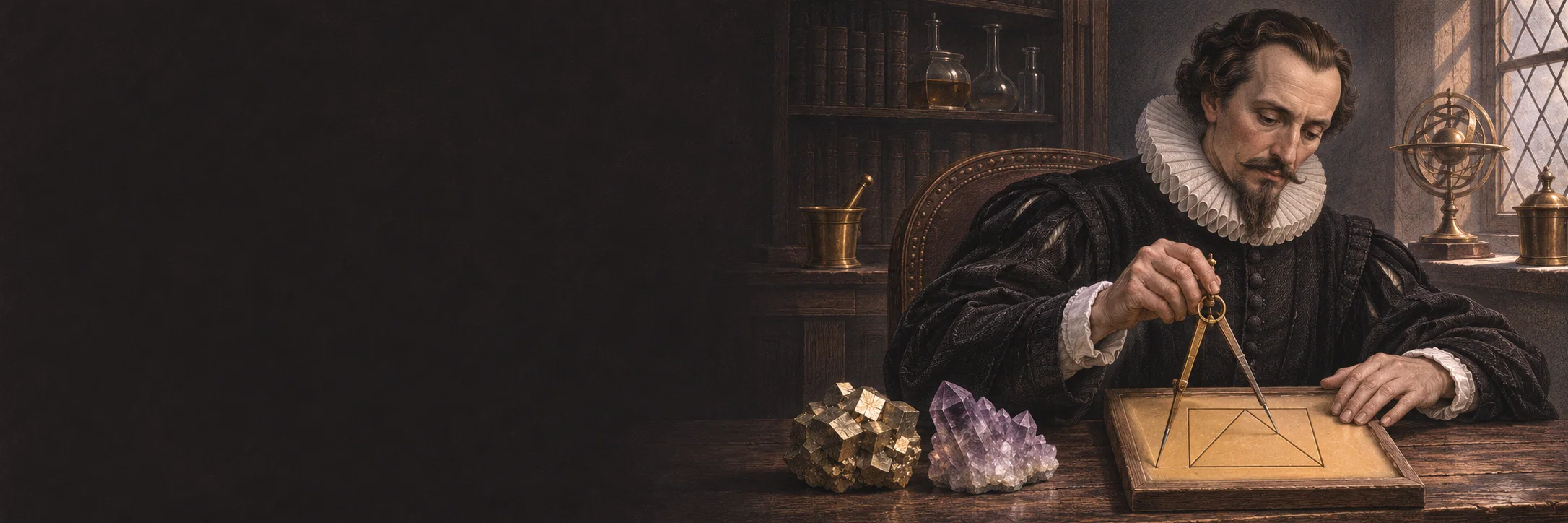
The stone is a triangle in essence and a quadrangle in quality.

Anaxagoras: Through fiery vapour this rock came to hand. Thales: In moisture living things arose.
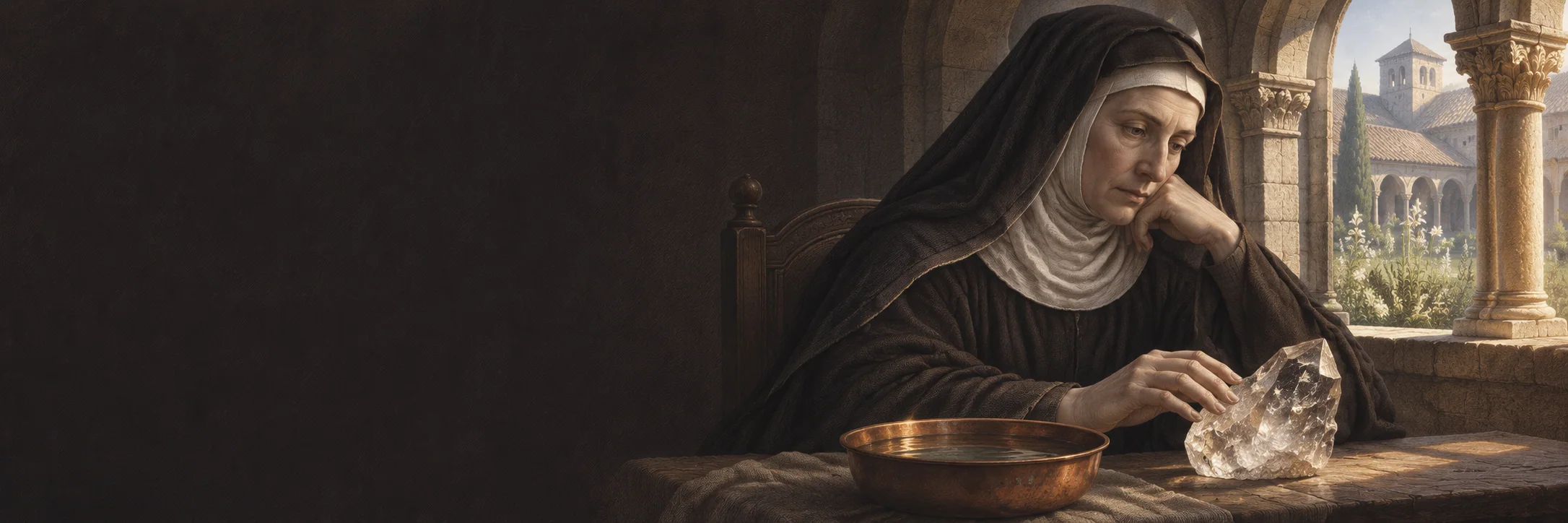
[…] the heart of the water congeals into firmness. […]
Hildegard of Bingen (1098–1179)
Physica, Patrologia Latina 197 · col. 1263
Our translation; unclear opening construed from context · excerpt
Look! I died as stone and sprang up as a plant
Dschalāl ad-Dīn Rūmī (1207–1273)
Excerpt. Our translation of Friedrich Rückert’s German rendering



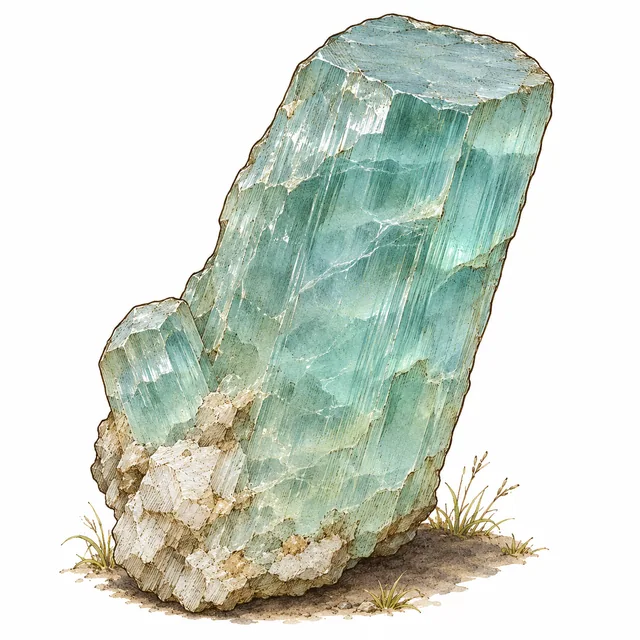
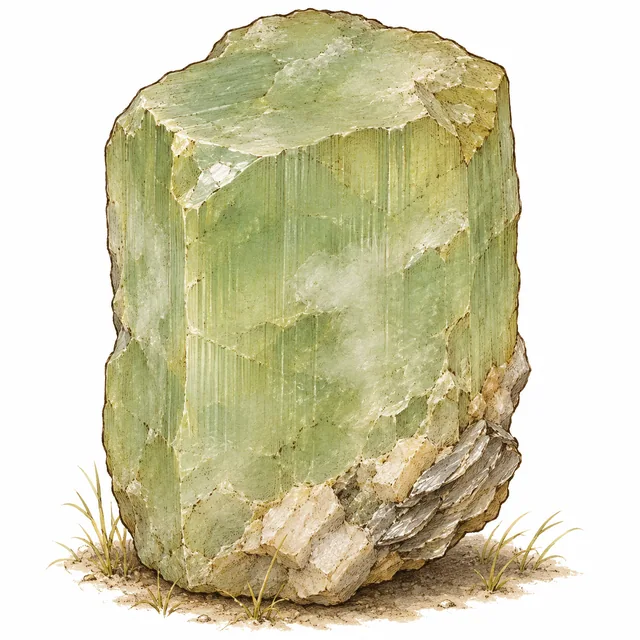
Beryl is a bright, white, transparent stone. It is given a shape both concave and convex, and the person looking through it reaches what was previously invisible.
The earth itself keeps the sources for its history within it, as in a vault of records, sources perhaps set down in millions of documents. What matters is that we learn to read them and do not falsify them through zeal and the urge to be right.
People are crystals for our inner life. They are nature made transparent.

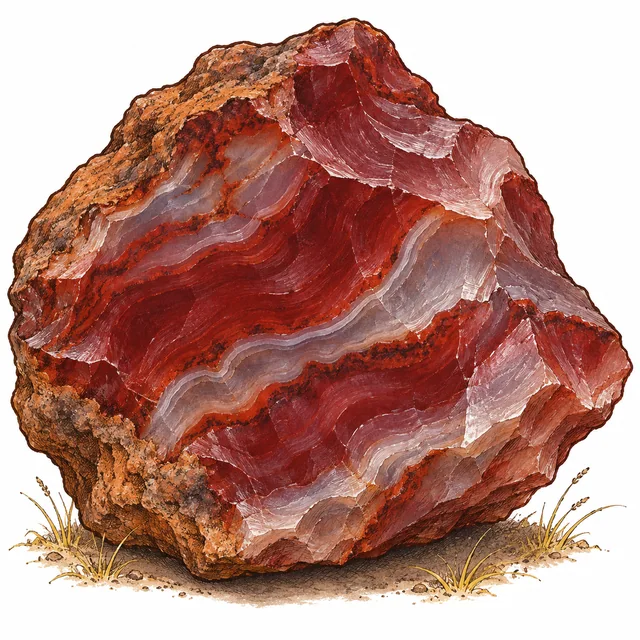
As for precious stones such as carbuncle, ruby, emerald, delphin, onyx and the like, the finest of stones, they have their origin where the flash of light arose in love.
 Cart