
 Phone: +43 677 628 66 628 |


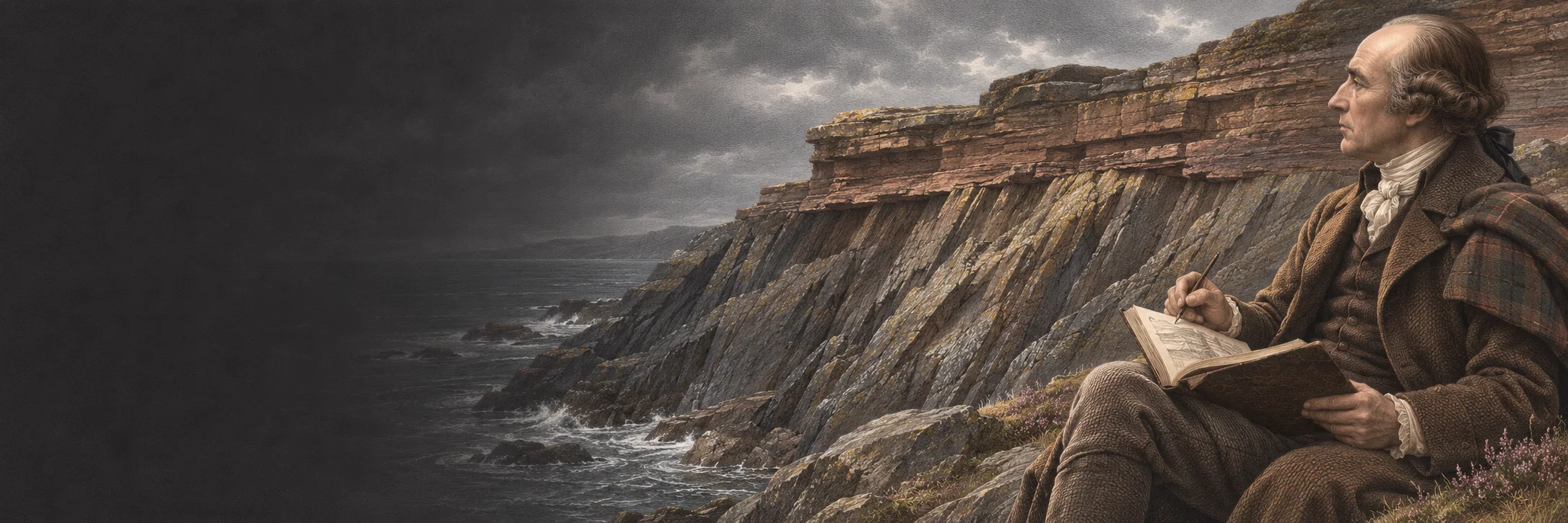
James Hutton
The result, therefore, of our present enquiry is, that we find no vestige of a beginning,—no prospect of an end.
James Hutton (1726–1797)
 Transactions of the Royal Society of Edinburgh, I · p. 304
Original wording
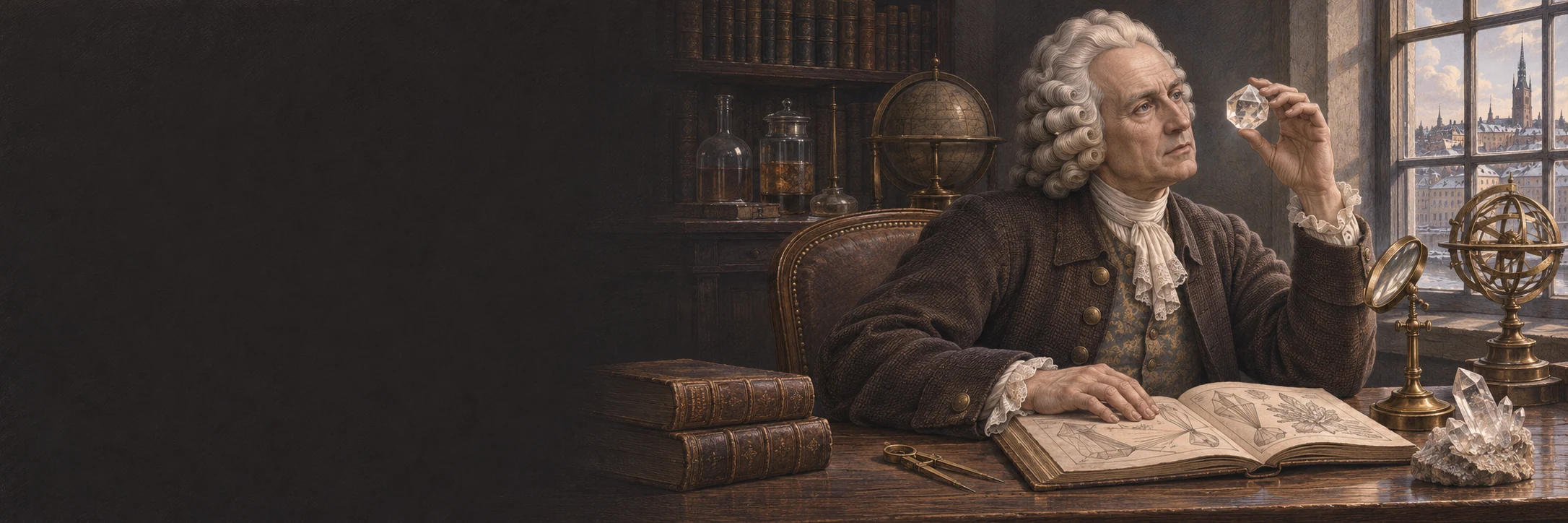
Emanuel Swedenborg (1688–1772), a Swedish natural philosopher and theologian, noticed a striking detail while interpreting the book of Exodus. Beneath the feet of God there appears something like a pavement of sapphire. To read that image he turns to another book of the Bible. The Revelation of John describes a city whose walls rest on a succession of different precious stones.
The precious stones which are the foundations denote truths Divine shining through in the ultimate of order.
– Emanuel Swedenborg, Arcana Coelestia, 1938, p. 318.[1]
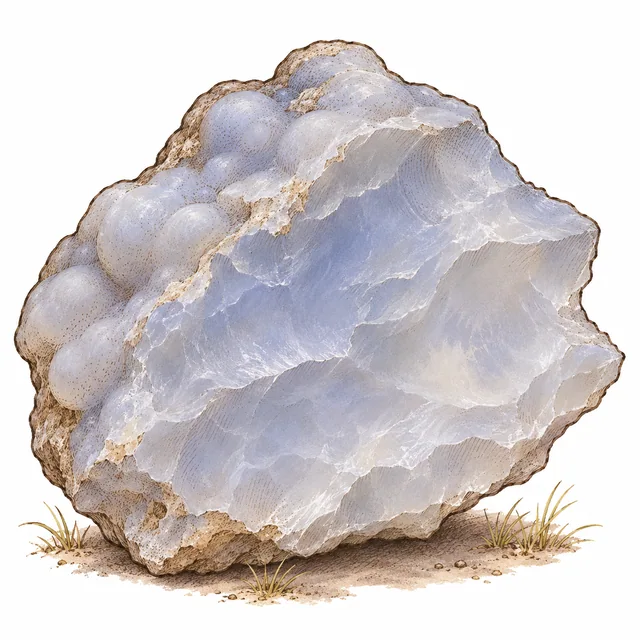
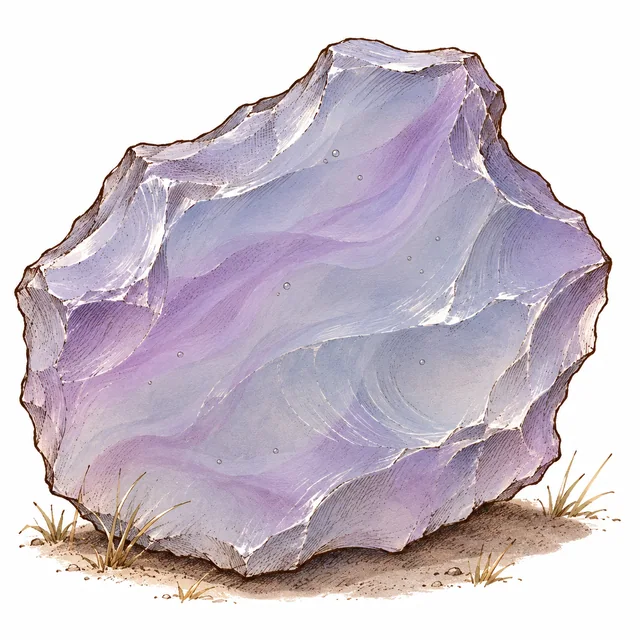
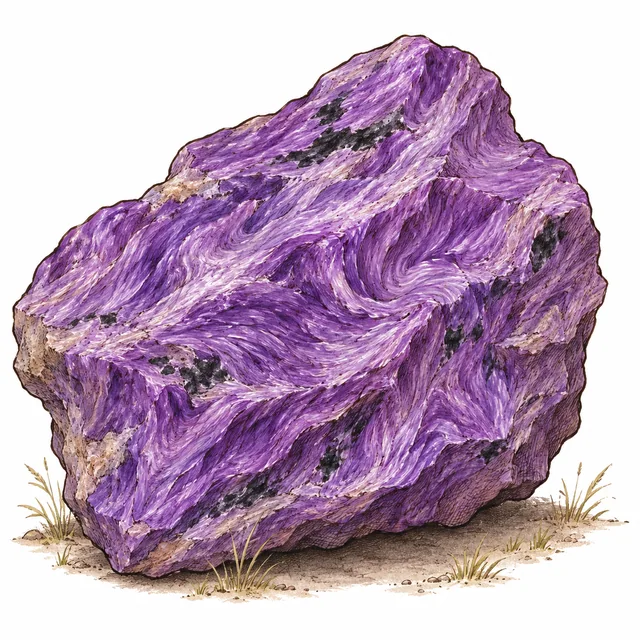
Looking at a city from a distance, one would usually see the towers and the tops of the walls first. John directs attention down towards the foundations. Swedenborg copies out the whole sequence of their names. Jasper, sapphire and chalcedony come first, and amethyst closes the list. Each foundation has a place of its own. But why should the stones entrusted with the weight of a wall be distinguished above all by their capacity to shine?
Swedenborg supplies a clue in his next paragraph. The outermost level here is the literal wording of Scripture. A truth has to reach as far as those actual words if a reader is to encounter it. Hence the precision of the image of shining through. The colour, lustre and position of the sapphire all deserve attention, because details of this kind are precisely where his reading begins. To Swedenborg, the city coming down from heaven signifies a new church. Its foundations suggest what such a community would need in order to stand. There must be words that people can read and through which something more than their sound can reach them.
 Search
The result, therefore, of our present enquiry is, that we find no vestige of a beginning,—no prospect of an end.
James Hutton (1726–1797)
Transactions of the Royal Society of Edinburgh, I · p. 304
Original wording
The stone is a triangle in essence and a quadrangle in quality.
Anaxagoras: Through fiery vapour this rock came to hand. Thales: In moisture living things arose.
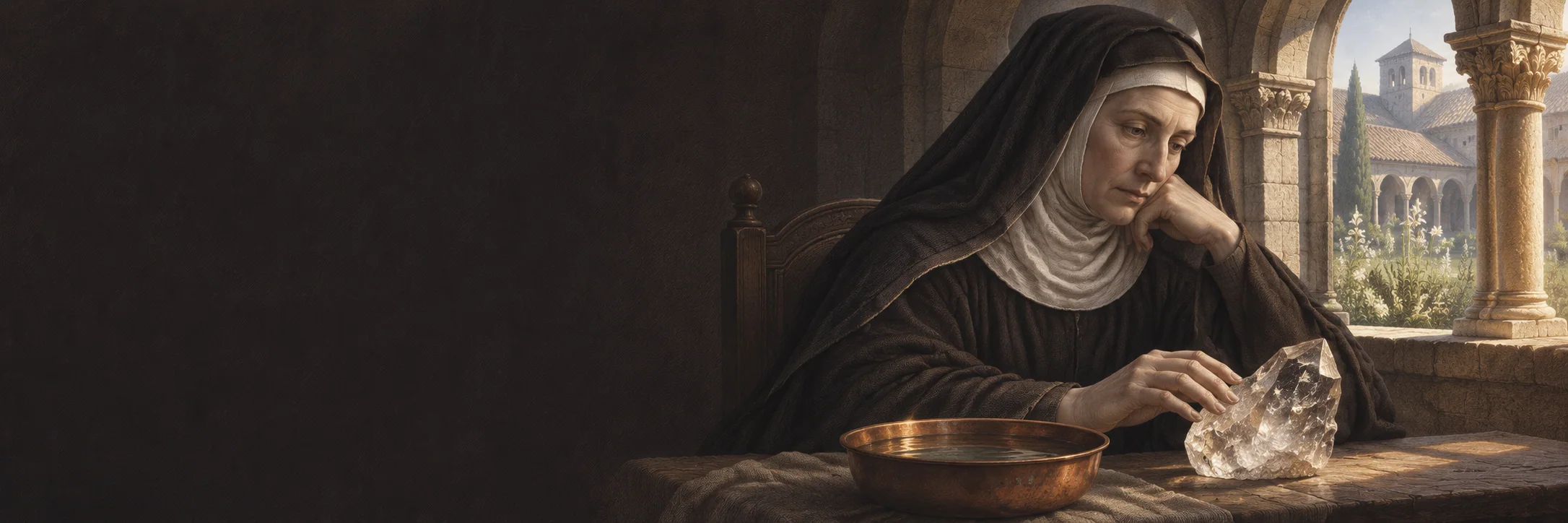
[…] the heart of the water congeals into firmness. […]
Hildegard of Bingen (1098–1179)
Physica, Patrologia Latina 197 · col. 1263
Our translation; unclear opening construed from context · excerpt
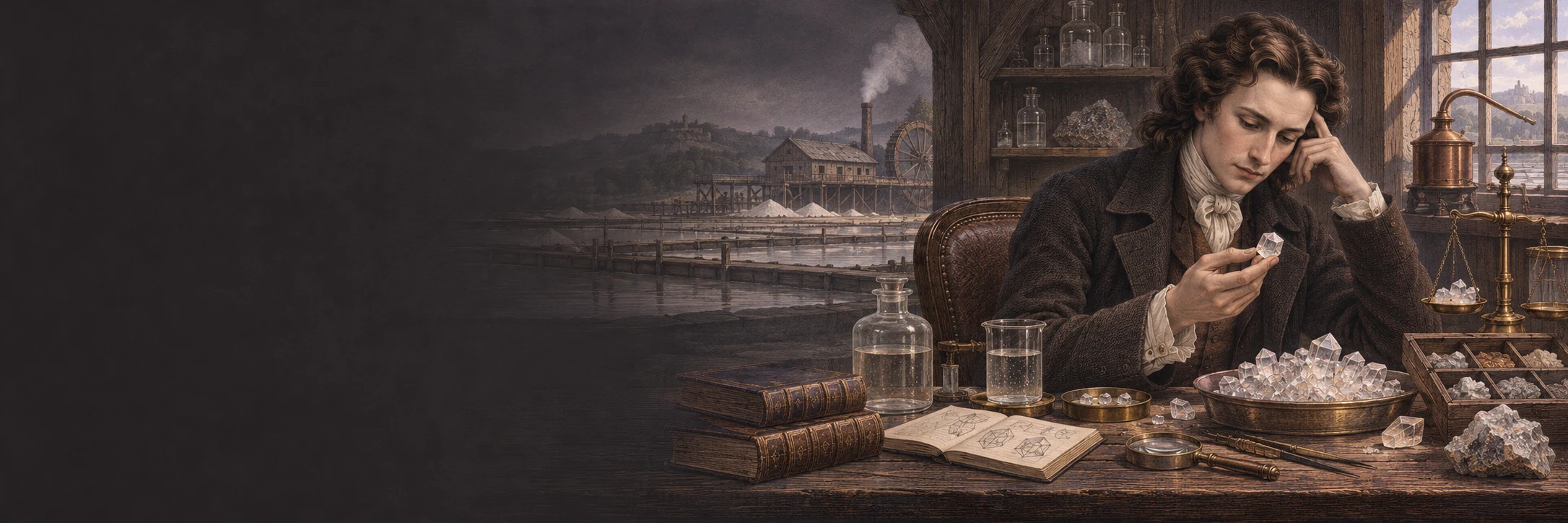
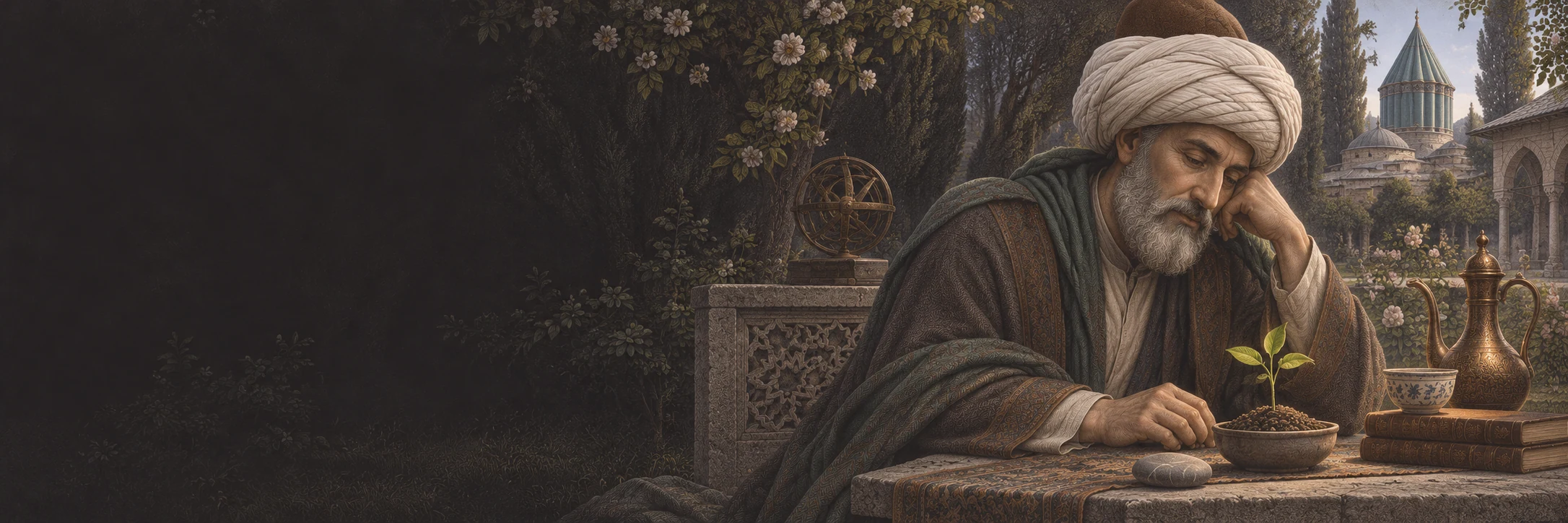
Look! I died as stone and sprang up as a plant
Dschalāl ad-Dīn Rūmī (1207–1273)
Excerpt. Our translation of Friedrich Rückert’s German rendering
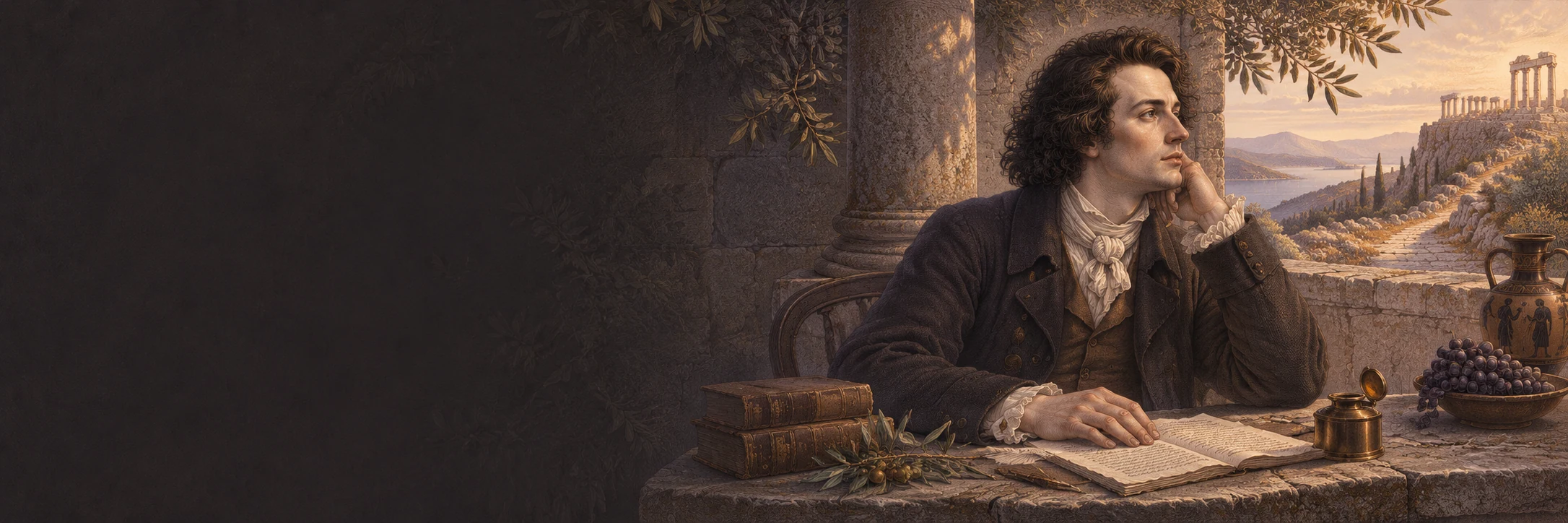

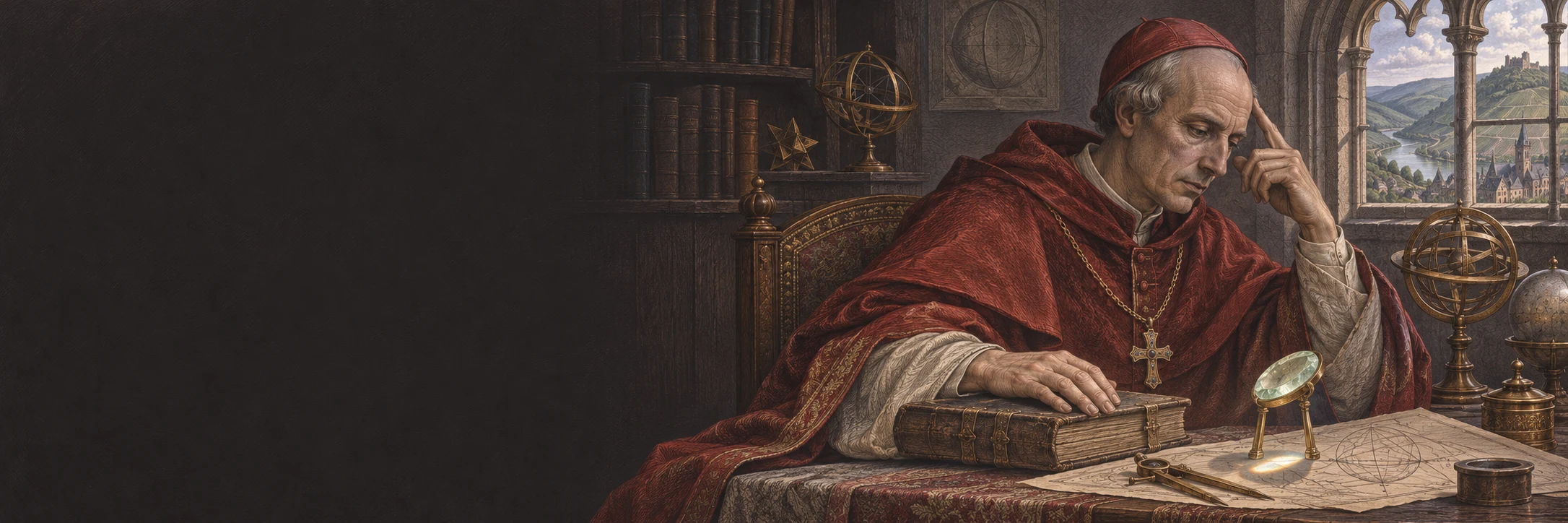
Beryl is a bright, white, transparent stone. It is given a shape both concave and convex, and the person looking through it reaches what was previously invisible.
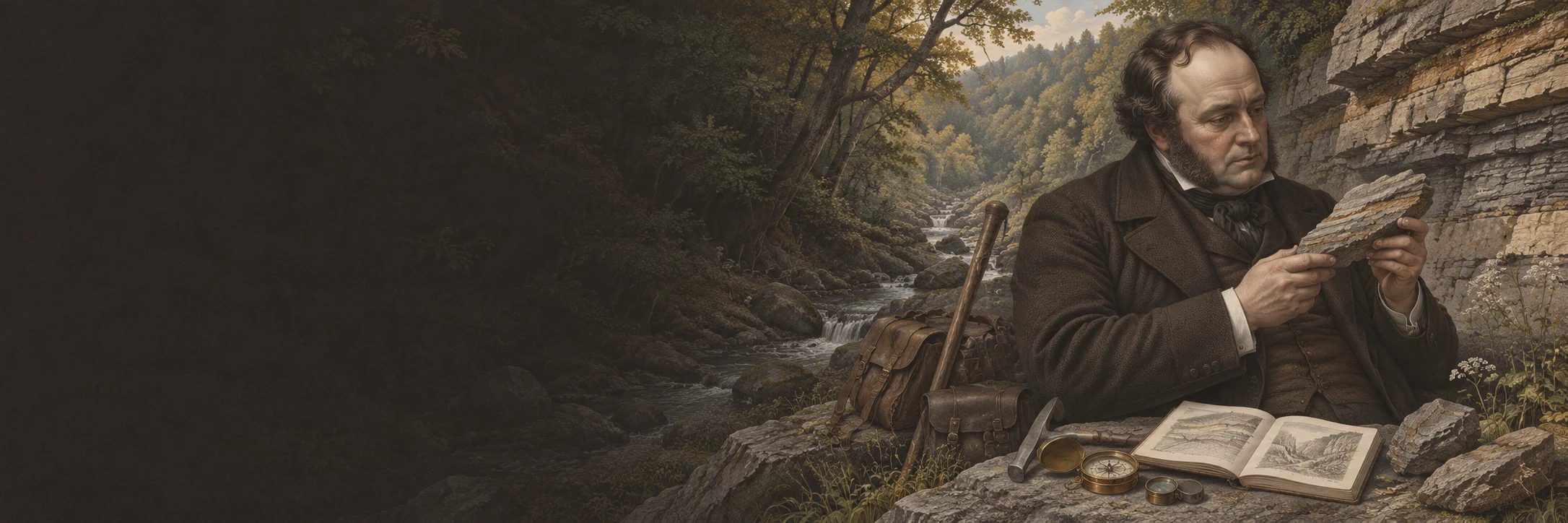
The earth itself keeps the sources for its history within it, as in a vault of records, sources perhaps set down in millions of documents. What matters is that we learn to read them and do not falsify them through zeal and the urge to be right.
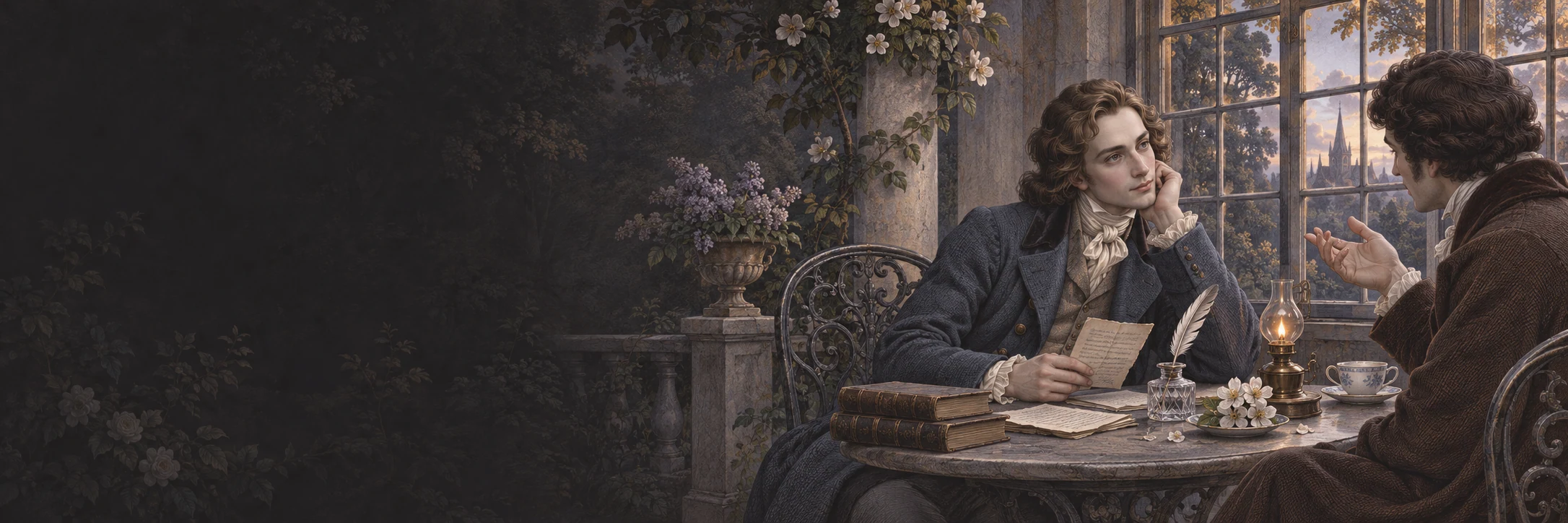
People are crystals for our inner life. They are nature made transparent.

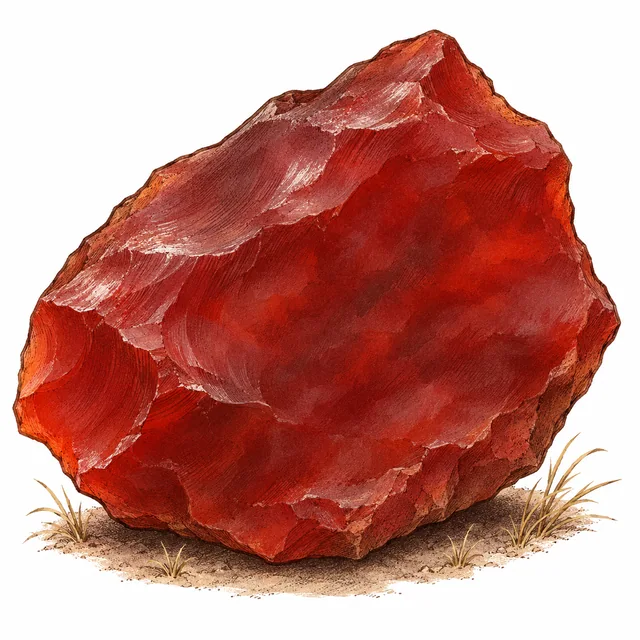
As for precious stones such as carbuncle, ruby, emerald, delphin, onyx and the like, the finest of stones, they have their origin where the flash of light arose in love.
 Cart