
 Phone: +43 677 628 66 628 |


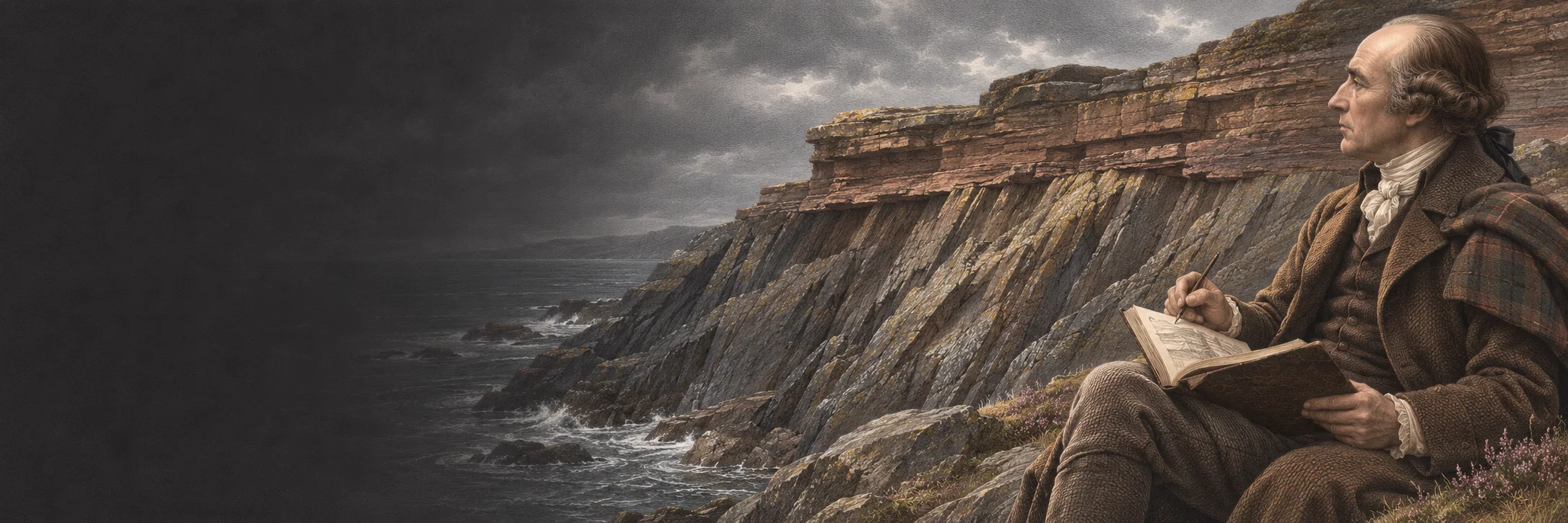
James Hutton
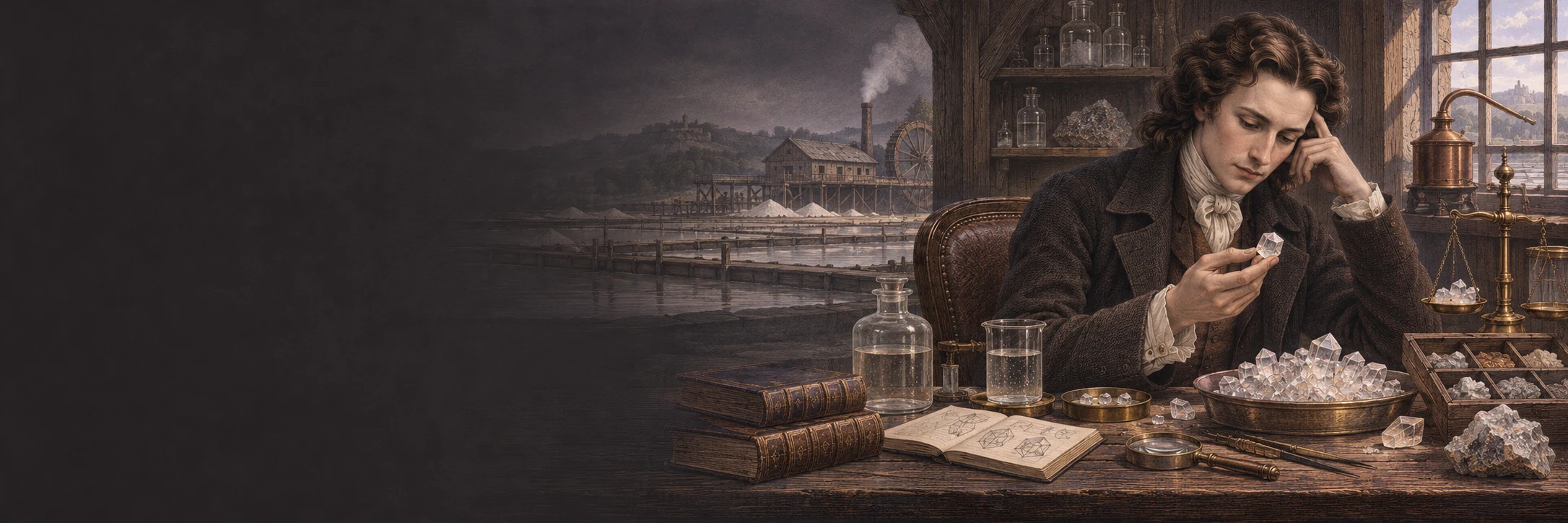
The result, therefore, of our present enquiry is, that we find no vestige of a beginning,—no prospect of an end.
James Hutton (1726–1797)
 Transactions of the Royal Society of Edinburgh, I · p. 304
Original wording
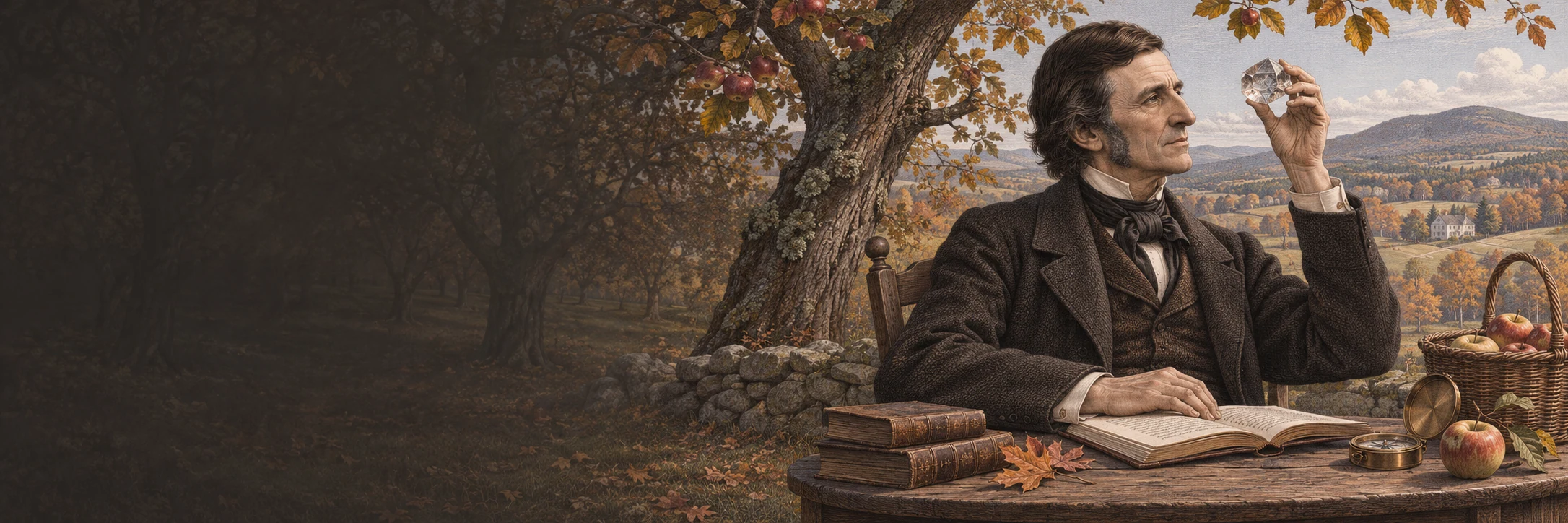
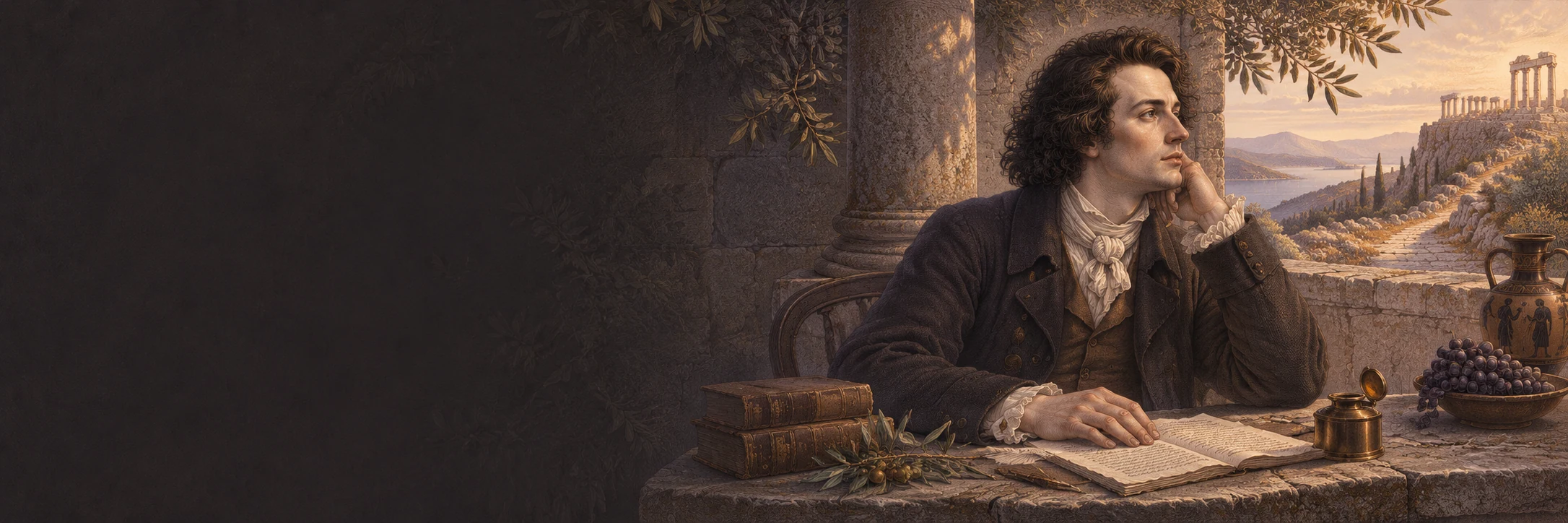
Ralph Waldo Emerson (1803–1882), an American poet and essayist, takes his poet down to the sea. On the way the man has delighted in harebells nodding on a rock as readily as in the company of people who live in huts or palaces. At the shore his eye first follows the wheeling seabirds skimming the waves. Only when he stands facing the tumbling water does Emerson give him a soul of crystal.
And he the bard, a crystal soul
Sphered and concentric with the whole.– Ralph Waldo Emerson, Poems, undated (1899 or later), p. 265.[1]
Crystal and sea make an unlikely pair. The waves tumble over one another. A crystal held in the hand would keep its shape even if the person holding it were almost giddy with joy. That is precisely how Emerson describes the poet’s state. In the lines leading up to the crystal image, sea and sky seem to enter his body. It is as if the sky were walking about inside him, as if the winds took on flesh and the mountains spoke. The body that a moment ago stood on the shore becomes, in imagination, the place where all this happens.
To follow the last line, try drawing two circles of different sizes. Set the point of the compass down in the same spot twice and the two will have a common centre while each keeps its own circumference. Emerson finds an exact way of describing what the poet experiences by the sea. He can share in the life around him and still have a place from which to look and speak. His crystal soul takes shape at the very moment when the boundaries he knows begin to shift.
 Search
The result, therefore, of our present enquiry is, that we find no vestige of a beginning,—no prospect of an end.
James Hutton (1726–1797)
Transactions of the Royal Society of Edinburgh, I · p. 304
Original wording
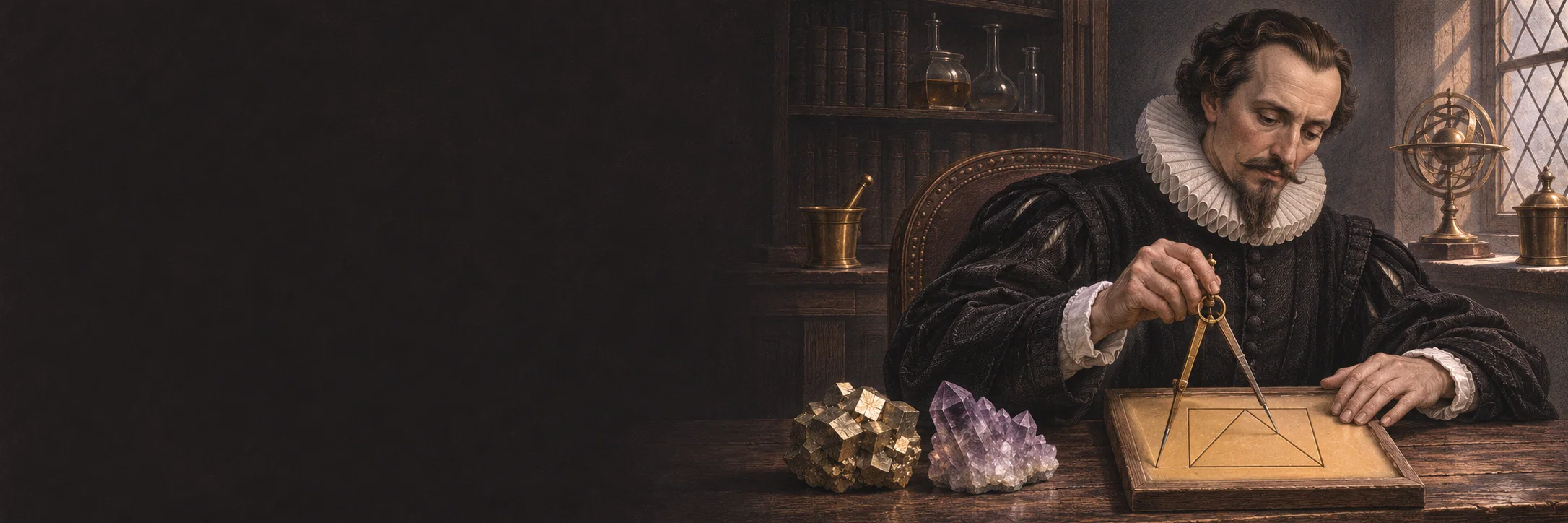
The stone is a triangle in essence and a quadrangle in quality.
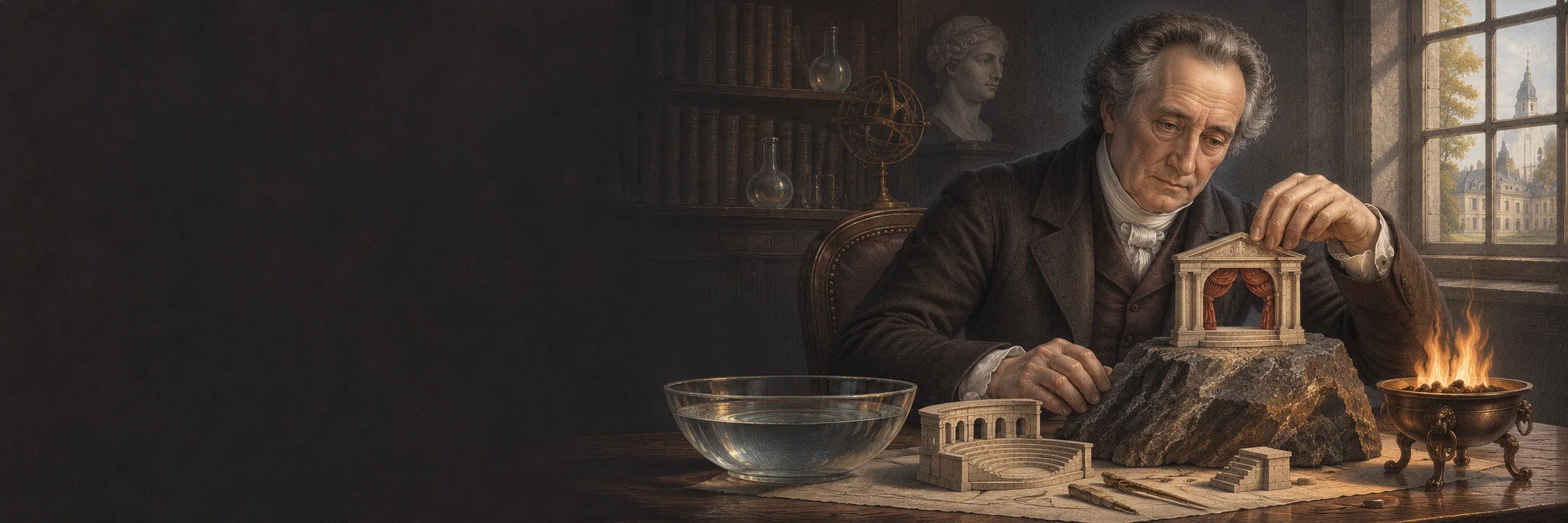
Anaxagoras: Through fiery vapour this rock came to hand. Thales: In moisture living things arose.
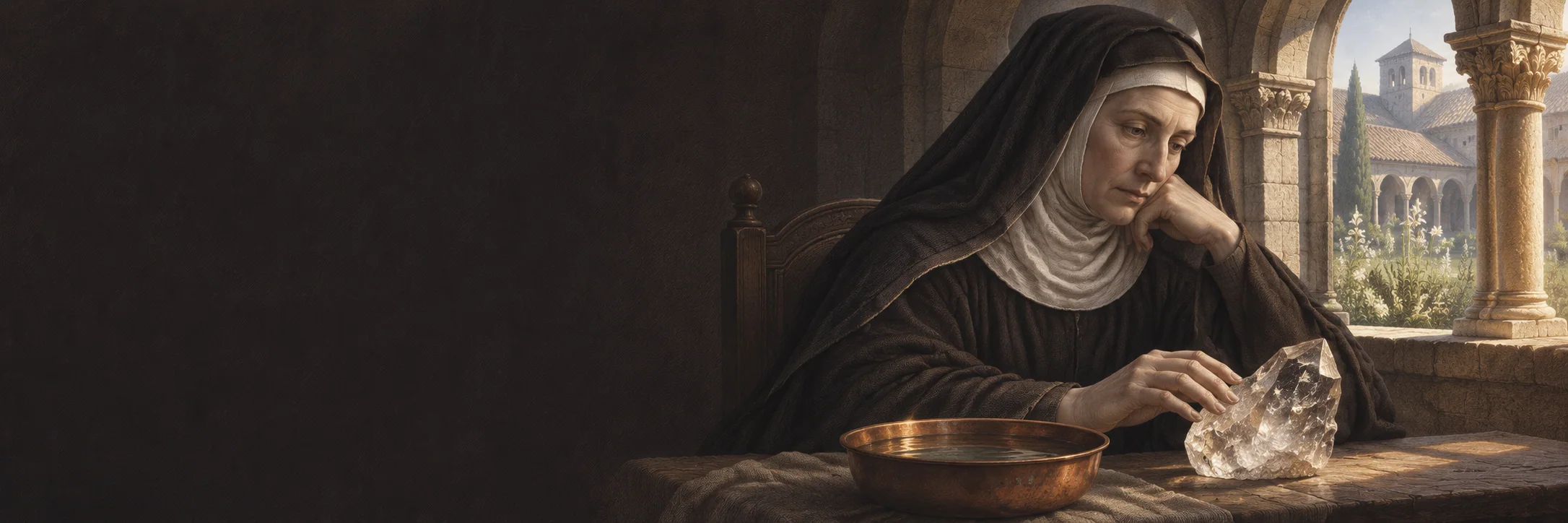
[…] the heart of the water congeals into firmness. […]
Hildegard of Bingen (1098–1179)
Physica, Patrologia Latina 197 · col. 1263
Our translation; unclear opening construed from context · excerpt
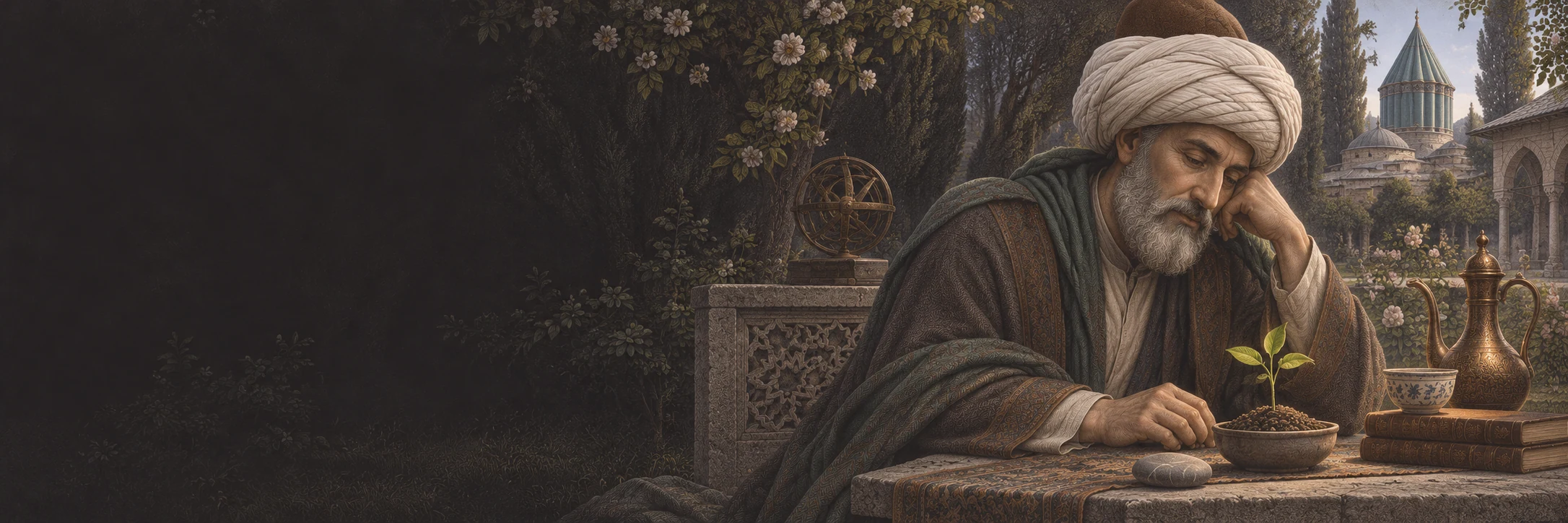
Look! I died as stone and sprang up as a plant
Dschalāl ad-Dīn Rūmī (1207–1273)
Excerpt. Our translation of Friedrich Rückert’s German rendering

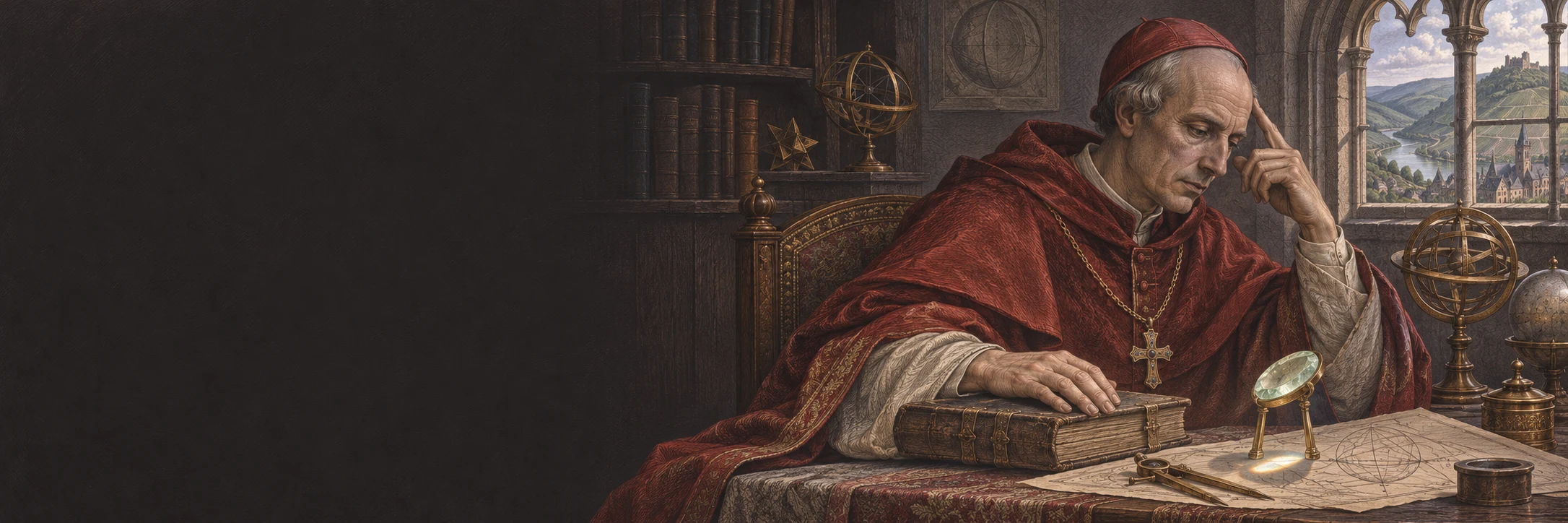
Beryl is a bright, white, transparent stone. It is given a shape both concave and convex, and the person looking through it reaches what was previously invisible.
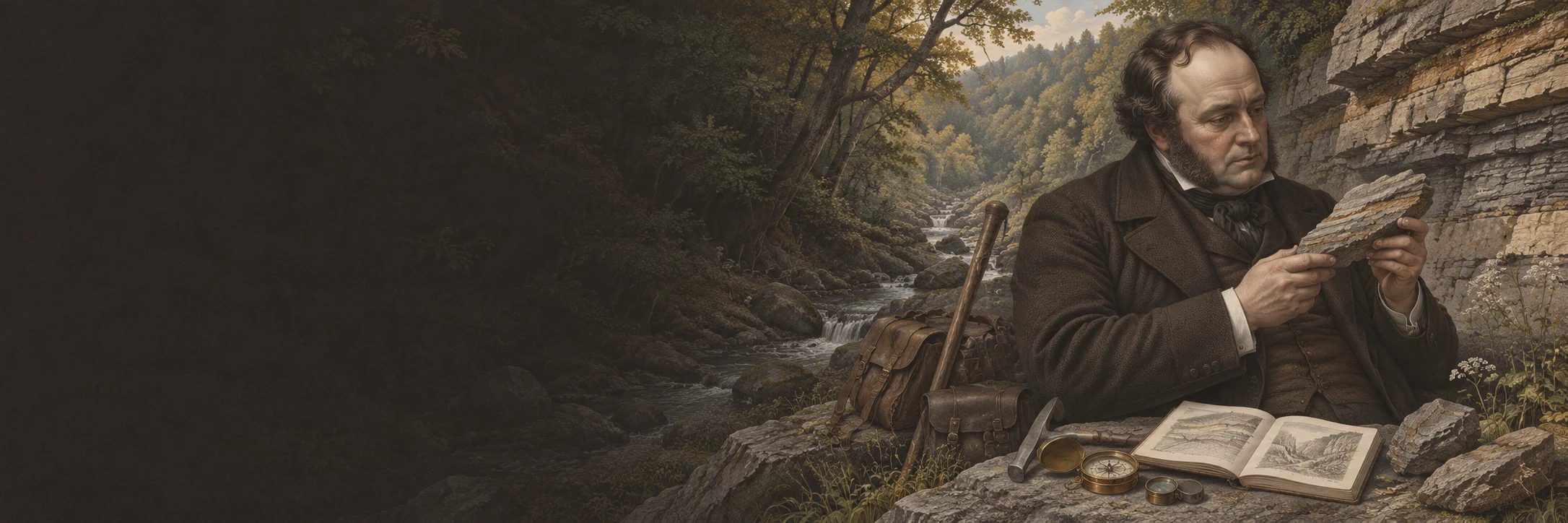
The earth itself keeps the sources for its history within it, as in a vault of records, sources perhaps set down in millions of documents. What matters is that we learn to read them and do not falsify them through zeal and the urge to be right.
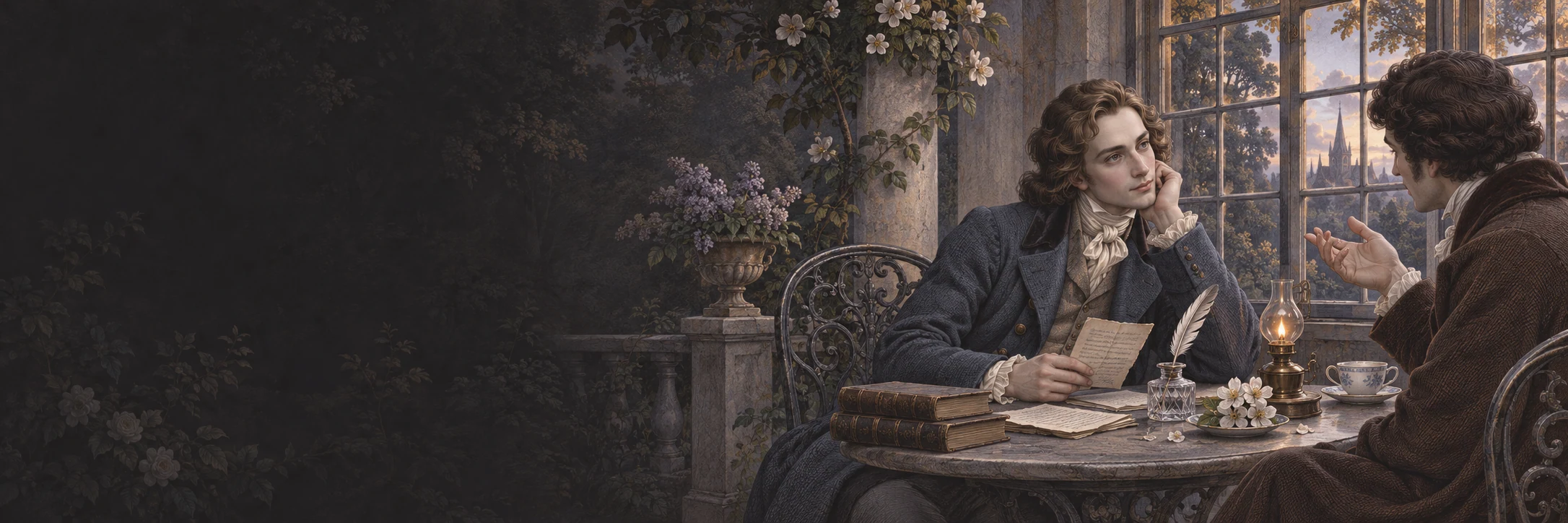
People are crystals for our inner life. They are nature made transparent.
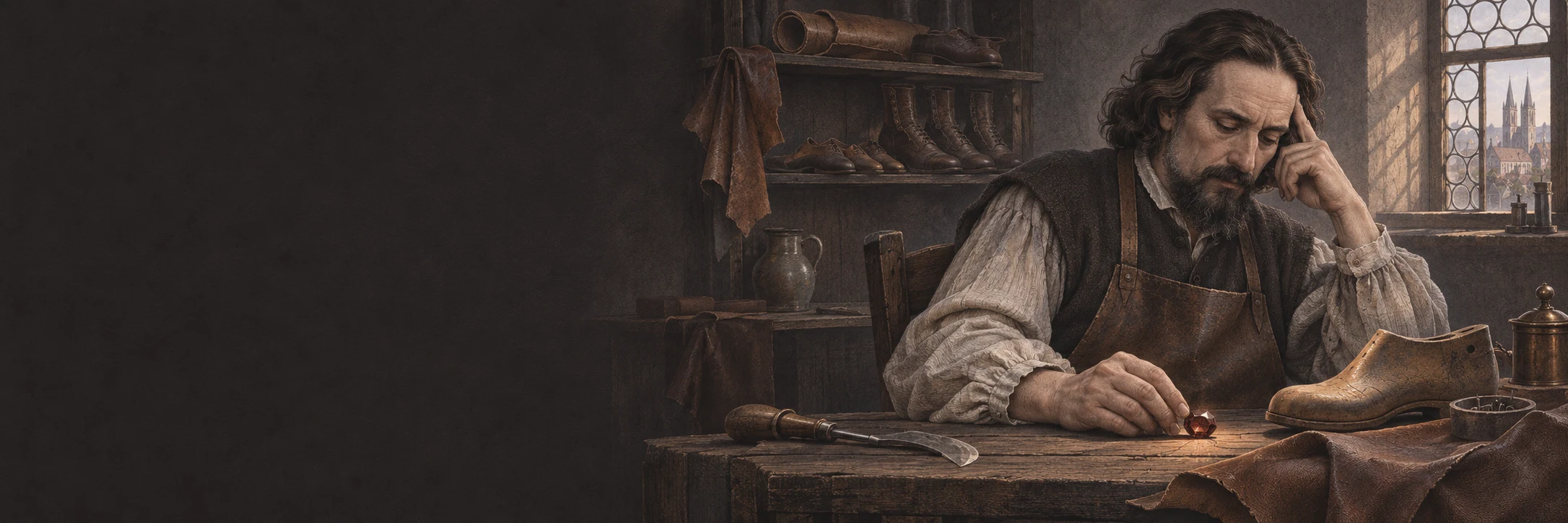
As for precious stones such as carbuncle, ruby, emerald, delphin, onyx and the like, the finest of stones, they have their origin where the flash of light arose in love.
 Cart