
 Phone: +43 677 628 66 628 |


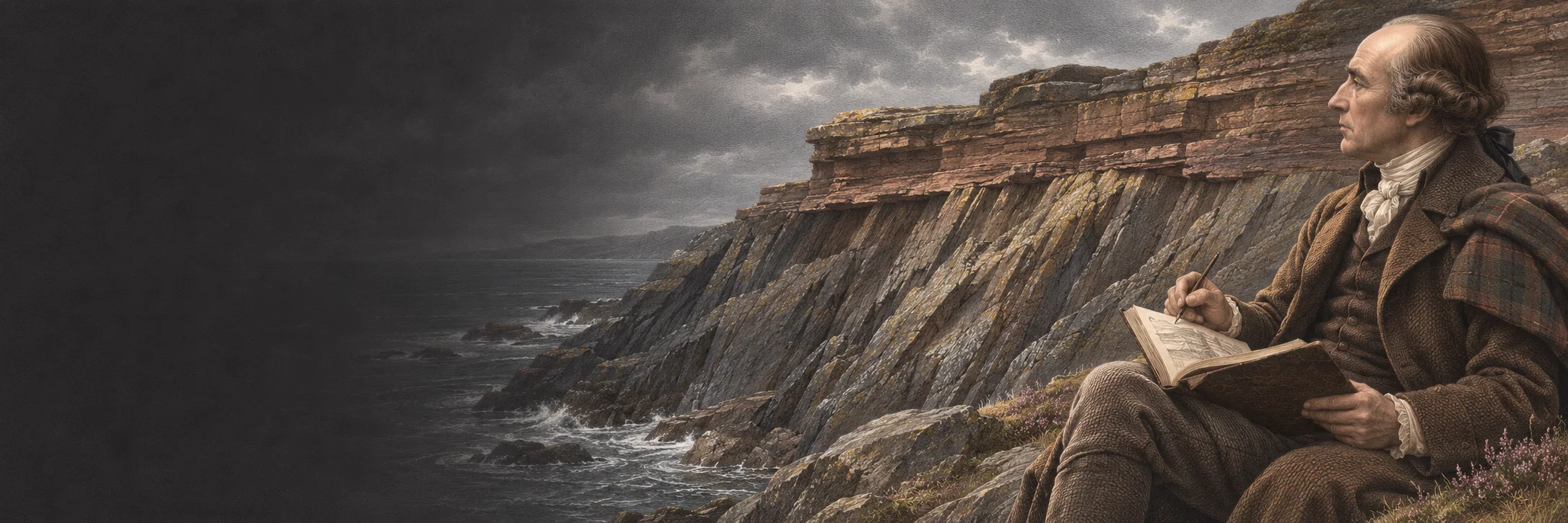
James Hutton
The result, therefore, of our present enquiry is, that we find no vestige of a beginning,—no prospect of an end.
James Hutton (1726–1797)
 Transactions of the Royal Society of Edinburgh, I · p. 304
Original wording
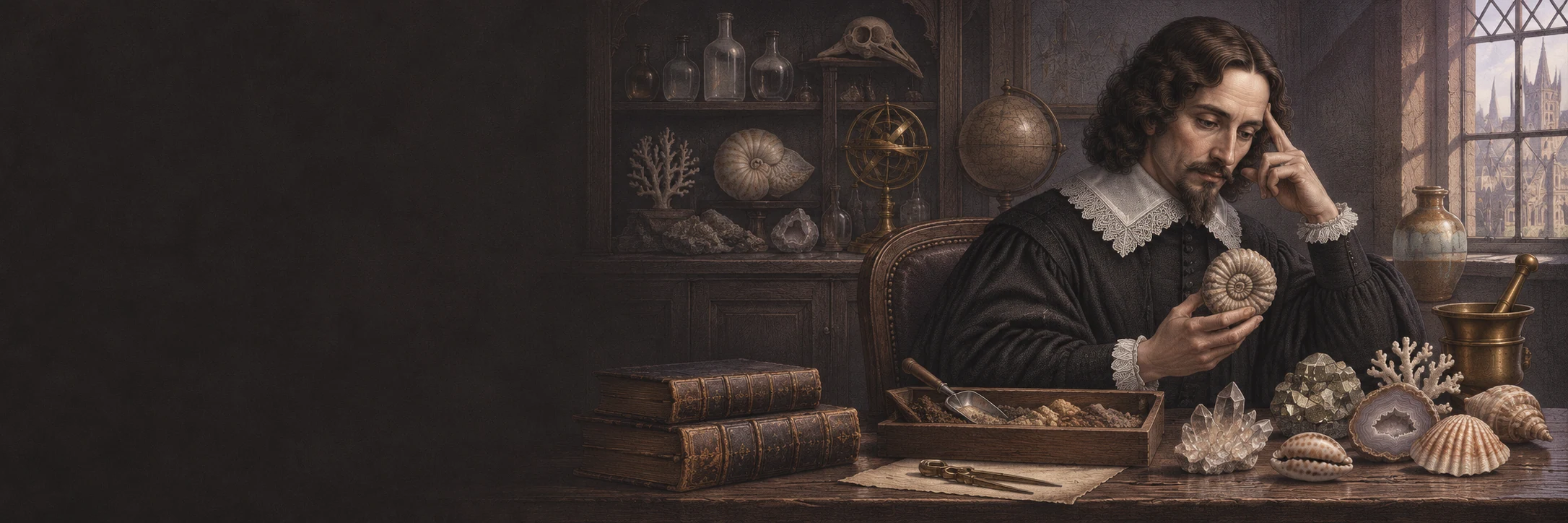
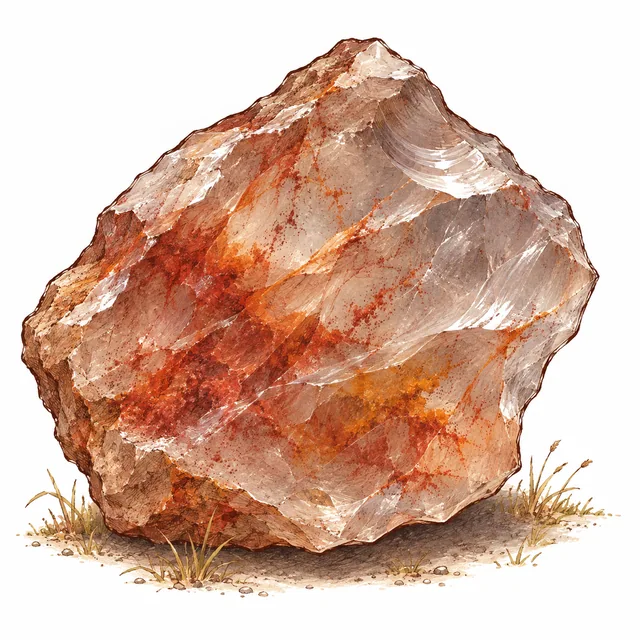
Thomas Browne (1605–1682), an English physician and writer, opens his inquiry into crystal with an old explanation for its transparent hardness. Given sufficient cold and time, people had supposed, water could freeze into ice that would never melt again. Put a piece of rock crystal beside a piece of ice and it is easy to see why the idea had so many friends. Browne asks how well the likeness holds when the two are exposed to heat.
For, though Moses have left no mention of minerals, nor made any other description than suits unto the apparent and visible creation, yet is there, unquestionably, a very large class of creatures in the earth, far above the condition of elementarity.
– Thomas Browne, Pseudodoxia Epidemica, 1890, p. 109.[1]
Ice gives way in the sun. A crystal can retain its transparent structure even in a hot country. In the course of this inquiry Browne notices how little our usual ways of speaking about the earth do justice to what comes out of it. Even the biblical account of creation, he remarks, deals chiefly with what is visible. Anyone relying on it for a name for everything formed underground might miss distinctions that are plain enough once a few different minerals lie side by side.
The word creatures brings a modern reader up short. In the next sentence Browne turns to plants. He imagines that minerals, too, differ through formative seeds committed to the earth from the beginning. Whether that would make them alive in the same sense as a plant is a question he expressly leaves open. The care with which he makes distinctions extends to a single crystal. Seeing through it and noticing a sparkle on its surface are two different observations for Browne. A single word for everything that shines would have buried the difference.
 Search
The result, therefore, of our present enquiry is, that we find no vestige of a beginning,—no prospect of an end.
James Hutton (1726–1797)
Transactions of the Royal Society of Edinburgh, I · p. 304
Original wording
The stone is a triangle in essence and a quadrangle in quality.
Anaxagoras: Through fiery vapour this rock came to hand. Thales: In moisture living things arose.
[…] the heart of the water congeals into firmness. […]
Hildegard of Bingen (1098–1179)
Physica, Patrologia Latina 197 · col. 1263
Our translation; unclear opening construed from context · excerpt
Look! I died as stone and sprang up as a plant
Dschalāl ad-Dīn Rūmī (1207–1273)
Excerpt. Our translation of Friedrich Rückert’s German rendering

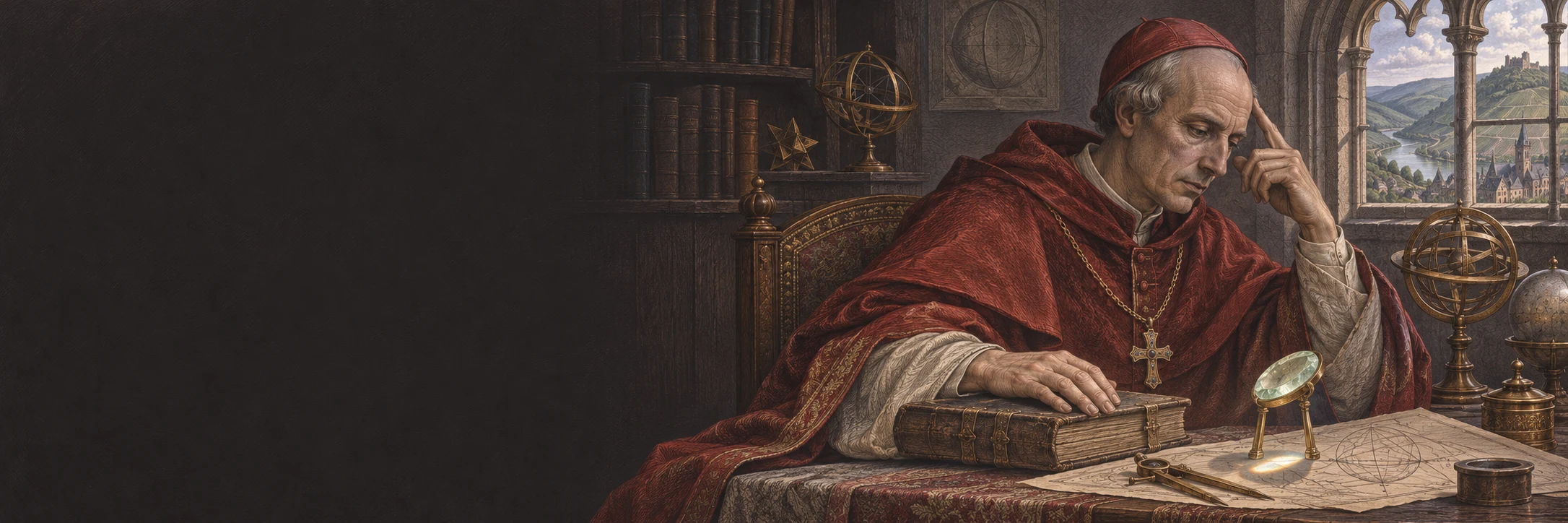
Beryl is a bright, white, transparent stone. It is given a shape both concave and convex, and the person looking through it reaches what was previously invisible.
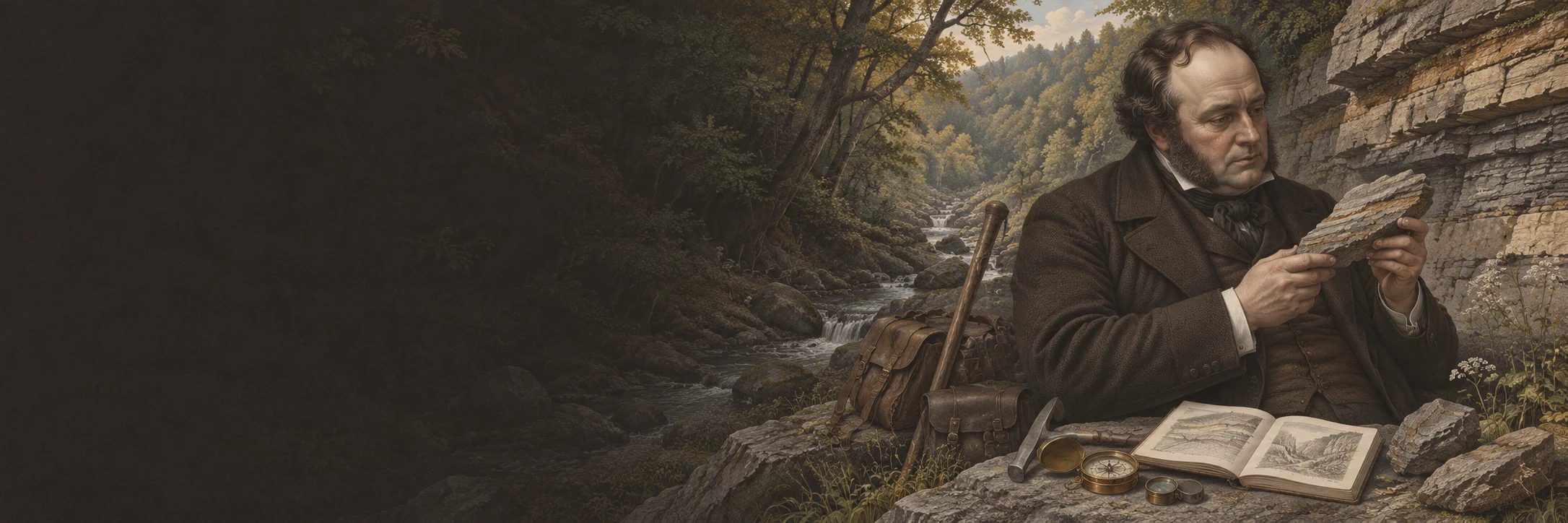
The earth itself keeps the sources for its history within it, as in a vault of records, sources perhaps set down in millions of documents. What matters is that we learn to read them and do not falsify them through zeal and the urge to be right.
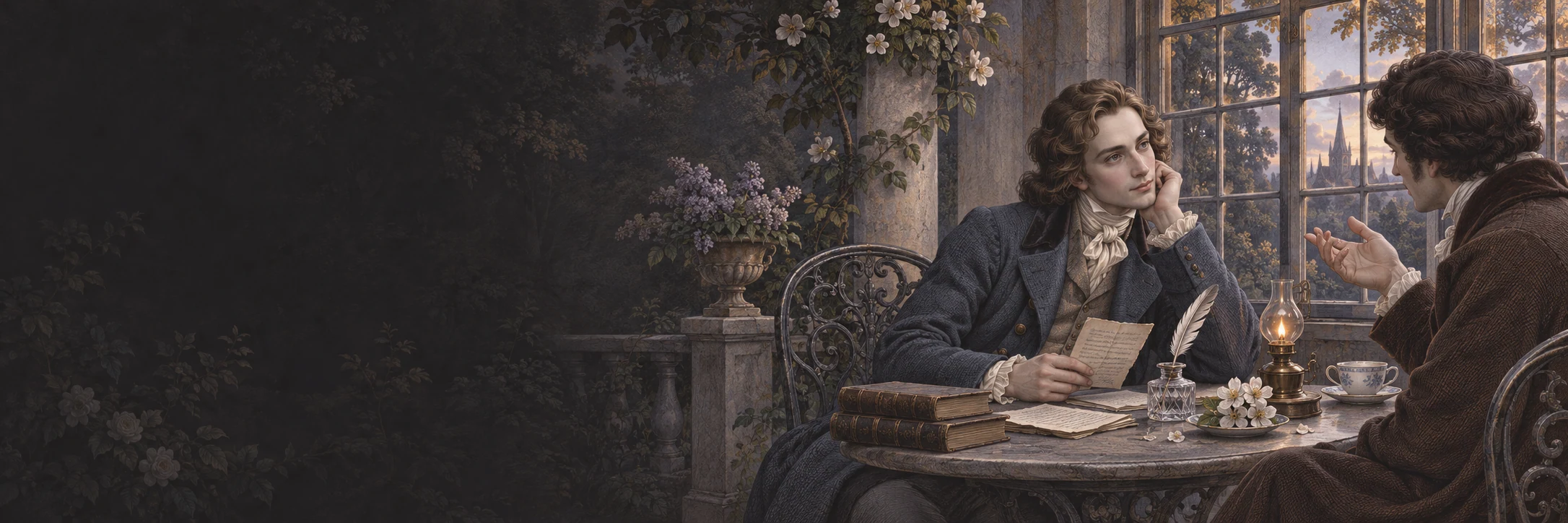
People are crystals for our inner life. They are nature made transparent.
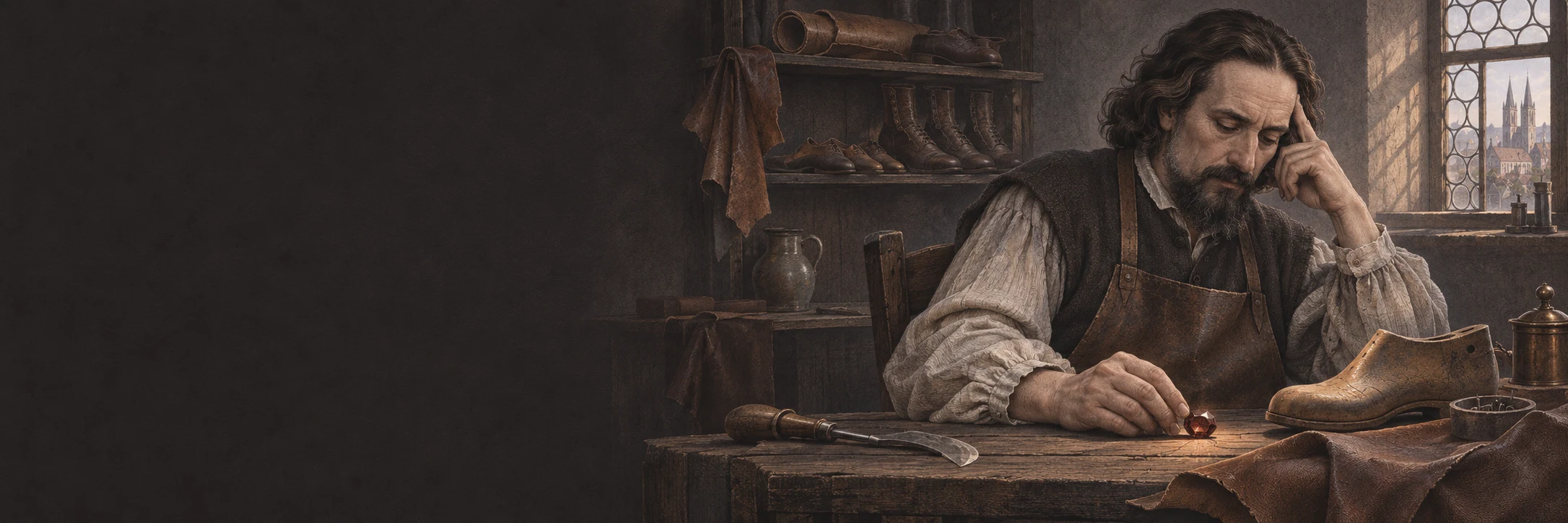
As for precious stones such as carbuncle, ruby, emerald, delphin, onyx and the like, the finest of stones, they have their origin where the flash of light arose in love.
 Cart