
 Phone: +43 677 628 66 628 |



Marbod von Rennes
Great power is given to herbs, the greatest to gems.
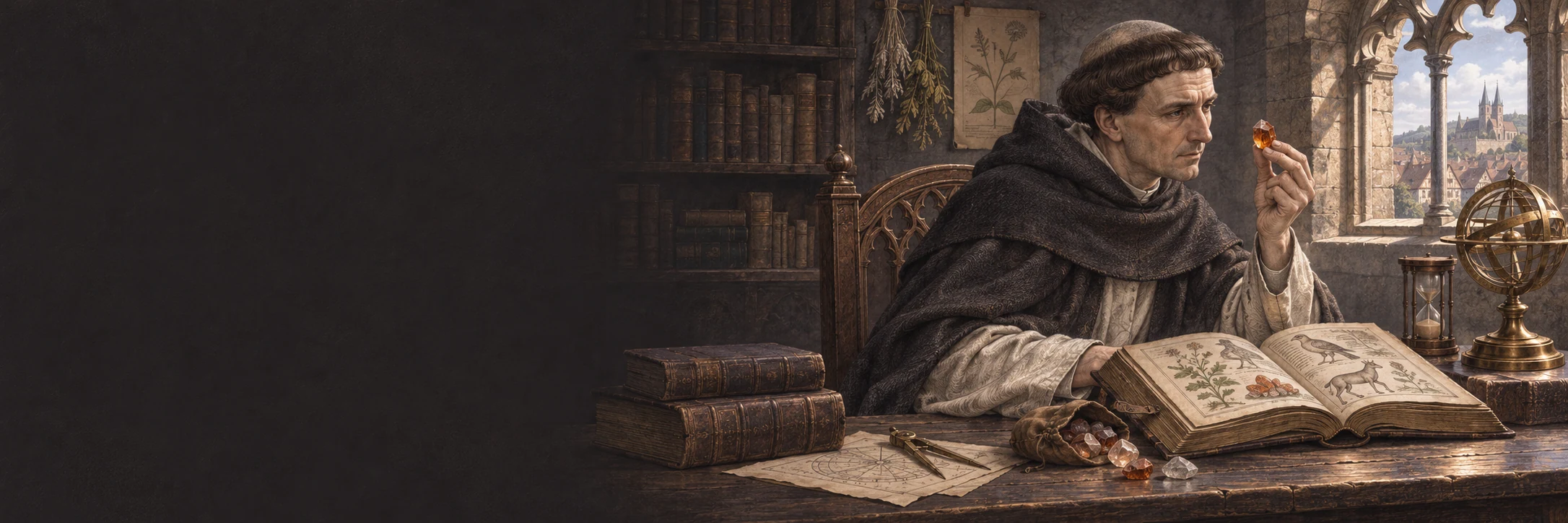
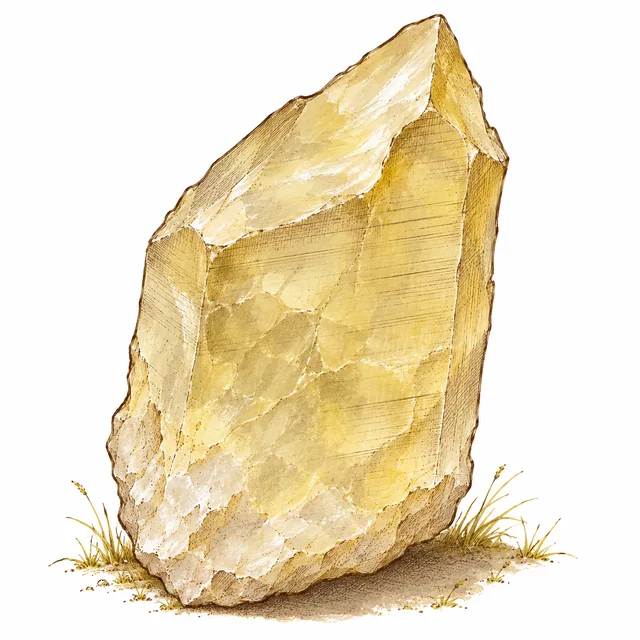
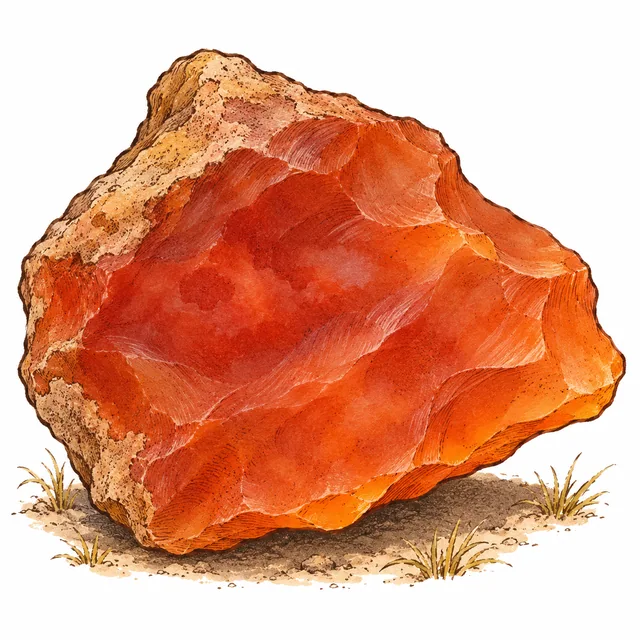
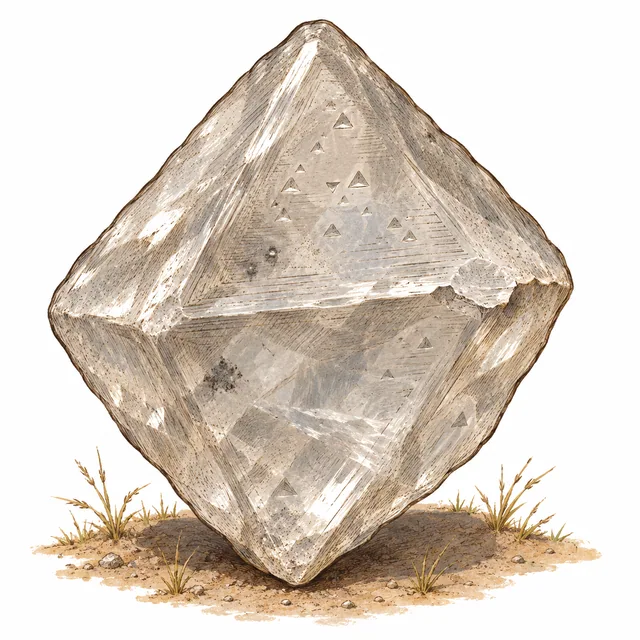
Conrad of Megenberg (1309–1374), a German scholar and cleric, introduces a stone he calls “jachant” in the sixth book of his Book of Nature. The reader is first invited to recognise the stone by its colour. The next observation already makes identification more difficult. A specimen that appears clear in one light can look dark under other conditions. What exactly has an observer seen when giving an account of its colour?
The stone is yellowish, dark in darkness and clear in the light, for it feels the air, as people say.
– Konrad von Megenberg, Buch der Natur, 1861, p. 449.[1]
Conrad might have been content to move the reader’s eye between light and darkness. Instead he lends the stone a verb that one might ordinarily reserve for someone capable of perception. It “feels” the air. Yet he also lets us hear how this explanation reached him. The words “as people say” come at the end of the same sentence. Readers can picture the change in appearance while recognising the point at which a received account enters the description.
Anyone choosing such a stone receives an unexpected piece of advice. The best specimen, Conrad says, is neither altogether dark nor altogether clear. Someone seeking the greatest brilliance could easily pass it over. Further on in the chapter he returns to its changing appearance. Now he contrasts a cloudy spell with a fine day. In effect, the reader has been given two views of the same object. It should still be possible to recognise it when it seems to have changed colour. That is part of the charm of this small description in a book arranged by kinds of stone.
 Search
Great power is given to herbs, the greatest to gems.

By the power of the stone the phoenix burns until it turns to ashes. The ash in turn gives birth to life for him.
Wolfram von Eschenbach (c. 1170–c. 1220)
 Wolfram’s von Eschenbach Parzival und Titurel. Zweiter Theil · p. 146
Our translation from Middle High German
The stone is yellowish, dark in darkness and clear in the light, for it feels the air, as people say.
Konrad von Megenberg (1309–1374)
Buch der Natur · 1861 · p. 449
Our translation from Middle High German
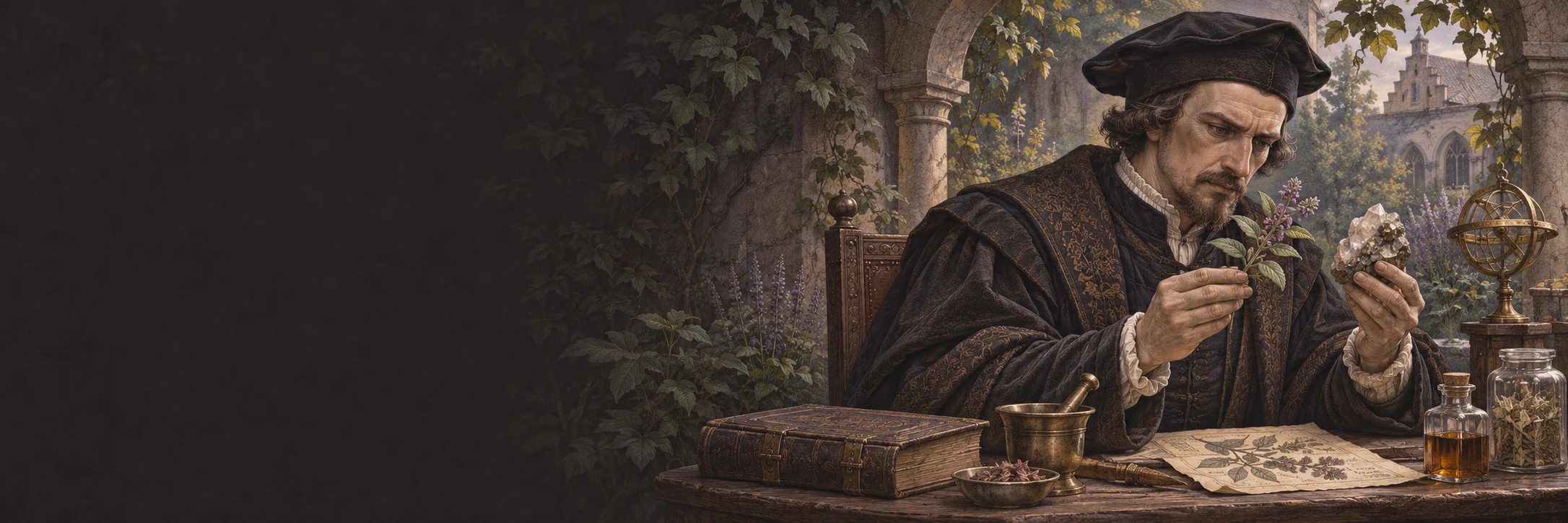
There is therefore a wonderfull vertue, and operation in every Hearb, and Stone, but greater in a Star
Heinrich Cornelius Agrippa von Nettesheim (1486–1535)
De occulta philosophia · 1651 · p. 31
Excerpt. English translation by J. F., 1651
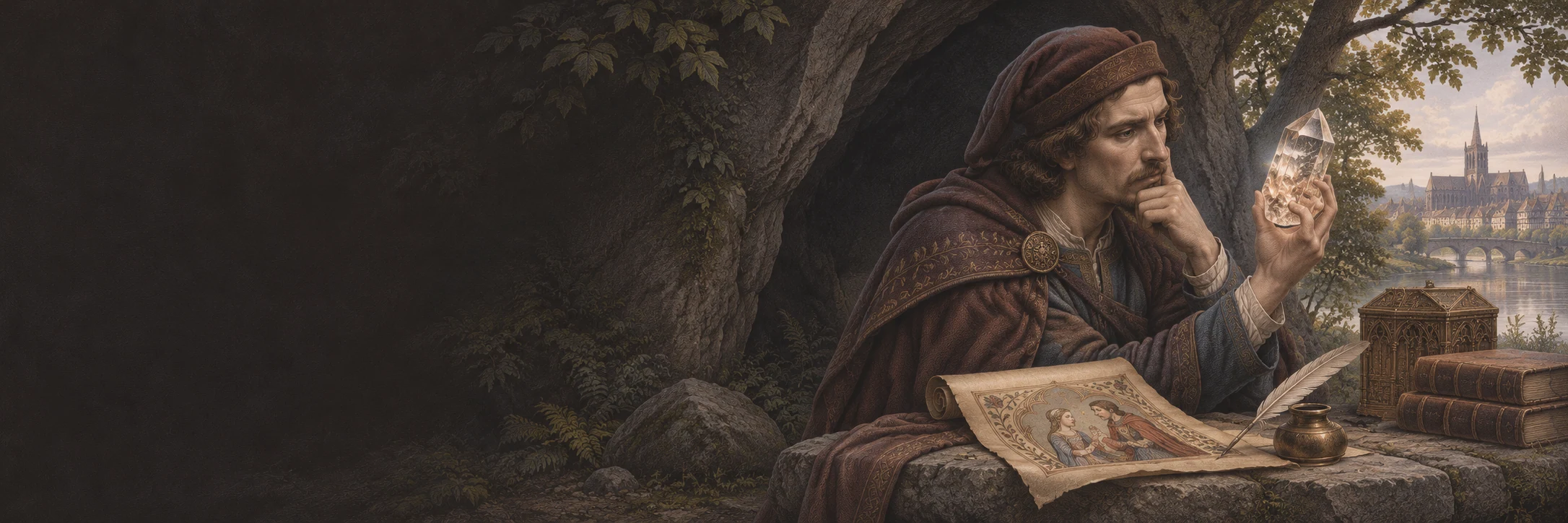
Love too should be crystalline, transparent and clear all the way through.
Gottfried von Straßburg (active c. 1200)
Auszwal ausz Gottfrids von Straszburg Tristan · p. 216
Our translation from Middle High German
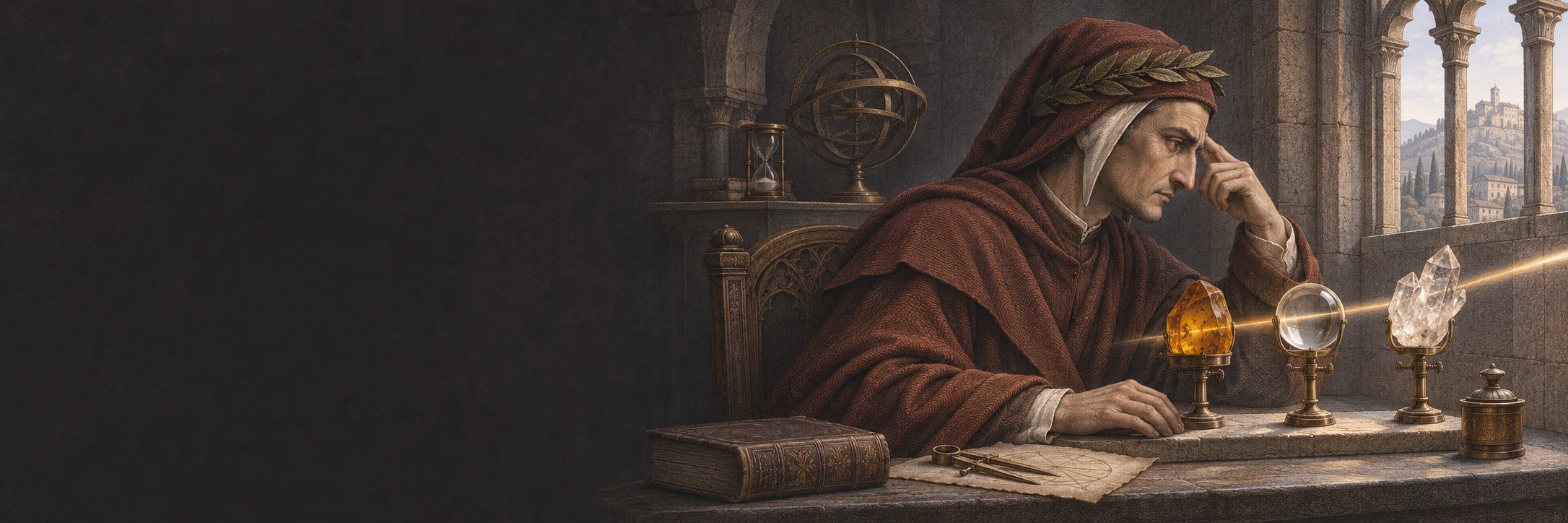
As a ray shines in glass, in amber or in crystal, with no interval between its coming and its being wholly there, so the threefold work of its Lord shone all at once into existence, with no difference in its beginning.
 Cart