
 Phone: +43 677 628 66 628 |


Book of Isaiah
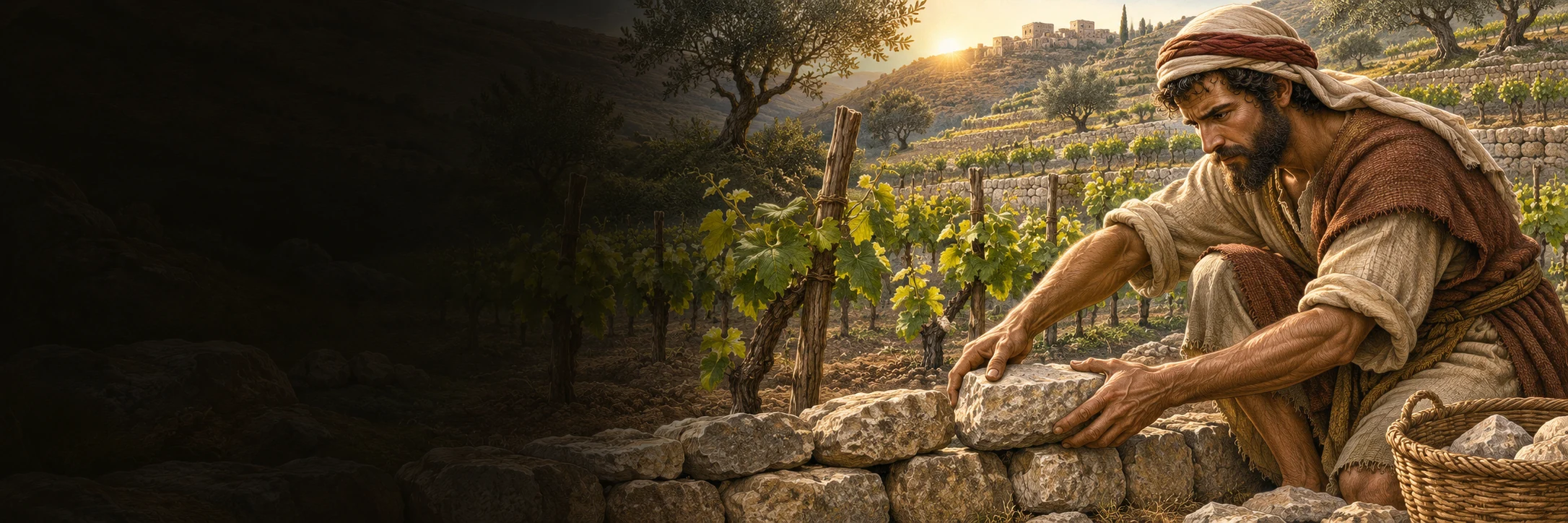
He fenced it in, protected it with heaps of stones and planted choice vines in it. He also built a tower in it and dug a winepress there, and waited for it to bear grapes, but it bore wild grapes.

Johann Wolfgang von Goethe (1749–1832), the German poet and naturalist, opens the final scene of the second part of Faust with a landscape. No individual speaker yet claims our attention. A chorus and an echo give voice to a place of forest and rock. Reading the lines aloud, one can hear how a handful of short movements begins to suggest a whole mountainside.
Lean them the cliffs thereon,
Grapple the roots thereon,– Johann Wolfgang von Goethe, Faust, Part Two, 1908, p. 333.[1]
The rock has weight. The root has the power to hold on. Goethe puts each noun first in its line and then gives it the little pronoun “sie,” or “they.” Twice the sentence gathers itself for a fresh start. The first movement presses down, and the second answers with a grip. A painter could draw a root stretching across a boulder and show each of the smaller strands. On stage one verb suffices. The act of clinging lets us feel the resistance of the surface to which the root holds.
Other brief perceptions surround these lines. A forest sways, trunks crowd together and water makes its way noisily through the landscape. Among these movements the rocks give weight somewhere to rest and roots somewhere to fasten. The echo gives the words a direction in space. For a moment a second voice seems to come from higher on the mountain, although the eye has yet to pick out a speaker. Only afterwards do individual figures in the final scene speak in their own voices. Rock and plant have already furnished the audience with a first experience of the place.
 Search
He fenced it in, protected it with heaps of stones and planted choice vines in it. He also built a tower in it and dug a winepress there, and waited for it to bear grapes, but it bore wild grapes.
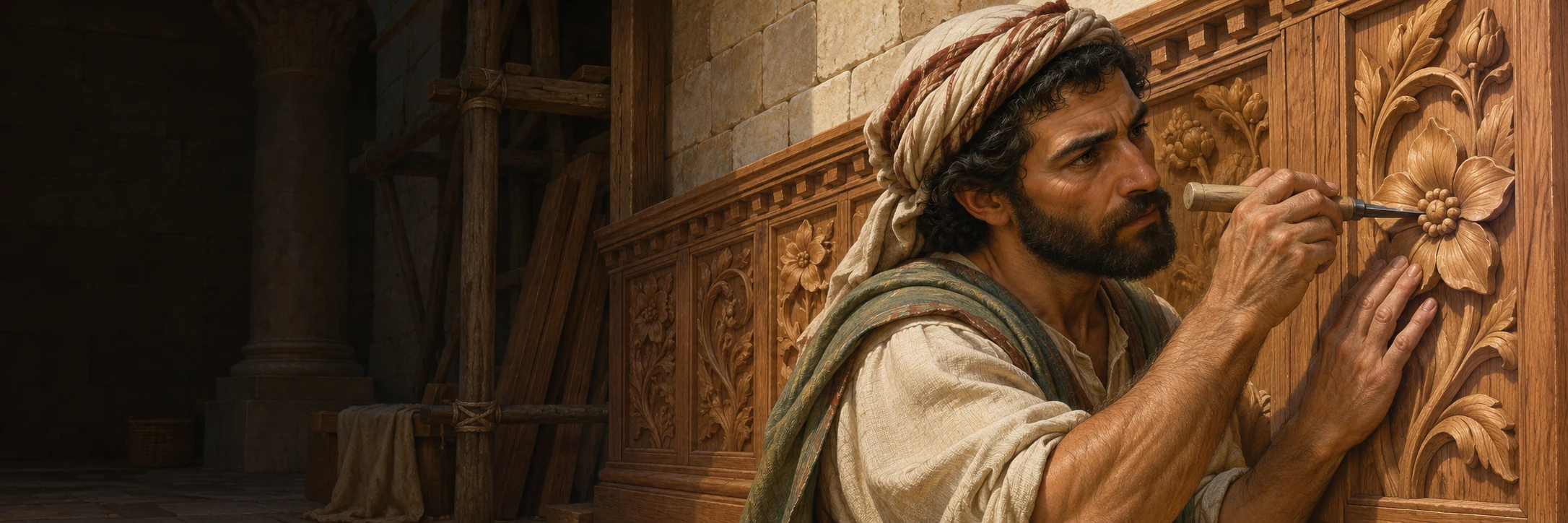
Inside, the whole house was cedar, with carved knobs and flower-work, so that no stone could be seen.

For amongst the Stones they especially are called earthy that are dark, and more heavy; and those waterish, which are transparent, and are compacted of water, as Crystall, Beryll, and Pearls in the Shels of Fishes […]
Heinrich Cornelius Agrippa von Nettesheim (1486–1535)
 De occulta philosophia · 1651 · p. 18–19
Wording of the English edition.
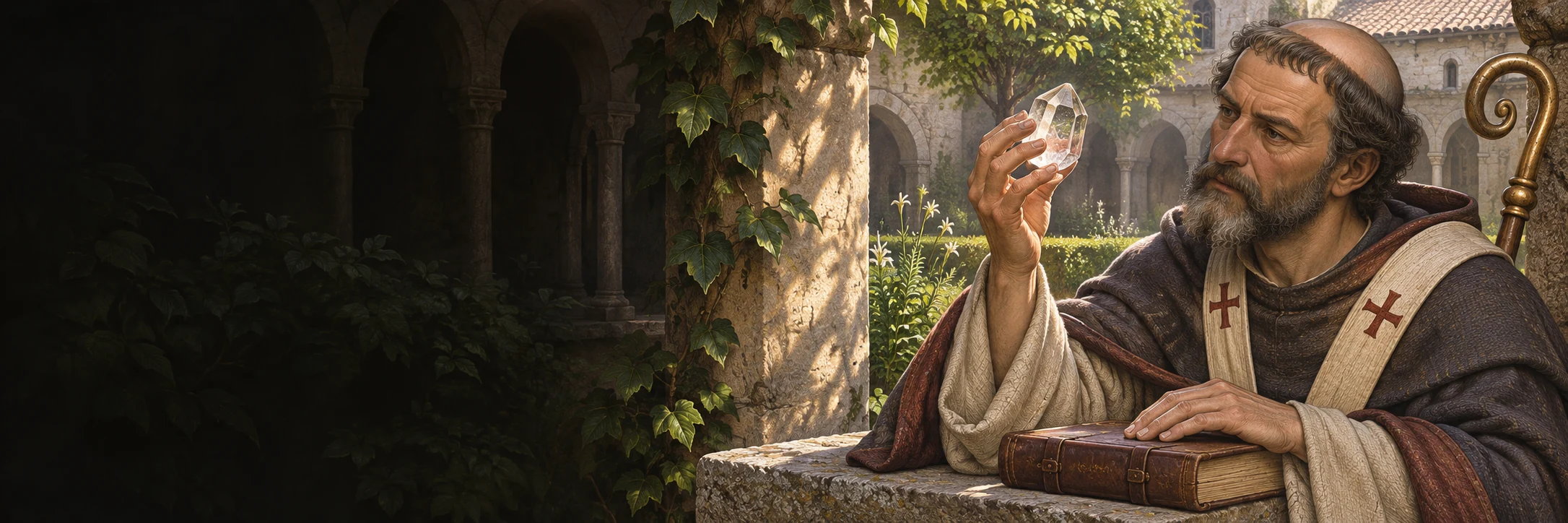
[…] that this stone, placed in the sun, takes fire and with it will kindle tinder fungus brought up close.
Marbod of Rennes (c. 1035–1123)
Liber lapidum · 1799 · p. 70–71
Our translation from the Latin edition.
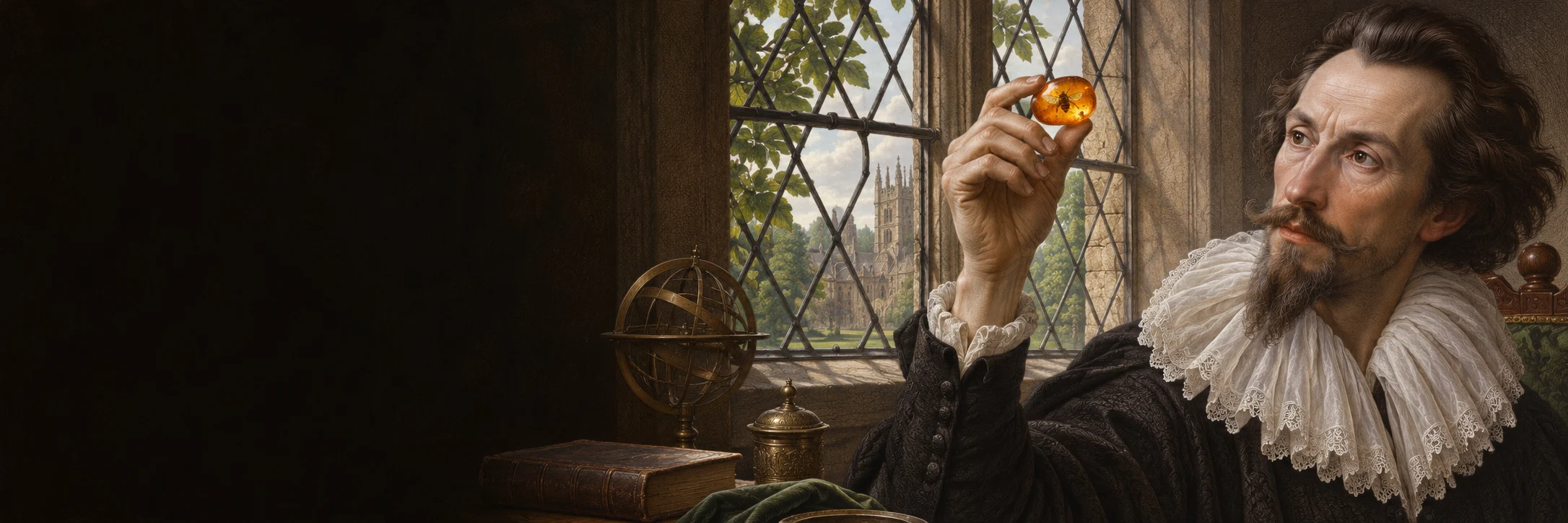
This, as an Amber drop enwraps a Bee, Covering discovers your quicke Soule […]

A soul sheath’d in a crystal shrine, Through which all her bright features shine, […]
Richard Crashaw (c. 1613–1649)
In Praise of Lessius His Rule of Health · 1857 · p. 100
Wording of the English edition.

[…] in natural history one must search the archives of the world, draw ancient monuments from the bowels of the earth, collect their fragments and assemble into a body of evidence all the indications of the physical changes […]
Georges-Louis Leclerc de Buffon (1707–1788)
Les Époques de la nature · 1778 · p. 1–2
Our translation from the French edition.

[…] as from a Stone into Earth, and from Earth into Grass, and from Grass to a Sheep, and from a Sheep into Humane Flesh, and from Humane Flesh into the most servile Spirits of Man, and from these into his noblest Spirits […]
Anne Conway (1631–1679)
The Principles of the Most Ancient and Modern Philosophy · 1692 · p. 153
Wording of the English edition.
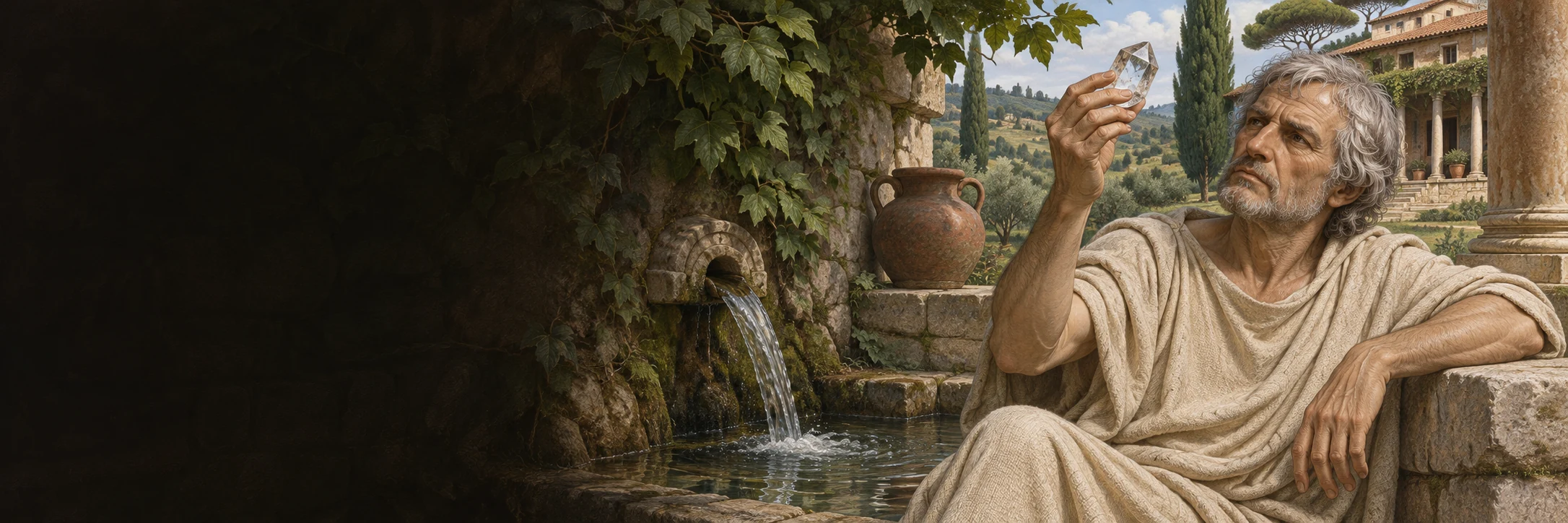
Rain water, which contains very little solid matter, once it is frozen becomes more and more condensed through the persistence of the longer cold until all the air is expelled, and it is compressed to the last degree; then what […]
Lucius Annaeus Seneca (c. 4 BCE–65 CE)
Natural Questions · 1910 · p. 140
Wording of the English edition.
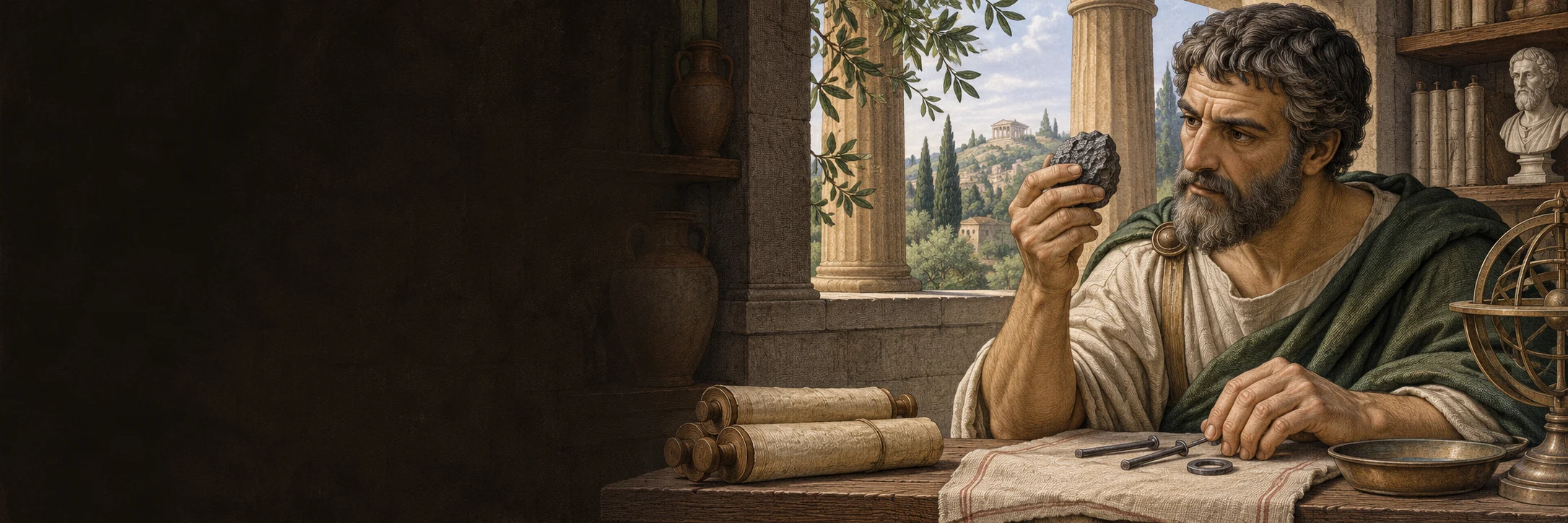
Thus are we moreover informed by Manetho, that the Load-stone is by the Egyptians called the bone of Orus, as Iron is, the bone of Typho.
Plutarch of Chaeronea (c. 45–after 119 CE)
On Isis and Osiris · 1744 · p. 85
Wording of the English edition.
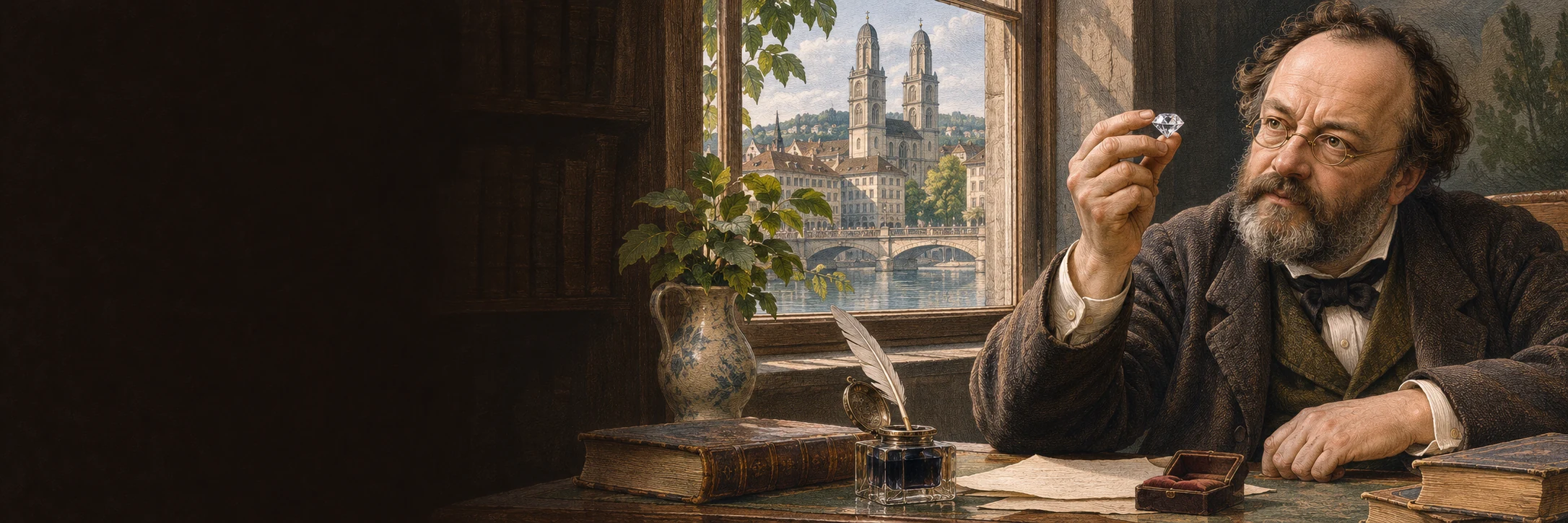
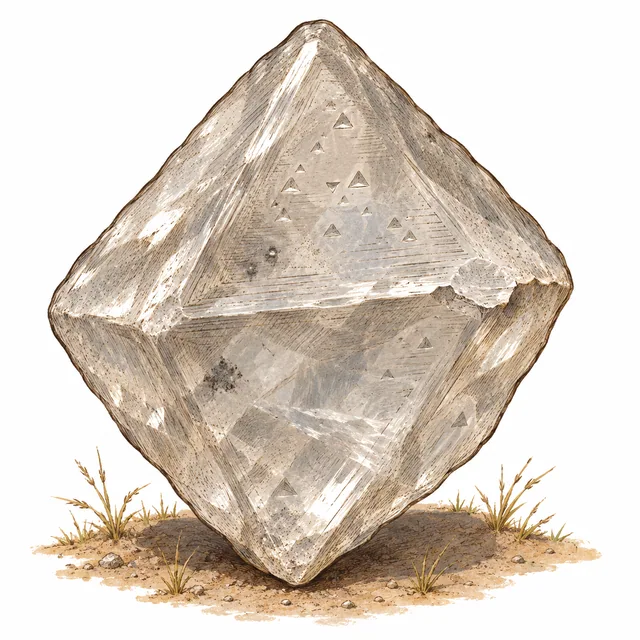
How, then, did the diamond come to be: a unity pervaded throughout, enduring, a purity unclouded, rich in rays, made firm by bonds invisible to us?
Gottfried Keller (1819–1890)
Das Eidgenossen-Volk · 1846 · p. 88
Our translation from the German edition.

This stone is also like to a fiery flame, for the fiery love of the Eternal Word has filled the whole world with love and wills that all loving spirits be burned up to nothingness in love.
 Cart