
 Phone: +43 677 628 66 628 |


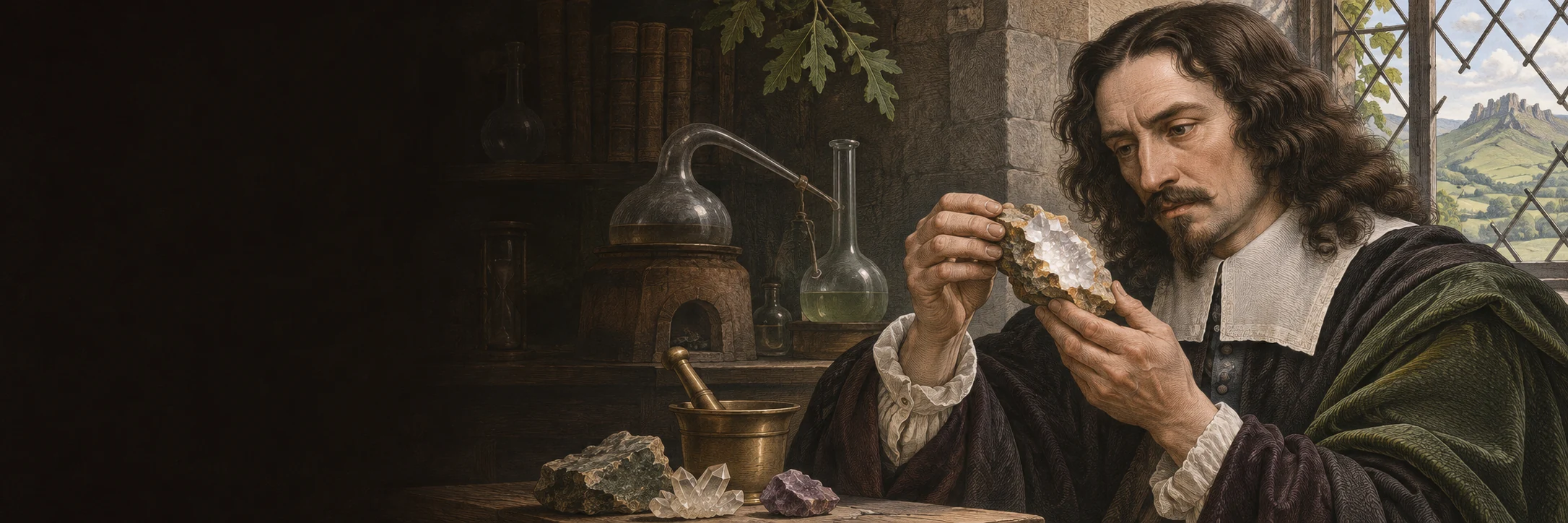
Thomas Vaughan
All these things have a lumpish, ineffectual outside, but inwardly they are full of a subtil, vital limositie impregnated with fire, and this nature makes use of in generations, wherefore wee call it the sperm […].

Heinrich Cornelius Agrippa von Nettesheim (1486–1535), a German scholar and physician, poses a problem about the order of the elements in the first book of his Occult Philosophy. Stones would seem to belong to the earth simply by their place beneath our feet. How, then, might water, air and fire also be recognized within the same kingdom of nature? Agrippa answers with a series of properties that can be compared in individual specimens.
For amongst the Stones they especially are called earthy that are dark, and more heavy; and those waterish, which are transparent, and are compacted of water, as Crystall, Beryll, and Pearls in the Shels of Fishes […]
– Heinrich Cornelius Agrippa von Nettesheim, De occulta philosophia, 1651, p. 18–19.[1]
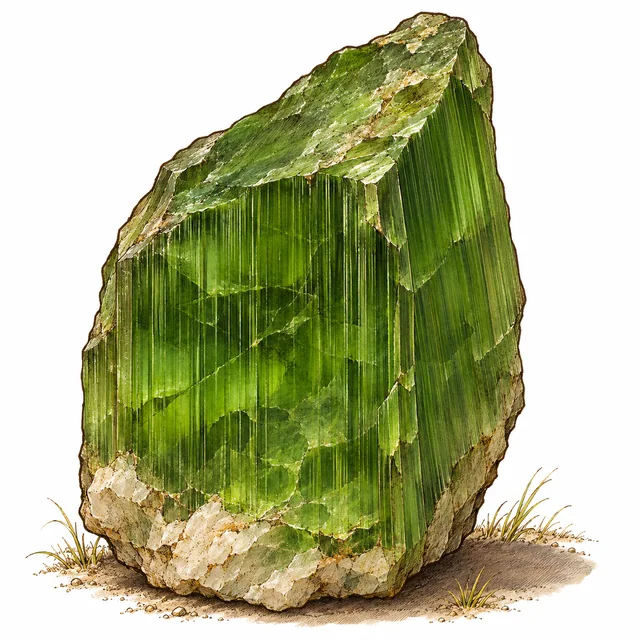
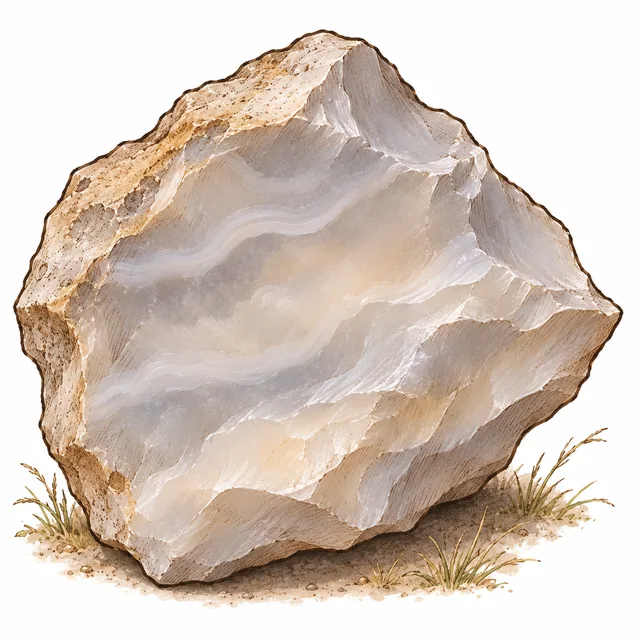
Imagine putting two stones on a wooden table. One lies dark against the wood and has a noticeable heft when lifted. The other allows light to reach the surface beneath it. In Agrippa’s vocabulary the first suggests earth and the second recalls water. A single feature does not always suffice. Darkness and weight stand together in the description of what is earthy. In the watery kind of stone one thing that matters is whether an observer can see through it.
Agrippa extends the enquiry beyond stones to other bodies. Once readers have learned to attend to transparency, weight or warmth, they can ask similar questions of quite different objects. This explains why the names of the elements recur at more than one level, first as large divisions of nature and then as properties of particular things. A transparent stone remains a stone throughout the chapter. Its kinship with water lies in what it does to light and in what an observer can discover there. A term such as “watery” becomes an instruction about where to look when making the comparison.
 Search
All these things have a lumpish, ineffectual outside, but inwardly they are full of a subtil, vital limositie impregnated with fire, and this nature makes use of in generations, wherefore wee call it the sperm […].
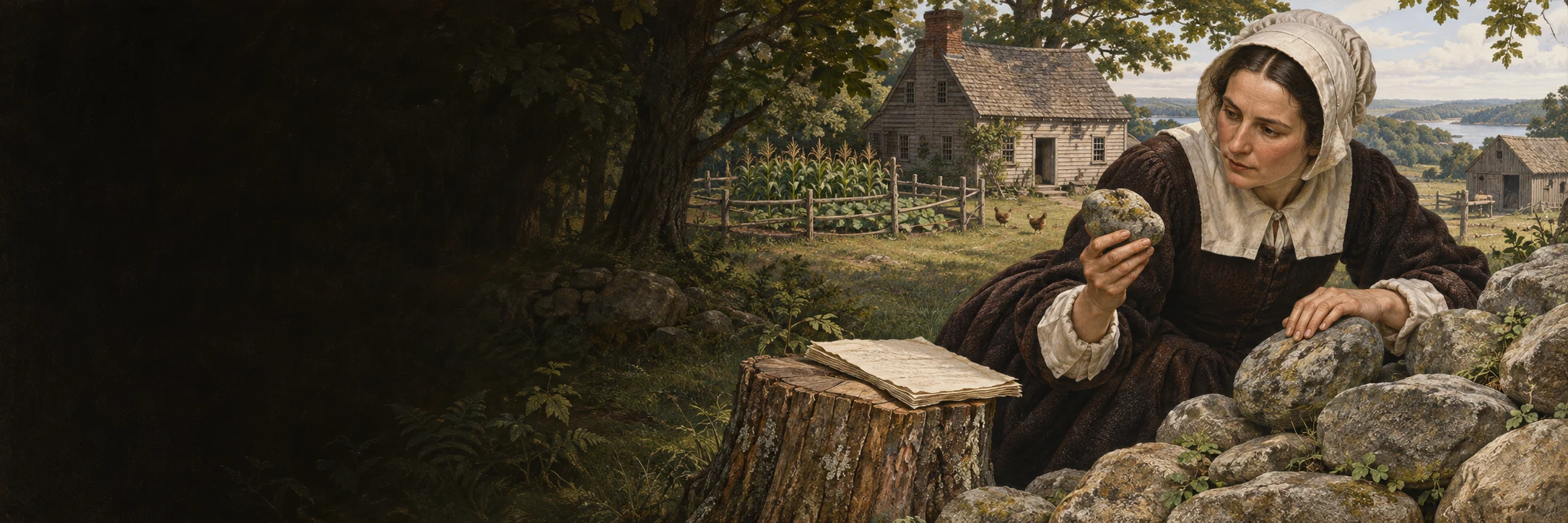
Ye mighty Kings, who for your lasting fames Built Cities, Monuments, call’d by your names, Were those compiled heaps of massy stones That your ambition laid, ought but my bones?
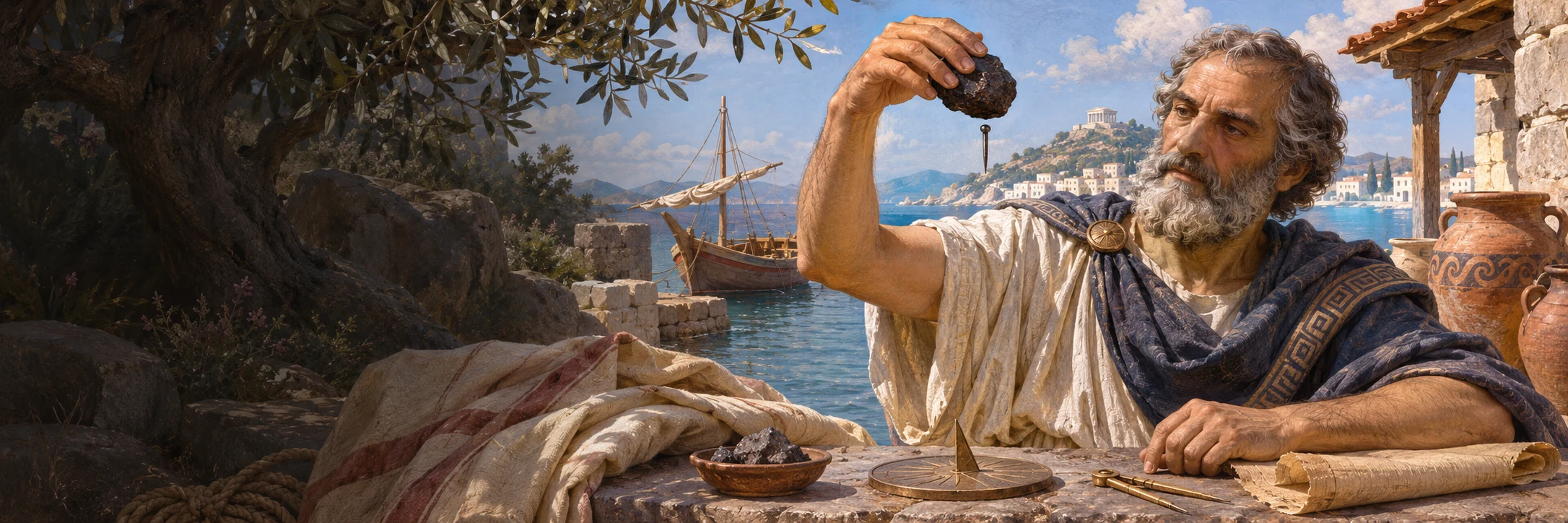
Thales also, according to the traditional stories of him, appears to have conceived of the soul as a sort of kinetic principle, if it be true that he said the loadstone has a soul because it moves iron.
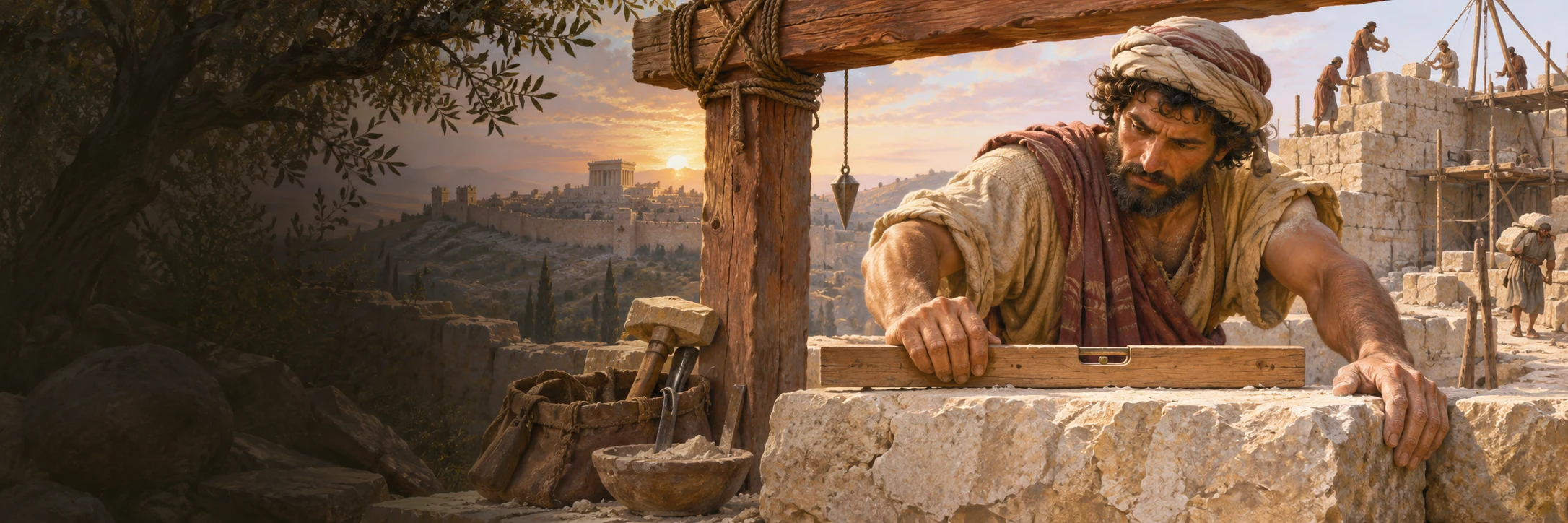
For even the stones in the wall will cry out, and the rafters in the timberwork will answer them.
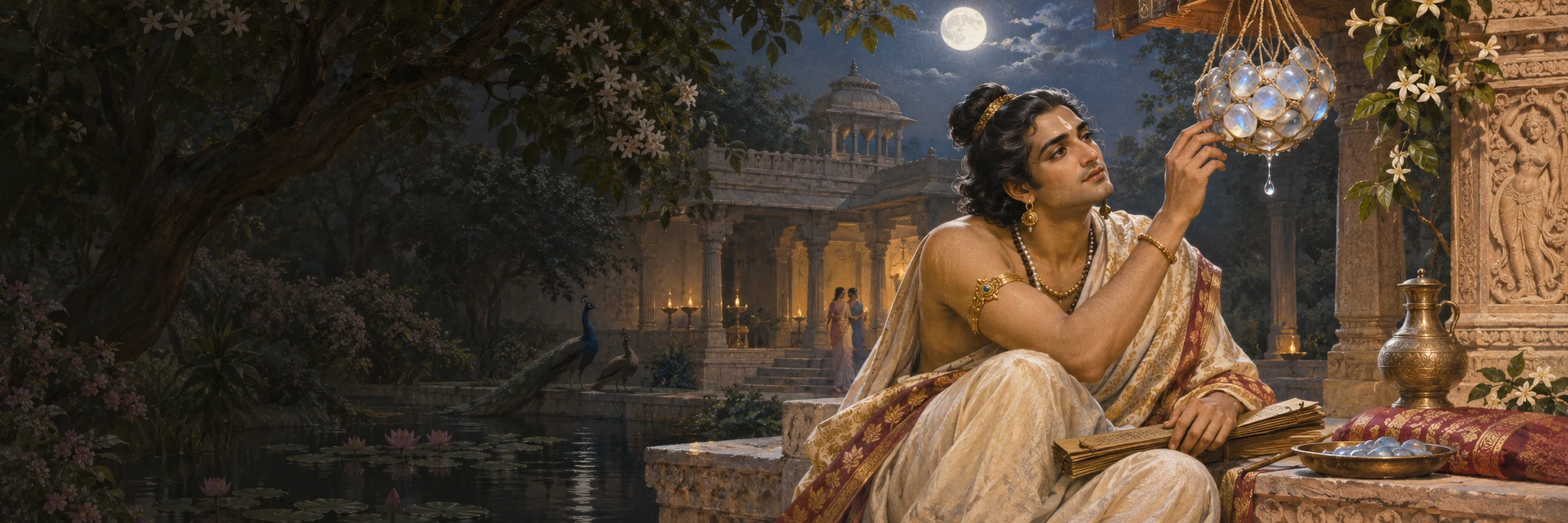
Where from the moonstones hung in nets of thread Great drops of water trickle in the night— When the moon shines clear and thou, O cloud, art fled— To ease the languors of the women’s plight Who lie relaxed and tired in love’s embraces tight.
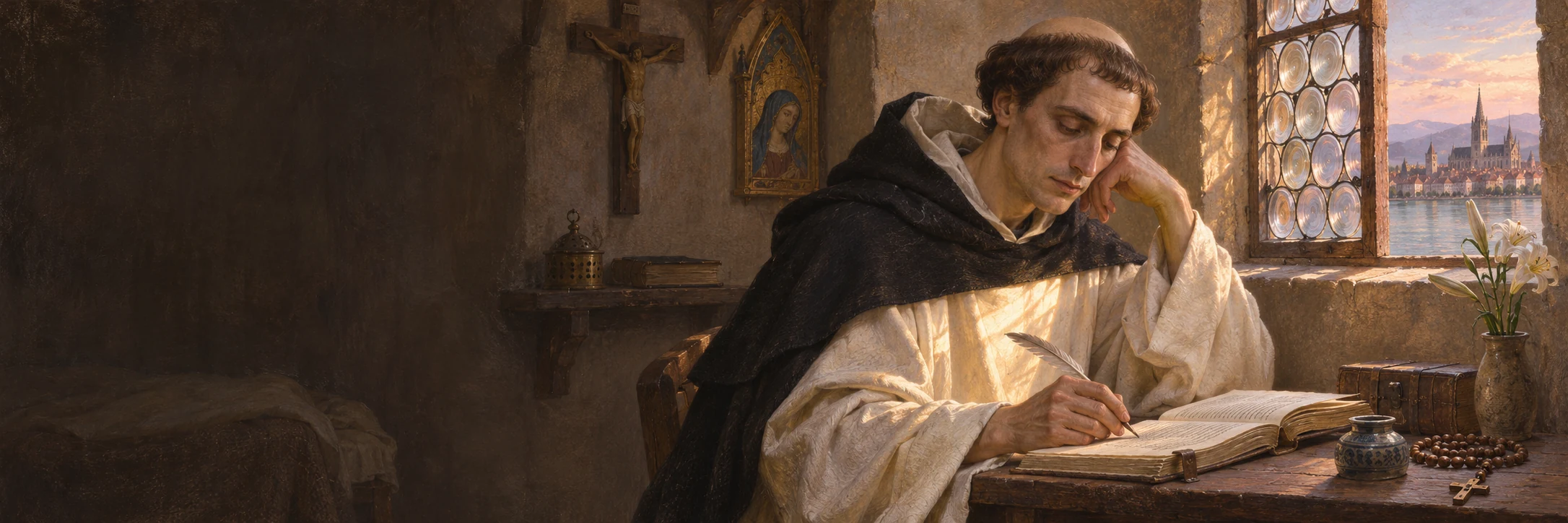
He looked immediately, and saw that his body over his heart was clear as crystal, and that in the centre of his heart was sitting tranquilly, in lovely form, the Eternal Wisdom; beside whom there sat, full of heavenly longing […]
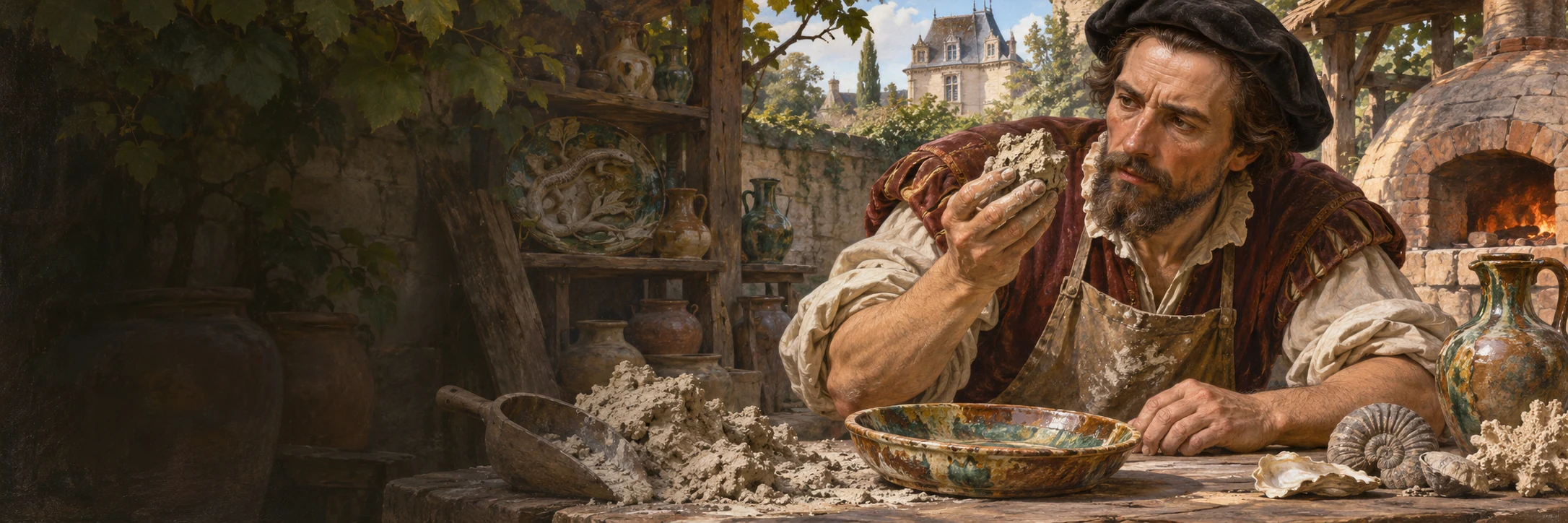
[…] that this seed or generative water does not serve only for the generation of stones, but is also the substance and source of all things that are animate and grow […].
Bernard Palissy (c. 1510–1590)
 Discours admirables · 1844 · p. 336
Our translation from the French edition.
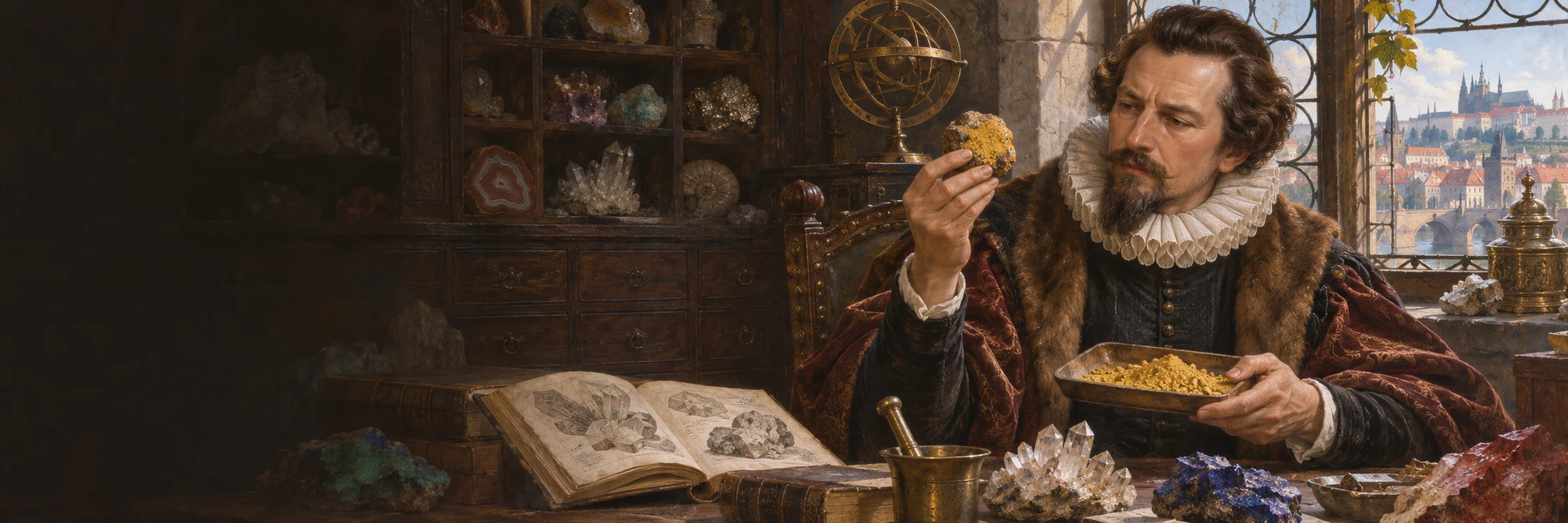
Any earth, then, that turns to stone or becomes a gem contains within it a stone-forming spirit as the immediate efficient cause of stones and gems. It is the nearer efficient cause of movement and of change towards form.
Anselmus Boetius de Boodt (1550–1632)
Gemmarum et lapidum historia · 1636 · p. 24–25
Our translation from the Latin edition.
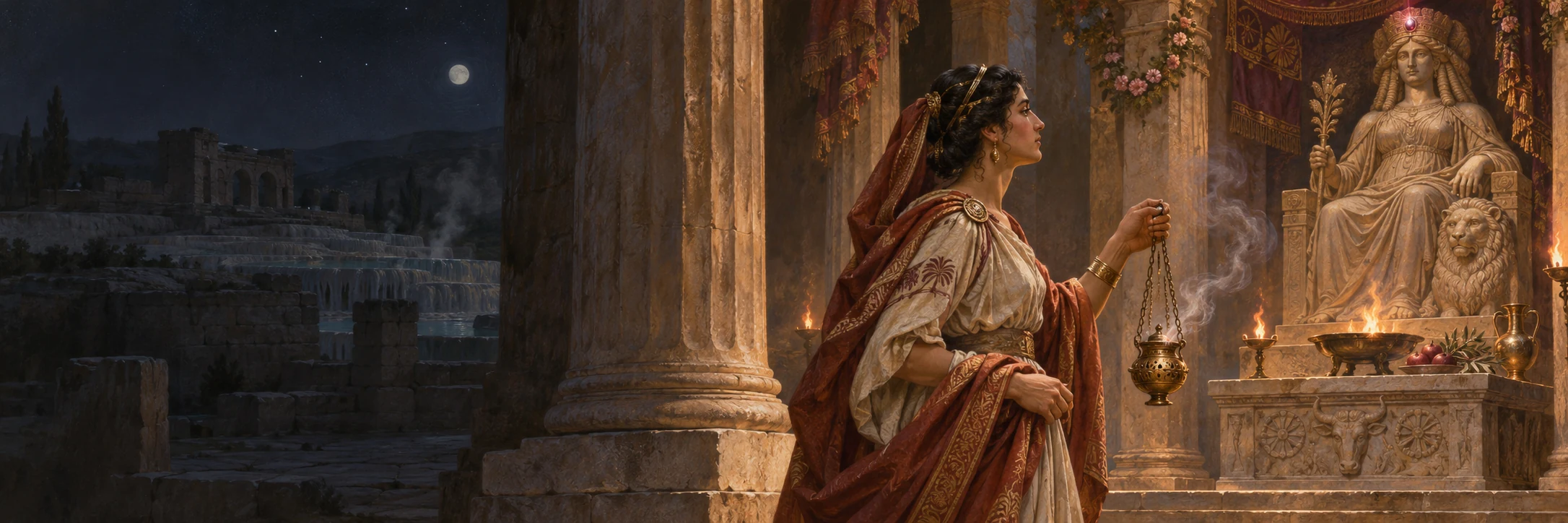
From this stone flashes a great light in the night-time, so that the whole temple gleams brightly as by the light of myriads of candles, but in the day-time the brightness grows faint; the gem has the likeness of a bright fire.
Attributed to Lucian (2nd c. CE)
On the Syrian Goddess · 1913 · p. 72
Wording of the English edition.
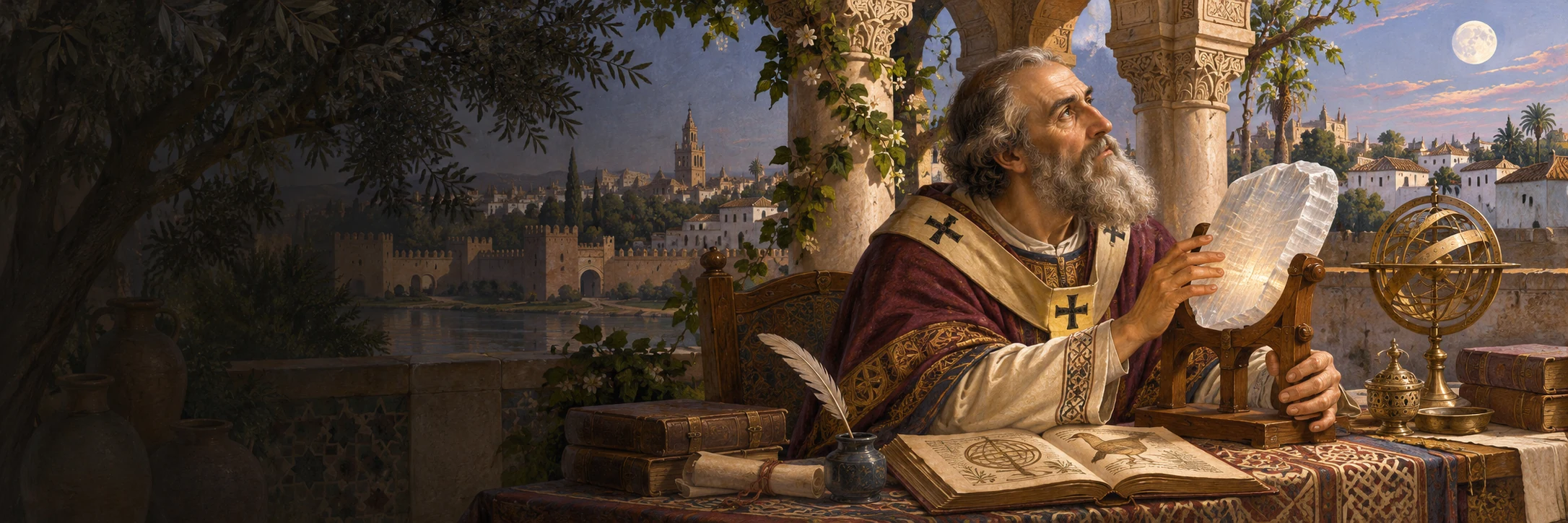
Selenites, whose name in Latin means moonstone, because its inner brightness is said to wax and wane with the moon, is formed in Persia.
Isidore of Seville (c. 560–636)
Etymologiae · 1911 · XVI, 4, 6
Our translation from the Latin edition.
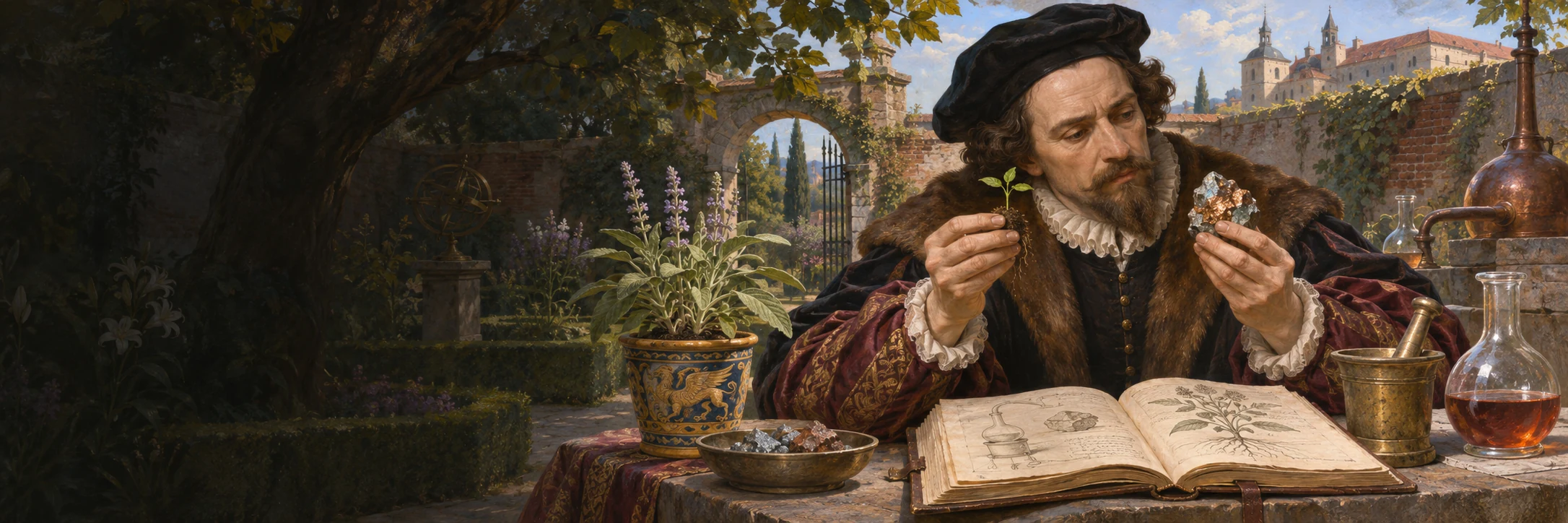
Now whilest the sperme is yet in the center, there may as easily be brought forth a tree, as a metall from the sperme, and assoone an hearbe, as a stone, and one more pretious then another, according to the purity of the place […].
Michael Sendivogius (1566–1636)
A New Light of Alchymie · 1650 · p. 8
Wording of the English edition.
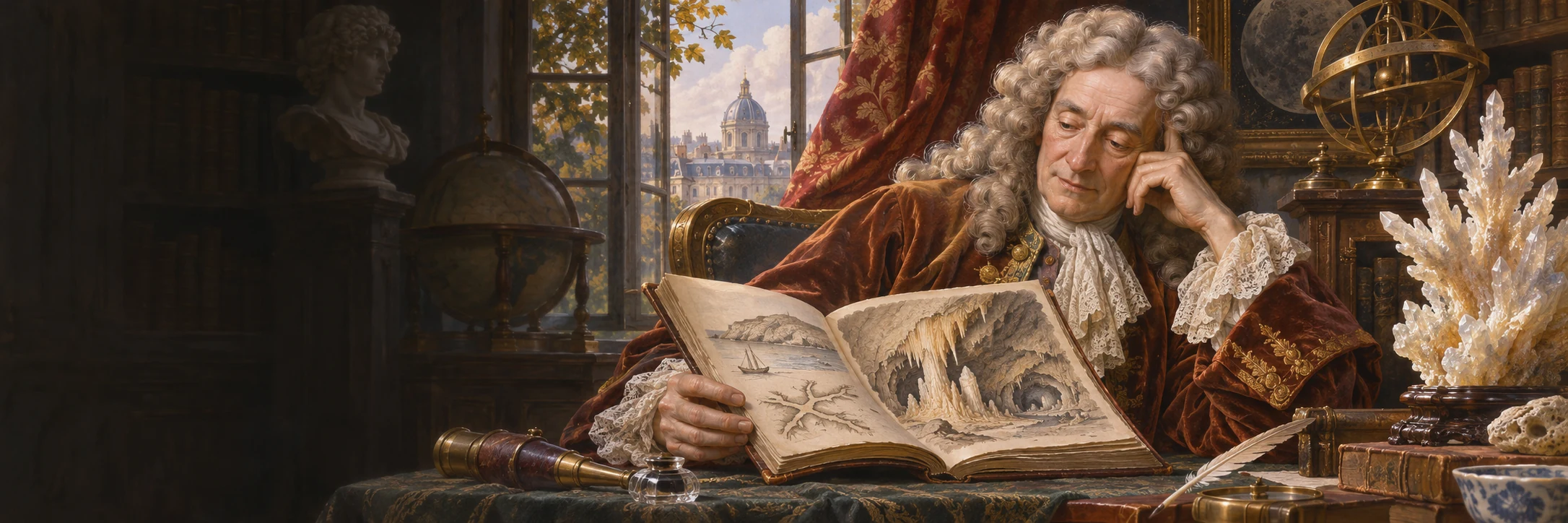
Monsieur de Tournefort had the keen pleasure of seeing there a new kind of garden. All its plants were different pieces of marble, still coming into being or young, which, to judge by all the circumstances of their formation, could only have grown.
Bernard Le Bovier de Fontenelle (1657–1757)
Éloge de M. de Tournefort · 1717 · Grotte d’Antiparos
Our translation from the French edition.
 Cart