
 Phone: +43 677 628 66 628 |


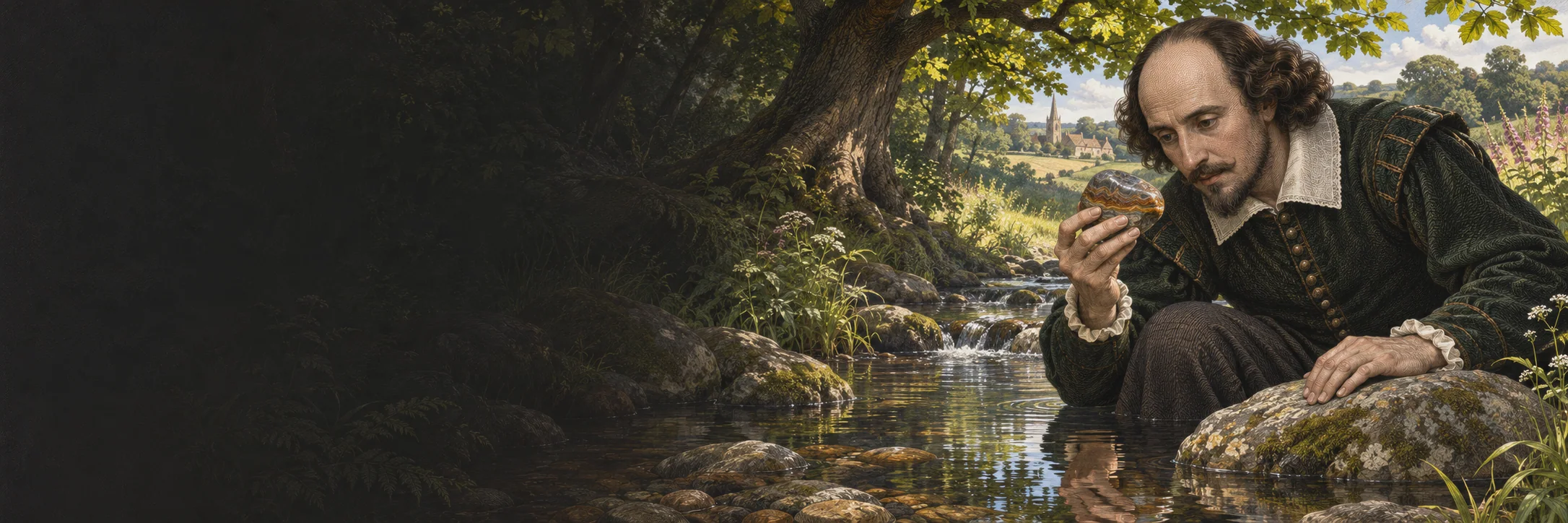
William Shakespeare
And this our life exempt from public haunt Finds tongues in trees, books in the running brooks, Sermons in stones and good in every thing.
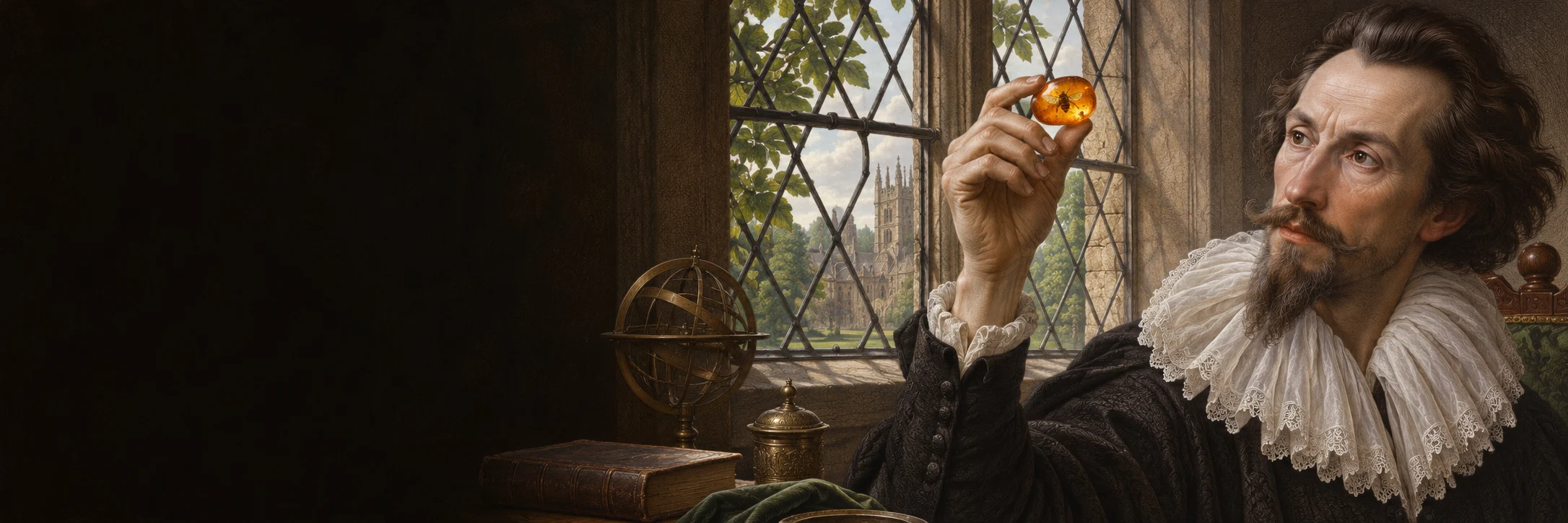
John Donne (1572–1631), an English poet and clergyman, addresses one of his verse letters to the Countess of Bedford. He faces a difficulty familiar to anyone drawing a portrait. A face and a posture can be seen. A person’s thoughts are ordinarily visible only to that person. Donne wants to tell his addressee that an inward disposition can be recognized from without. He needs an object that can enclose something and still reveal what lies inside.
This, as an Amber drop enwraps a Bee,
Covering discovers your quicke Soule […]– John Donne, To the Countesse of Bedford, 1633, p. 109.[1]
A bee in amber lies beyond the reach of the observer’s hand. The eye can reach it nevertheless. A wing or the outline of the body remains visible exactly where no finger could touch the insect. Donne brings two contrary activities very close together. Covering and discovering happen in the same object and at the same moment. In the following line he names the countess’s face. The image of a translucent brow carries the light in the amber back to the face of the woman he addresses.
The bee has survived in amber because its life came to an end. Donne speaks explicitly of a living soul. His comparison is most exact where it concerns sight through a surface. To extend it into a complete identification would deprive the woman of the very quality he praises. The movement of the poem therefore leads away from the precious material and back to its living addressee. The countess can act, answer and teach others through the conduct they see.
 Search
And this our life exempt from public haunt Finds tongues in trees, books in the running brooks, Sermons in stones and good in every thing.
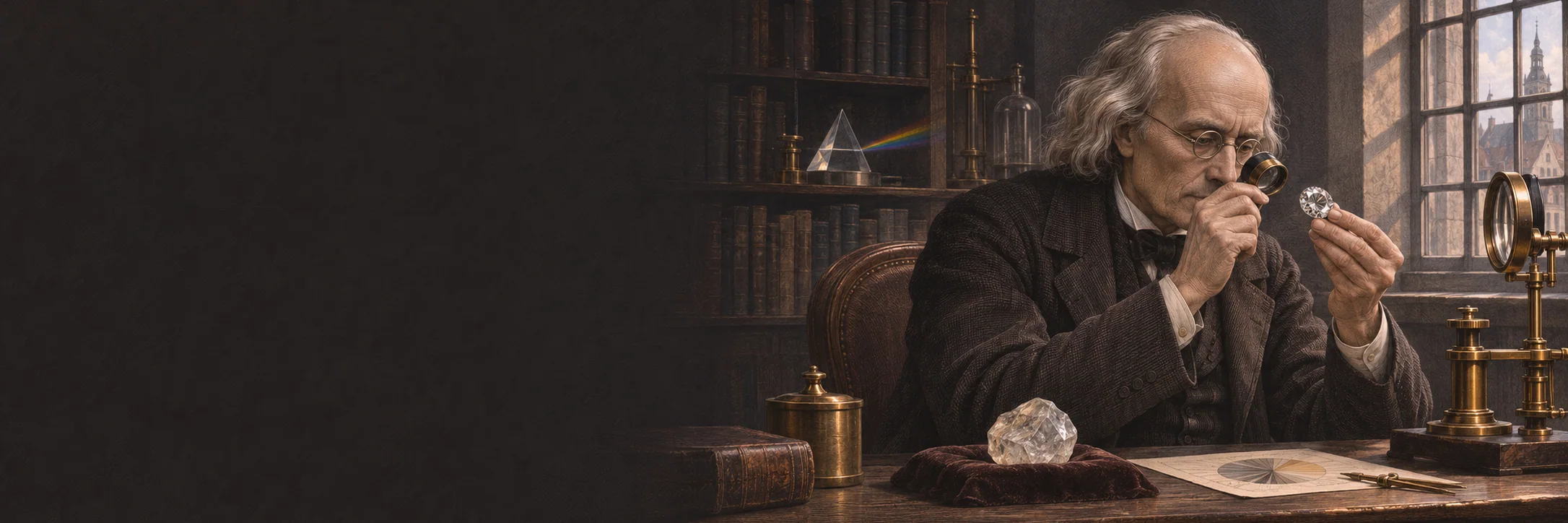
And so the diamond would have the loveliest of all these little souls, the cut diamond even one shaped and ennobled by education; loveliest of all if it is the diamond on the finger of a woman who has a still higher and lovelier soul in the head above it.
Gustav Theodor Fechner (1801–1887)
 Die Tagesansicht gegenüber der Nachtansicht · p. 87
Our translation
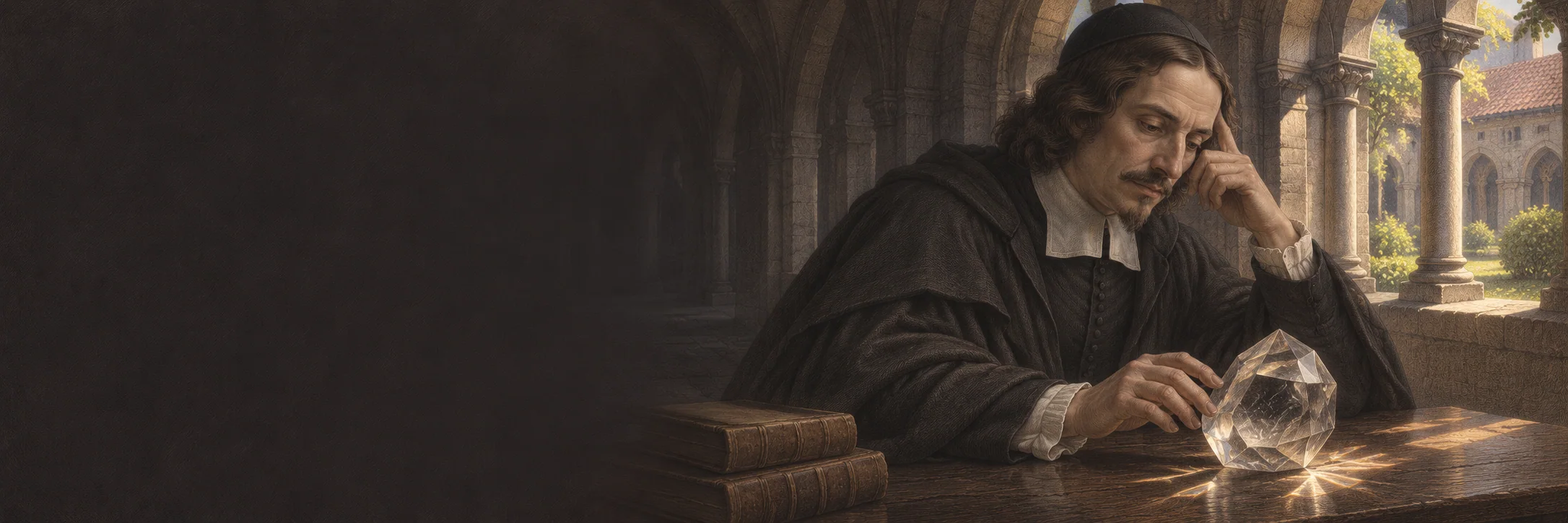
The soul is a crystal, the Godhead is its light: The body in which you live is the shrine of both.
Angelus Silesius (1624–1677)
Des Angelus Silesius Cherubinischer Wandersmann · p. 75
Our translation
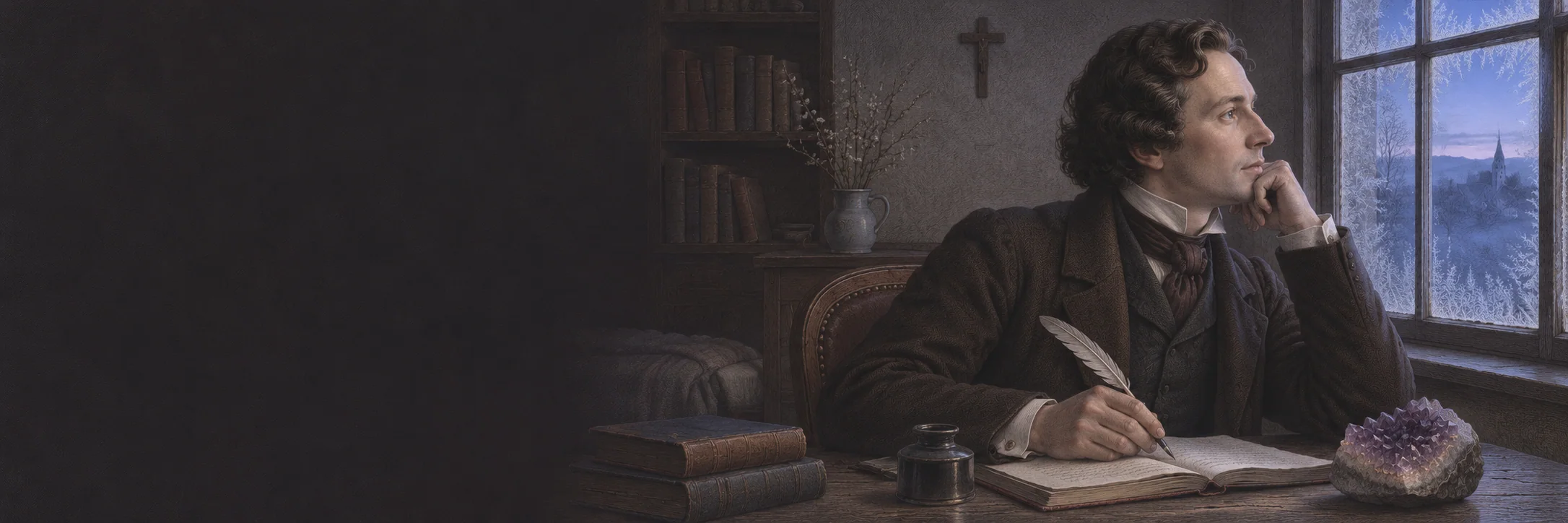
My soul now resembles a crystal That no false ray of light has yet struck; […]
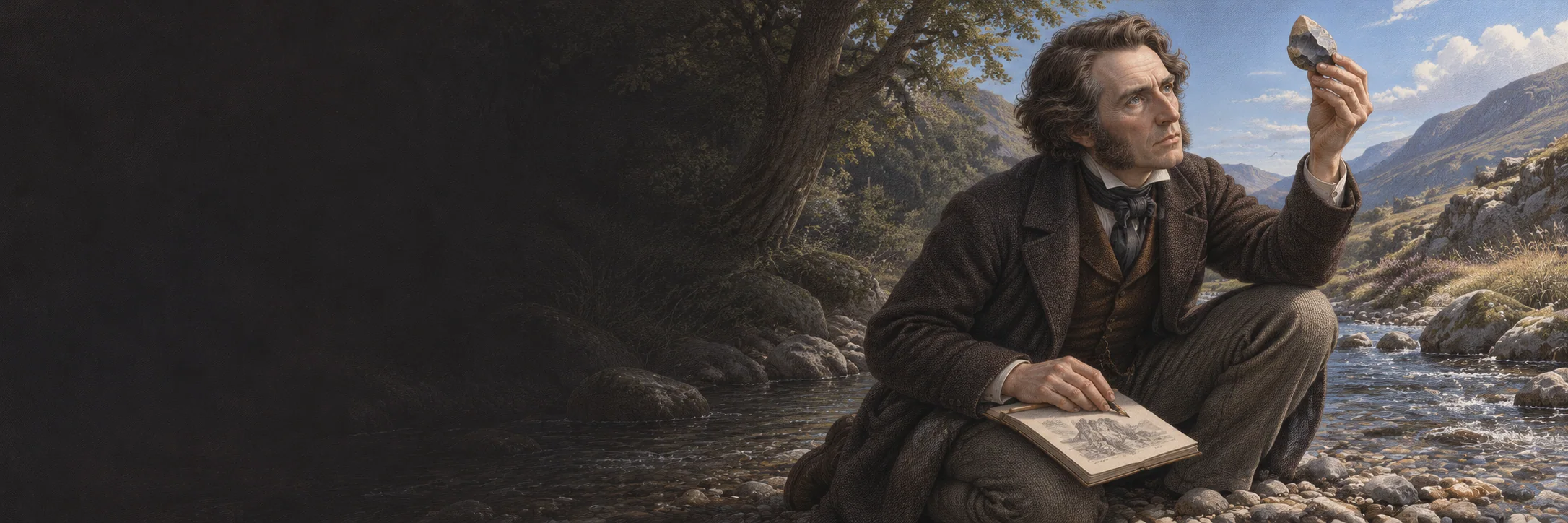
[…] I am earth and air in one; part of that blue heaven which you love, and long for, is already in me […]
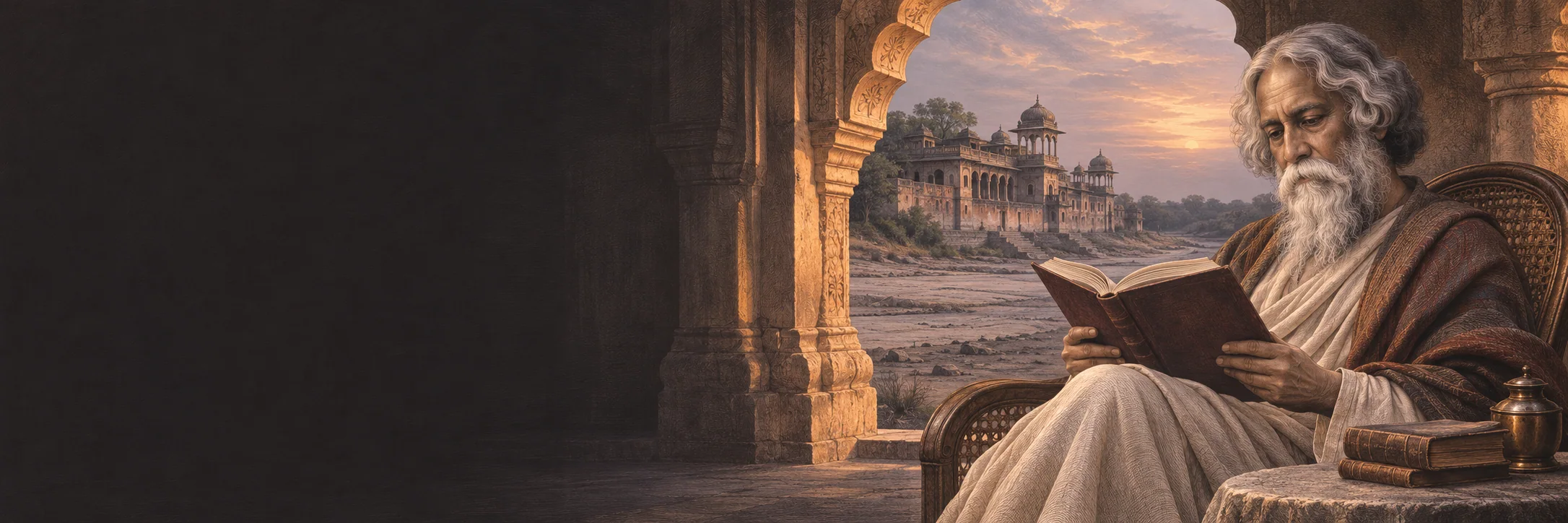
[…] the curse of all the heart-aches and blasted hopes had made its every stone thirsty and hungry […]
Rabindranath Tagore (1861–1941)
The Hungry Stones and Other Stories · p. 23–24
Historical English translation, 1916 · excerpt
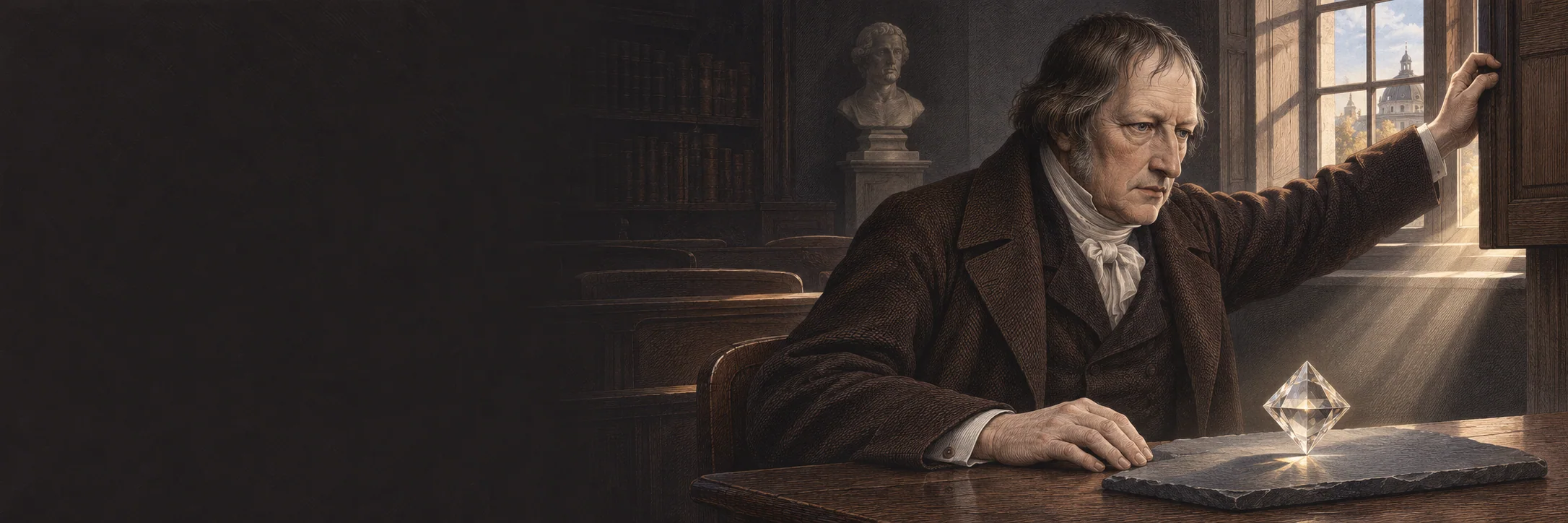
The primordial crystal is the diamond of the earth, in which every eye delights, recognising it as the first-born son of light and gravity.
Georg Wilhelm Friedrich Hegel (1770–1831)
Vorlesungen über die Naturphilosophie · p. 280
Our translation
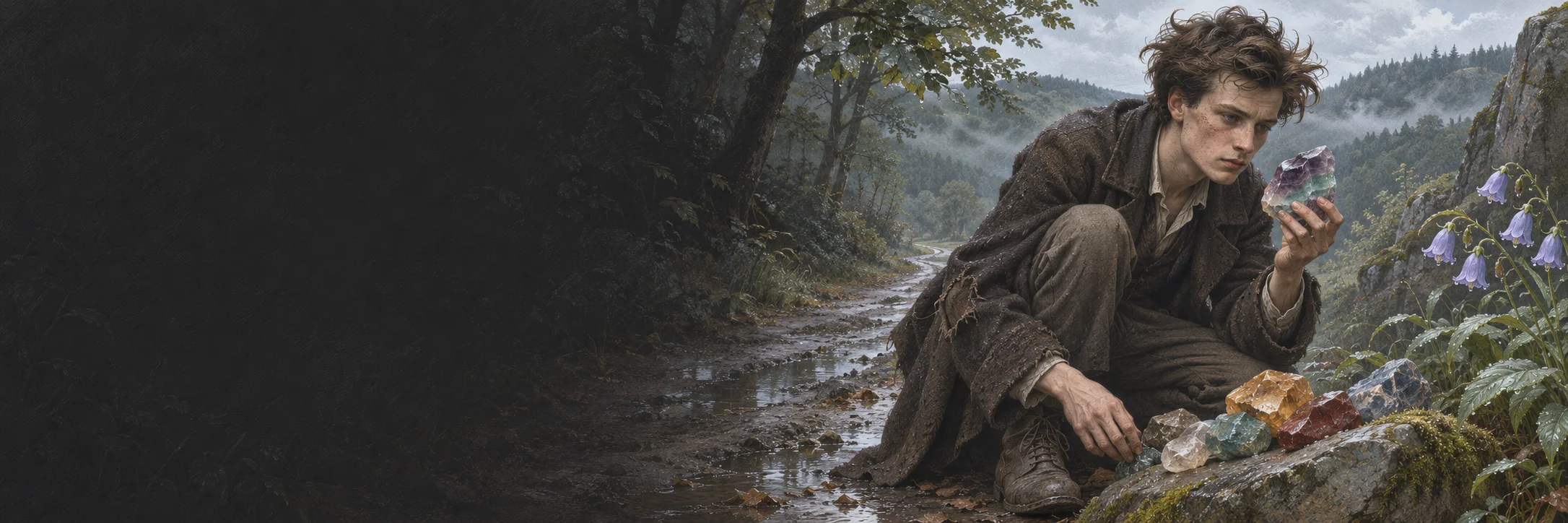
I walked on, waking the living, warm breaths; and the jewels looked, and wings rose without a sound.
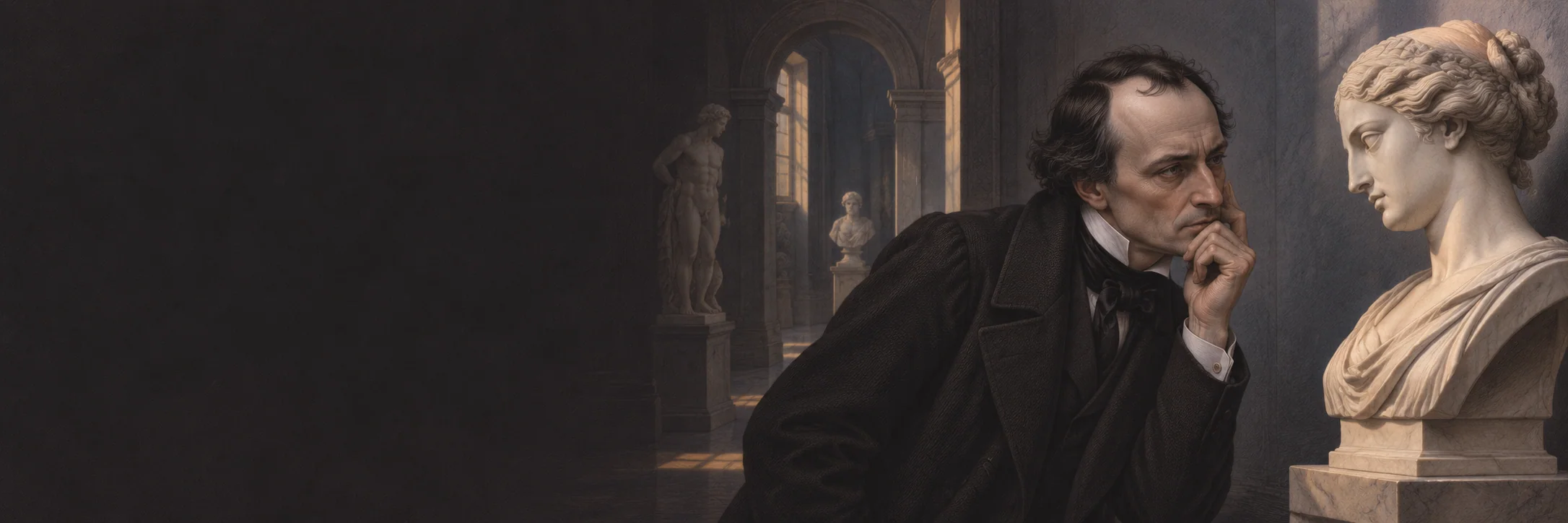
I am beautiful, mortals, like a dream of stone, And my breast, on which each in turn has bruised himself, Is made to inspire in the poet a love As eternal and mute as matter.
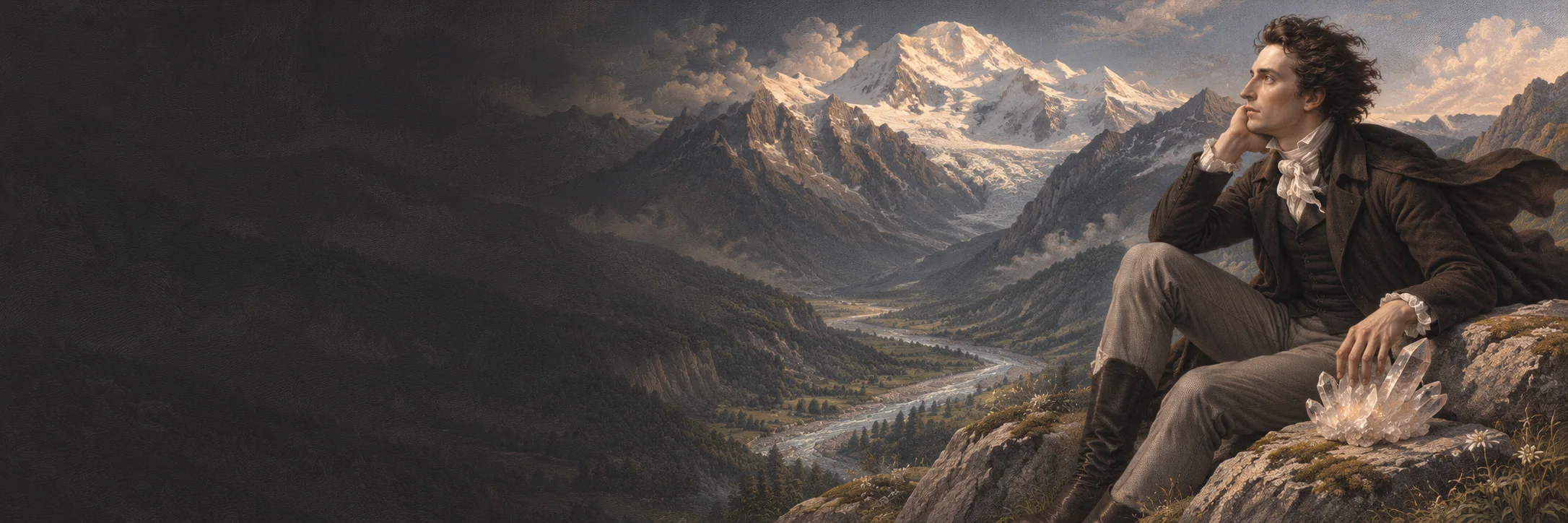
The secret strength of things Which governs thought, and to the infinite dome Of heaven is as a law, inhabits thee!
Percy Bysshe Shelley (1792–1822)
The Poetical Works of Percy Bysshe Shelley, III · p. 33
Original wording
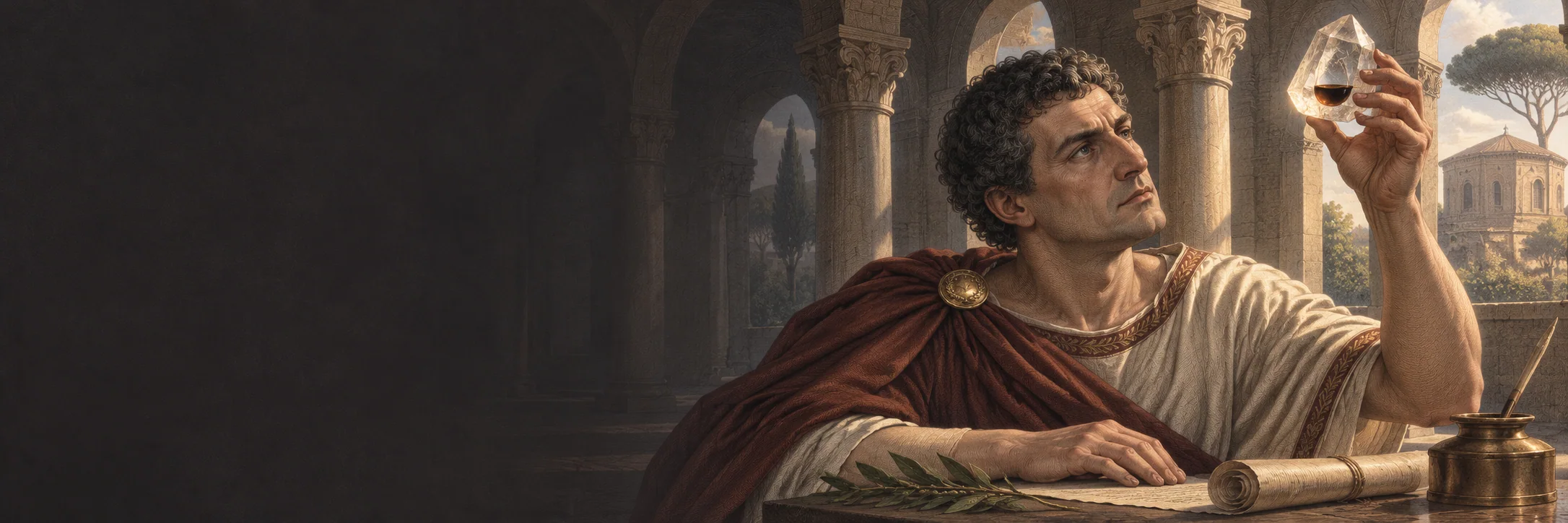
Marvellous stone and marvellous water! With good reason it surpasses rivers and stones, for it flows and is a stone.
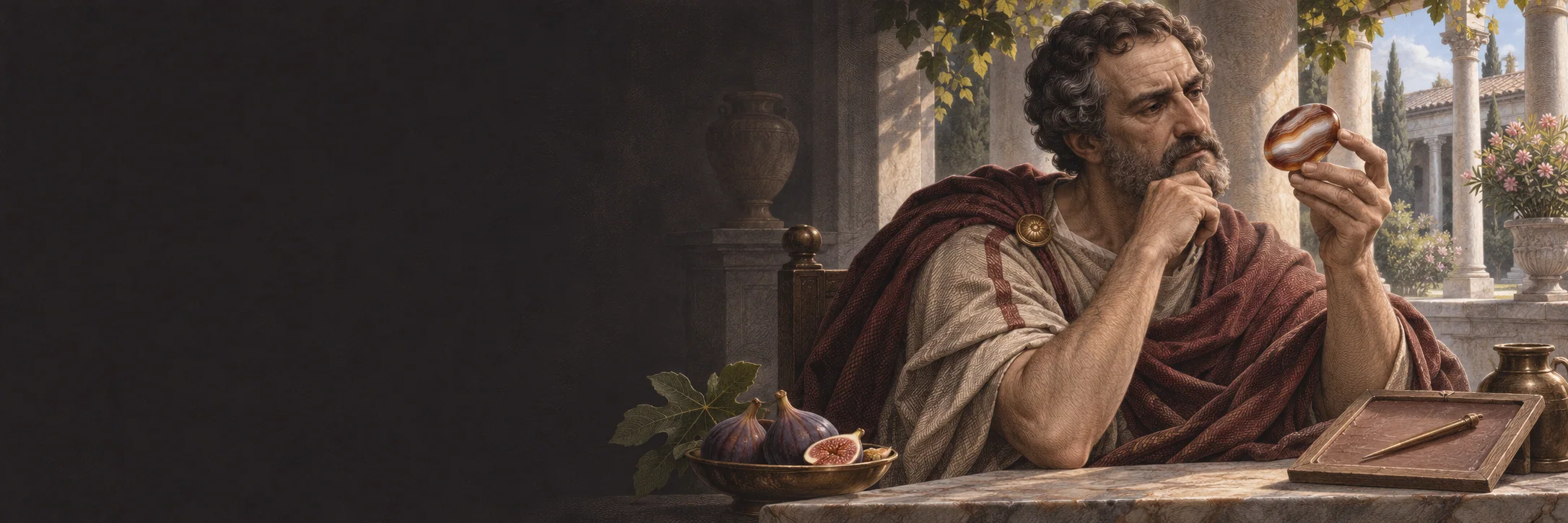
For he is said to have owned an agate in which the nine Muses and Apollo playing the lyre could be seen, not by art but because the markings naturally distinguished themselves so well that even the individual Muses had their own attributes.
Pliny the Elder (23/24–79)
C. Plini Secundi Naturalis historiae libri XXXVII, V · p. 382
Our translation
 Cart