
 Phone: +43 677 628 66 628 |


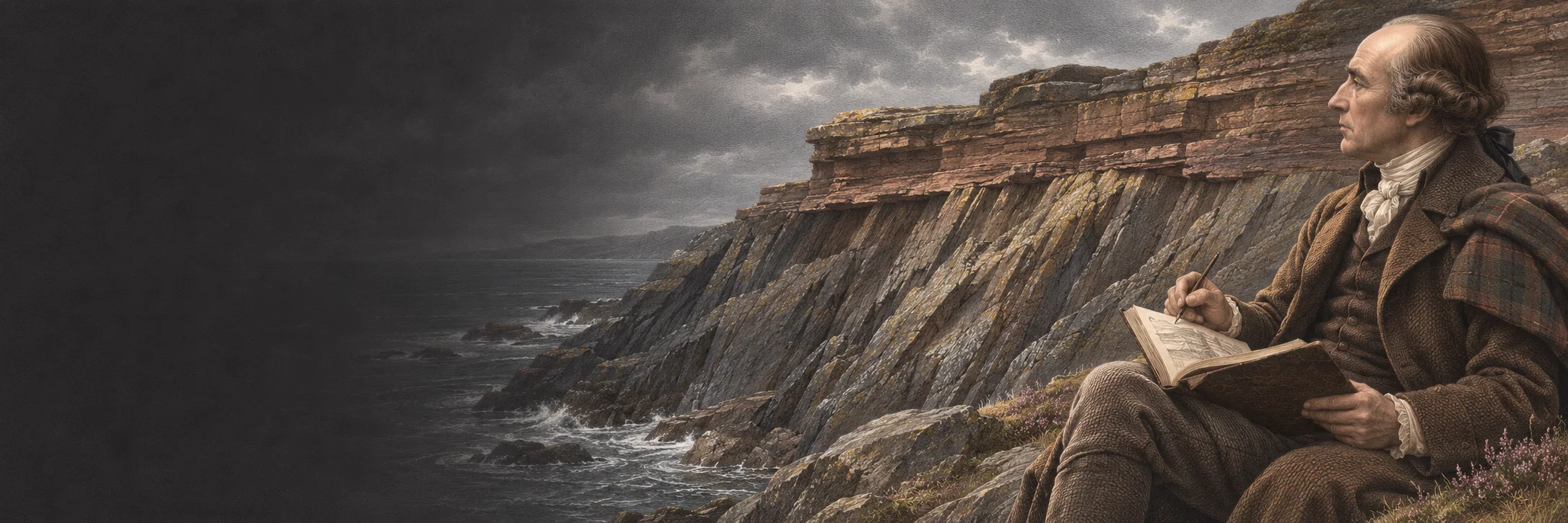
James Hutton
The result, therefore, of our present enquiry is, that we find no vestige of a beginning,—no prospect of an end.
James Hutton (1726–1797)
 Transactions of the Royal Society of Edinburgh, I · p. 304
Original wording
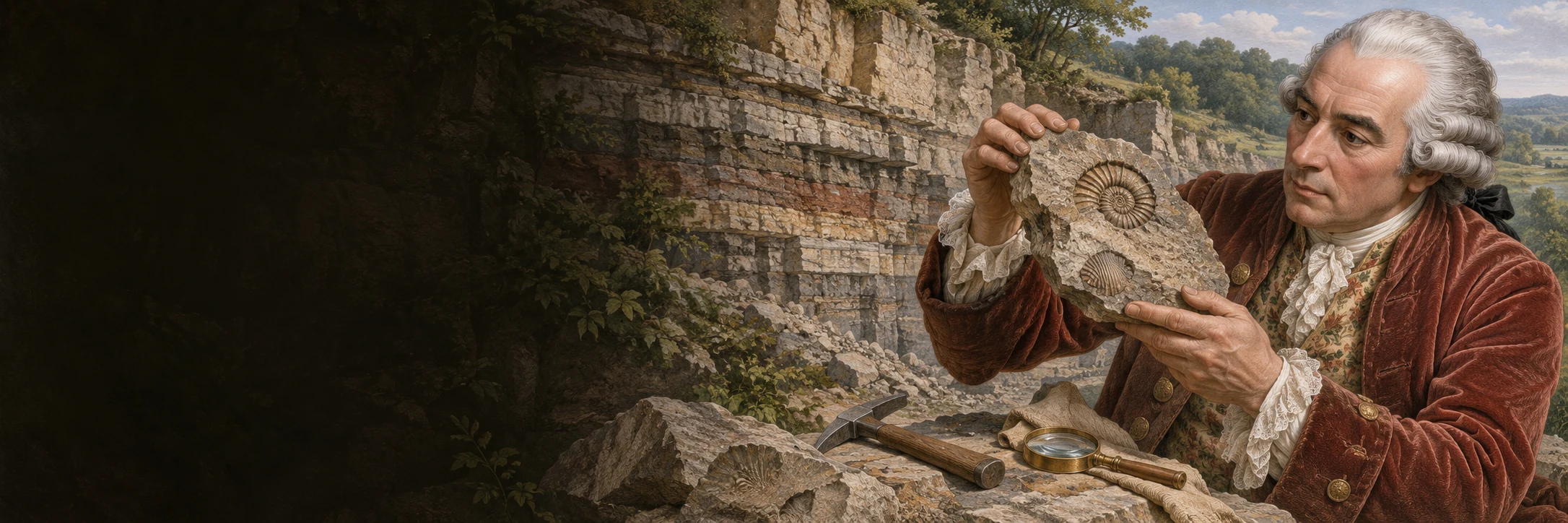
Georges-Louis Leclerc de Buffon (1707–1788), a French naturalist, begins his Epochs of Nature with the work of a historian. That historian consults records, examines medals and deciphers ancient inscriptions. The sequence of actions matters to the book. Before Buffon can tell a history of the earth, he needs to explain how anyone can learn about a time during which no human observer was there to keep a record.
[…] in natural history one must search the archives of the world, draw ancient monuments from the bowels of the earth, collect their fragments and assemble into a body of evidence all the indications of the physical changes that may lead us back to the different ages of nature.
– Georges-Louis Leclerc de Buffon, Les Époques de la nature, 1778, p. 1–2.[1]
The image of an archive makes the interior of the earth a place of safekeeping. Nobody assembled what lies there for future readers. An excavated object seldom bears a sentence giving its age. The naturalist’s work therefore begins with recovering and collecting things. Only when several pieces lie together can their positions, composition or resemblance be read as possible evidence of a common event.
Immediately after the old monuments Buffon speaks of their fragments. The choice of word narrows the distance between his immense undertaking and a small find held in a researcher’s hand. A damaged piece can still bear witness. To make it part of a history, however, the observer must show how it fits with other traces and what change they reveal together. The opening sentence thus assigns a particular task to stones. They extend human memory back into a past beyond the reach of any written archive. Reading them requires comparisons for which the naturalist remains responsible.
 Search
The result, therefore, of our present enquiry is, that we find no vestige of a beginning,—no prospect of an end.
James Hutton (1726–1797)
Transactions of the Royal Society of Edinburgh, I · p. 304
Original wording
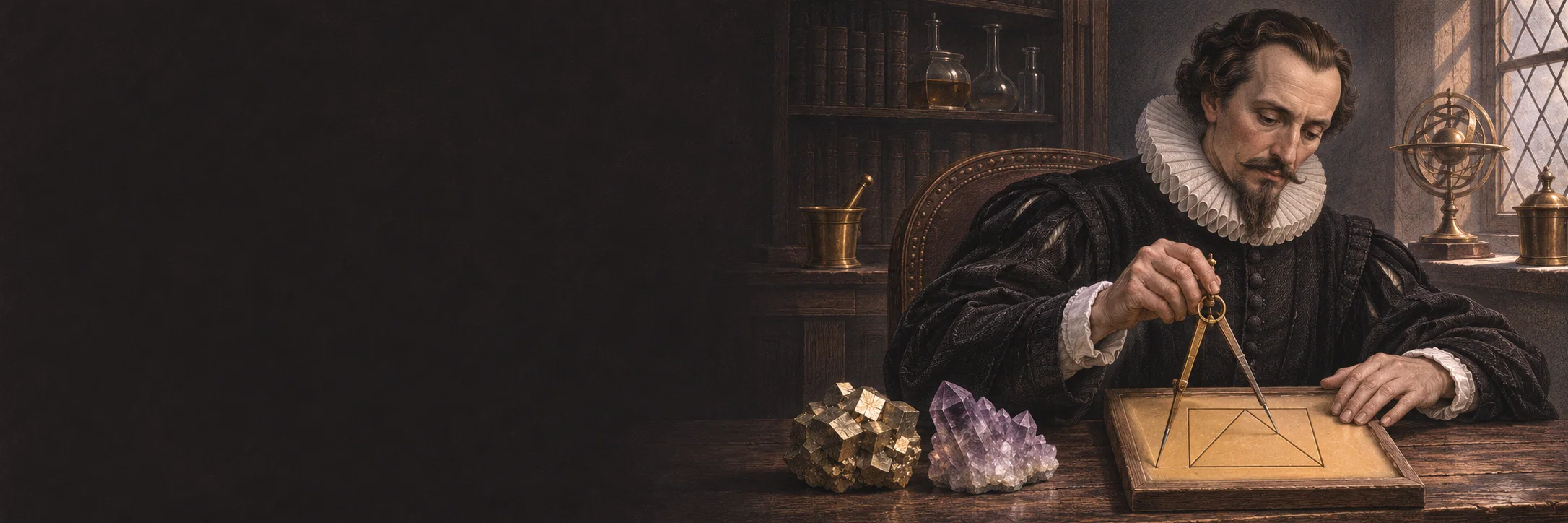
The stone is a triangle in essence and a quadrangle in quality.
Anaxagoras: Through fiery vapour this rock came to hand. Thales: In moisture living things arose.
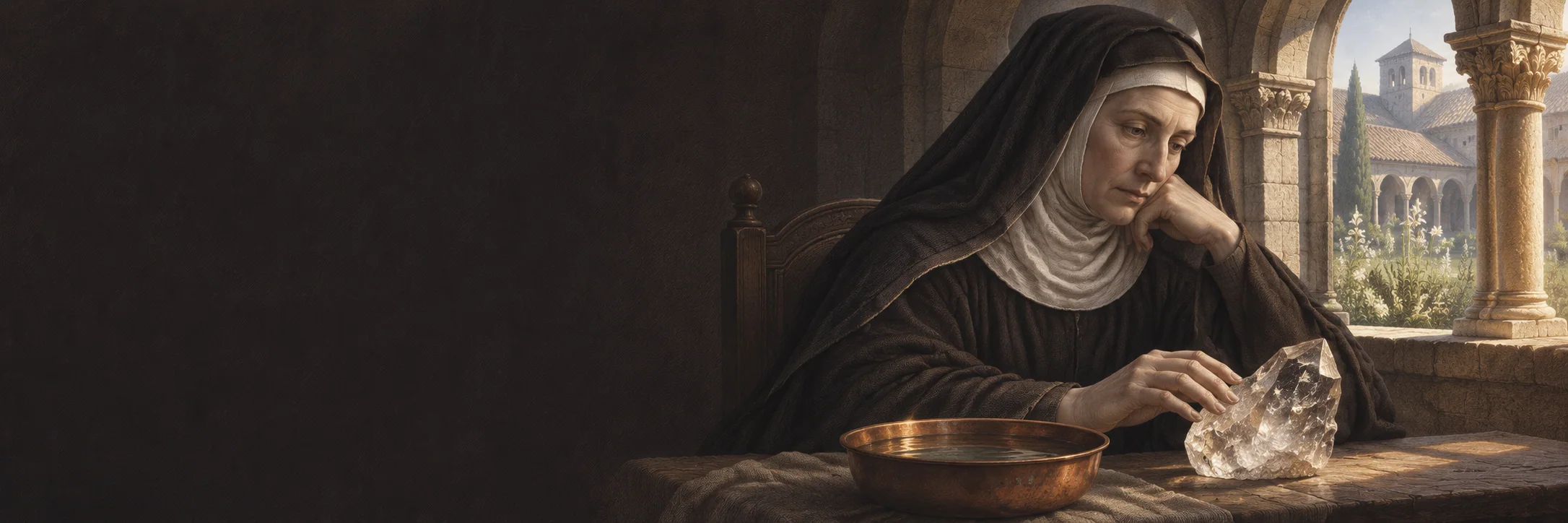
[…] the heart of the water congeals into firmness. […]
Hildegard of Bingen (1098–1179)
Physica, Patrologia Latina 197 · col. 1263
Our translation; unclear opening construed from context · excerpt
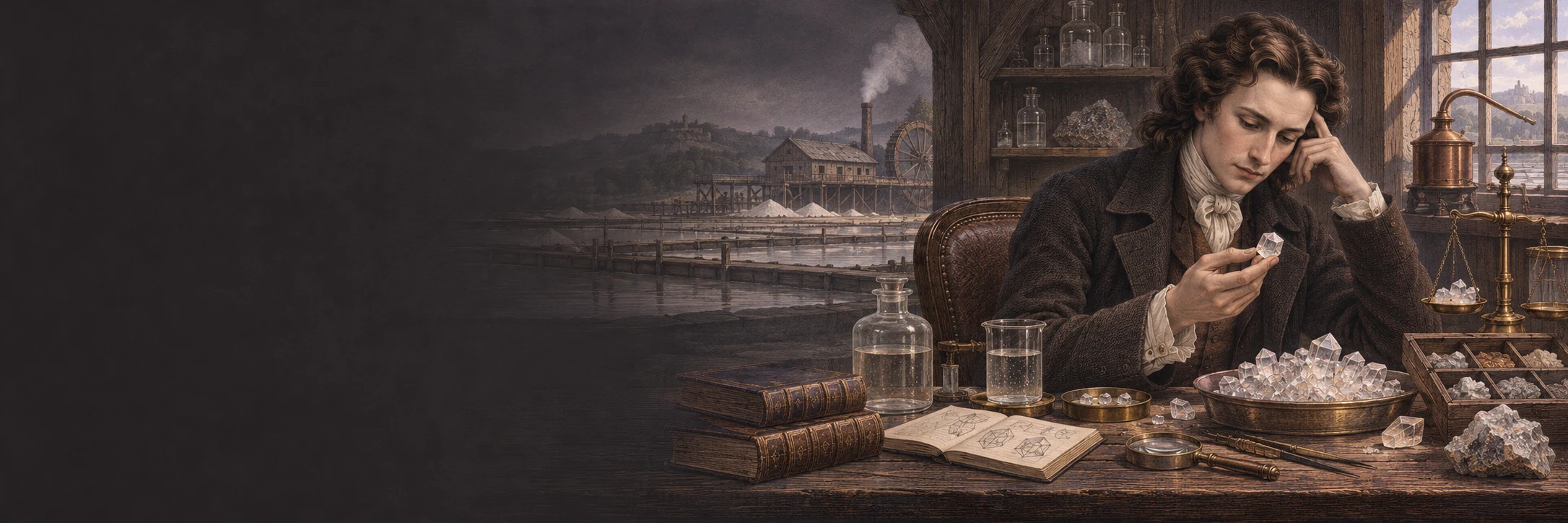
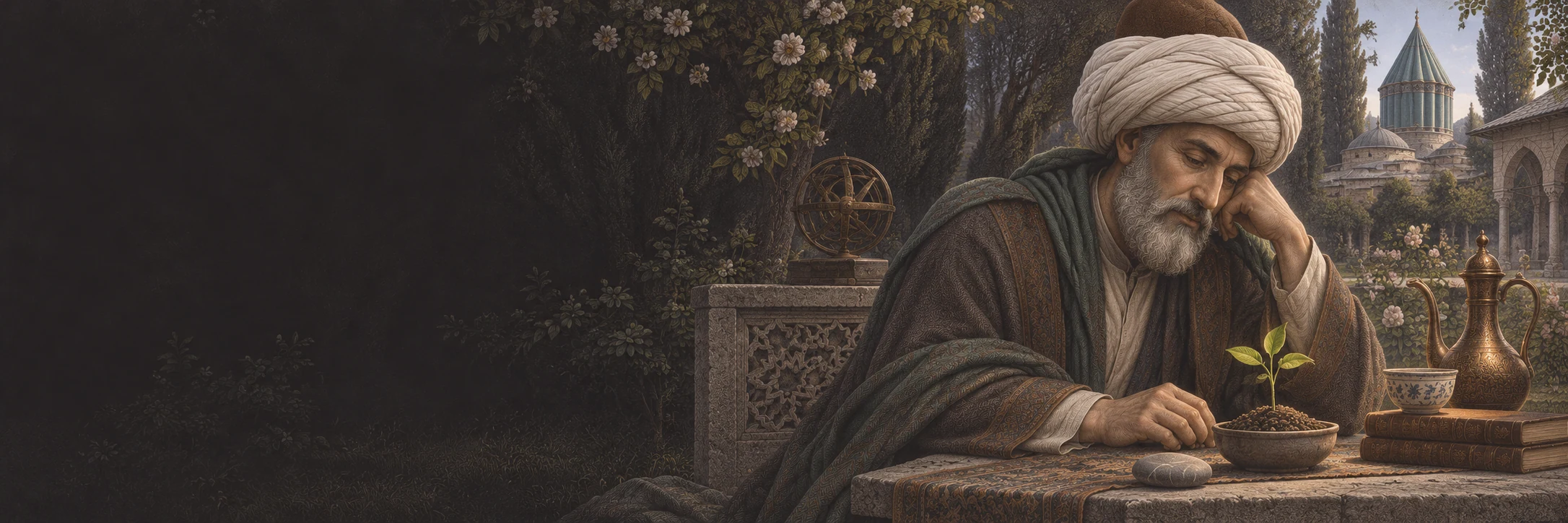
Look! I died as stone and sprang up as a plant
Dschalāl ad-Dīn Rūmī (1207–1273)
Excerpt. Our translation of Friedrich Rückert’s German rendering
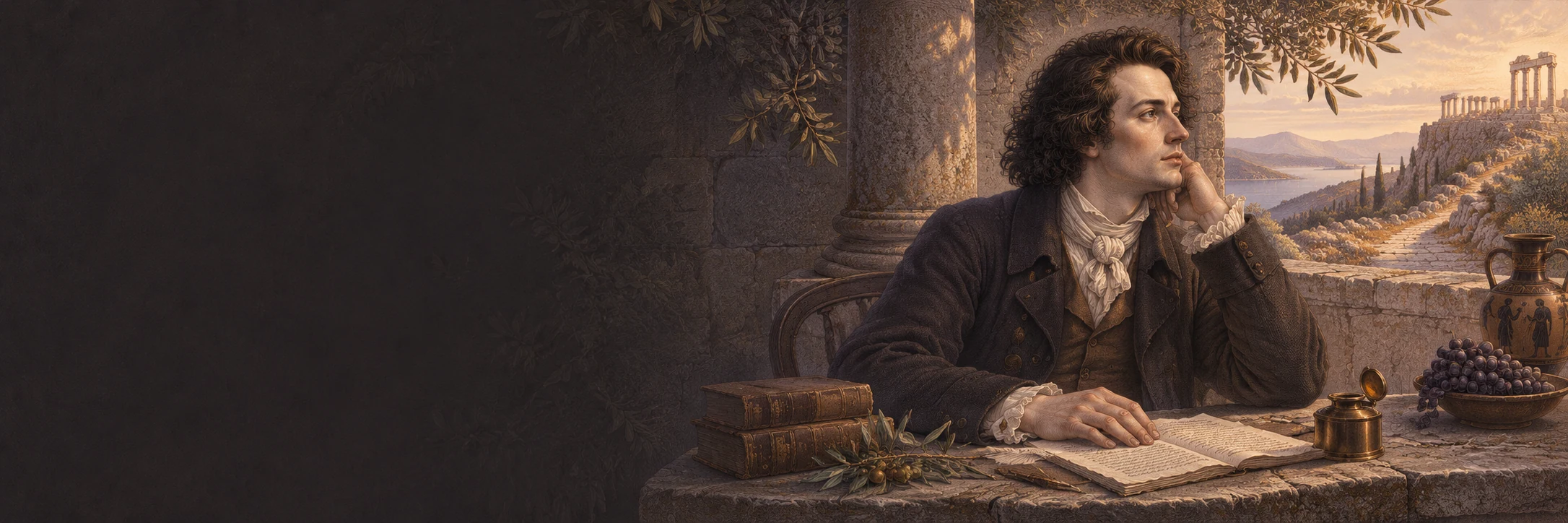

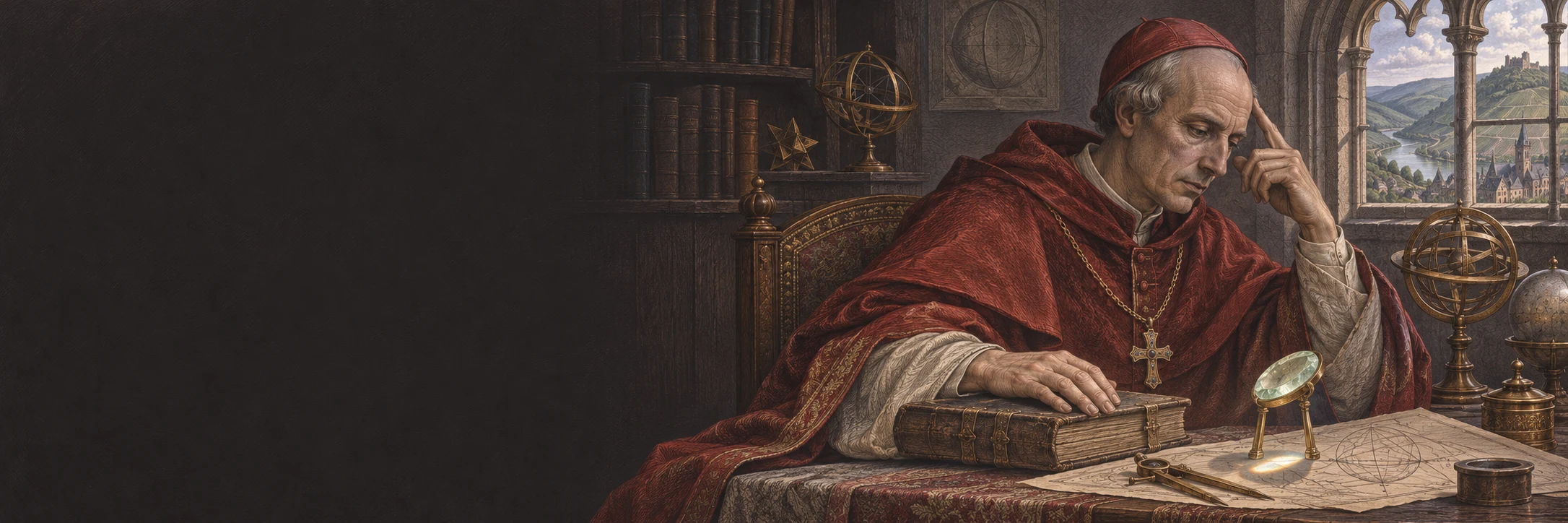
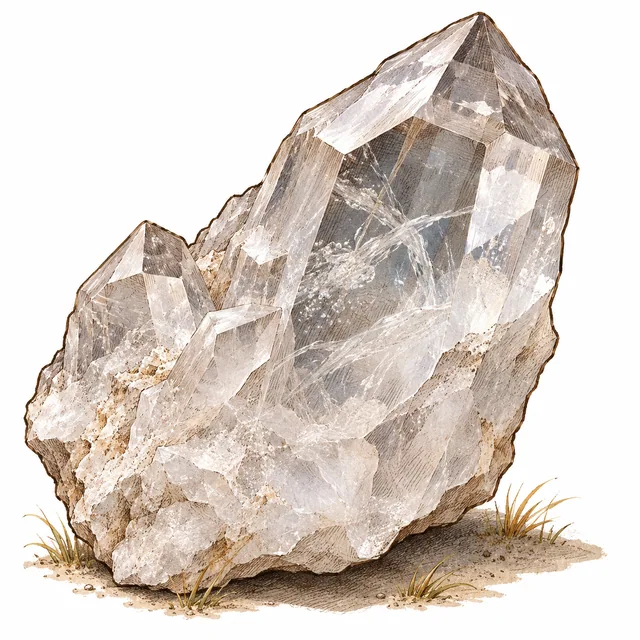
Beryl is a bright, white, transparent stone. It is given a shape both concave and convex, and the person looking through it reaches what was previously invisible.
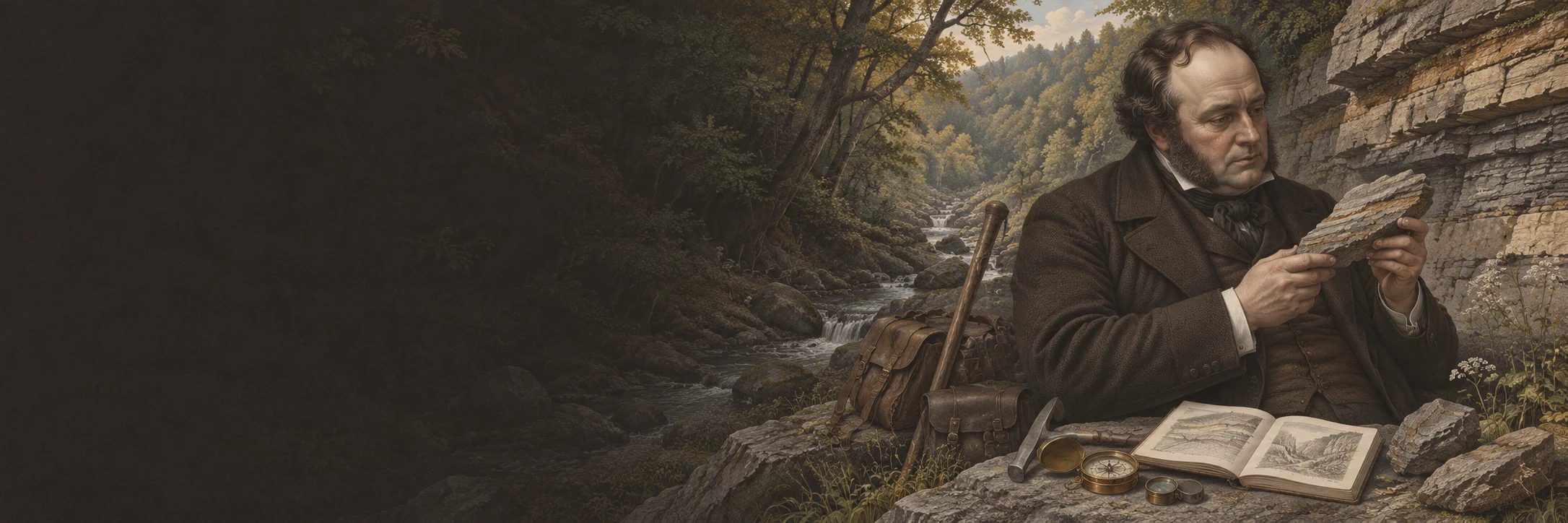
The earth itself keeps the sources for its history within it, as in a vault of records, sources perhaps set down in millions of documents. What matters is that we learn to read them and do not falsify them through zeal and the urge to be right.
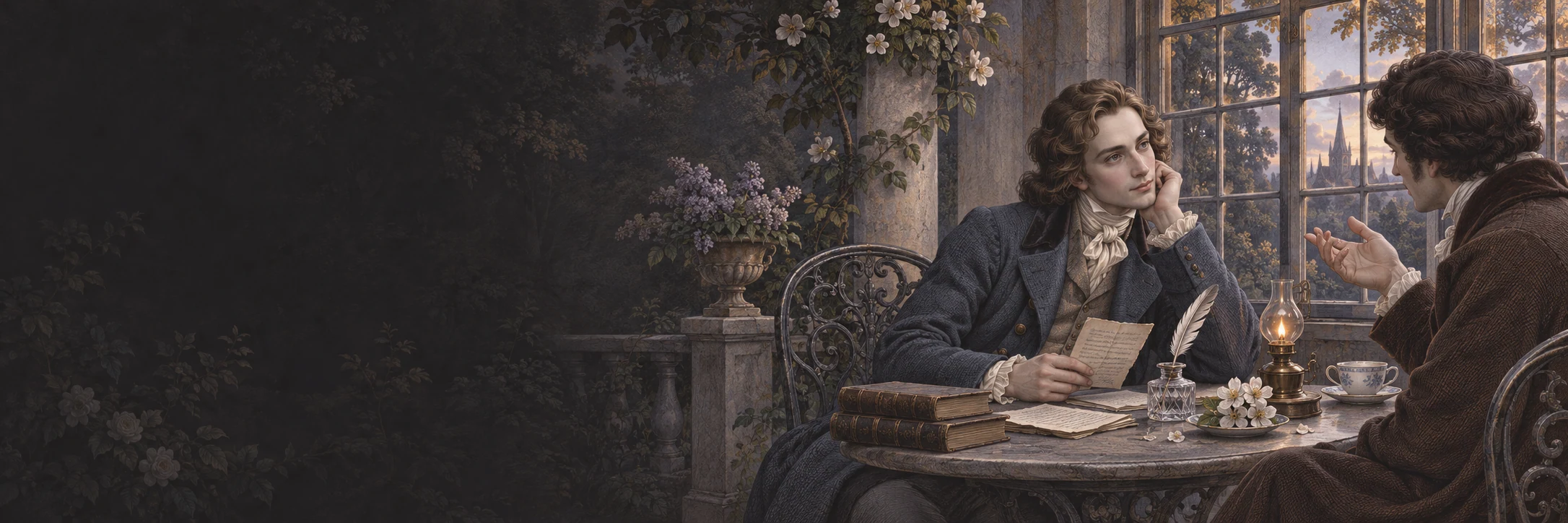
People are crystals for our inner life. They are nature made transparent.

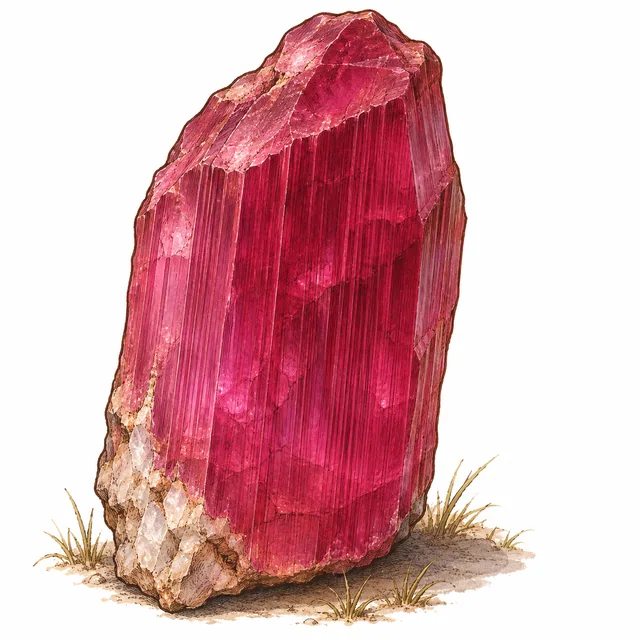
As for precious stones such as carbuncle, ruby, emerald, delphin, onyx and the like, the finest of stones, they have their origin where the flash of light arose in love.
 Cart