
 Phone: +43 677 628 66 628 |


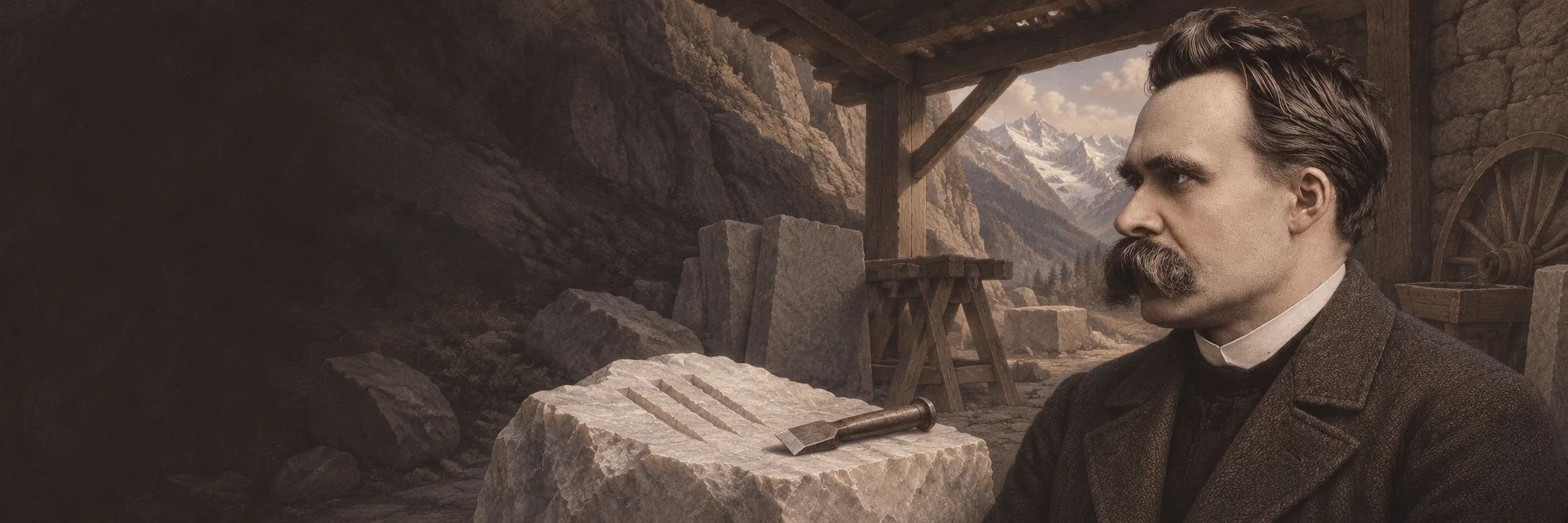
Friedrich Nietzsche
Ah, you human beings, an image lies asleep for me in the stone, the image of my images!
Friedrich Nietzsche (1844–1900)
 Also sprach Zarathustra · 1893 · p. 122
Excerpt. English translation from German.

Plutarch of Chaeronea (c. 45–after 119 CE), a Greek writer in the Roman Empire, sets out to interpret Egyptian divine names and practices for his readers in his work on Isis and Osiris. Among his examples are a lodestone and a piece of iron. He expressly attributes the names the Egyptians reportedly gave these materials to Manetho. The sentence therefore carries two voices, the authority for the report and the author who sets about interpreting it.
Thus are we moreover informed by Manetho, that the Load-stone is by the Egyptians called the bone of Orus, as Iron is, the bone of Typho.
– Plutarch of Chaeronea, On Isis and Osiris, 1744, p. 85.[1]
Each material is assigned a part of a body. The small piece of iron can now be imagined as belonging to Typhon and the lodestone as belonging to Horus. Bring the specimens close and their movement gives the names a relationship one can watch. Plutarch goes on to describe attraction and the contrary appearance of drawing away. He is interested in how a difficult relationship might be translated into something people can see in front of them.
If two stones had simply been named after two gods, the association would remain external. Here it is the behaviour of the materials that makes them suitable. The iron can follow the magnet although there is neither a hand nor a visible bond between them. The story supplies a language for this remarkable relation. A reader can distinguish the observation from its religious interpretation and still understand why this particular pair interested Plutarch. A movement small enough to demonstrate on a table prompts a question about forces at work in the world at large.
 Search
Ah, you human beings, an image lies asleep for me in the stone, the image of my images!
Friedrich Nietzsche (1844–1900)
Also sprach Zarathustra · 1893 · p. 122
Excerpt. English translation from German.
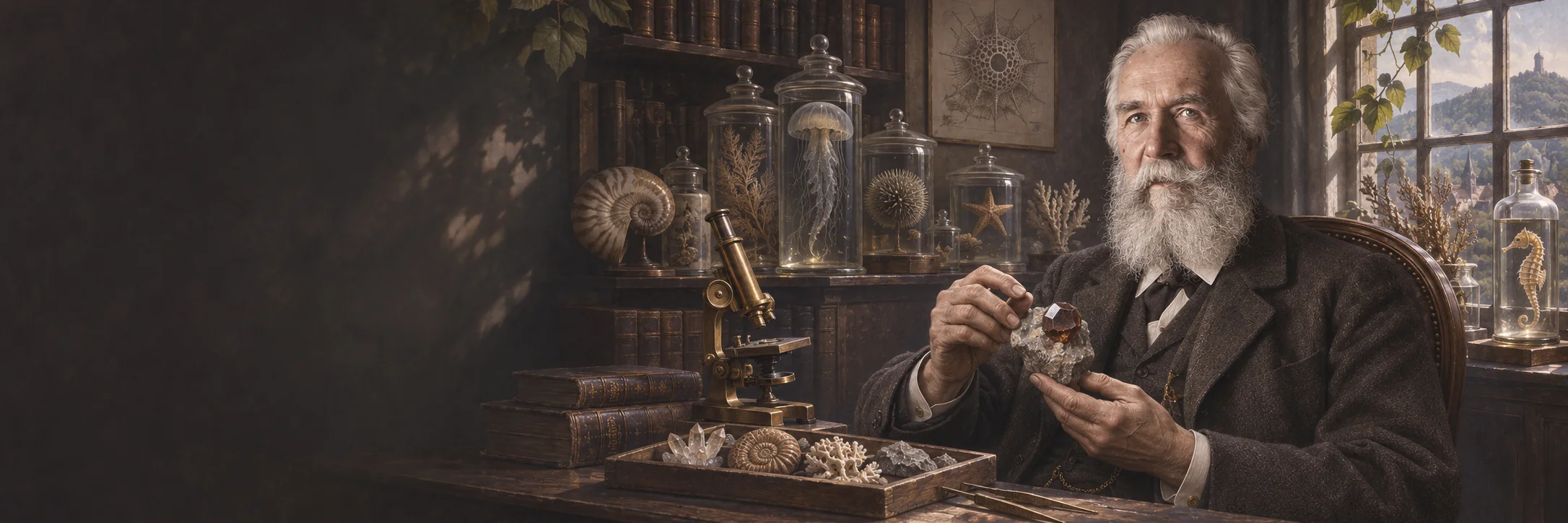
All substance possesses life, inorganic as well as organic; all things are animate, crystals as much as organisms.
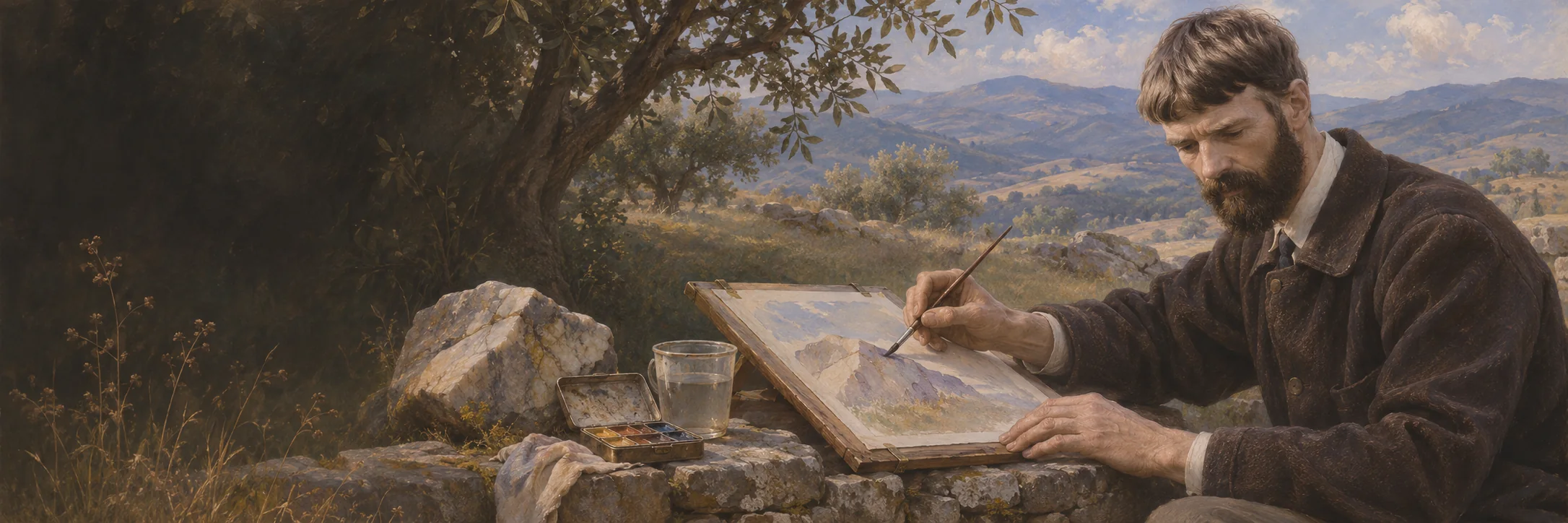
Everything that exists, even a stone, has two sides to its nature. It fiercely maintains its own individuality, its own solidity. And it reaches forth from itself in the subtlest flow of desire.
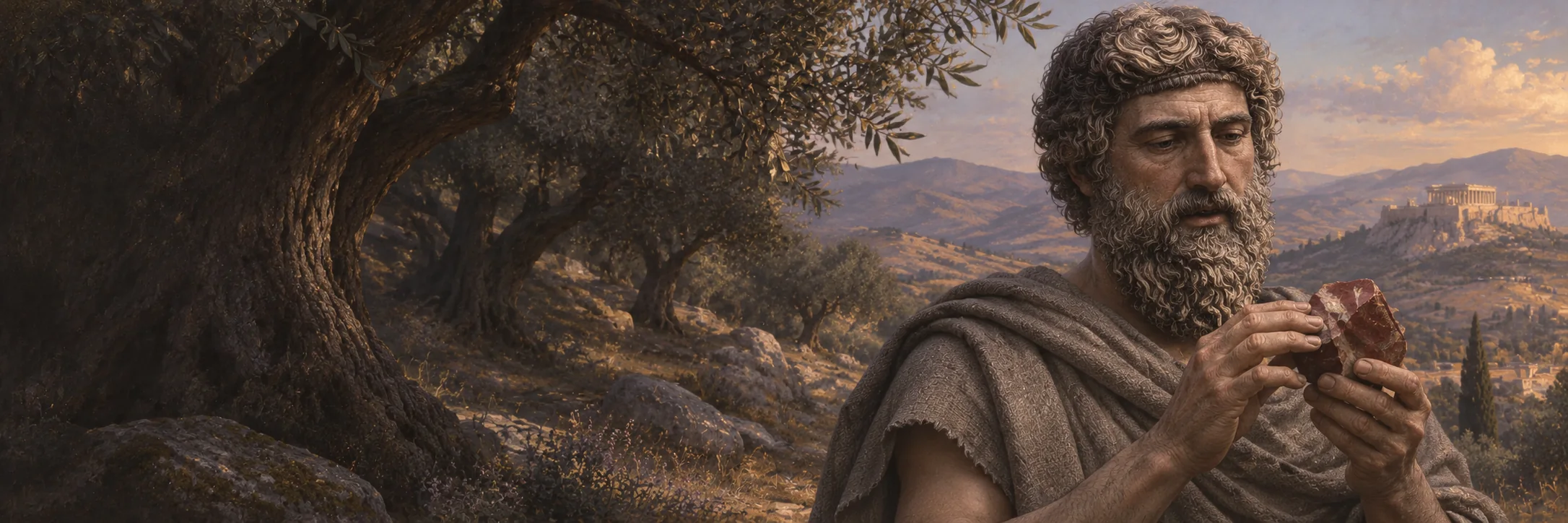
[…] but there all the stones are as our precious stones, and even more beautiful still.
Plato (c. 428/427–348/347 BCE)
Excerpt. English translation by F. J. Church.
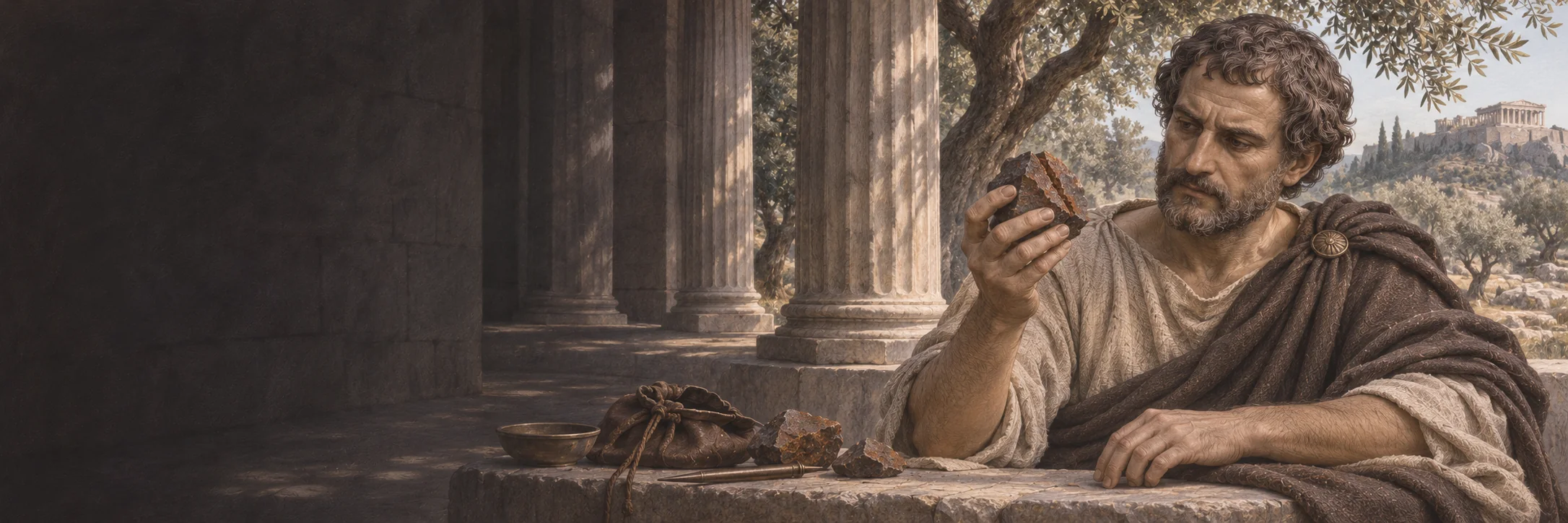
The vapour-like exhalation produces them all when it is trapped, particularly in stones.
Aristotle (384–322 BCE)
Meteorologica · III, 6 (378a) · p. 106
Excerpt. Our translation from the Greek.
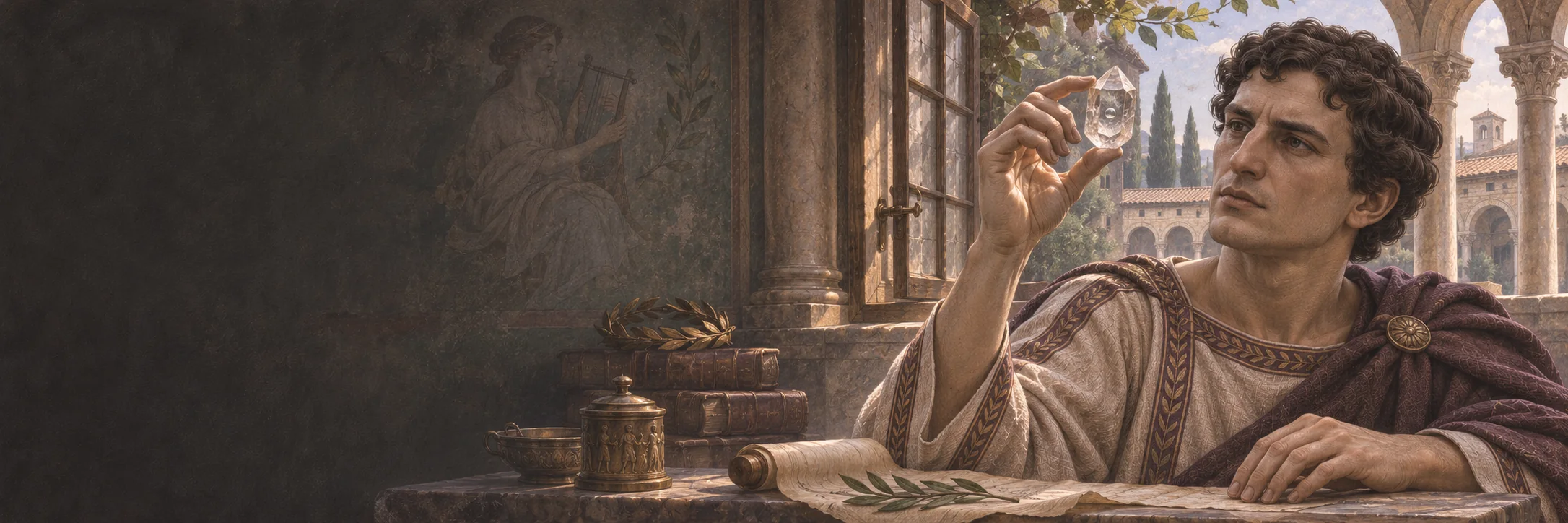
What warmth enclosed within keeps the waters safe? What south wind melted the ice inside?
Claudian (c. 370–c. 404)
Carmina minora · XXXIV (LVII) · p. 250
Lines 5–6. Our translation from the Latin.

Of his bones are coral made; / Those are pearls that were his eyes:
William Shakespeare (1564–1616)
Excerpt from Ariel’s song in the English original.

As coral grows under water and hardens in the air, so does the stone.
Michael Maier (1568–1622)
Atalanta fugiens · Emblema XXXII · p. 137
Our translation of the Latin motto.

They seemed changed to one another’s eyes, in the red brilliancy that flamed upon their cheeks, while it lent the same fire to the lake, the rocks, and sky, and to the mists which had rolled back before its power.
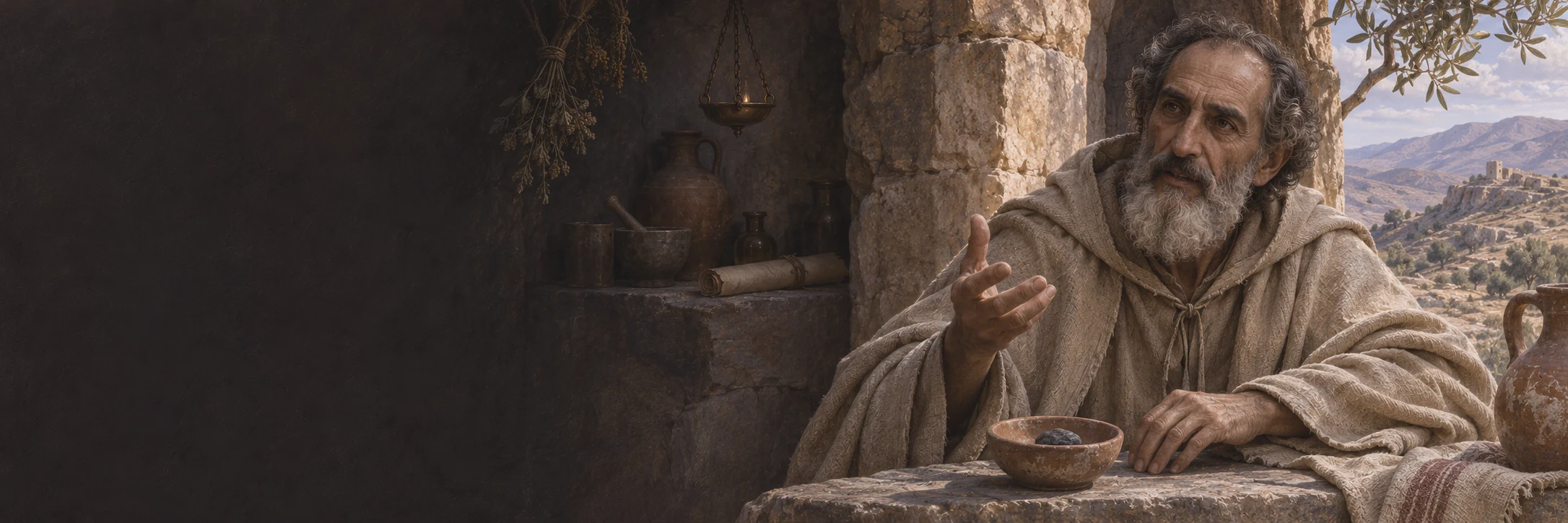
For this stone contains the four elements. It resembles the world and the way the world is put together.
Morienus Romanus (dates unknown)
De transfiguratione metallorum · Dialog mit König Calid · 1559 · fol. 23r
Our translation from Latin

[…] the root of minerals is in the water, as the root of trees and herbs is in the earth.
Paracelsus (1493/94–1541)
A Book about Minerals · 1894 · p. 241
Translation by A. E. Waite · excerpt

We see that fire gives motion to all things. For dense and cold things, such as stones, frozen water, plants and earth, have no motion. But when fire resolves them into smoke and finer vapour, they all move and impart motion to the things to which they attach themselves.
Tommaso Campanella (1568–1639)
Del senso delle cose e della magia · II, 8 · 1925 · p. 53
Our translation from Italian
 Cart