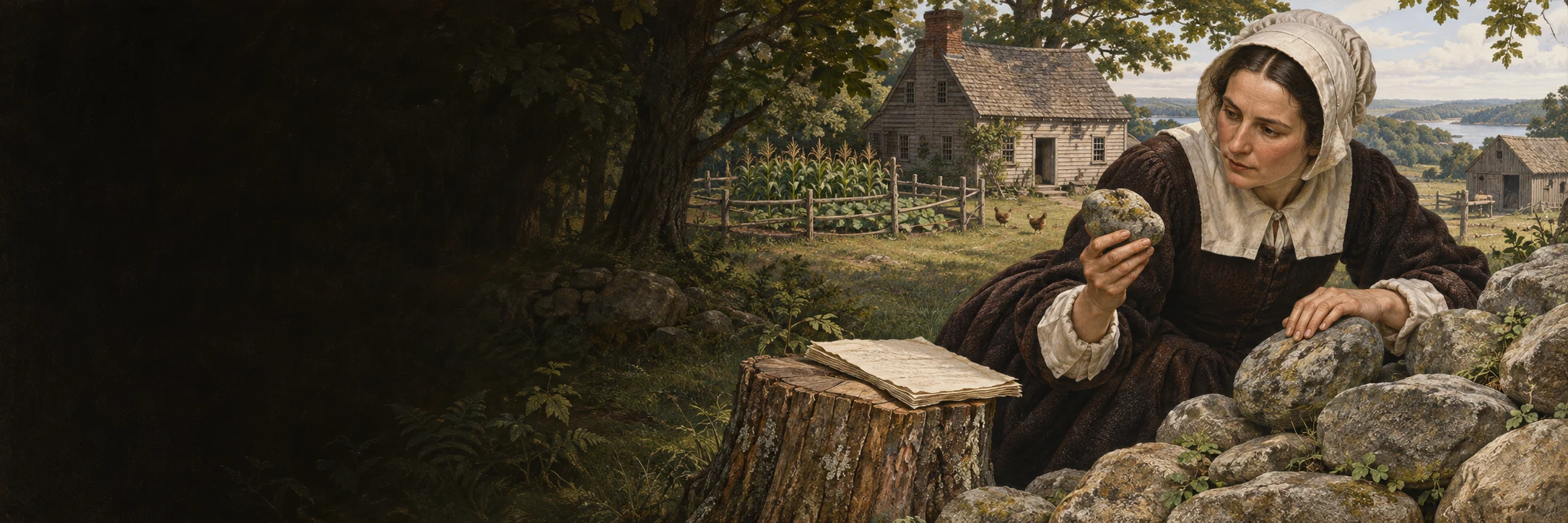
Anne Bradstreet (c. 1612–1672), an English-born poet who lived in Massachusetts, makes Earth, Water, Air and Fire speak to one another in The Four Elements. When Earth has her turn, she lists what human beings owe her. She names plants and mineral wealth and eventually addresses kings directly. What becomes of a ruler’s claim to enduring fame once the material of the monument is allowed to answer back?
Earth puts a question to the kings
Ye mighty Kings, who for your lasting fames
Built Cities, Monuments, call’d by your names,
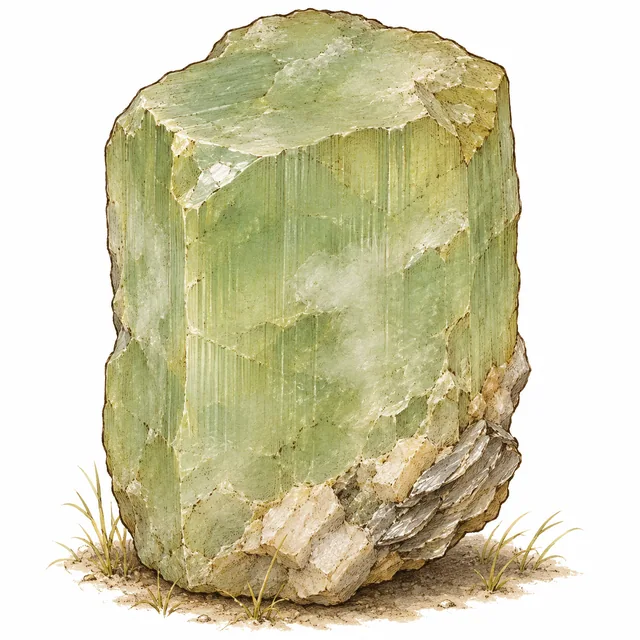
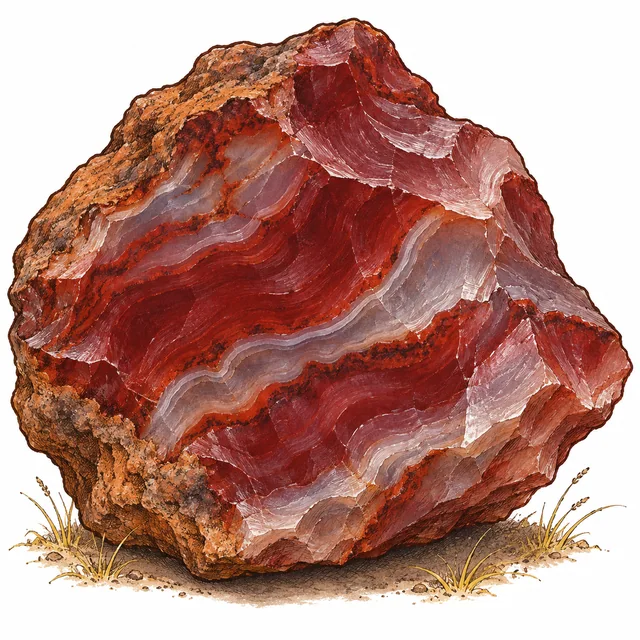
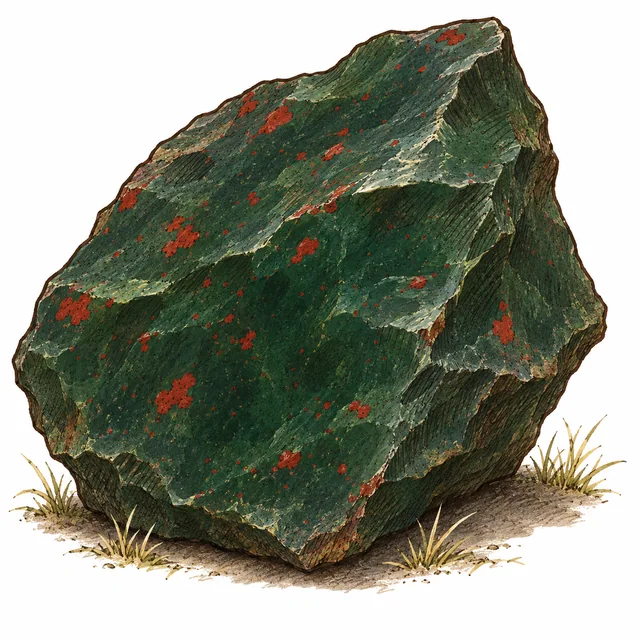
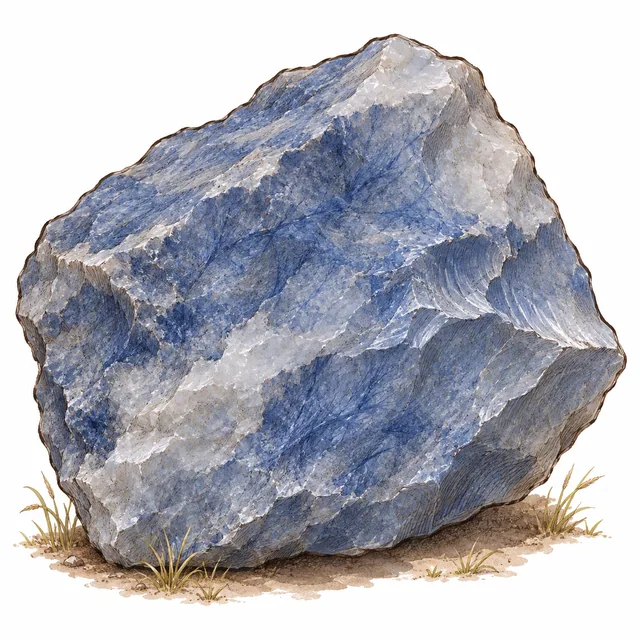
Were those compiled heaps of massy stones
That your ambition laid, ought but my bones?
– Anne Bradstreet, The Four Elements, 1867, p. 111.[1]
A king can found a city and give it his name. Little about the stone itself points to that name. It was there before anyone dressed it and set it on another block. Bradstreet gives Earth the opportunity to recall that order of events. If the stones are her bones, every building has received from her something the builder can scarcely claim to have created. The poem presents the reckoning in the form of a question that the king himself would have to answer.
Who else depends on the earth?
From kings the speaker turns to those who dig for gold, silver and gems, and then to artisans. The scene widens. The substance of the earth goes into monuments and into the objects of daily use alike. A shift between two images of the body makes this especially memorable. Heavy stones are bones and hidden treasures lie within a body. The same earth that bears the weight of a building can thus appear as a vulnerable speaker whose contribution seldom finds its way into the inscriptions of the powerful.

 Phone: +43 677 628 66 628 |


 Search
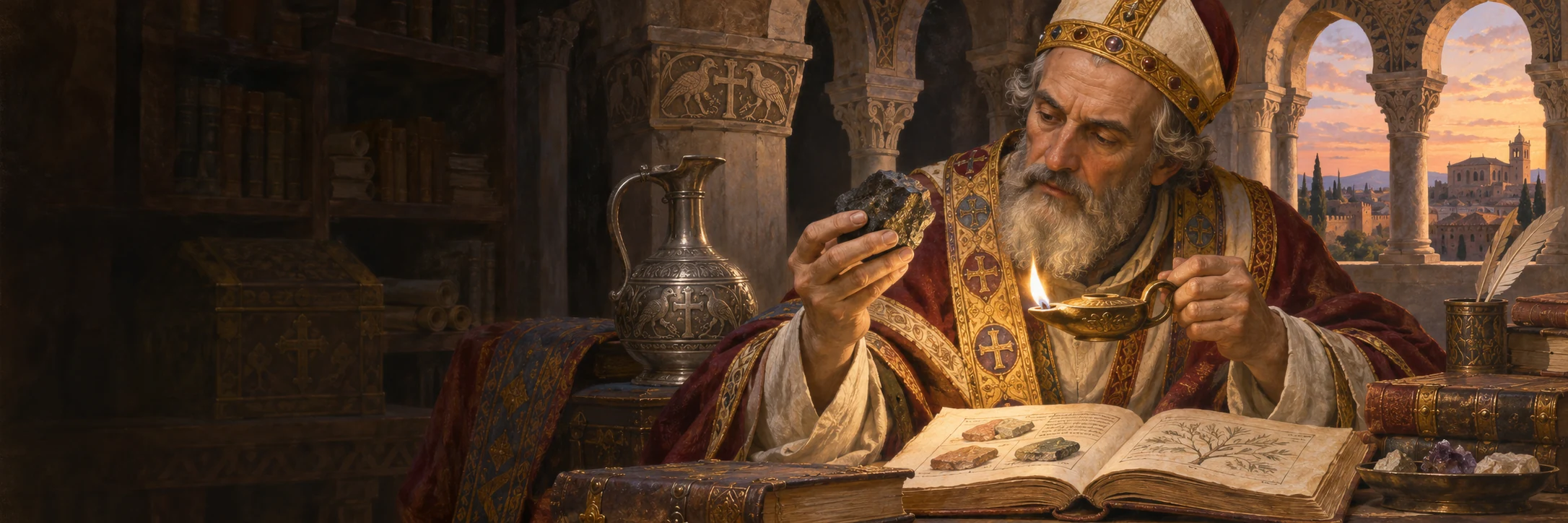
 Etymologiae · 1911 · XVI, 14, 2

 Cart