Kālidāsa, an Indian poet writing in Sanskrit, probably in the fourth or fifth century CE, makes the weather carry a message of love in The Cloud Messenger. A yaksha separated from his wife describes to a cloud the road that will take it to her. As the journey approaches its destination, he can picture ever more precisely what the distant city looks like and what it feels like to spend a night in its rooms.
A precious object after dark
Where from the moonstones hung in nets of thread
Great drops of water trickle in the night—
When the moon shines clear and thou, O cloud, art fled—
To ease the languors of the women’s plight
Who lie relaxed and tired in love’s embraces tight.
– Kālidāsa, The Cloud-Messenger, 1912, p. 199.[1]
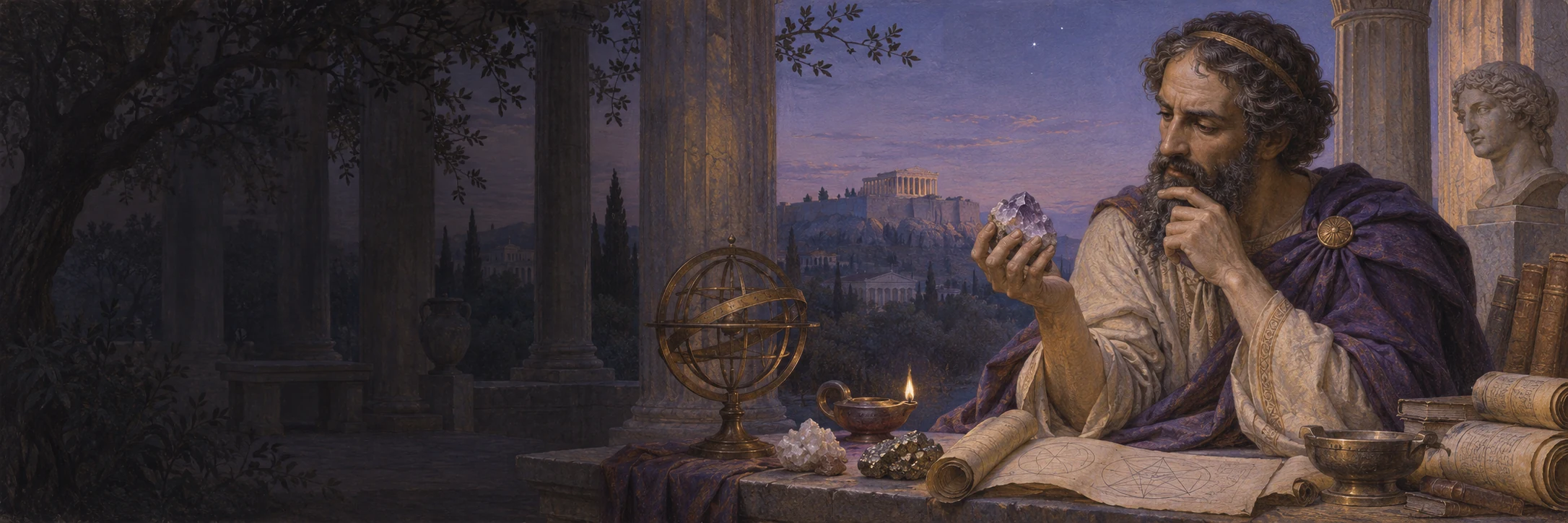
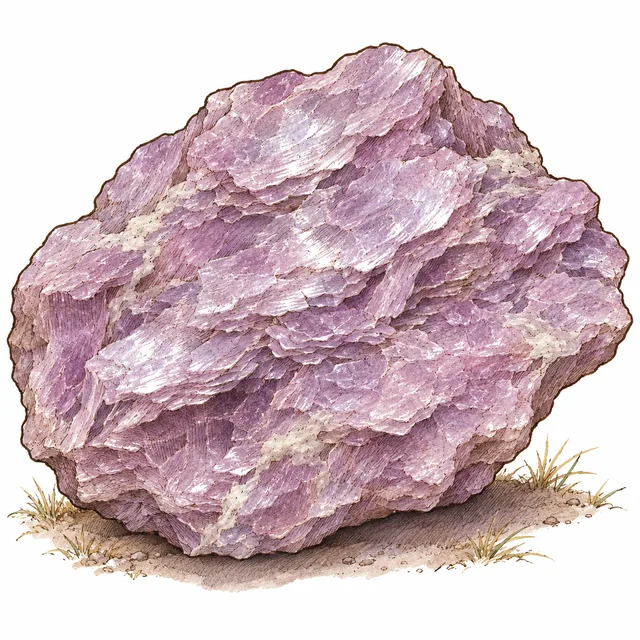
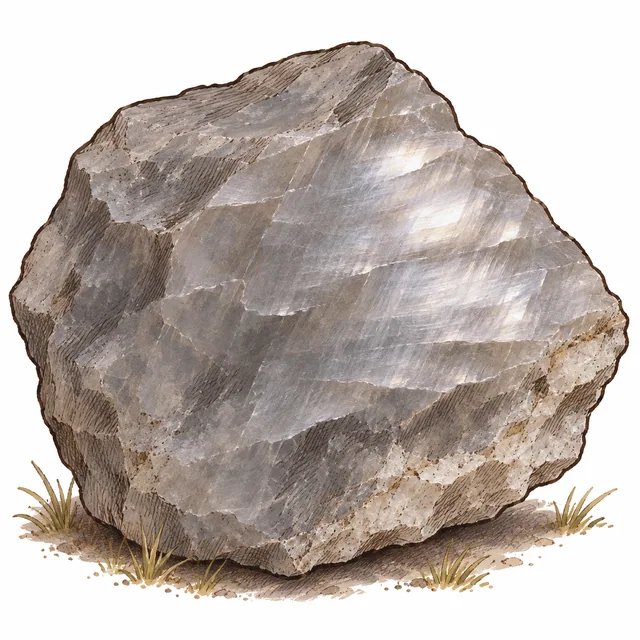
In those rooms moonstones hang in fine nets. The verse assumes that a moonstone can give off moisture when moonlight strikes it. This is a property of the stones in the poem. A reader can follow what happens without having to see any hidden workings. An opening admits the light. The net keeps the stone aloft while its drops fall towards the people below. An invisible relation between moon and mineral becomes something a person can feel against warm skin.
The cloud has a part to play
The cloud is hearing about an event in which it has a share. If it covers the moon, the stones lose their light. When it draws aside, their drops can bring relief. The traveller being asked to carry a message thus has a reason to stand aside at just the right moment. The speaker is concerned with a very small comfort in the lives of the people at his destination. The care with which he pictures it from far away gives his own longing an almost tangible form.

 Phone: +43 677 628 66 628 |



 Search

 Etymologiae · 1911 · XVI, 14, 2















 Cart