
 Phone: +43 677 628 66 628 |



Rigveda
Let these speak loudly forth; let us speak out aloud: to the loud speaking Pressing-stones address the speech; When, rich with Soma juice, Stones of the mountain, ye, united, swift to Indra bring the sound of praise.
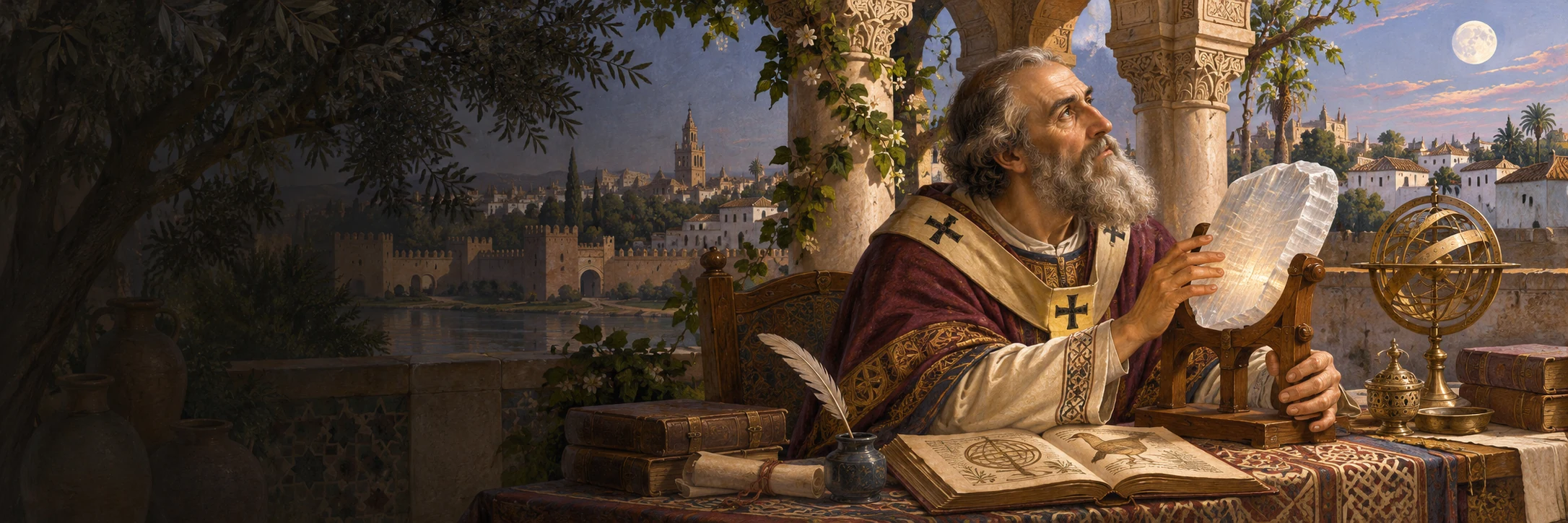
Isidore of Seville (c. 560–636), a scholar and bishop in Visigothic Spain, gathered in his Etymologies the knowledge that clung to the names of things. Among the stones he found one that already bore the moon in its name. The Greek word for moon helped him explain the designation selenite. The entry becomes especially interesting when he moves from the sound of the word to something said to happen inside the stone.
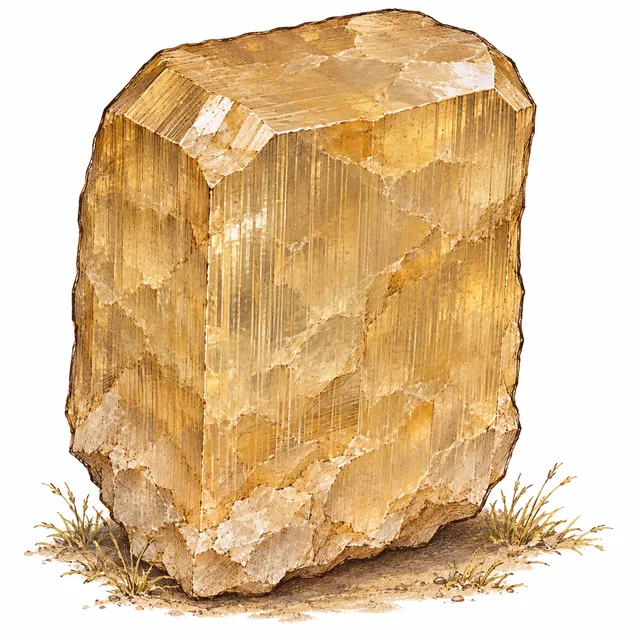
Selenites, whose name in Latin means moonstone, because its inner brightness is said to wax and wane with the moon, is formed in Persia.
– Isidore of Seville, Etymologiae, 1911, XVI, 4, 6.[1]
Its brightness, according to the account, increases and decreases. A person turning a stone in strong light can readily make a bright patch vanish and return. Isidore’s sentence requires a different act of imagination. Here the change follows the course of the moon. The stone might remain in the same place while the strength of its shine alters with the passing days. A reader must put time into what initially looks like the description of an ordinary specimen.
Isidore signals that he is passing on a report. The familiar rhythm of the visible moon gives his readers a way to picture the process attributed to the stone. That rhythm alone hardly permits a secure identification with a modern mineral species. It does, however, bring out a feature of medieval descriptions that a cabinet of specimens might conceal. What distinguished a stone could include something people said it did over the course of a succession of nights.
 Search
Let these speak loudly forth; let us speak out aloud: to the loud speaking Pressing-stones address the speech; When, rich with Soma juice, Stones of the mountain, ye, united, swift to Indra bring the sound of praise.
We must consider that the many-coloured appearances of stones denote either as white, the luminous; or as red, the fiery; or as yellow, the golden; or as green, the youthful and the full grown; and within each likeness you will […]
Pseudo-Dionysius the Areopagite (c. 500)
 On the Heavenly Hierarchy · 1899 · p. 63
Wording of the English edition.
[…] and in stones there is a petrifying quality, vapour or steam, that doth turn the matter aggregated, into the nature of this or that stone; as in flint, to flint; in greet, or free-stone, to the like.
“For,” I argued, “who can tell but this cave may be the home of Marble, and this, essential Marble—that spirit of marble which, present throughout, makes it capable of being moulded into any form?”
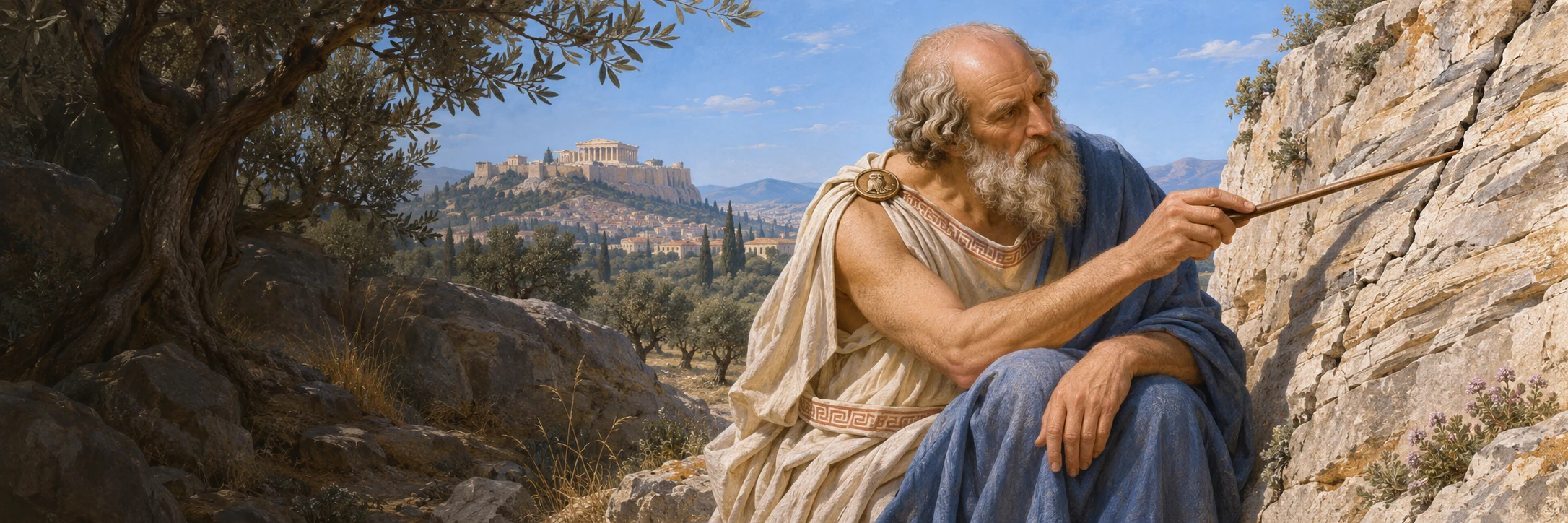
Thus earth, when compressed by air into a mass that will not dissolve in water, forms stone; of which the transparent sort made of equal and uniform particles is fairer, while that of the opposite kind is less fair.
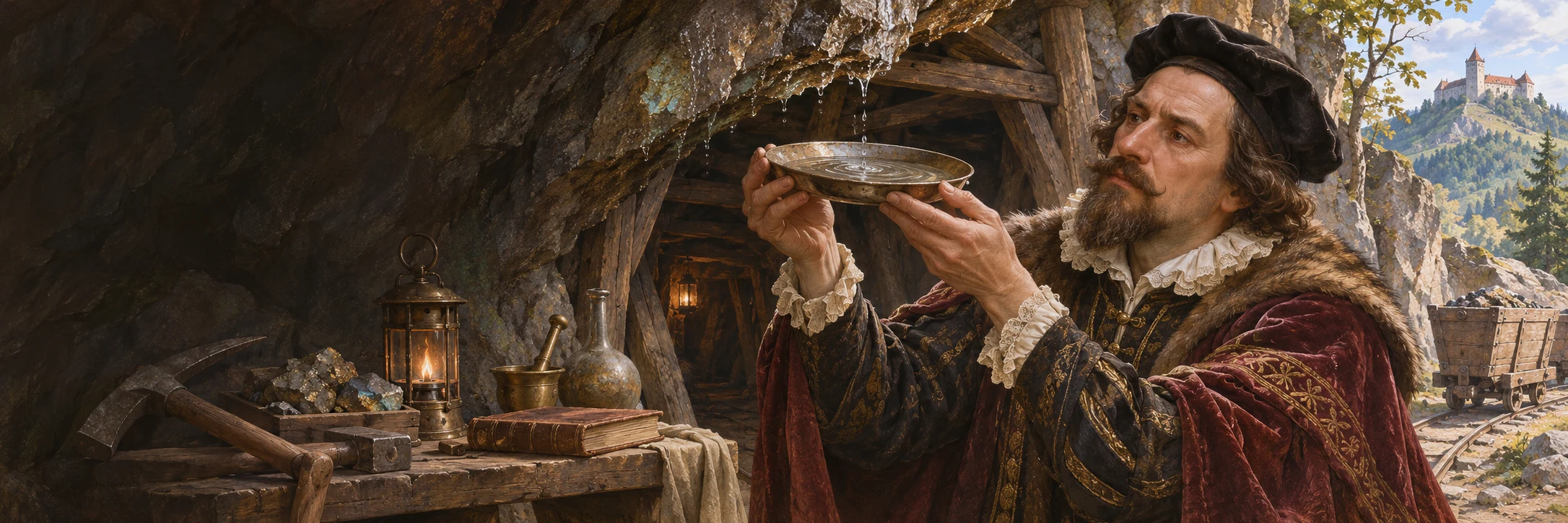
When the four Elements distill their vapour into the center of the earth, and the Archeus of nature sends forth the same, and sublimes it; this whilest it passeth through places, and the pores of the earth, takes along with it […]
Michael Sendivogius (1566–1636)
A New Light of Alchymie · 1650 · p. 14
Wording of the English edition.
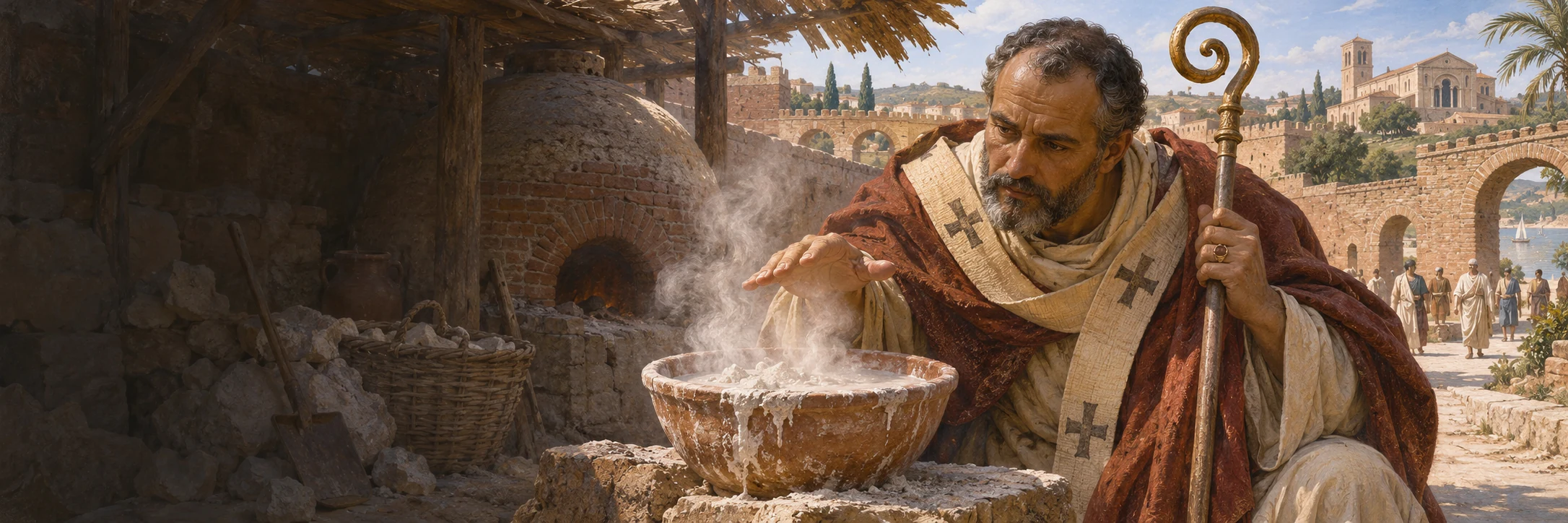
And therefore we call it quicklime, the invisible fire being as the soul of that visible body. But the wonder is that when it is killed it is quickened.
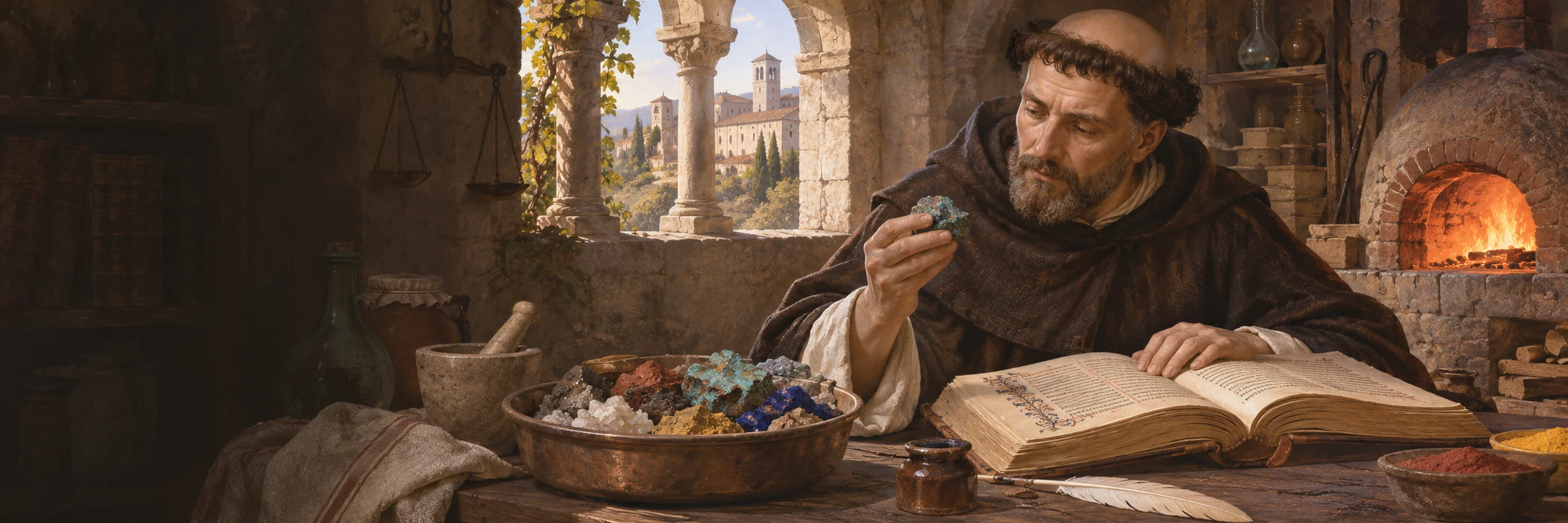
So our Stone is borne, and come out of one confused masse, containing in it the foure Elements, which is created of God, and by his sole miracle our stone is borne.
Hortulanus (Middle Ages)
Commentary on the Emerald Tablet · 1597 · p. 20
Wording of the English edition.
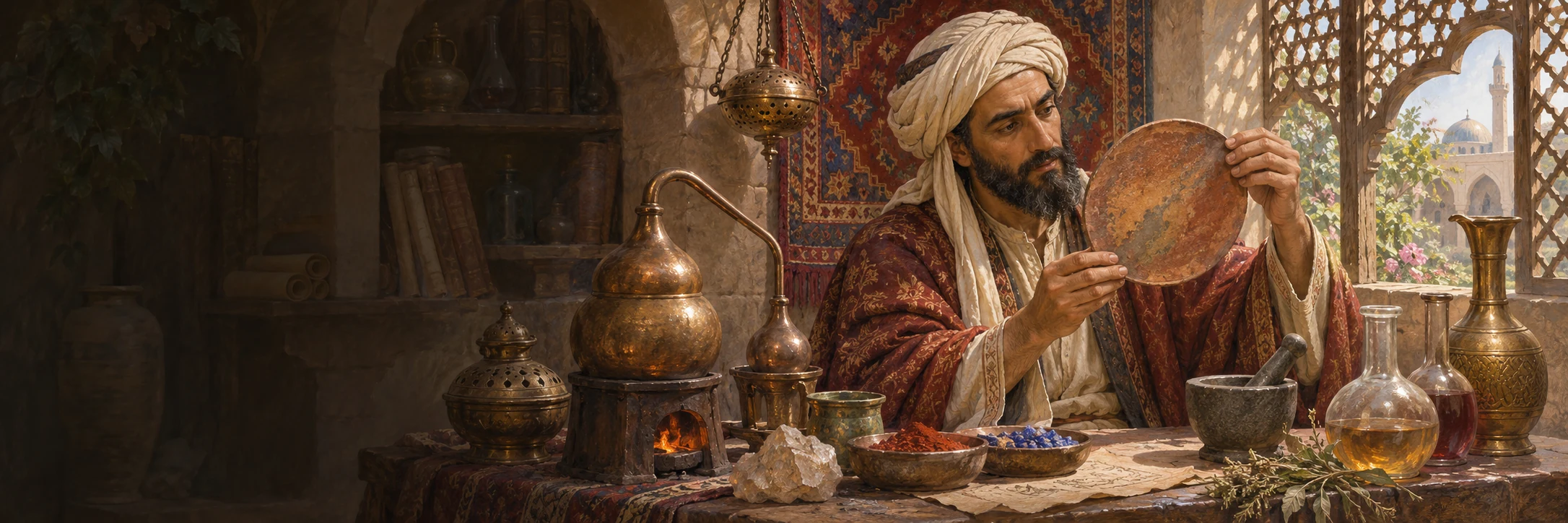
I notify to posterity that the rotundum turns into four elements, and is derived out of one thing.
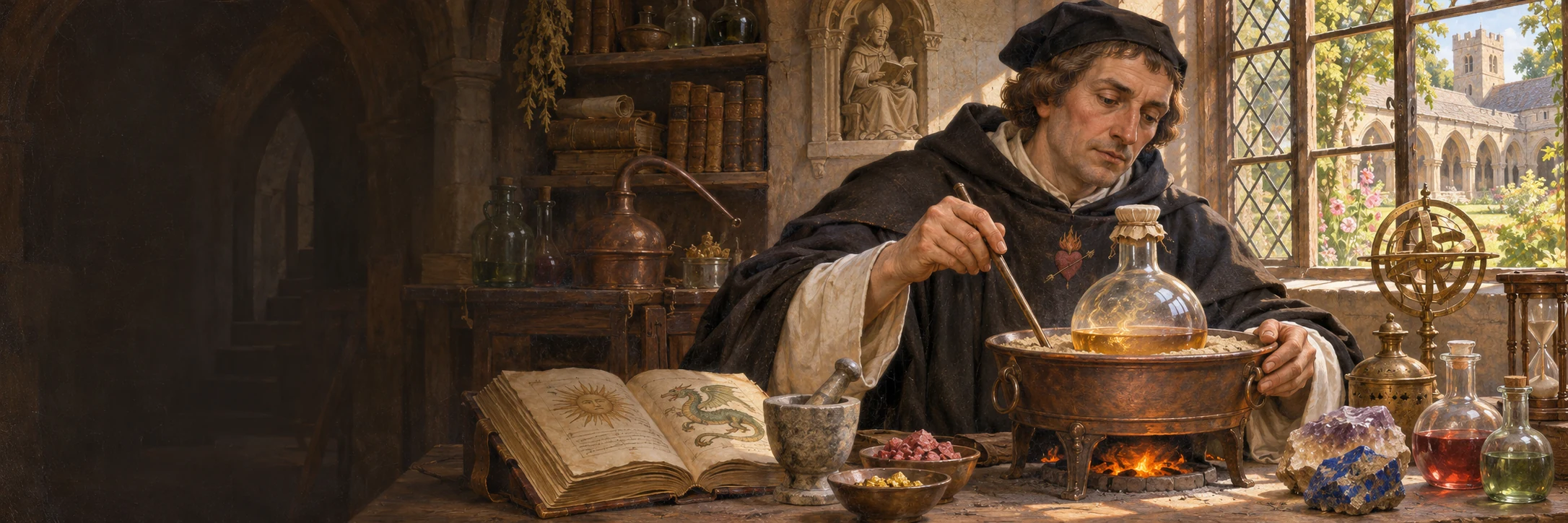
And in one Glas wyth one governaunce 4 Naturs turne into one.
George Ripley (15th c., d. c. 1490)
The Compound of Alchymy · 1652 · p. 188
Wording of the English edition.
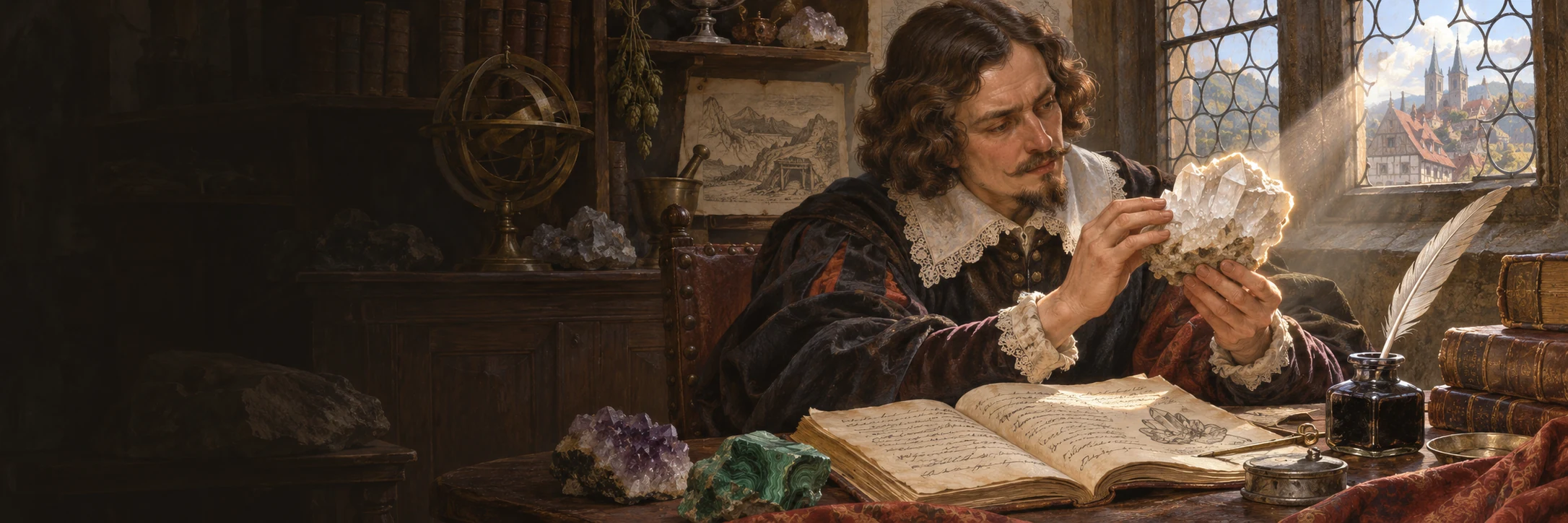
O thou that resemblest Nature, which dissolvest her tractable nature, that exaltest Nature—that art crowned with light, and preservest in thyself the four elements, out of which the quintessence is made!
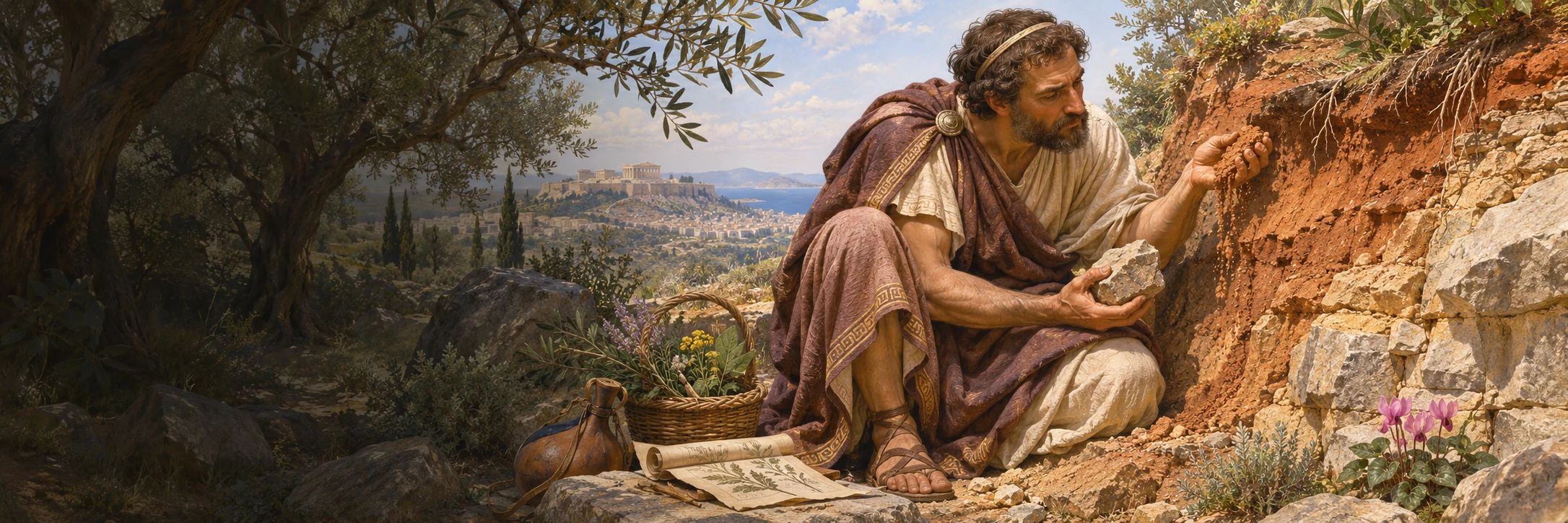
Of Things formed in the Ground, some have their Origin from Water, others from Earth. Water is the Basis of Metals; as Silver, Gold, and the rest: Earth of Stones; as well the more precious, as the common […].
Theophrastus of Eresus (c. 371–c. 287 BCE)
Wording of the English edition.
 Cart