The Christian author who wrote as Dionysius the Areopagite was a Greek-speaking theologian of late antiquity, probably active around 500 CE. In his work on the celestial hierarchy he considers the images through which biblical writers speak about beings that escape ordinary sight. An object familiar from a workshop or a piece of jewellery can consequently become the starting point of a demanding exercise in interpretation.
Giving light a colour
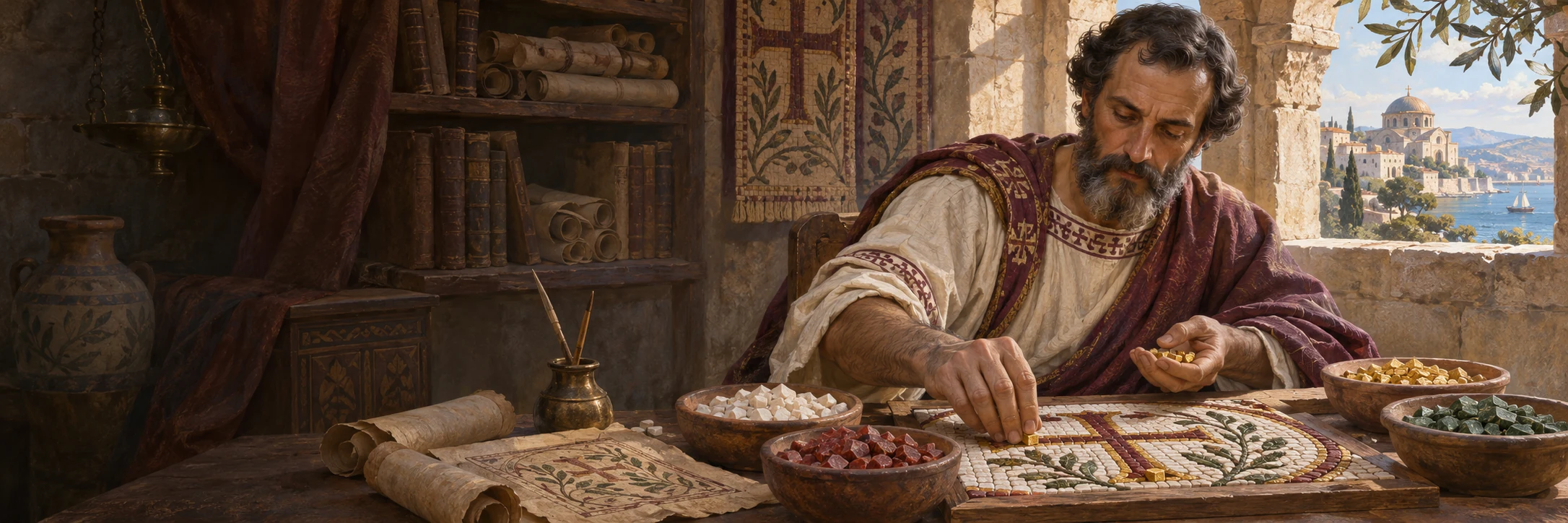
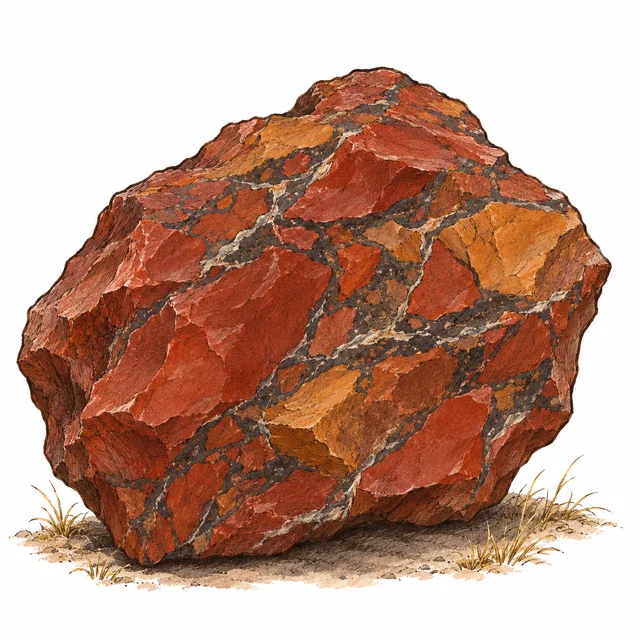
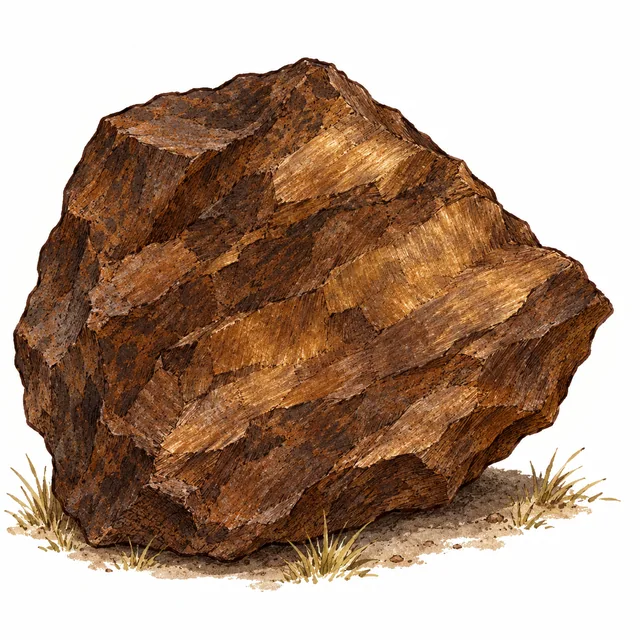
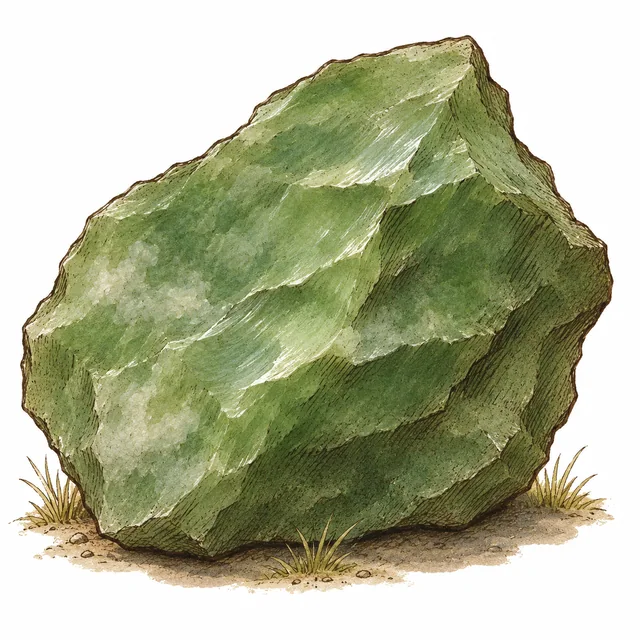
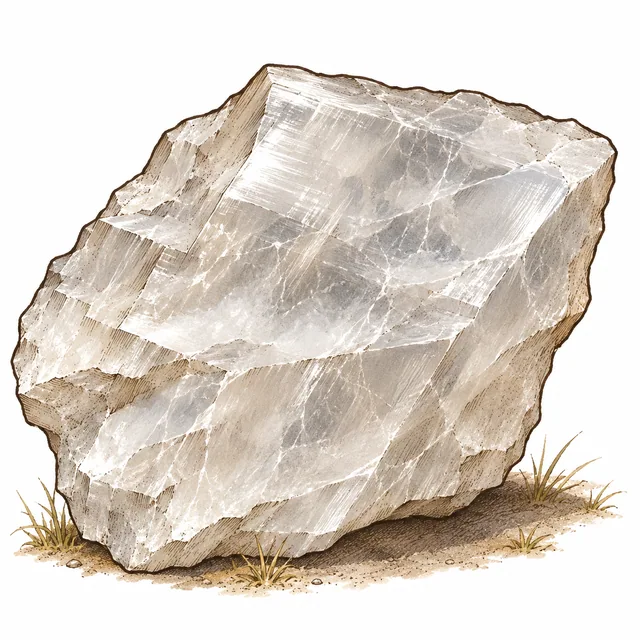
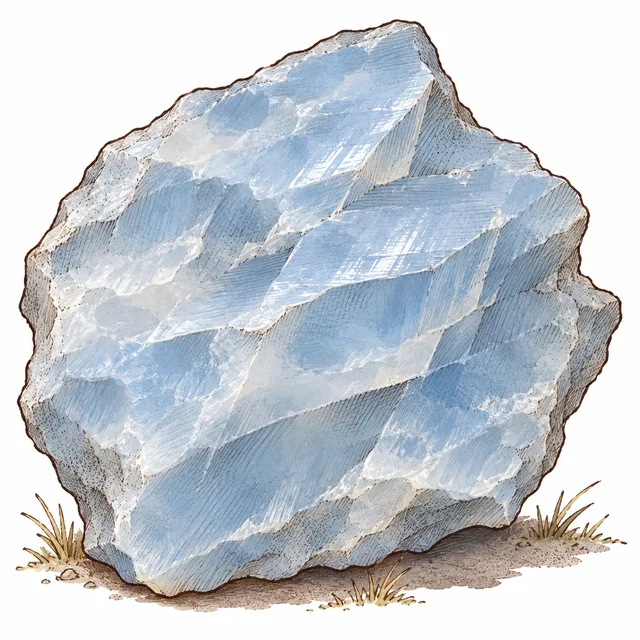
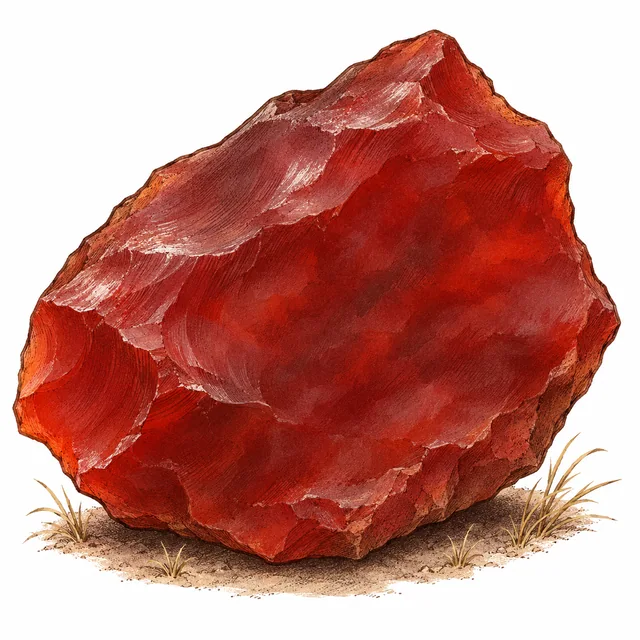
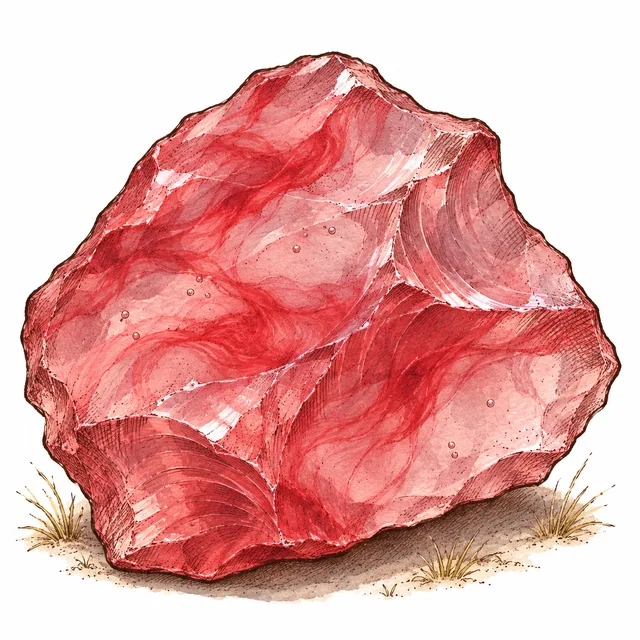
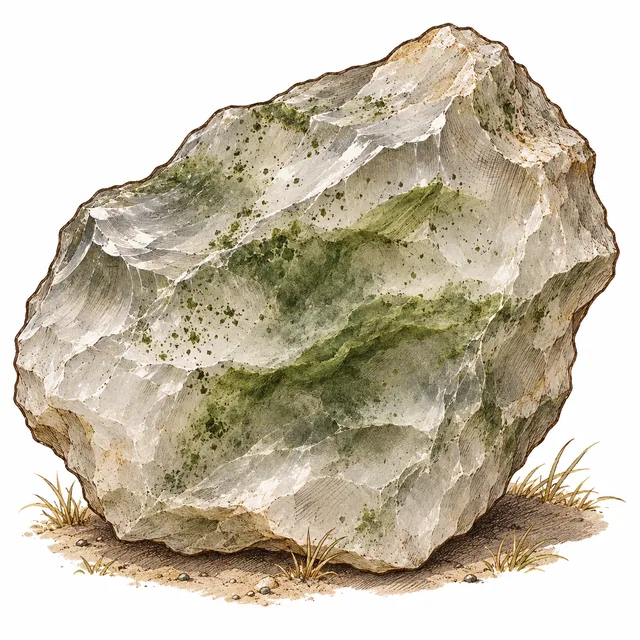
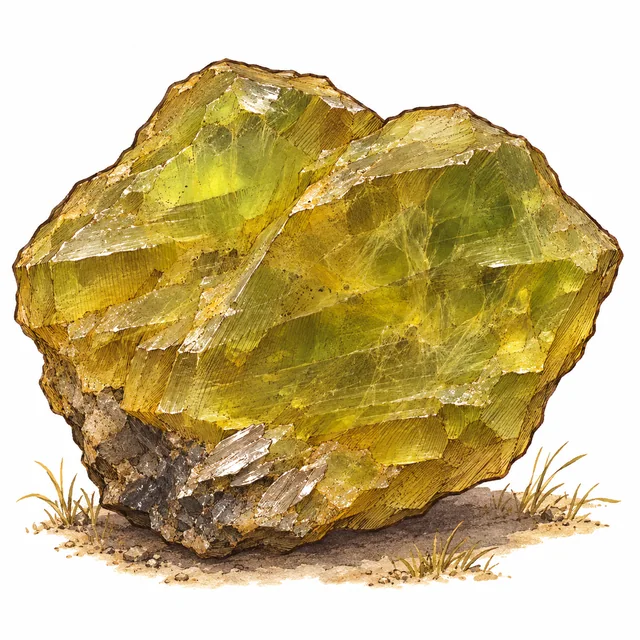
We must consider that the many-coloured appearances of stones denote either as white, the luminous; or as red, the fiery; or as yellow, the golden; or as green, the youthful and the full grown; and within each likeness you will find an explanation which teaches the inner meaning of the typical images.
– Pseudo-Dionysius the Areopagite, On the Heavenly Hierarchy, 1899, p. 63.[1]
The stones of different colours are considered one by one. White recalls light, while red calls up fire. A difference is already apparent between these first two examples. A pale surface enables the reader to imagine brightness. Red brings the experience of heat and movement into play as well. When green suggests youth and flourishing, a mineral colour even evokes a season and another form of life. The specimen can lie quite still in the hand while its colour draws several experiences into the mind.
What the comparison asks of a reader
For Dionysius the question is how to pass from a feature available to sight to a quality that remains invisible. A reader content to picture an angel as a red or green object would have completed only the first half of the movement. To follow the interpretation one must ask what matters about light, fire or youthful growth. The stone thus performs a demanding task. It supplies something the reader can grasp while also showing when thought needs to move beyond the material in the hand.

 Phone: +43 677 628 66 628 |


 Search
 The Composition of the World · 1858 · p. 109
 Cart