
 Phone: +43 677 628 66 628 |


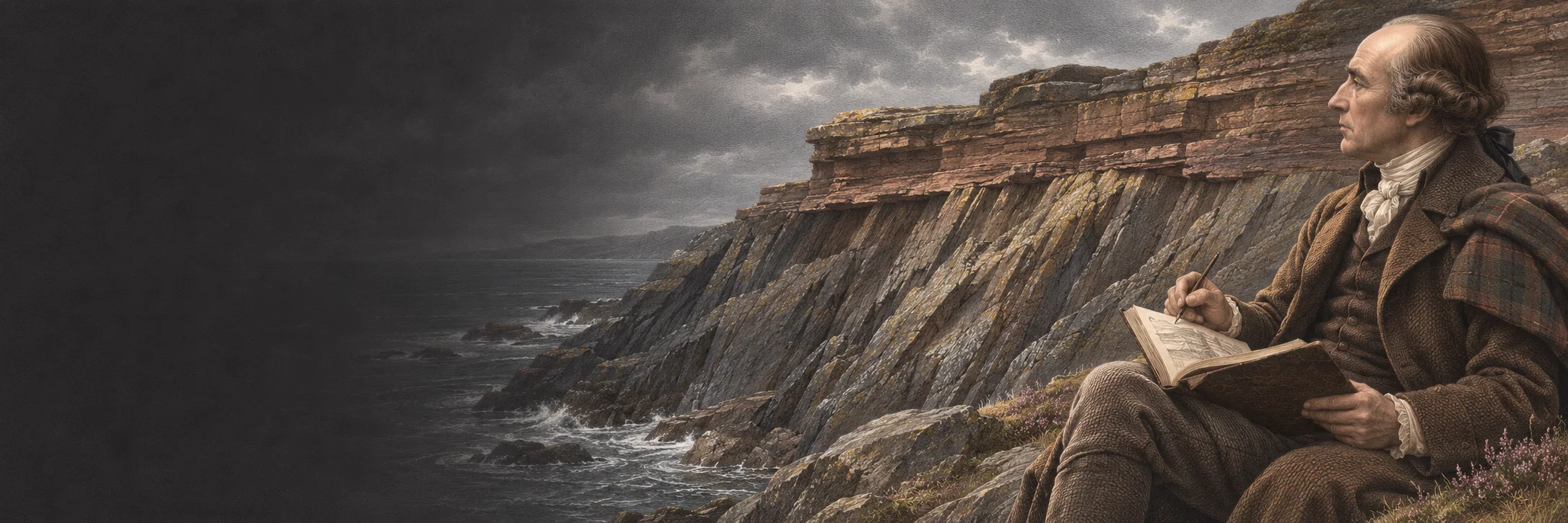
James Hutton
The result, therefore, of our present enquiry is, that we find no vestige of a beginning,—no prospect of an end.
James Hutton (1726–1797)
 Transactions of the Royal Society of Edinburgh, I · p. 304
Original wording
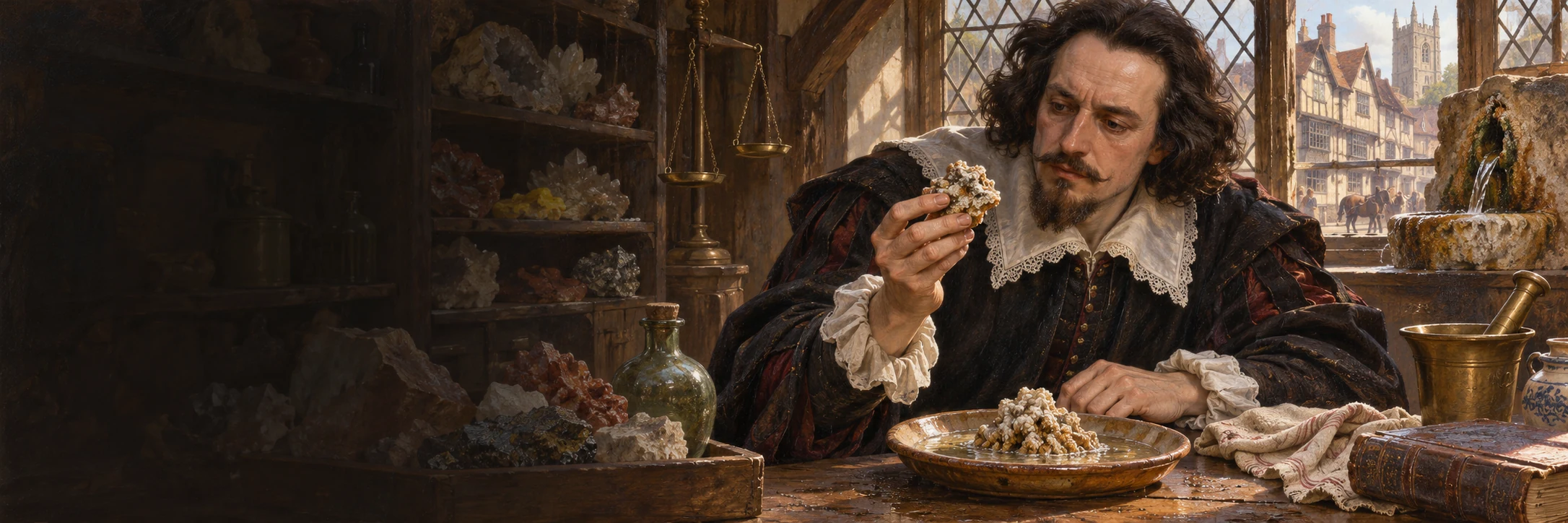
John Webster (1610–1682), an English physician and naturalist, examines the origins of metals and stones in his Metallographia. A difficulty interests him that one can easily overlook in a collection. Each specimen is already complete when it goes on display and may even have a name attached. Anyone asking how it came into existence has to imagine a time when its material had yet to acquire this particular form.
[…] and in stones there is a petrifying quality, vapour or steam, that doth turn the matter aggregated, into the nature of this or that stone; as in flint, to flint; in greet, or free-stone, to the like.
– John Webster, Metallographia, 1671, p. 46.[1]
Webster distinguishes matter gathering in a place from the property that makes it become a certain kind of stone. For the latter he draws on the language of vapour and exhalation. A vapour can spread and enter small spaces without already having the outline of the solid that will ultimately appear. This freedom of movement makes the image useful to his argument. On such a model a visible outline need not be present in the material from the beginning.
The modest expression about this or that stone makes a real difference. To say simply that something grew hard would leave Webster unsatisfied. The same words would apply to a great many unlike specimens. He wants a reason for the particular character of the stone that emerges. His language records an attempt to pass from a general account of change to an explanation of an individual result. A labelled object in a cabinet would be a place to begin that enquiry, with much of its history still to discover.
 Search
The result, therefore, of our present enquiry is, that we find no vestige of a beginning,—no prospect of an end.
James Hutton (1726–1797)
Transactions of the Royal Society of Edinburgh, I · p. 304
Original wording
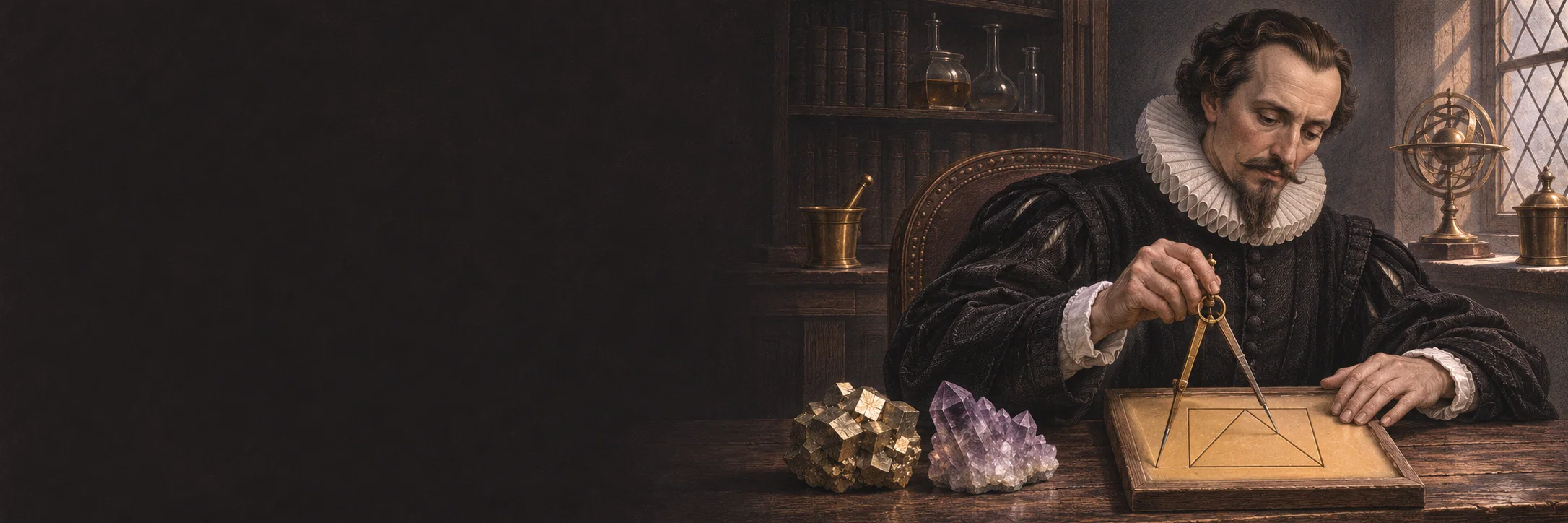
The stone is a triangle in essence and a quadrangle in quality.
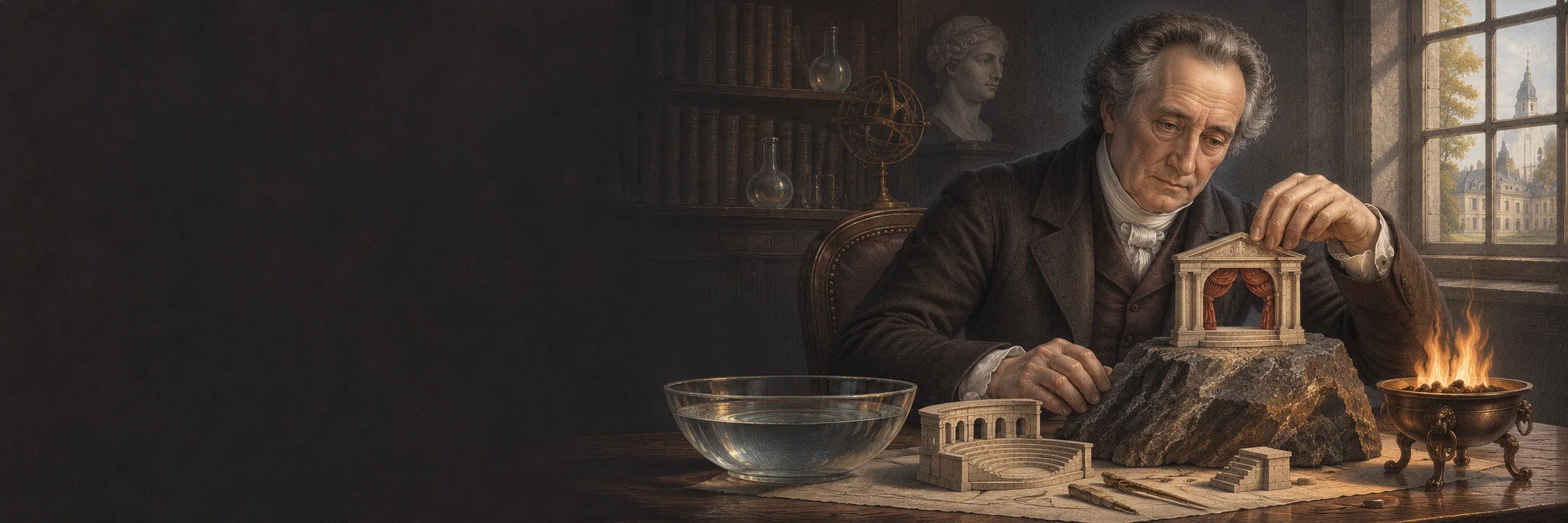
Anaxagoras: Through fiery vapour this rock came to hand. Thales: In moisture living things arose.
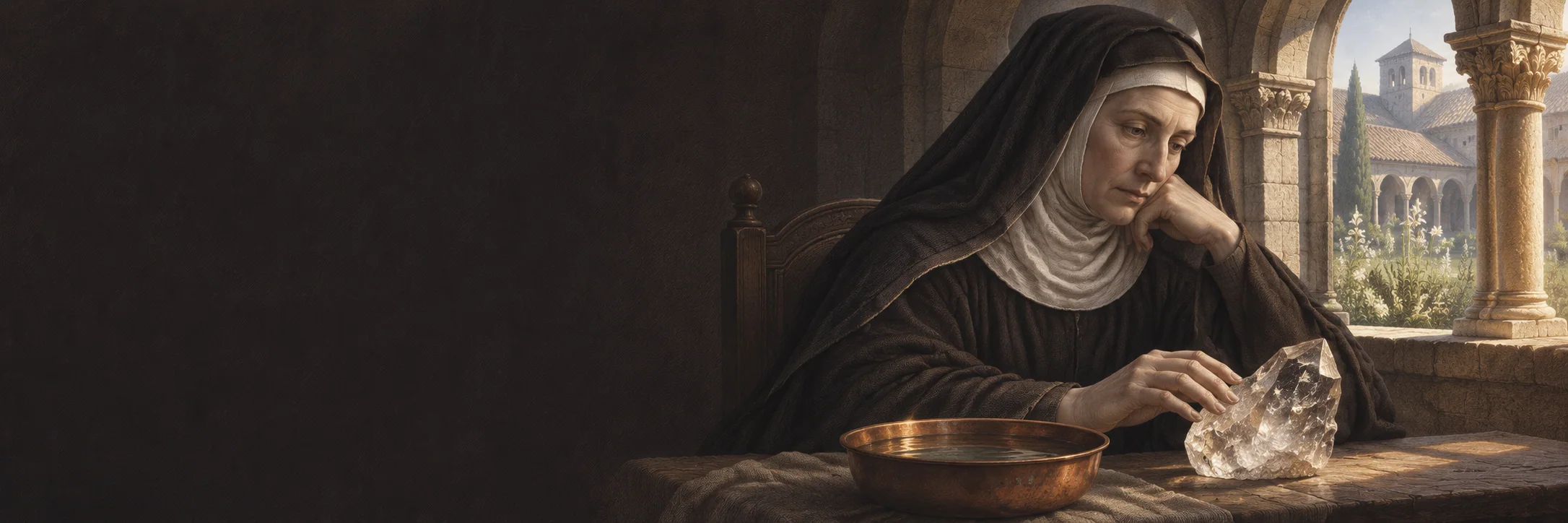
[…] the heart of the water congeals into firmness. […]
Hildegard of Bingen (1098–1179)
Physica, Patrologia Latina 197 · col. 1263
Our translation; unclear opening construed from context · excerpt
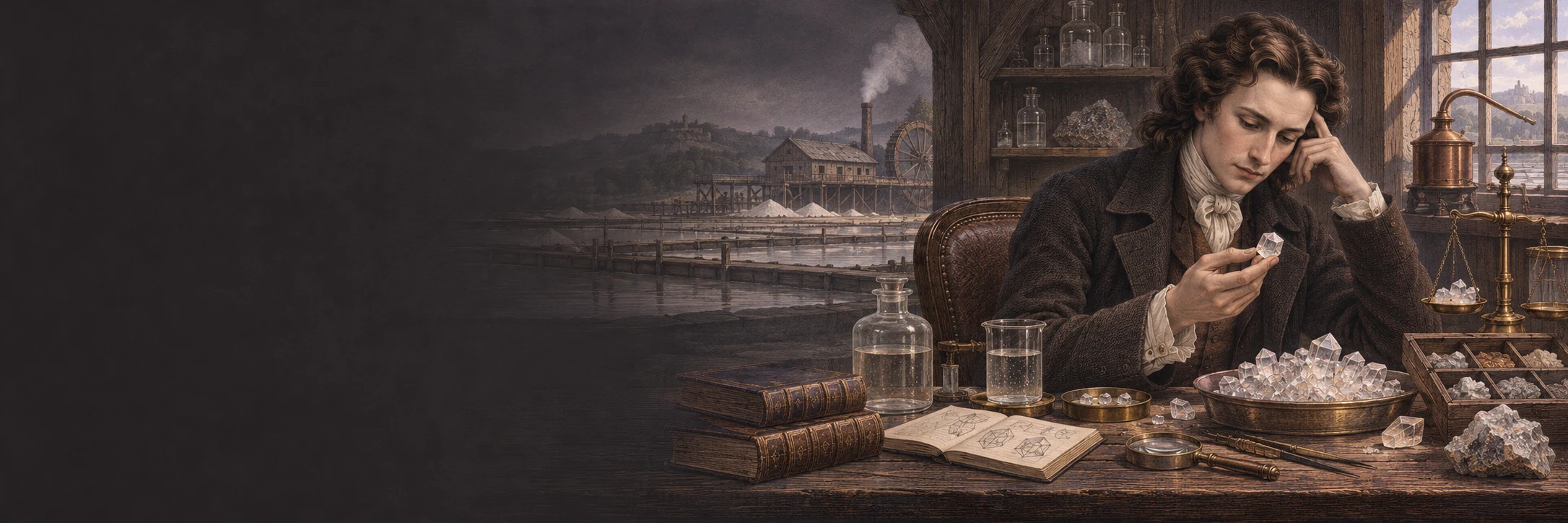
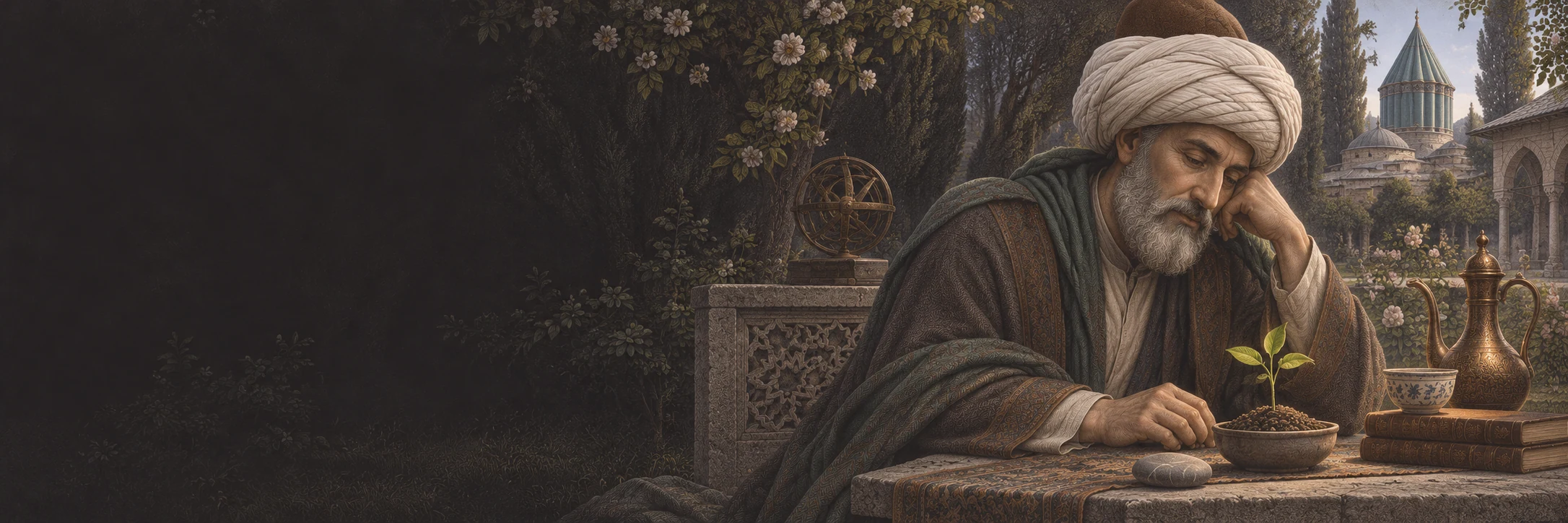
Look! I died as stone and sprang up as a plant
Dschalāl ad-Dīn Rūmī (1207–1273)
Excerpt. Our translation of Friedrich Rückert’s German rendering


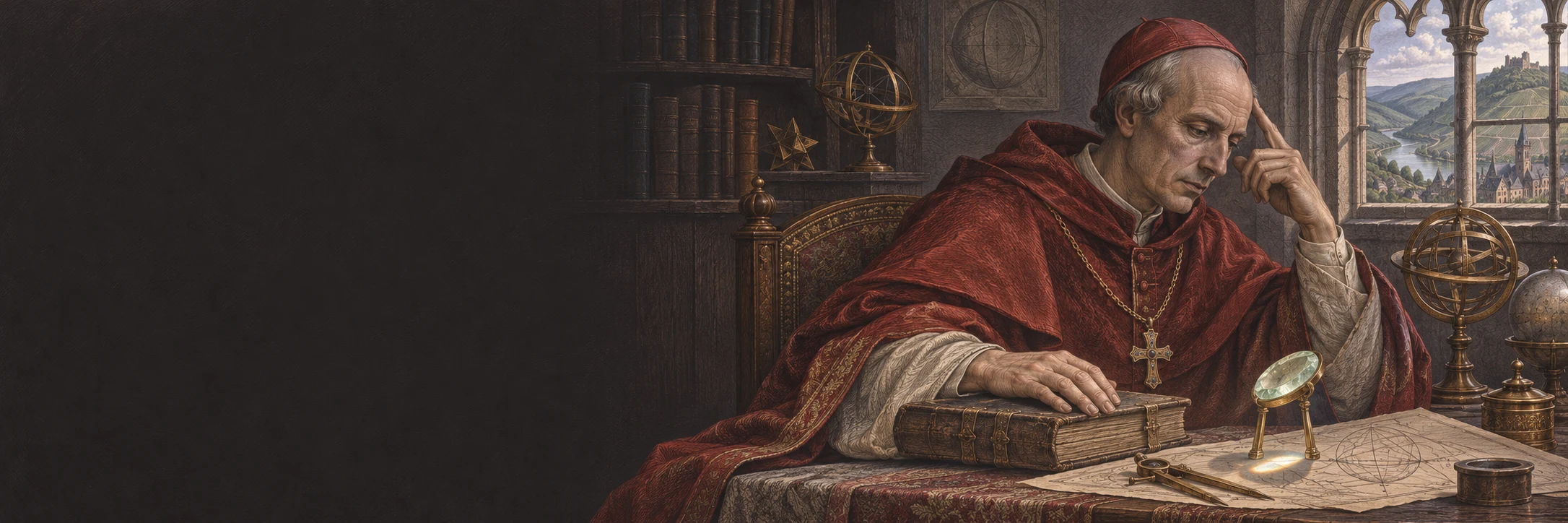
Beryl is a bright, white, transparent stone. It is given a shape both concave and convex, and the person looking through it reaches what was previously invisible.
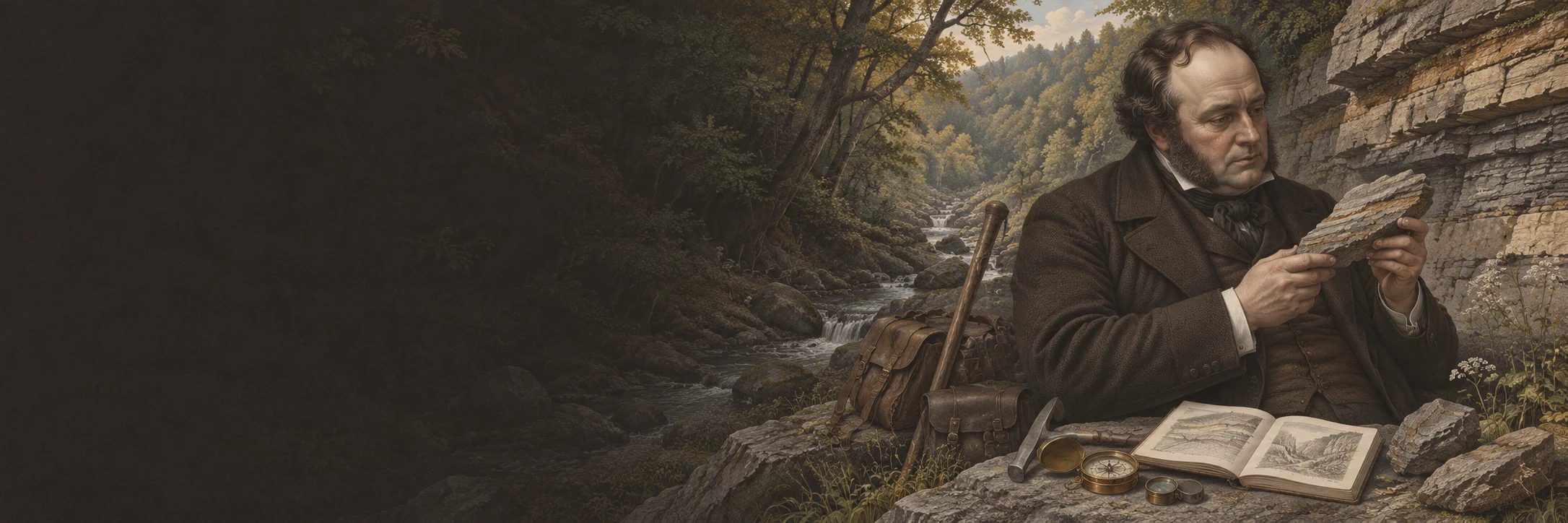
The earth itself keeps the sources for its history within it, as in a vault of records, sources perhaps set down in millions of documents. What matters is that we learn to read them and do not falsify them through zeal and the urge to be right.
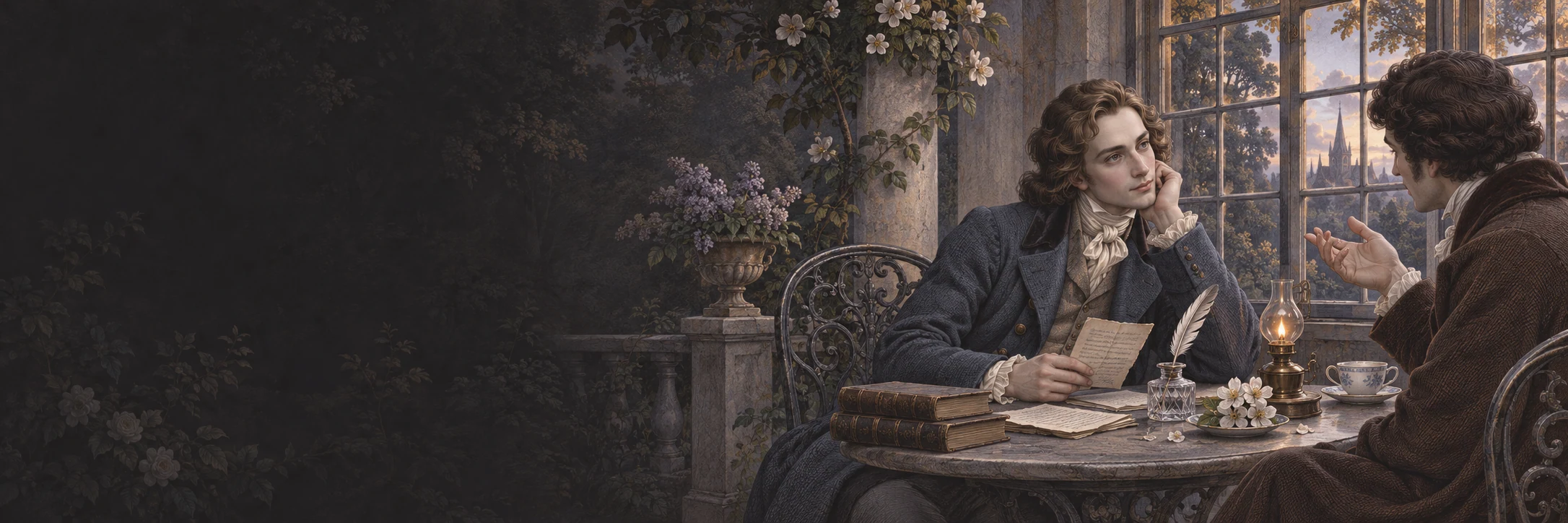
People are crystals for our inner life. They are nature made transparent.

As for precious stones such as carbuncle, ruby, emerald, delphin, onyx and the like, the finest of stones, they have their origin where the flash of light arose in love.
 Cart