
 Phone: +43 677 628 66 628 |


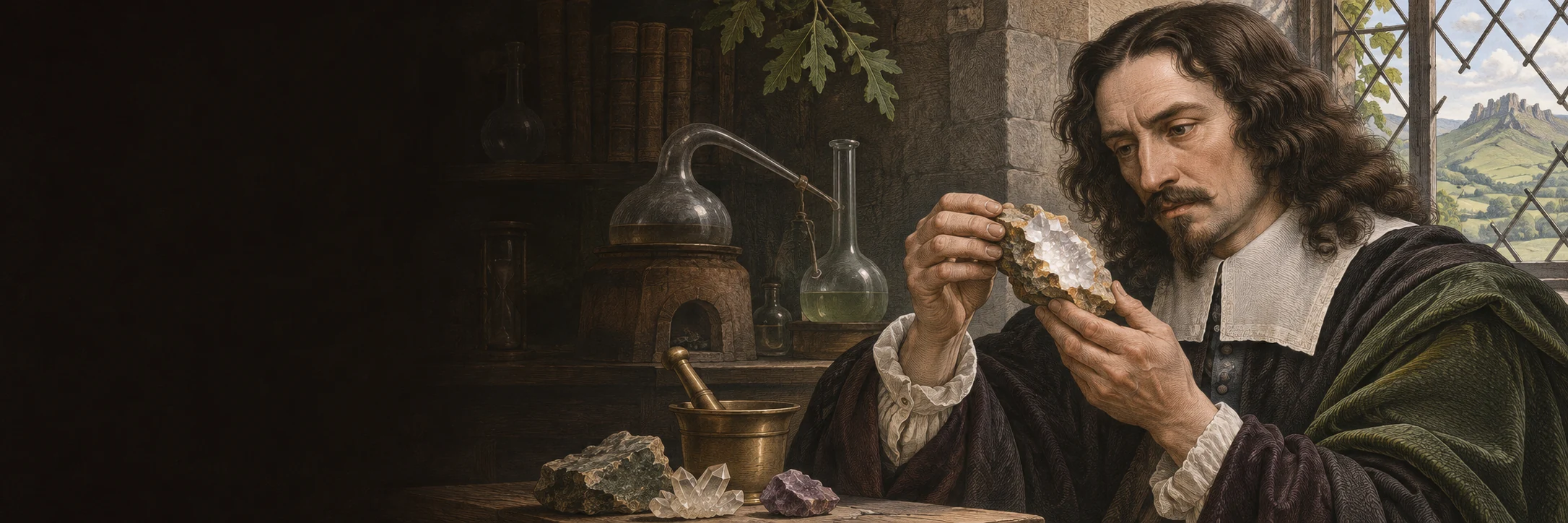
Thomas Vaughan
All these things have a lumpish, ineffectual outside, but inwardly they are full of a subtil, vital limositie impregnated with fire, and this nature makes use of in generations, wherefore wee call it the sperm […].
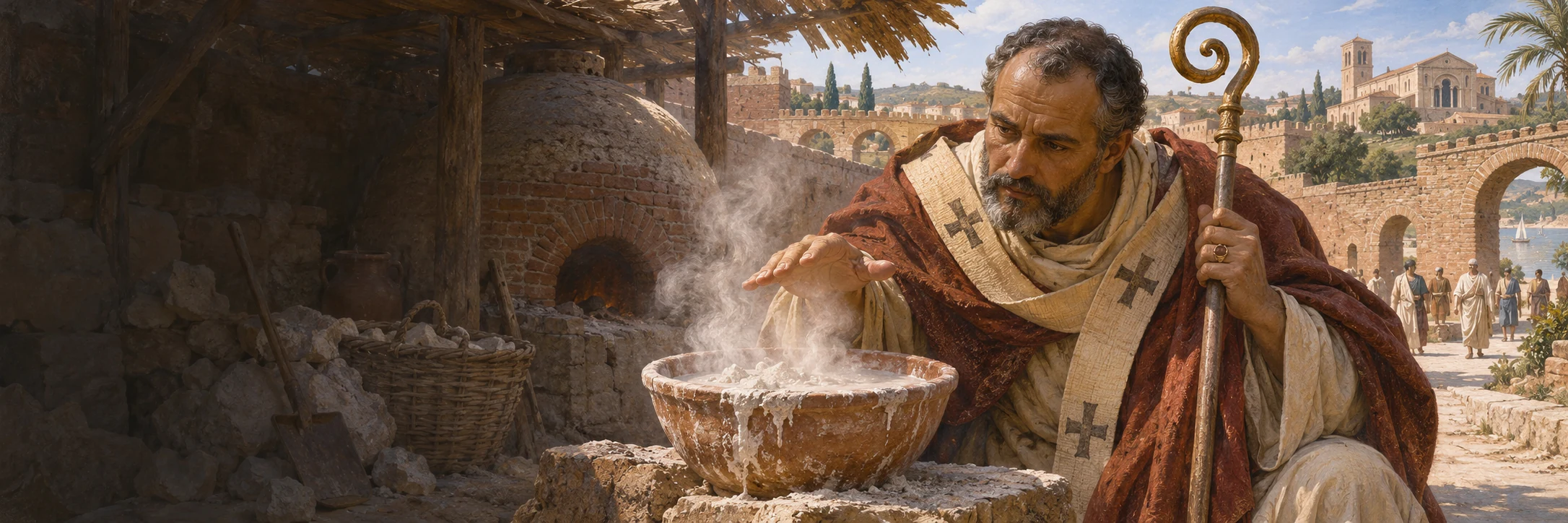
Augustine (354–430), a Latin-speaking theologian from Roman North Africa and bishop of Hippo, sometimes chooses examples in The City of God that would have been familiar to a builder. One of them is quicklime. A dry piece gives little outward indication of the heat that can develop when water reaches it. For Augustine that discrepancy is precisely the reason to give the material more than a passing glance.
And therefore we call it quicklime, the invisible fire being as the soul of that visible body. But the wonder is that when it is killed it is quickened.
– Augustine of Hippo, The City of God, 1909, p. 296.[1]
The expression for living lime allows him a play on words. We imagine an invisible soul belonging to a visible body. In a similar way, he suggests, the stone conceals something that discloses itself only in its effects. When water is added those effects become difficult to miss. A substance commonly used to put out a flame here provokes the release of heat. The observer’s ordinary expectation points in the wrong direction at the very moment it seems most reliable.
Augustine introduces the comparison during a discussion of what people may reasonably consider possible. Someone acquainted only with dry lime could reject an accurate description of its behaviour as incredible. This does not require Augustine to classify it as a living creature. The language of a soul gives a familiar shape to the idea of a hidden but effective property. The experience of heat demonstrates the distance between a confident first impression and a full account of what a body can do.
 Search
All these things have a lumpish, ineffectual outside, but inwardly they are full of a subtil, vital limositie impregnated with fire, and this nature makes use of in generations, wherefore wee call it the sperm […].
Ye mighty Kings, who for your lasting fames Built Cities, Monuments, call’d by your names, Were those compiled heaps of massy stones That your ambition laid, ought but my bones?
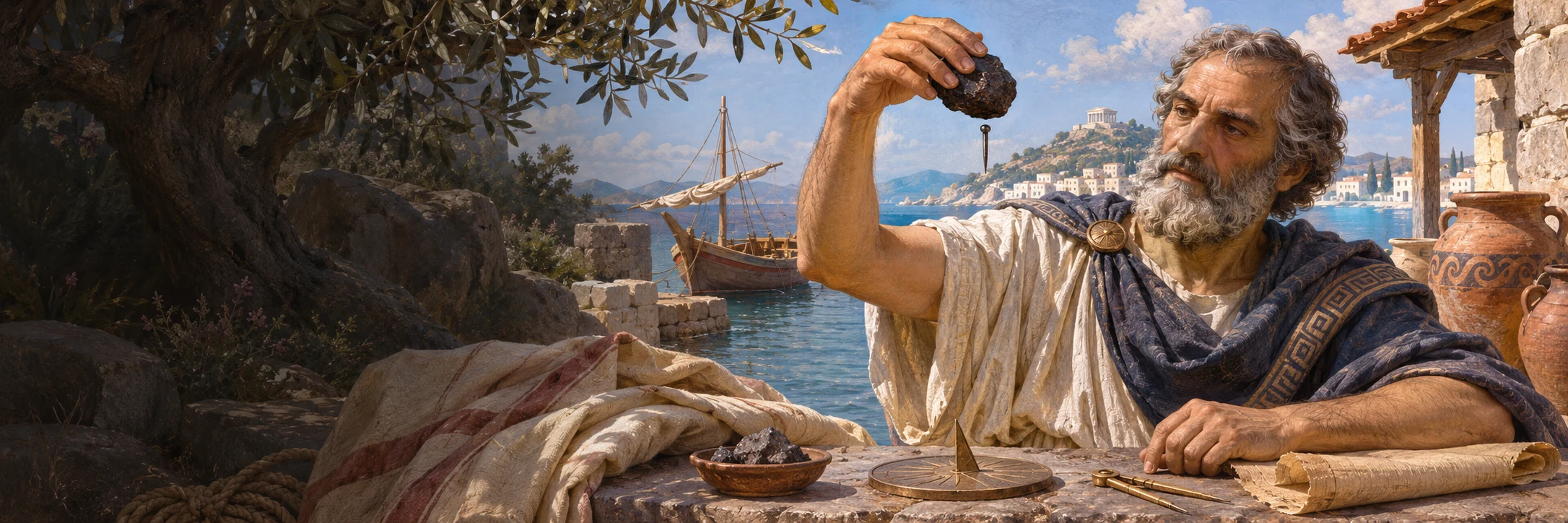
Thales also, according to the traditional stories of him, appears to have conceived of the soul as a sort of kinetic principle, if it be true that he said the loadstone has a soul because it moves iron.
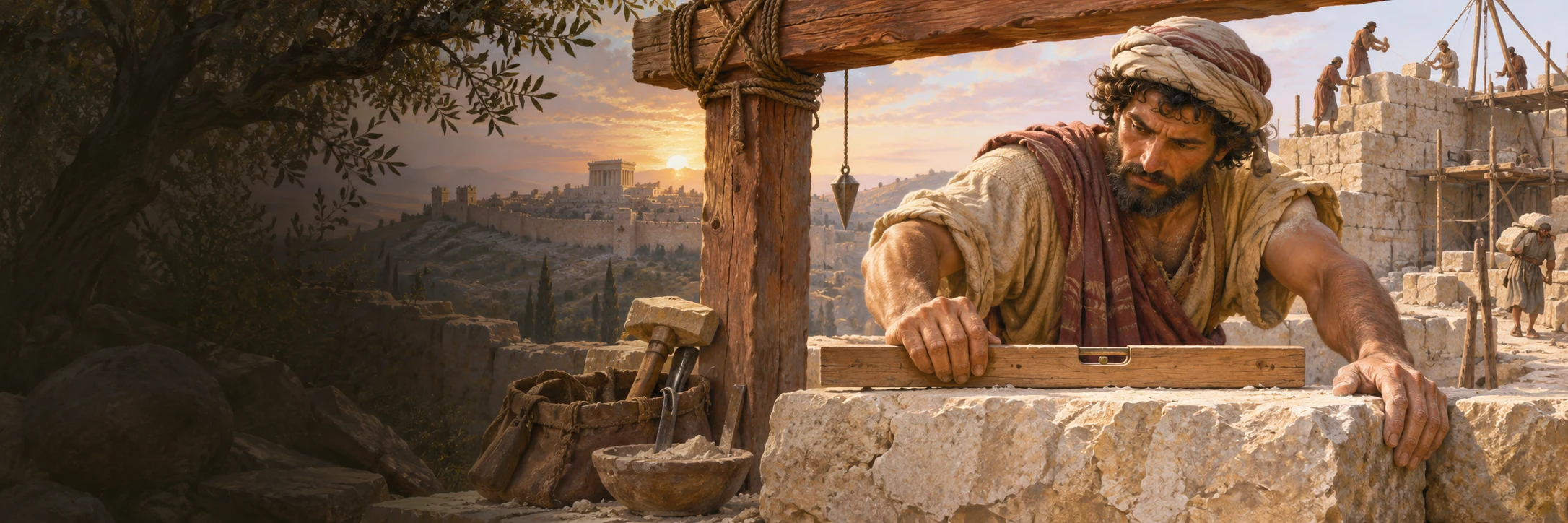
For even the stones in the wall will cry out, and the rafters in the timberwork will answer them.
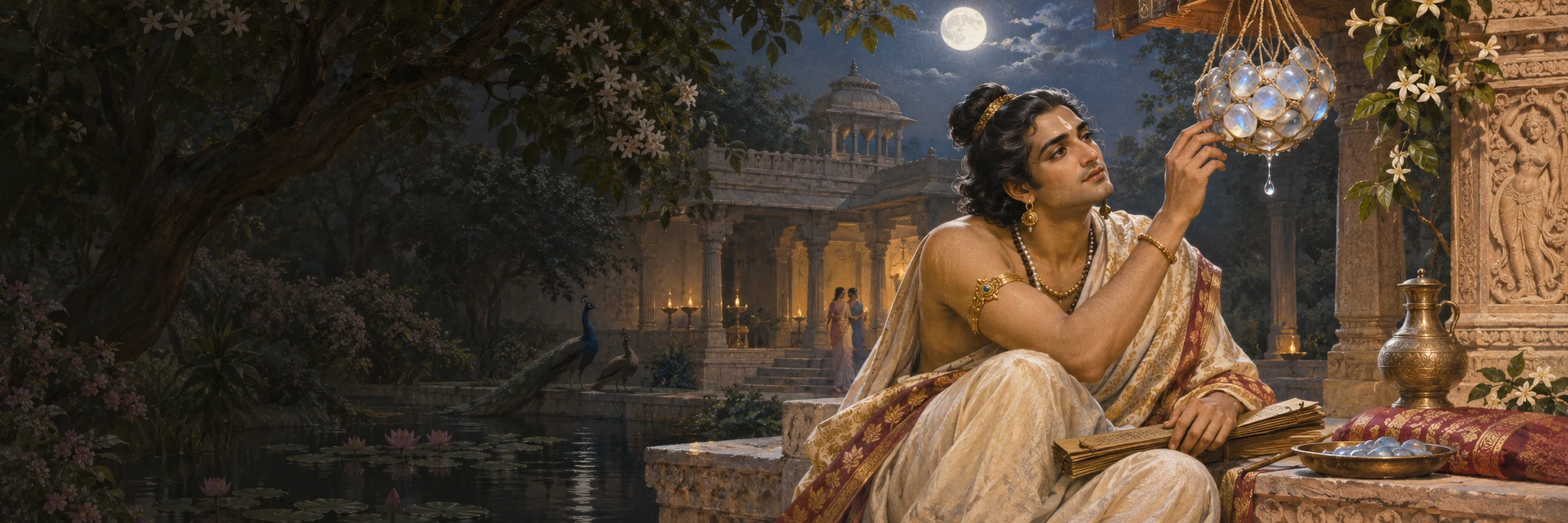
Where from the moonstones hung in nets of thread Great drops of water trickle in the night— When the moon shines clear and thou, O cloud, art fled— To ease the languors of the women’s plight Who lie relaxed and tired in love’s embraces tight.
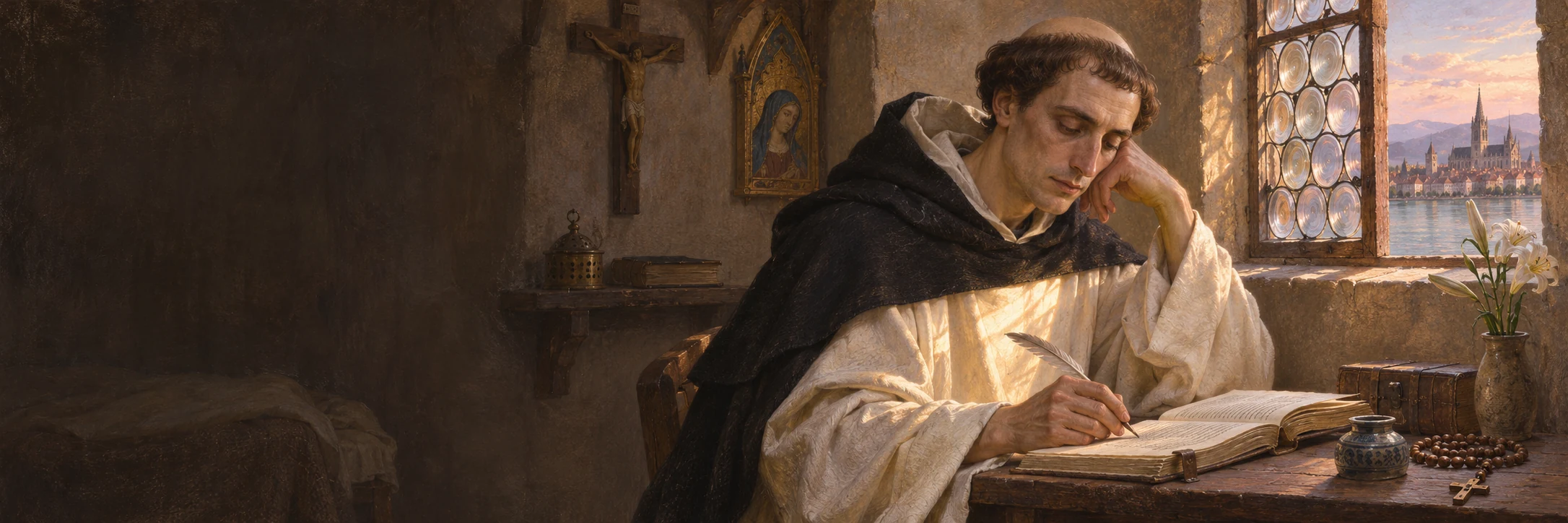
He looked immediately, and saw that his body over his heart was clear as crystal, and that in the centre of his heart was sitting tranquilly, in lovely form, the Eternal Wisdom; beside whom there sat, full of heavenly longing […]
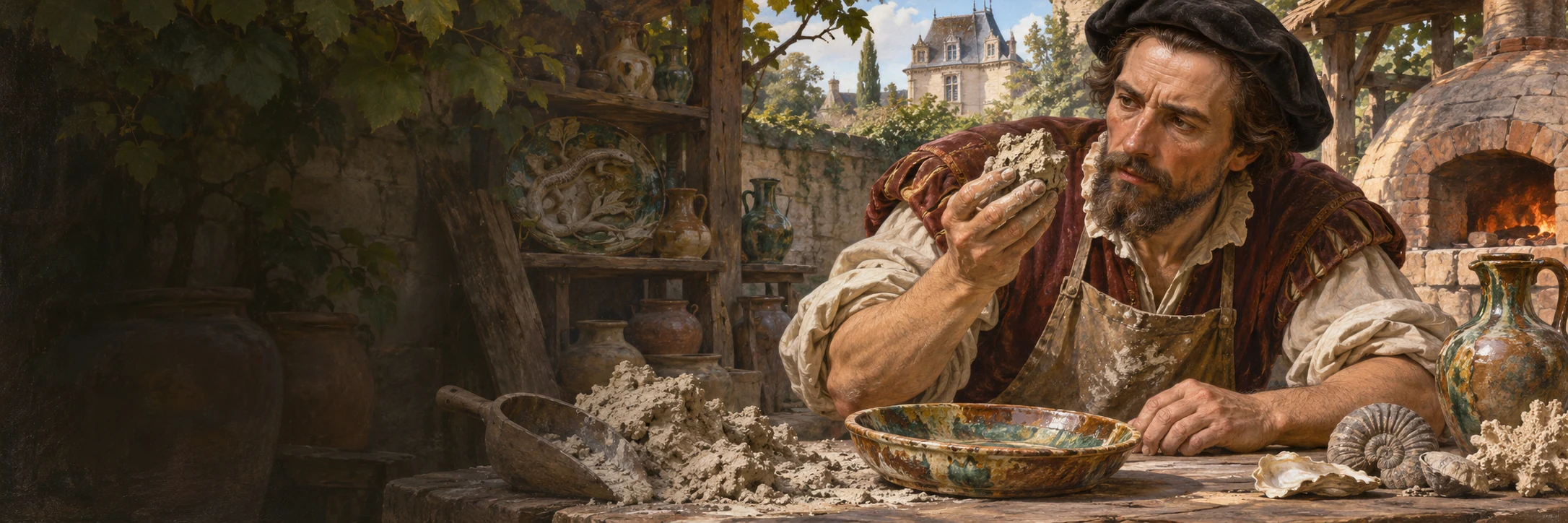
[…] that this seed or generative water does not serve only for the generation of stones, but is also the substance and source of all things that are animate and grow […].
Bernard Palissy (c. 1510–1590)
 Discours admirables · 1844 · p. 336
Our translation from the French edition.
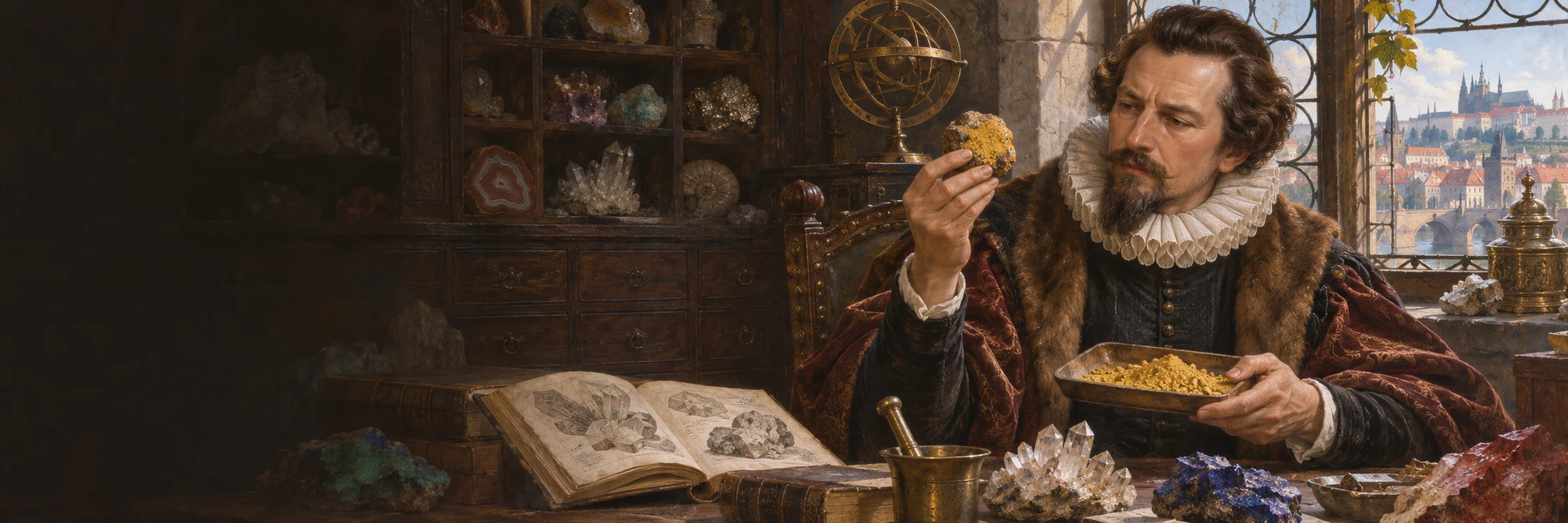
Any earth, then, that turns to stone or becomes a gem contains within it a stone-forming spirit as the immediate efficient cause of stones and gems. It is the nearer efficient cause of movement and of change towards form.
Anselmus Boetius de Boodt (1550–1632)
Gemmarum et lapidum historia · 1636 · p. 24–25
Our translation from the Latin edition.
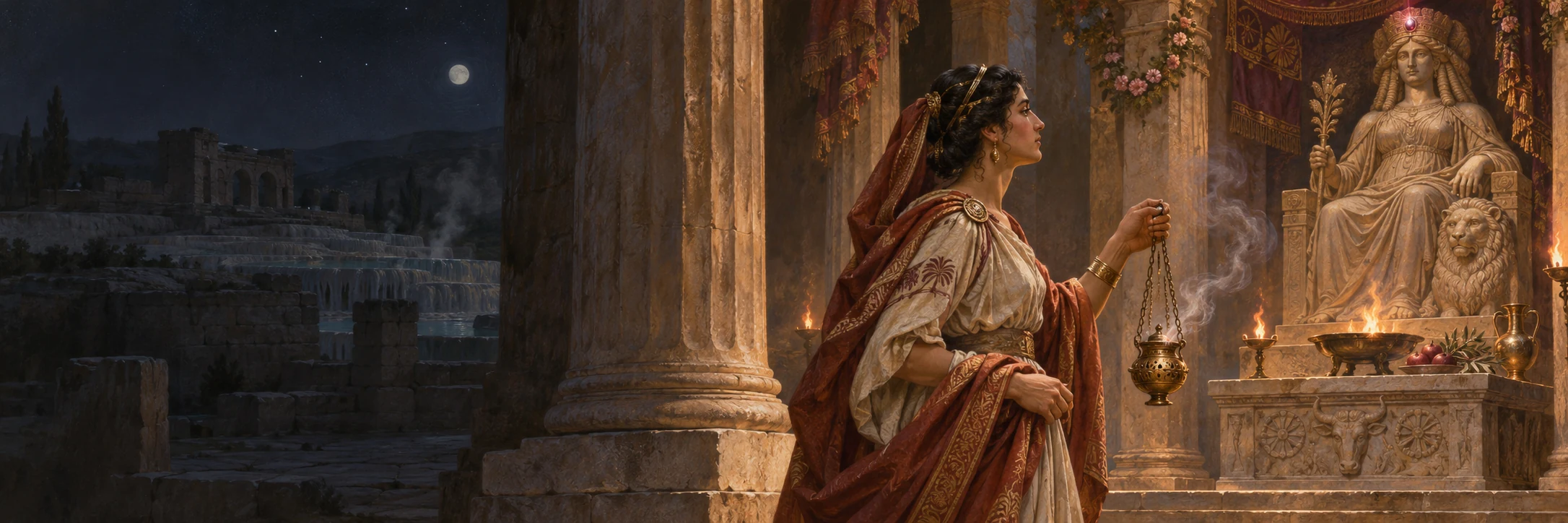
From this stone flashes a great light in the night-time, so that the whole temple gleams brightly as by the light of myriads of candles, but in the day-time the brightness grows faint; the gem has the likeness of a bright fire.
Attributed to Lucian (2nd c. CE)
On the Syrian Goddess · 1913 · p. 72
Wording of the English edition.
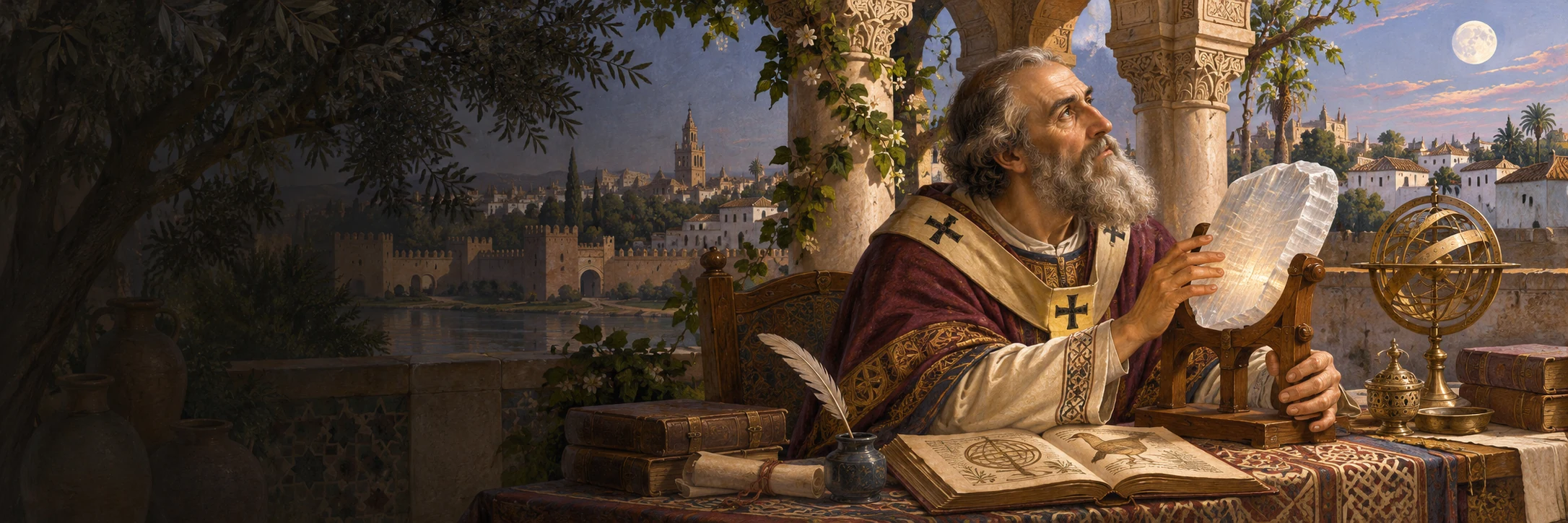
Selenites, whose name in Latin means moonstone, because its inner brightness is said to wax and wane with the moon, is formed in Persia.
Isidore of Seville (c. 560–636)
Etymologiae · 1911 · XVI, 4, 6
Our translation from the Latin edition.
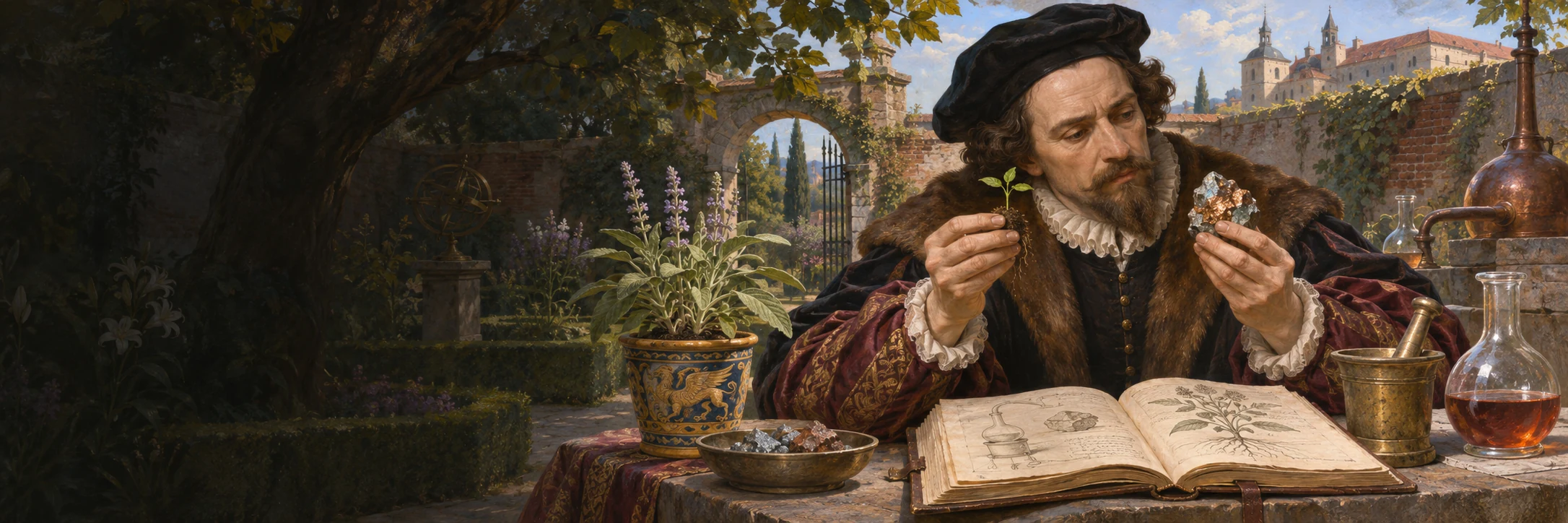
Now whilest the sperme is yet in the center, there may as easily be brought forth a tree, as a metall from the sperme, and assoone an hearbe, as a stone, and one more pretious then another, according to the purity of the place […].
Michael Sendivogius (1566–1636)
A New Light of Alchymie · 1650 · p. 8
Wording of the English edition.
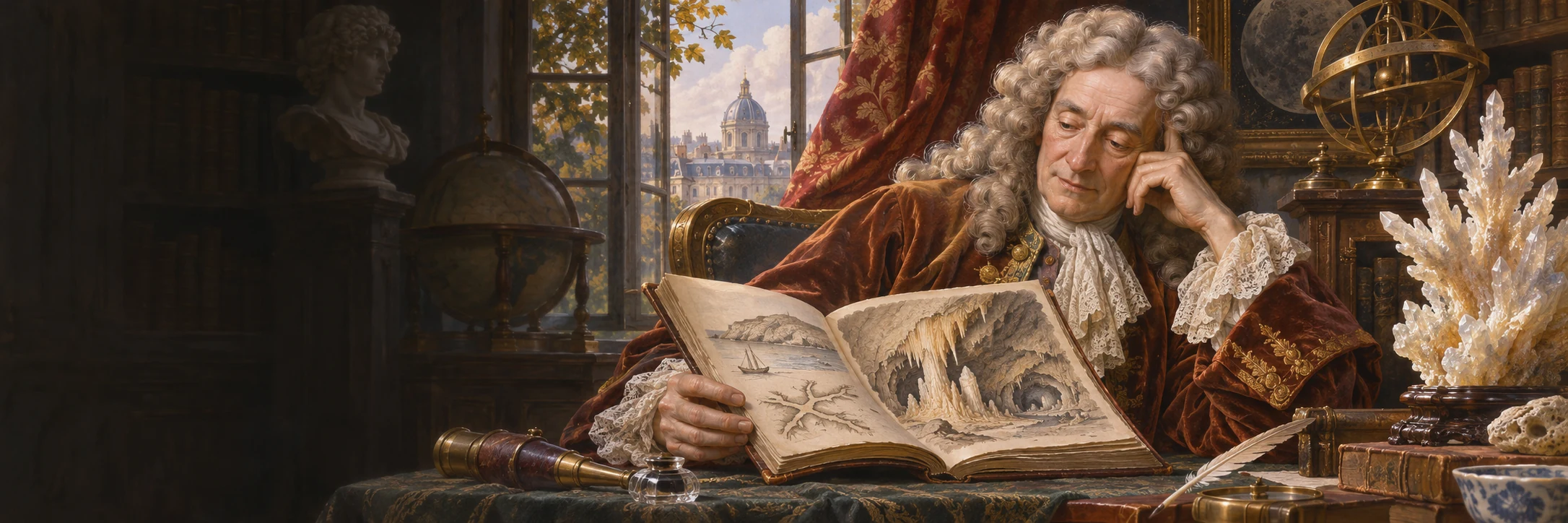
Monsieur de Tournefort had the keen pleasure of seeing there a new kind of garden. All its plants were different pieces of marble, still coming into being or young, which, to judge by all the circumstances of their formation, could only have grown.
Bernard Le Bovier de Fontenelle (1657–1757)
Éloge de M. de Tournefort · 1717 · Grotte d’Antiparos
Our translation from the French edition.
 Cart