
 Phone: +43 677 628 66 628 |


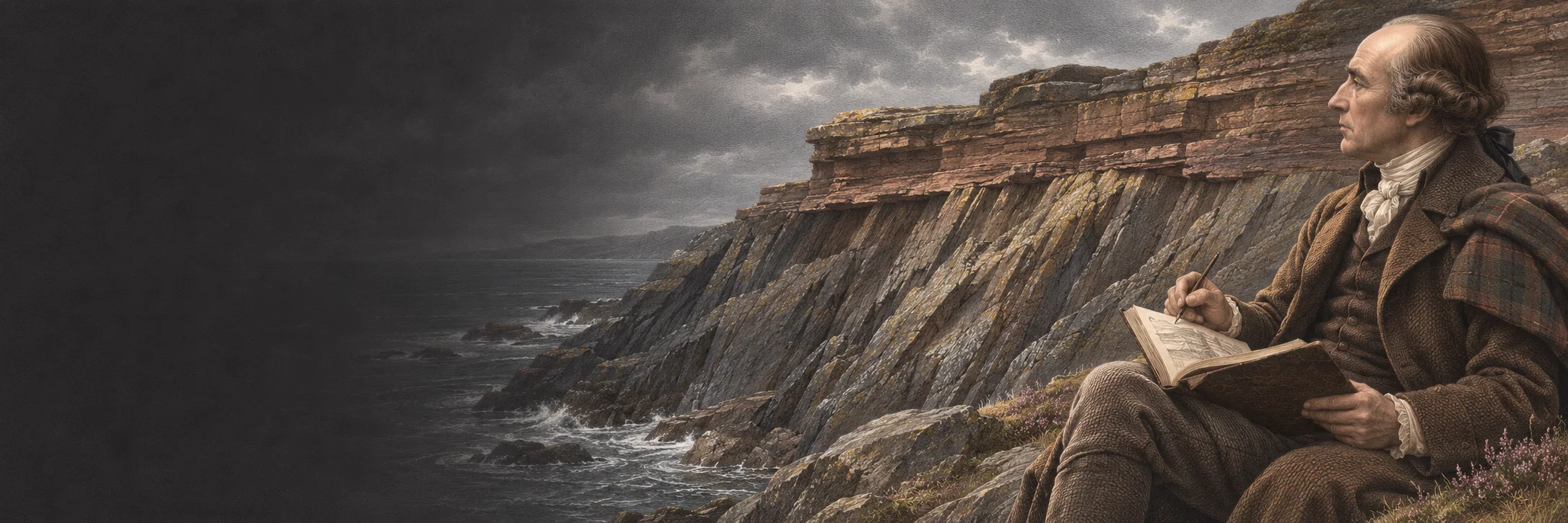
James Hutton
The result, therefore, of our present enquiry is, that we find no vestige of a beginning,—no prospect of an end.
James Hutton (1726–1797)
 Transactions of the Royal Society of Edinburgh, I · p. 304
Original wording
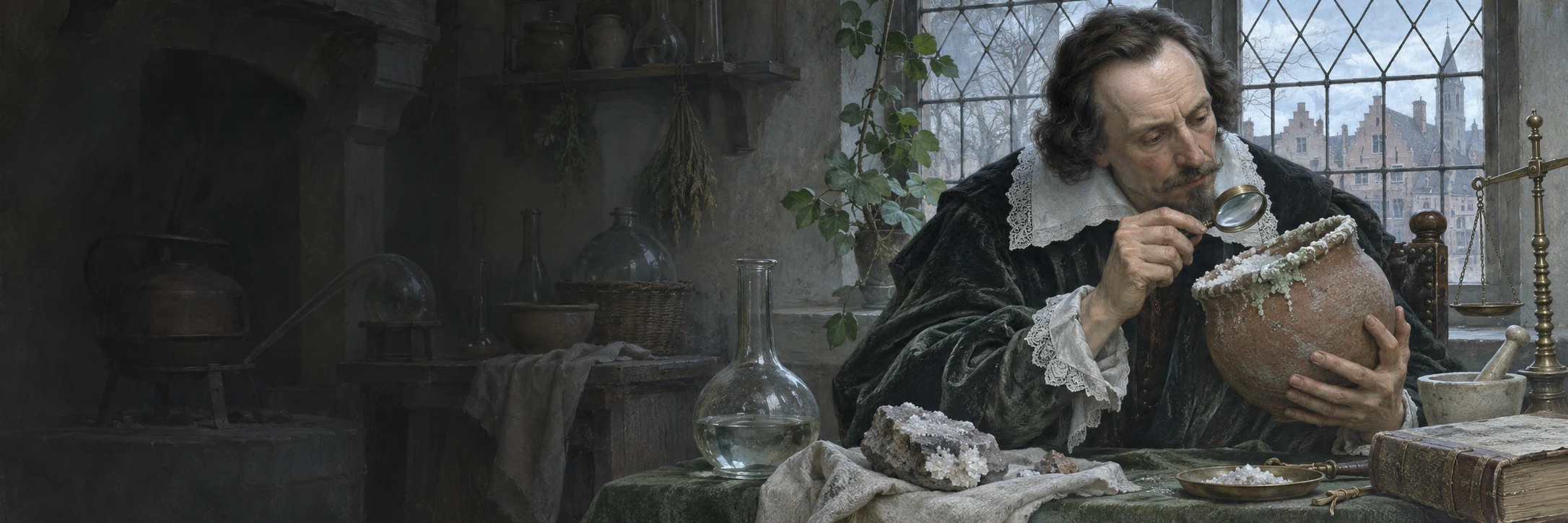
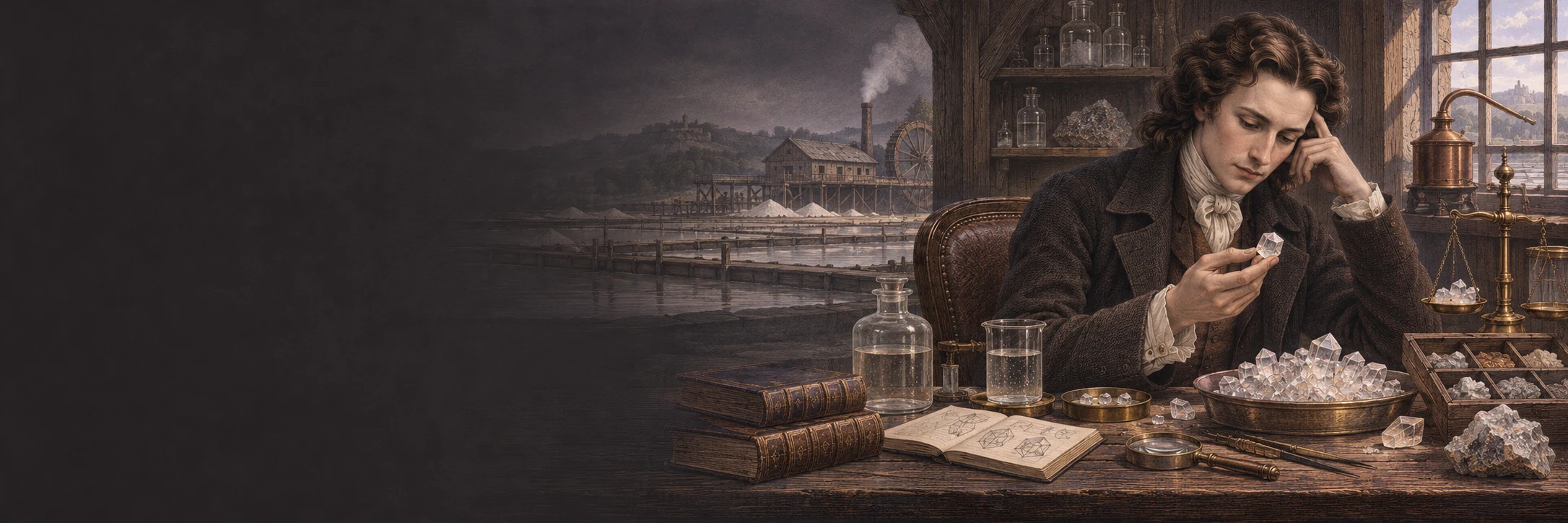
Jan Baptista van Helmont (1579–1644), a physician and investigator of nature from the southern Netherlands, treats the formation of stone as an event with a history of its own. A finished piece of rock gives little away about its beginning. It lies before an observer already possessing a particular hardness and shape. To ask how this came about is to reach back beyond the moment of discovery. Van Helmont chooses an expression familiar to his readers chiefly from the lives of people, animals and plants.
[…] then the becoming of stone is a birth, and every birth springs from some seed. […]
– Jan Baptista van Helmont, Dageraed, 1659, p. 200.[1]
He calls the coming into being a birth and associates birth with a seed. The formulation encourages a distinction between the material available and the beginning of one particular course of development. For him an accumulation of matter does not yet explain why this particular body should arise from it. A seed names what gives the process a direction. The comparison also makes an elusive point easier to picture. Even in a plant the relation between a beginning and the mature form often becomes clear only when we know both.
The physician is seeking an explanation of how a stone came about. Calling this a birth shifts attention from the possession of an attractive specimen to the long period before it was found. A deposit on a surface or a gradual hardening can then require as much explanation as a conspicuous discovery. The sentence makes the stone a question about origins. We are asked to imagine an event even as our hands hold only the result.
 Search
The result, therefore, of our present enquiry is, that we find no vestige of a beginning,—no prospect of an end.
James Hutton (1726–1797)
Transactions of the Royal Society of Edinburgh, I · p. 304
Original wording

The stone is a triangle in essence and a quadrangle in quality.
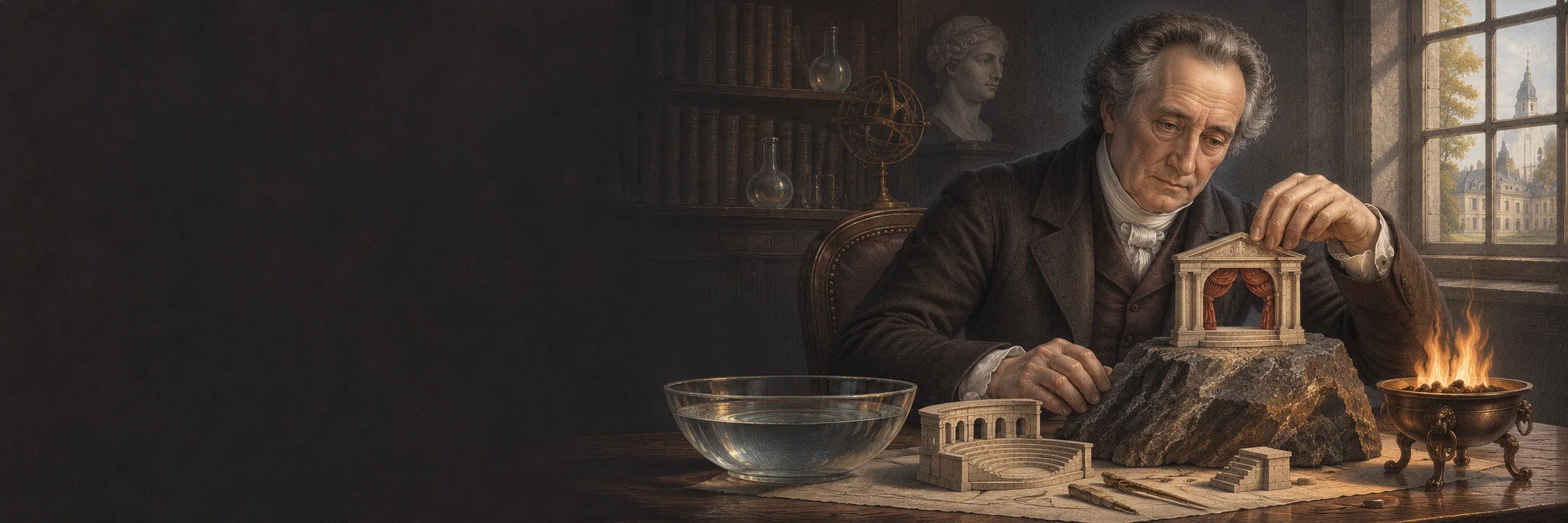
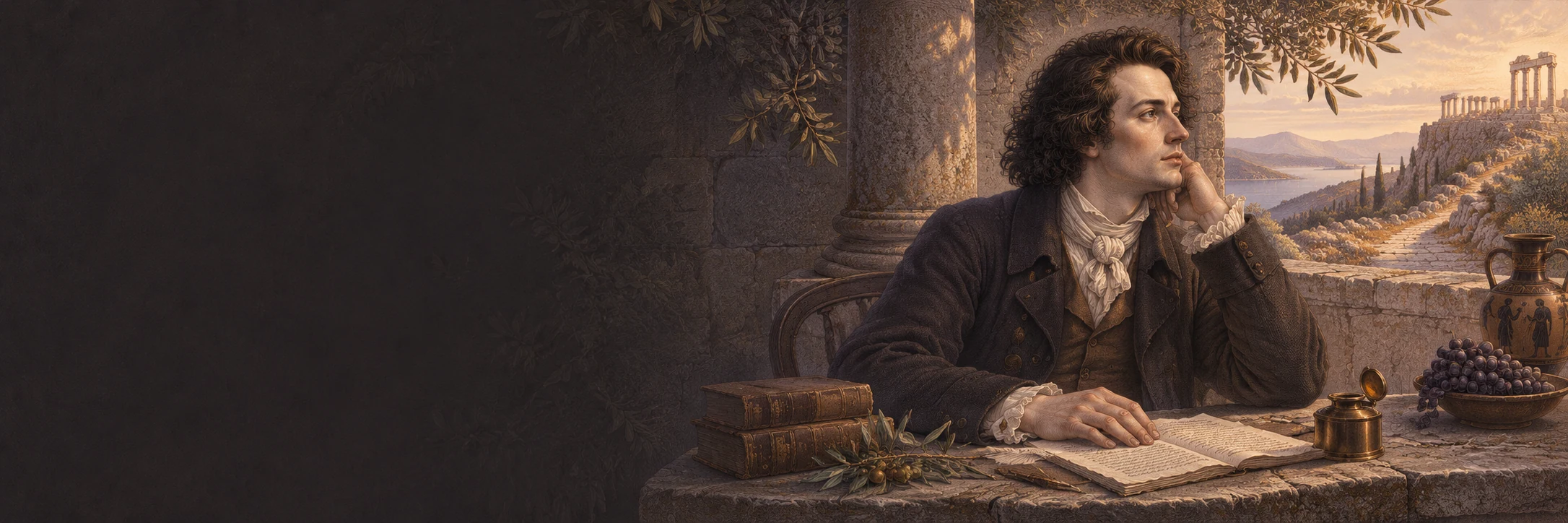
Anaxagoras: Through fiery vapour this rock came to hand. Thales: In moisture living things arose.
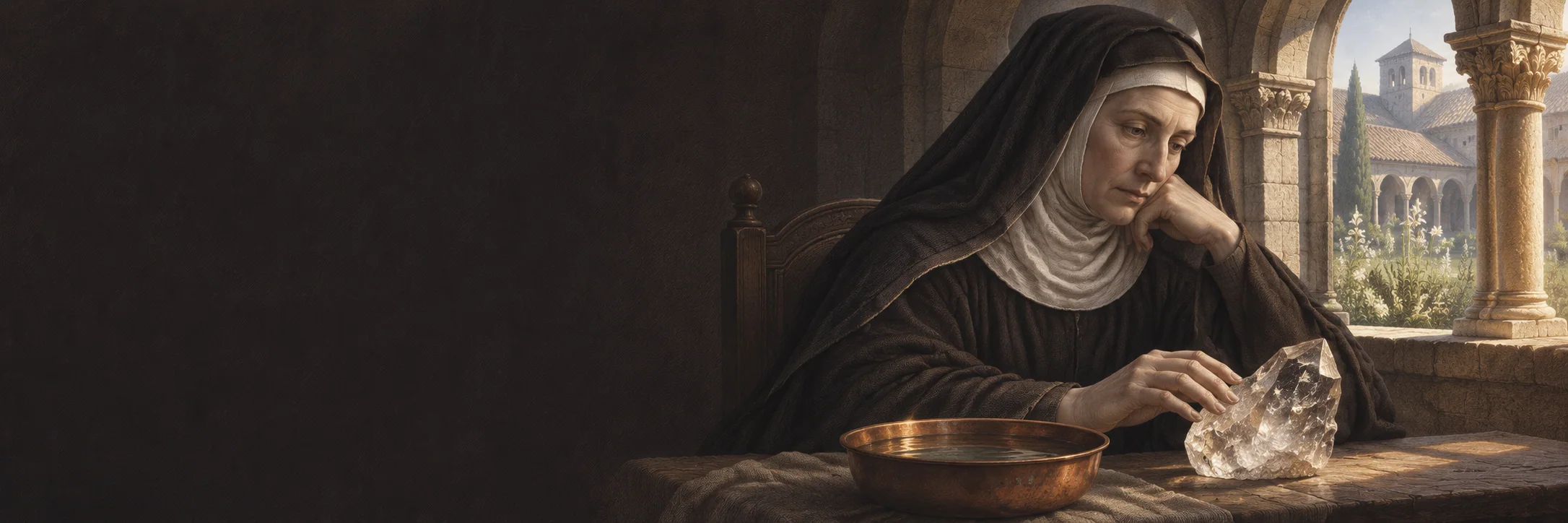
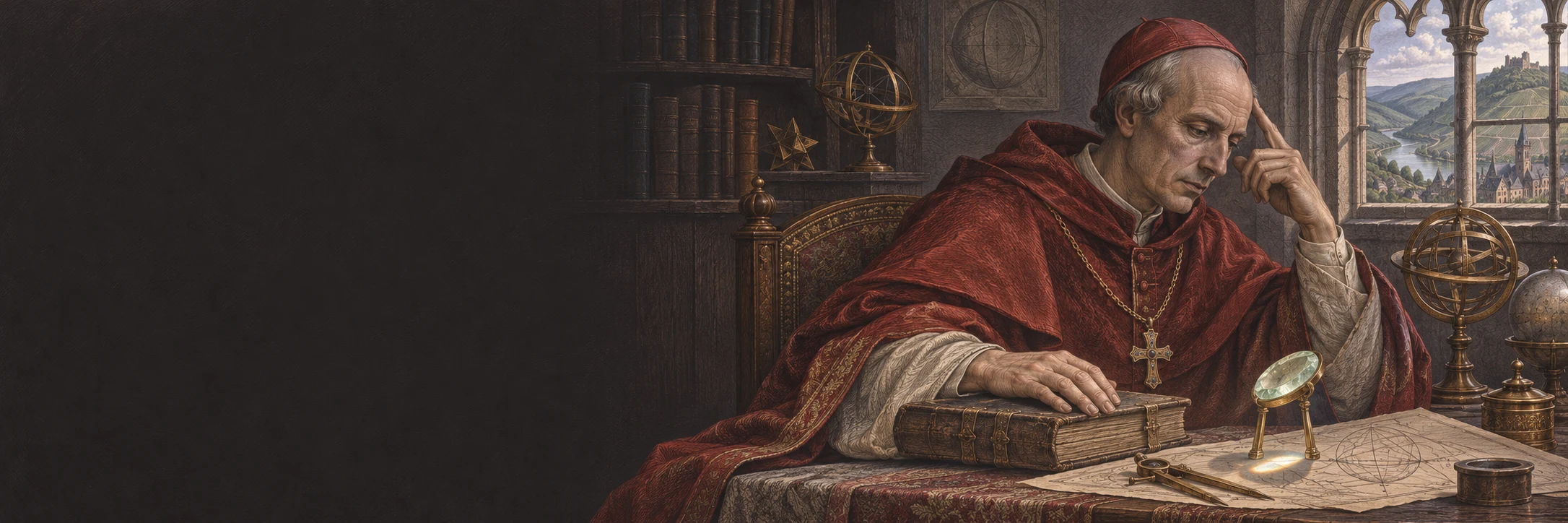
[…] the heart of the water congeals into firmness. […]
Hildegard of Bingen (1098–1179)
Physica, Patrologia Latina 197 · col. 1263
Our translation; unclear opening construed from context · excerpt
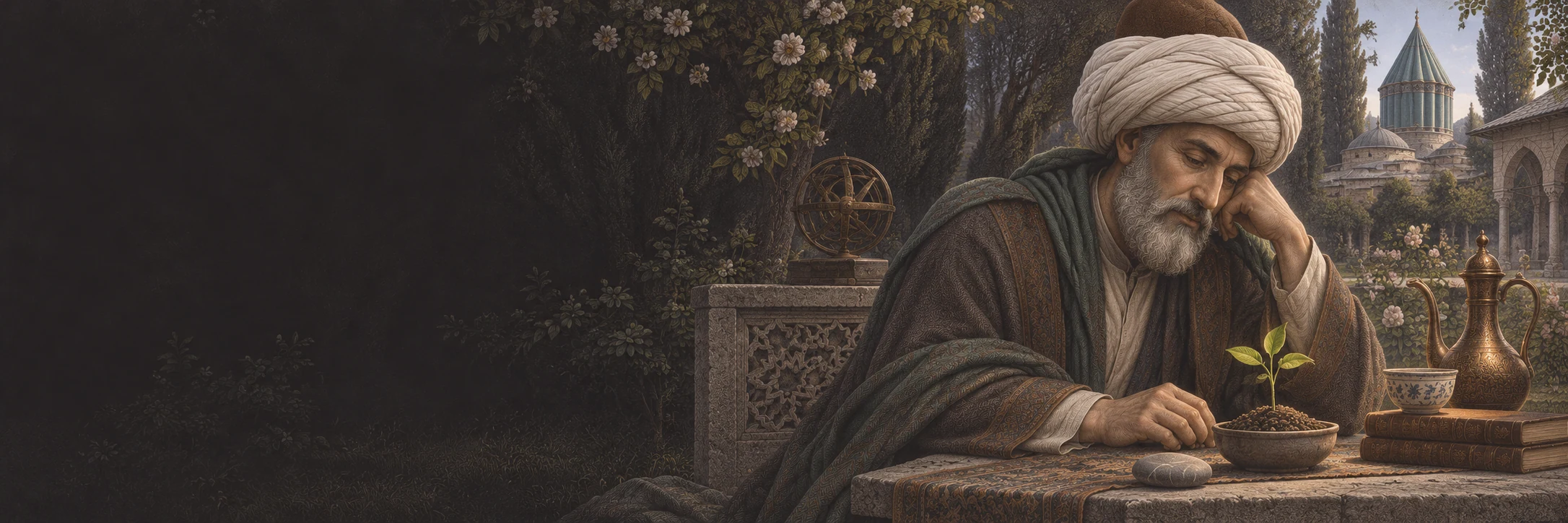
Look! I died as stone and sprang up as a plant
Dschalāl ad-Dīn Rūmī (1207–1273)
Excerpt. Our translation of Friedrich Rückert’s German rendering

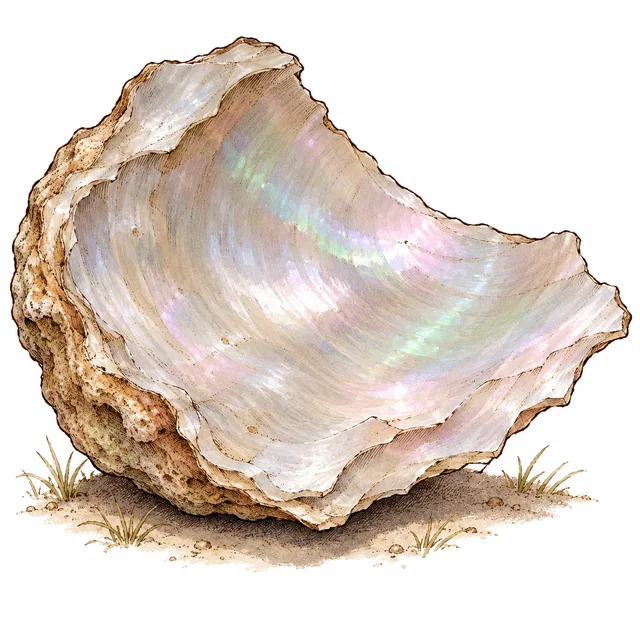
Beryl is a bright, white, transparent stone. It is given a shape both concave and convex, and the person looking through it reaches what was previously invisible.
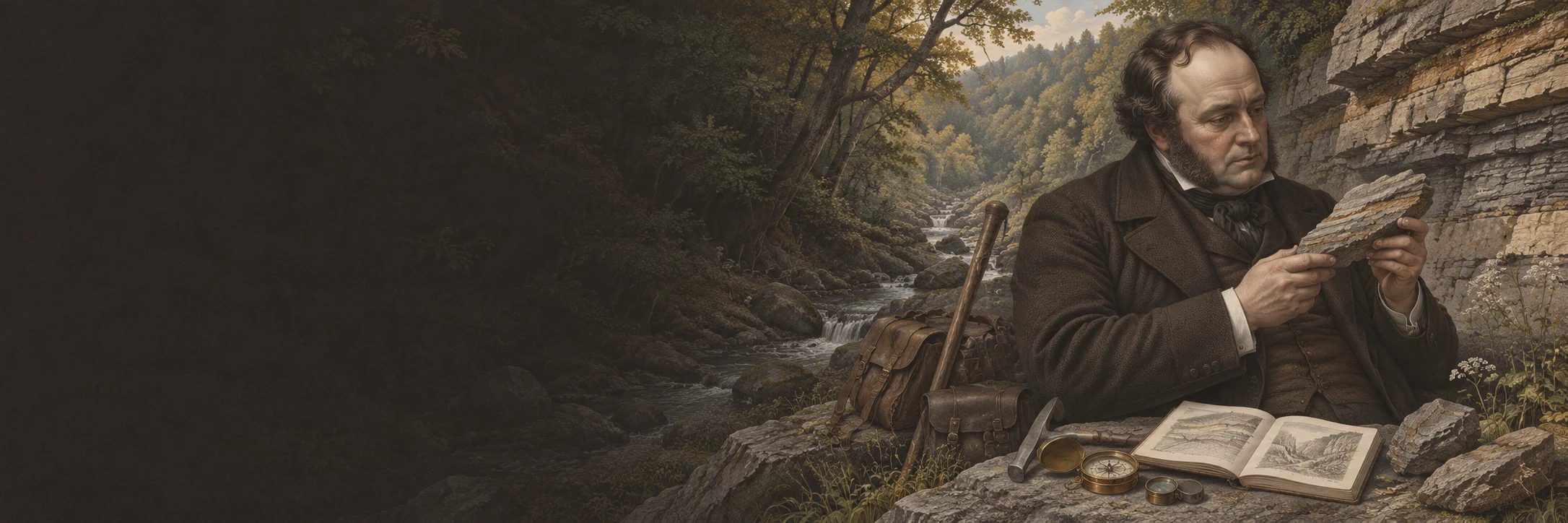
The earth itself keeps the sources for its history within it, as in a vault of records, sources perhaps set down in millions of documents. What matters is that we learn to read them and do not falsify them through zeal and the urge to be right.
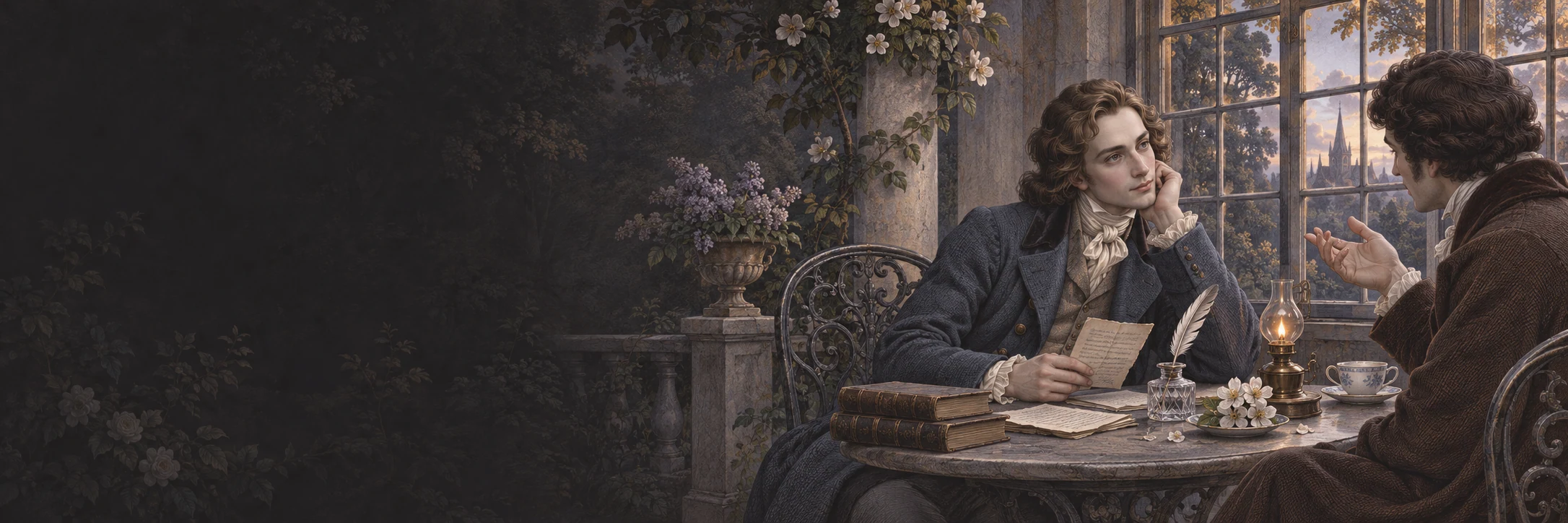
People are crystals for our inner life. They are nature made transparent.

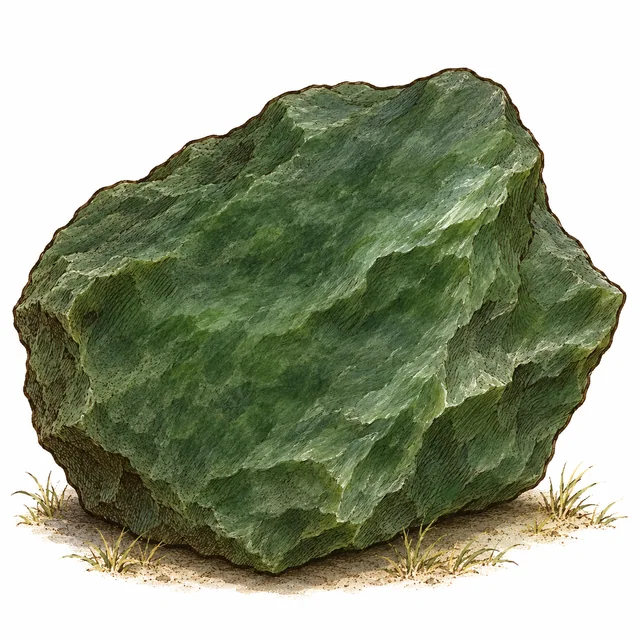
As for precious stones such as carbuncle, ruby, emerald, delphin, onyx and the like, the finest of stones, they have their origin where the flash of light arose in love.
 Cart