
 Phone: +43 677 628 66 628 |


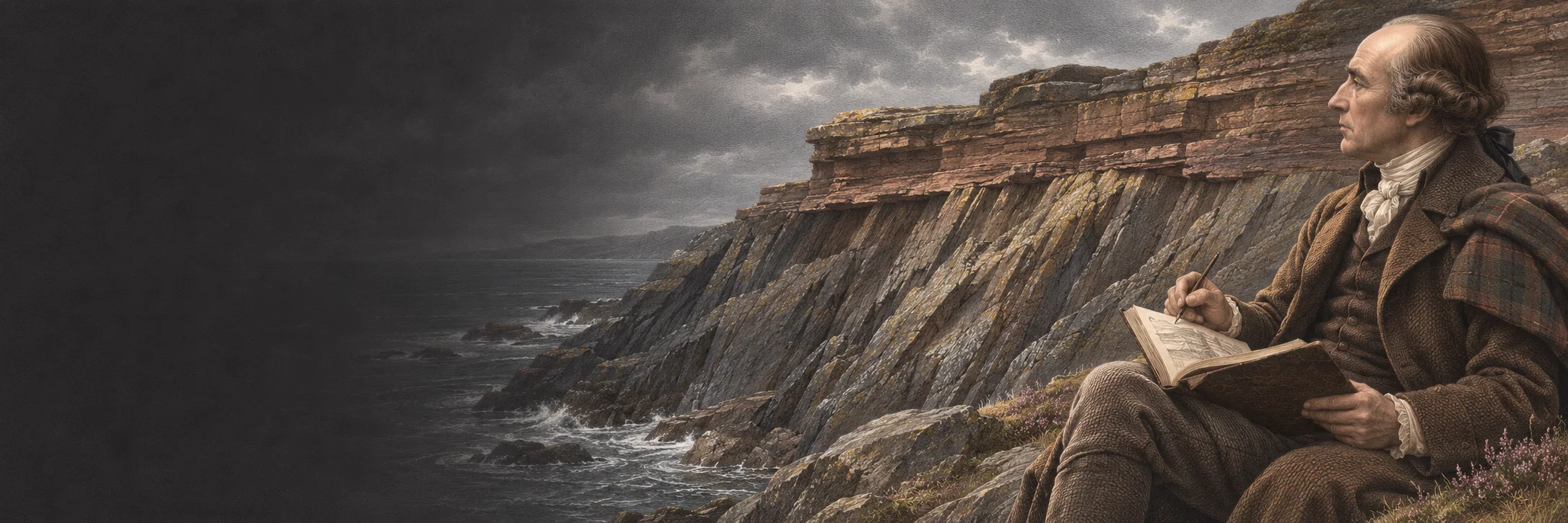
James Hutton
The result, therefore, of our present enquiry is, that we find no vestige of a beginning,—no prospect of an end.
James Hutton (1726–1797)
 Transactions of the Royal Society of Edinburgh, I · p. 304
Original wording
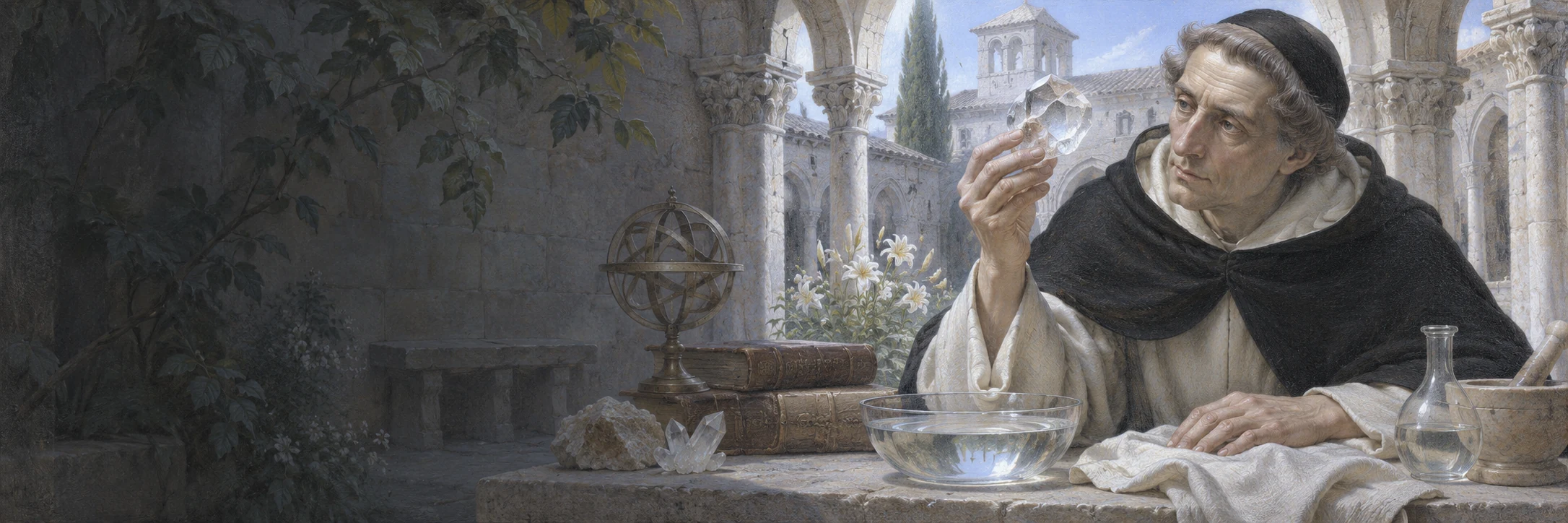
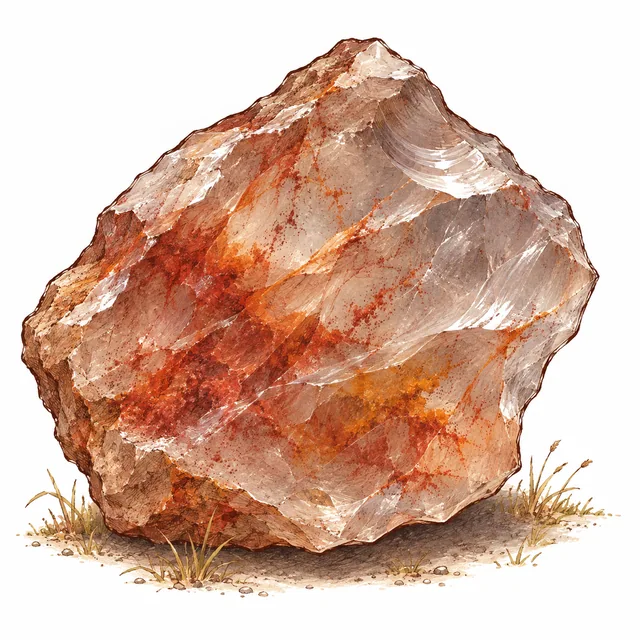
Albert the Great (c. 1200–1280), a German Dominican scholar and investigator of nature, asks in his book on minerals what different stones can arise from. Rock crystal claims particular attention. It is firm enough to retain sharp edges while allowing the eye to penetrate its interior. Somebody attending only to its brightness might compare it to clear water. Somebody picking it up would feel a hard body held between their fingers.
For crystal appears to have as its matter not water alone, but a wateriness tending towards the nature of air. For this reason it is exceedingly transparent and tends towards brightness.
– Albertus Magnus, On Minerals, 1890, p. 15.[1]
Albert tries to describe both experiences within his account of the elements. He speaks of something watery and brings it close to what is airy. The careful wording leaves room for degrees. A reader is invited to imagine a passage between qualities generally noticed in quite different surroundings. Clear water transmits light and has a weight that can be felt when one lifts a vessel containing it. Air, in ordinary circumstances, offers even less resistance to the eye.
His choice of a word meaning “seems” is worth noticing. The scholar is moving from a feature observable in a crystal to a conjecture about its origin. An attentive reader can retrace the initial experience and still recognise the explanation as a historical one. To the hand this remains a stone with definite surfaces and boundaries. The eye can look right through the very same object. Any description trying to do justice to the singular impression made by rock crystal has to find room for both experiences at once.
 Search
The result, therefore, of our present enquiry is, that we find no vestige of a beginning,—no prospect of an end.
James Hutton (1726–1797)
Transactions of the Royal Society of Edinburgh, I · p. 304
Original wording
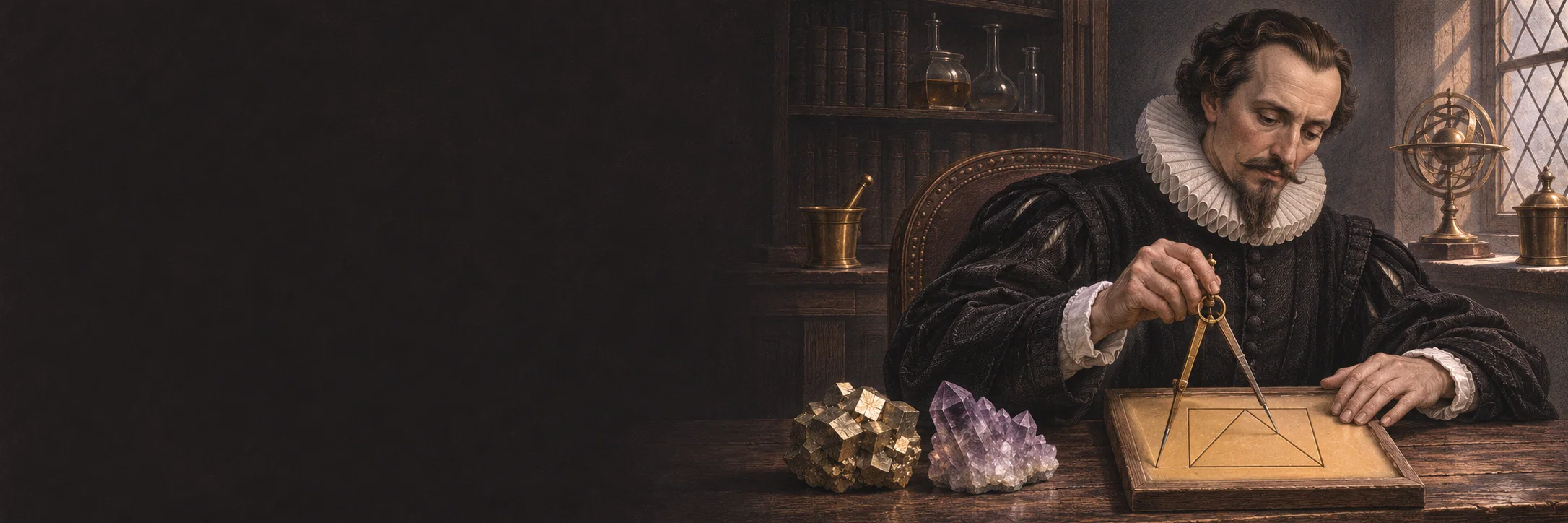
The stone is a triangle in essence and a quadrangle in quality.
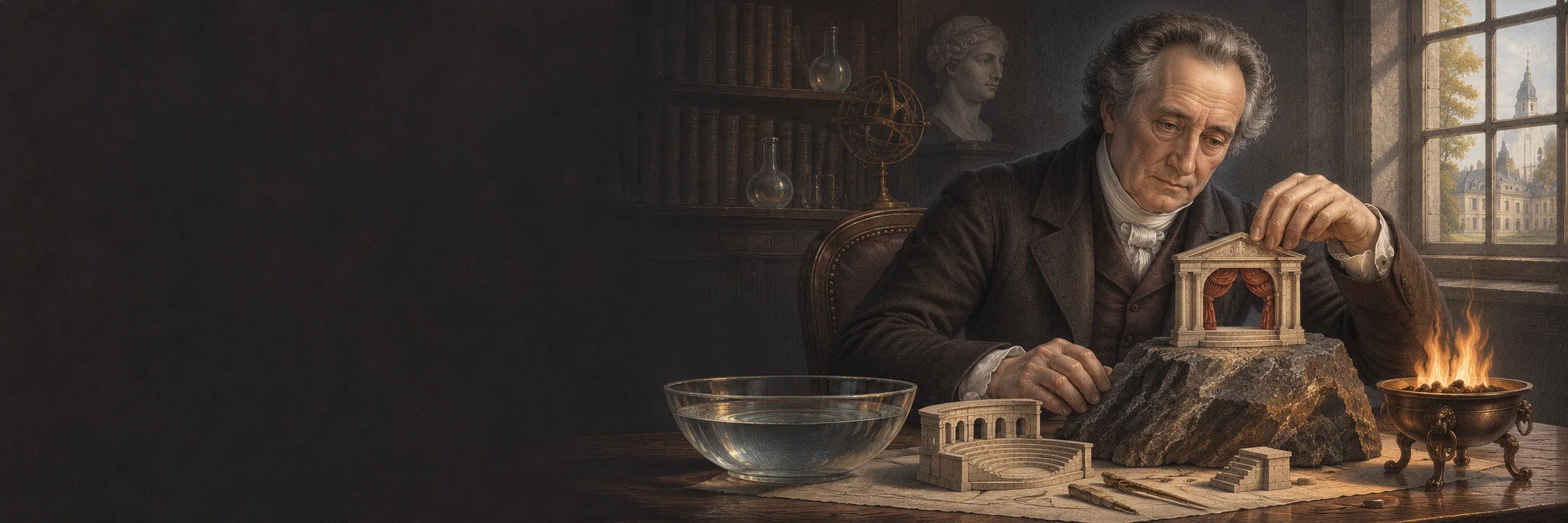
Anaxagoras: Through fiery vapour this rock came to hand. Thales: In moisture living things arose.
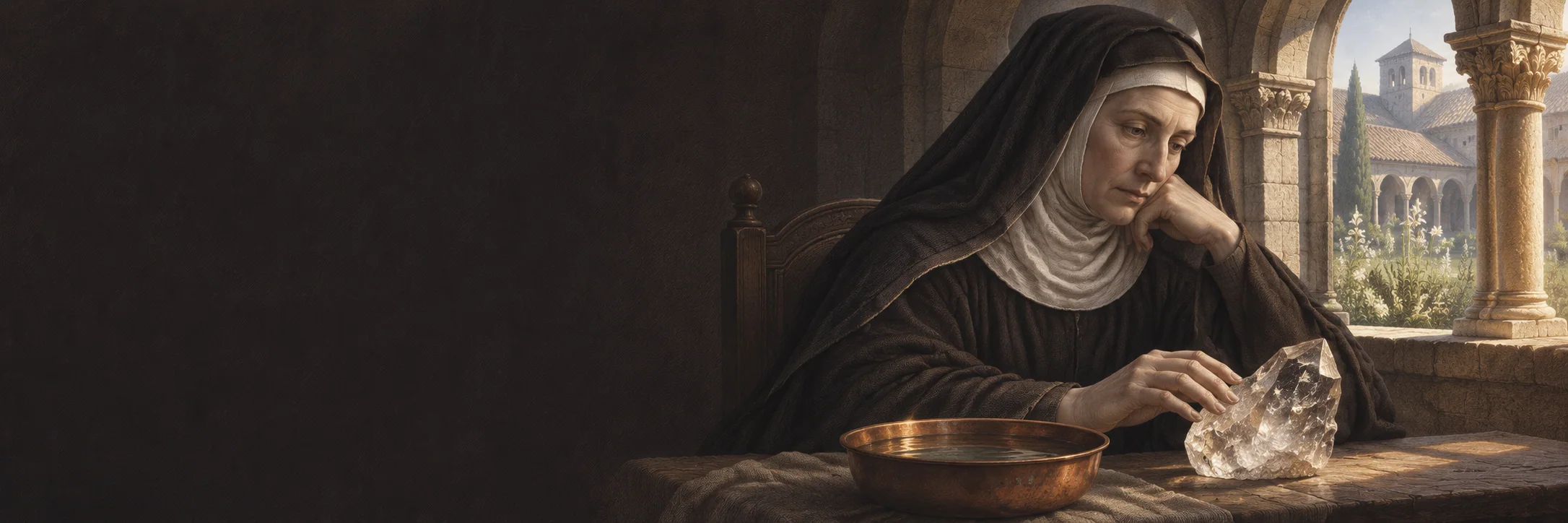
[…] the heart of the water congeals into firmness. […]
Hildegard of Bingen (1098–1179)
Physica, Patrologia Latina 197 · col. 1263
Our translation; unclear opening construed from context · excerpt
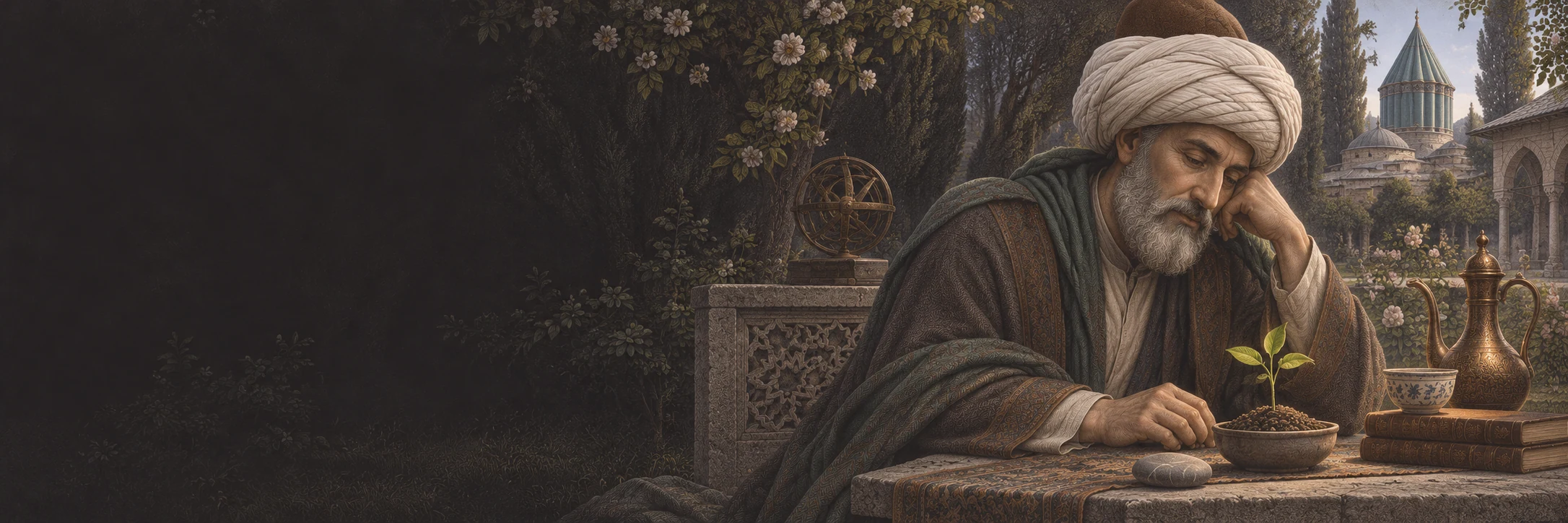
Look! I died as stone and sprang up as a plant
Dschalāl ad-Dīn Rūmī (1207–1273)
Excerpt. Our translation of Friedrich Rückert’s German rendering
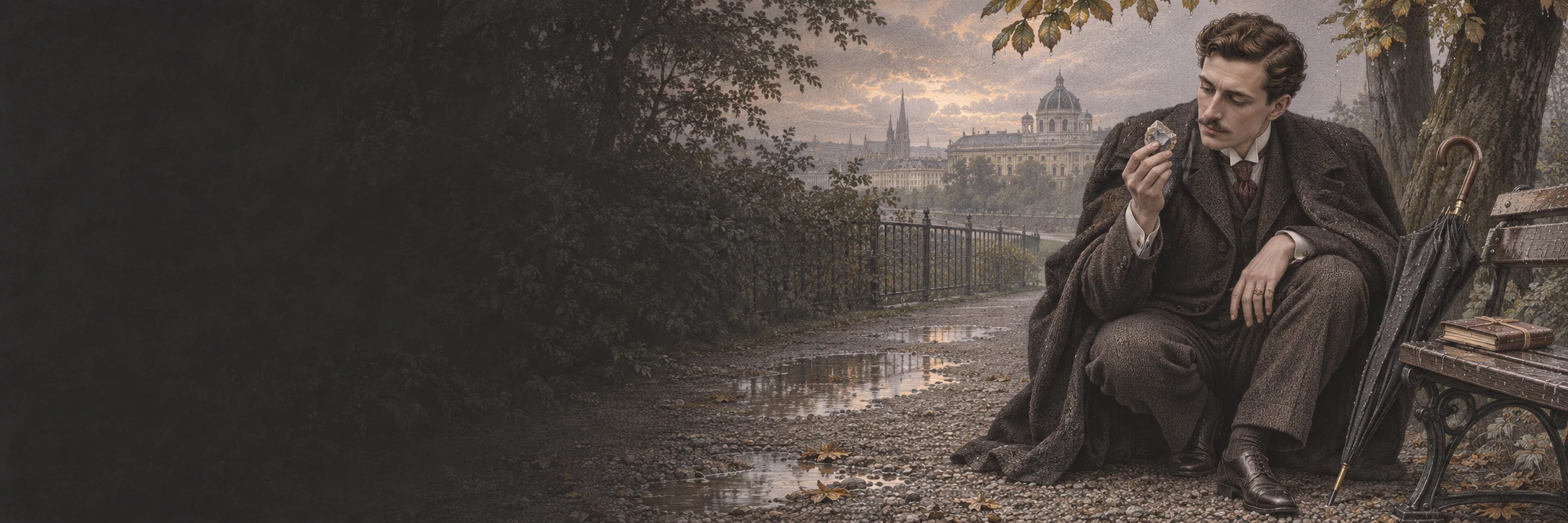
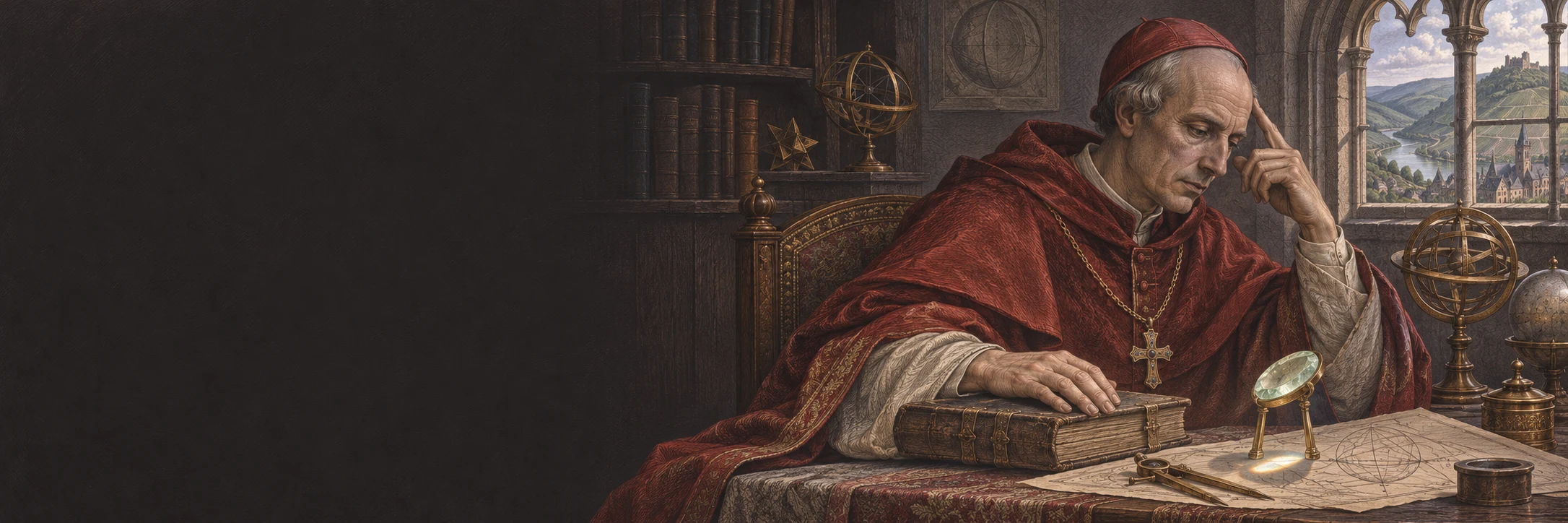
Beryl is a bright, white, transparent stone. It is given a shape both concave and convex, and the person looking through it reaches what was previously invisible.
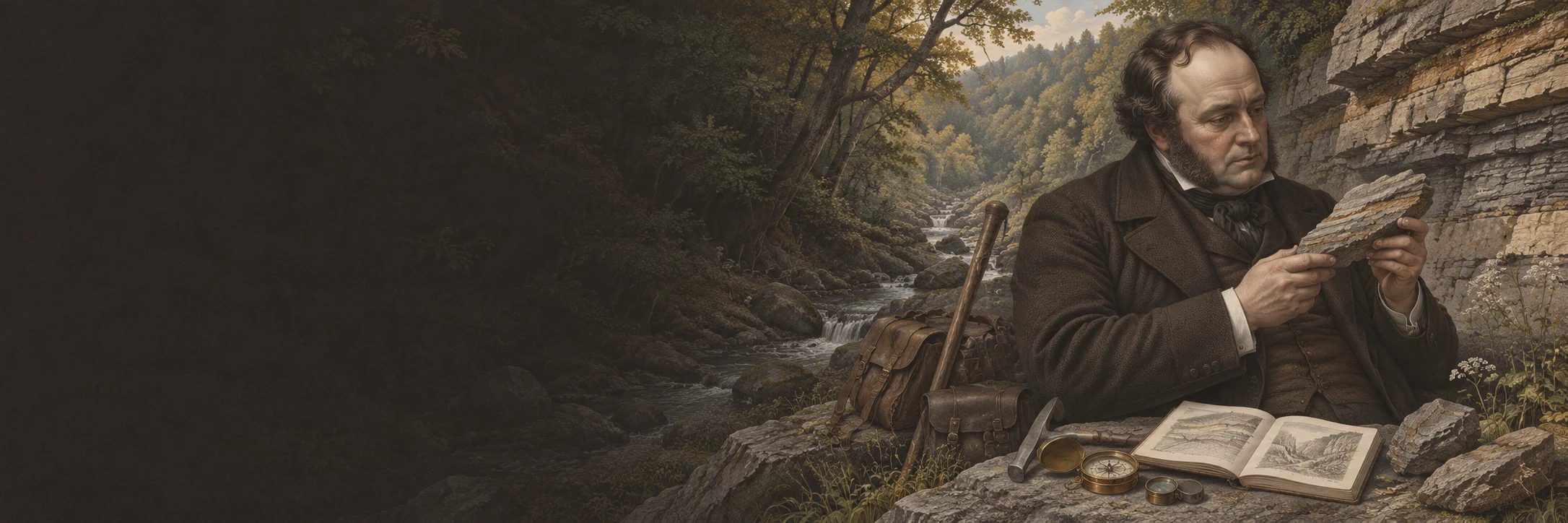
The earth itself keeps the sources for its history within it, as in a vault of records, sources perhaps set down in millions of documents. What matters is that we learn to read them and do not falsify them through zeal and the urge to be right.
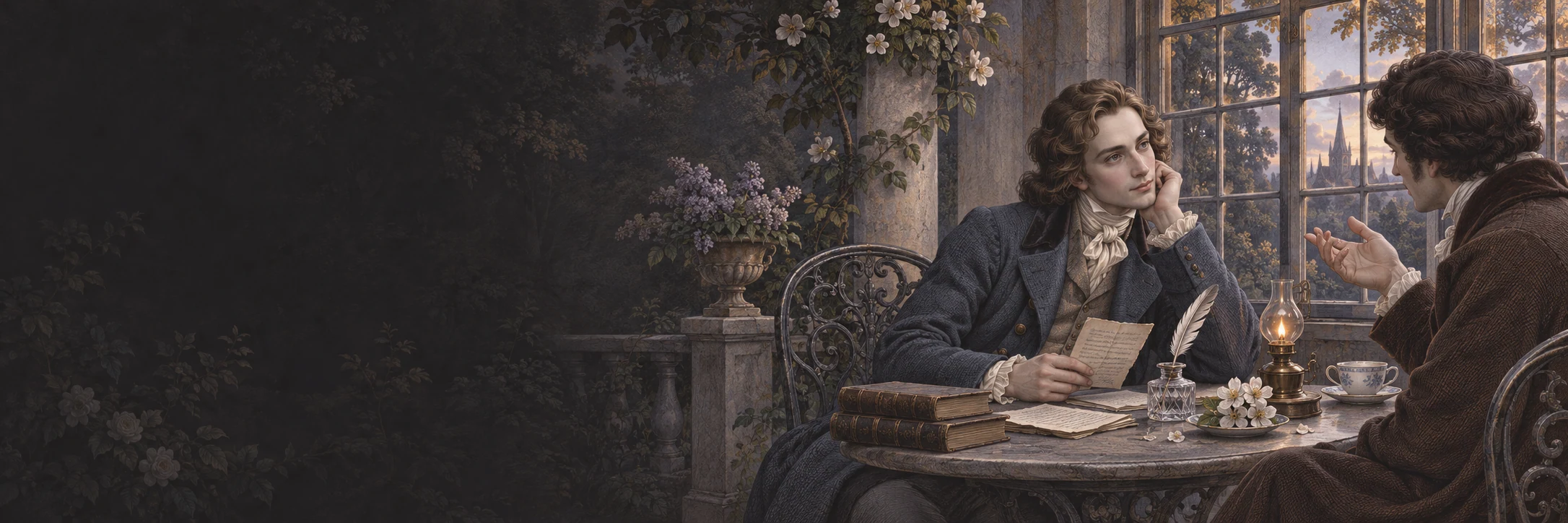
People are crystals for our inner life. They are nature made transparent.
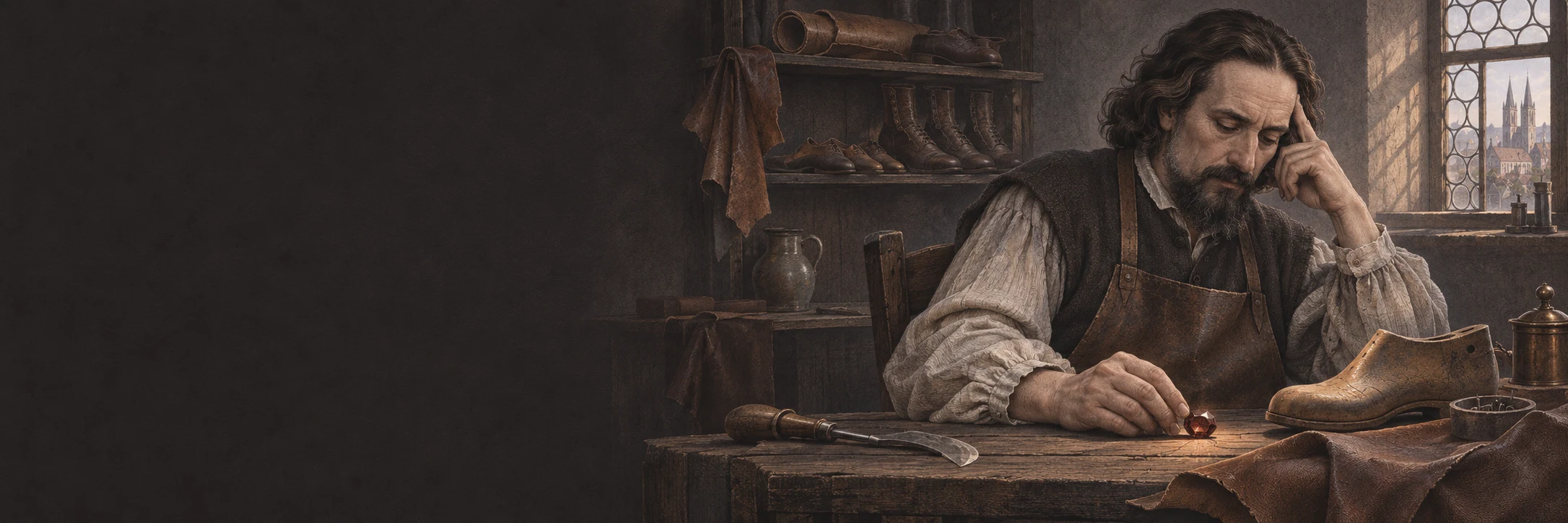
As for precious stones such as carbuncle, ruby, emerald, delphin, onyx and the like, the finest of stones, they have their origin where the flash of light arose in love.
 Cart