
 Phone: +43 677 628 66 628 |



John Muir
The whole wilderness seems to be alive and familiar, full of humanity. The very stones seem talkative, sympathetic, brotherly.
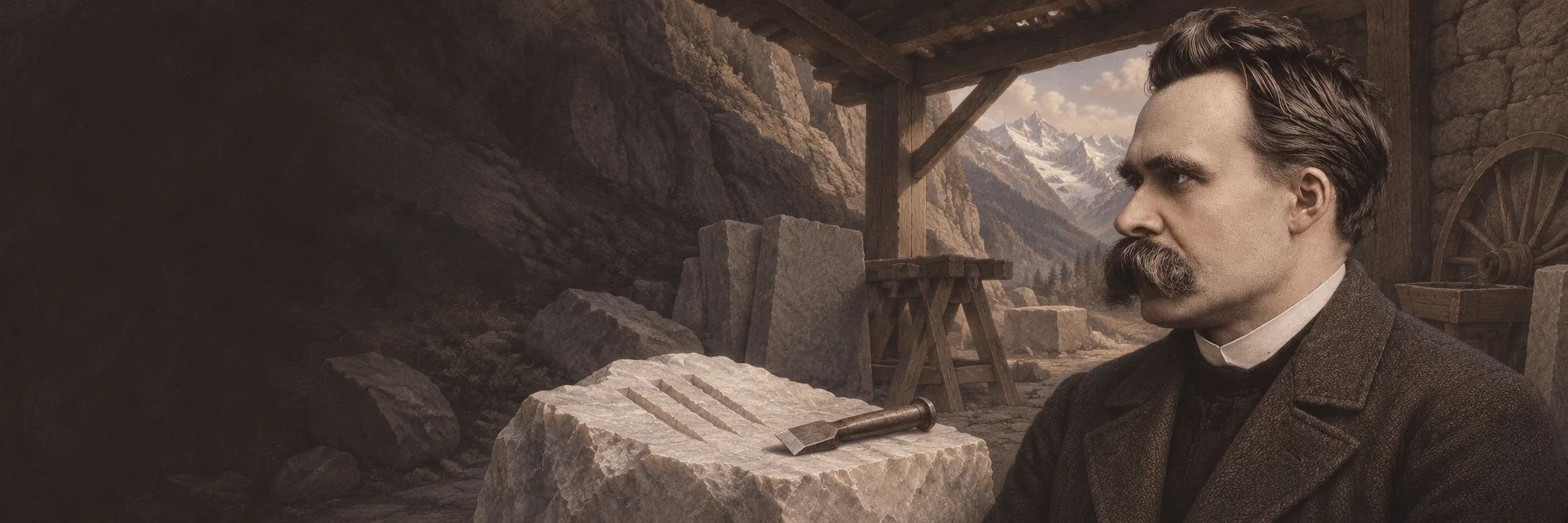
Friedrich Nietzsche (1844–1900) was a German philosopher born in Röcken. In the second part of Thus Spoke Zarathustra, he puts a tool into the hands of someone who longs to create. Zarathustra speaks on the blessed islands to people who can imagine a different human future. By the end of the speech one can almost hear a sculptor’s blows.[1]
To anyone else the block may look merely hard and ugly. To Zarathustra it already has a shape. The small phrase “for me” matters. The speaker sees an image because a particular human possibility occupies his imagination. It is this image that makes the stone a material in which his vision must prove itself.[1]
Ah, you human beings, an image lies asleep for me in the stone, the image of my images! Ah, that it must sleep in the hardest, ugliest stone![1]
In the next paragraph chips fly. Bringing the image into being requires a real intervention in the stone. Yet Zarathustra describes the impulse behind it with surprising delicacy. A shadow came to him, a passing intimation of the beauty of the Overman. The heavy hammer answers that fleeting impression. The speech ends with someone who knows what he wants to work towards, while the figure itself has yet to emerge.[1]
 Search
The whole wilderness seems to be alive and familiar, full of humanity. The very stones seem talkative, sympathetic, brotherly.
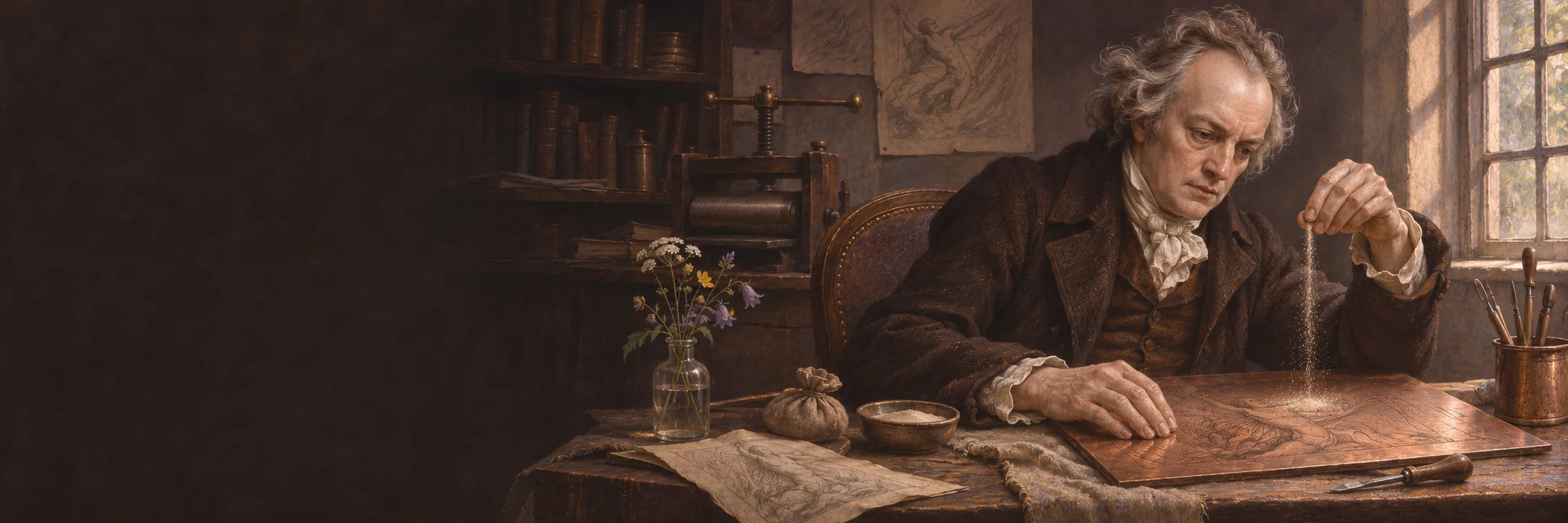
To see a World in a Grain of Sand, And a Heaven in a Wild Flower, Hold Infinity in the palm of your hand, And Eternity in an hour.
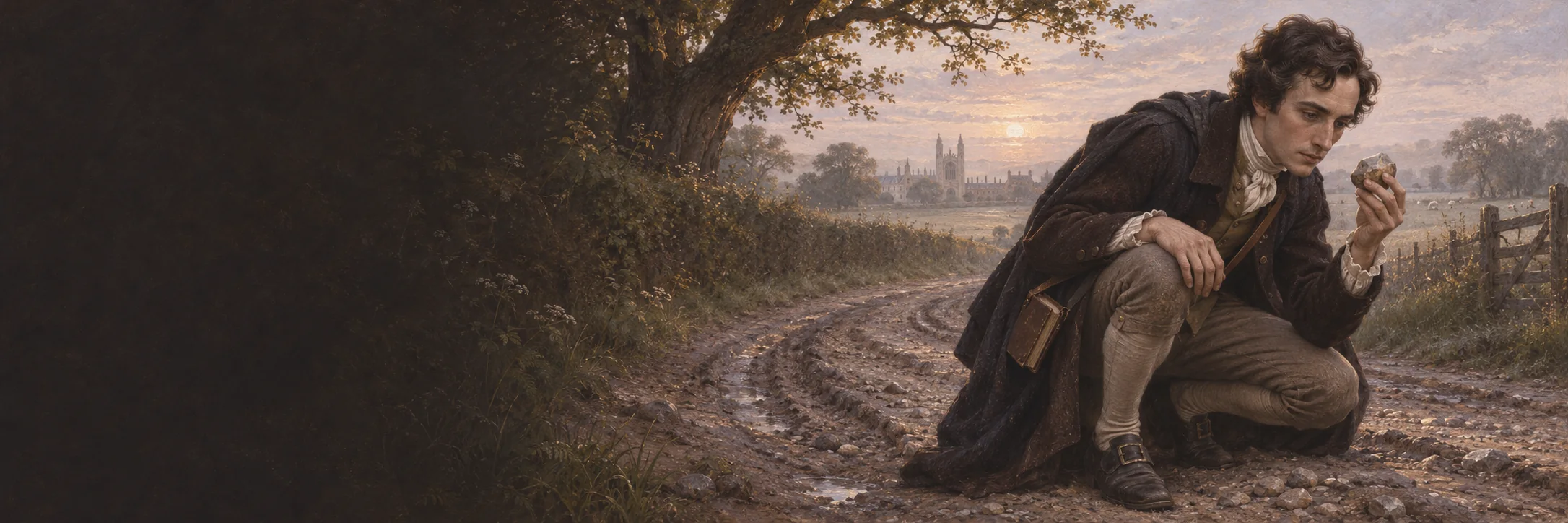
To every natural form, rock, fruit or flower, Even the loose stones that cover the high-way, I gave a moral life: I saw them feel […]
William Wordsworth (1770–1850)
 The Prelude, or Growth of a Poet’s Mind · p. 60–61
Original wording · Excerpt
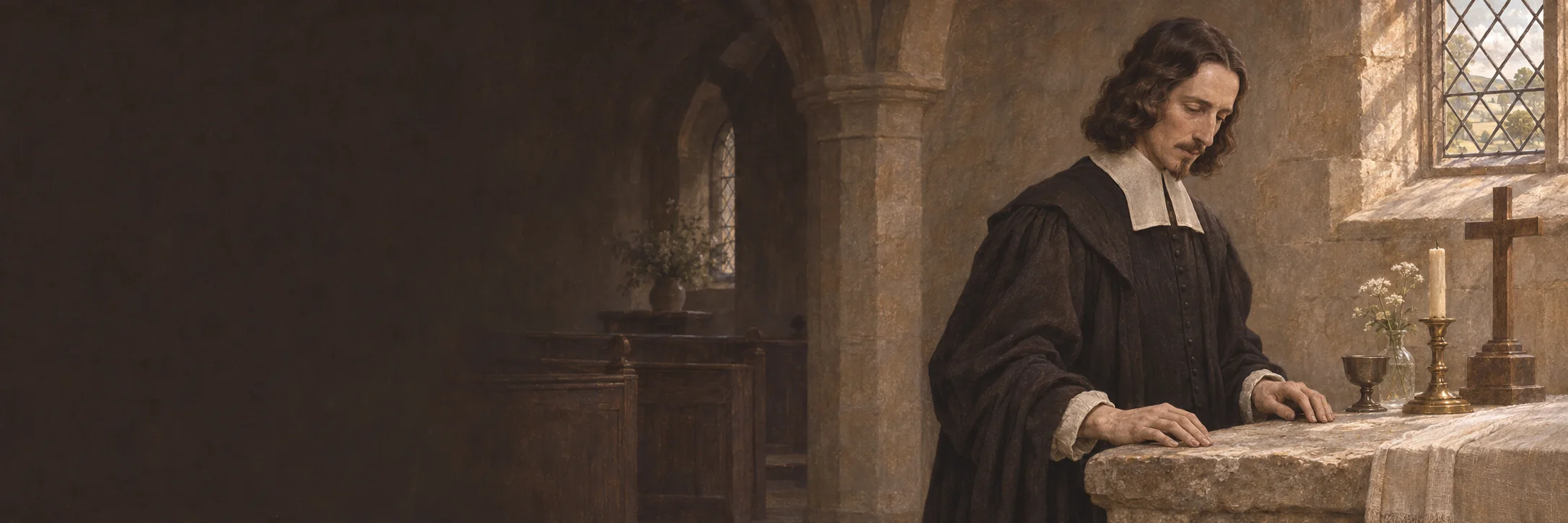
A Heart alone Is such a stone, As nothing but Thy pow’r doth cut.
George Herbert (1593–1633)
The Temple. Sacred Poems and Private Ejaculations · p. 18
Original wording
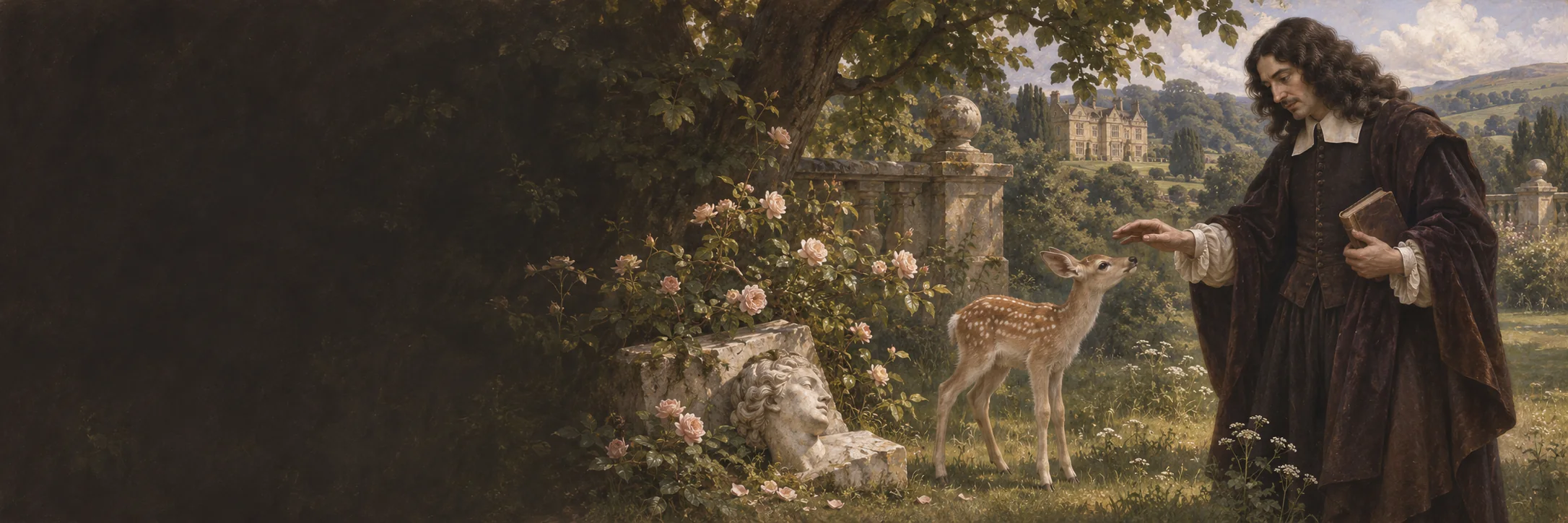
For I so truly thee bemoane, That I shall weep though I be Stone: Until my Tears, still dropping, wear My breast, themselves engraving there.
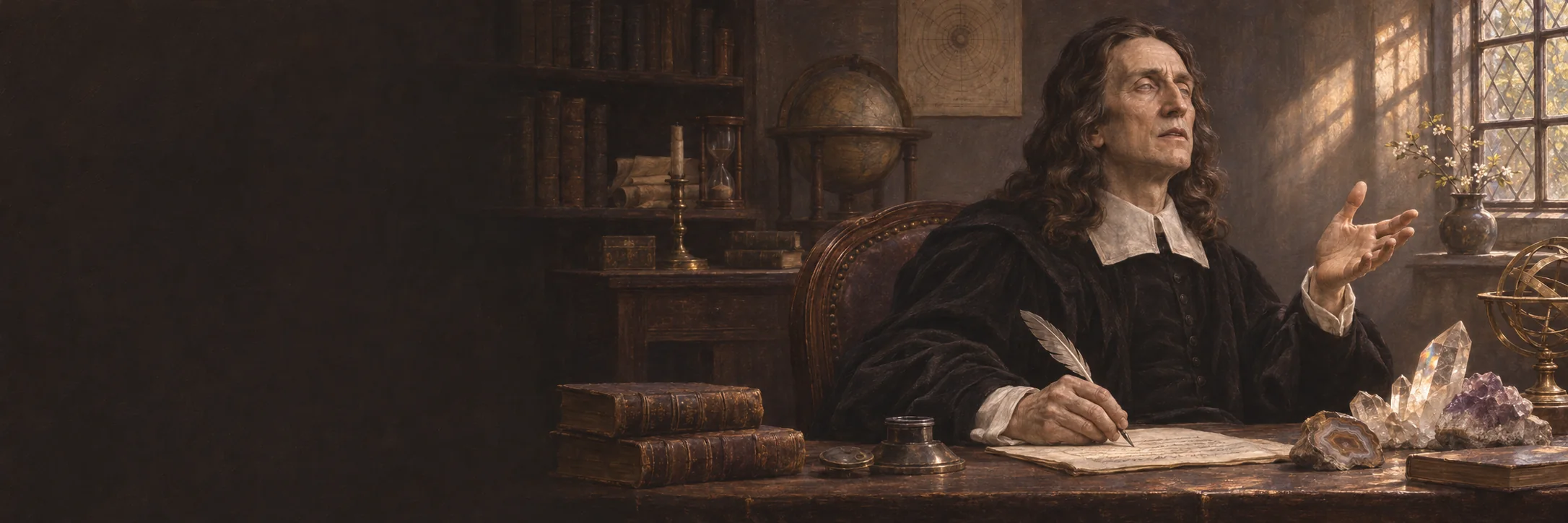
The arch-chemic sun, so far from us remote, Produces, with terrestrial humour mixed, Here in the dark so many precious things Of colour glorious and effect so rare?
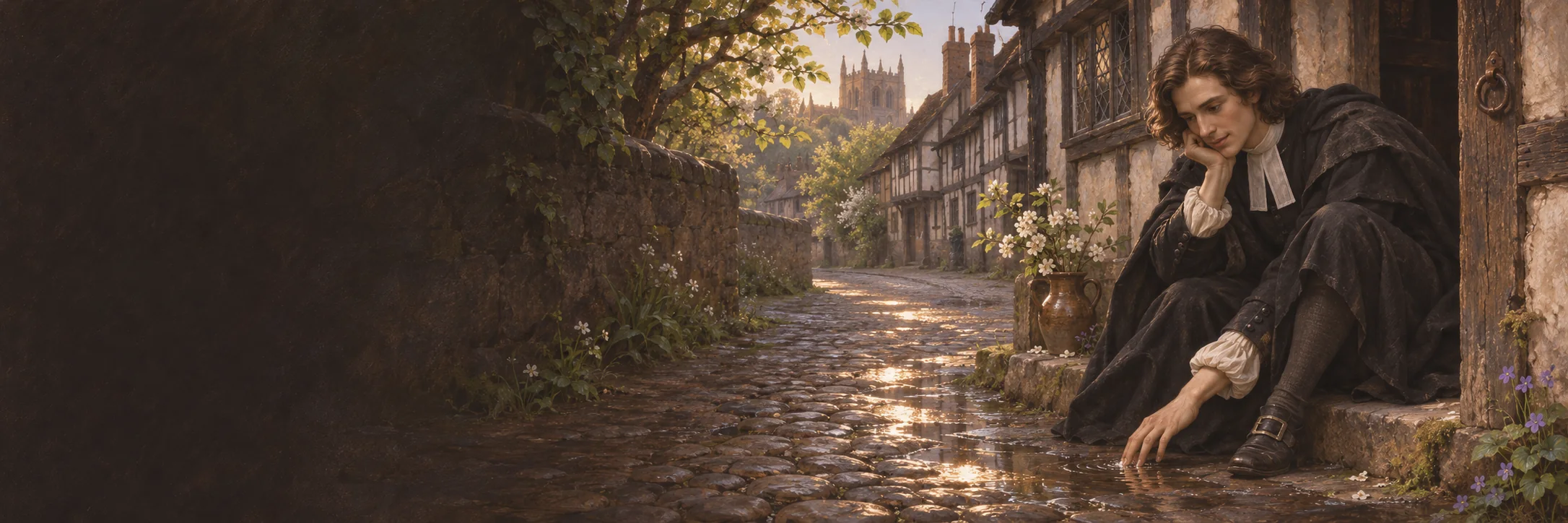
The dust and stones of the street were as precious as gold: the gates were at first the end of the world.
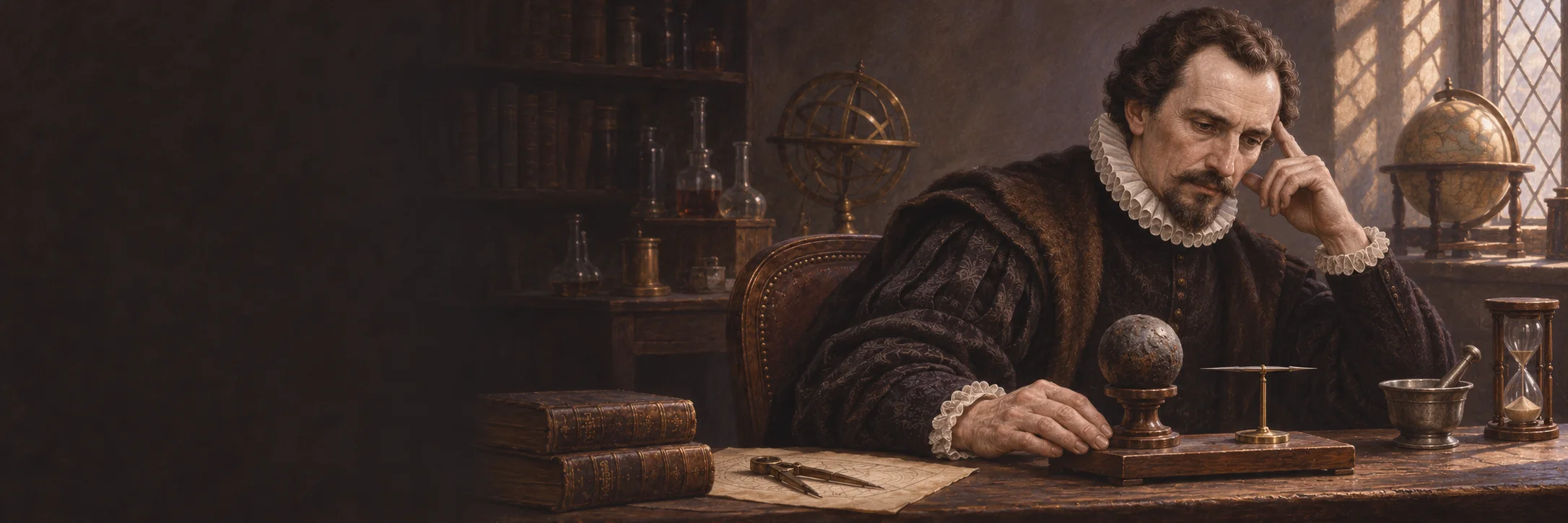
A loadstone is a wonderful thing in very many experiments, and like a living creature.
 Cart