
 Phone: +43 677 628 66 628 |


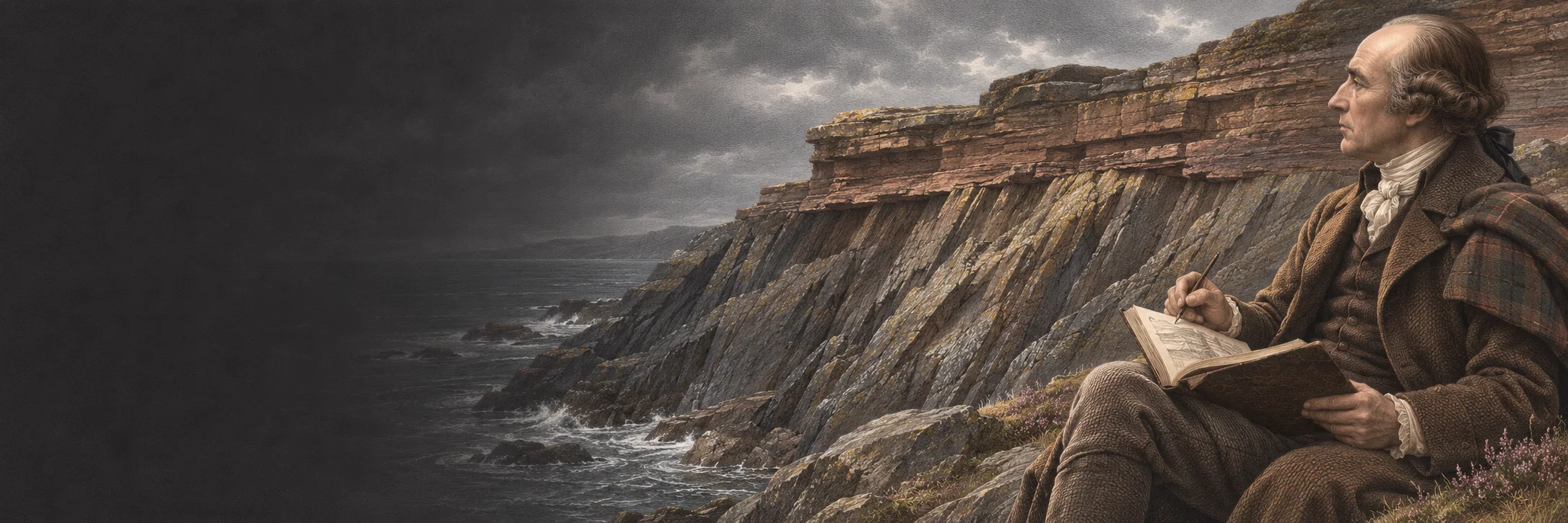
James Hutton
The result, therefore, of our present enquiry is, that we find no vestige of a beginning,—no prospect of an end.
James Hutton (1726–1797)
 Transactions of the Royal Society of Edinburgh, I · p. 304
Original wording
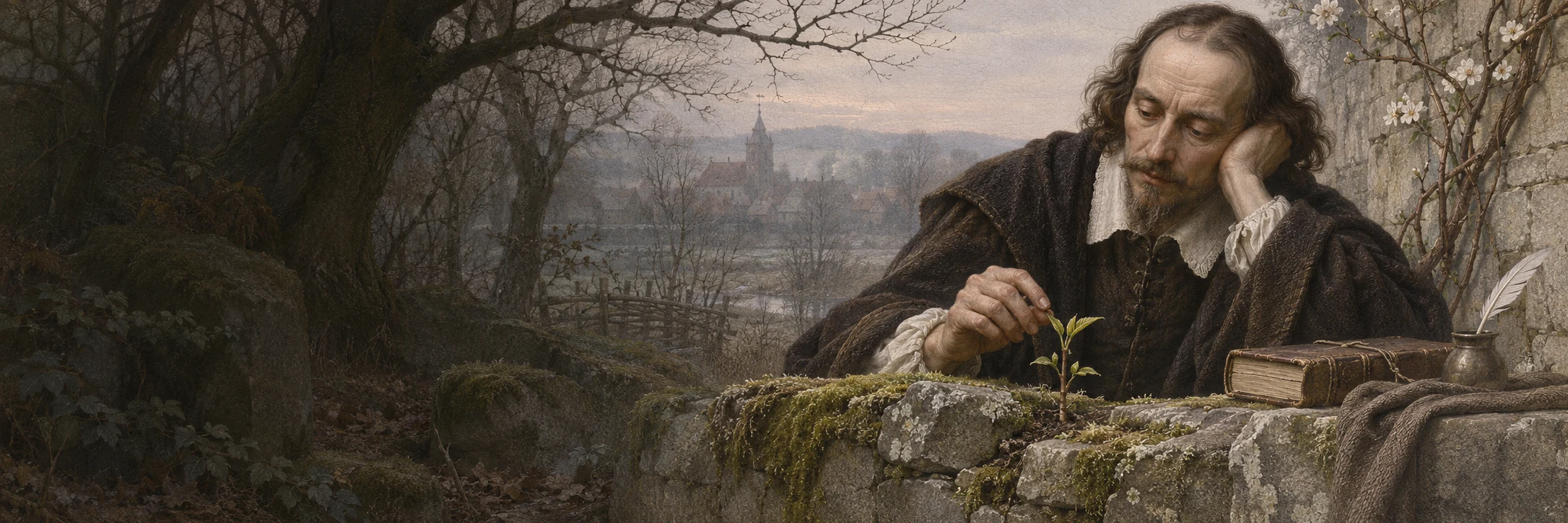
Jakob Böhme (1575–1624), a German religious writer and shoemaker, received an unusual question associated with Hans von Schellendorf and a tomb monument. Moisture was said to have appeared at the eyes of a sculpted figure. Böhme begins his reply by making clear how difficult it is to interpret such a report from a distance. Before addressing the particular occurrence he has to explain what, in his understanding, might happen in a stone at all.
[…] the Elementall vegetable life standeth mute and still therein, and it is shut up with the first Impression […]
– Jacob Boehme, The Epistles of Jacob Behmen, 1649, Letter XXIV, 3.[1]
He takes a term for the life that shows itself in a growing plant and associates it, unexpectedly, with standing still. Somebody who watches a plant can return after a while and discover a new leaf. A stone ordinarily offers no such succession of outward signs. Böhme nevertheless reads its stillness as a particular condition. Something is shut within an initial formation and cannot therefore show itself to an observer in the way a plant does.
The question about the tomb acquires a particular tension. A face can be carved in stone so that a viewer reads a human expression in it. If water becomes visible at its eyes, image, material and memory of a person come into contact in the act of perception. Böhme's cautious letter resists settling the difficulty by a quick verdict. The account of standing still keeps attention on the stone itself for a while before the reader goes on to ask what the apparent tears might mean.
 Search
The result, therefore, of our present enquiry is, that we find no vestige of a beginning,—no prospect of an end.
James Hutton (1726–1797)
Transactions of the Royal Society of Edinburgh, I · p. 304
Original wording
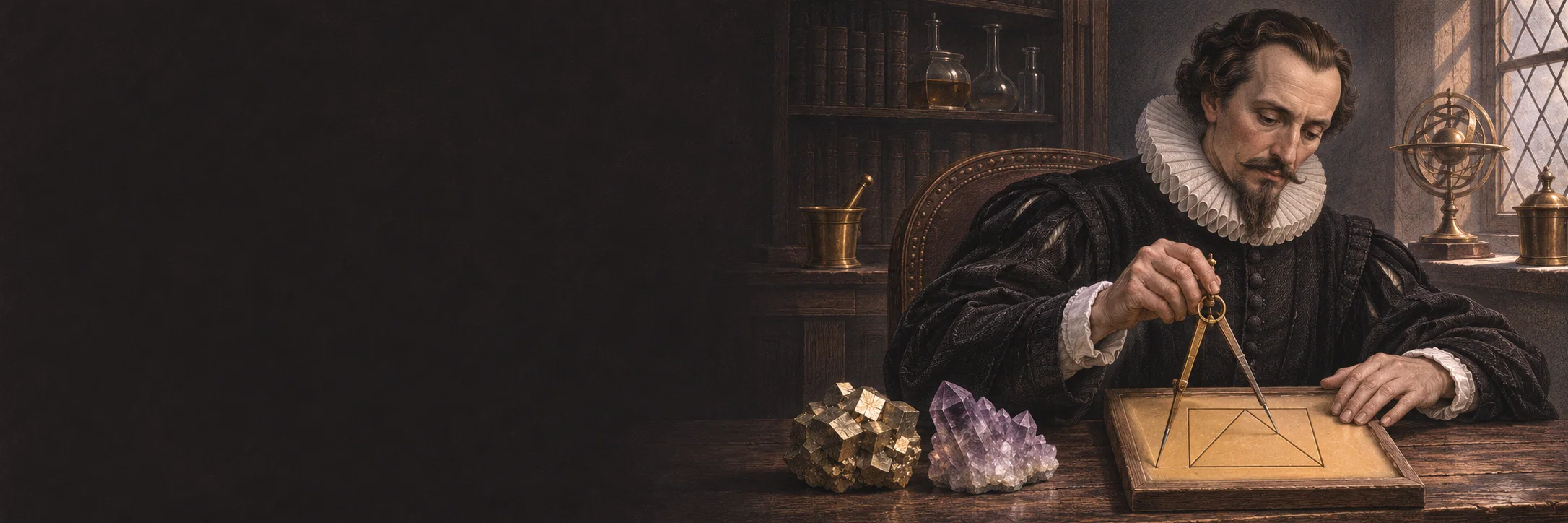
The stone is a triangle in essence and a quadrangle in quality.
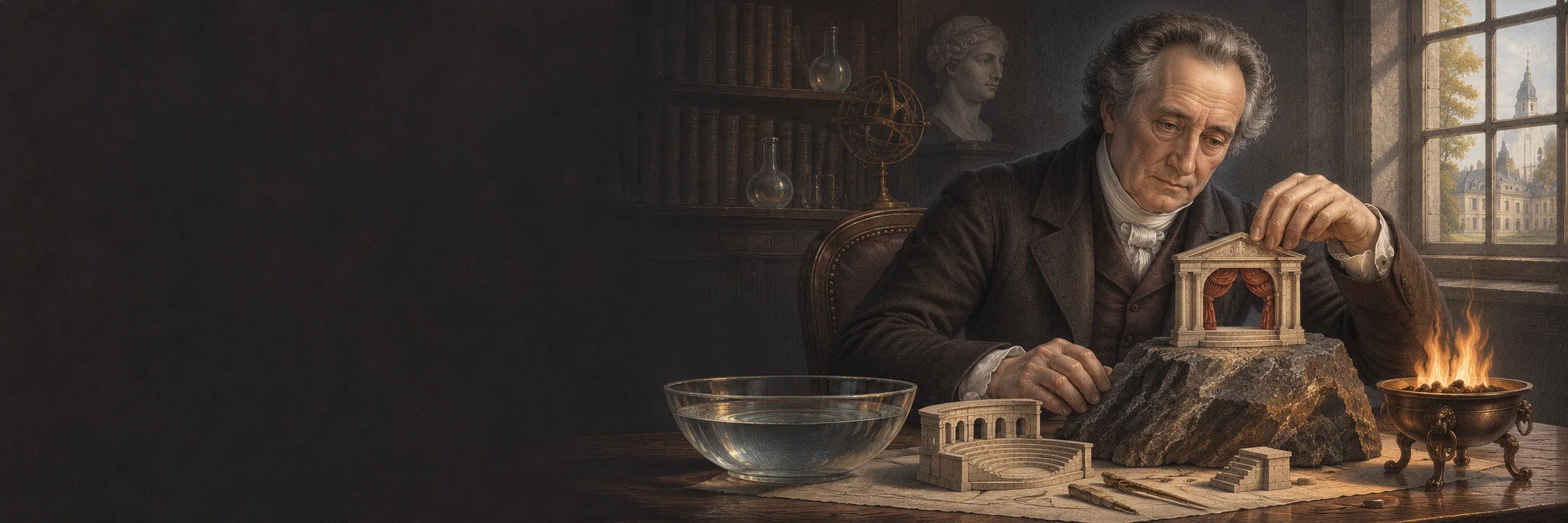
Anaxagoras: Through fiery vapour this rock came to hand. Thales: In moisture living things arose.
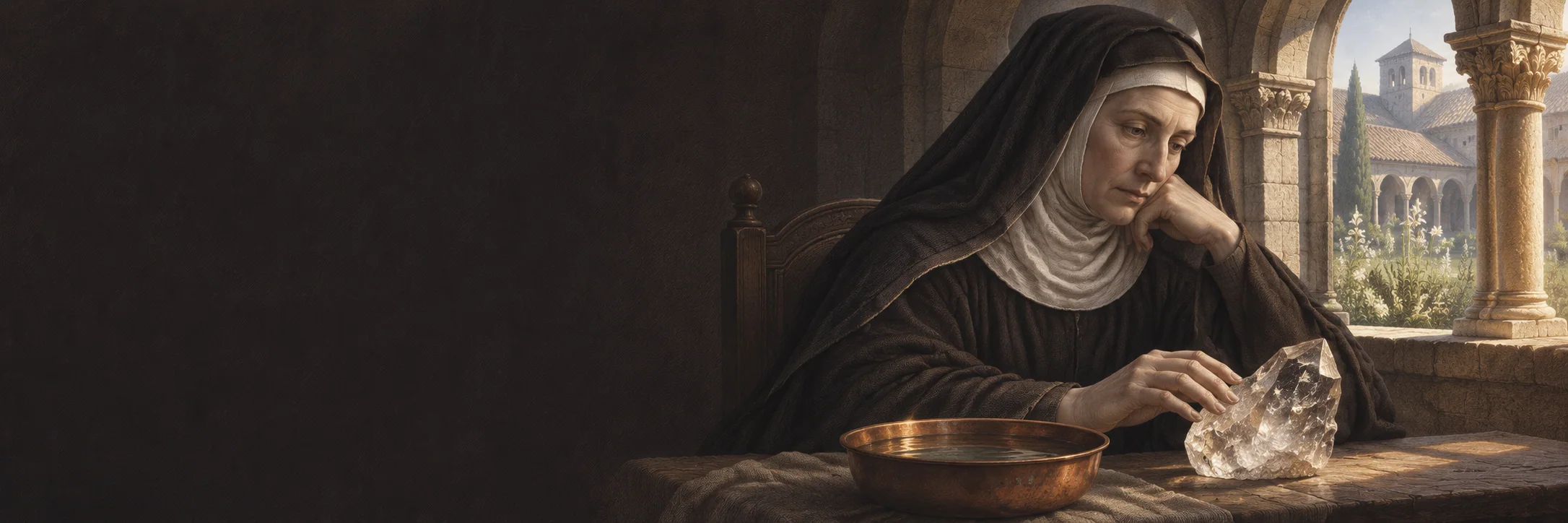
[…] the heart of the water congeals into firmness. […]
Hildegard of Bingen (1098–1179)
Physica, Patrologia Latina 197 · col. 1263
Our translation; unclear opening construed from context · excerpt
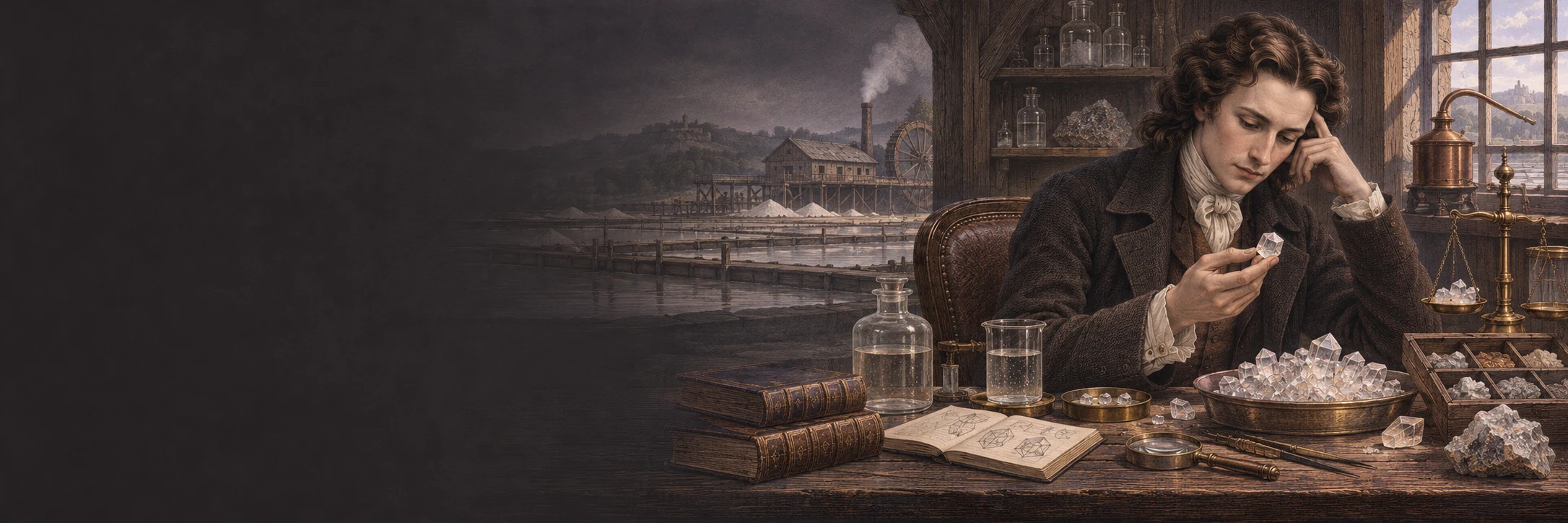
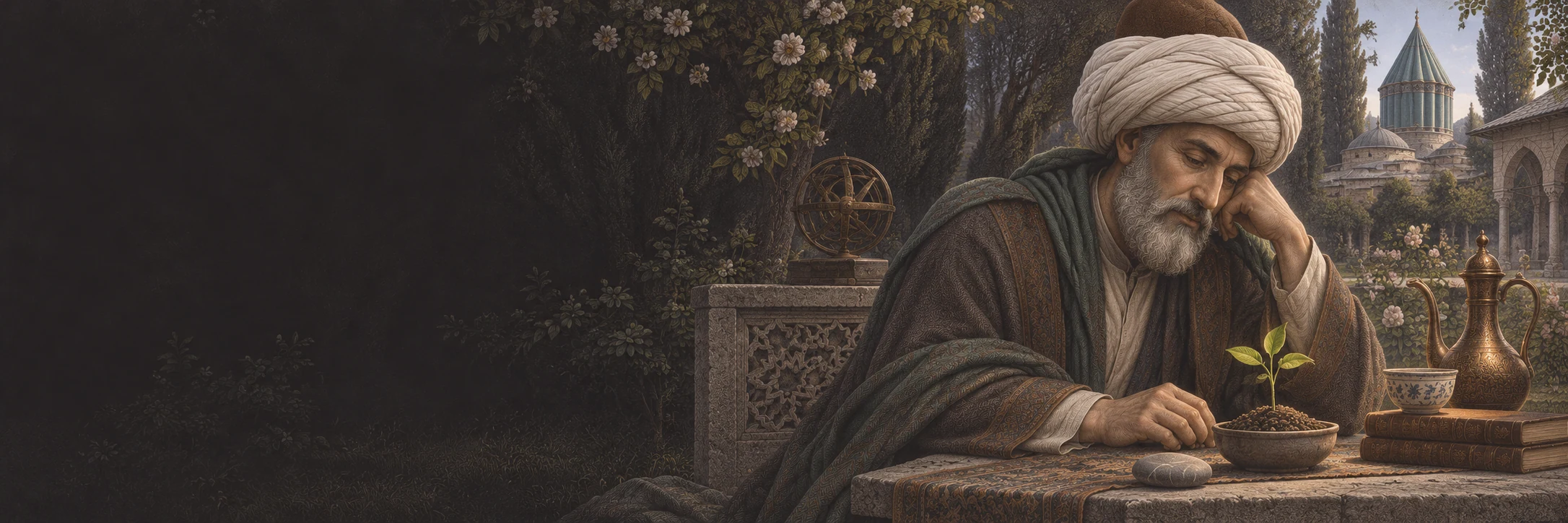
Look! I died as stone and sprang up as a plant
Dschalāl ad-Dīn Rūmī (1207–1273)
Excerpt. Our translation of Friedrich Rückert’s German rendering
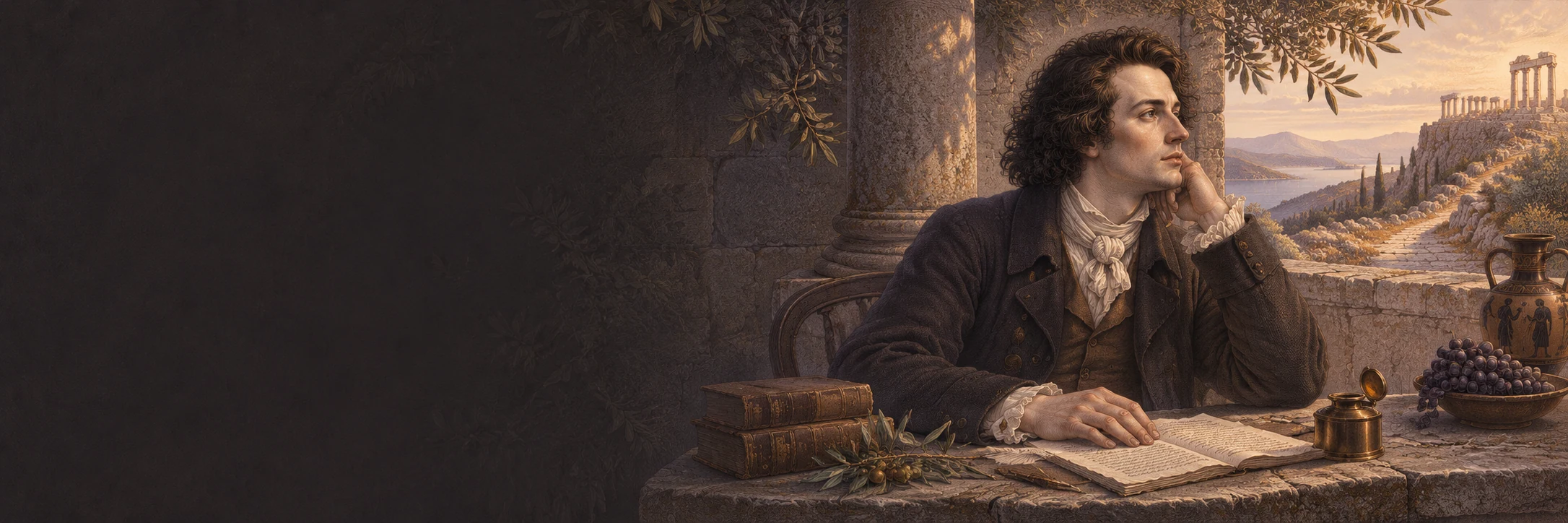

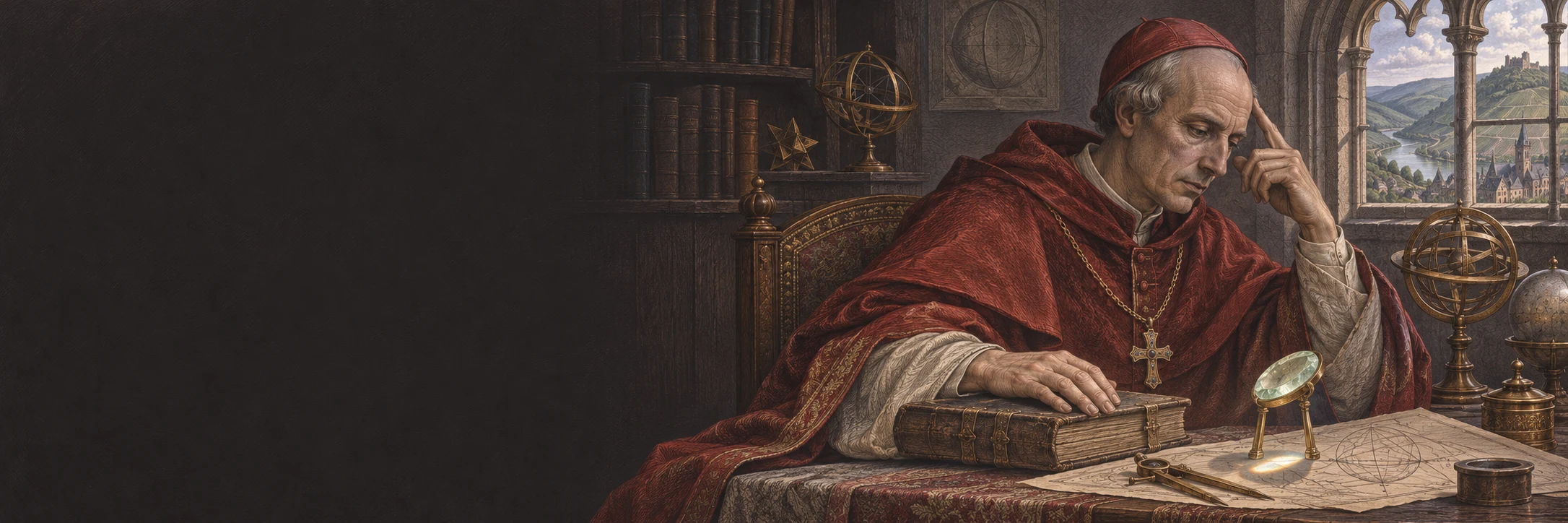
Beryl is a bright, white, transparent stone. It is given a shape both concave and convex, and the person looking through it reaches what was previously invisible.
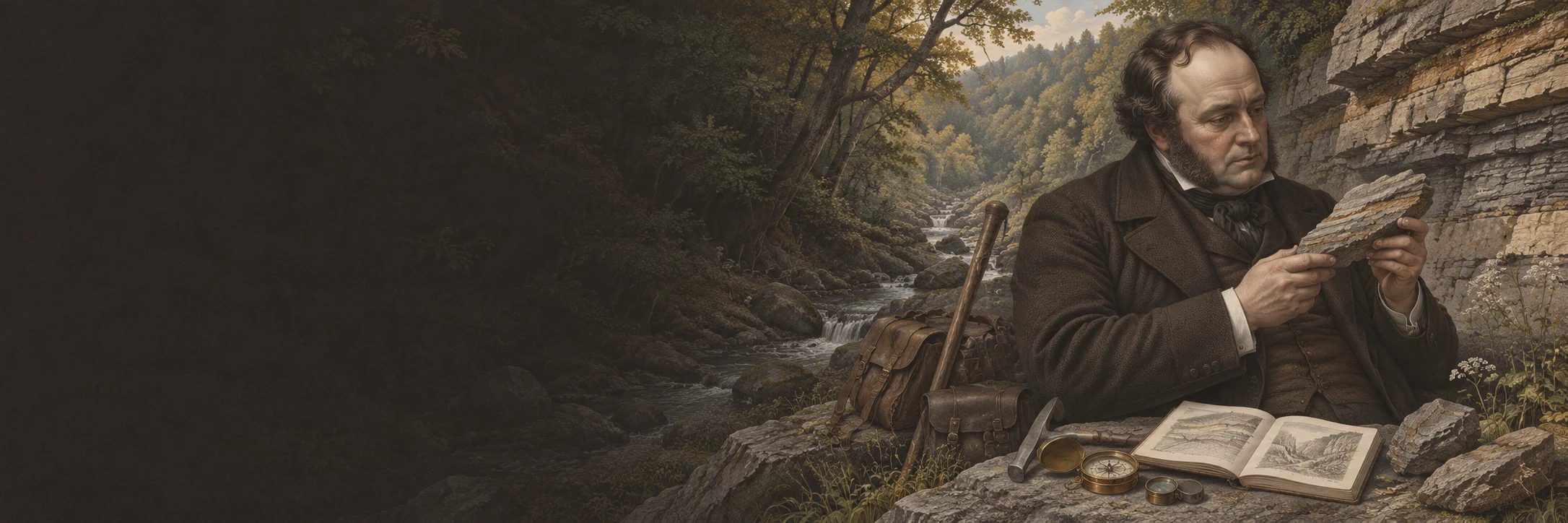
The earth itself keeps the sources for its history within it, as in a vault of records, sources perhaps set down in millions of documents. What matters is that we learn to read them and do not falsify them through zeal and the urge to be right.
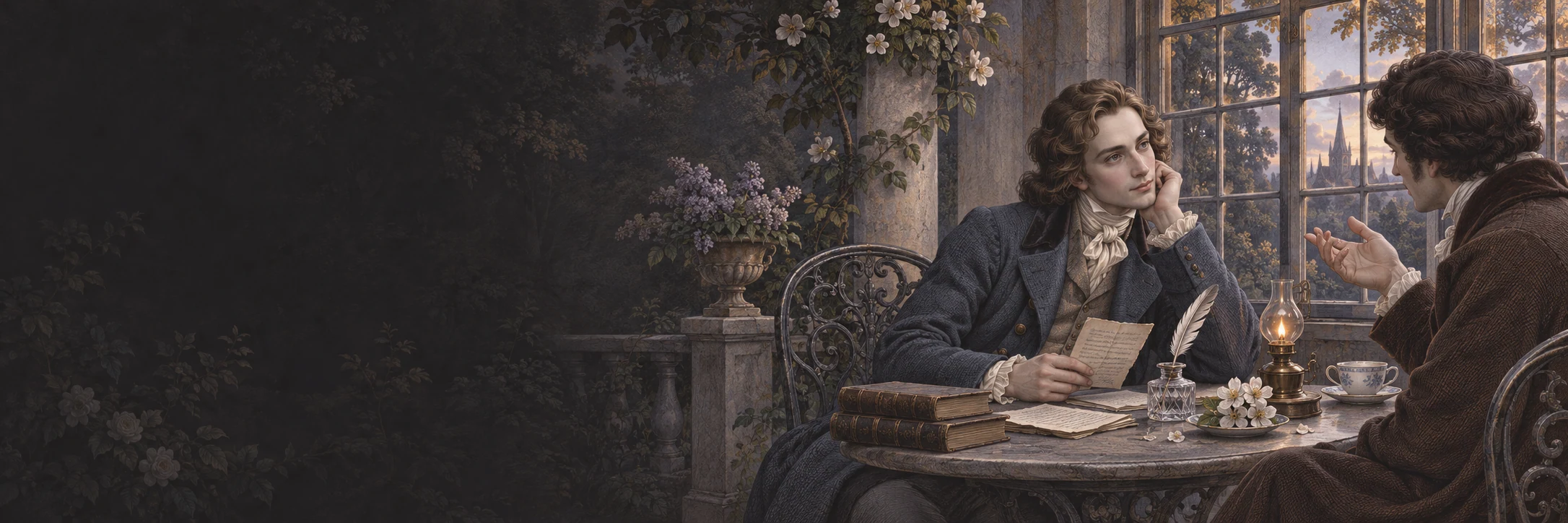
People are crystals for our inner life. They are nature made transparent.

As for precious stones such as carbuncle, ruby, emerald, delphin, onyx and the like, the finest of stones, they have their origin where the flash of light arose in love.
 Cart