
 Phone: +43 677 628 66 628 |


Book of Isaiah
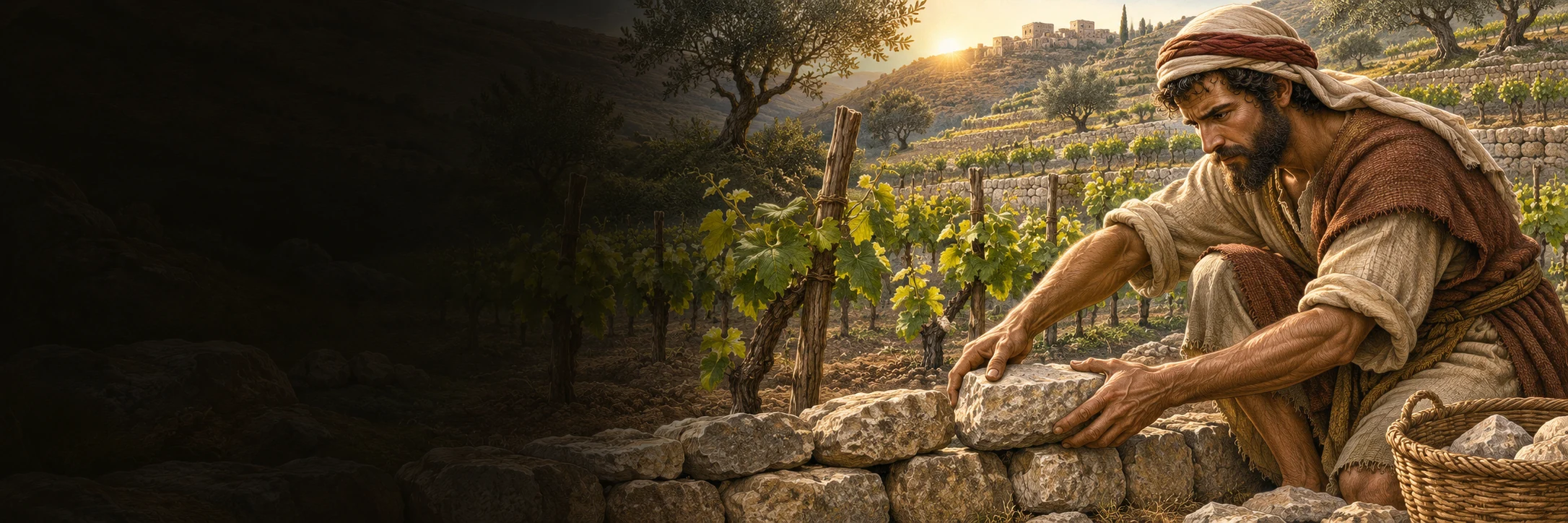
He fenced it in, protected it with heaps of stones and planted choice vines in it. He also built a tower in it and dug a winepress there, and waited for it to bear grapes, but it bore wild grapes.

Alchemical writings circulated long after his death under the name of the Parisian scribe Nicolas Flamel (c. 1330–1418). One of them bears the title Le Désir désiré. Its writer explains the goal of work on a stone in which the four elements are to come to an agreement. To make that condition clearer he invokes an earlier alchemical authority whom he calls Senior. Within a work attributed to one person the reader thus encounters words expressly referred to another.
For in it the water is fixed, the air is still, the earth is firm, and fire surrounds the whole.
– Pseudo-Nicolas Flamel, Le Désir désiré, 1741, p. 308.[1]
Each element receives a particular determination. The water is fixed, the air quiet and the earth firm. Readers following the first three statements may already have a settled picture in mind. With fire the wording changes. We learn where it is in relation to the whole. It surrounds the body. The image acquires an inside and an outside, whereas the other three statements were chiefly concerned with conditions of individual elements.
The context makes this rest more surprising. Shortly before, the text has spoken of above and below, of ascending and descending and of exchanges between spirit and body. Only after these movements can the account of the finished stone acquire its full weight. The elements keep their distinct names, yet they can now be imagined together in a single body. The final phrase does something very like the last outline in a drawing. It gives the whole a boundary at which it can come into view as one thing.
 Search
He fenced it in, protected it with heaps of stones and planted choice vines in it. He also built a tower in it and dug a winepress there, and waited for it to bear grapes, but it bore wild grapes.
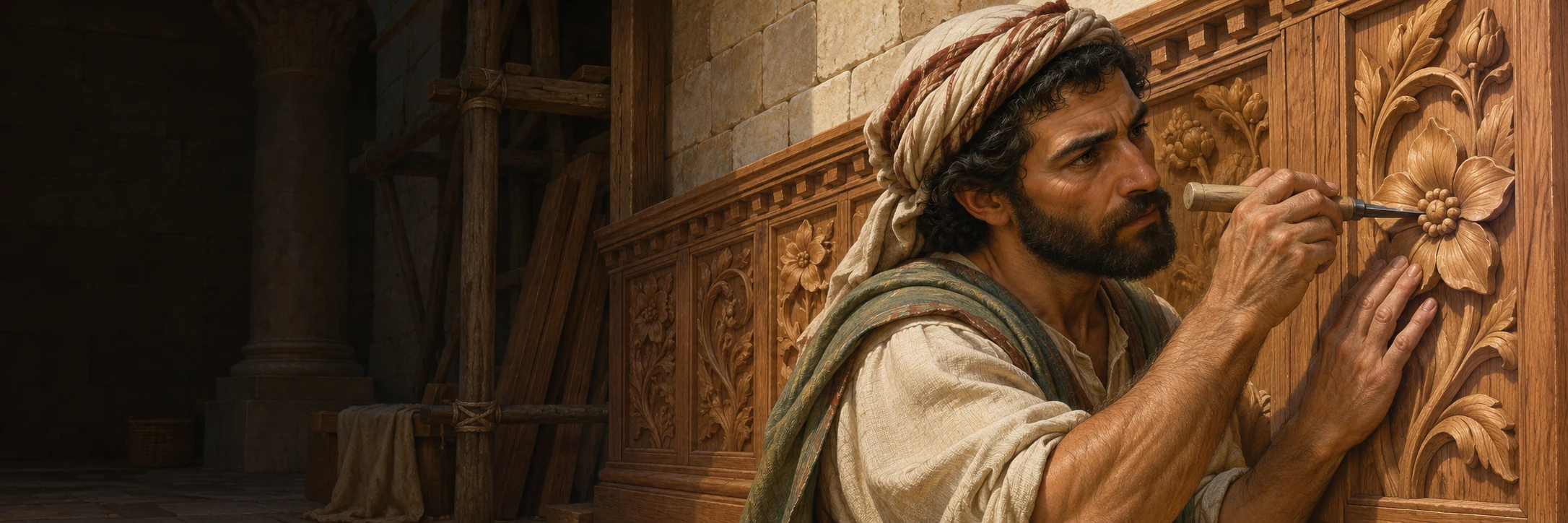
Inside, the whole house was cedar, with carved knobs and flower-work, so that no stone could be seen.

For amongst the Stones they especially are called earthy that are dark, and more heavy; and those waterish, which are transparent, and are compacted of water, as Crystall, Beryll, and Pearls in the Shels of Fishes […]
Heinrich Cornelius Agrippa von Nettesheim (1486–1535)
 De occulta philosophia · 1651 · p. 18–19
Wording of the English edition.
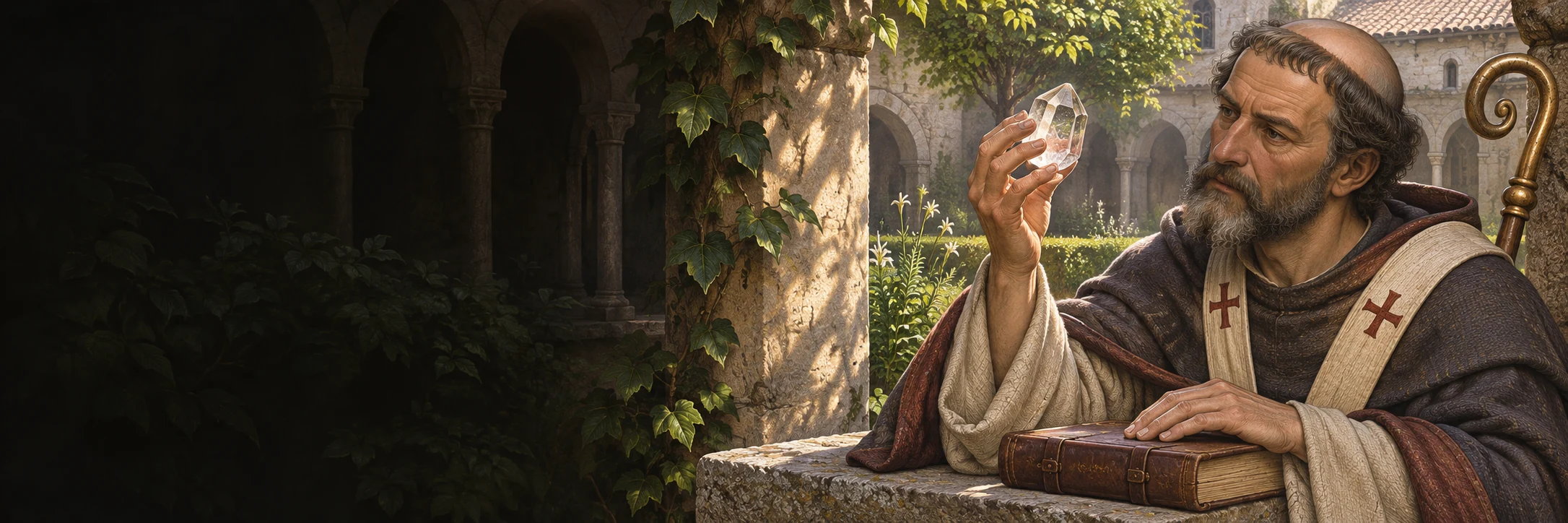
[…] that this stone, placed in the sun, takes fire and with it will kindle tinder fungus brought up close.
Marbod of Rennes (c. 1035–1123)
Liber lapidum · 1799 · p. 70–71
Our translation from the Latin edition.
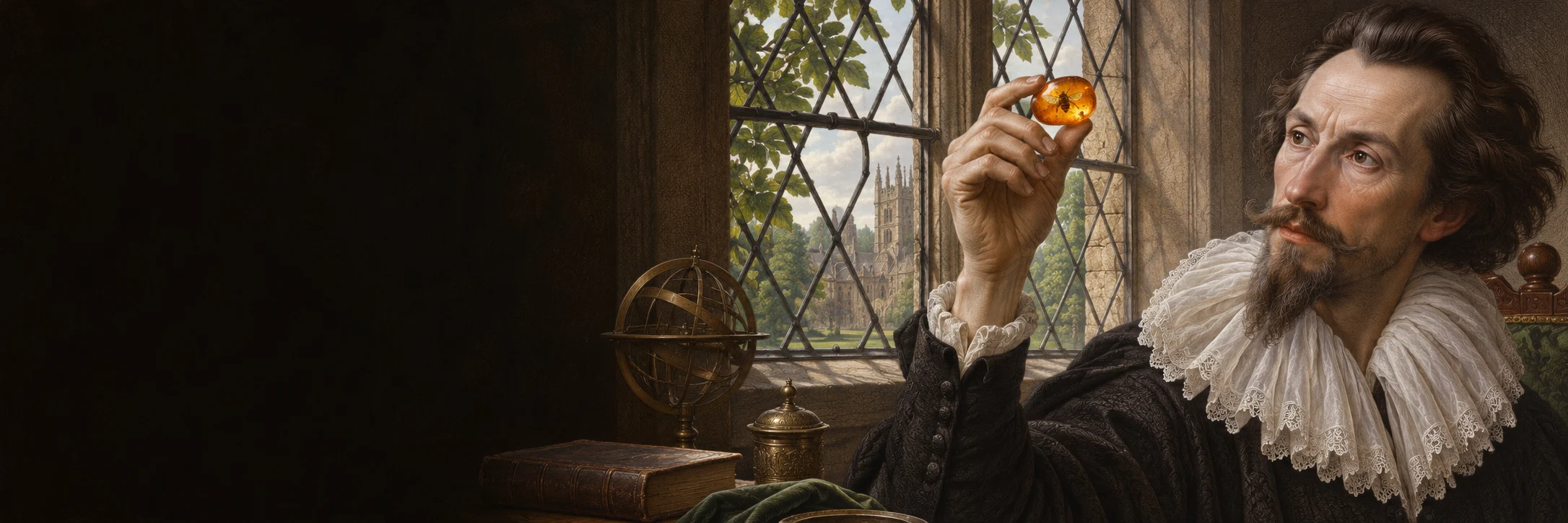
This, as an Amber drop enwraps a Bee, Covering discovers your quicke Soule […]

A soul sheath’d in a crystal shrine, Through which all her bright features shine, […]
Richard Crashaw (c. 1613–1649)
In Praise of Lessius His Rule of Health · 1857 · p. 100
Wording of the English edition.

[…] in natural history one must search the archives of the world, draw ancient monuments from the bowels of the earth, collect their fragments and assemble into a body of evidence all the indications of the physical changes […]
Georges-Louis Leclerc de Buffon (1707–1788)
Les Époques de la nature · 1778 · p. 1–2
Our translation from the French edition.

[…] as from a Stone into Earth, and from Earth into Grass, and from Grass to a Sheep, and from a Sheep into Humane Flesh, and from Humane Flesh into the most servile Spirits of Man, and from these into his noblest Spirits […]
Anne Conway (1631–1679)
The Principles of the Most Ancient and Modern Philosophy · 1692 · p. 153
Wording of the English edition.
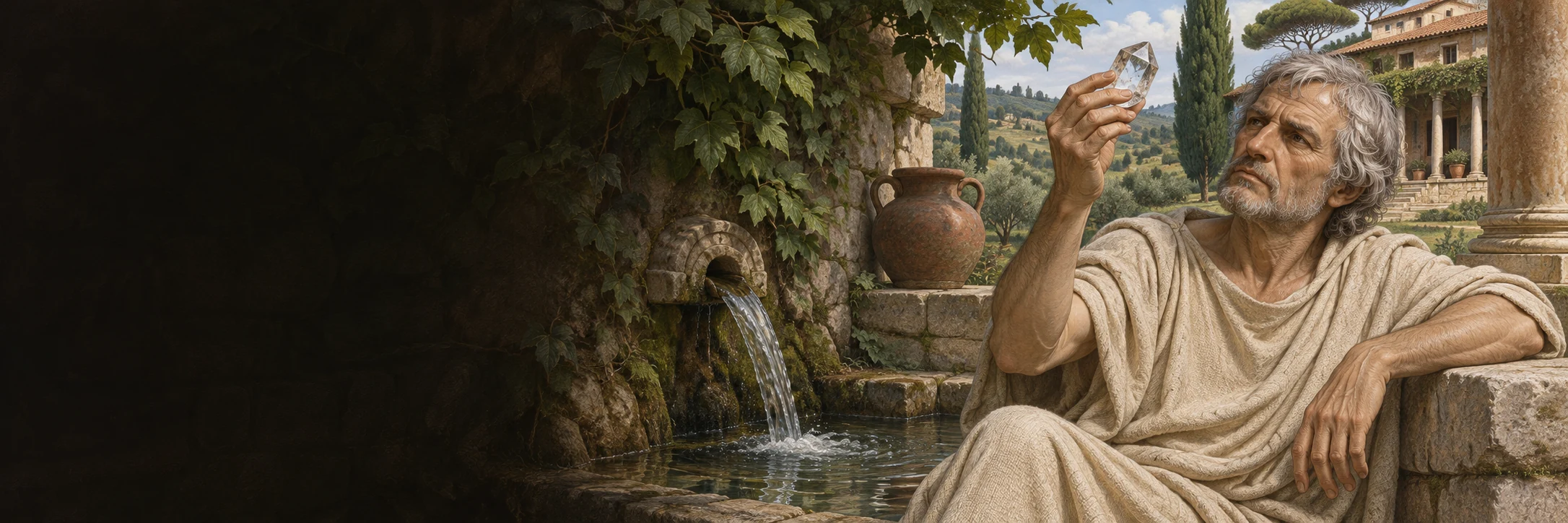
Rain water, which contains very little solid matter, once it is frozen becomes more and more condensed through the persistence of the longer cold until all the air is expelled, and it is compressed to the last degree; then what […]
Lucius Annaeus Seneca (c. 4 BCE–65 CE)
Natural Questions · 1910 · p. 140
Wording of the English edition.

Thus are we moreover informed by Manetho, that the Load-stone is by the Egyptians called the bone of Orus, as Iron is, the bone of Typho.
Plutarch of Chaeronea (c. 45–after 119 CE)
On Isis and Osiris · 1744 · p. 85
Wording of the English edition.

How, then, did the diamond come to be: a unity pervaded throughout, enduring, a purity unclouded, rich in rays, made firm by bonds invisible to us?
Gottfried Keller (1819–1890)
Das Eidgenossen-Volk · 1846 · p. 88
Our translation from the German edition.

This stone is also like to a fiery flame, for the fiery love of the Eternal Word has filled the whole world with love and wills that all loving spirits be burned up to nothingness in love.
 Cart