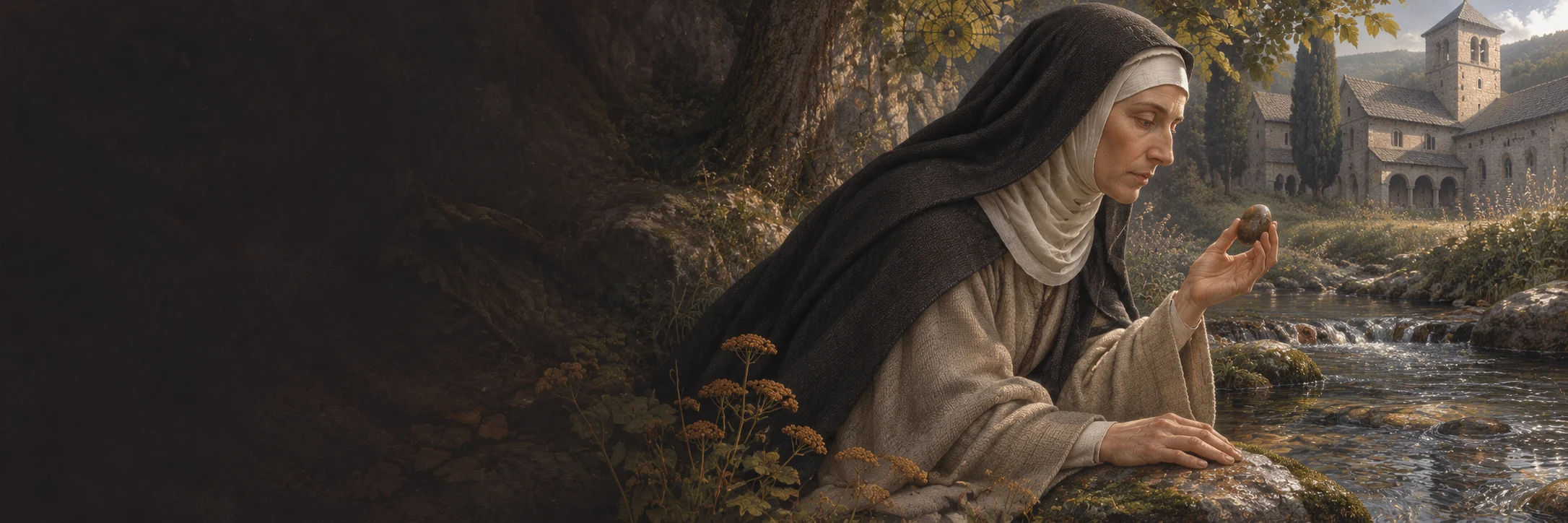
Hildegard of Bingen (1098–1179) was a Benedictine abbess and writer from the Rhineland. In the preface to the book on stones in her Physica, she traces the history of a gem to mountains in the East. She imagines the mountains becoming so hot that the water of swollen rivers foams when it touches them. Anyone who has seen a smith plunge a glowing piece of iron into water can picture the encounter. Hildegard introduces the comparison with iron herself. It gives her readers a place to begin in their own experience.
When the river touches the hot mountain
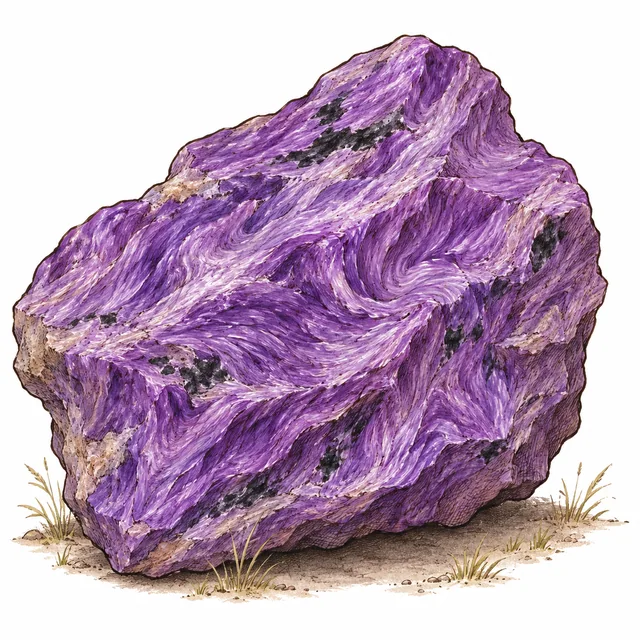
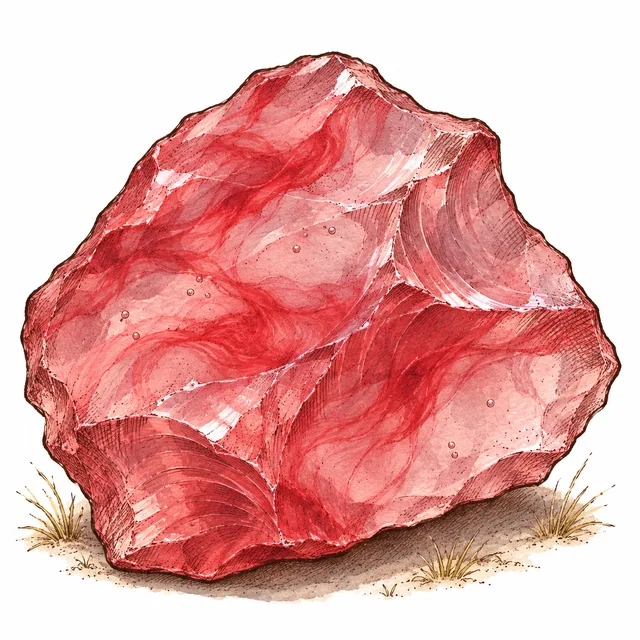
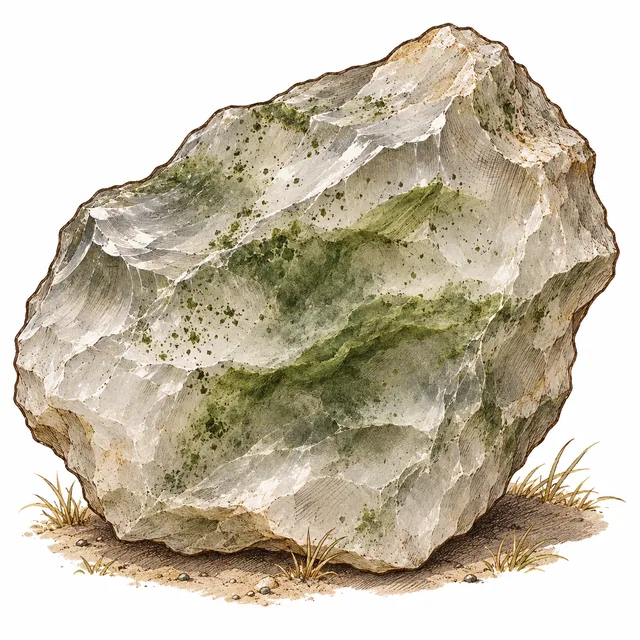
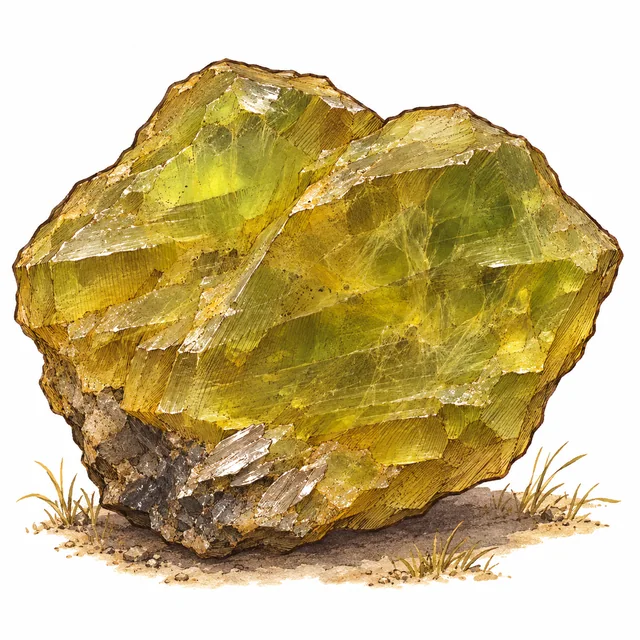
And so precious stones are born of fire and water. Hence they too contain fire and moisture, and hold many powers and many effects, so that numerous works can be accomplished with them, yet such works as are good, honourable and useful to humankind […]
– Hildegard of Bingen, Physica, 1882, Book IV, preface, col. 1248.[1]
The further transformation takes time. Foam clings to the slopes as the waters retreat. The sun dries the traces left behind. According to the hour and the warmth of the day, the stones acquire different colours and powers. A later flood loosens them from the mountain and carries them to places where people can find them. A small discovery on a riverbank thus has a long history before anyone picks it up.
What the finder can do with a stone
Its origin leads Hildegard to a question about its use. The stone retains the fire and the moisture that went into its making. In her account the powers associated with them oblige the finder to act for purposes that are good and beneficial to others. Her movement from formation to responsible use explains the care she gives to each stage of the story. The stone owes its value to the meeting of forces over which its eventual owner had no control. The preface gives that owner a place at the end of the story as the person who receives it.

 Phone: +43 677 628 66 628 |


 Search









 Cart