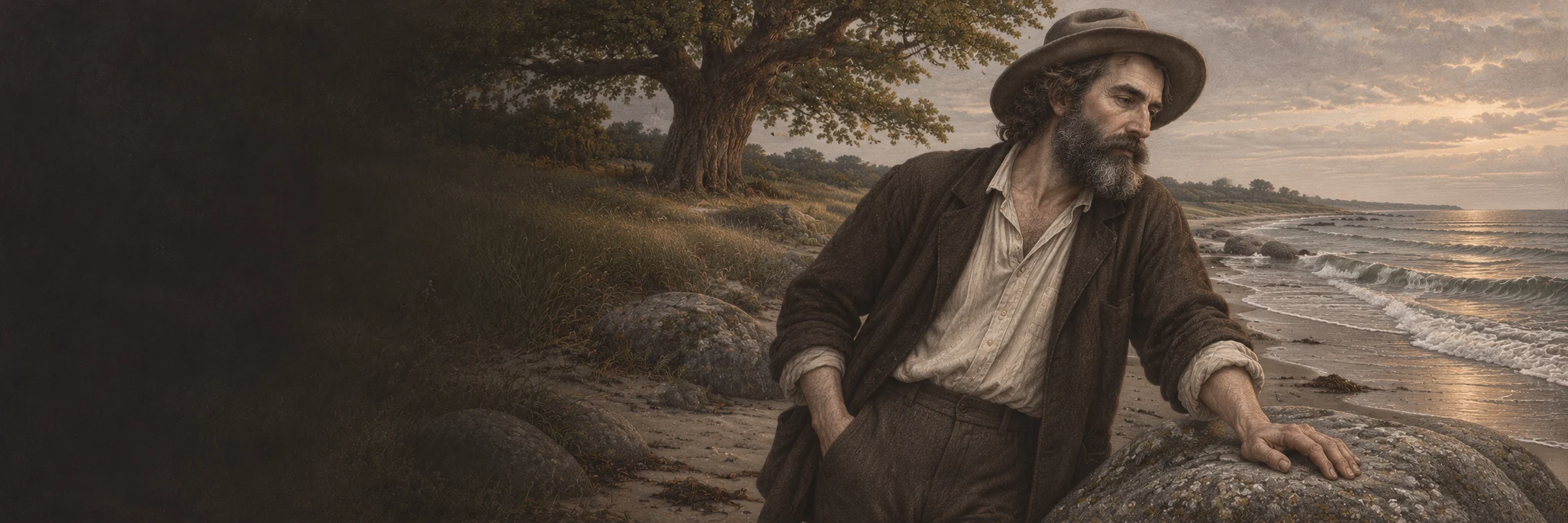
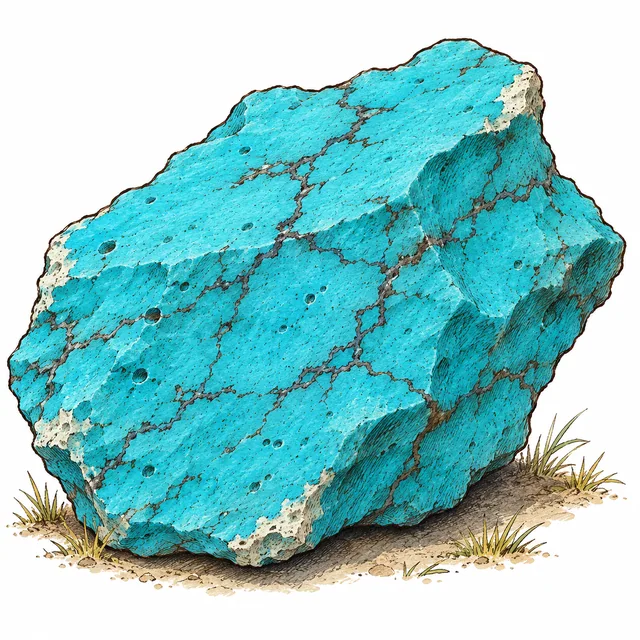
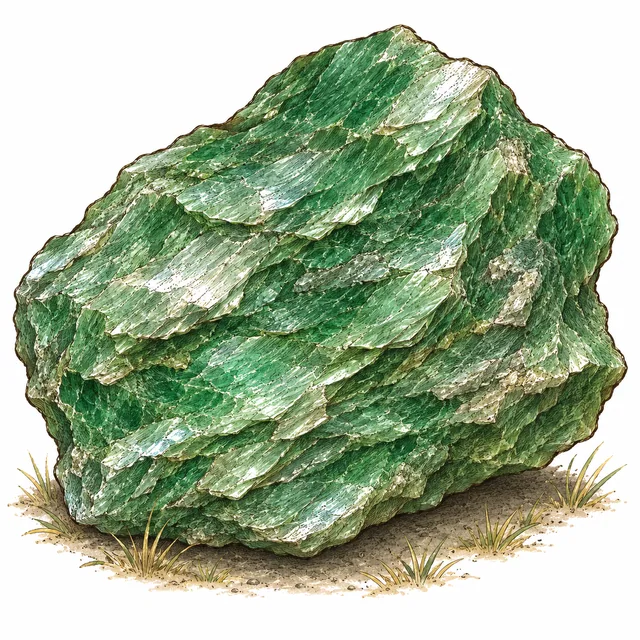
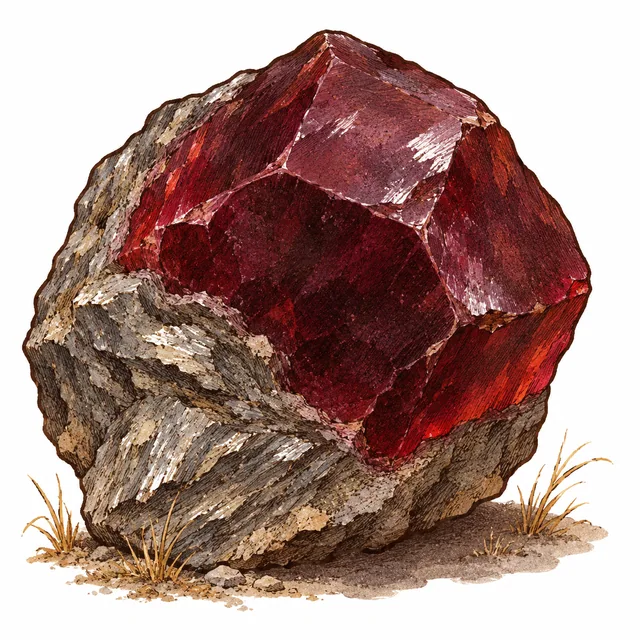
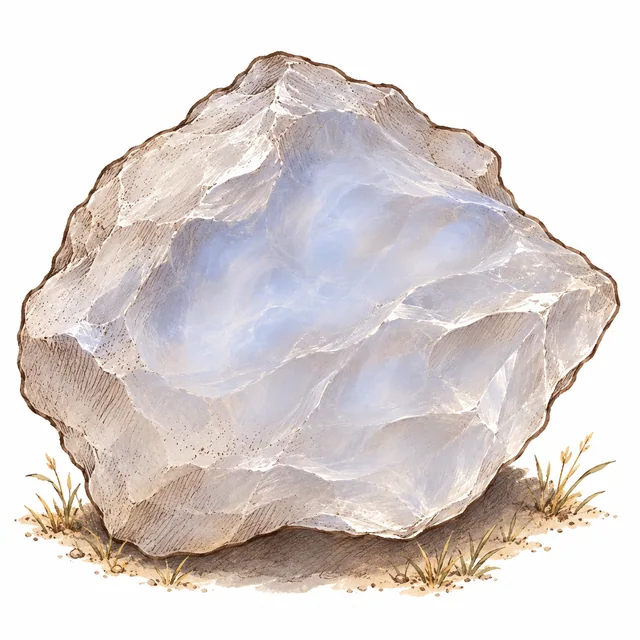
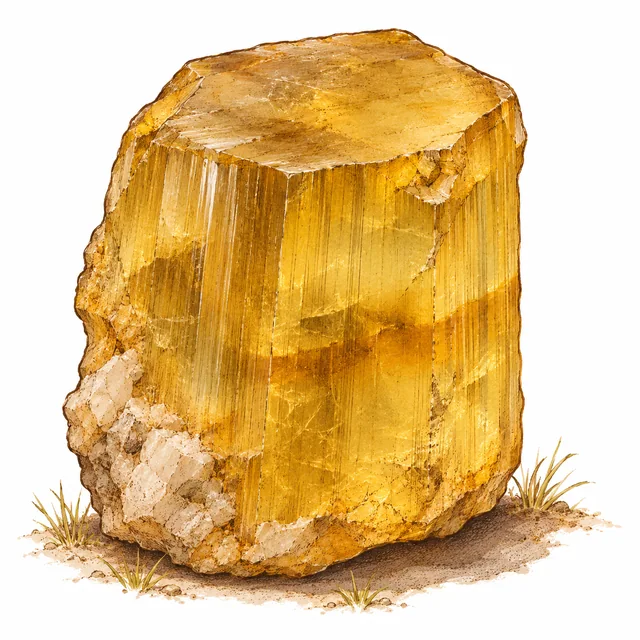
Walt Whitman (1819–1892) was an American poet. In an early notebook he considers how far a person might reach in imagination beyond the bounds of a human body. For his first example he chooses a rock. An animal offers a familiar way into this exercise. We can watch it move and recall something of the movement in our own limbs. A rock offers little such encouragement. Whitman nevertheless gives it a life of its own and, in one extended sentence, invites the reader to inhabit it.
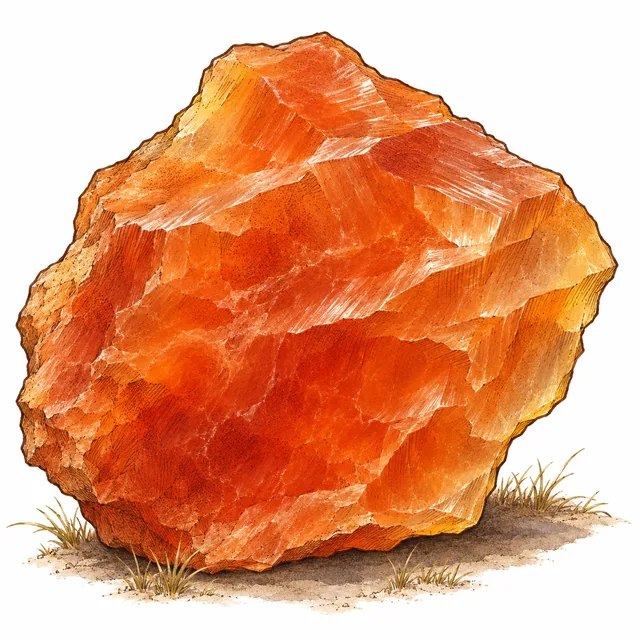
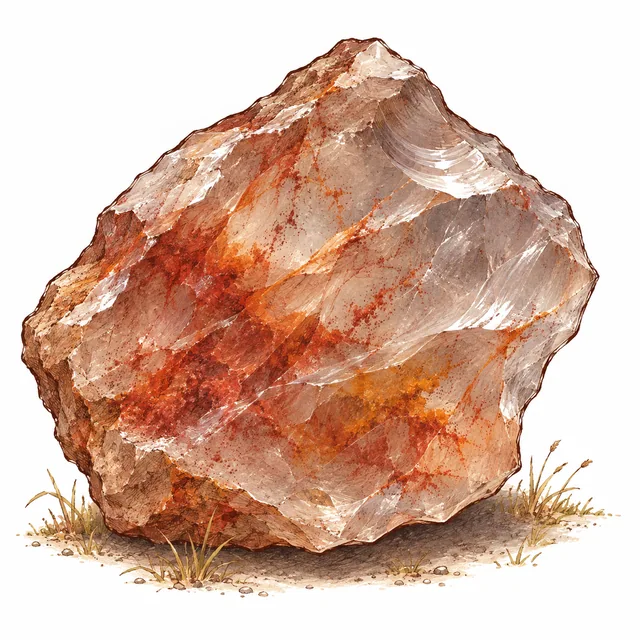
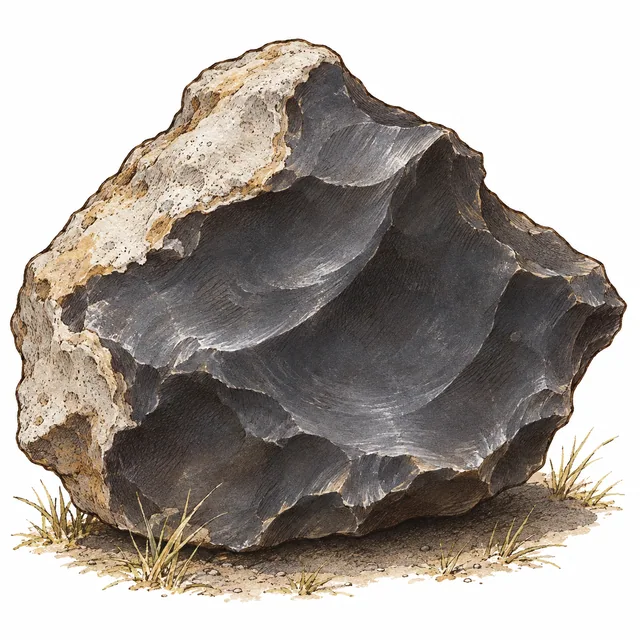
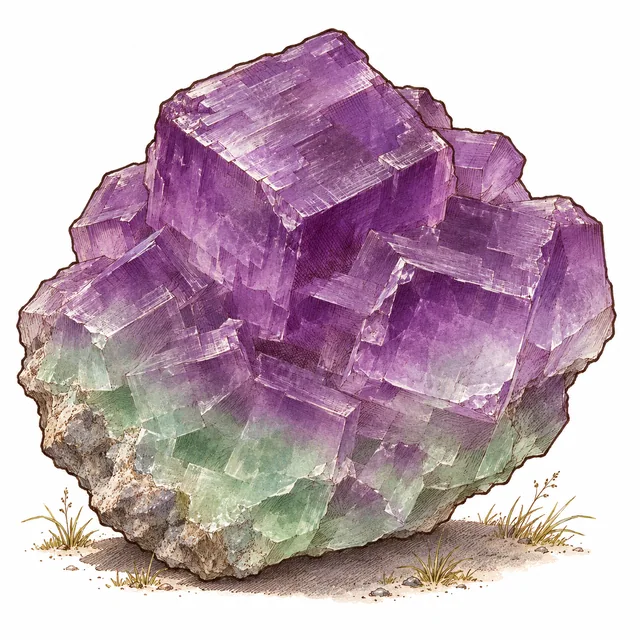
From the rock into the sea
The soul or spirit transmits itself into all matter—into rocks, and can live the life of a rock—into the sea, and can feel itself the sea—into the oak, or other tree—into an animal, and feel itself a horse, a fish, or bird—into the earth—into the motions of the suns and stars—
– Walt Whitman, Talbot Wilson notebook, 1921, p. 64.[1]
He supplies no description of what living as a rock would involve. Instead he passes directly into the sea. Here, for the first time, he names an act of feeling. The spirit can feel itself to be the sea. For the tree he gives only the name of a species, the oak. Its shape and the particular way it occupies the same place year after year have to come from the reader’s own memory.
As far as the motions of the stars
Dashes keep the sequence open. The horse, the fish and the bird give way to the earth and finally to the motions of suns and stars. One last dash reaches the edge of the note. Whitman goes on to imagine driving a cloud and crawling like an ant. These neighbours cast light back on the rock at the beginning. It need neither speak nor stir from its place for the question of its own existence to become, for a moment, a matter of personal concern to a reader.

 Phone: +43 677 628 66 628 |


 Search
 Tiangong kaiwu · o. J. · Ch. 18, 珠玉, section 寶

 Cart