Wen Zhenheng (1585–1645) was a Chinese writer from Suzhou. His Changwu zhi considers the things people choose for their houses and gardens. He opens its third book with rocks and water. A reader might expect directions for placing a boulder or digging a pool. Wen begins one step earlier. He is interested in what happens to a person who stops in front of a stone or stands looking across a stretch of water.
Two effects in a single line
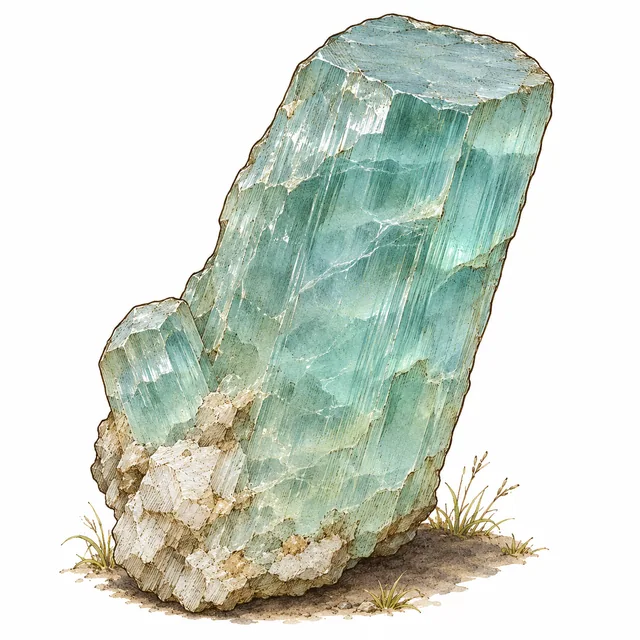
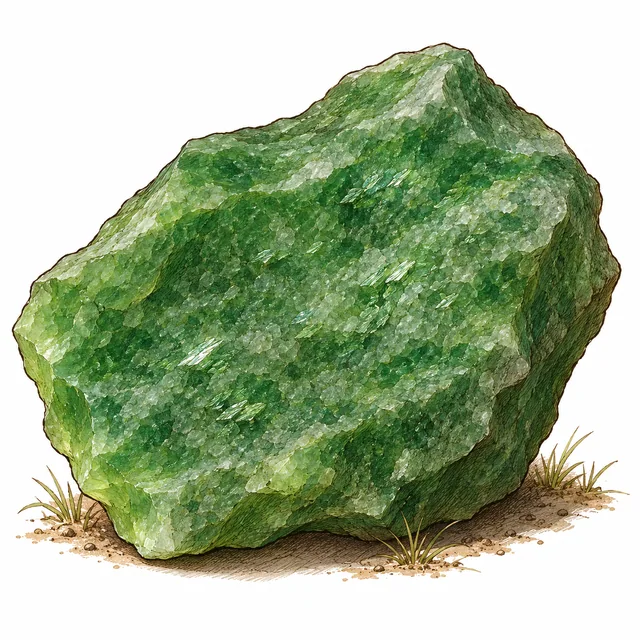
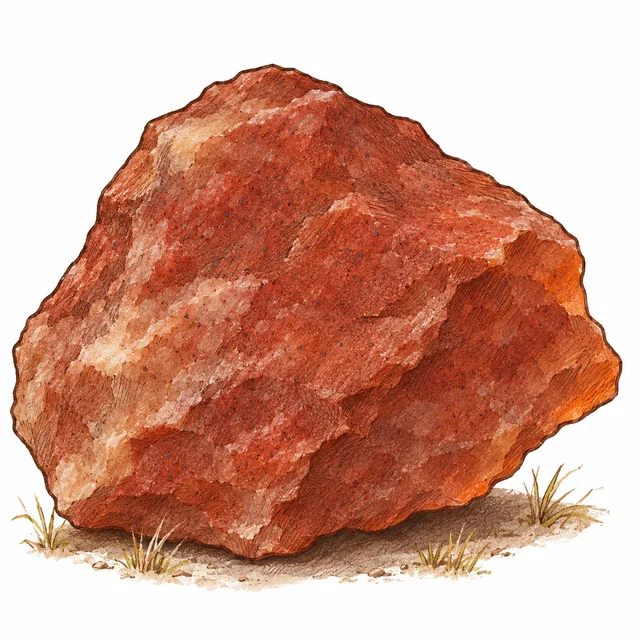
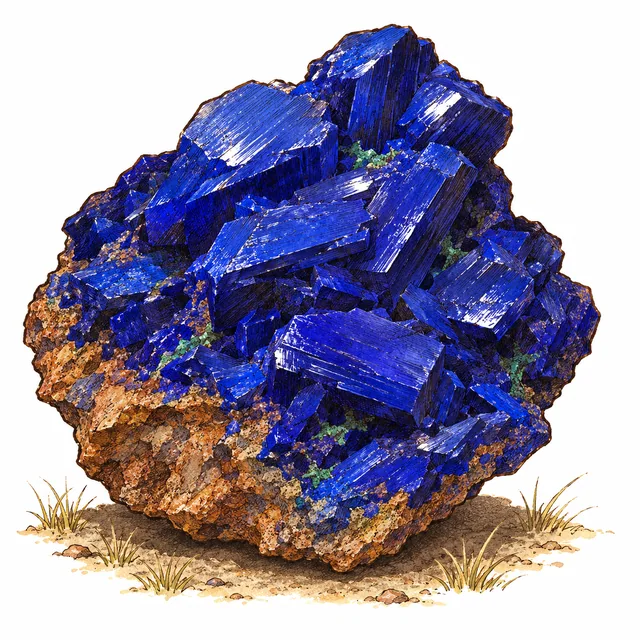
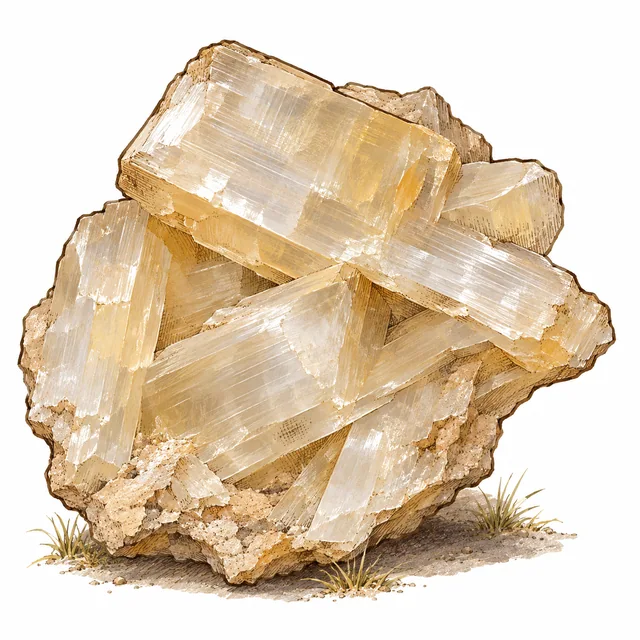
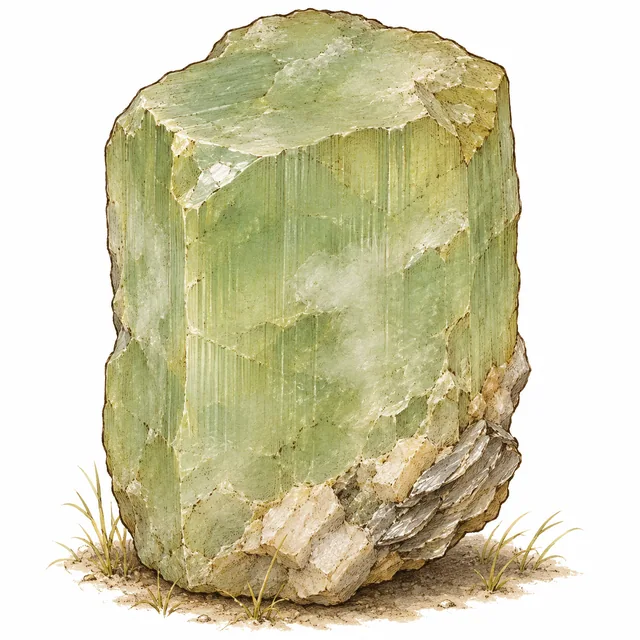
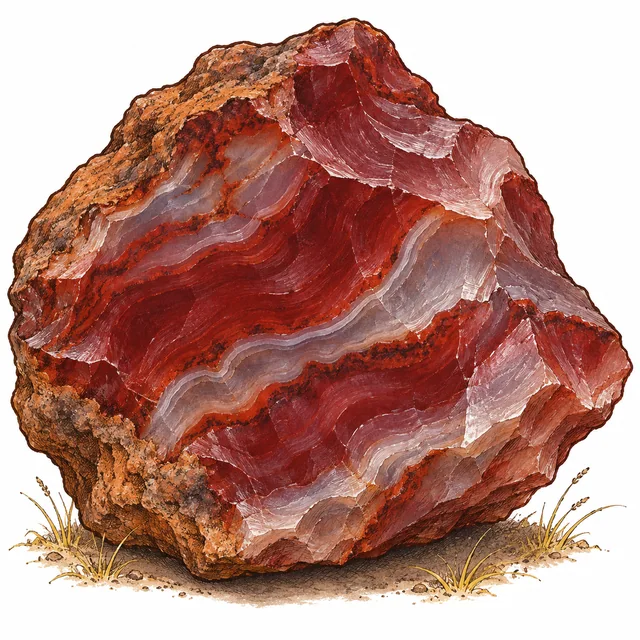
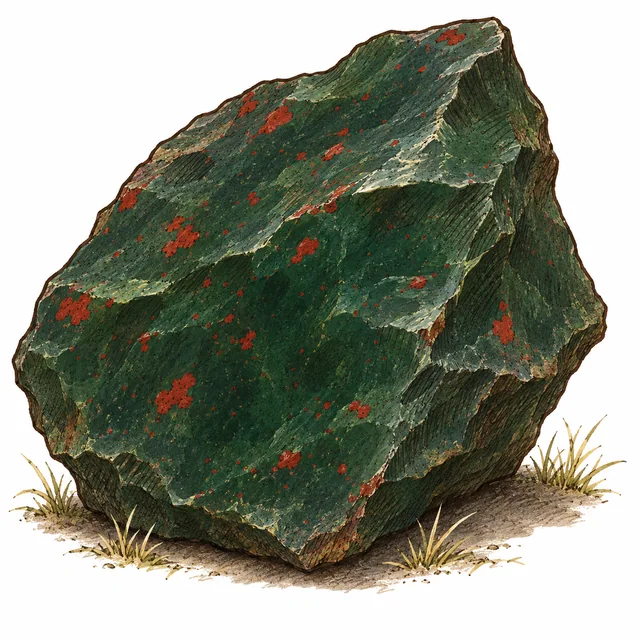
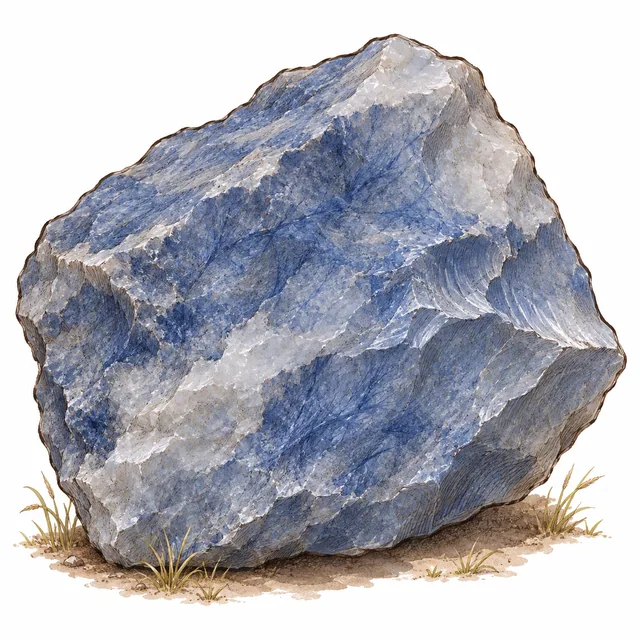
Rocks carry a person back to antiquity, water draws one into the distance. In a garden, water and rocks are indispensable.
– Wen Zhenheng, Changwu zhi, Qing-Zeit, Book III, Water and Rocks, opening.[1]
The two brief clauses have almost exactly the same shape in Chinese. A single character at the end sends each in a different direction. The stone is associated with gu, a word for the old or ancient. Water is associated with yuan, a word for distance. An English translation needs a little more space to bring out the difference. Following the weathered surface of a stone, a visitor can imagine time extending far beyond the age of the garden. Following the surface of the water, the eye finds a direction in which it can travel.
A landscape within reach
Wen goes on immediately to call water and rocks indispensable in a garden. This gives his opening statement a practical scale. A garden wall may stand only a few steps from the house. Yet a well-placed stone and a patch of water can open quite different experiences of space within those limits. The visitor can stand perfectly still and discover how long the surface of one thing holds the gaze before the other carries it into the distance.

 Phone: +43 677 628 66 628 |



 Search

 Epistolae · o. J. · p. 353











 Cart