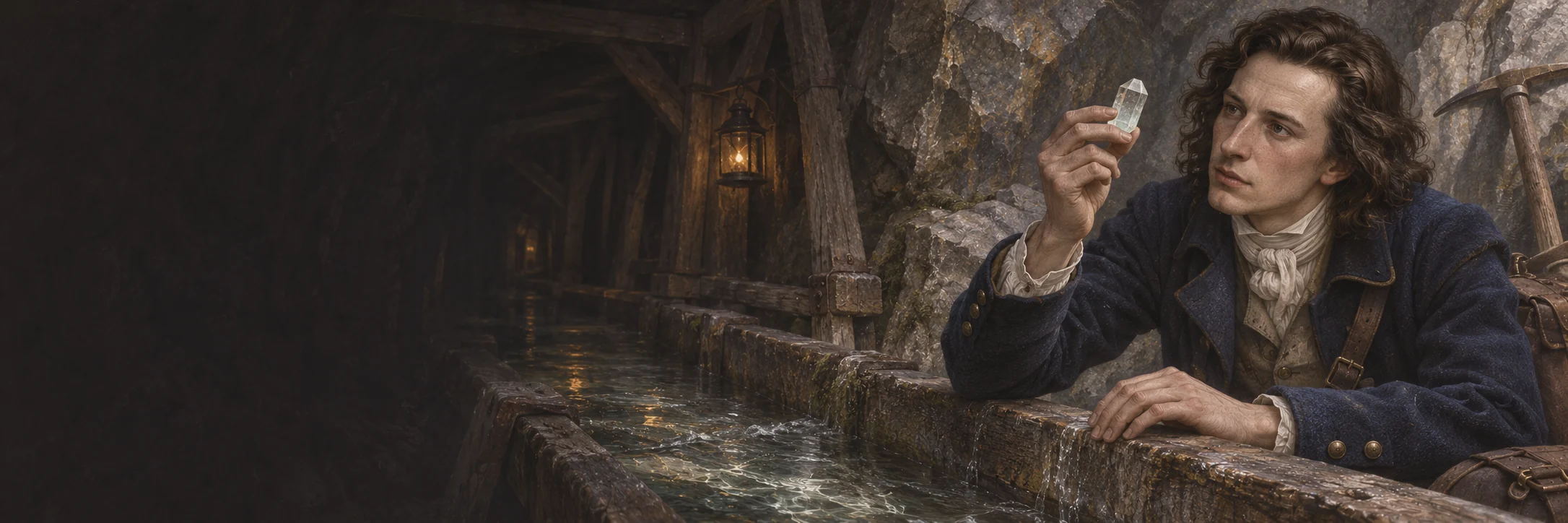
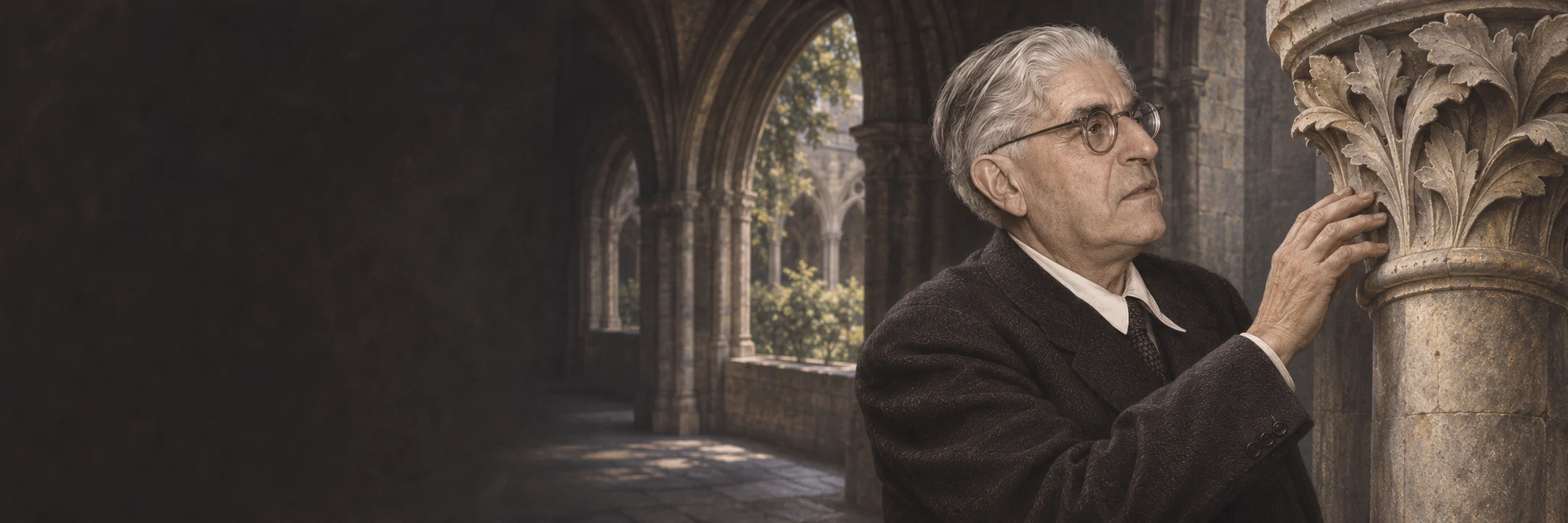
Novalis (1772–1801) was a German poet trained in mining. Under his civil name Friedrich von Hardenberg he worked in the administration of salt works. His scientific notebooks often place the language of the workshop close beside an impression received by the eye. Here two short sentences are enough. He considers the effects of fire on mineral substances and suddenly sees a resemblance to water. The distance between those thoughts is so short that a reader might easily pass over the question mark.
A question put to chemistry
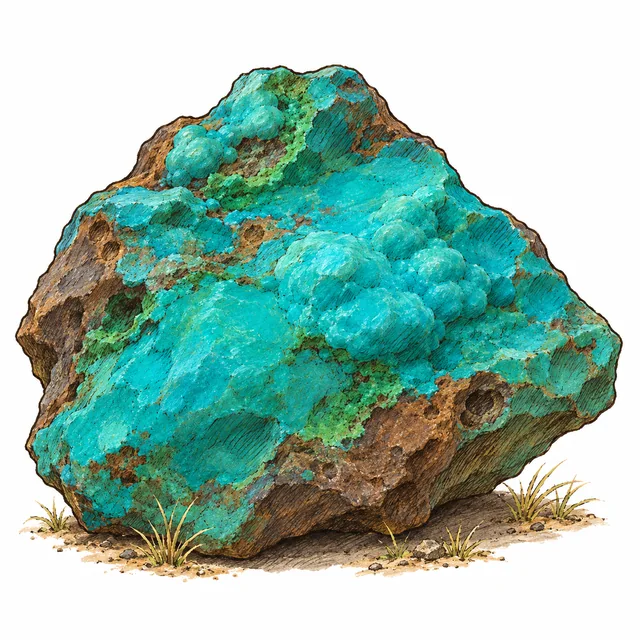
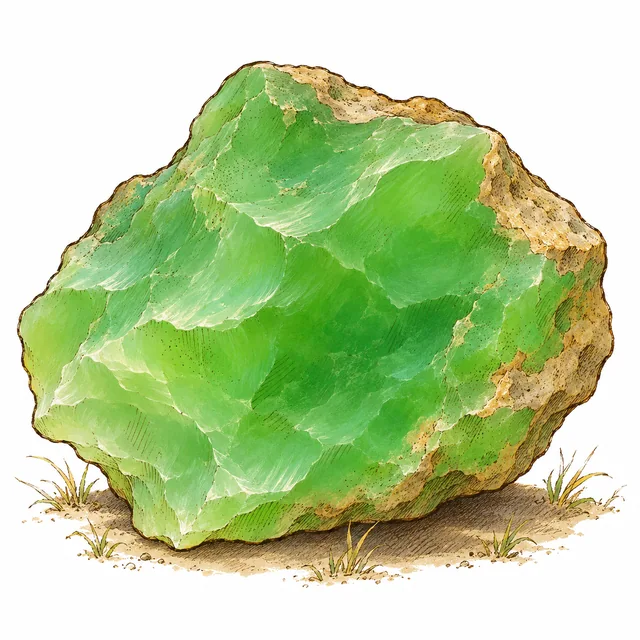
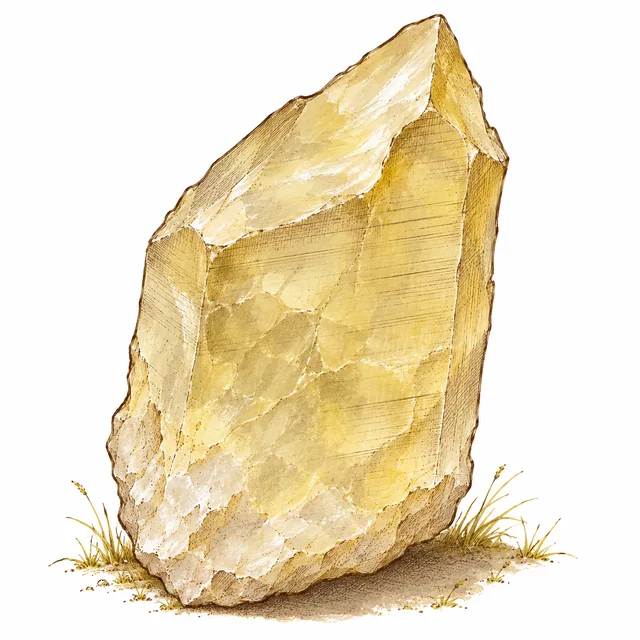
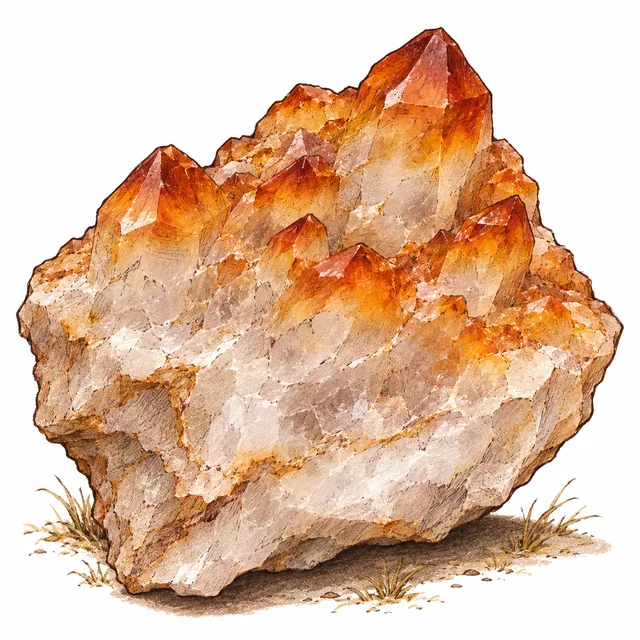
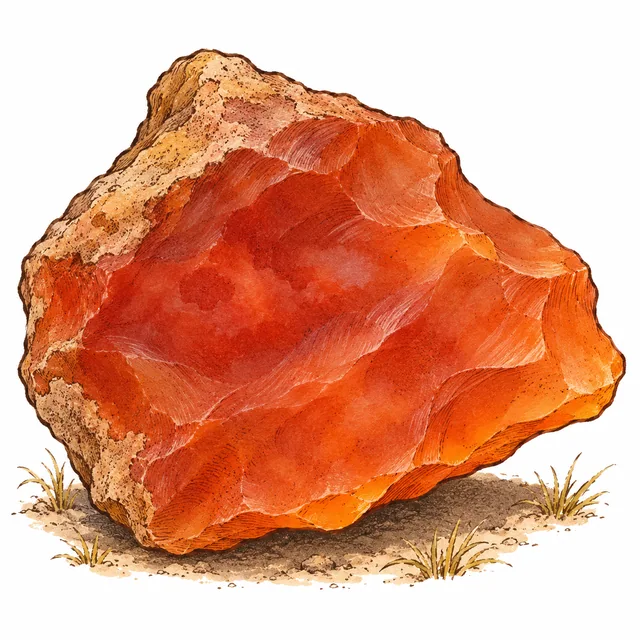
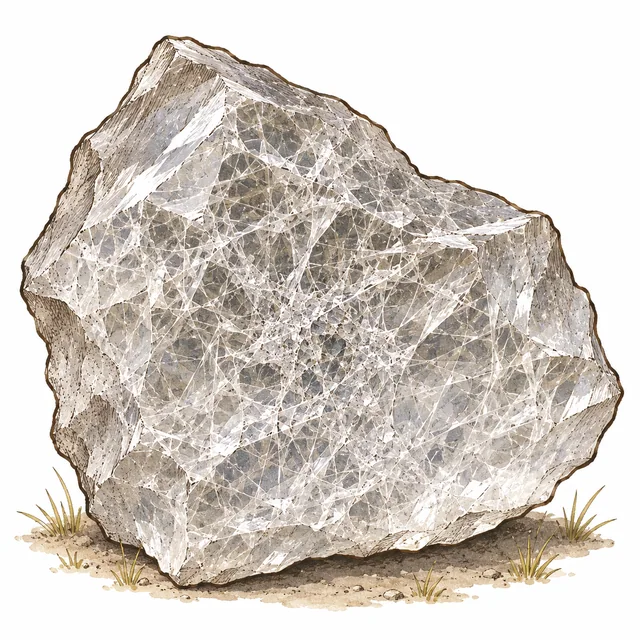
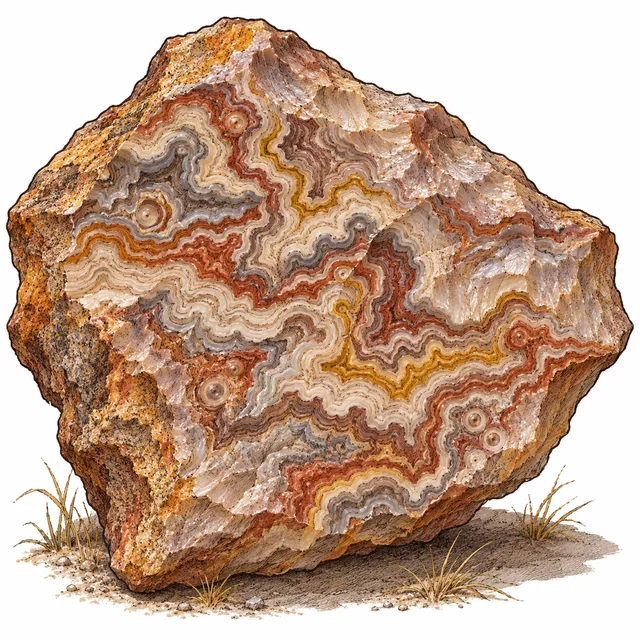
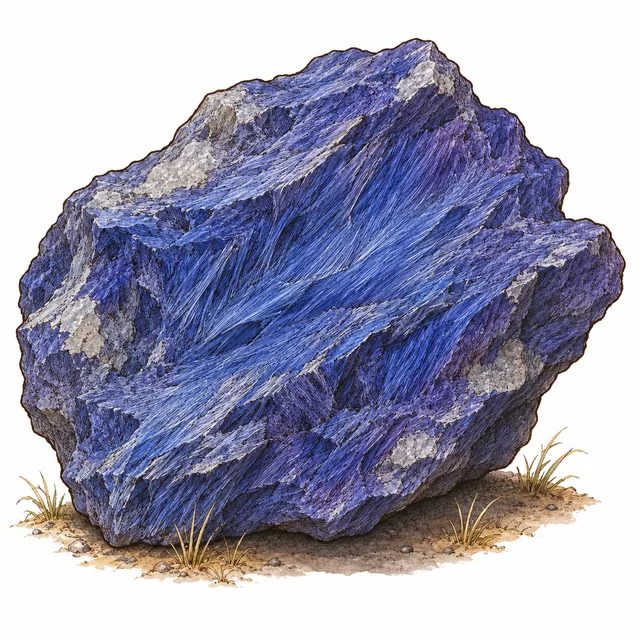
Are earths, and precious stones in particular, the most thoroughly burnt bodies? Hence so like water …
– Novalis, Fragments I, 1901, p. 286.[1]
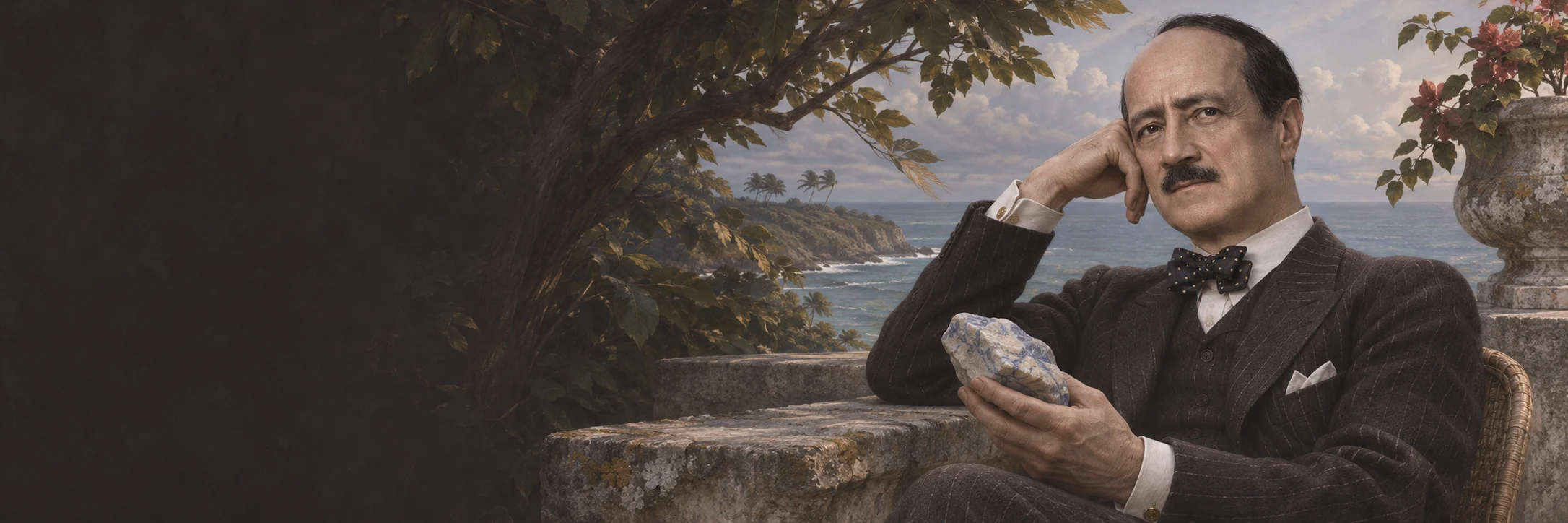
That mark deserves attention. Novalis is trying out a thought. The words “most thoroughly burnt” carry a quality to its furthest imaginable limit. What if earths and precious stones were understood as substances at the very end of such a process? In the next instant water enters the picture. The poet scarcely says which feature prompted the comparison. With a transparent stone it might be the impression of looking into depth. With a polished one it might be the moving patch of brightness that travels over a solid surface.
What the trailing dots leave open
The printed page preserves several such trials of thought. Immediately before this one Novalis considers whether the specific gravity of the earth approaches that of a diamond. Each note makes a fresh start, as though an observation might first be allowed to suggest a daring question. Even the dots after the resemblance to water belong to the printed passage. They leave the reader present at a moment when the sight of a gemstone has become a question still awaiting an answer.

 Phone: +43 677 628 66 628 |


 Search




 Cart