The anonymous Latin Rosarium philosophorum appeared in print in Frankfurt am Main in 1550. In a passage on the transformation of matter a familiar address interrupts the sequence of teachings. “My son,” a voice says. For a moment the reader seems to be sitting beside someone who already knows the procedure. One early difficulty is to recognise what is being discussed at all. A single thing appears under numerous names and takes on a succession of colours. The printed collection attributes the saying to Hermes.
A reader is addressed in person
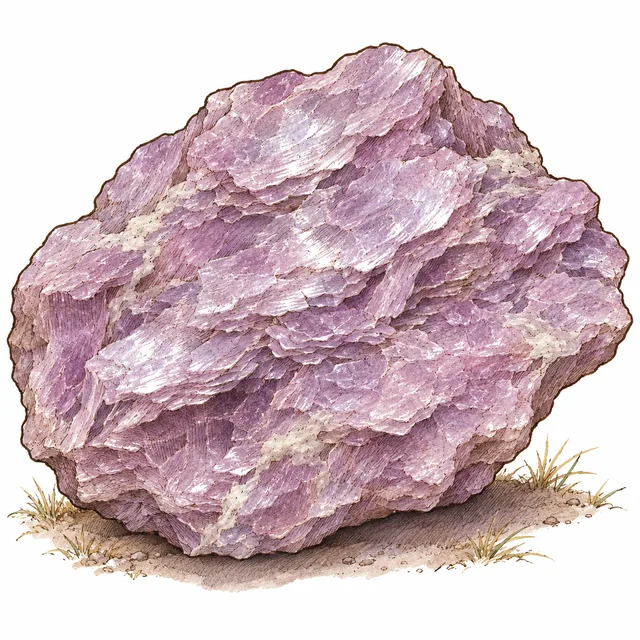
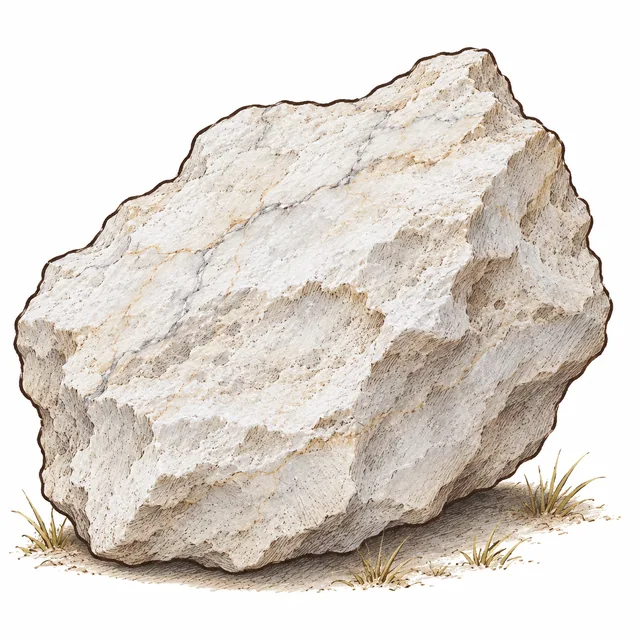
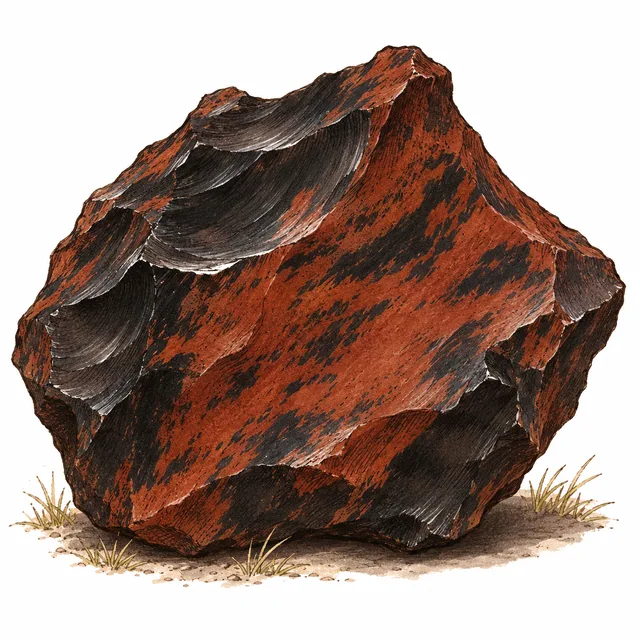
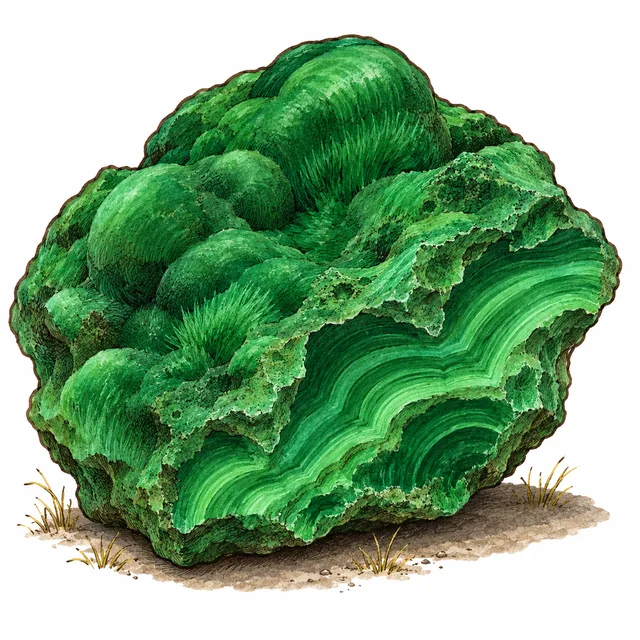
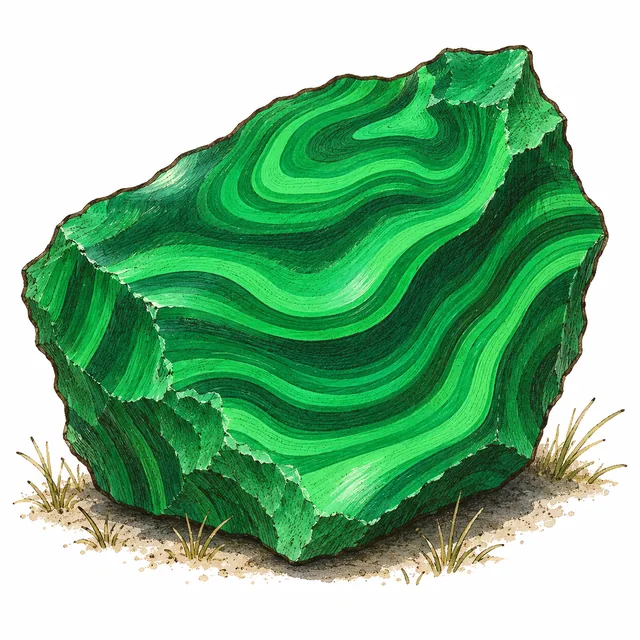
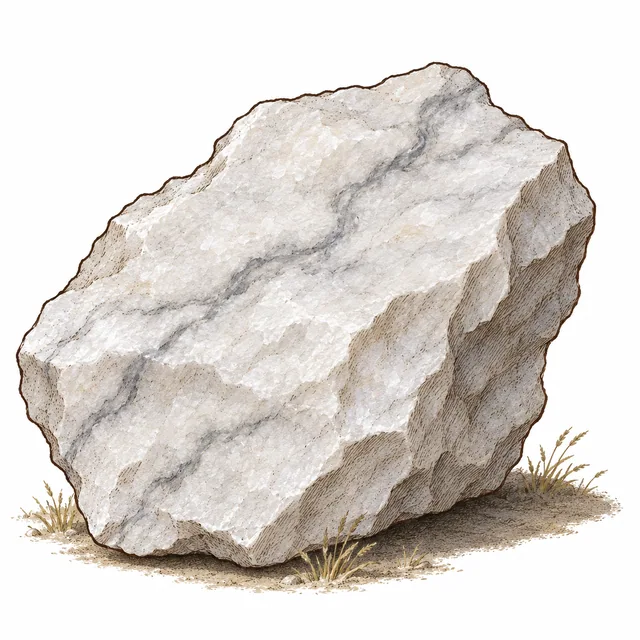
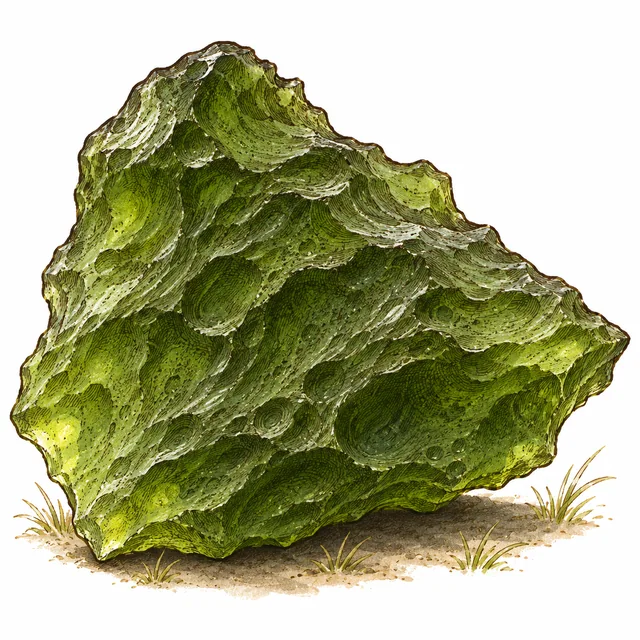
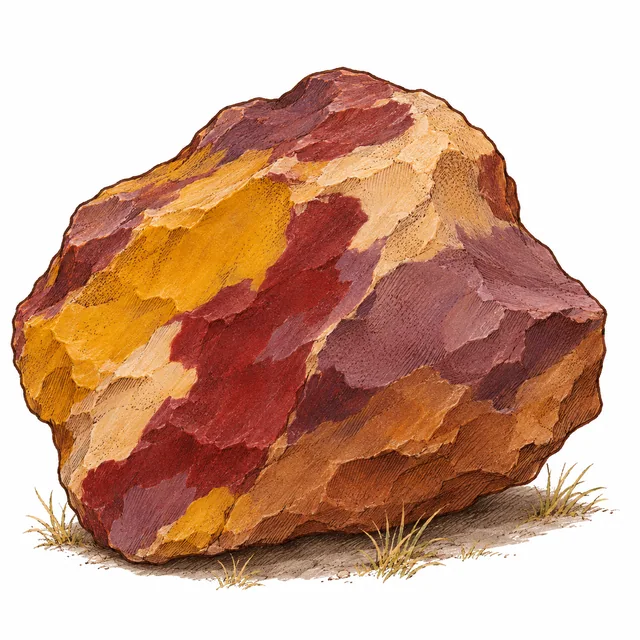
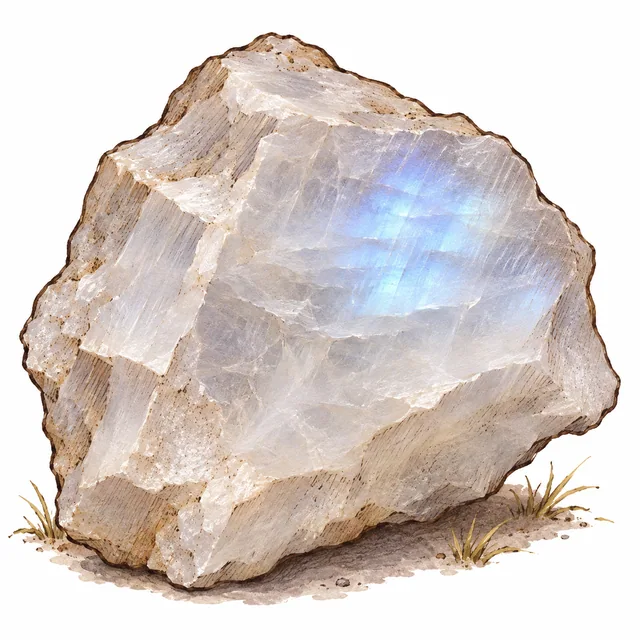
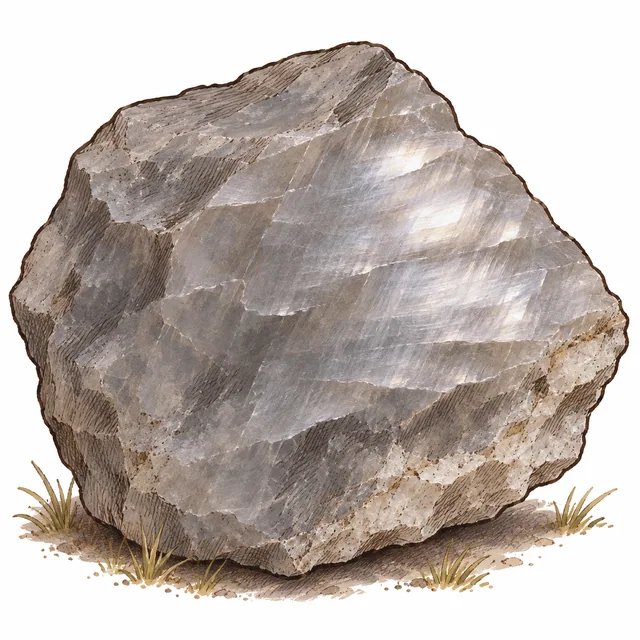
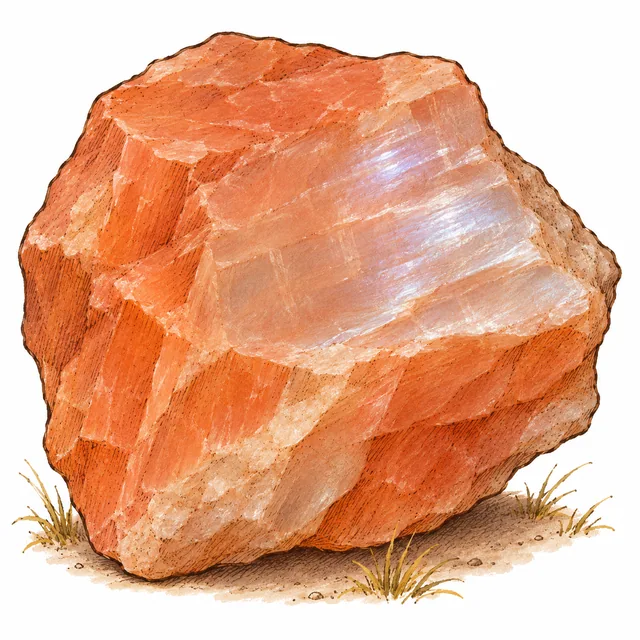
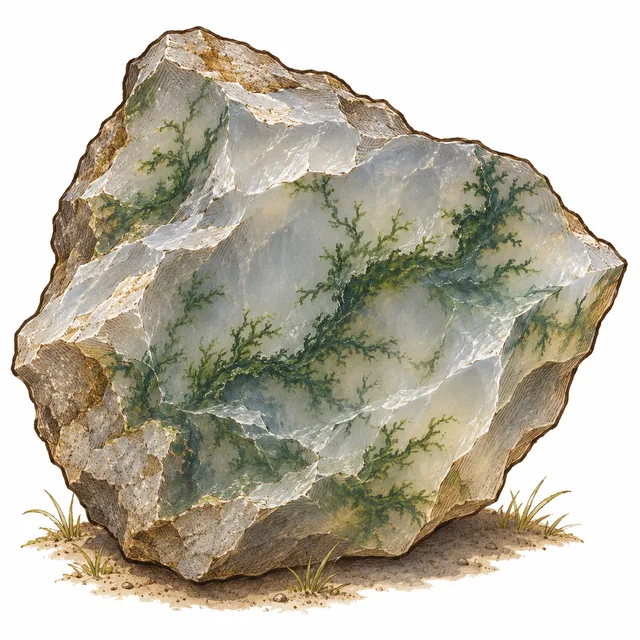
Know, my son, that this stone of ours, with its many names and varied colours, is ordered and composed of four elements […]
– Rosarium philosophorum (anonymous), Rosarium philosophorum, 1593, p. 263–264.[1]
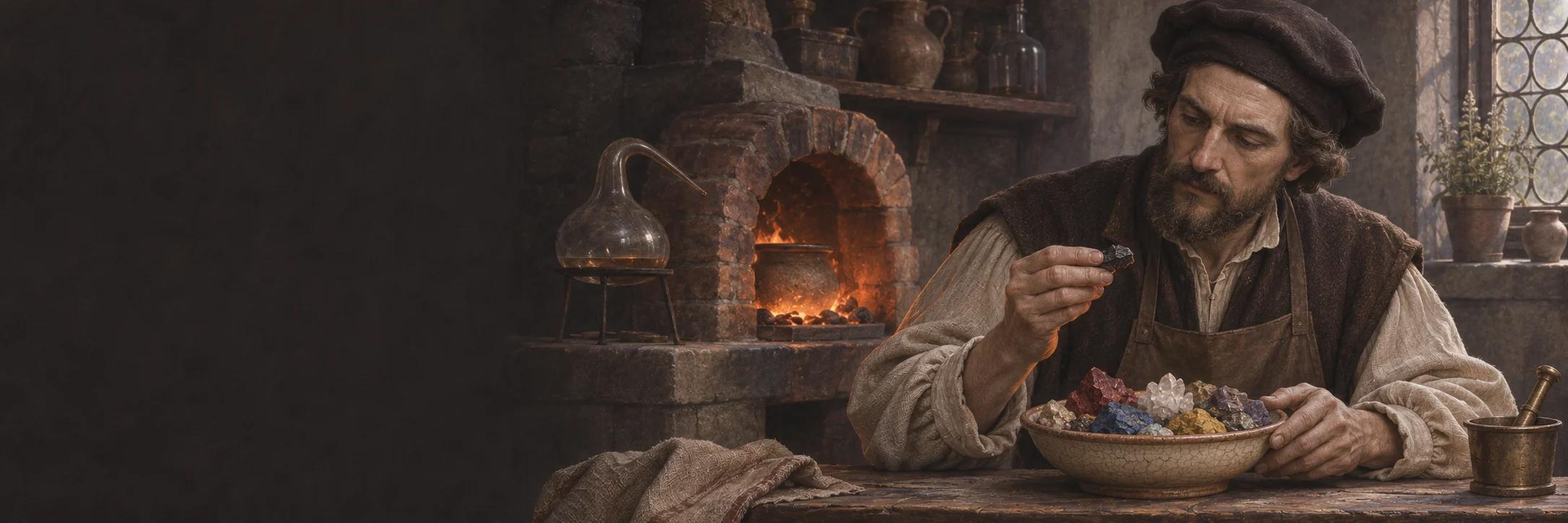
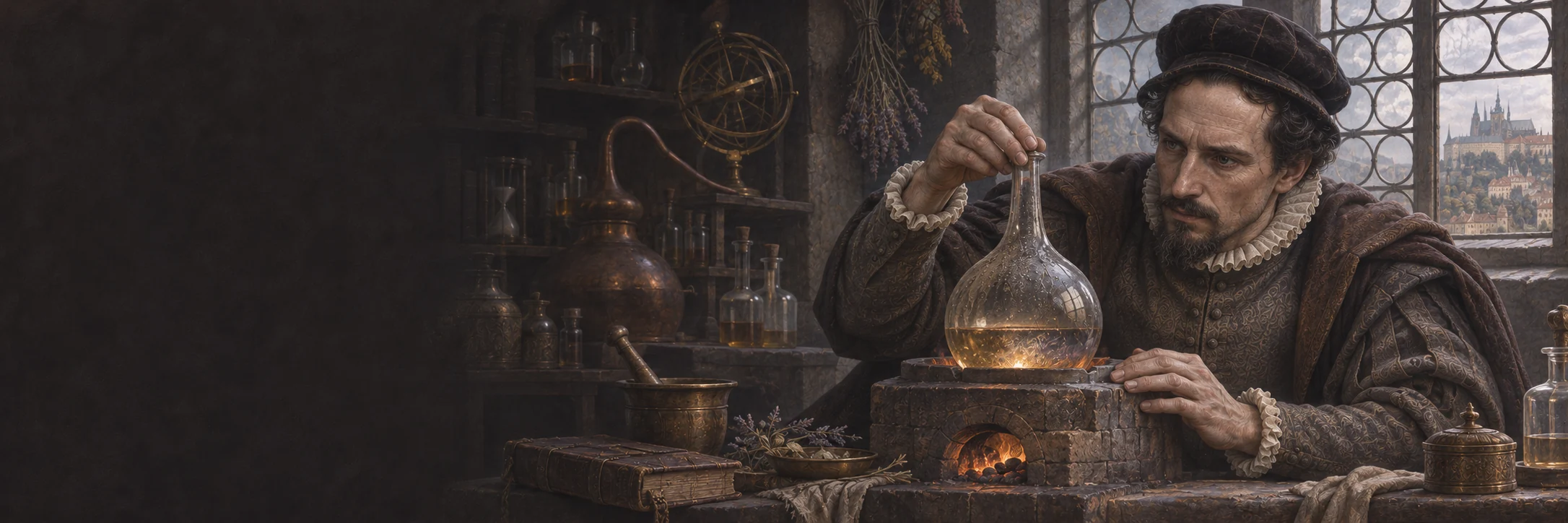
The variety of colours may be easier to understand at work than on the page. A person standing over a substance at the furnace can follow a change with the eyes. Someone opening written instructions may encounter a different expression on every page. The saying therefore makes a point of calling the object “this stone of ours”. That small gesture holds the rest of the description together. Its appearance can alter without obliging the reader to imagine a different starting material whenever a new colour is named.
Recognising the same material
The four elements give an order to these changes. Earth, water, air and fire supplied the terms in which alchemists could describe properties and transitions. As the sentence continues, attention turns to something the learner must actually do to the material. Naming its constituents helps to prepare the next operation. The passage is particularly interesting for the closeness it establishes between looking at a substance, finding words for it and putting one’s hand to the work.

 Phone: +43 677 628 66 628 |


 Search
 The Theatre of Terrestrial Astronomy · XII · 1893 · p. 142

 Cart