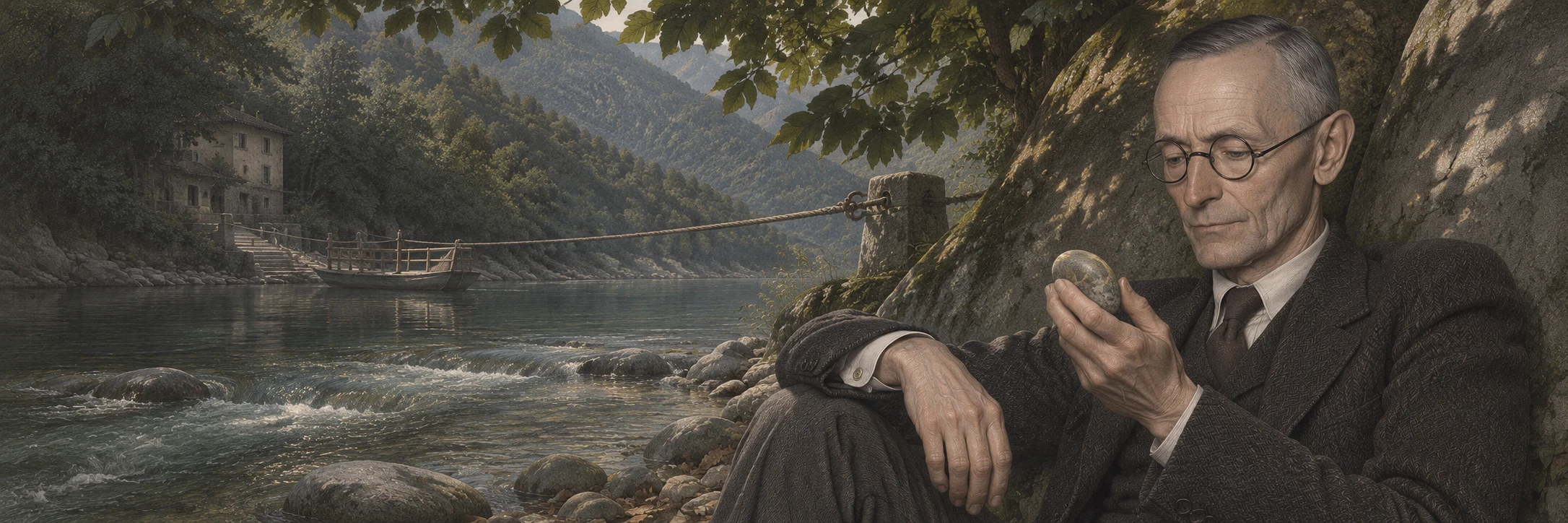
Hermann Hesse (1877–1962), the German-born Swiss writer, gives an ageing ferryman a remarkable declaration of affection. Govinda has found his boyhood friend Siddhartha again by the river. He asks him for an insight he can take away and use in his own search. Siddhartha bends down and picks up a stone. To explain what it might have in common with an animal or with the Buddha, he recalls two different ways of looking at it.
The cost of a generous thought
[…] this stone is stone, it is also animal, it is also God, it is also Buddha […]
– Hermann Hesse, Siddhartha, 1922, Govinda, conversation by the river.[1]
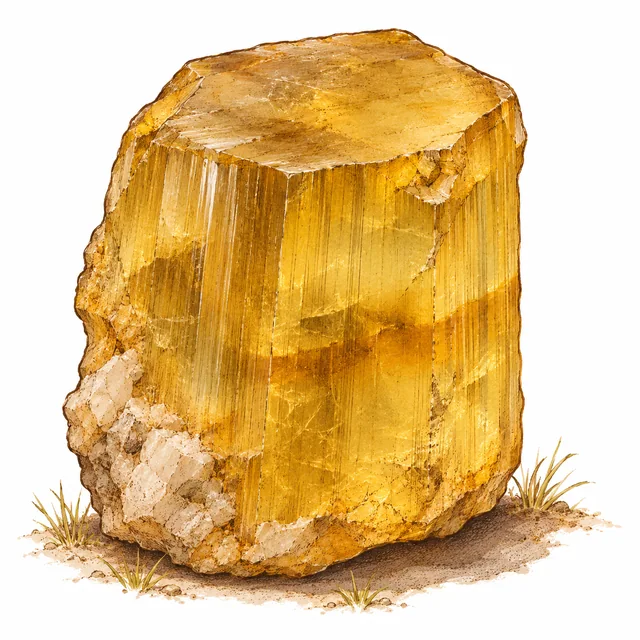
Once, he says, he would have assigned the stone a place on a long journey. It might crumble into earth, feed a plant and eventually pass into the body of an animal or a person. Even as a young man he would have respected it on those grounds. Yet his generosity carried a condition. In his imagination the stone first had to become something else before he could grant it as much importance as he granted himself.
A teaching that fits in one hand
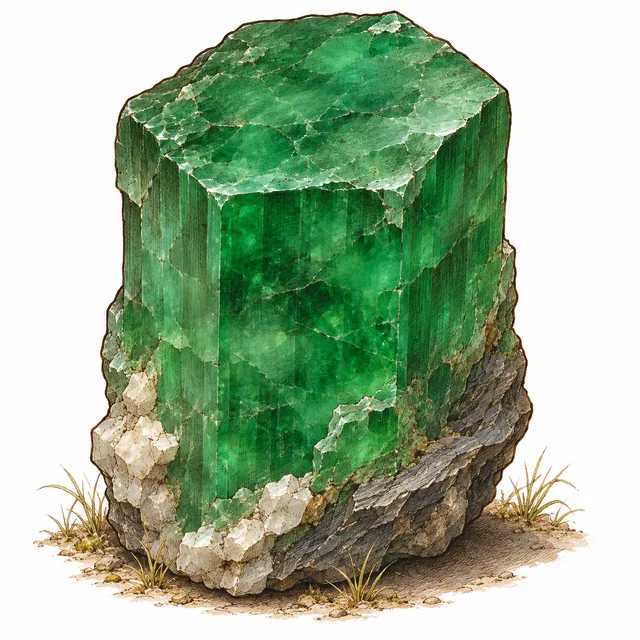
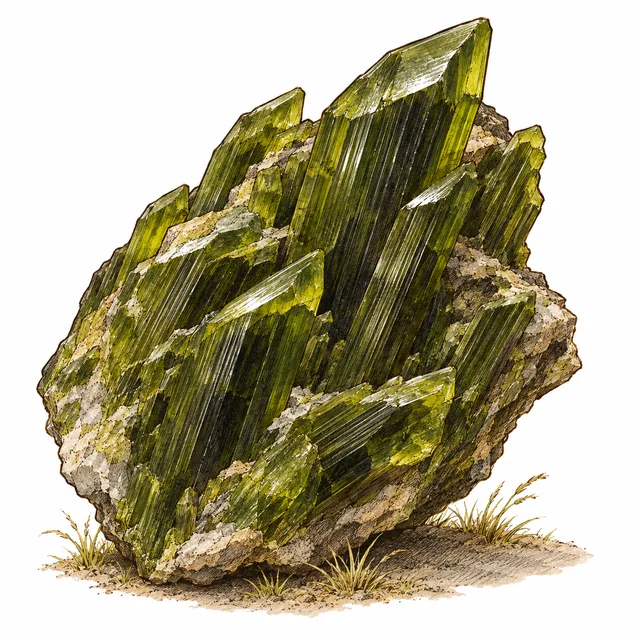
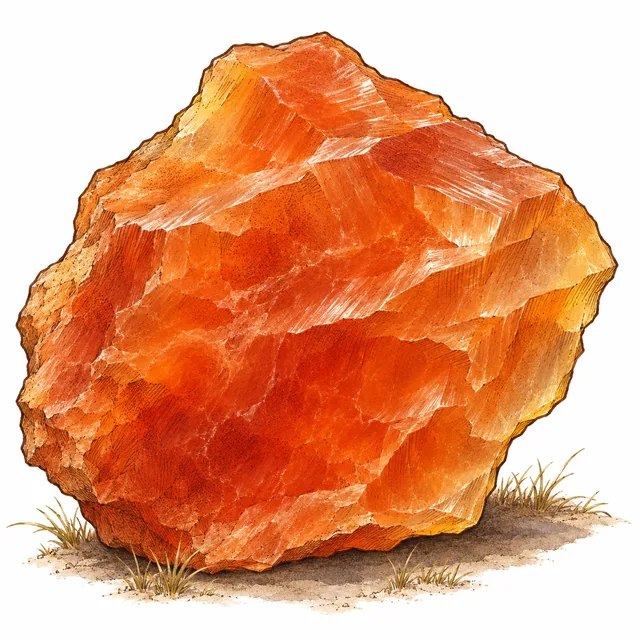
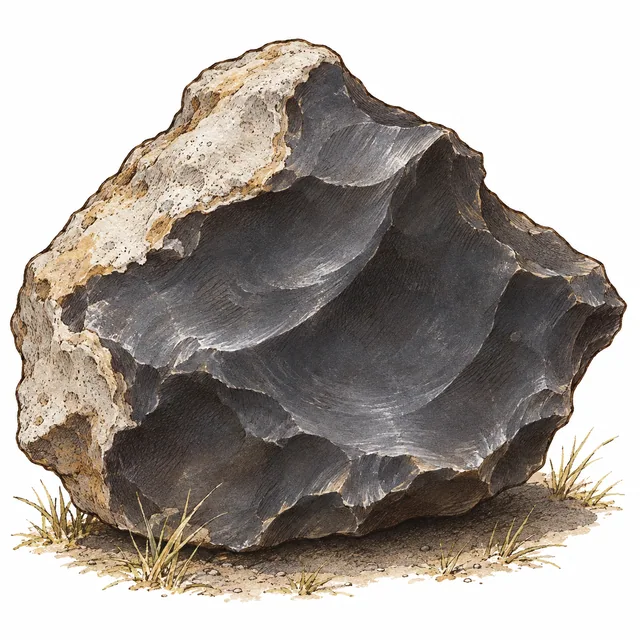
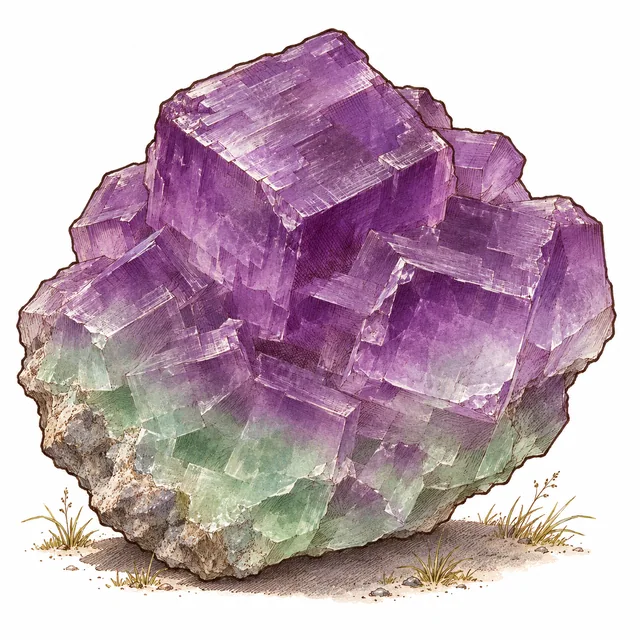
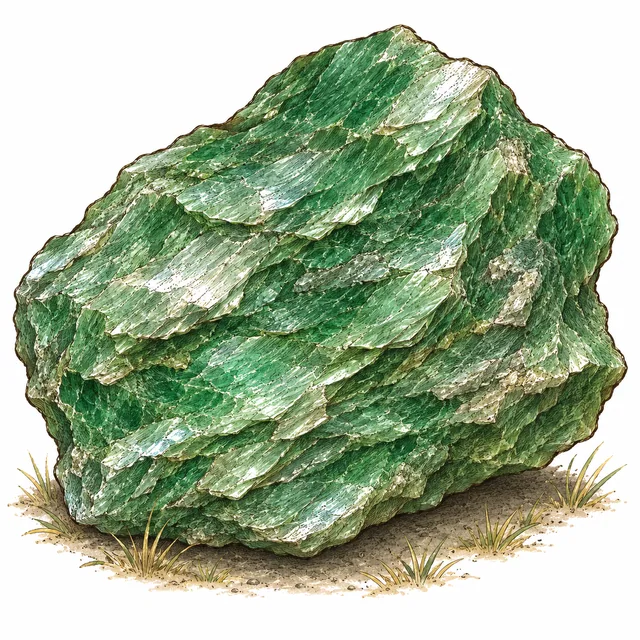
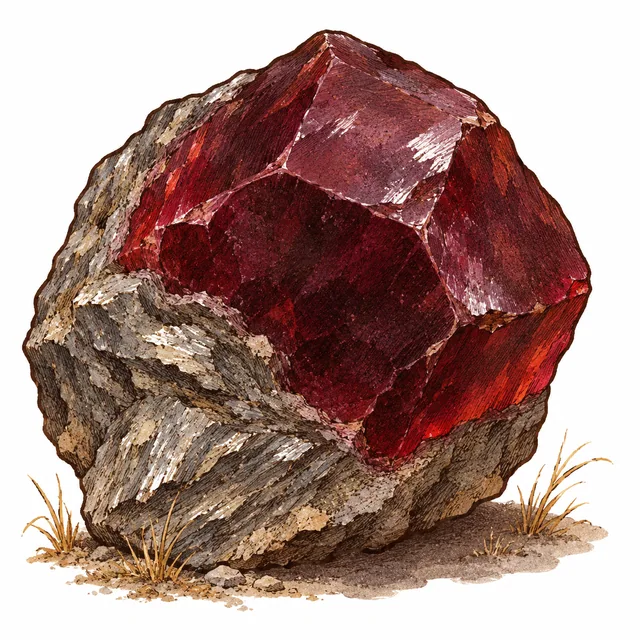
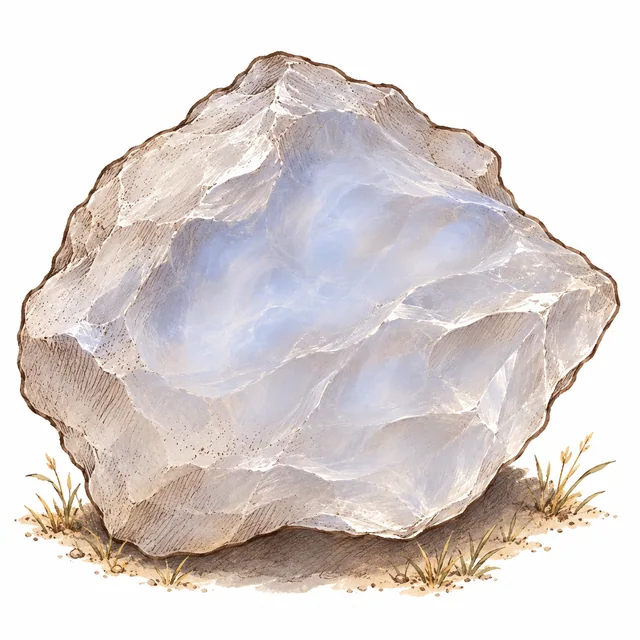
Now he holds the piece close enough to see its veins and changes of colour and to feel how hard it is. Those particular qualities give him pleasure. They would disappear from view if he treated the stone simply as a symbol of transformations to come. Govinda hopes to carry away something his friend can put into words. A reader can also notice how long Siddhartha keeps this object in his hand. His answer takes the time it takes to look at this particular stone.

 Phone: +43 677 628 66 628 |


 Search
 Epistolae · o. J. · p. 353












 Cart