
 Phone: +43 677 628 66 628 |


Rigveda
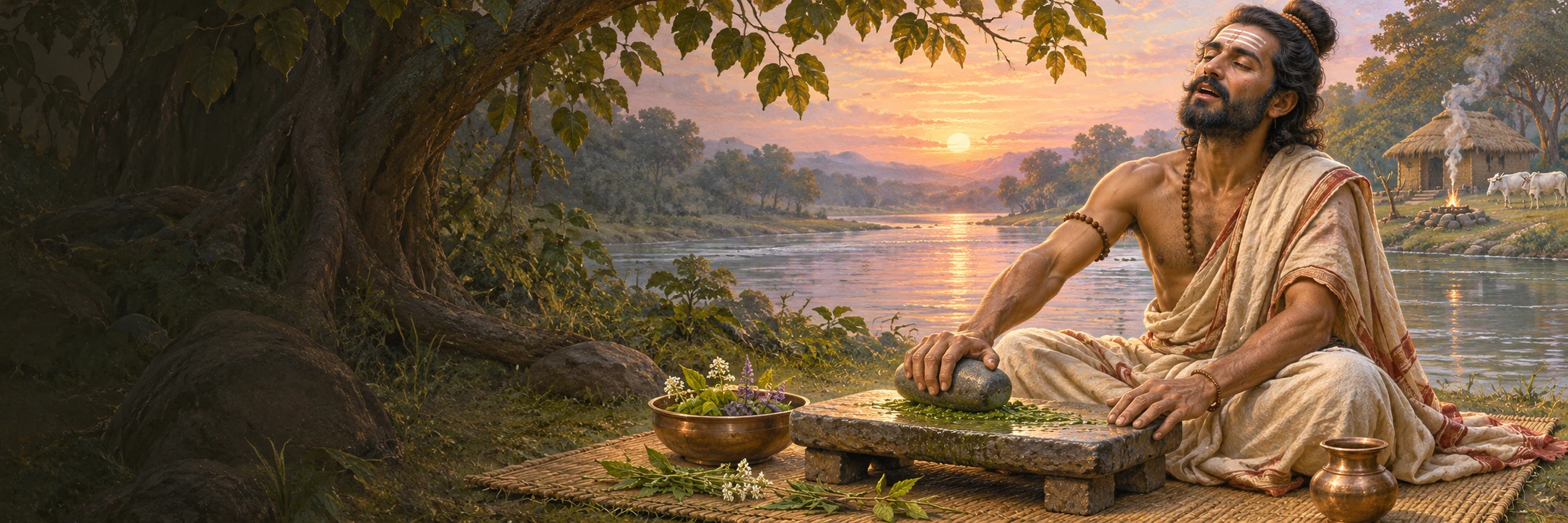
Let these speak loudly forth; let us speak out aloud: to the loud speaking Pressing-stones address the speech; When, rich with Soma juice, Stones of the mountain, ye, united, swift to Indra bring the sound of praise.
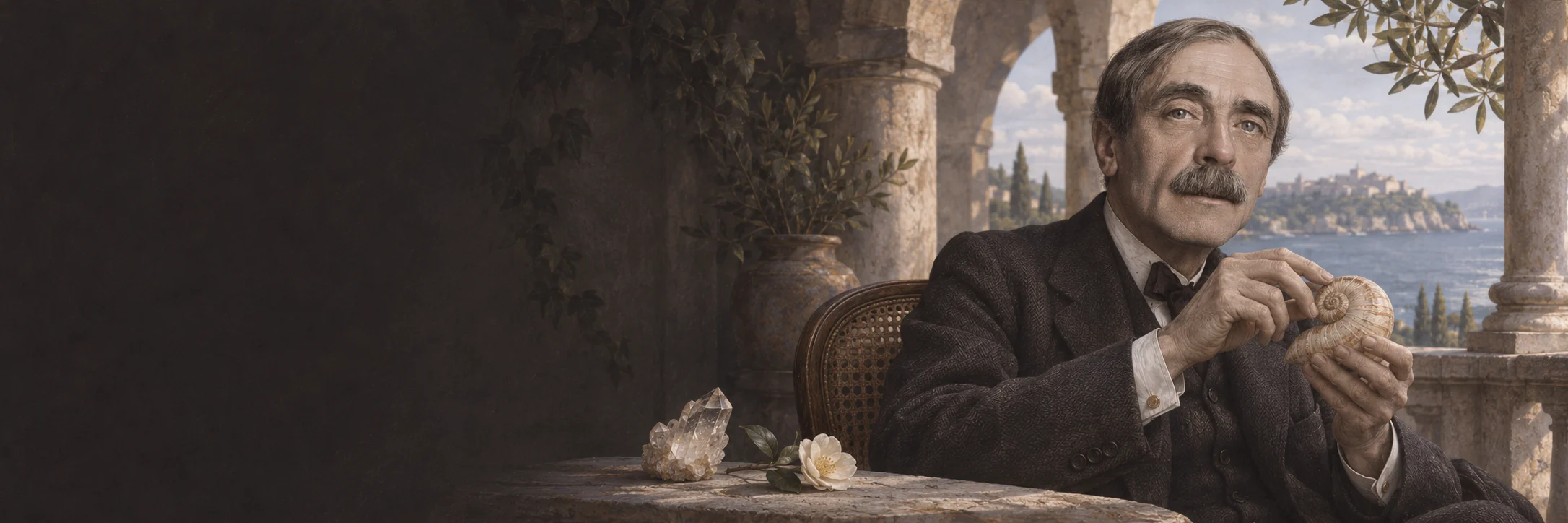
Paul Valéry (1871–1945) was a French poet and essayist. He begins his meditation on a shell with three things one could put side by side on a table. A crystal, a flower and a shell have something in common for the eye, although each comes into being in its own way. Among irregular edges and accidental overlaps in our surroundings, the eye can readily follow their outlines. The harder work begins when we try to explain how those outlines arose.
[…] so a crystal, a flower, a shell stand out from the ordinary disorder of all the things we perceive.
– Paul Valéry, L’Homme et la coquille, 1937 · edition 1944, opening paragraph, p. 11.[1]
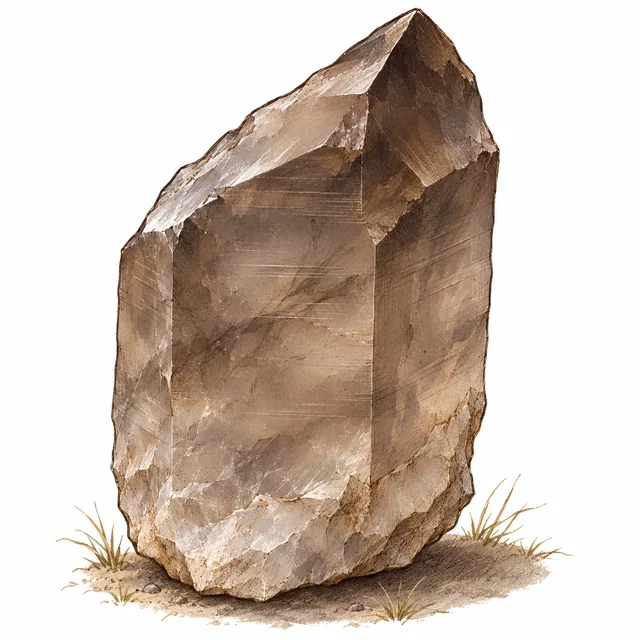
Consider what happens as you turn a crystal. The gleam goes off one face and appears on the next. The angle between them holds. Your eye grasps an order in that change without necessarily learning anything about the growth of the specimen. With the shell, to which Valéry gives his closest attention, the experience returns. A hand can trace a whorl with ease. Producing the same succession of whorls from a decision of one's own would be a very different undertaking.
The comparison brings out a familiar habit of looking. We tend to suppose that something easily recognized should also be easily explained. Each of these objects gives us reason to think again. And the shell adds a further complication. The animal forms its shelter in the course of living and grows along with it. A human maker wishing to reproduce it would have to work on material from outside and step back to judge the result. An attentive glance at a surface thus leads directly to the question of how a form comes about.
 Search
Let these speak loudly forth; let us speak out aloud: to the loud speaking Pressing-stones address the speech; When, rich with Soma juice, Stones of the mountain, ye, united, swift to Indra bring the sound of praise.
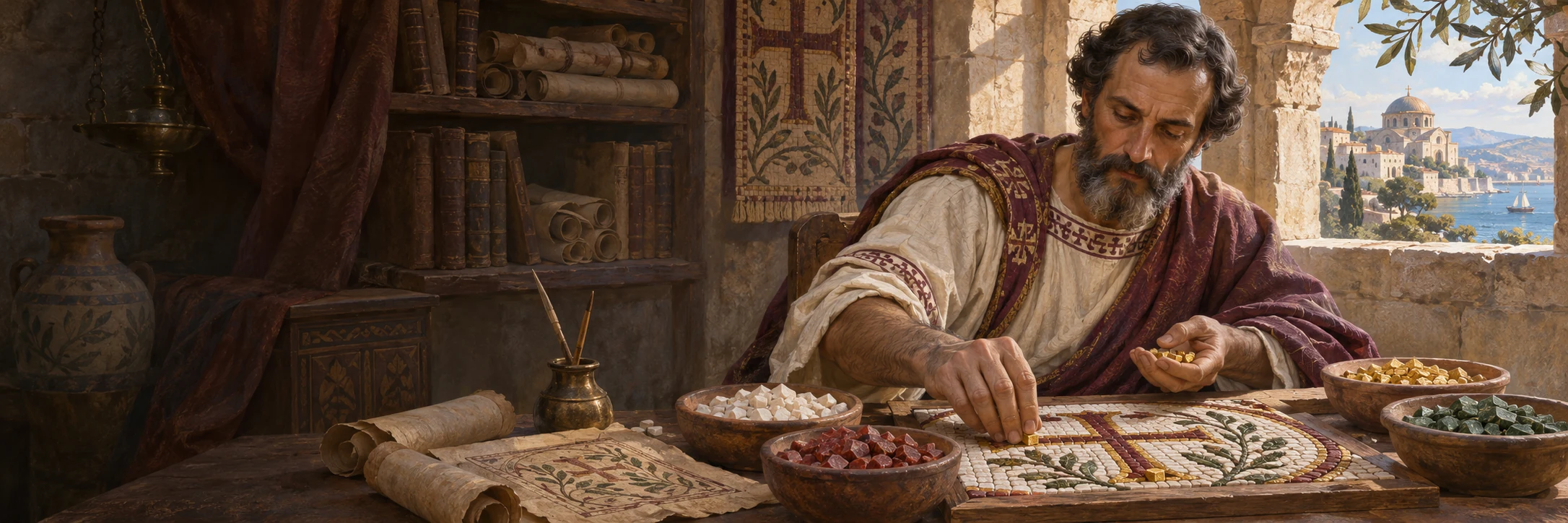
We must consider that the many-coloured appearances of stones denote either as white, the luminous; or as red, the fiery; or as yellow, the golden; or as green, the youthful and the full grown; and within each likeness you will […]
Pseudo-Dionysius the Areopagite (c. 500)
 On the Heavenly Hierarchy · 1899 · p. 63
Wording of the English edition.
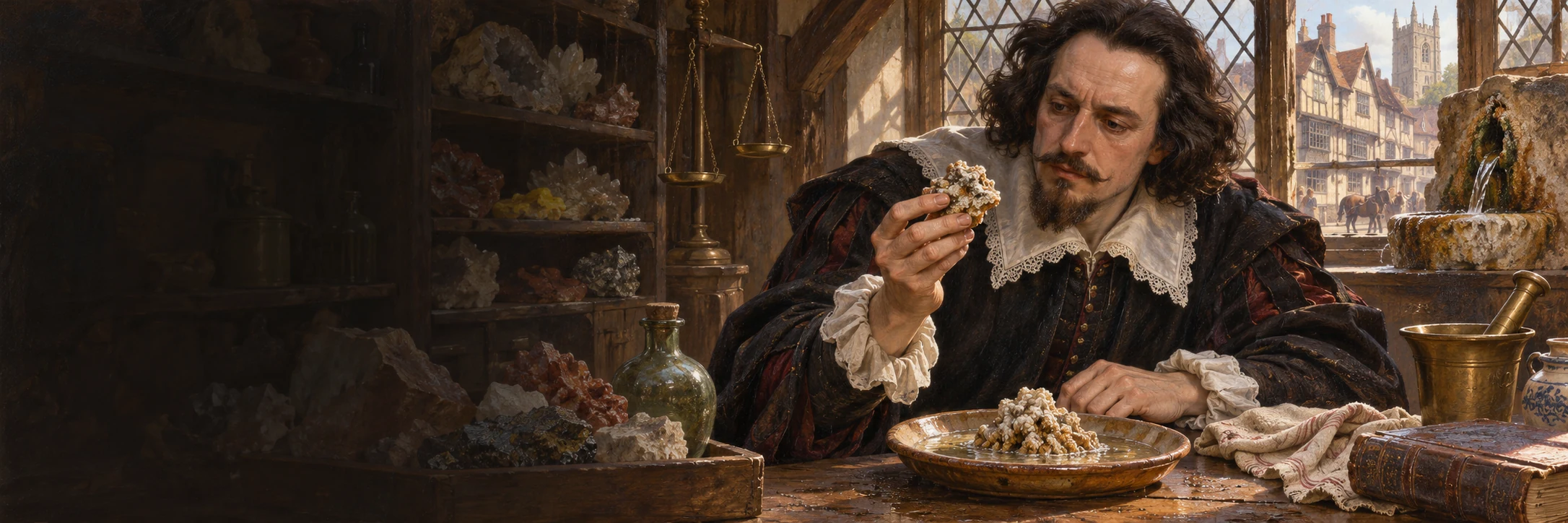
[…] and in stones there is a petrifying quality, vapour or steam, that doth turn the matter aggregated, into the nature of this or that stone; as in flint, to flint; in greet, or free-stone, to the like.
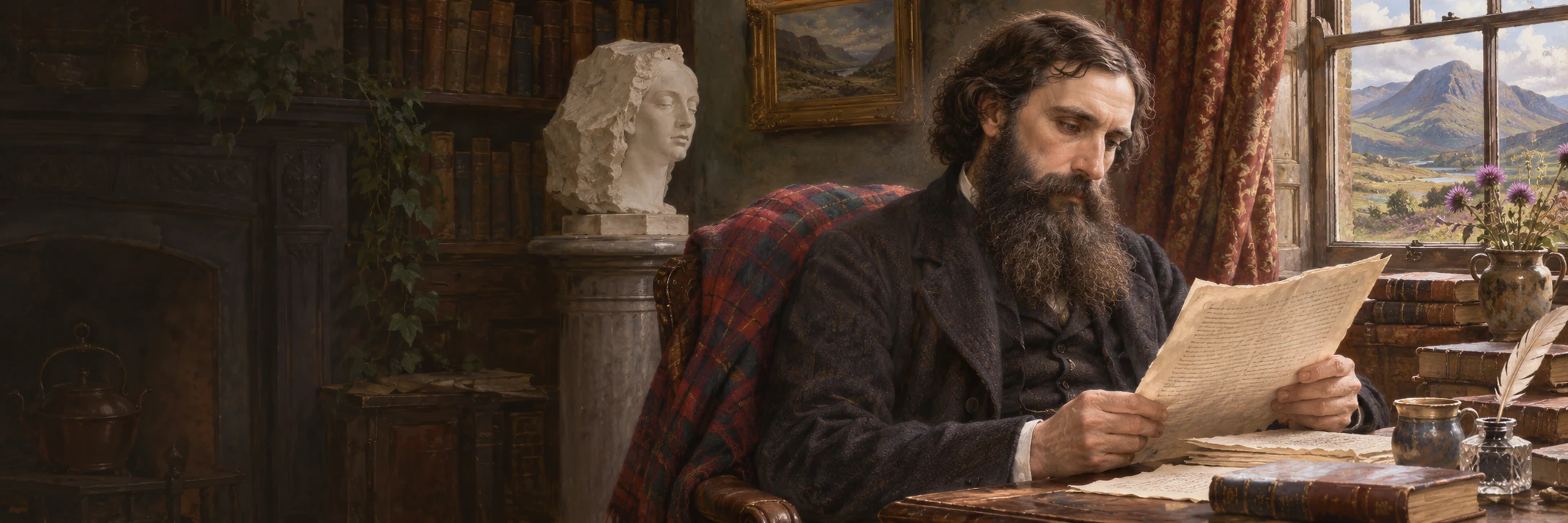
“For,” I argued, “who can tell but this cave may be the home of Marble, and this, essential Marble—that spirit of marble which, present throughout, makes it capable of being moulded into any form?”
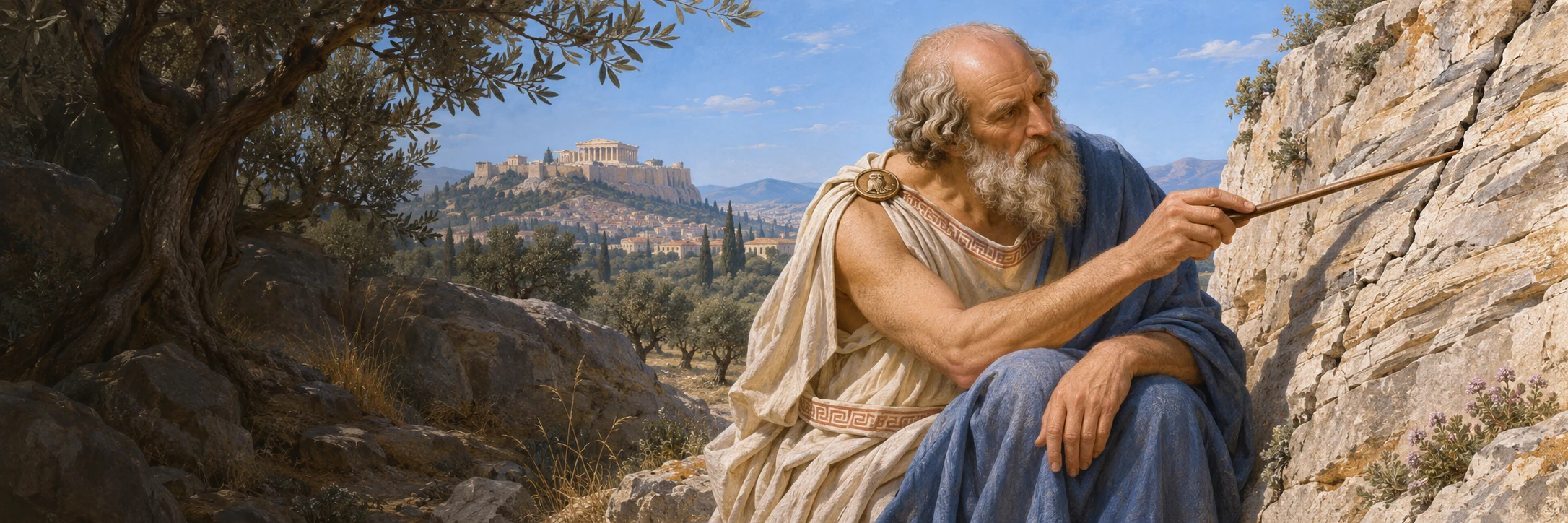
Thus earth, when compressed by air into a mass that will not dissolve in water, forms stone; of which the transparent sort made of equal and uniform particles is fairer, while that of the opposite kind is less fair.
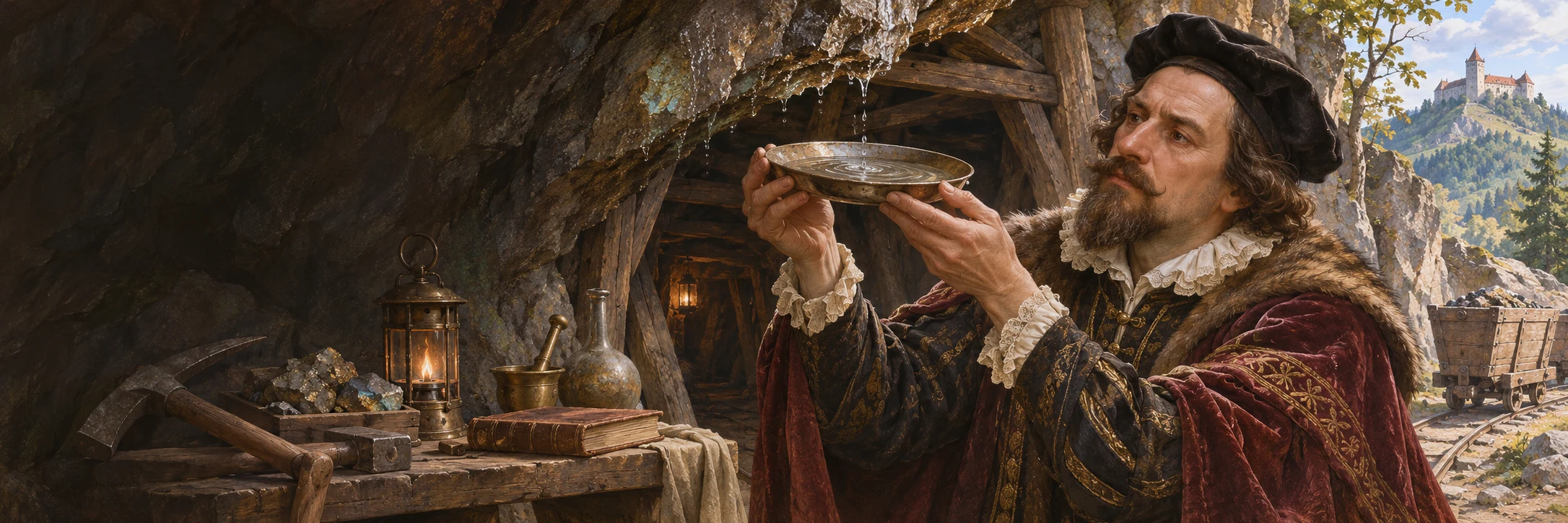
When the four Elements distill their vapour into the center of the earth, and the Archeus of nature sends forth the same, and sublimes it; this whilest it passeth through places, and the pores of the earth, takes along with it […]
Michael Sendivogius (1566–1636)
A New Light of Alchymie · 1650 · p. 14
Wording of the English edition.
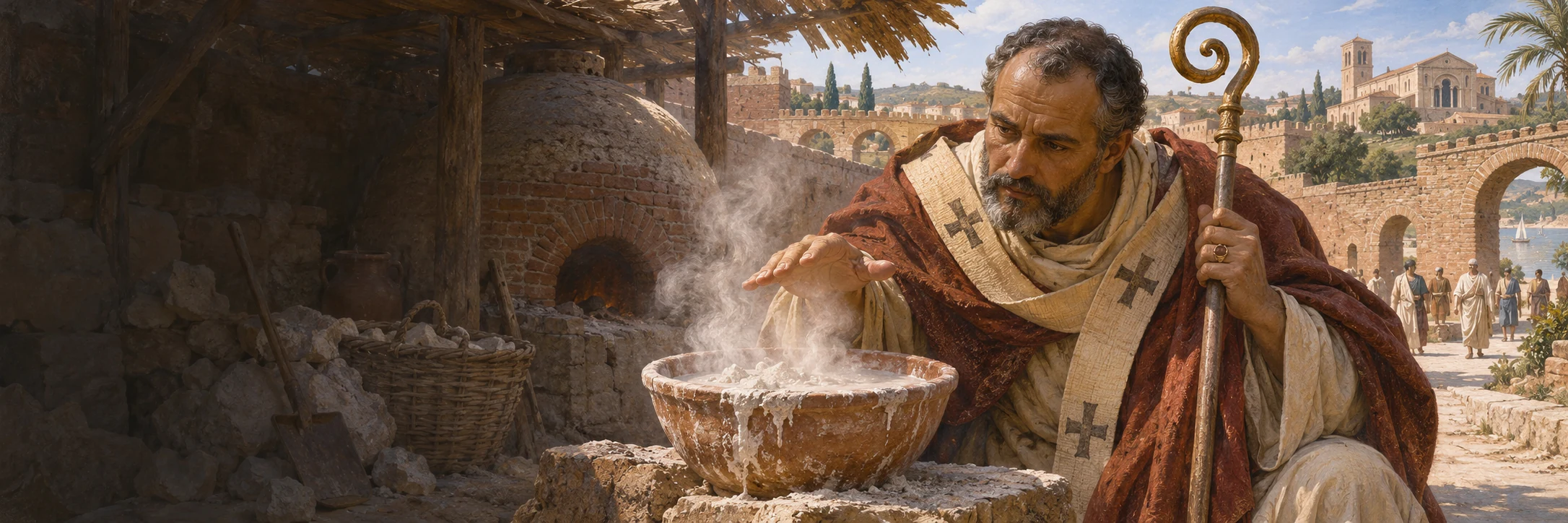
And therefore we call it quicklime, the invisible fire being as the soul of that visible body. But the wonder is that when it is killed it is quickened.
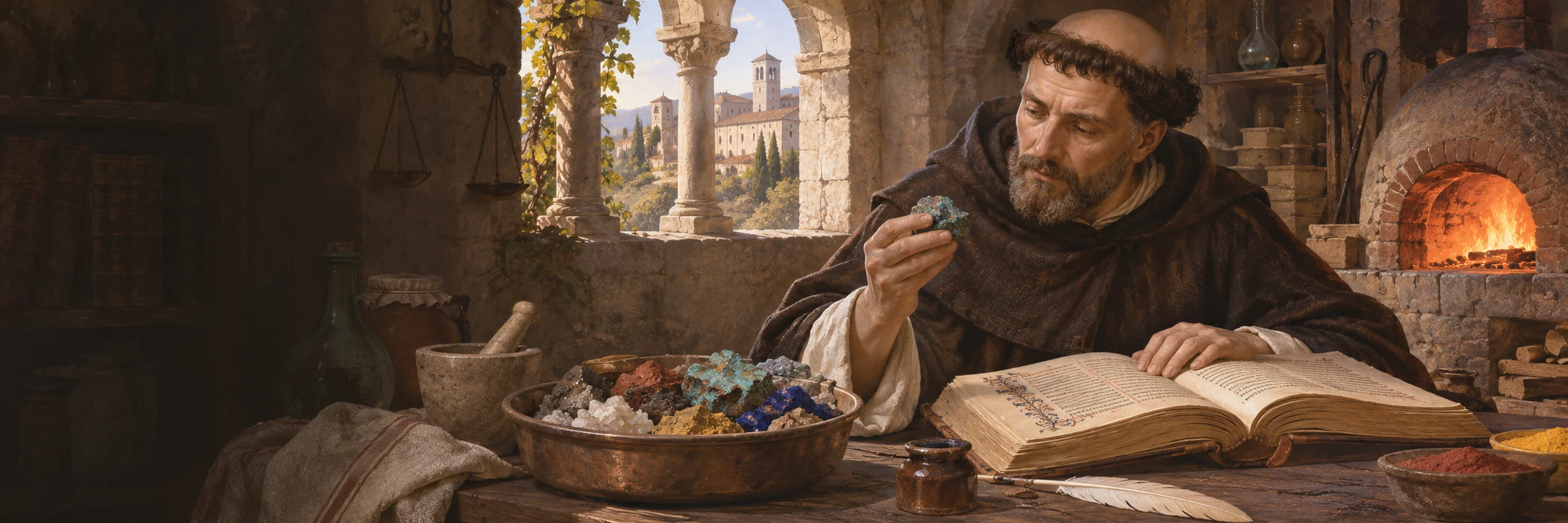
So our Stone is borne, and come out of one confused masse, containing in it the foure Elements, which is created of God, and by his sole miracle our stone is borne.
Hortulanus (Middle Ages)
Commentary on the Emerald Tablet · 1597 · p. 20
Wording of the English edition.
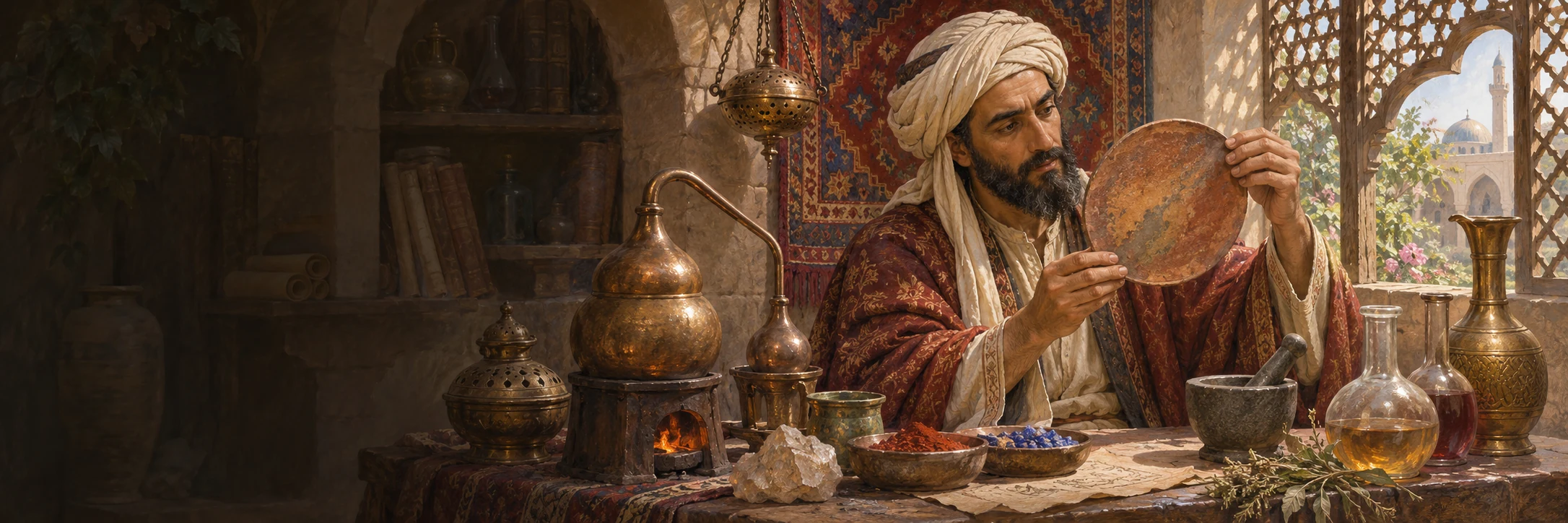
I notify to posterity that the rotundum turns into four elements, and is derived out of one thing.
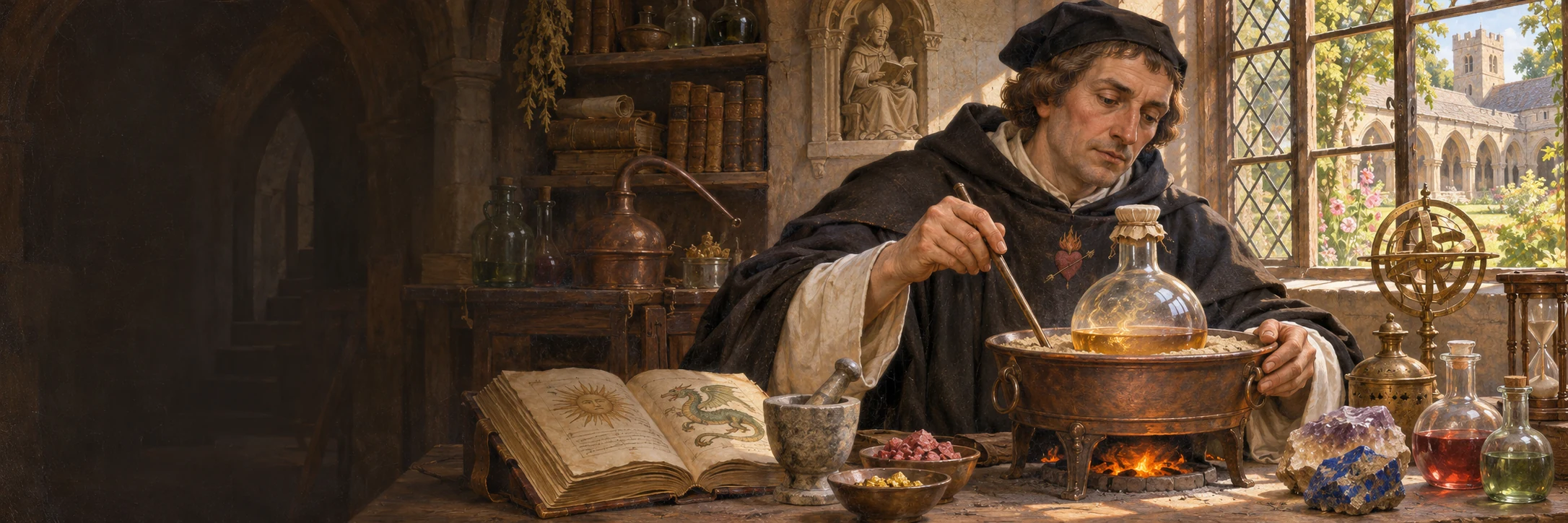
And in one Glas wyth one governaunce 4 Naturs turne into one.
George Ripley (15th c., d. c. 1490)
The Compound of Alchymy · 1652 · p. 188
Wording of the English edition.
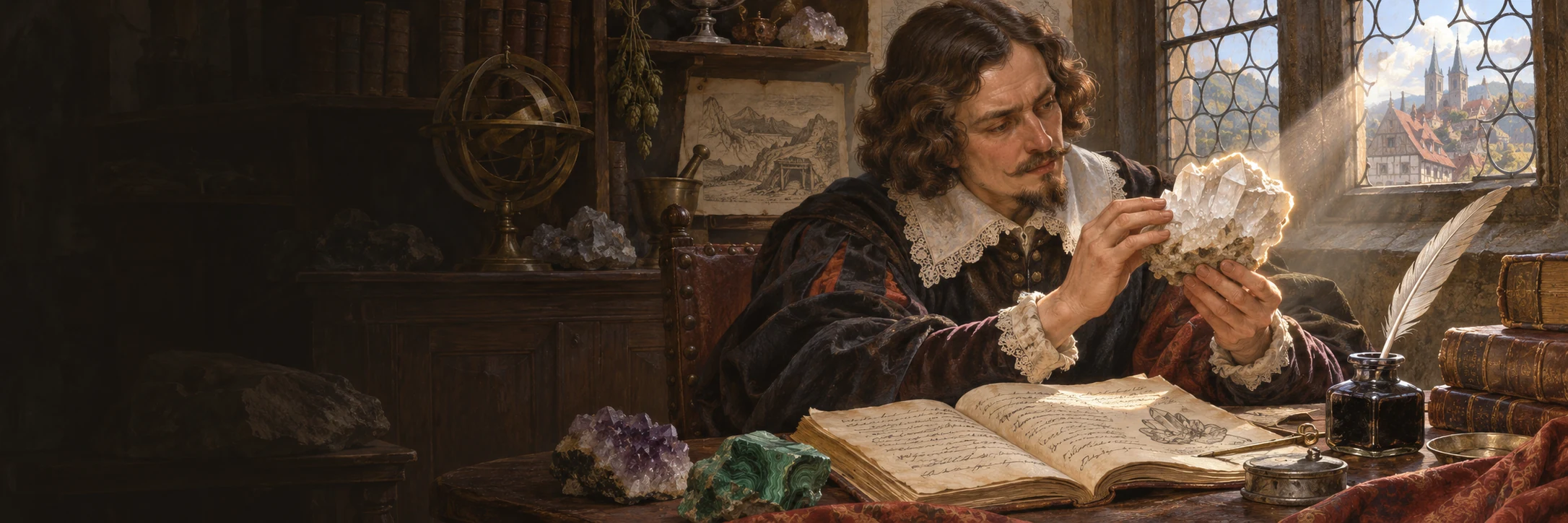
O thou that resemblest Nature, which dissolvest her tractable nature, that exaltest Nature—that art crowned with light, and preservest in thyself the four elements, out of which the quintessence is made!
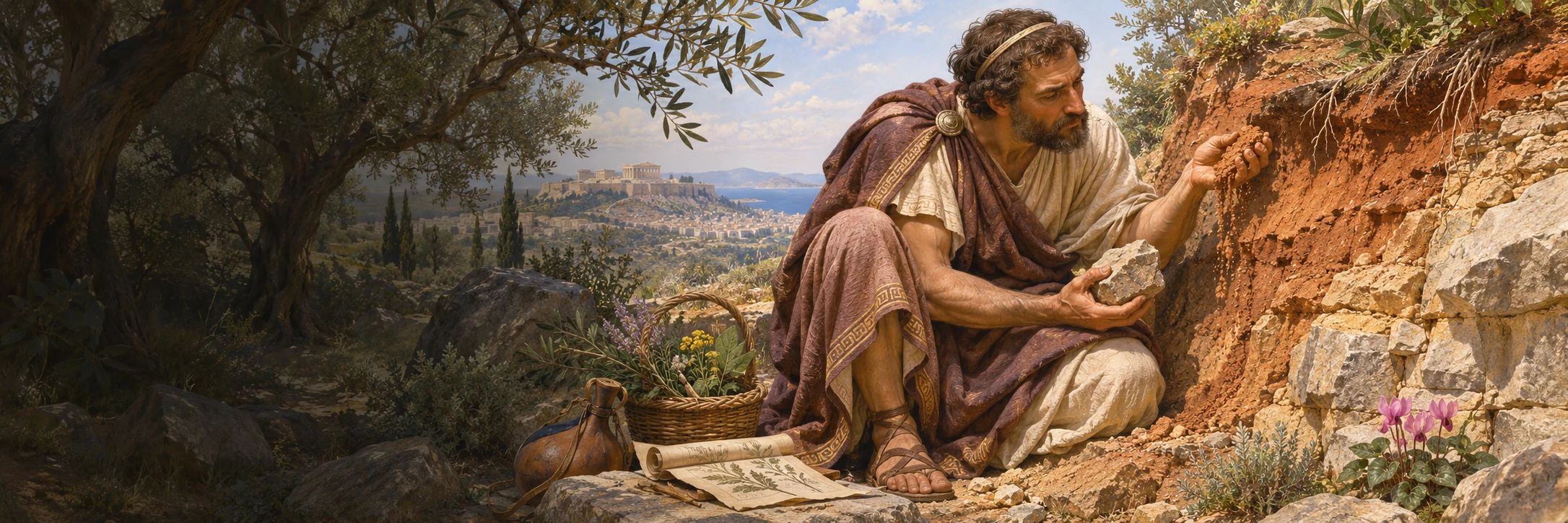
Of Things formed in the Ground, some have their Origin from Water, others from Earth. Water is the Basis of Metals; as Silver, Gold, and the rest: Earth of Stones; as well the more precious, as the common […].
Theophrastus of Eresus (c. 371–c. 287 BCE)
Wording of the English edition.
 Cart