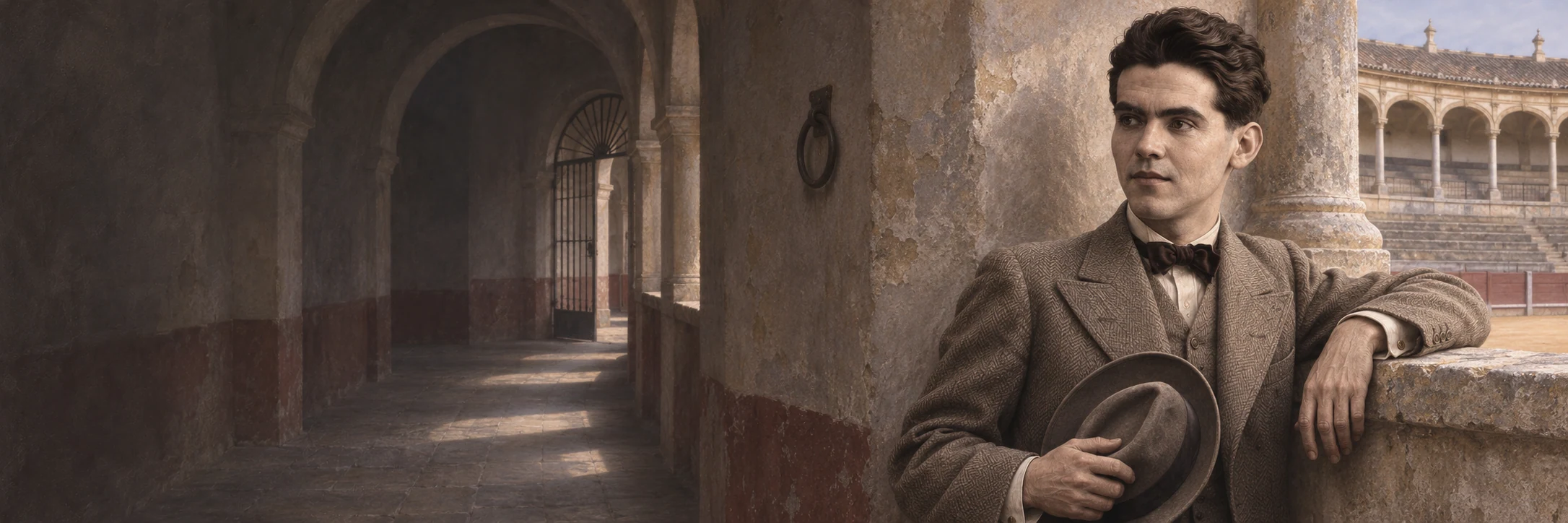
Federico García Lorca (1898–1936), the Spanish poet and playwright, wrote his lament for the bullfighter Ignacio Sánchez Mejías, a friend. In its third part the dead man lies before those who have come to mourn him. Before Lorca names him, he directs our gaze across the surface of a stone. He gives it first a forehead and then a back. With this second feature, time acquires a weight substantial enough to require someone to carry it.
The stone acquires a body
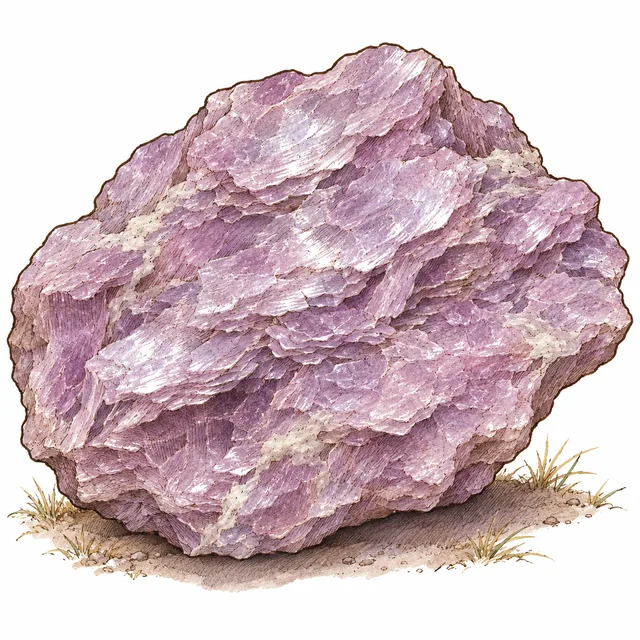
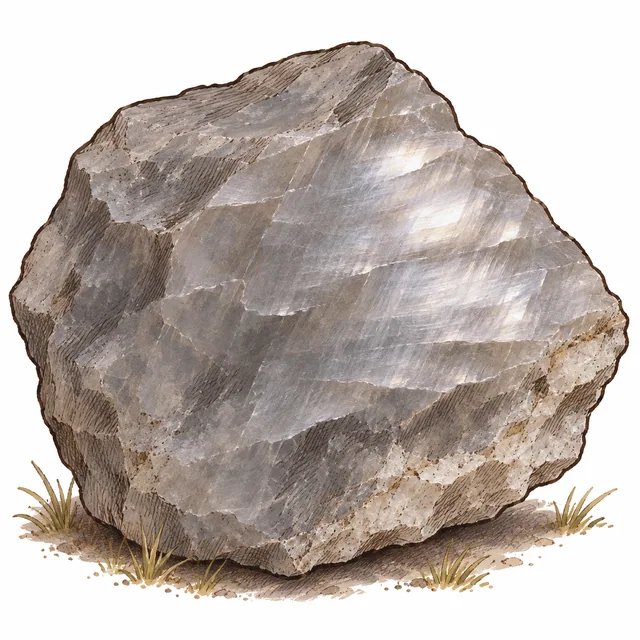
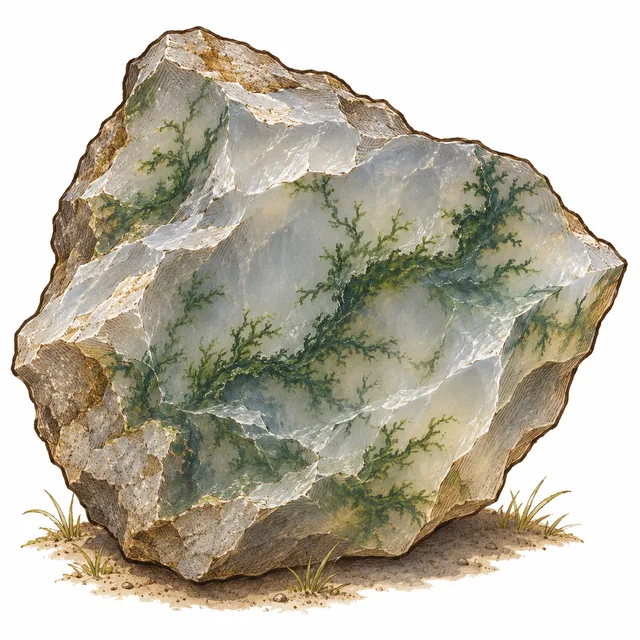
The stone is a back for carrying time […]
– Federico García Lorca, Llanto por Ignacio Sánchez Mejías, 1935 · edition 2000, III, Cuerpo presente, l. 3, p. 238.[1]
A back can receive a load and bear it over a distance. Lorca has his stone stay where it is. Movement begins in the words that follow the quoted line. Time comes attended by trees of tears, ribbons and planets. The eye moves from something that might run down a cheek to bodies travelling across the sky. An ordinary part of the human frame, the span of the shoulders with something resting on them, holds these vastly different measures together.
Standing before Ignacio
A few lines later Ignacio himself lies on the stone. The image gains a second, painfully literal meaning. What could bear time now bears the body of one man on one particular day. The voice asks the people present to look at him. In the previous part it had recoiled from the sight of his blood. Lorca gives this change a physical expression anyone who has stood beside a body might recognise. A mourner has to decide where to rest their eyes.

 Phone: +43 677 628 66 628 |


 Search
 Etymologiae · 1911 · XVI, 14, 2










 Cart