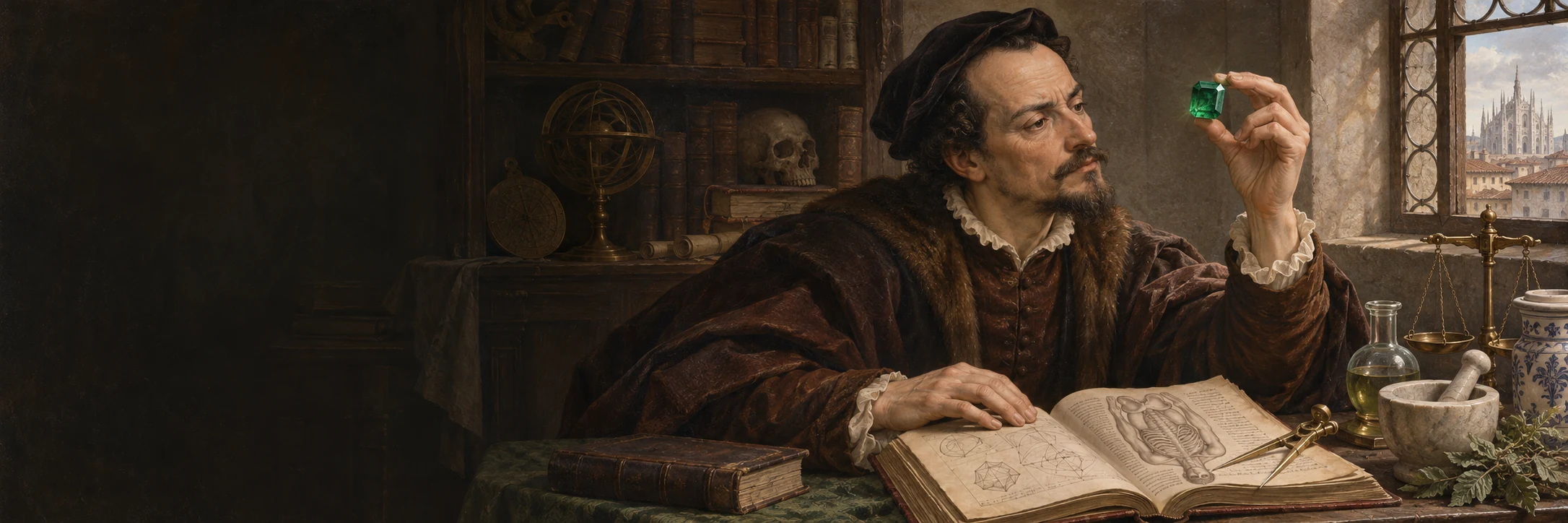
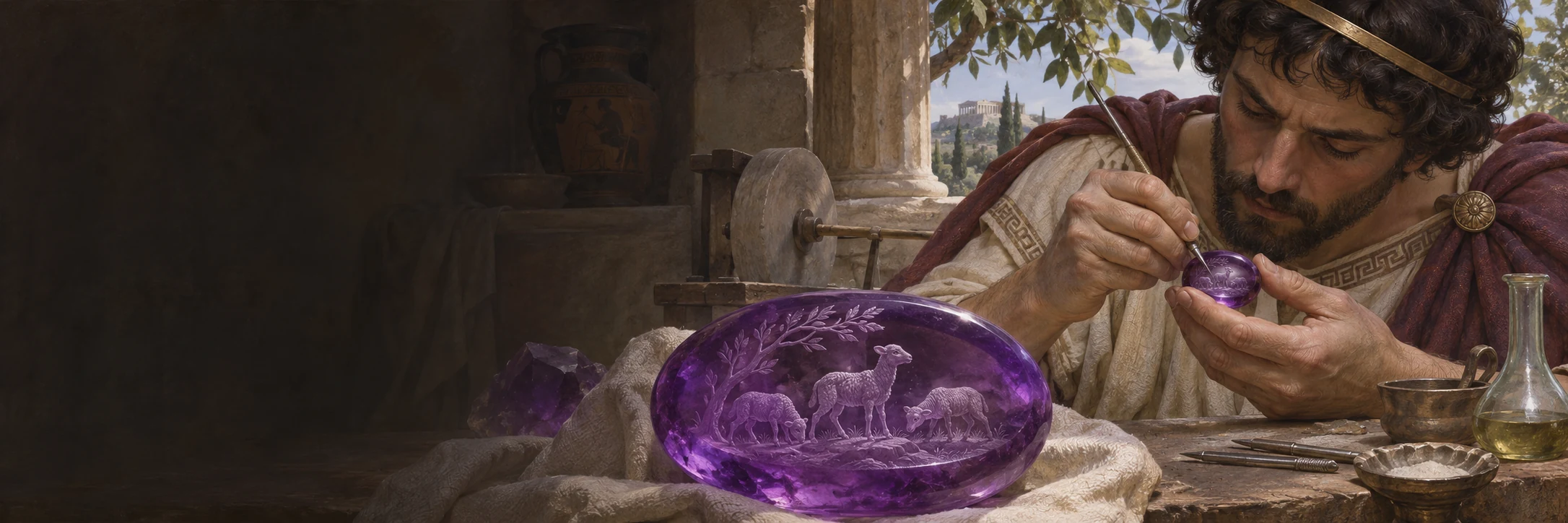
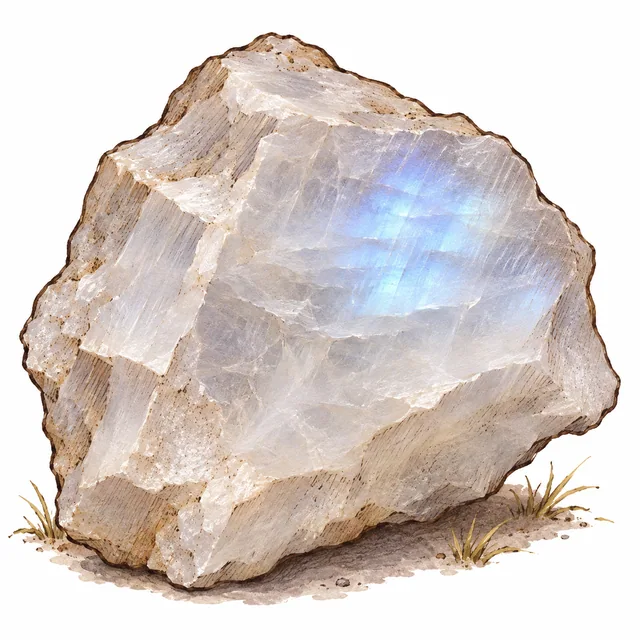
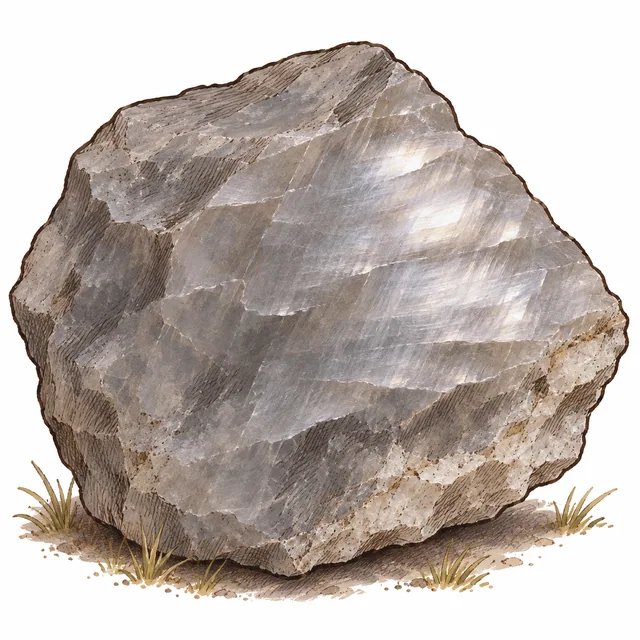
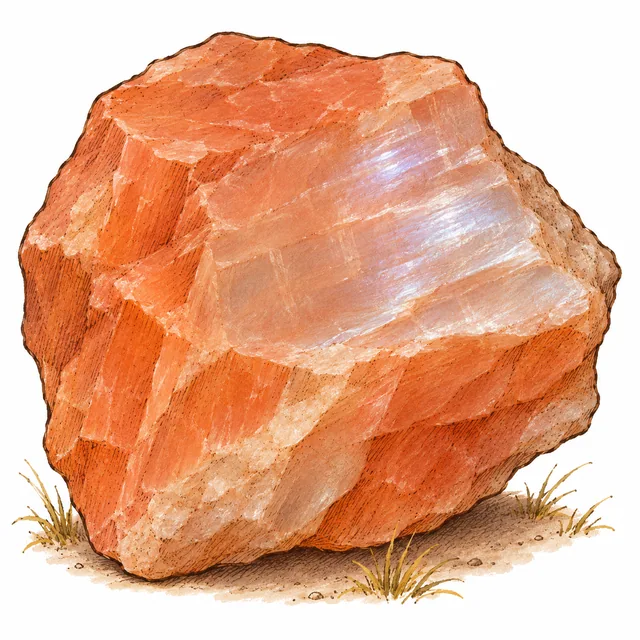
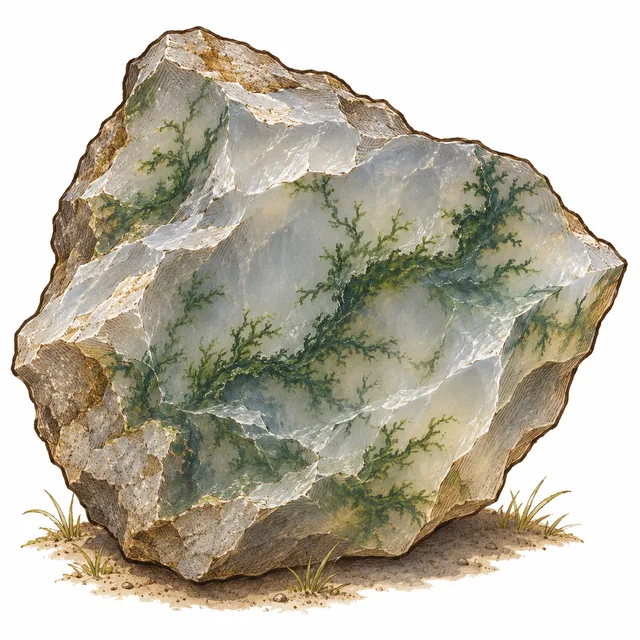
Paul Claudel (1868–1955) was a French poet and diplomat. His essay on precious stones follows the point at which the work of the earth passes into the hands of a human being. A stone has taken a long time to form underground. Its rough outer surface gives little indication of what it can do in the light. A cutter picks it up, studies the surface and decides where to open a new face.
Working the rough stone
[…] this tiny sun that owes its rays to geometry.
– Paul Claudel, La Mystique des pierres précieuses, 1938 · edition 1946, p. 217.[1]
Claudel takes his time over that transition. Polishing clears a haze, an edge grows distinct, a hidden eye seems to open. With each operation the cutter has to look at the material afresh. A single polished face does not give off a crown of rays. Working together, neighbouring facets send the light that falls on them in different directions. Anyone who has tilted a cut stone in the hand knows how little movement it takes to set the effect in motion.
Where the rays come from
For the result Claudel finds an image that brings immense and minute things together. Light arrives from outside on a stone small enough to hold. The instant its surfaces catch fire, one might take it for a little sun. That geometry gives this sun its rays is part of the pleasure for Claudel. The sight calls for admiration, and that admiration can extend in several directions at once, towards the depths of the earth, the patience of a craftsperson and the path light takes through the finished stone.

 Phone: +43 677 628 66 628 |



 Search
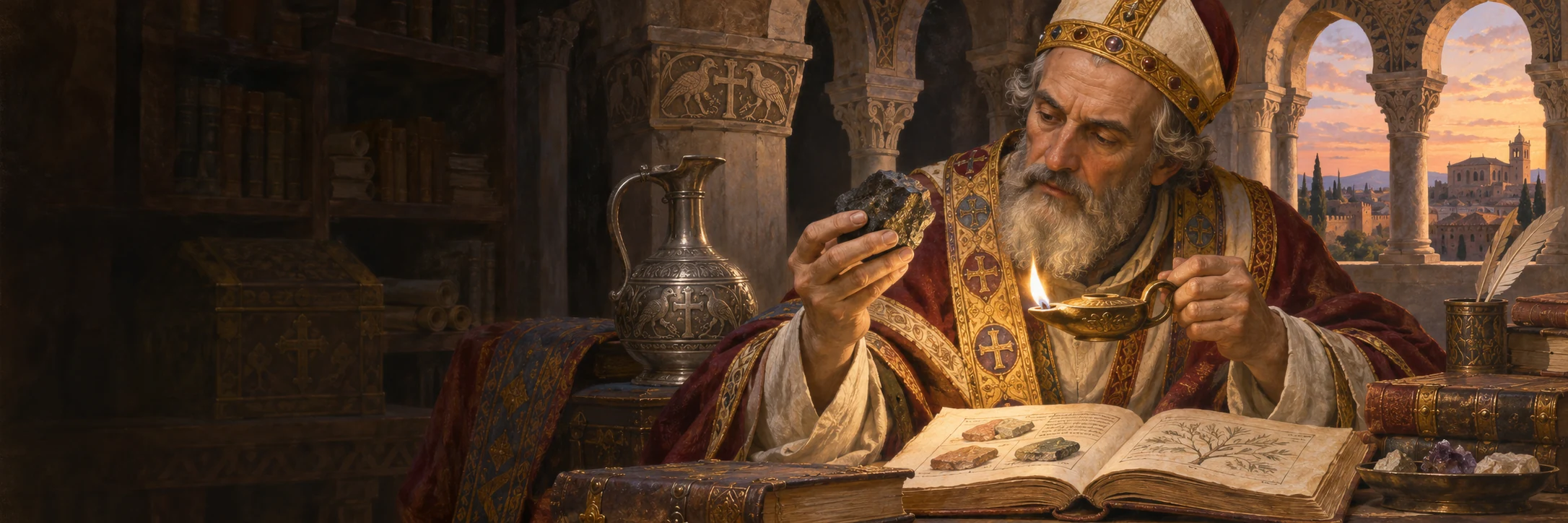
 Etymologiae · 1911 · XVI, 14, 2
 Cart