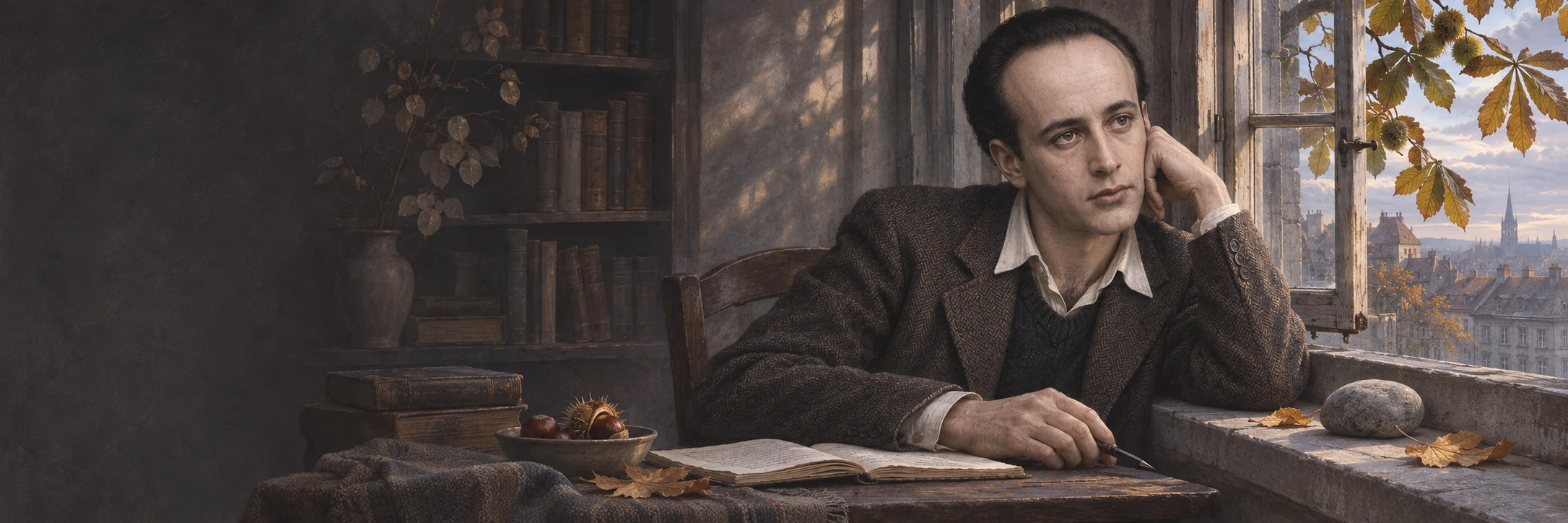
Paul Celan (1920–1970) was a German-language poet from Czernowitz. At the beginning of his poem Corona, time has an almost tangible quality. It can be taken out of a shell and it can return to the shell again. Later two people stand at a window with their arms around one another. They can be seen from the street. Between the intimacy of their embrace and the gaze of those outside comes a call for the time when something must happen.
Two people at a window
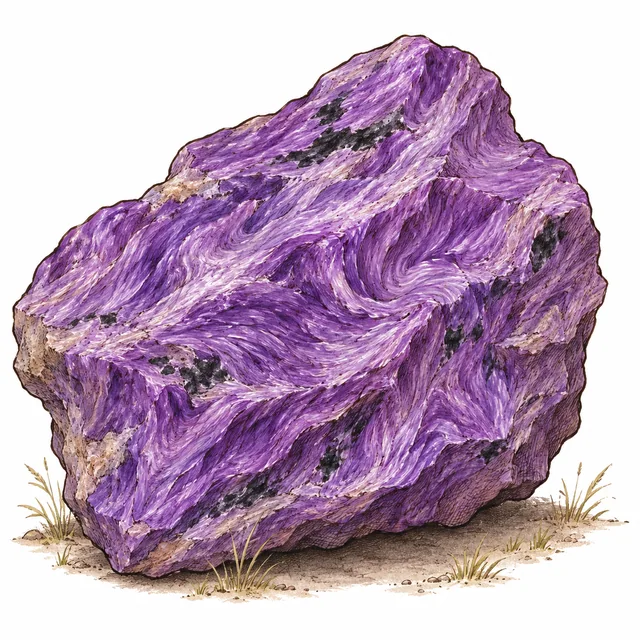
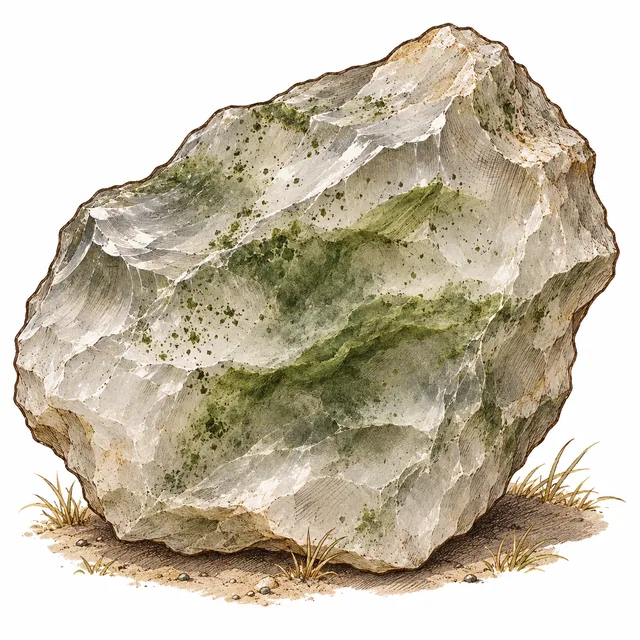
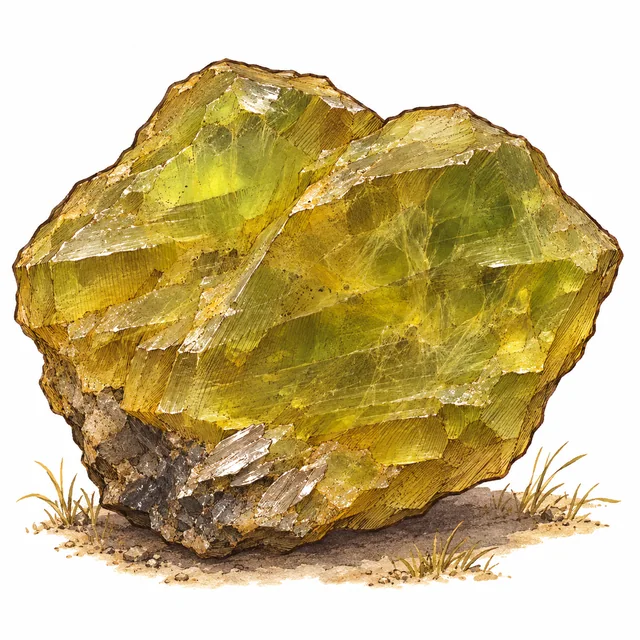
It is time for the stone to deign to bloom,
for a heart to beat for unrest.
– Paul Celan, Corona, 1948 · edition 1952, Corona, last extended stanza.[1]
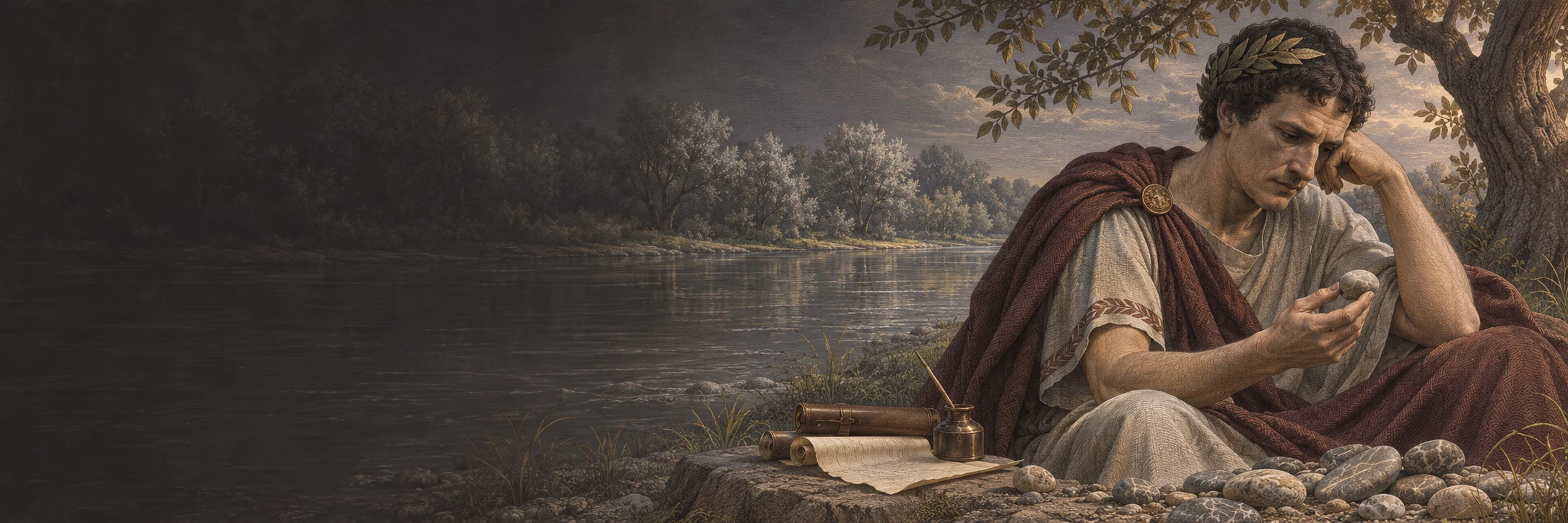
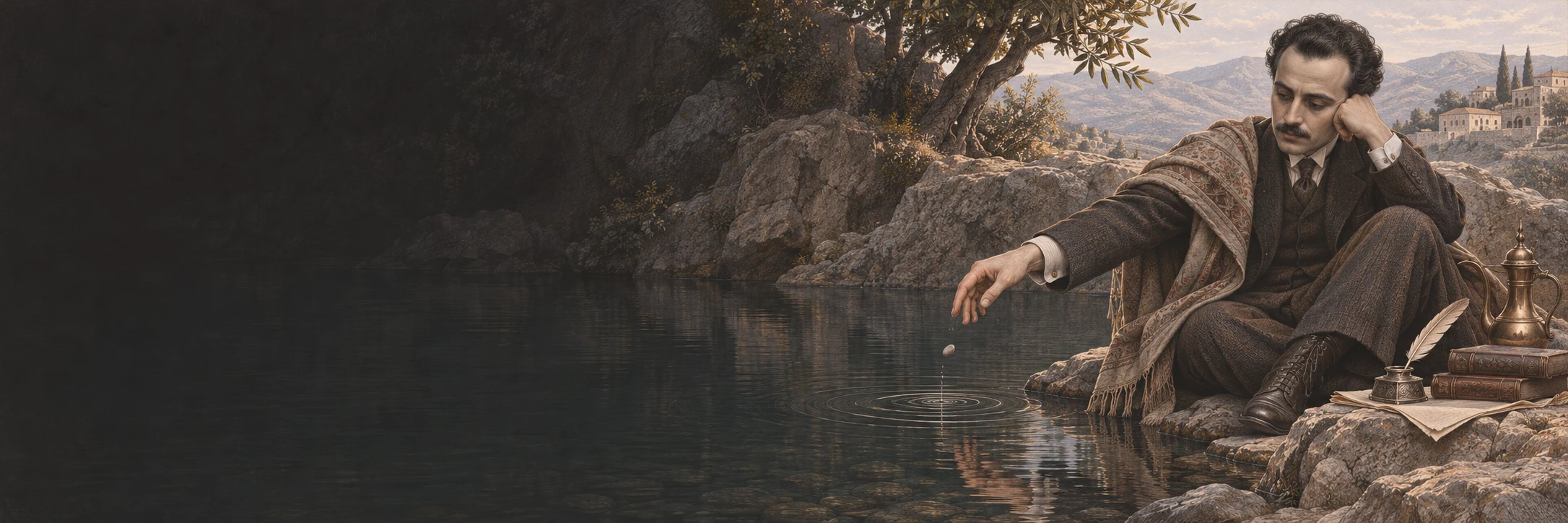
The stone occurs among a series of wishes that keep opening with the same words. What stands out is the verb the stone is asked to take on. Flowering belongs to a plant, when something long in the growing finally comes into view. The German reflexive verb translated as deign belongs to someone who has kept other people waiting. For a moment the stone acquires something like an attitude. Waiting for it feels rather like waiting for a reply that another person might be capable of giving.
An unexpected verb
In the next line unrest joins the stone. A heart is asked to beat for it. The sentences grow shorter as the poem draws to a close, until no further image completes the statement about time. It is worth keeping the small scene in the window in mind. There, two people have already allowed something to become visible. The stone carries the hope for change beyond their sheltered moment, to a place where flowering would ordinarily seem the least likely thing in the world.

 Phone: +43 677 628 66 628 |


 Search
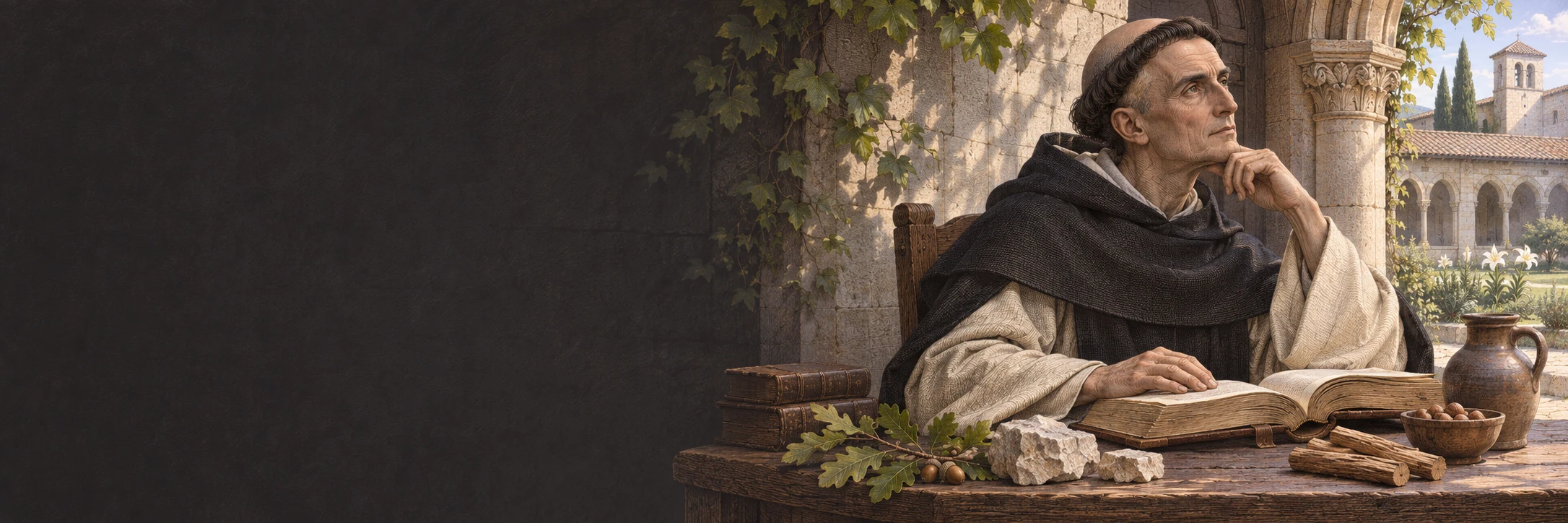
 Meister Eckharts mystische Schriften. In unsere Sprache übertragen von Gustav Landauer · p. 126


 Cart