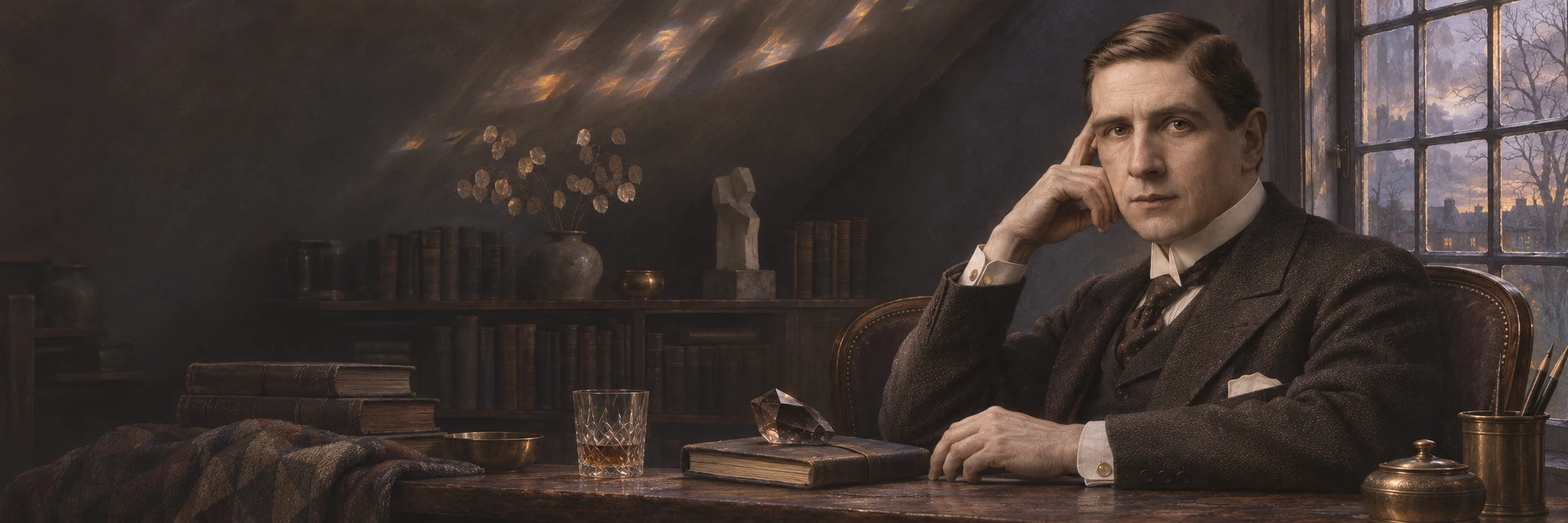
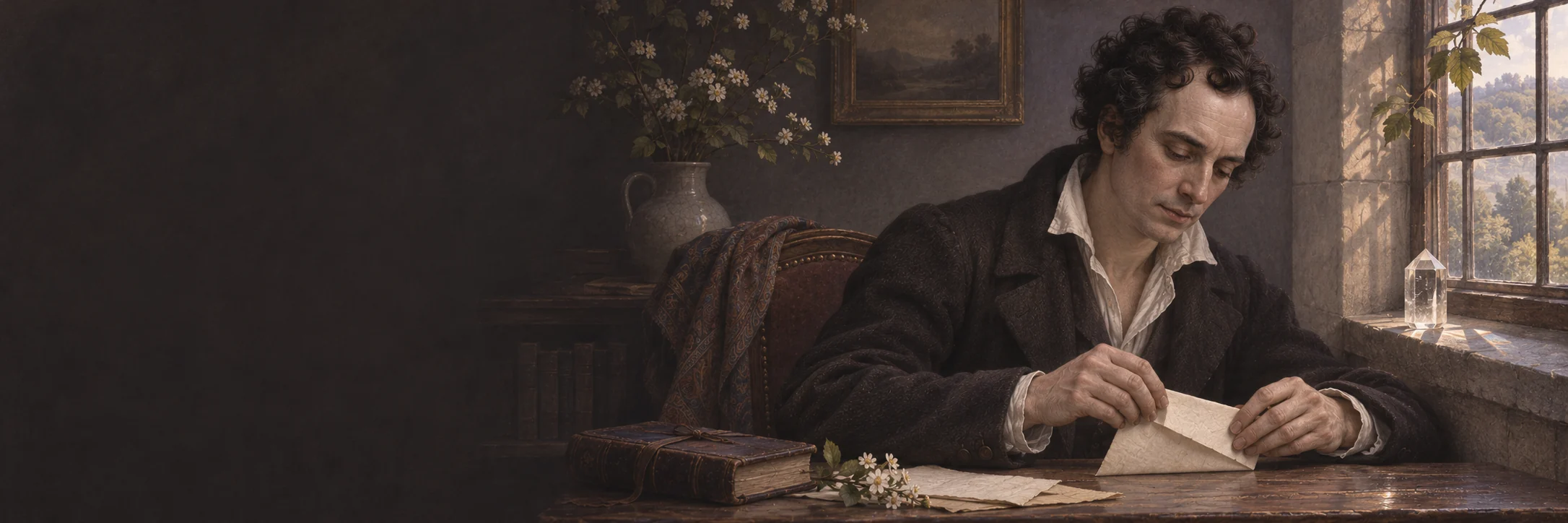
Hermann Broch (1886–1951) was an Austrian writer. In his novel The Death of Virgil the Roman poet spends the last part of his life in Brundisium. In the second section of the book it becomes difficult to say where the sick man’s room ends and where his dream begins. Landscapes, memories and images of the heavens enter into relations with one another. To describe this state Broch reaches for an object whose most striking property would be difficult to see in the dark.
A poet in a fever
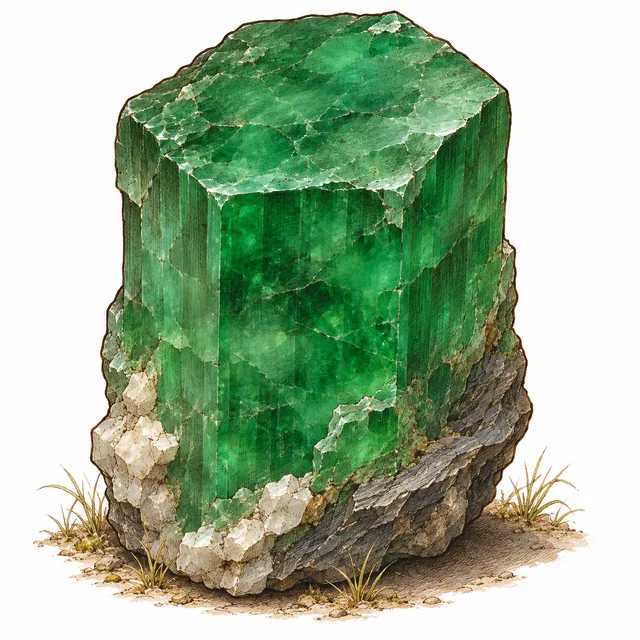
The knowing was not in him, it came crystalline from the invisible crystal of the structure; it was the crystal of the dream.
– Hermann Broch, Der Tod des Vergil, 1945, II, Feuer – Der Abstieg, dream sequence.[1]
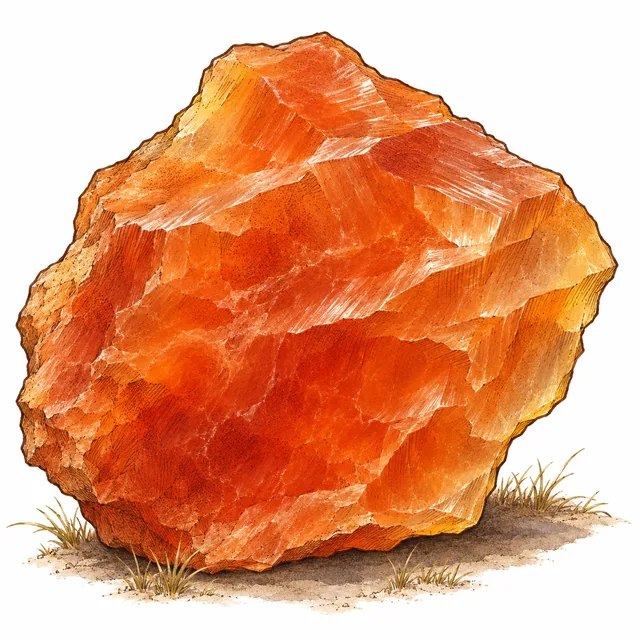
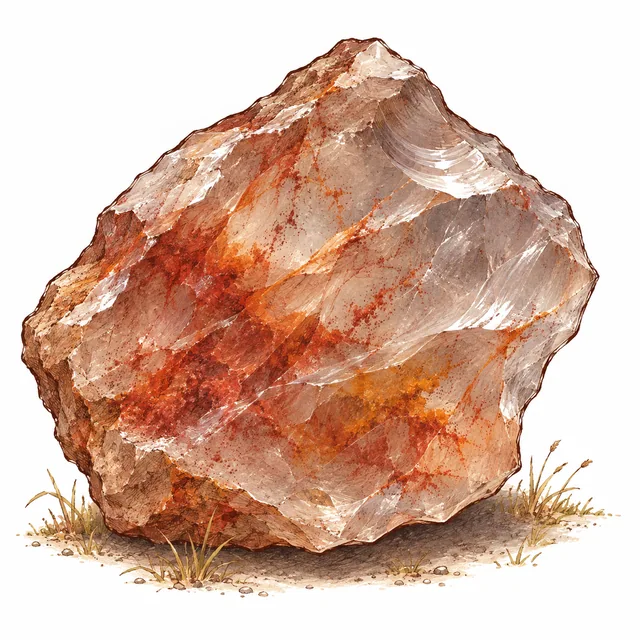
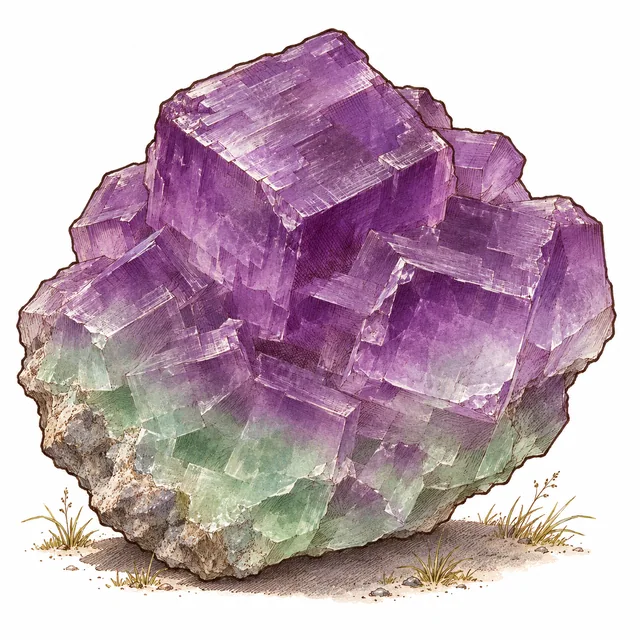
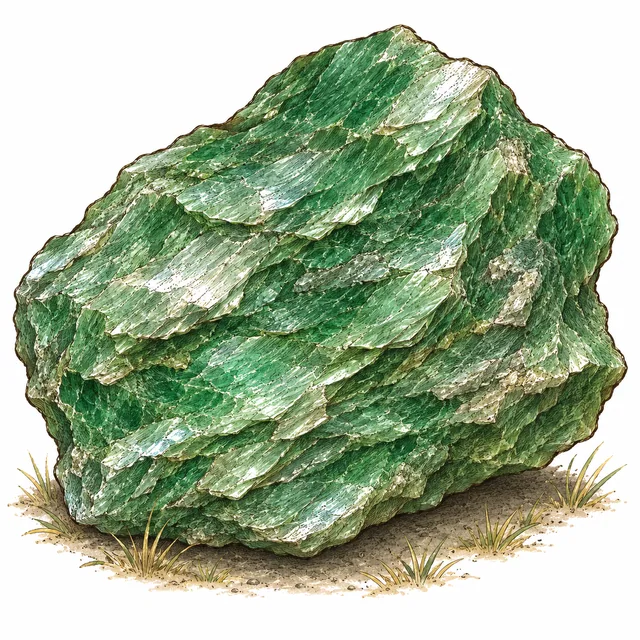
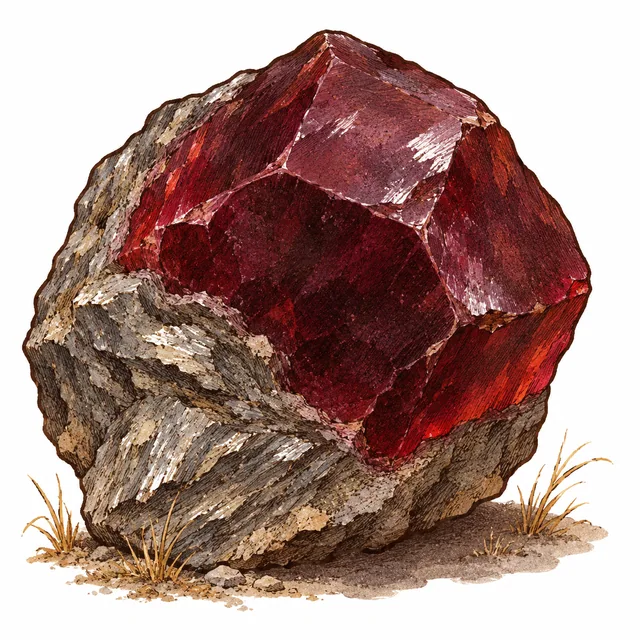
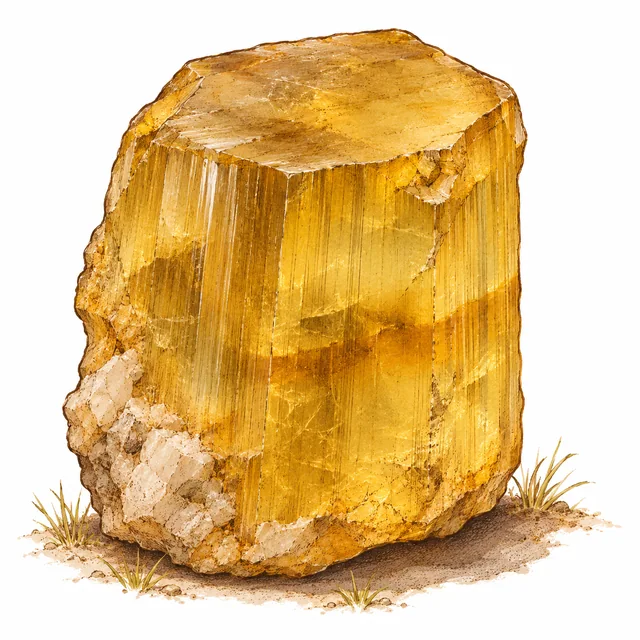
In the light a crystal shows how several different faces belong to a single whole. Each returns the light from a different angle. Broch goes a step further by calling the crystal itself invisible. Of knowing, on the other hand, he writes as though something proceeded from this crystal and reached the dreamer. Anyone who remembers waking from a dream may recognise the sensation. For an instant a connection seems entirely clear before one can give an account of even a single image belonging to it.
How memories acquire a form
In the passages nearby, landscapes and images lie one upon another. A second dream can extend into the space of the first and enrich it. The German word for a structure or arrangement gives those layers an order of their own. Where the knowing takes place is especially interesting. Virgil has no need to interpret each individual image before fitting it into a thought. In the dream he experiences their connection before he has any command of it. The crystal makes this experience imaginable even as the narrator withdraws it from sight.

 Phone: +43 677 628 66 628 |


 Search
 The Composition of the World · 1858 · p. 109


 Cart