
 Phone: +43 677 628 66 628 |


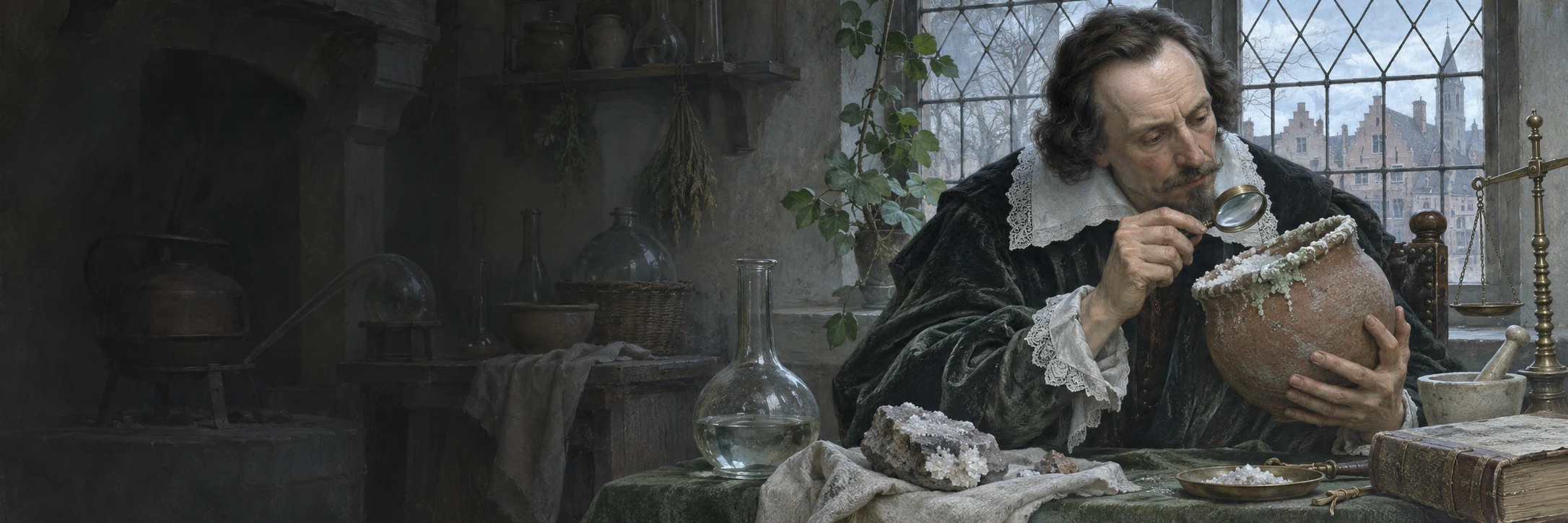
Jan Baptista van Helmont
[…] then the becoming of stone is a birth, and every birth springs from some seed. […]
Jan Baptista van Helmont (1579–1644)
Our translation from the Dutch edition.

Marius is the name transmitted for a twelfth-century writer on nature who wrote in Latin. His dates and place of origin are uncertain. In De elementis he sets a teacher and a pupil in conversation. The teacher asks about an observation one can make in a goldsmith's workshop. Has the pupil seen what happens to a crucible in which metal is melted again and again? The pupil has. A green, translucent substance rather like glass can form along the wall.
From this, then, one can tell that glass consists of four elements. […] Yet to understand this you need the eyes of your heart.
– Marius, De elementis, 12th century · edition 1976, book II, p. 145, the teacher’s speech.[1]
A change takes place in this little vessel that would be difficult to follow in a finished stone. One knows the material of the crucible and can watch it respond to the heat of the furnace. The teacher relates this experience to what he imagines might go on beneath the surface of the earth. For a medieval account of the elements this raises a question. How does one get from something visible in the fire to a statement about what a piece of glass consists of?
Here the pupil needs the eyes of his heart. At first the phrase sounds like an invitation to turn away from the workshop. In the course of the conversation its meaning becomes more precise. The pupil has to remember what he saw, distinguish one change from another and work out how the changes are connected. A second glance at the vessel after it has cooled will scarcely answer the question on its own. Reflection turns one observation into an inquiry about the composition of things.
 Search
[…] then the becoming of stone is a birth, and every birth springs from some seed. […]
Jan Baptista van Helmont (1579–1644)
Our translation from the Dutch edition.
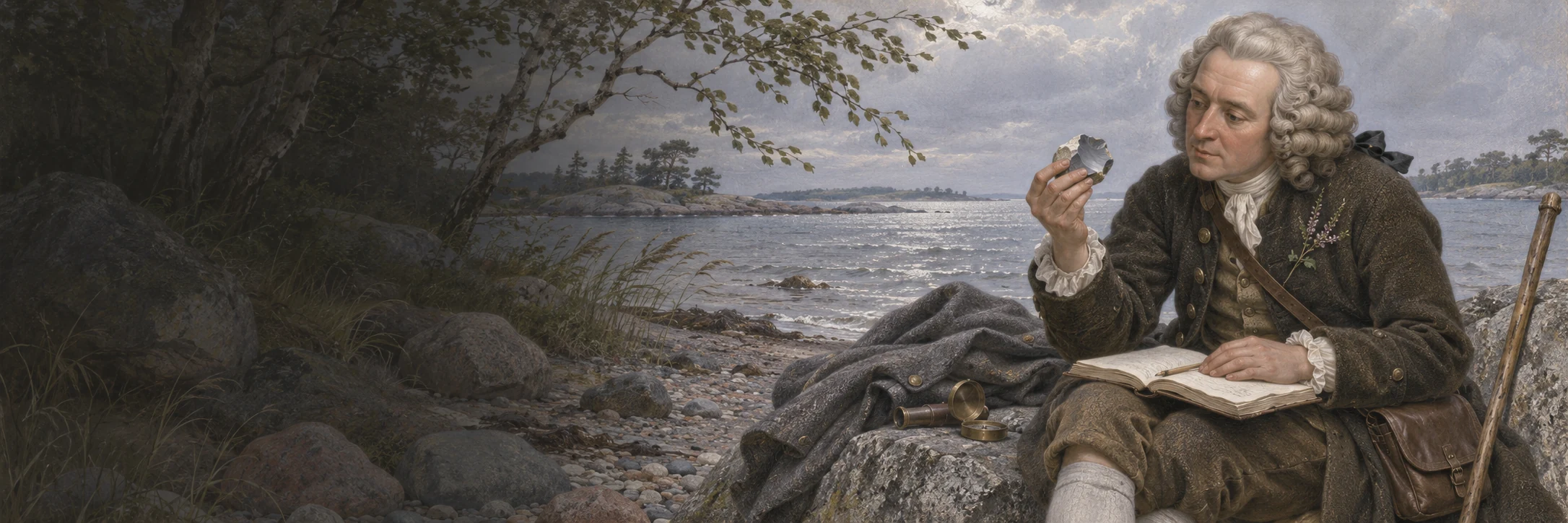
O flint! Flint! Who begot you?
Johann Friedrich Henckel (1678–1744), in Linnaeus
 Systema naturae · 1735 · Regnum lapideum, Obs. 6
Our translation from the Latin edition. Saying of Johann Friedrich Henckel, recorded by Linnaeus.
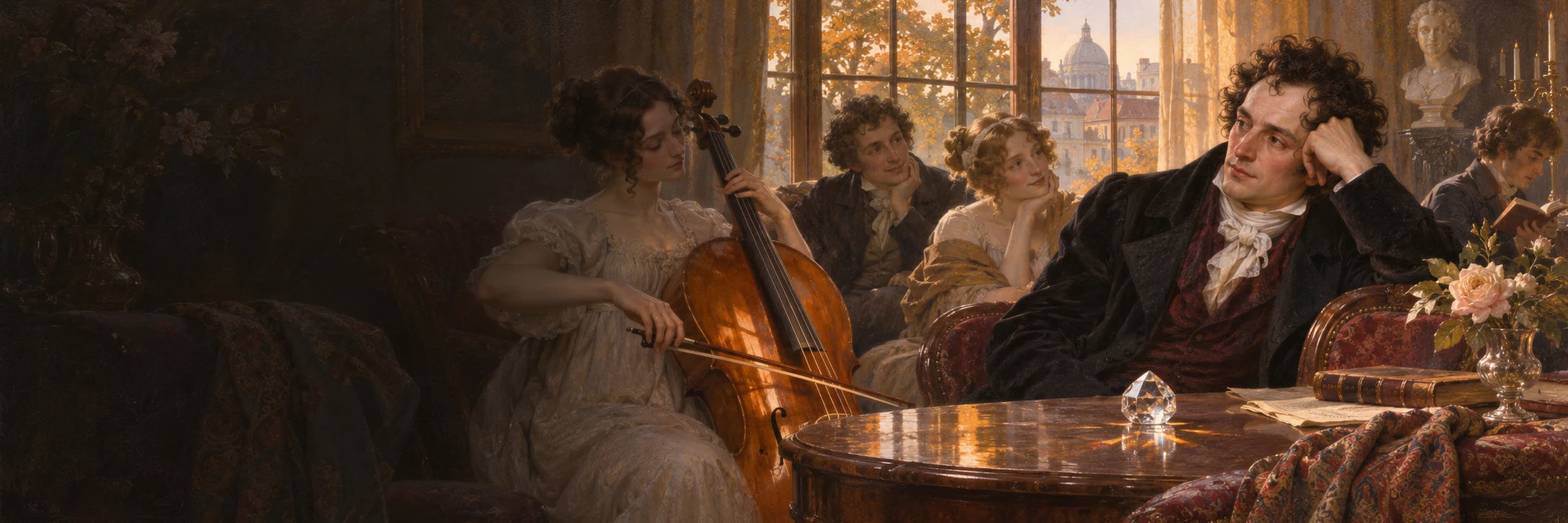
As sound made a shape for itself in crystal, so the sound of strings strikes into your soul.
Clemens Brentano (1778–1842)
To Schinkel · 1817 · An Schinkel
Our translation from the German edition.
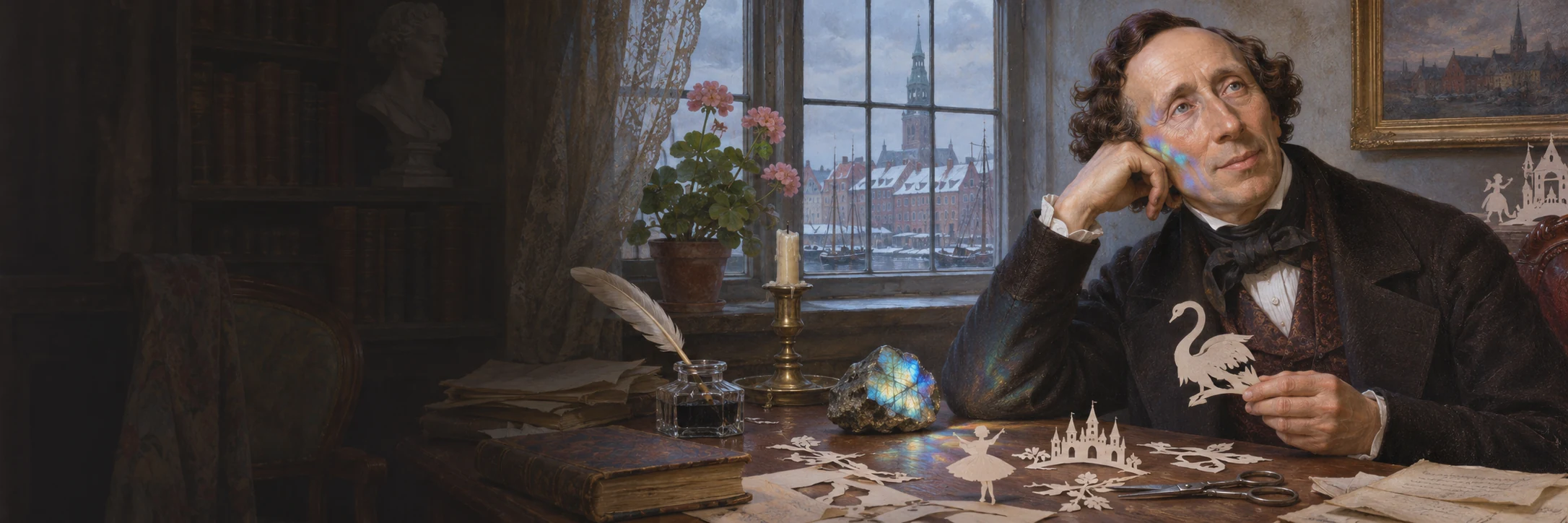
He spoke to them of the true, the beautiful, and the good, and told them that these three held together in the world, and that under the pressure they had to endure, they became hardened into a precious stone, clearer than the […]
Hans Christian Andersen (1805–1875)
The Stone of the Wise Men · 1878 · p. 381
Wording of the English edition.
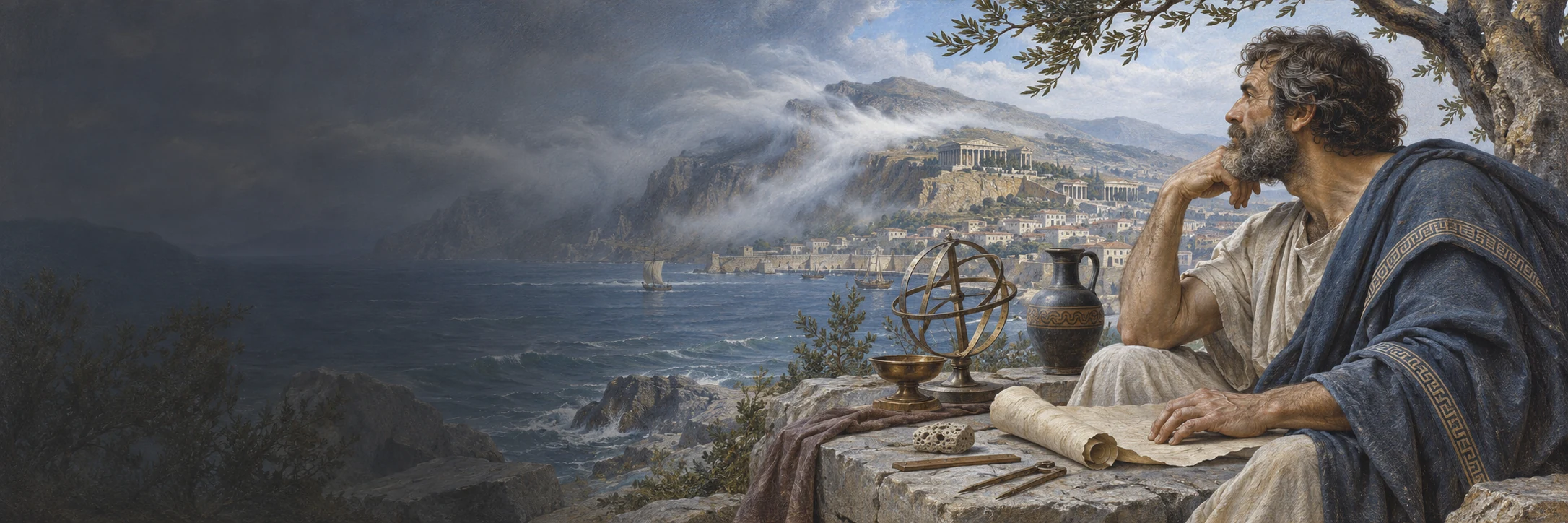
When rarefied it becomes fire, when condensed it becomes wind, then cloud, and when condensed still further, water, then earth, then stones. Everything else comes from these.
Anaximenes (6th c. BCE)
Testimony in Simplicius · 1906 · p. 18
Our translation from the Greek edition.
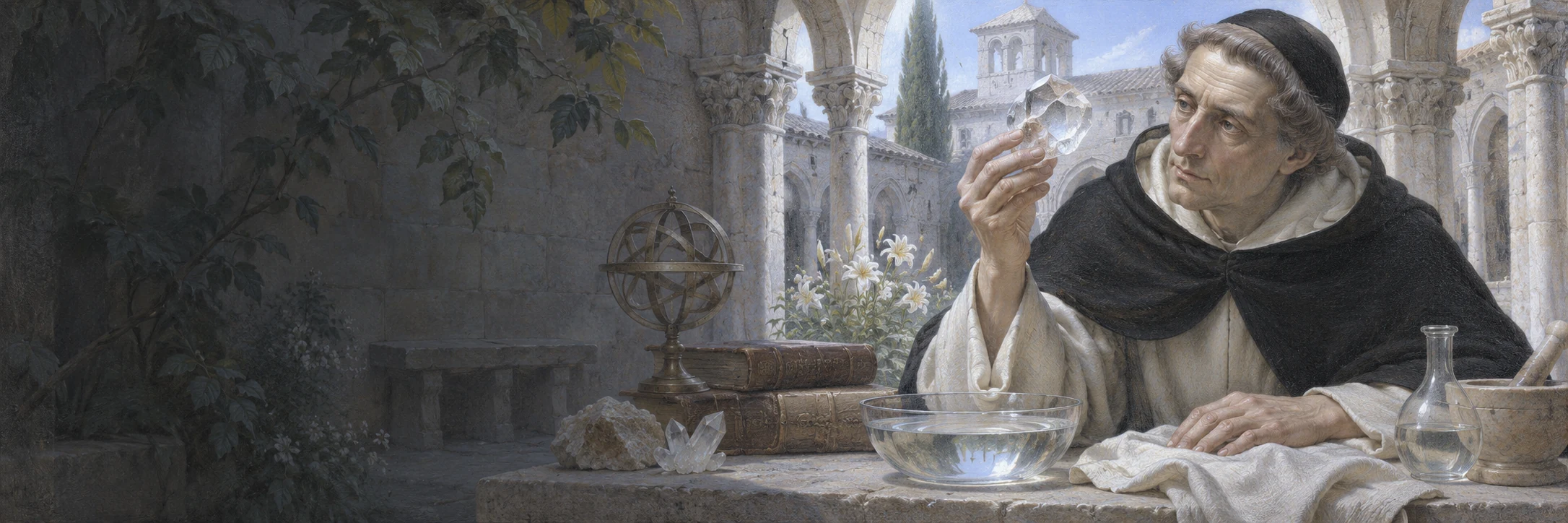
For crystal appears to have as its matter not water alone, but a wateriness tending towards the nature of air. For this reason it is exceedingly transparent and tends towards brightness.
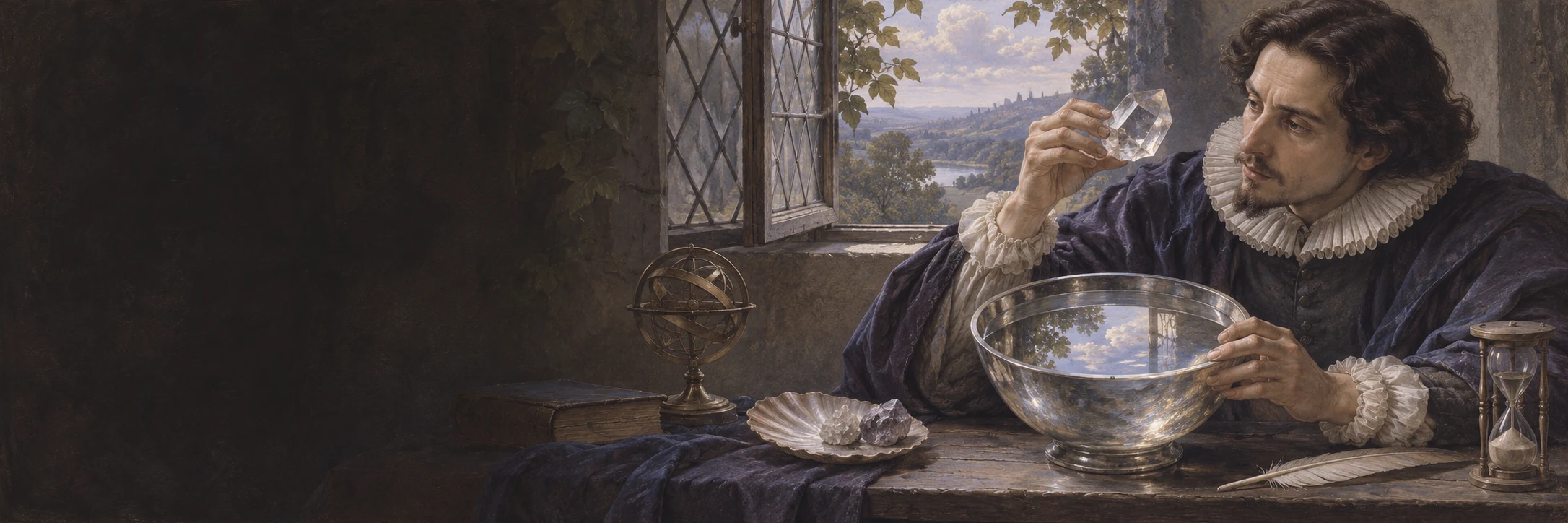
The crystal is a figure of the air. Whatever appears in the air, movable or immovable, the same appears also in the speculum or crystal as a wave.
Pseudo-Paracelsus (early modern period)
The Coelum Philosophorum · 1894 · p. 14
Wording of the English edition.
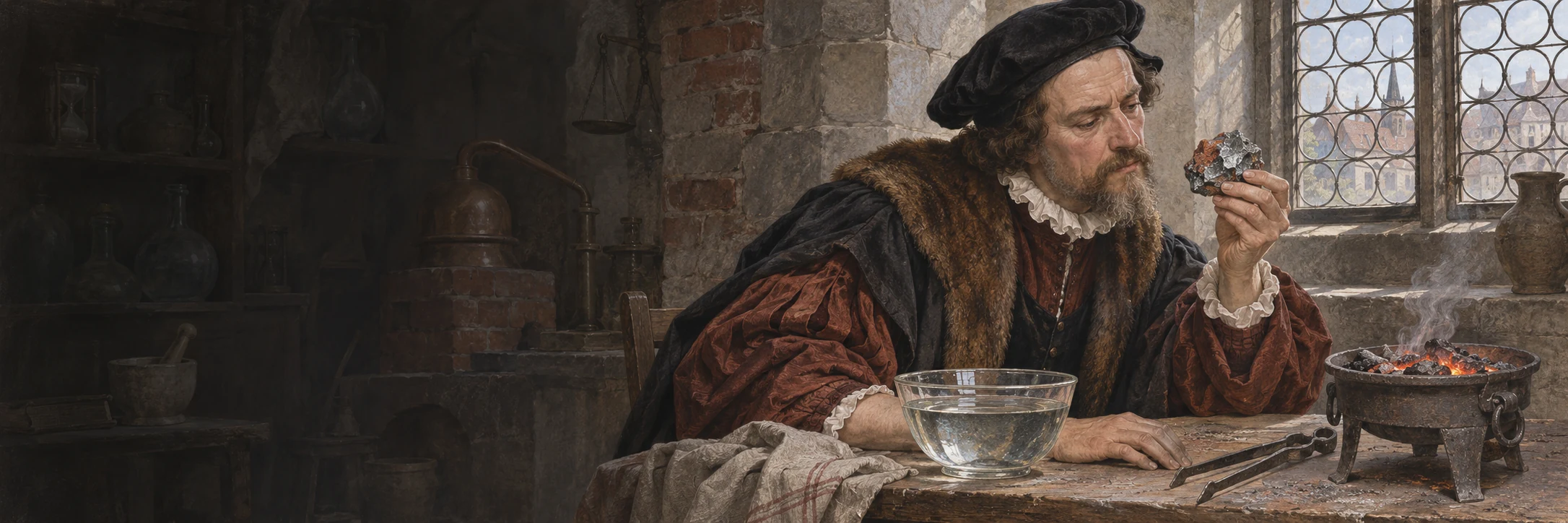
In our Stone, as composed by me and by those who have long preceded me, are contained all elements, all mineral and metallic forms, and all the qualities and properties of the whole world.
[…] a spirituall Being, which is environed with the four Elements, which also changeth the four Elements into one […]
Jacob Boehme (1575–1624)
The Epistles of Jacob Behmen · 1649 · Letter XXIII, 17
Wording of the English edition.
Fire placed in the Stone is Nature’s Prince, Sol’s Son and Vicar, moving and digesting matter and perfecting all things therein, if it shall attain its liberty […]
Jean d’Espagnet (c. 1564–17th c.)
The Hermetic Arcanum · 1893 · p. 33
Wording of the English edition.
This chaos hath in it the four elements, which of themselves are contrary natures; but the wisdom of God hath so placed them that their very order reconciles them.
So also the Stone is resolved into water, and water into a vaporous clowd, and the clowd into aire from whence it came […]
 Cart