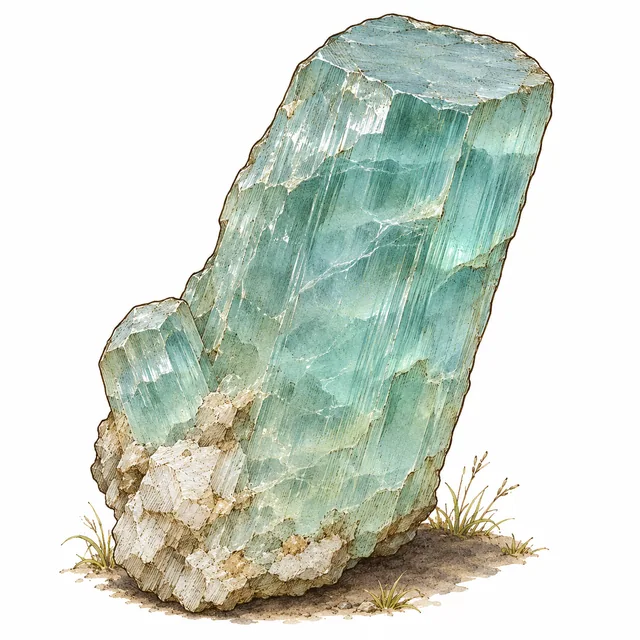
For the jākūt, the stone book describes a test with a file.
“Iron files have no effect on it, and none of its substance sticks to them […]”
– Pseudo-Aristotle, The Stone Book of Aristotle, jākūt, p. 136. Our translation from Julius Ruska’s German version, 1912.[1]
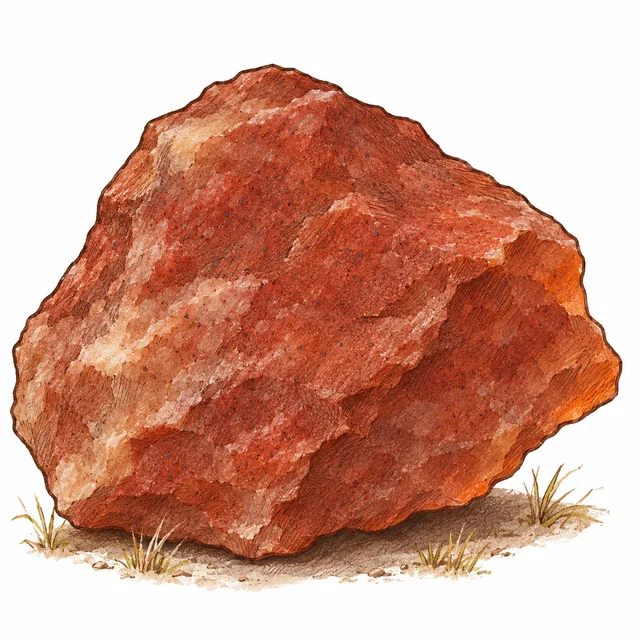
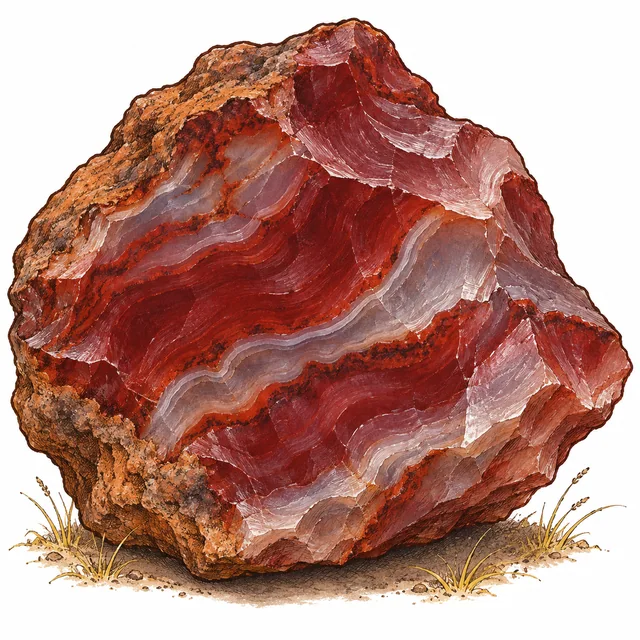
Its red variety was said to grow more beautiful in the fire. The so-called Stone Book of Aristotle sets these observations beside another promise: anyone who wore one of these stones on a necklace or in a signet ring would be protected from plague and held in esteem. The hardness of the material, the change in its colour and the help people hoped it might bring all belong to the same description.[1]
Camillo Leonardi’s Speculum lapidum describes how a similar test could fail to expose an imitation.
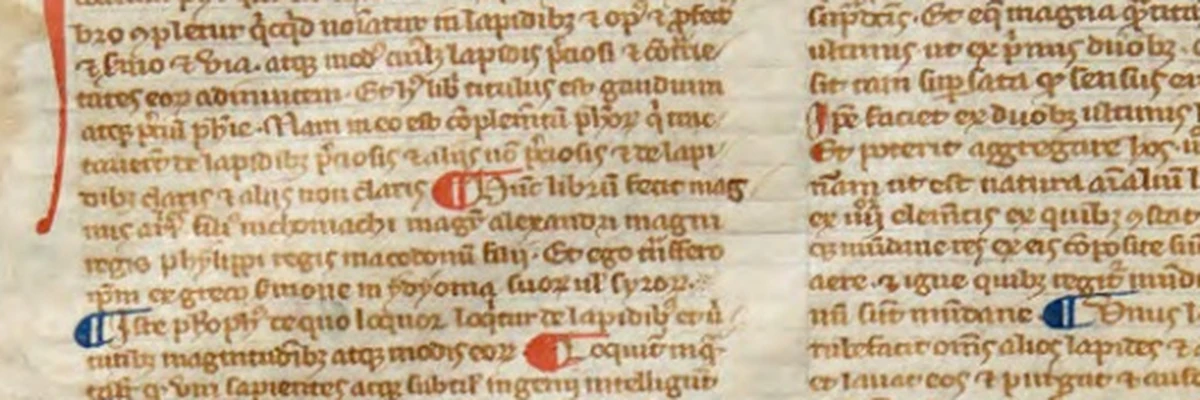
Compiled in Arabic in the early Abbasid period, the work circulated under Aristotle’s name. Its author is unknown. Introductory discussions lead into a prose catalogue of individual stones, metals and other minerals. The entries cover colour, places of origin and uses in medicine and alchemy. Their number varies: the Paris manuscript edited by Julius Ruska has 72 entries, while the fuller Istanbul manuscript, Aya Sofya 3610, has 114.[1][2]
A famous name and a far-reaching claim
The attribution filled a gap. At the end of the third book of his Meteorology, Aristotle had announced a more detailed account of individual mineral substances. The Arabic lapidary could appear under his name as the promised work. The Istanbul version invokes Hermes as an earlier authority. The Paris manuscript names a supposed translator, Lūqā ibn Serapion. These names express claims made in the course of transmission. The actual authorship remains uncertain.[2]
In the Paris version edited by Ruska, the book presents itself as a selection from a much larger work. Aristotle is said to have described seven hundred stones, their substances, colours, varieties and places of origin. From these, the compiler claims to have drawn what would be of greatest public benefit. He singles out two uses: preparation in alchemy and use in medicine. The selection was to give dispersed knowledge a practical form.[1]
The compiler takes issue with readers who accept only what they already know. They take a familiar description for granted, yet respond to an unfamiliar stone with incredulous astonishment. A discerning person, he argues, will add new things to what they already know. The introduction thus asks readers to give unusual reports a hearing before it presents the substances and their powers.[1]
Stones from the earth and from the workshop
The subject extends far beyond gems. Gold, silver, copper and iron are treated as stones. The author also includes materials that people make, among them white lead, verdigris and cinnabar. He describes the substances from which they are made and the changes that fire or acidic liquids are said to bring about. The resulting materials have colours of their own and may have both useful and harmful properties.[1]
This approach joins the description of a material to the work done on it. In the entry on gold, the author asks how the addition of other metals changes its colour. Copper makes it redder, silver paler. The entry on iron distinguishes several varieties and says that heating a soft piece and quenching it in water will harden it. Colouring, alloying and hardening belong to the same study as precious gems.[1]
The book also covers stones that form inside the body. One passage explains how a bladder stone grows in layers: liquid repeatedly reaches it and deposits a new layer around the existing stone. The author then gives the material a medicinal use. Mines are only one of several settings in which he considers how solid bodies might form.[1]
Resemblance is only the beginning of identification
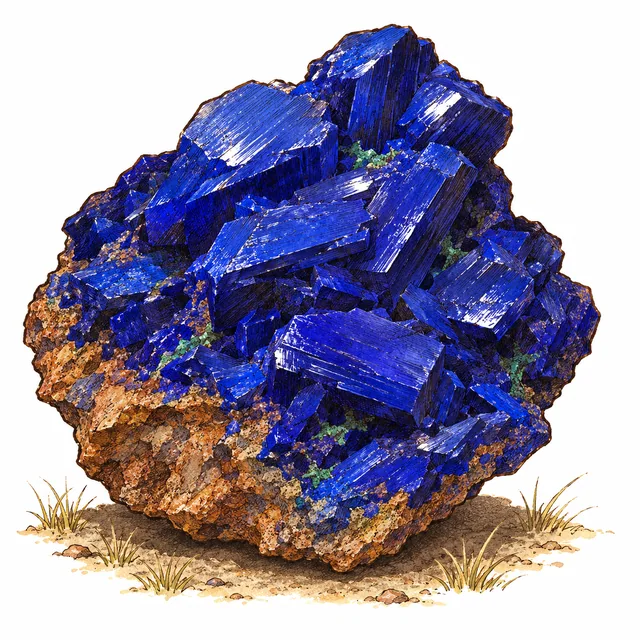
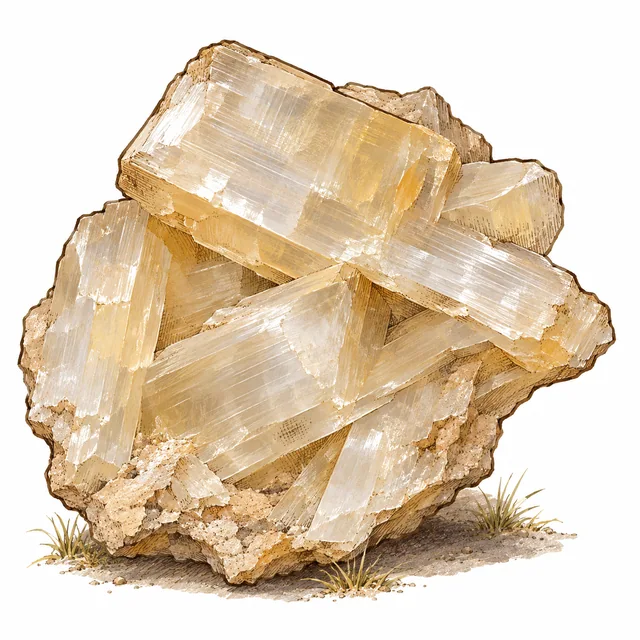
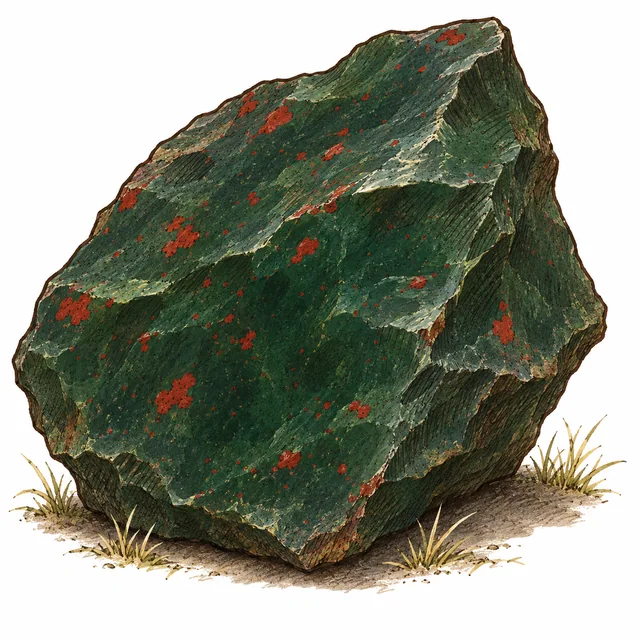
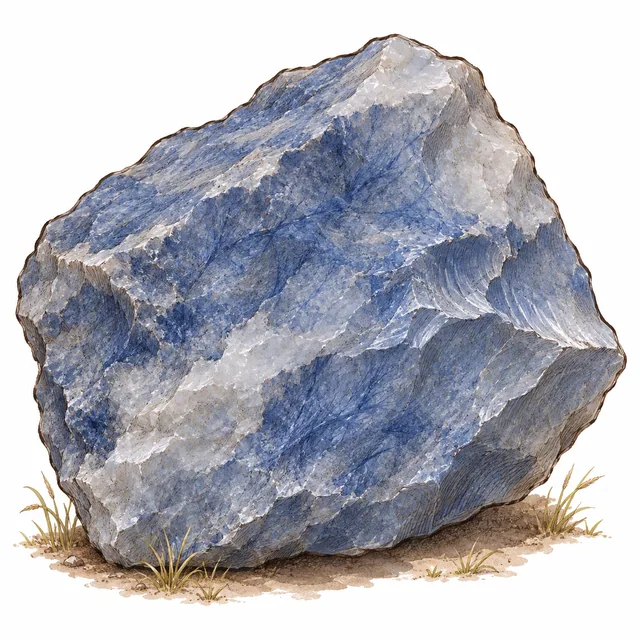
The book distinguishes red, yellow and blue varieties of jākūt. Colour helps to classify them, but appearance alone does not settle the question. The yellow stone is said to withstand fire better than the red, whereas the blue cannot endure it. The author distinguishes two further stones that look like these. Their response to heat is supposed to show that they belong to another kind.[1]
Such distinctions stand alongside broad claims about the kinship of substances. Tin is described as a kind of silver spoiled underground, and mercury as silver whose condition has been altered by damage. These ideas belong to an alchemical interpretation of metals. The mercury entry also warns that the vapour released in heating it can make people seriously ill. The methods of preparation, explanations of nature and hazards of handling the material remain closely connected.[1]
A work in several versions
In the Istanbul manuscript, the lapidary is the longest item in a collection of texts about stones, mineral substances and their uses. The work of compilation thus continued beyond the boundaries of this particular book.[2]
Ruska’s 1912 edition gives the Arabic text, a German translation and a Latin version from Liège. Hebrew adaptations also form part of its history.[3] His notes show what could change as the text passed from one reader to another. In the explanation of a bladder stone, for instance, the Latin version renders the term for superimposed layers as “kinds”. A small shift in language changes the account of a stone’s internal structure.[1]

 Phone: +43 677 628 66 628 |


 Search

 Meister Eckharts mystische Schriften. In unsere Sprache übertragen von Gustav Landauer · p. 126

 Cart