
 Phone: +43 677 628 66 628 |


Book of Isaiah
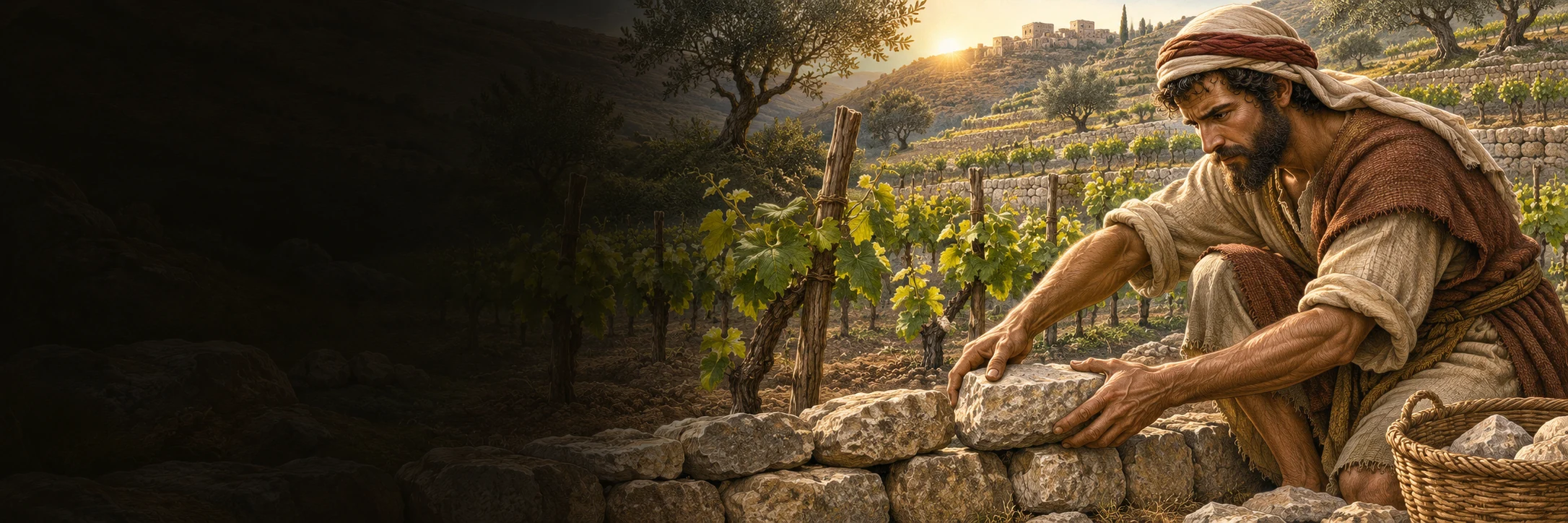
He fenced it in, protected it with heaps of stones and planted choice vines in it. He also built a tower in it and dug a winepress there, and waited for it to bear grapes, but it bore wild grapes.
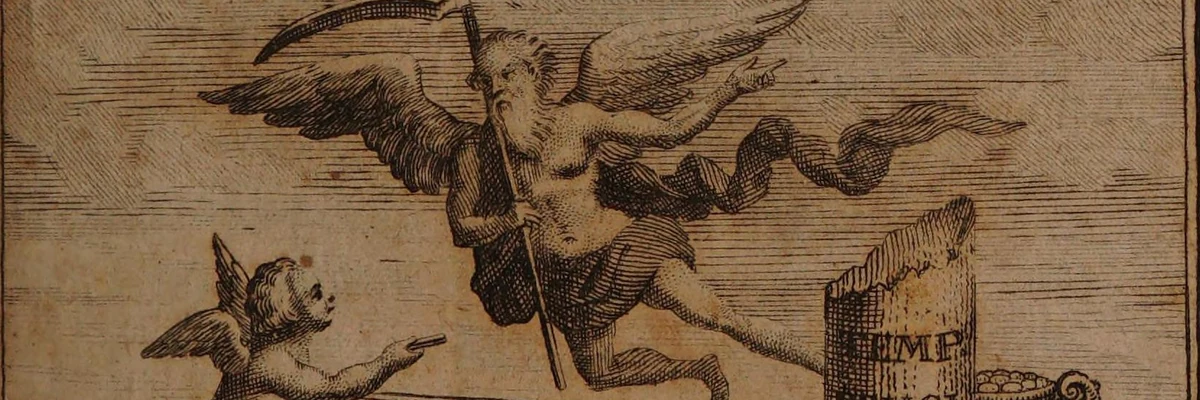
When Camillo Leonardi had his Speculum lapidum, the “Mirror of Stones”, printed in Venice in 1502, he dedicated it to Cesare Borgia. The physician from Pesaro gathered earlier writers’ knowledge of stones and connected it with questions that concerned buyers, collectors and engravers. How could one recognise a genuine gem? Where did its hidden powers supposedly come from? What part did an engraved image play in its effect?[1][2]
The Latin work is divided into three books. The Venetian first edition of 1502 comprises 66 leaves. The first book treats the formation and composition of stones and explains how to distinguish genuine stones from imitations. The second discusses their particular powers and introduces an alphabetical catalogue of descriptions, places of origin and reputed uses. The third concerns images in stones, their making and their supposed effects.[1][3]
Leonardi explains his own title. Just as a mirror shows what stands before it, his book should bring the various subjects of stone lore into view. Earlier writers, he says, had described many things but had never fully brought them together.[3]
In the first book Leonardi invokes Aristotle, Avicenna and Albertus Magnus. Natural bodies formed beneath the sphere of the moon were understood as compounds of the four elements. In stones, he places particular weight on the ratio of earth to water. Rock crystal and beryl are examples rich in water, while marble and jasper are more earthy. Fire and air also retain their place in this account of nature.[3]
Mixture alone is insufficient to explain a stone. A formative mineral power must act on suitable matter. Heat and cold serve as instruments that draw off excess moisture and harden the mass. Leonardi connects these ideas with differences in hardness, transparency and colour. He also considers the place of formation and the influence of the stars.[3]
From these general causes the book turns to a practical concern of the gem trade. Composite stones could look more valuable than they were. Leonardi describes a garnet joined to rock crystal so that it resembles a ruby when mounted in a ring. He also mentions dyed and glass imitations. If a buyer has doubts, he advises removing the stone from its setting to examine it fully exposed.[3]
Tests should consider several features. Leonardi cites resistance to a file, weight and appearance in the light. He acknowledges the limits of individual procedures. If a genuine stone also yields to a file, that test cannot reliably detect an imitation.
“[…] and therefore these Falsifiers chuse to work upon these which give way to the File, because they cannot be prov’d by it.”
– Camillo Leonardi, The Mirror of Stones, London, 1750, book I, ch. IX, p. 45.[3]
An earlier account of the file test appears in the entry on jākūt in the Stone Book of Pseudo-Aristotle.
Under the alphabetical entries, descriptions stand alongside places of origin and attributed uses. Leonardi draws on authorities ranging from ancient naturalists to medieval writers. Citing a tradition did not prevent him from raising an objection of his own.[3]
The entry on the lodestone is a case in point. Leonardi explains that iron touched by a magnet can itself attract more iron. Suspending a needle on a thread makes it possible to observe attraction and repulsion. He also discusses the magnetic needle at sea: it helps sailors find their bearings when clouds hide their guiding star. From an experiment with a needle floating on water, he proceeds to the compass.[3]
The same entry contains other kinds of testimony. Leonardi accepts that garlic can impede magnetic power and records numerous alleged medicinal and protective effects. Yet he expressly calls the story that ships with iron fittings are detained in regions of magnetic rock ridiculous. Acceptance, personal observation and rejection occur within a single account.[3]
The third book treats natural markings, man-made engravings and their reputed powers. Craftsmanship is part of its explanation. Leonardi names contemporary gem cutters and praises the precision and elegance with which they cut their figures. An engraved stone was both a work of skill and a potential bearer of special effects.[2]
For a magical effect, workmanship alone did not suffice. An image had to be made under an appropriate celestial configuration so that a star’s influence could enter the stone. The figure, the material and the moment of manufacture were related. Using the catalogue therefore required the reader to recognise figures and associate them with their presumed powers.[2][3]
On one point Leonardi expressly contradicts Albertus Magnus. He argues that an engraving’s power does not completely vanish after a fixed period. As long as stone and image survive, the particular power can endure. To support this view he cites another inherited authority, a text attributed to Solomon. His judgement emerges from a comparison of conflicting witnesses.[2]
The English translation of 1750, The Mirror of Stones, shows how differently later readers could treat this third book. Its anonymous translator left it out entirely. In the preface he said that such speculations agreed with neither his reason nor his religion. He did, however, hold out the possibility of a separate translation should curious readers request one.[3]
The English edition preserved the account of materials and the catalogue but omitted the extended investigation of magical images. The plan announced in the original preface makes the extent of the change clear. Readers of this edition had access to only the first two of Leonardi’s three interconnected subjects.[3]
 Search
He fenced it in, protected it with heaps of stones and planted choice vines in it. He also built a tower in it and dug a winepress there, and waited for it to bear grapes, but it bore wild grapes.
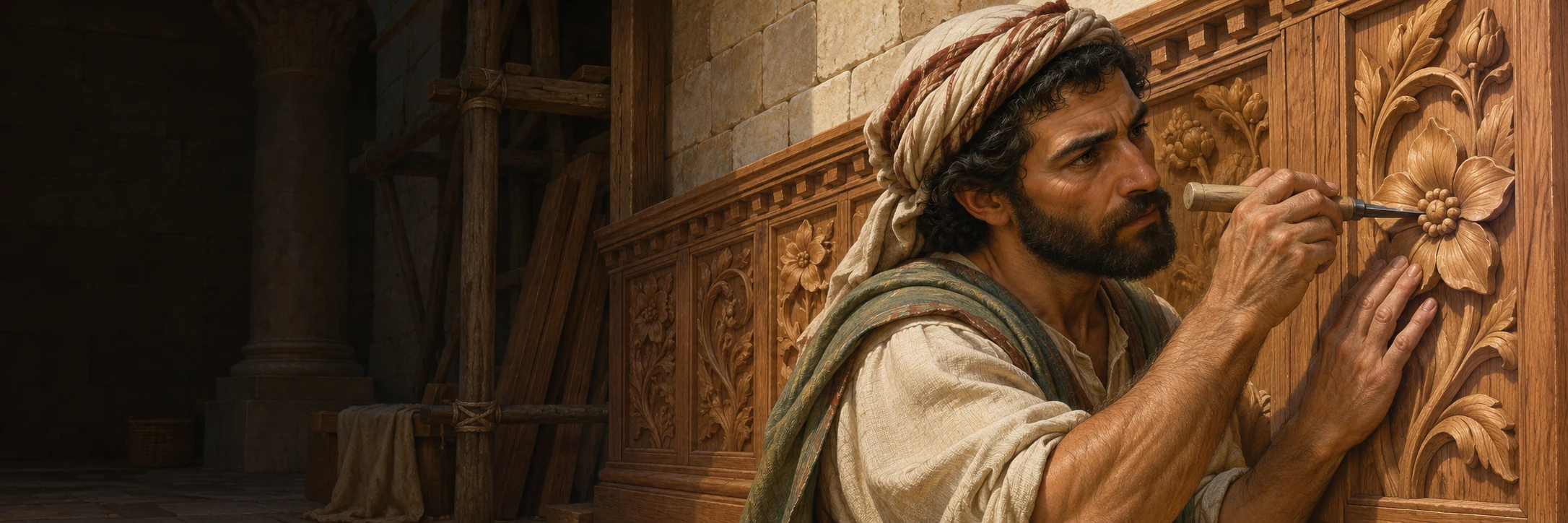
Inside, the whole house was cedar, with carved knobs and flower-work, so that no stone could be seen.
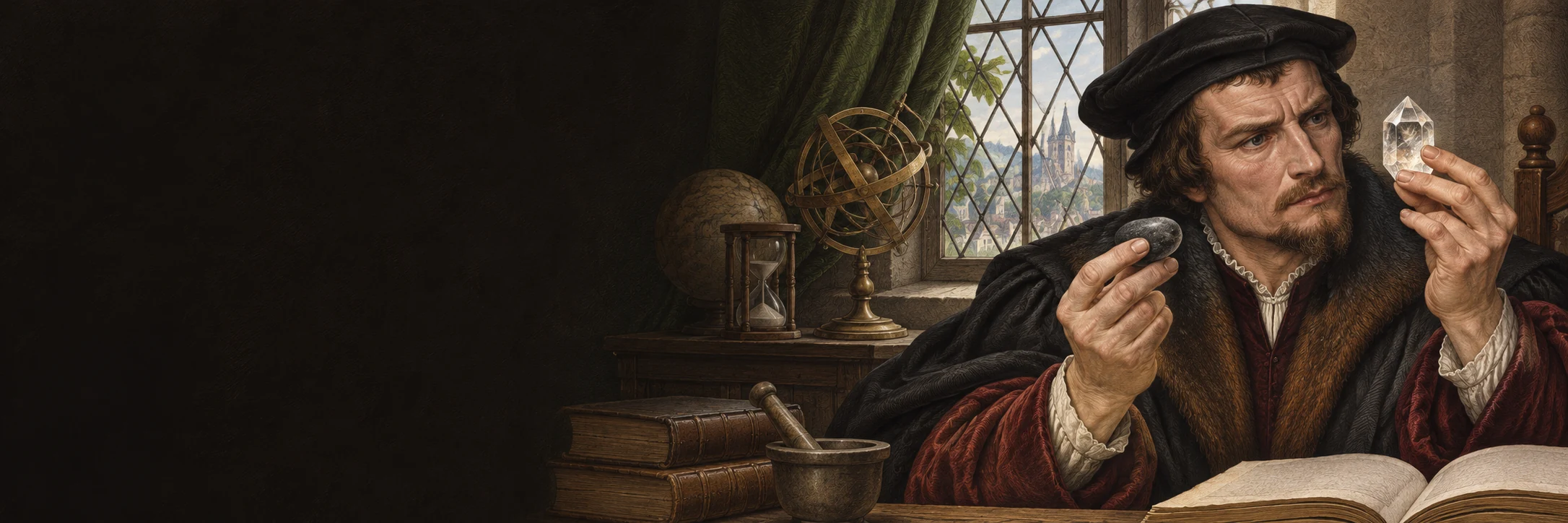
For amongst the Stones they especially are called earthy that are dark, and more heavy; and those waterish, which are transparent, and are compacted of water, as Crystall, Beryll, and Pearls in the Shels of Fishes […]
Heinrich Cornelius Agrippa von Nettesheim (1486–1535)
 De occulta philosophia · 1651 · p. 18–19
Wording of the English edition.
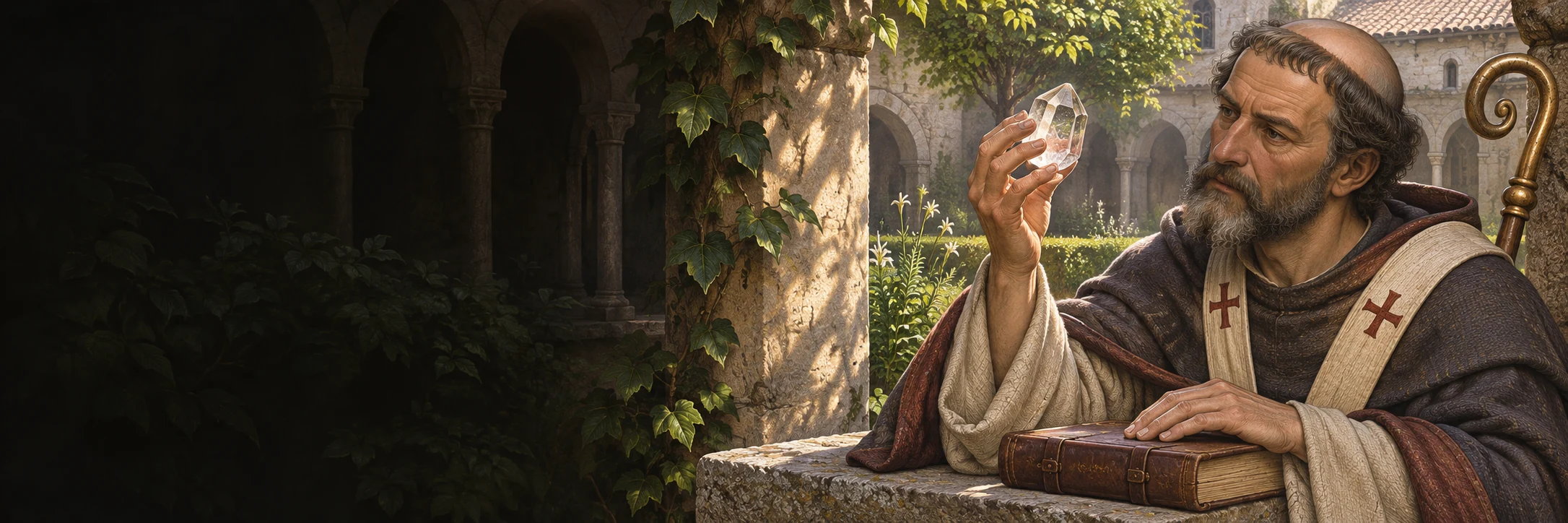
[…] that this stone, placed in the sun, takes fire and with it will kindle tinder fungus brought up close.
Marbod of Rennes (c. 1035–1123)
Liber lapidum · 1799 · p. 70–71
Our translation from the Latin edition.
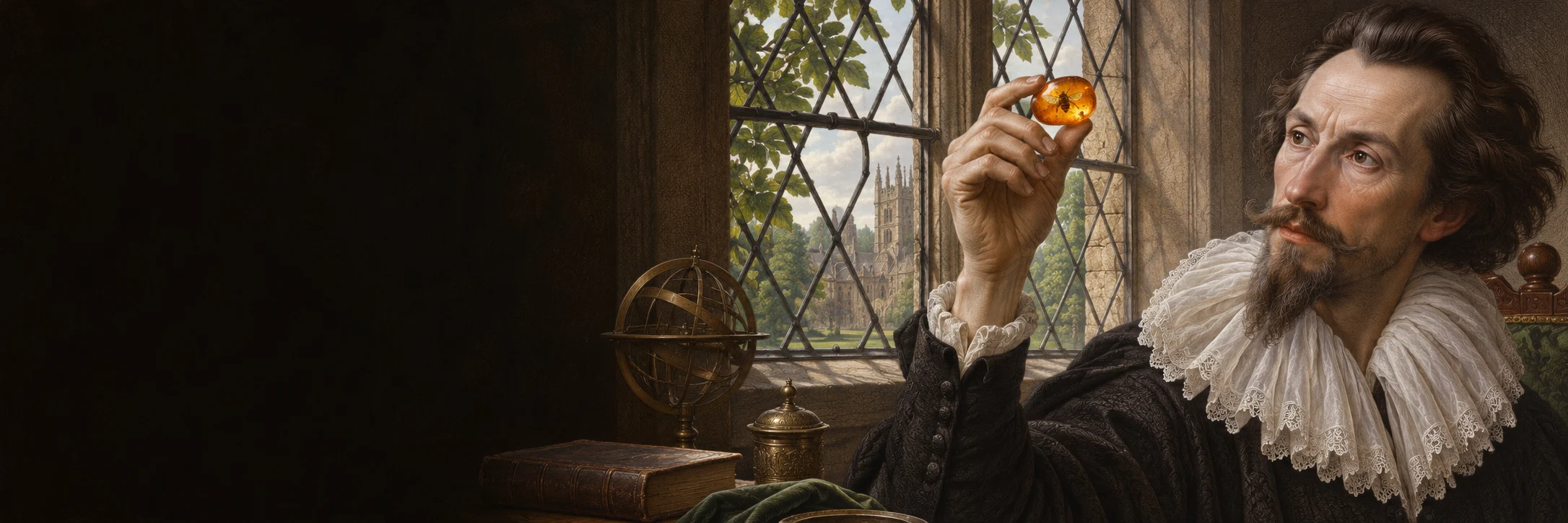
This, as an Amber drop enwraps a Bee, Covering discovers your quicke Soule […]
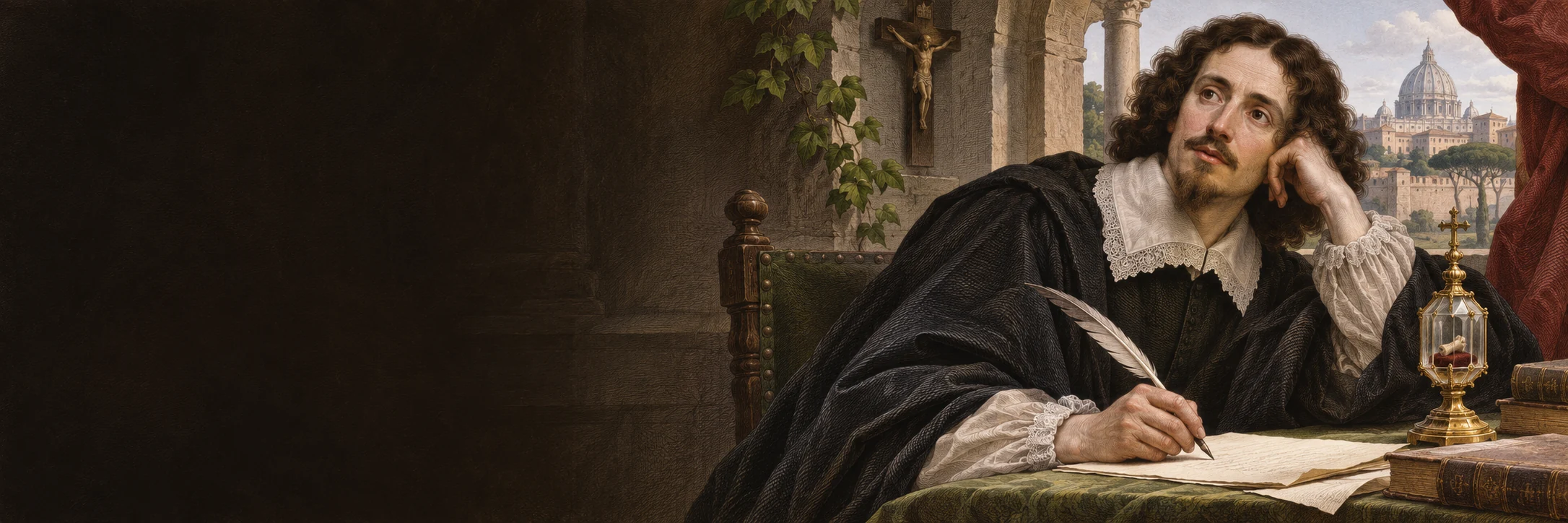
A soul sheath’d in a crystal shrine, Through which all her bright features shine, […]
Richard Crashaw (c. 1613–1649)
In Praise of Lessius His Rule of Health · 1857 · p. 100
Wording of the English edition.
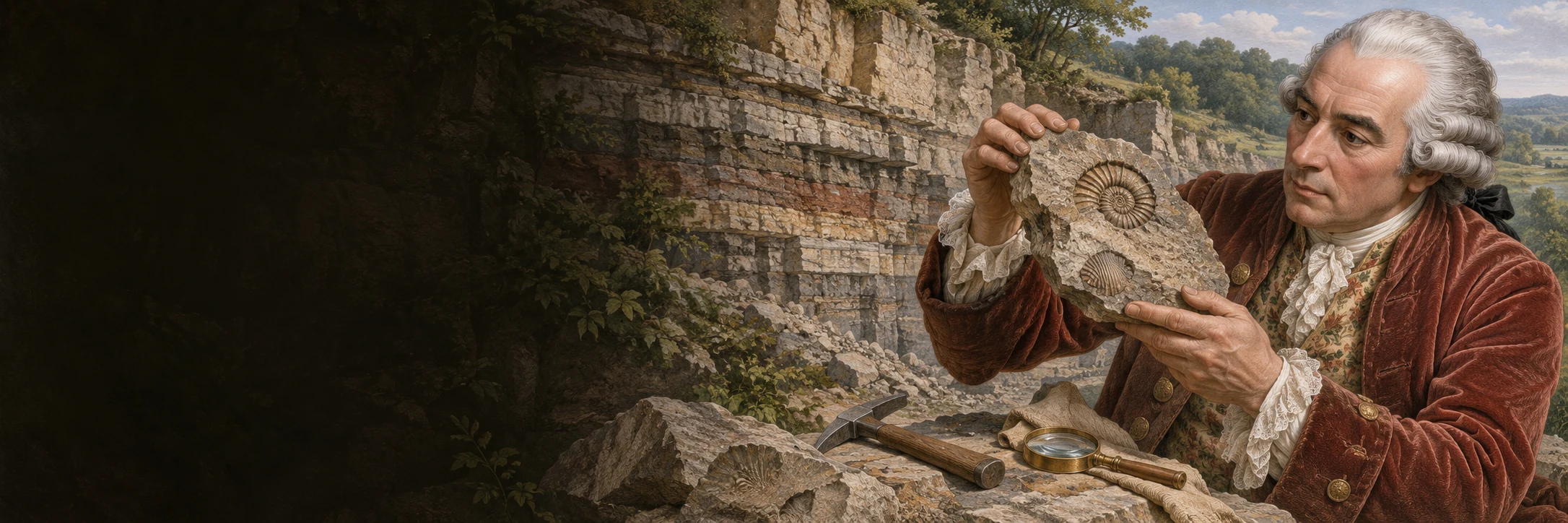
[…] in natural history one must search the archives of the world, draw ancient monuments from the bowels of the earth, collect their fragments and assemble into a body of evidence all the indications of the physical changes […]
Georges-Louis Leclerc de Buffon (1707–1788)
Les Époques de la nature · 1778 · p. 1–2
Our translation from the French edition.
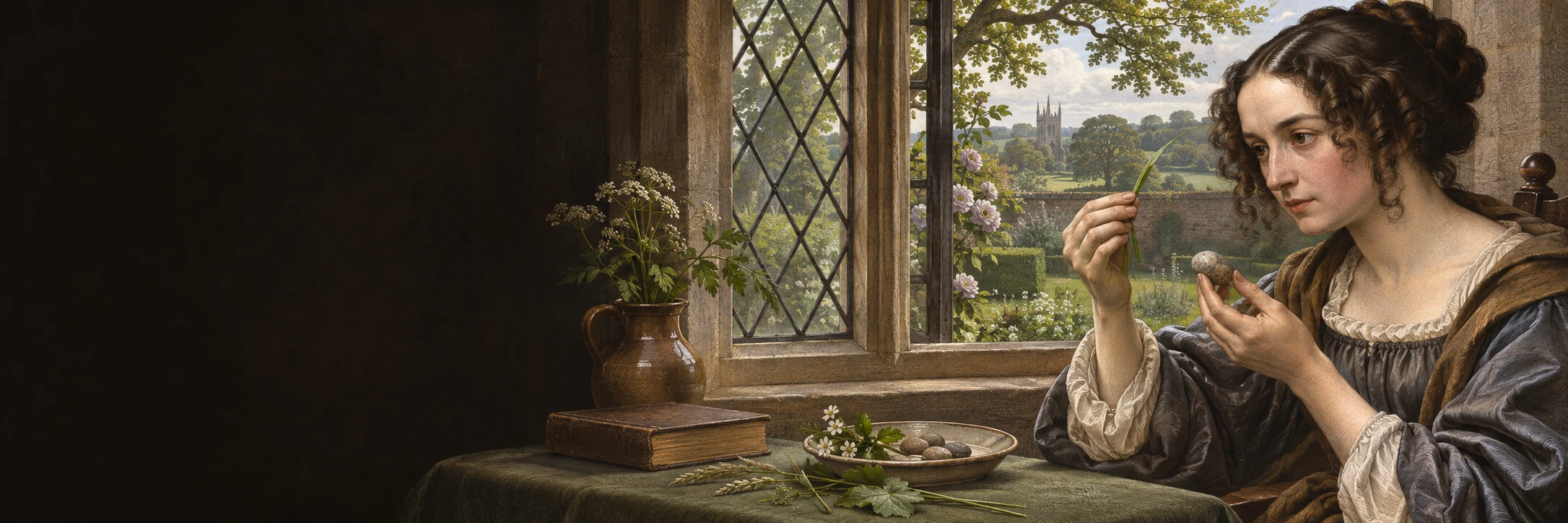
[…] as from a Stone into Earth, and from Earth into Grass, and from Grass to a Sheep, and from a Sheep into Humane Flesh, and from Humane Flesh into the most servile Spirits of Man, and from these into his noblest Spirits […]
Anne Conway (1631–1679)
The Principles of the Most Ancient and Modern Philosophy · 1692 · p. 153
Wording of the English edition.
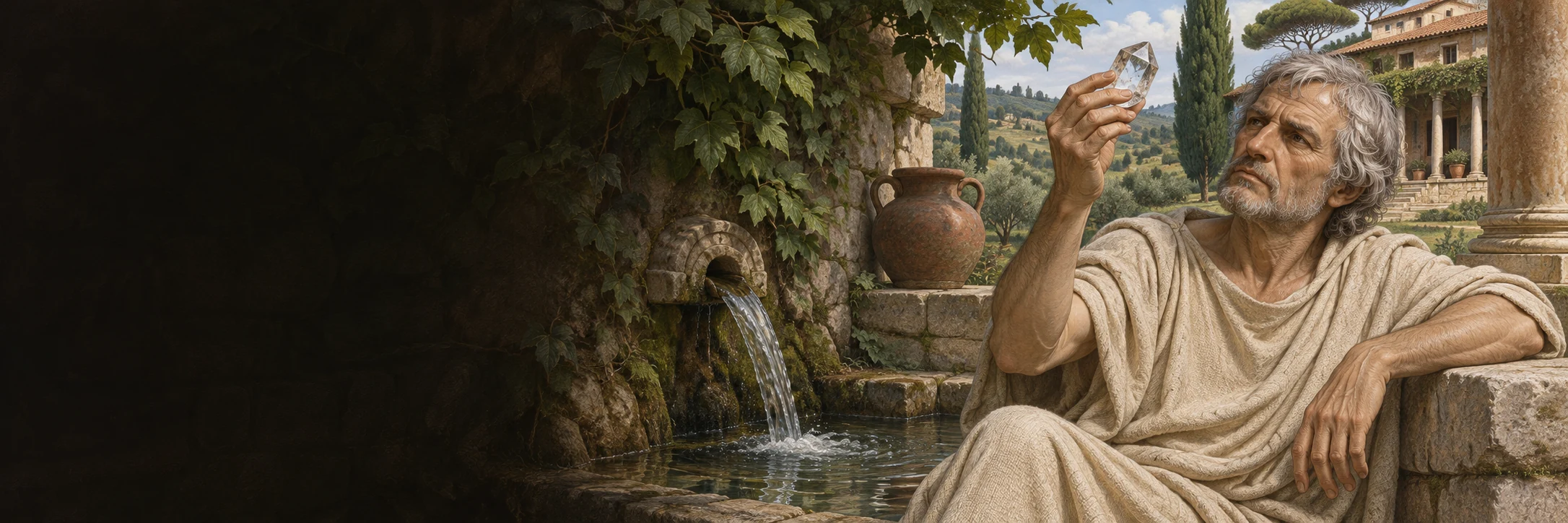
Rain water, which contains very little solid matter, once it is frozen becomes more and more condensed through the persistence of the longer cold until all the air is expelled, and it is compressed to the last degree; then what […]
Lucius Annaeus Seneca (c. 4 BCE–65 CE)
Natural Questions · 1910 · p. 140
Wording of the English edition.
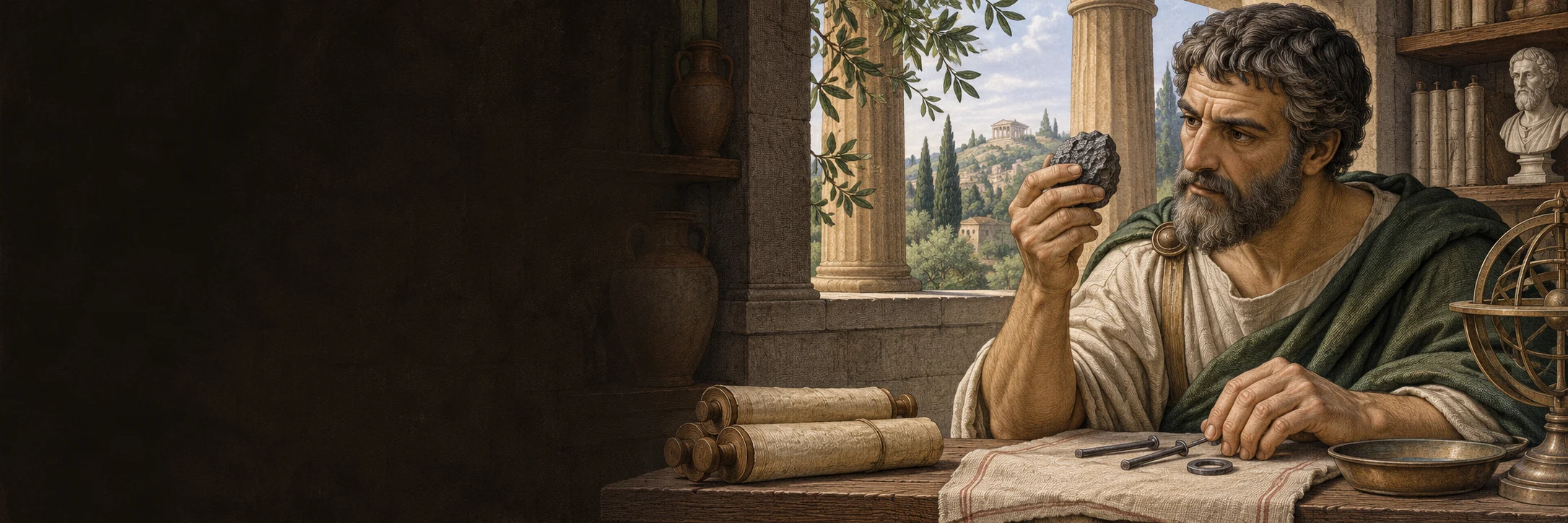
Thus are we moreover informed by Manetho, that the Load-stone is by the Egyptians called the bone of Orus, as Iron is, the bone of Typho.
Plutarch of Chaeronea (c. 45–after 119 CE)
On Isis and Osiris · 1744 · p. 85
Wording of the English edition.
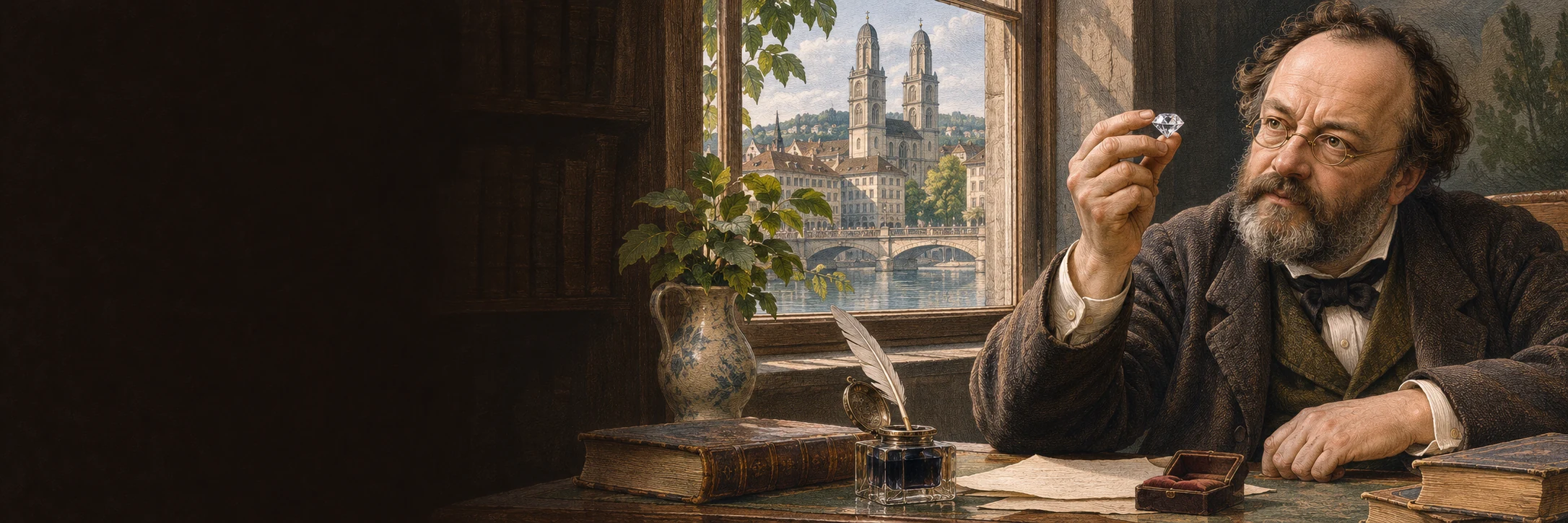
How, then, did the diamond come to be: a unity pervaded throughout, enduring, a purity unclouded, rich in rays, made firm by bonds invisible to us?
Gottfried Keller (1819–1890)
Das Eidgenossen-Volk · 1846 · p. 88
Our translation from the German edition.
This stone is also like to a fiery flame, for the fiery love of the Eternal Word has filled the whole world with love and wills that all loving spirits be burned up to nothingness in love.
 Cart