
 Phone: +43 677 628 66 628 |


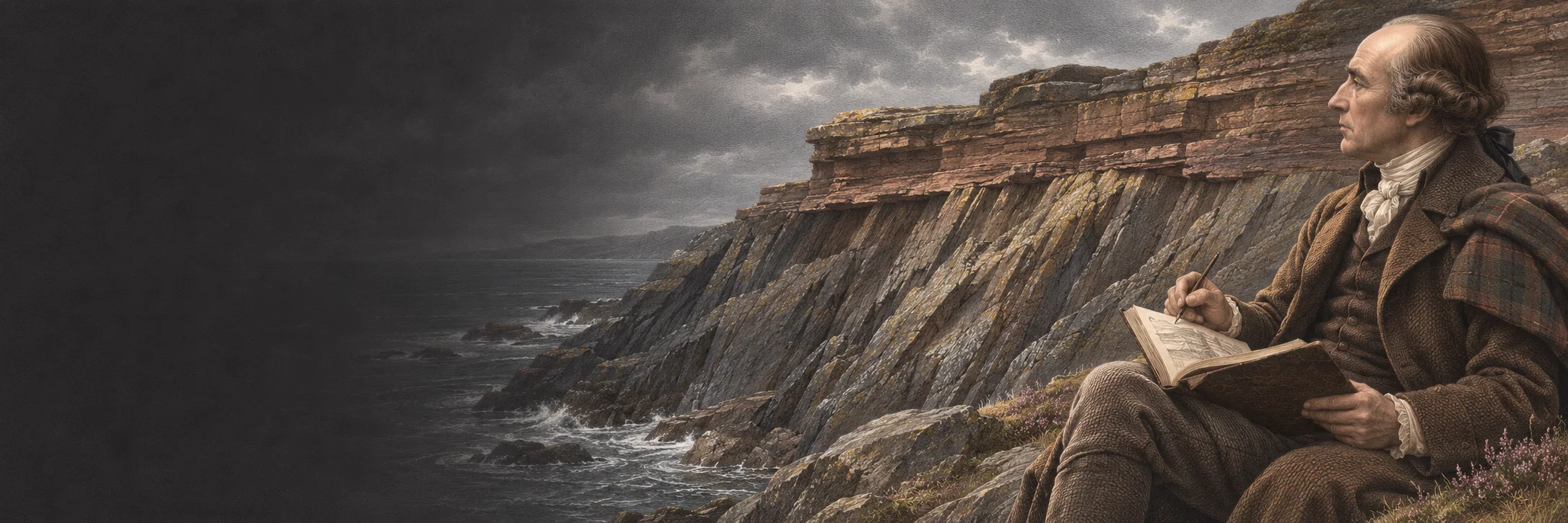
James Hutton
The result, therefore, of our present enquiry is, that we find no vestige of a beginning,—no prospect of an end.
James Hutton (1726–1797)
 Transactions of the Royal Society of Edinburgh, I · p. 304
Original wording
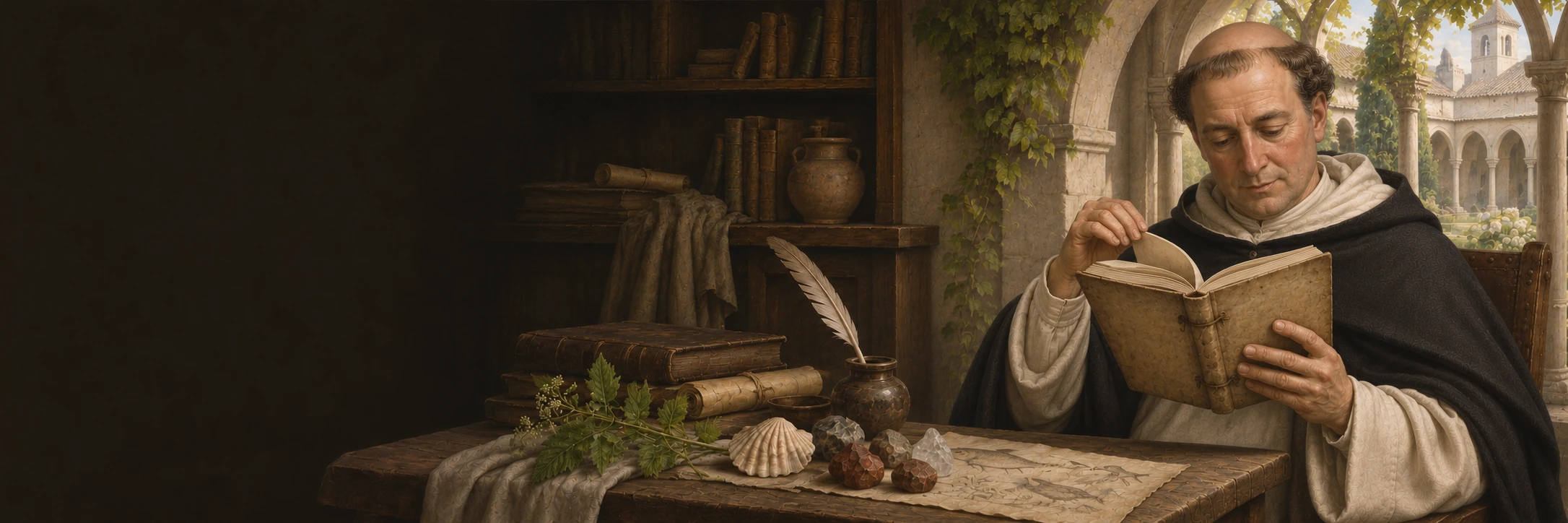
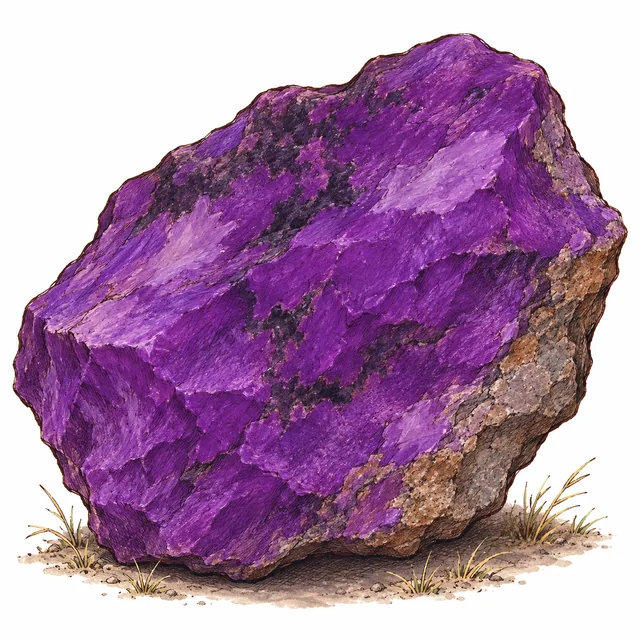
Thomas of Cantimpré writes of amethyst:
“This stone would cost more, but there is a great abundance of it.”
– Thomas of Cantimpré, Liber de natura rerum, XIV, ch. 2, Boese edition, p. 356. Our translation from Latin.[1]
With this observation Thomas of Cantimpré links the description of a stone to its value. In his Liber de natura rerum he distinguishes a particularly prized violet amethyst from a paler kind, the colour of a drop of red wine in water. The paler stone was said to be easier to engrave. Thomas names Ethiopia, India and the German lands as places of origin.[1][2]
Thomas of Cantimpré worked on his Latin Liber de natura rerum around the middle of the thirteenth century. Versions of the work survive in nineteen and twenty books. The survey proceeds from human beings through animals and plants to stones, metals and celestial phenomena. Book XIV, De lapidibus, is devoted to stones. A general introduction gives way to descriptions of individual stones. Towards the end Thomas also considers images in stones and the powers attributed to them.[1][3]
In the prologue Thomas says that he spent almost fifteen years collecting his material. He wanted to bring knowledge dispersed among numerous writings together in one manageable volume. Aristotle, Pliny, Solinus and Isidore of Seville are among the authorities he names. The collection was also intended for preachers. Examples drawn from creation could, in his view, invite reflection on belief and conduct.[1]
Thomas also explains his treatment of sources. Under the name Experimentator he draws on another, otherwise unnamed work. The word designates a source for his collection and does not refer to experiments he performed himself. Thomas also admits widely told stories. For him their long transmission justified including them unless they seemed plainly false. Readers thus encounter authorities of several kinds, from established authors and an anonymous collection to reports passed on by others.[1]
Thomas has stones originate in vapours rising from the depths of the earth and becoming trapped in cavities. A cavity’s shape was thought to determine that of the stone. The components of the vapours were held to produce their colours. Earth made them dark, water clear, air blue and fire red. Green and yellow resulted from mixtures. The introduction thus relates visible properties to a general theory of the four elements.[1][2]
The explanation changes when Thomas turns to special powers. Plants could act on the body through heat, cold, moisture or dryness. He held that the extraordinary powers of stones could not likewise be deduced from such properties. Their origin lay beyond human understanding. God himself had granted them to the stones without an intervening natural force. The attraction of iron and the supposed glow of the carbuncle both appear as examples. Observable phenomena and inherited marvels find a place in the same theological account.[1][2]
This very passage later provoked disagreement. Konrad von Megenberg, whose Buch der Natur drew on a reworking of Thomas’s book, regarded the division between the powers of plants and stones as unfounded. He sought natural intermediate causes for the powers of stones as well. Transmission of the text thus involved debate over its teaching.[6]
The entry on adamas shows how varied the information under a single heading can be. Thomas first describes an exceptionally hard, light-coloured stone, splinters of which were used to cut other gems. He also mentions a larger, dark, rust-coloured kind that attracts iron. The same name thus covers properties that cannot readily be assigned to one mineral bearing that name today.[1][2]
The entry includes a detailed description of a floating needle. Its point was to be stroked with the stone, then set crosswise into a small piece of wood or a stalk and placed on water. If the stone was moved around the vessel, the needle would follow it. After turning, once the stone was removed, the needle would settle towards the star called stella maris. Thomas explicitly connects the device with navigation at sea. A gem name thus leads readers to a technical application of magnetic attraction.[1][2]
Elsewhere conflicting explanations are allowed to stand side by side. Thomas first describes cristallus as ice hardened over many years. He then cites Solinus to the contrary. Solinus reported finds of crystal in places where there had never been ice or frost. The same chapter mentions how a rounded crystal could set tinder alight in sunlight. Provenance, formation and a practical property are all discussed, while the dispute about formation remains unresolved.[1][2]
Towards the end of the book Thomas discusses engraved stones. A list of images attributed to “Techel” describes a black stone with a human figure bearing a sceptre and a bird, and a crocodile beneath. Such a stone was supposed to protect against enemies and demonic influences. The instructions also specify an iron setting. Colour and mount thus join the image itself as attributes of the object credited with this effect.[4]
A fourteenth-century Paris manuscript shows how these texts were passed on within the larger work. In the Bibliothèque nationale de France manuscript Latin 347B, Book XIV occupies leaves 175 to 180 under the heading De lapidibus. Other parts of the work are missing from this copy, including the book on metals. The lapidary nevertheless survives as a section in its own right between the books on plants and the subsequent account of the air and the stars.[5]
 Search
The result, therefore, of our present enquiry is, that we find no vestige of a beginning,—no prospect of an end.
James Hutton (1726–1797)
Transactions of the Royal Society of Edinburgh, I · p. 304
Original wording
The stone is a triangle in essence and a quadrangle in quality.
Anaxagoras: Through fiery vapour this rock came to hand. Thales: In moisture living things arose.
[…] the heart of the water congeals into firmness. […]
Hildegard of Bingen (1098–1179)
Physica, Patrologia Latina 197 · col. 1263
Our translation; unclear opening construed from context · excerpt
Look! I died as stone and sprang up as a plant
Dschalāl ad-Dīn Rūmī (1207–1273)
Excerpt. Our translation of Friedrich Rückert’s German rendering

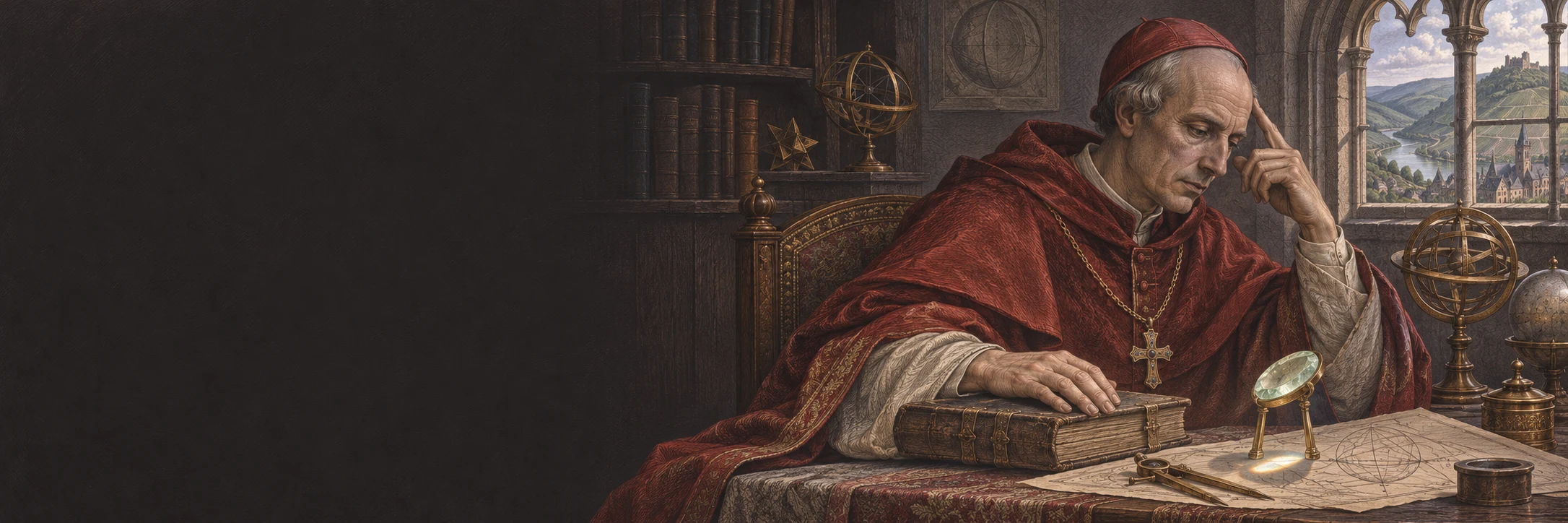
Beryl is a bright, white, transparent stone. It is given a shape both concave and convex, and the person looking through it reaches what was previously invisible.
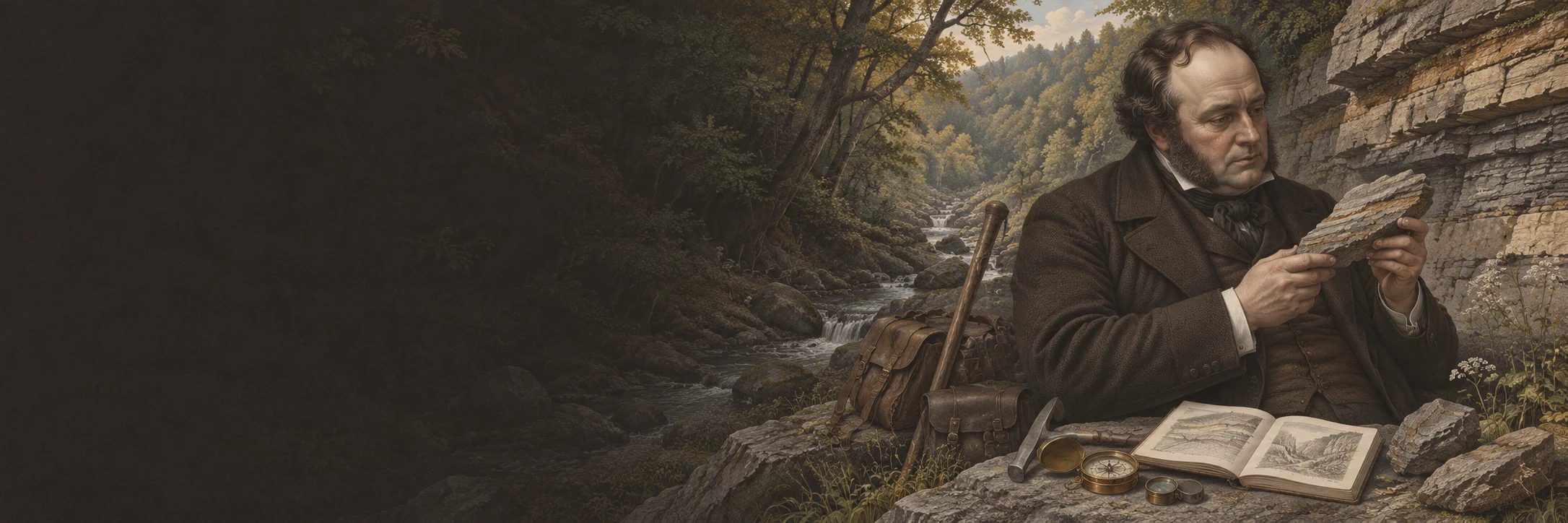
The earth itself keeps the sources for its history within it, as in a vault of records, sources perhaps set down in millions of documents. What matters is that we learn to read them and do not falsify them through zeal and the urge to be right.
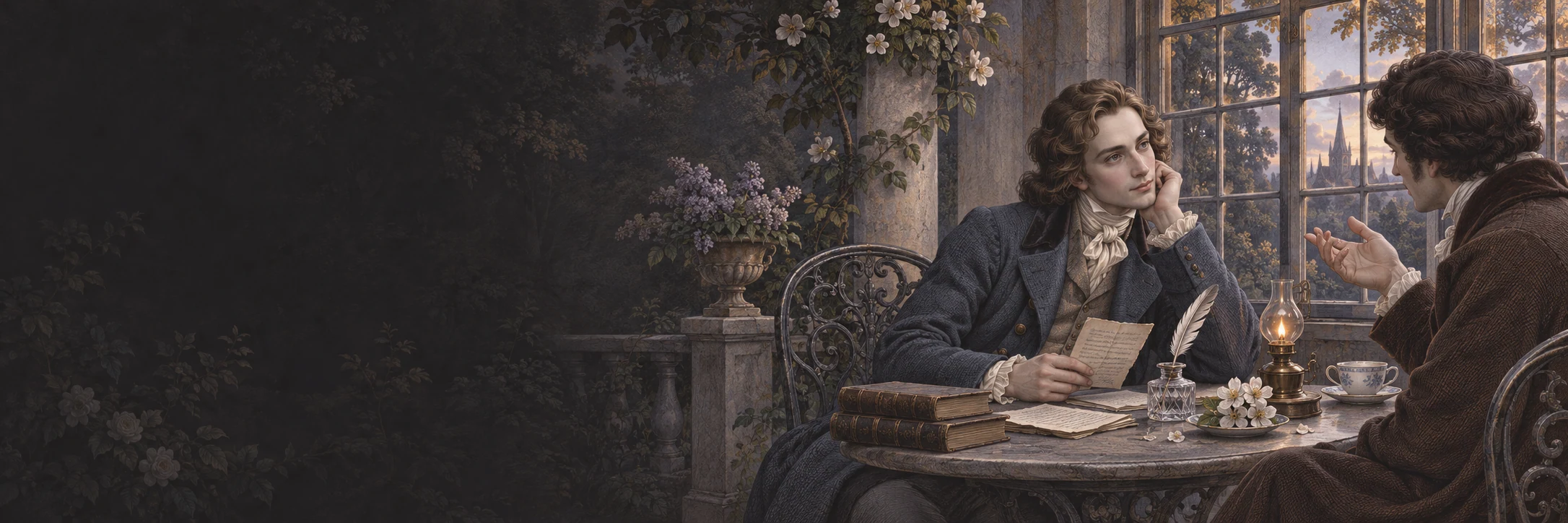
People are crystals for our inner life. They are nature made transparent.

As for precious stones such as carbuncle, ruby, emerald, delphin, onyx and the like, the finest of stones, they have their origin where the flash of light arose in love.
 Cart