
 Phone: +43 677 628 66 628 |


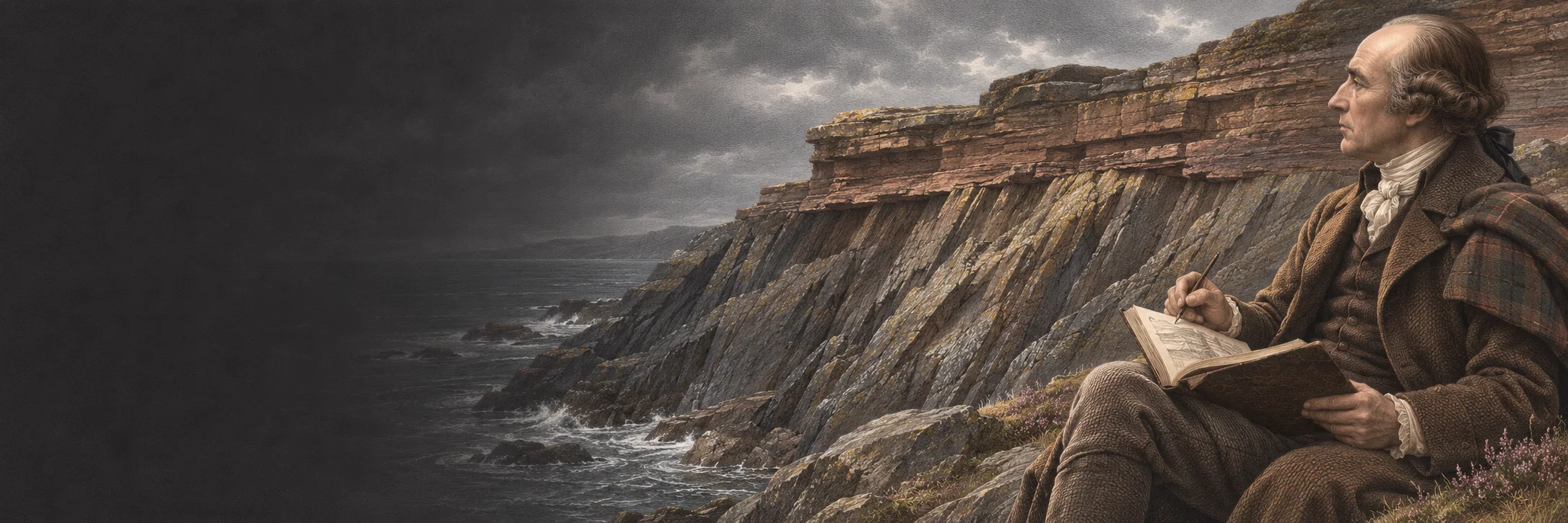
James Hutton
The result, therefore, of our present enquiry is, that we find no vestige of a beginning,—no prospect of an end.
James Hutton (1726–1797)
 Transactions of the Royal Society of Edinburgh, I · p. 304
Original wording
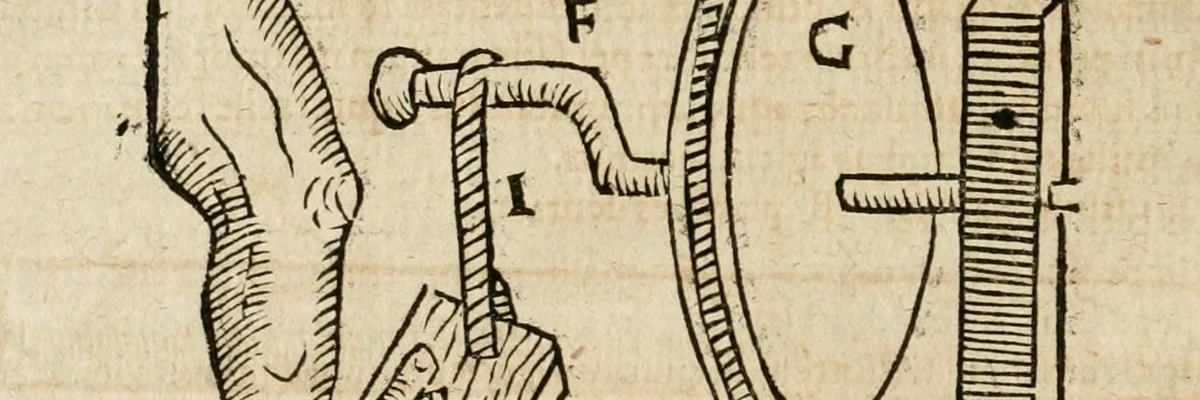
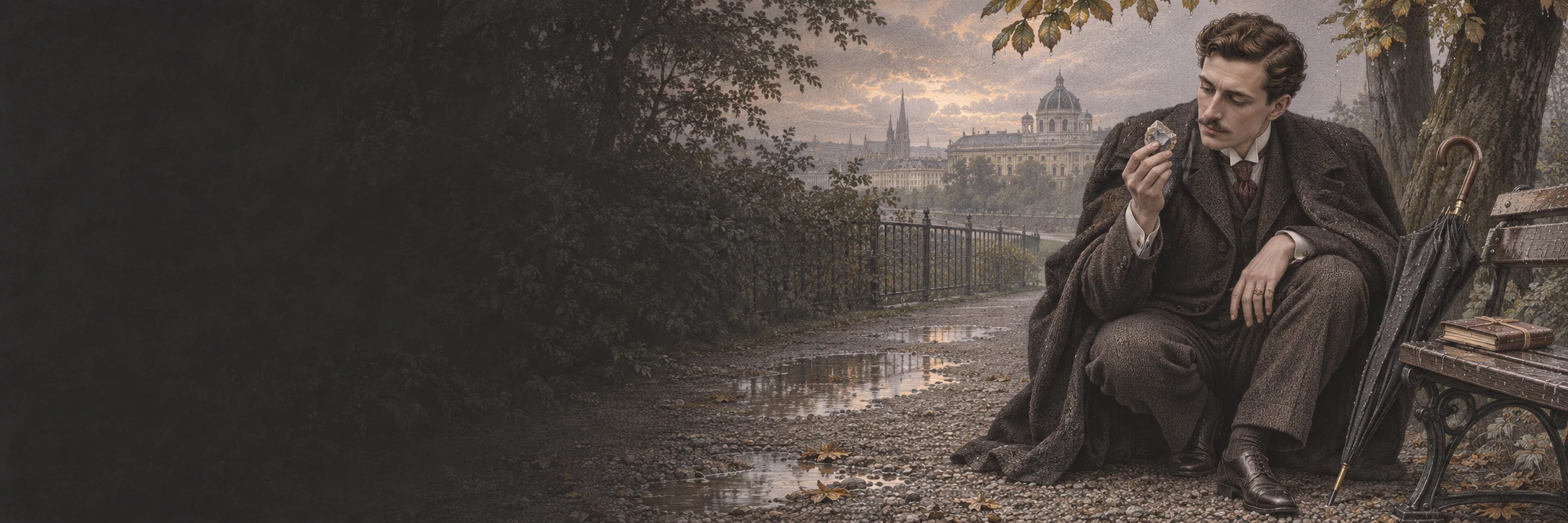
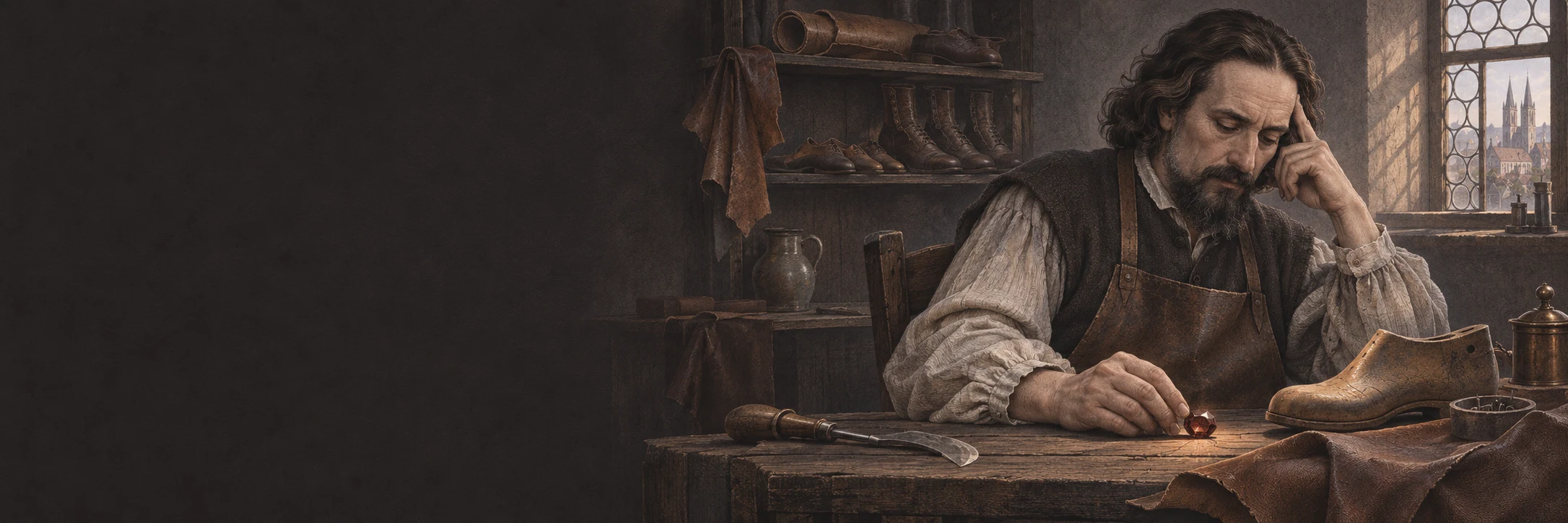
In its setting a gem could appear larger and more deeply coloured than it really was. Colour laid underneath, a piece of glass added to the back, or separate pieces glued together could all suggest a more precious stone. Anselmus Boetius de Boodt closely examined such devices in his Gemmarum et lapidum historia, published in 1609. As he saw it, anyone writing on the nature of stones also needed to know the tricks by which people altered their appearance.[1]
The Latin work is divided into two books. The first treats stones and gems in general, including their formation, properties, working and powers. The second describes individual kinds, sometimes devoting several chapters to the origin, value, use and cutting of a single gem. The main text of the 1609 edition runs to 294 pages, in addition to preliminary matter, lists and indexes. A general account of stones thus provides the basis for the detailed descriptions.[1][2]
On the title page de Boodt describes himself as personal physician to Emperor Rudolf II, to whom he dedicated the book. The full title announces the origin, nature, powers and value of stones, as well as their use in chemical preparations. He expressly names princes, physicians, chymists and naturalists among his readers. His enquiry connects the possession of precious objects with their description, working and use.[1][2]
Later editors revised the work and brought it into the company of other writings on stones. The title page of the third edition, published in 1647, names Adrianus Tollius as reviser. The volume also includes two books on stones by Johannes de Laet and a Greek and Latin edition of Theophrastus’ On Stones. Some of these texts have separate titles and pagination. The later volume thus combines several authors and stages of editing.[3]
De Boodt asks what causes visible properties. He explains hardness in terms of the nature and combination of a material’s constituents, assigning different roles to earth, salt, water and air. Against the idea that water makes a stone hard, he points to ice, which consists of water yet is soft. The transparency of a gem should not, he argues, mislead the observer about the cause of its hardness.[1]
In distinguishing genuine gems from imitations, such features have practical value. Air bubbles might betray glass, while comparisons of hardness and weight could provide further clues. Yet artificial stones could be heavy because they contained added metals. Greater weight was therefore no proof of authenticity.[1]
He found composite stones particularly difficult. Colour concealed between two pieces could be seen from several directions after cutting, giving the impression that it ran through the whole stone.
“The surest and most exact way to detect these deceptions is to take the suspect gem out of its setting and submit it bare to the judgment of the eyes.”
– Anselmus Boetius de Boodt, Gemmarum et lapidum historia, Hanau, 1609, I, ch. XIX. Our translation from Latin.[1]
He also examines critically the promise that a maker can reproduce all the properties of a natural stone. He discusses a method attributed to Ramon Llull using liquids that cause substances to solidify, but says the method is unfamiliar to him and seems improbable. In his eyes a resemblance in appearance did not establish a common nature or identical powers.[1]
The diamond shows how closely de Boodt connects description and price. He favours a form with a flat table on top and discusses the proportions of the side facets. Other forms, he says, are often chosen to suit the rough stone, so that as little precious material as possible is lost. Decisions about cutting therefore affect appearance, weight and price together.[1]
He develops tables for valuation, assuming a flawless stone of suitable shape. In his calculations the value of larger stones rises disproportionately. He nevertheless criticises a method proposed by Linschoten for producing too steep an increase in price. He then qualifies his figures: tints, cloudiness, cracks or insufficient thickness call for deductions. No fixed rule can cover every defect. Judgement must be left to someone competent to examine the stone.[1]
Claims in earlier lapidaries also had to withstand examination. Given the examples of magnets and amber, de Boodt does not dispute that stones can have effects. He distinguishes natural properties, however, from feats that he believes an inanimate substance cannot perform. He includes promises that a stone can make its owner rich, popular or invisible.[1]
The heliotrope illustrates the difference between a possible event and the cause attributed to it. A cloud can obscure sunlight. It does not follow that a stone placed in water can darken the sun. He likewise traces friendship to human qualities such as generosity and manners. Why ascribe that effect to a gem without sufficient grounds?[1]
He draws these distinctions within a religious understanding of nature. He does not rule out every extraordinary event reported in connection with a stone. A stone might serve as an instrument of divine or demonic action without itself causing the outcome. De Boodt expressly distinguishes what happens through a stone from what it brings about by its own nature.[1]
Convincing experience, in his view, must meet several tests. The proposed cause must repeatedly have produced the effect, alternative causes must be excluded, and the explanation must be consistent with nature. Carrying a gem when something happened was insufficient proof. Gem dealers in particular, he warns, might promise unusual powers in the hope of a higher price. His investigation of deception thus extends from a concealed layer of colour to a claim about effects made without evidence.[1]
 Search
The result, therefore, of our present enquiry is, that we find no vestige of a beginning,—no prospect of an end.
James Hutton (1726–1797)
Transactions of the Royal Society of Edinburgh, I · p. 304
Original wording
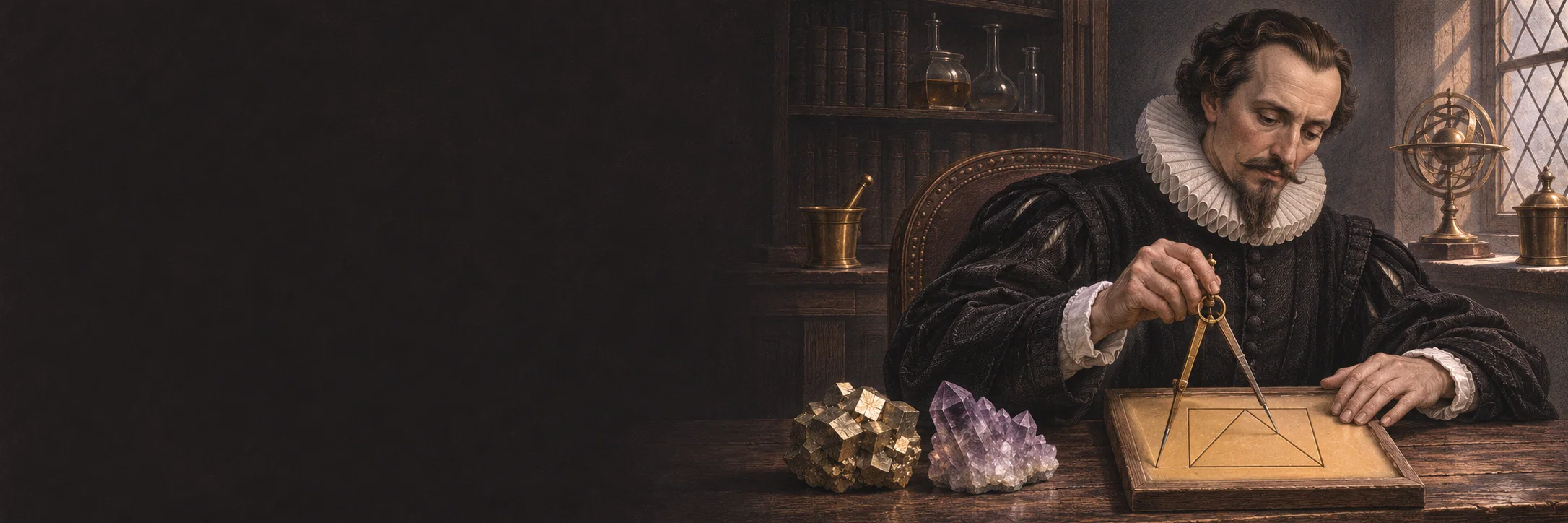
The stone is a triangle in essence and a quadrangle in quality.
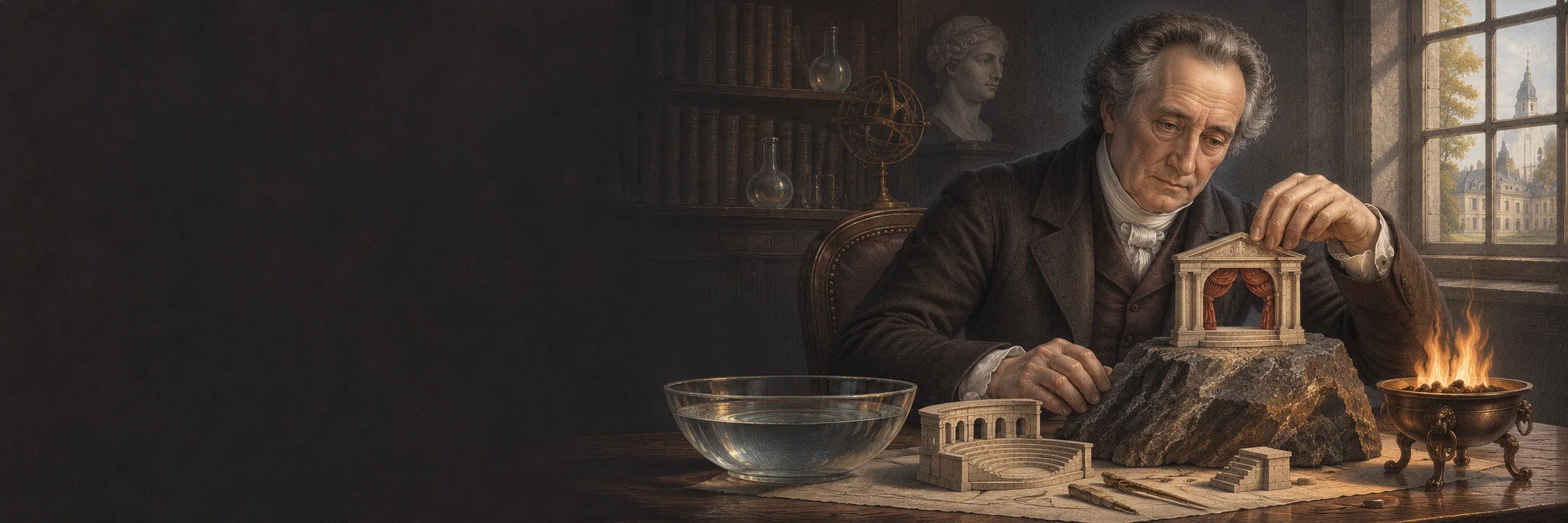
Anaxagoras: Through fiery vapour this rock came to hand. Thales: In moisture living things arose.
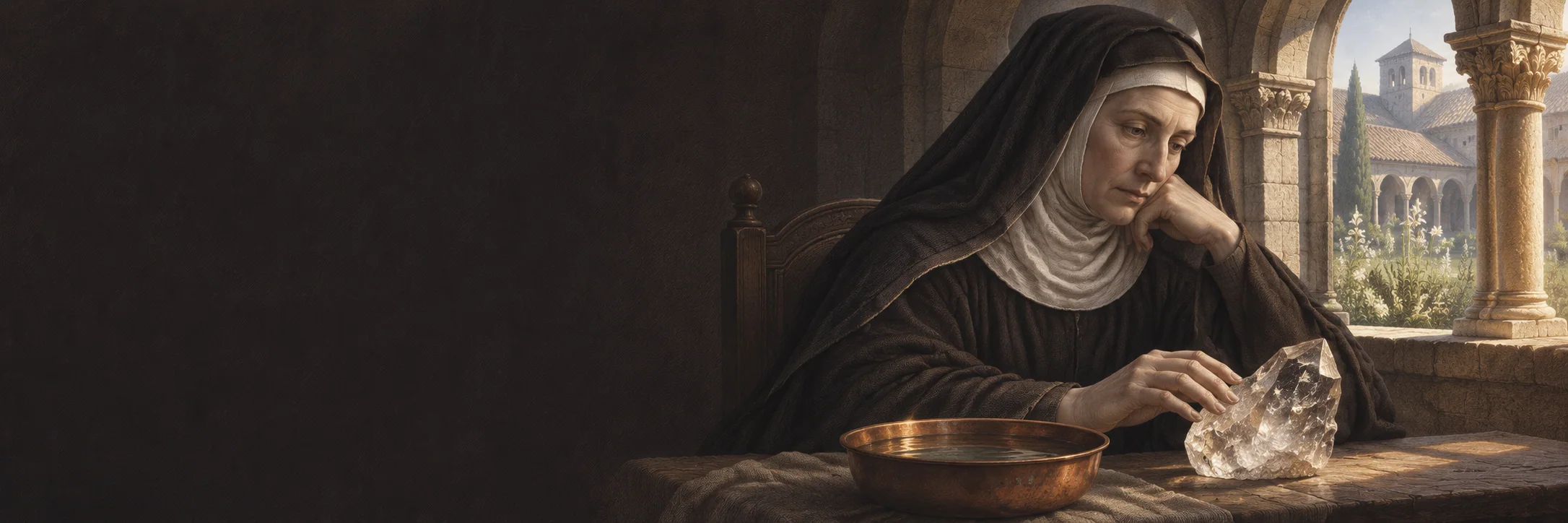
[…] the heart of the water congeals into firmness. […]
Hildegard of Bingen (1098–1179)
Physica, Patrologia Latina 197 · col. 1263
Our translation; unclear opening construed from context · excerpt
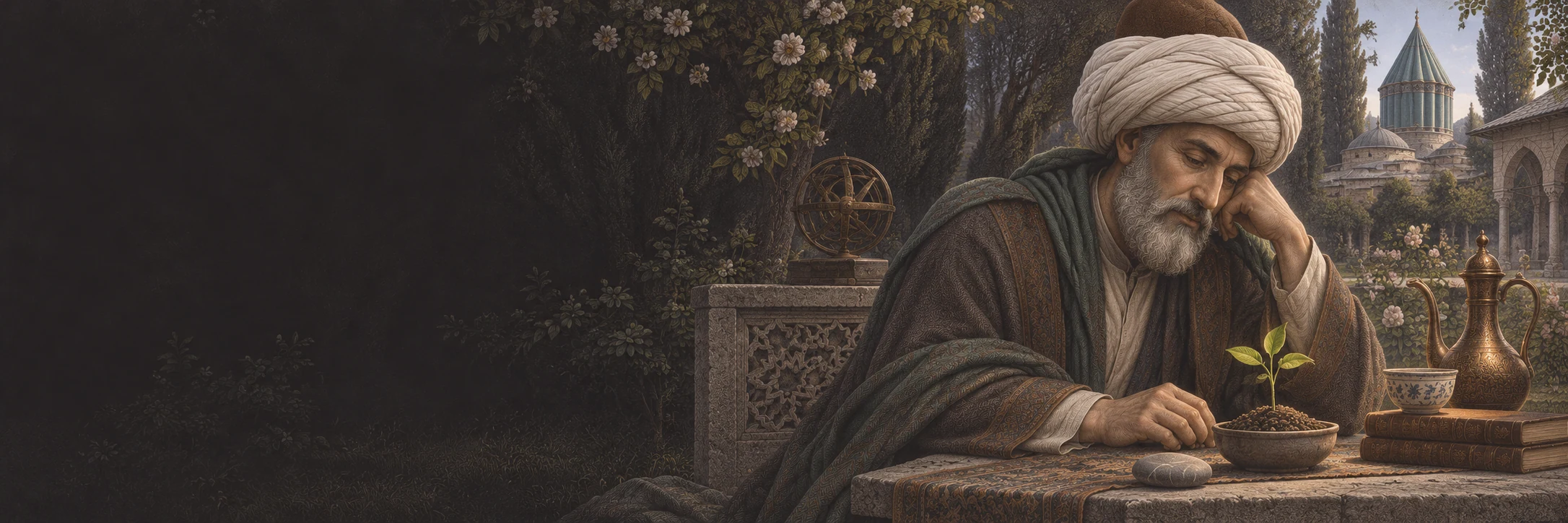
Look! I died as stone and sprang up as a plant
Dschalāl ad-Dīn Rūmī (1207–1273)
Excerpt. Our translation of Friedrich Rückert’s German rendering
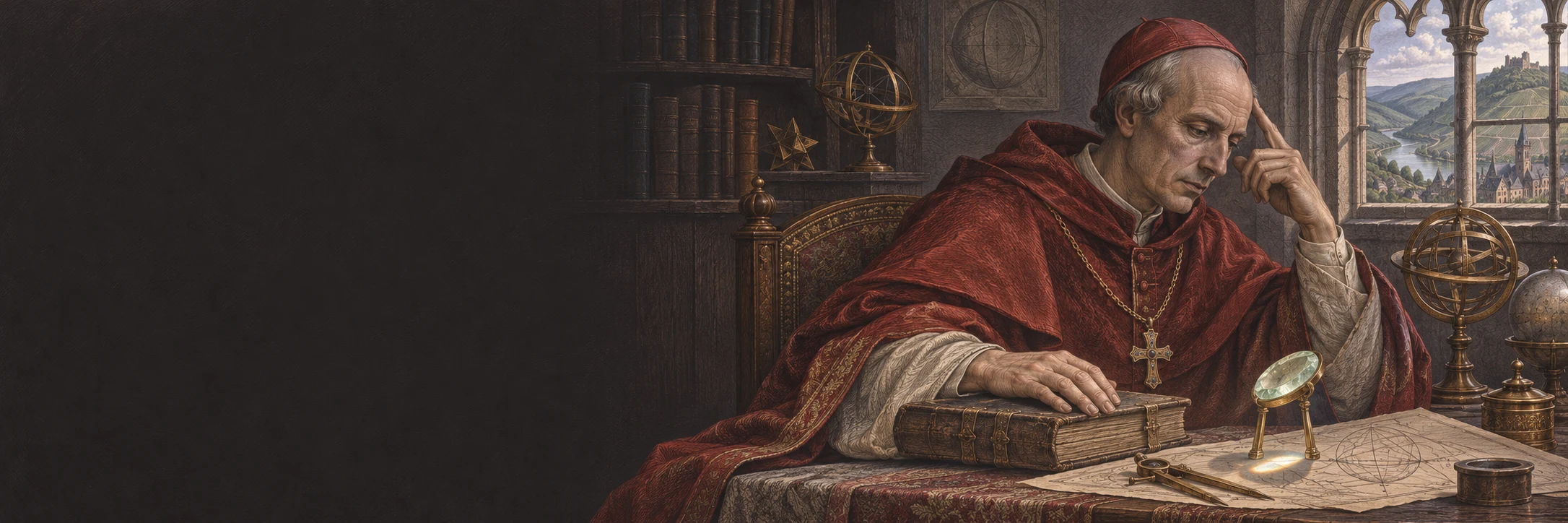
Beryl is a bright, white, transparent stone. It is given a shape both concave and convex, and the person looking through it reaches what was previously invisible.
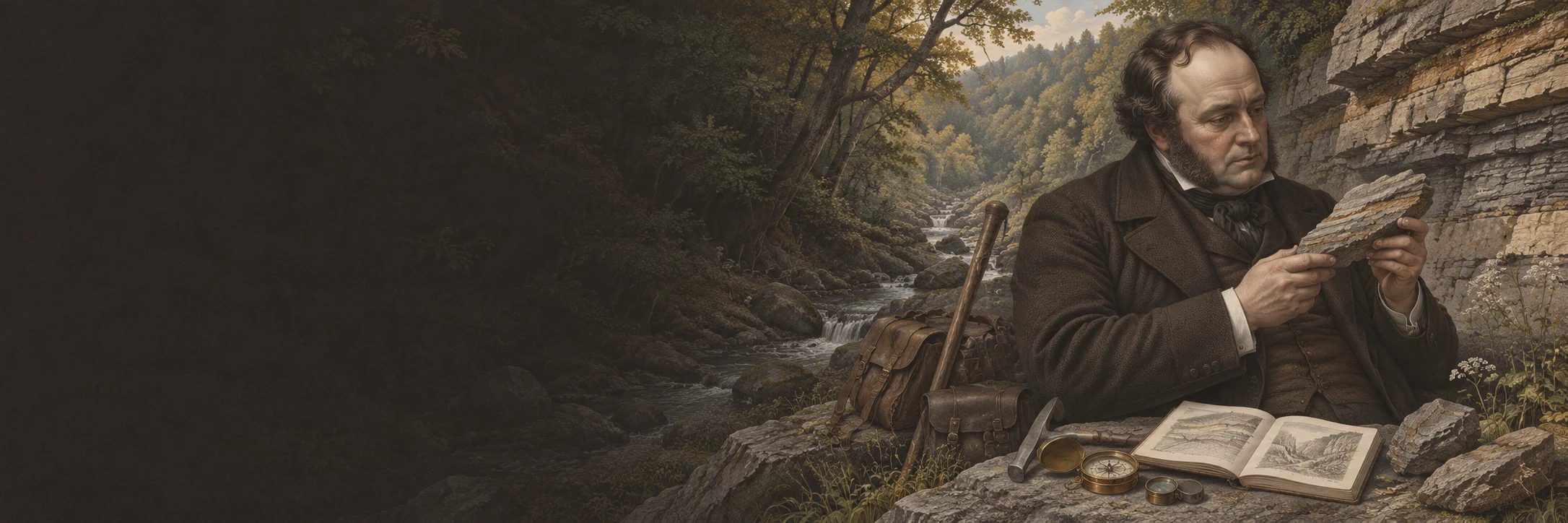
The earth itself keeps the sources for its history within it, as in a vault of records, sources perhaps set down in millions of documents. What matters is that we learn to read them and do not falsify them through zeal and the urge to be right.
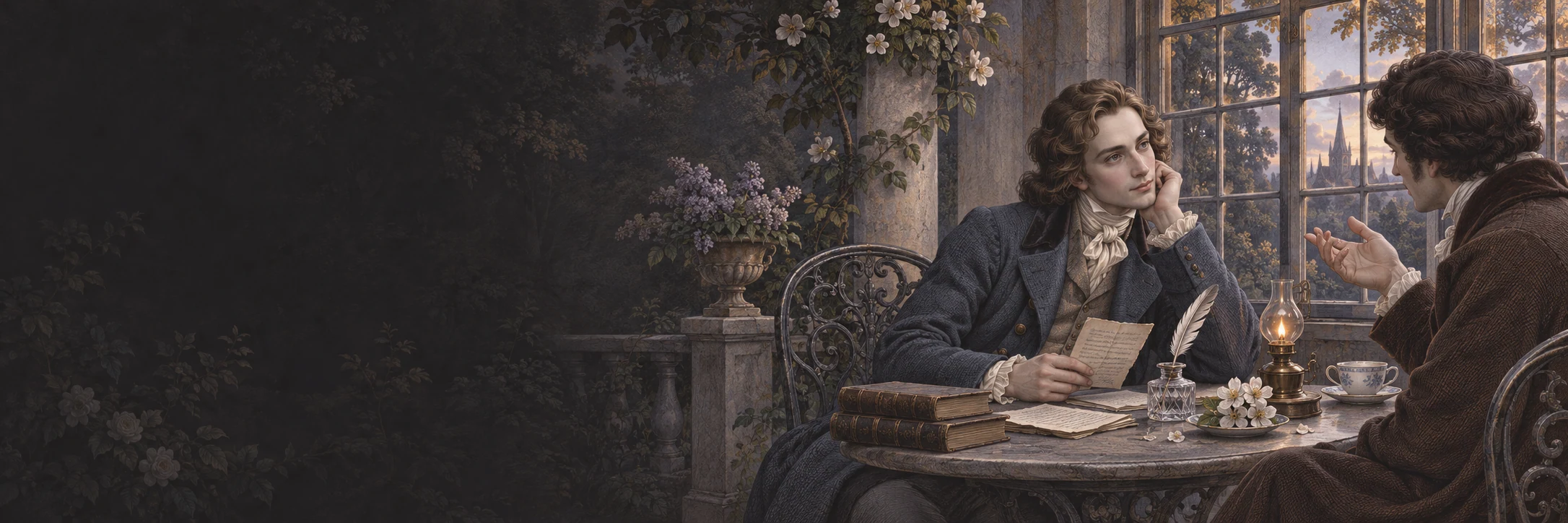
People are crystals for our inner life. They are nature made transparent.
As for precious stones such as carbuncle, ruby, emerald, delphin, onyx and the like, the finest of stones, they have their origin where the flash of light arose in love.
 Cart