
 Phone: +43 677 628 66 628 |



John Muir
The whole wilderness seems to be alive and familiar, full of humanity. The very stones seem talkative, sympathetic, brotherly.
An emerald’s green fills the eyes more fully than a meadow or a grassy field. This is how Girolamo Cardano describes the stone’s appearance.
“You ask the cause of the marvel. In this gem there lies a manifold greenness, as if in layers of bark, one hidden beneath another.”
– Girolamo Cardano, Historiae lapidum, Lyon, 1663, p. 522. Our translation from Latin.[1]
The stone’s beauty thus prompts him to ask about its internal structure and its effect on the eye.[1]
The Latin treatise Historiae lapidum, metallicorum et metallorum comprises seven chapters. In the posthumous edition of 1663 it occupies pages 520–532 of volume ten of the Opera omnia and forms the tenth book of the Paralipomena. A treatment of colours and kinds of stone leads to reflections on the beauty of gems and their artificial imitations. Later chapters consider metals, rock crystal and a stone from the gall bladder of a bull. The inquiry thus extends beyond gems.[1][2]
This treatise is distinct from the seventh book of Cardano’s De subtilitate, which also deals with stones. At the outset Cardano notes that he has already discussed stones and gems elsewhere. He now wishes to define more precisely what distinguishes one kind from another.[1][2]
Cardano begins with colours. He adds three to an initial seven basic colours and tries to order simple and mixed appearances on this basis. He distinguishes transparent from opaque colours. Stones that change appearance with the angle of view form a group of their own. His examples include opal and the so-called cat’s eye.[1]
Yet colour alone is insufficient for identification. Hardness, lustre and provenance must also be considered. For him a diamond and a rock crystal differ in more than hardness. He also compares the places where they occur. If both formed in the same region and nevertheless differed markedly, their differences could hardly be explained by different origins alone.[1]
He examines multicoloured stones equally closely. Small spots scattered at random are treated differently from a regularly recurring arrangement. Where particular colours and markings occur together with a certain hardness or an unusual lustre, he sees grounds for recognising a distinct kind of stone. A name should thus rest on a combination of features.[1]
His text also describes seeing as a skill that can be learnt. A mixture of colours should first be examined carefully in bright light. With experience, a viewer could recognise the same difference more readily and eventually even in a stone already set in jewellery. Training on the object thus accompanies the scholarly comparison of descriptions.[1]
After describing individual stones in some detail, Cardano asks why certain gems are especially prized. He connects price with the pleasure of looking. The colours of stones recalled pleasing sights, green suggesting plants, blue the clear sky, and a pale glow light and clarity. He develops this relation when describing the green of the emerald. In chapter three it becomes a more general explanation of visual pleasure.[1]
Among the most beautiful stones he counts diamond, emerald, sapphire, amethyst and opal. Opal can unite different colours in a single stone. He also discusses the carbuncle, whose fiery glow in traditional accounts inspired a different kind of wonder. His explanation embraces familiar experiences of colour as well as extraordinary properties known to him from writings on stones.[1]
He does not accept every promise about a stone’s value with equal readiness. Under Sardius he encounters the claim that the stone brings good fortune. Cardano suspects an invention of gem dealers. Where beauty failed to secure a sale, the promise of an effect might help. Elsewhere he accepts other special powers. His objections concern particular claims and the grounds advanced for them.[1]
A separate chapter considers artificial gems. Cardano names weight, density, transparency and lustre as features that might reveal them. Bubbles are particularly conspicuous. He also reports on artificial emeralds made by Aemilius Malvezius of Bologna and says that he owns one himself. They were harder than glass but softer than crystal.[1]
It is the combination of properties that interests him in his specimen. The imitation could shine beautifully and yet differ from nature’s example in its weight or lesser transparency. Cardano tries to explain these differences through the composition of the material. The artificial object thus serves as a comparison against which to test his ideas about substance, hardness and light.[1]
Judgement can be even harder when a natural stone has subsequently been altered. In his chapter on rock crystal Cardano examines pieces containing water. He first proposes a natural history for them. Liquid could enter a cavity through a narrow passage whose opening later closed.[1]
He also considers an artificial process. Someone could introduce water into a drilled crystal and seal the opening with crystal powder and egg white, leaving a seam that was barely visible. The trouble might be worthwhile, since buyers would pay handsomely for a supposed marvel of nature. For him the unusual contents of a stone demanded the same scrutiny as its outward colour.[1]
 Search
The whole wilderness seems to be alive and familiar, full of humanity. The very stones seem talkative, sympathetic, brotherly.
To see a World in a Grain of Sand, And a Heaven in a Wild Flower, Hold Infinity in the palm of your hand, And Eternity in an hour.
To every natural form, rock, fruit or flower, Even the loose stones that cover the high-way, I gave a moral life: I saw them feel […]
William Wordsworth (1770–1850)
 The Prelude, or Growth of a Poet’s Mind · p. 60–61
Original wording · Excerpt
A Heart alone Is such a stone, As nothing but Thy pow’r doth cut.
George Herbert (1593–1633)
The Temple. Sacred Poems and Private Ejaculations · p. 18
Original wording
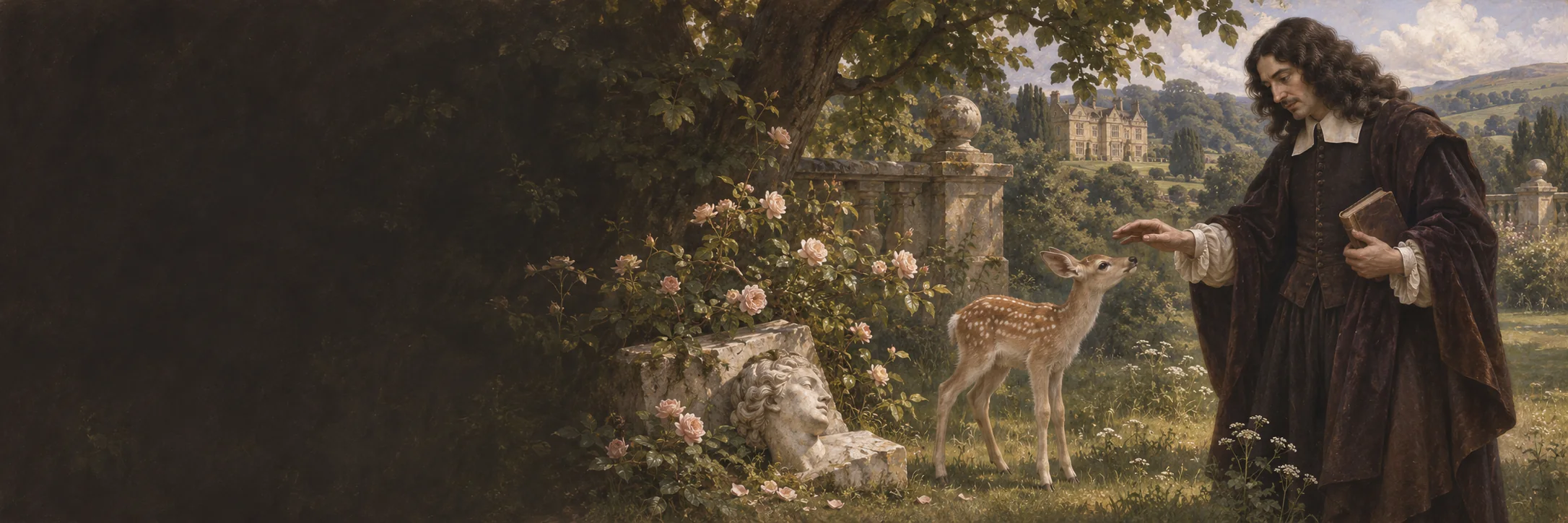
For I so truly thee bemoane, That I shall weep though I be Stone: Until my Tears, still dropping, wear My breast, themselves engraving there.
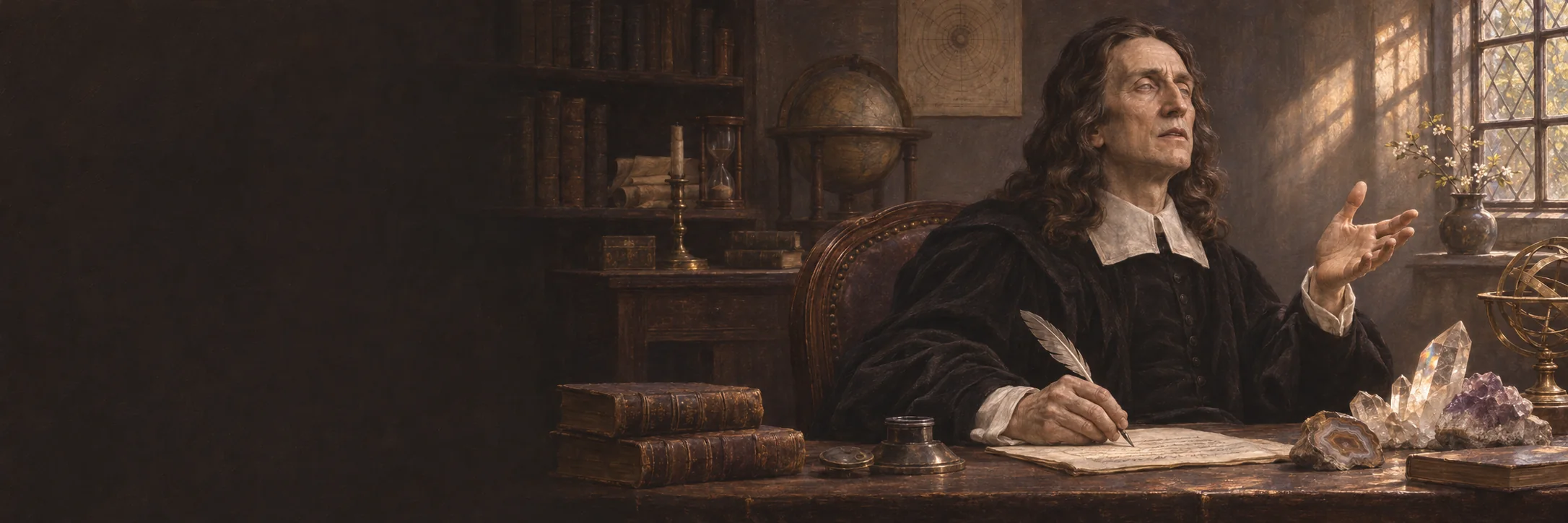
The arch-chemic sun, so far from us remote, Produces, with terrestrial humour mixed, Here in the dark so many precious things Of colour glorious and effect so rare?
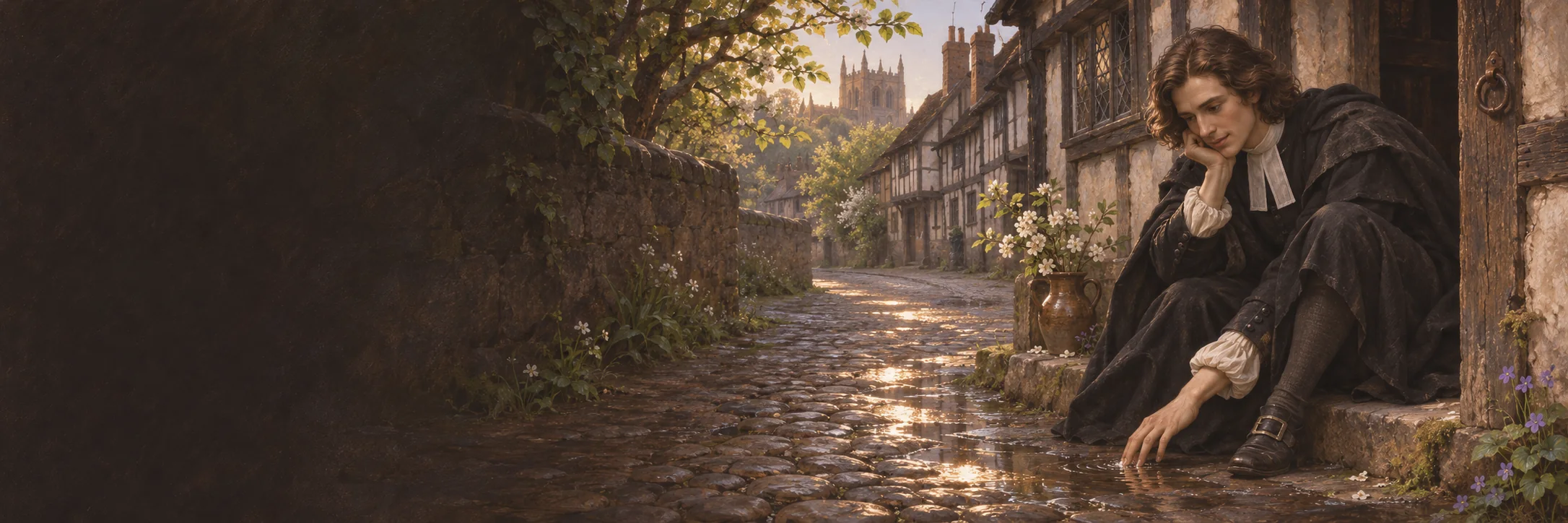
The dust and stones of the street were as precious as gold: the gates were at first the end of the world.
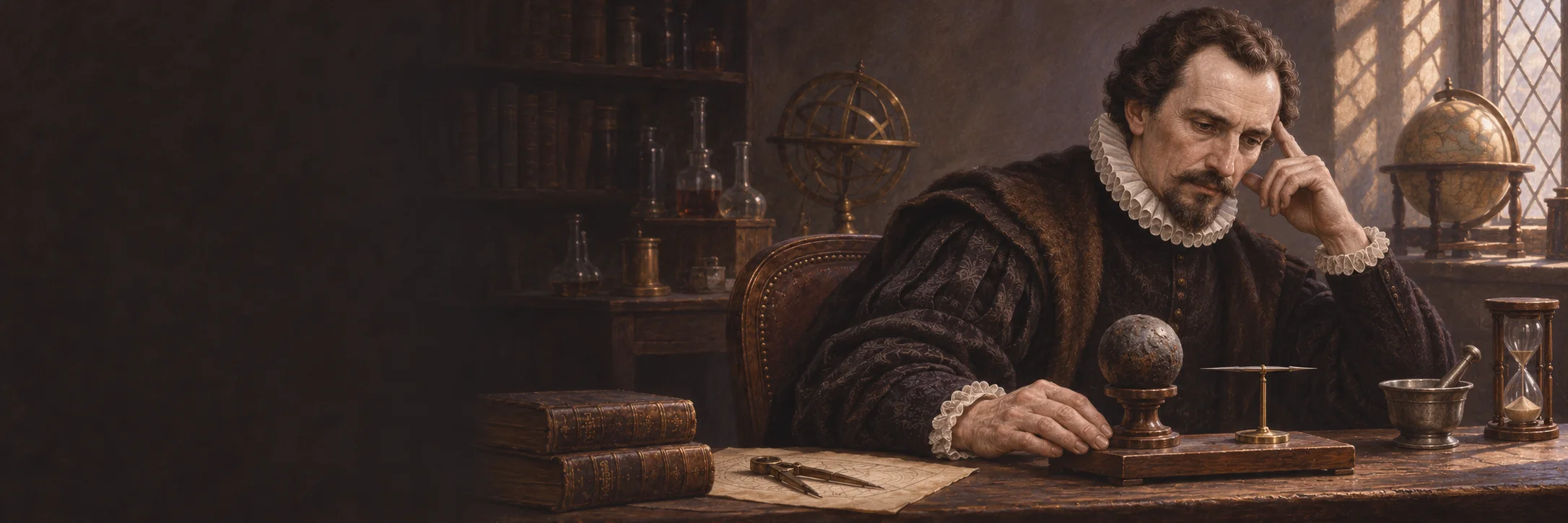
A loadstone is a wonderful thing in very many experiments, and like a living creature.
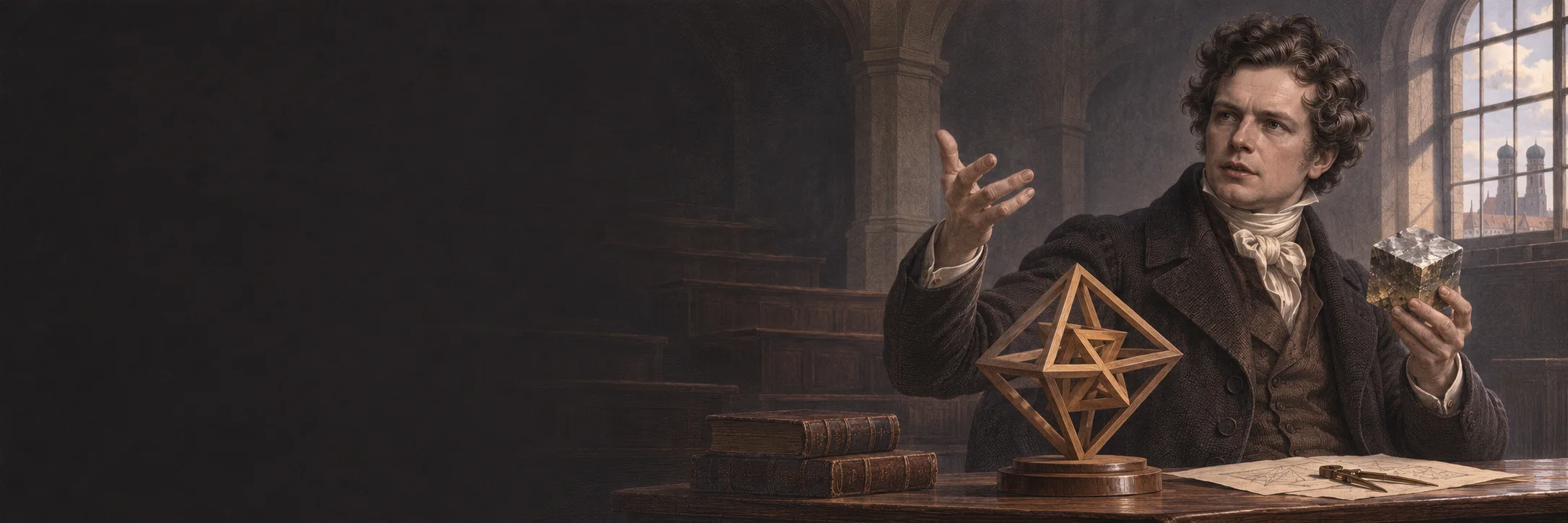
Thus raw matter strives, blindly as it were, for regular shape and unknowingly assumes purely geometrical forms, which surely belong to the realm of concepts and are something of the spirit within the material.
Friedrich Wilhelm Joseph Schelling (1775–1854)
Philosophische Schriften I: Ueber das Verhältniss der bildenden Künste zu der Natur · p. 352
Our translation
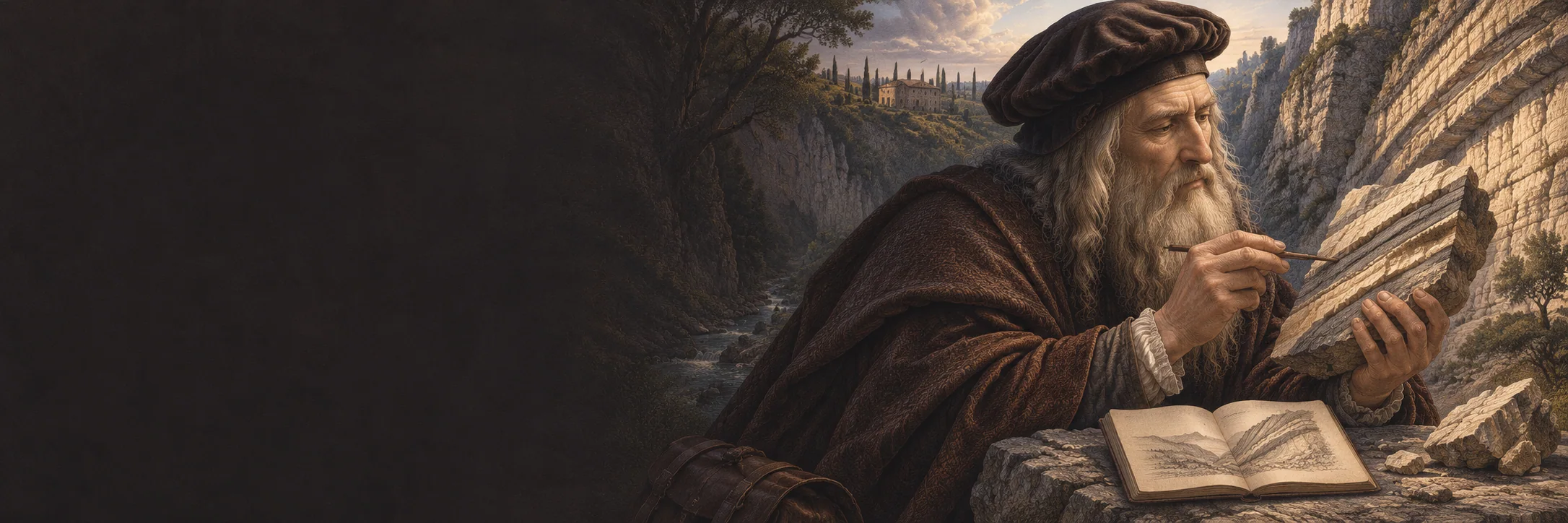
So that we might say that the earth has a spirit of growth; that its flesh is the soil, its bones the arrangement and connection of the rocks of which the mountains are composed, its cartilage the tufa, and its blood the springs of water.
Leonardo da Vinci (1452–1519)
The Literary Works of Leonardo da Vinci, II · p. 220–221
Historical translation by Jean Paul Richter · clause
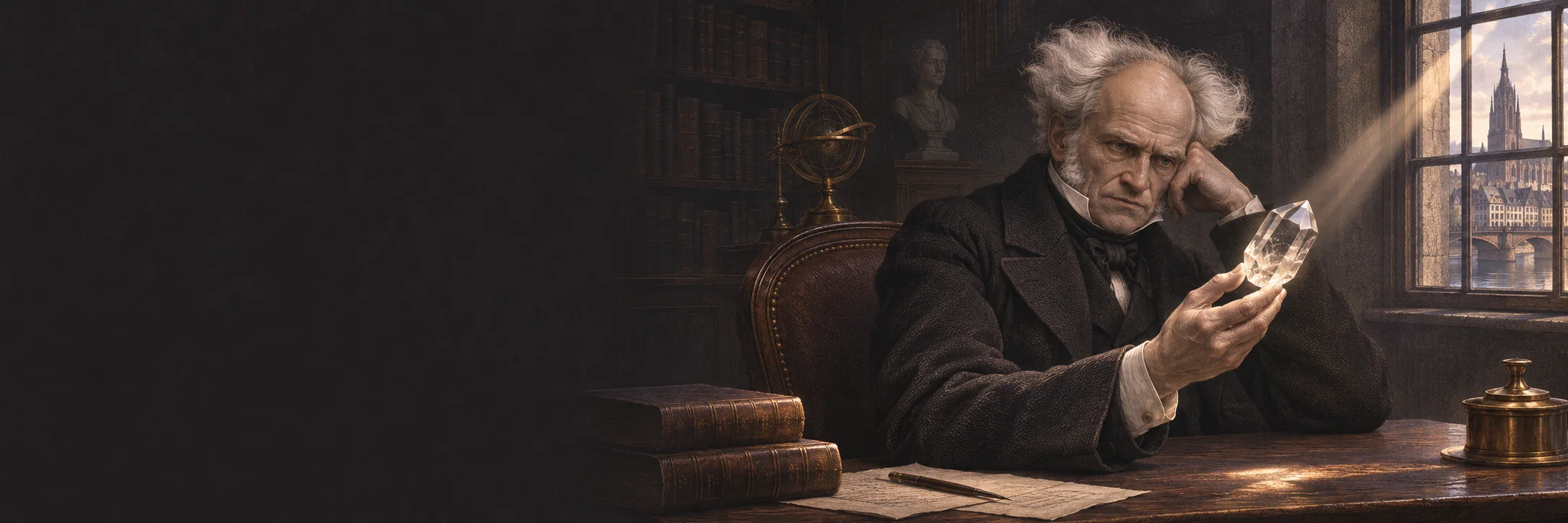
Therefore, rigidity at once seizes that momentary movement, of which only the trace remains as the crystal.
Arthur Schopenhauer (1788–1860)
The World as Will and Idea, III · p. 37
Translated by R. B. Haldane; J. Kemp
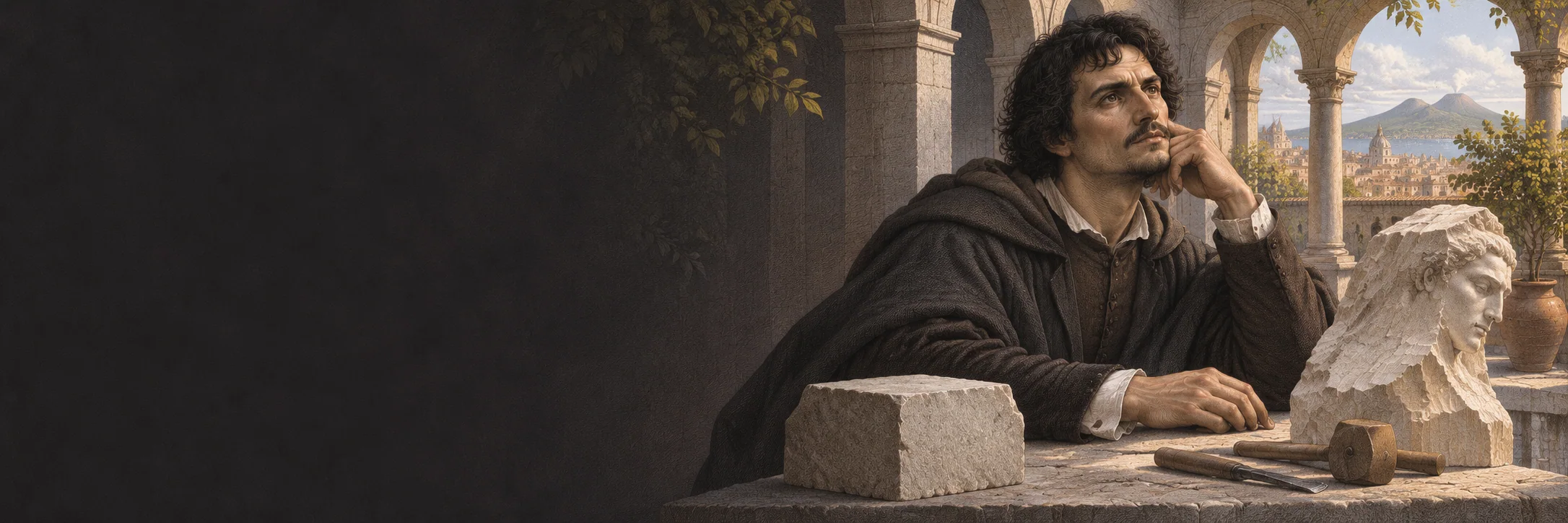
The stone is not everything that it can be; for it is not lime, a vessel, dust or a herb.
Giordano Bruno (1548–1600)
Von der Ursache, dem Princip und dem Einen · p. 67
Our translation from Adolf Lasson’s German edition
 Cart